Photo credit: AI-generated image created using ChatGPT. Illustrative only
Most hunters I know don’t need a law book to tell them what’s right after the shot: take care of the animal, get the meat, and don’t waste it. That’s why this Park County bear case is worth paying attention to—because the guy involved argued he eventually did go back for meat, and the courts said that didn’t erase what happened at the start.
In a decision that spells out how Colorado’s trophy-hunting statute can be applied, the Colorado Court of Appeals upheld a felony conviction after a hunter removed trophy parts, left the carcass, and only returned later to cut meat off the bear. The full rundown is in the original post, but the lesson is simple: once the state can prove you intended to abandon the carcass, “I went back later” may not save you.
Colorado’s trophy-hunting law is about intent, not just what you hauled out
Colorado law makes it a felony to detach or remove “trophy parts” of big game—like the head or hide—“with the intent to abandon the carcass or body.” That word “intent” is the whole ball game. It’s not just a meat-weight contest, and it’s not automatically cleared up because some meat eventually got packed out.
The appeals court said a hunter who takes only trophy parts and leaves the rest to rot would “almost certainly” violate the statute. At the other end, a hunter who field dresses and immediately packs out the edible portions likely would not. This case landed in the messy middle, and the court focused on what the hunter did first and why.
What jurors heard happened on the mountain
Jurors heard that Robert C. Schlitt killed a bear while hunting with his brother on Sept. 11, 2022. They recruited someone from a nearby camp to help retrieve the bear, and they removed the hide, head, and paws. According to the case summary, they did not cut any meat off the carcass and did not do anything to field dress the bear.
Those details matter in the real world, too. Field dressing isn’t just about cooling meat; it’s a visible sign you’re treating the animal like food and not a wall hanger. When there’s no gutting, no quartering, and no immediate effort to salvage meat, it’s easy to see why investigators and a jury might read the situation the wrong way.
The return trip for 62 pounds of meat didn’t erase the first decision
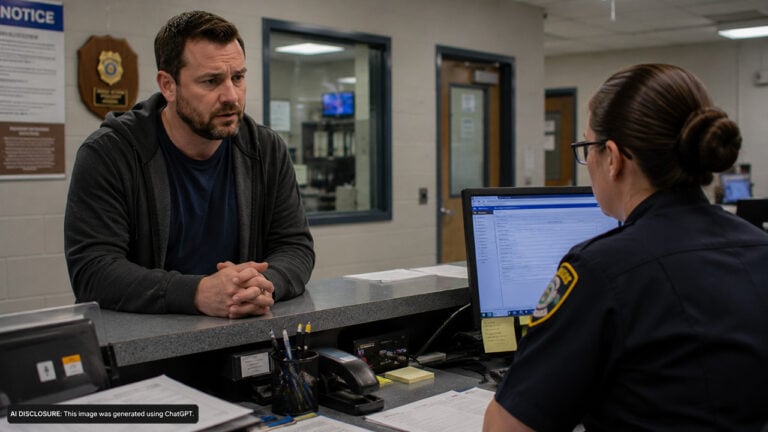
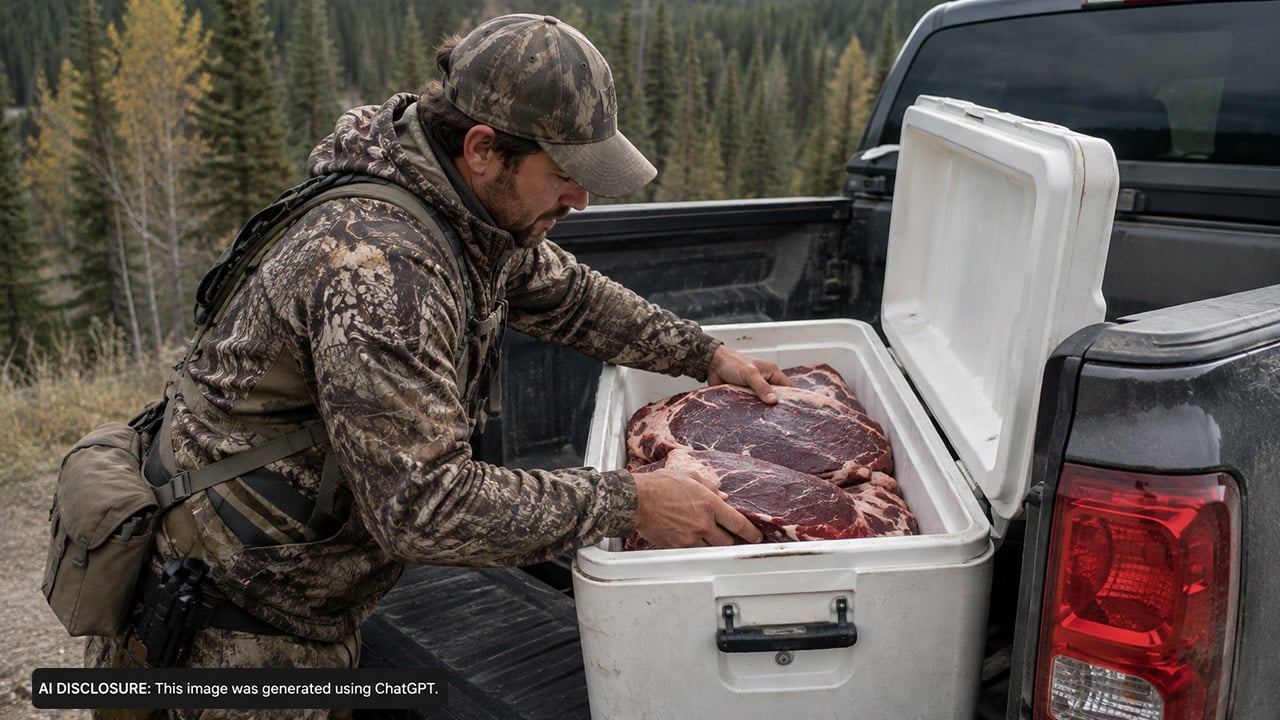
The next day, Schlitt’s father called Colorado Parks and Wildlife to confirm whether the brothers needed to collect the bear meat. The brothers were angry about that call, and they went back and retrieved 62 pounds of meat from the carcass.
An expert later testified that a bear that size would typically yield about 120 pounds of meat. The appeals court pointed to that, along with the timing, as support for the idea that the return trip wasn’t a genuine “we messed up, let’s do this right” moment. Judge Matthew D. Grove wrote that taking only about half the available meat suggested the return came after learning authorities had been notified, not because the hunters were committed to salvaging the edible portions from the start.
The appeals court said the evidence supported an intent to abandon
Schlitt challenged his convictions tied to the destruction of wildlife, arguing that because he came back and took meat, he shouldn’t be convicted under the trophy-hunting law. The three-judge appellate panel didn’t buy it, ruling 3-0 to uphold the willful destruction conviction and calling the evidence “overwhelming” that he took trophy parts with intent to abandon the carcass.
The court laid out the facts that supported that conclusion: initially taking only trophy parts, failing to field dress the bear, leaving the carcass on some logs, and returning to harvest meat only after the father’s call to CPW. In other words, what the hunter did when nobody was pressuring him mattered more than what he did after he realized the situation had turned official.
At trial, after the prosecution rested, the defense asked for an acquittal. Chief Judge Amanda Hunter denied the motion, reasoning that taking “some meat,” regardless of amount, didn’t prevent a jury from finding that enough of the carcass was left to support guilt on the charge.
A prosecutor crossed a line in closing arguments—but the conviction still stood
The appeals court did agree with Schlitt on one point: it found prosecutorial misconduct in closing arguments. The prosecutor told jurors that the case made it to court through a kind of screening chain—CPW investigator, supervisors, judges signing warrants, then the prosecutor—implying layers of decision-makers had effectively validated guilt.
Judge Grove wrote those statements were “improper, and obviously so,” because talking about a “screening process” can suggest there’s extra evidence out there that the jury didn’t see. Still, the panel concluded the comments were brief and likely didn’t affect the verdict given the rest of the evidence. The Court of Appeals didn’t name the prosecutor in the decision, though trial records identified Stephanie Miller as the assigned prosecutor.
What this means for bear hunters who don’t want trouble
If you’re a meat hunter, none of this is complicated—but it is easy to get behind the curve when you’re tired, it’s late, weather is rolling in, or the pack-out looks ugly. This case is a reminder that “I’ll come back tomorrow” can turn into a criminal case if the first trip out looks like trophy recovery and the animal is left untouched.
The safe, common-sense move is to treat the animal like meat from minute one: field dress, cool it, and start salvaging edible portions right away within the rules where you hunt. And if you truly can’t get it done in one trip, document your plan and follow through like your freedom depends on it—because in a situation like this, the state doesn’t have to guess what you meant. They’ll argue intent from your actions, and the court just affirmed that approach.
Every hunter makes tough calls in the field. The ones that don’t haunt you later are the calls that respect the animal first and don’t leave room for anyone—warden, prosecutor, or jury—to say you were only after the trophy.
Like The Avid Outdoorsman’s content? Subscribe to our newsletter so you never miss an article.
Here’s more from us: