Photo credit: PhotoProx/Shutterstock.com
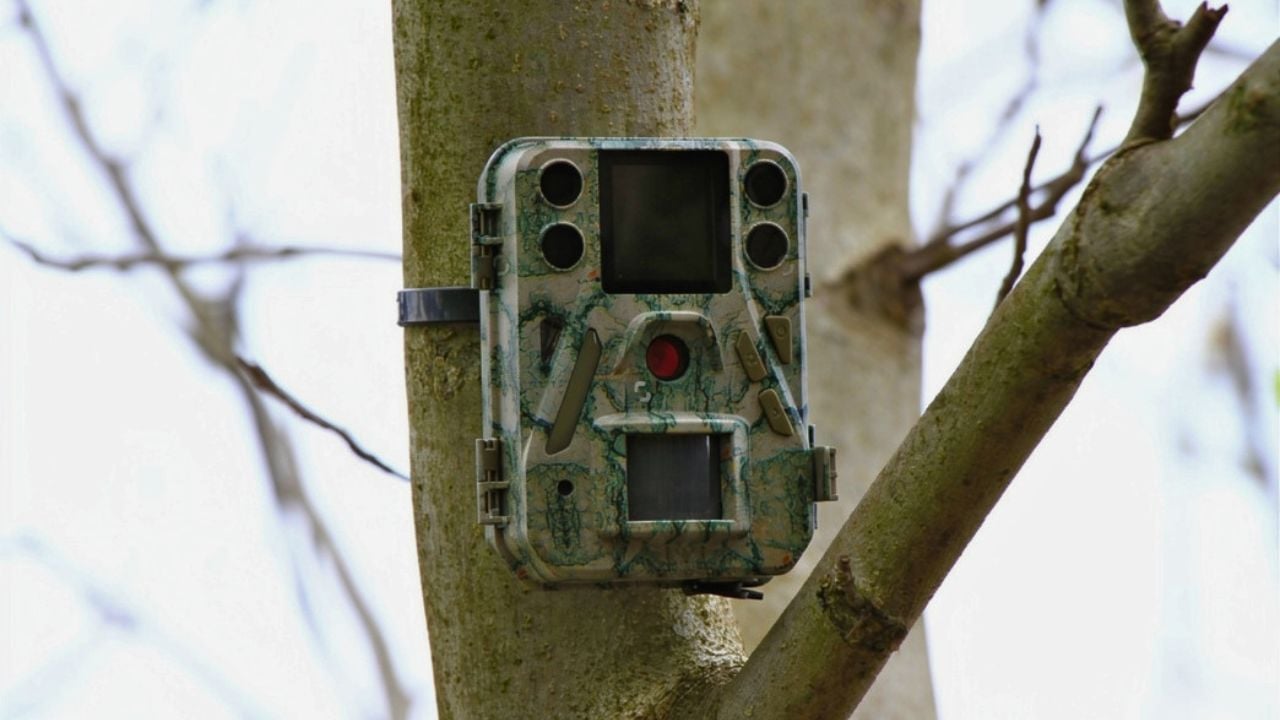
Finding a trail camera on your land will get your attention in a hurry. It usually means somebody did more than just wander through. They picked a tree, set equipment, and planned to come back. That is why a lot of landowners react fast and hot when they find one. The problem is that the first move people want to make is often the one that creates more confusion later. Private-land hunting access generally requires permission, and hunter education guidance also stresses that cameras should only be set where the user actually has permission to place them.
The smarter approach is to treat the camera like the first clue, not the whole problem. A strange camera can point to scouting, repeated trespassing, or somebody using your place as a quiet access route. If you handle it cleanly, it can help you figure out what is really going on. If you handle it emotionally, you can make a simple trespass issue harder to prove and harder to stop.
Pulling it down before documenting anything
This is probably the most common mistake. A landowner finds the camera, gets irritated, and yanks it off the tree right away. I get the urge, but once you move it, you have already changed the scene. Now you have lost the exact placement, the direction it was facing, and some of the context that could have helped explain what the person was doing there.
Take pictures first. Get a wide shot showing where it is on the property and close shots of the camera, strap, lock, and anything else that might identify it. If there are tracks, a worn path, or signs of repeated entry nearby, document that too. Texas game warden field notes have described cases where game-camera images helped landowners and wardens build trespass cases, which tells you those details can matter more than people think.
Acting like the camera is the whole problem
The camera itself is annoying, but it is usually not the full issue. The bigger question is why somebody felt comfortable putting it there in the first place. Was it on a boundary tree aimed inward? Was it deep enough on the property that the person clearly knew the area? Was it near a crossing, old lane, feeder spot, or likely setup location? Those details tell you a lot more than the gadget does.
A lot of people get so focused on the camera that they never check the surrounding area. Then they miss the stand another 80 yards in, the fence gap behind the creek, or the tire tracks coming in from the back side. If somebody had permission to be there, that is one thing. If not, the camera may just be the first visible sign of a bigger access problem. Guidance from New York DEC and Hunter-Ed is straightforward here: private land use should start with permission, not assumption.
Going straight to social media with it
A lot of folks want to post the camera online, call the owner out, and let the comments do the rest. That may feel good for a minute, but it usually does not help much. You may not know yet whether it belongs to a trespasser, a neighbor’s guest, or somebody who genuinely misread the line. Once you throw the whole thing online, it gets harder to calm down and easier to turn into a circus.
The better move is usually to keep it quiet long enough to figure out what you are actually dealing with. If it turns out to be tied to clear trespassing, unsafe hunting, or repeated access, you can handle it from a much stronger position with photos, dates, and a clean record than you can with a post full of guesses.
Assuming you do not need to tighten anything up
Another mistake is treating the camera like a random fluke instead of a warning sign. Most people do not walk onto private land, hang a camera, and leave unless they think they can get in and out without much trouble. That means your property likely has a weak spot somewhere. It could be a bad fence section, an unmarked corner, an open gate, or an access route that has gone unchecked too long.
Texas public-hunting guidance warns that using private roads or crossing private property without permission is a violation, and that matters here because access abuse usually starts where movement is easy. If somebody found a quiet way in once, chances are they or somebody else will try it again unless you make that route less comfortable to use.
Treating it like a free piece of gear instead of possible evidence
Some landowners immediately think, “Well, it’s on my land, so now it’s mine.” I understand the thinking, but that is not always the smartest way to play it. If the camera is tied to repeated trespass, you may be better off treating it like possible evidence first and asking a game warden or local deputy how they want you to handle it. That keeps the situation cleaner and gives you a better answer later if somebody starts arguing about what happened to it.
Texas game warden field notes have shown that cameras and camera photos can become part of actual enforcement cases involving private-property trespass and hunting without landowner consent. That is a good reason not to get sloppy with how you handle one just because you are aggravated.
The best move is usually the calm one
The people who handle this best are usually the ones who slow down first. They document the camera, look at what it says about access, and think about the whole property instead of only the tree it was strapped to. Then they decide whether this is something that needs a conversation, a boundary fix, or a call to a warden.
That is really the difference. A lot of people find a strange trail camera and react to the object. The smarter landowners react to what the object reveals. And most of the time, that tells you a lot more than the camera itself ever will.
Like The Avid Outdoorsman’s content? Subscribe to our newsletter so you never miss an article.
Here’s more from us: