Photo credit: Digitalreflections/Shutterstock.com
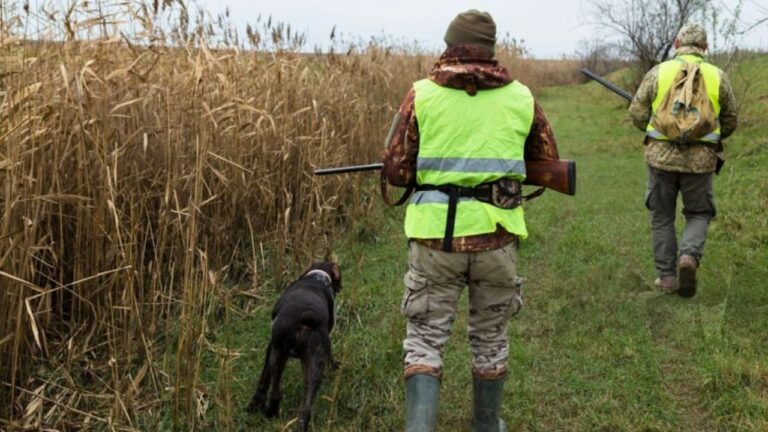
A lot of hunting disputes start small. Somebody walks in too close. A deer crosses a line. A truck is parked where it should not be. A trail camera shows up on the wrong tree. None of that feels small in the moment, but plenty of these situations still could be handled without turning into a bigger mess. The problem is that once people get mad, they start making decisions that create a second problem on top of the first. That is when an aggravating situation turns into one that can involve trespass, unsafe conduct, or a call to law enforcement. Hunter-ed materials and state agencies are pretty consistent on the basics here: private land requires permission, boundaries matter, and confrontations in the field can go bad fast.
Crossing the line because you feel justified
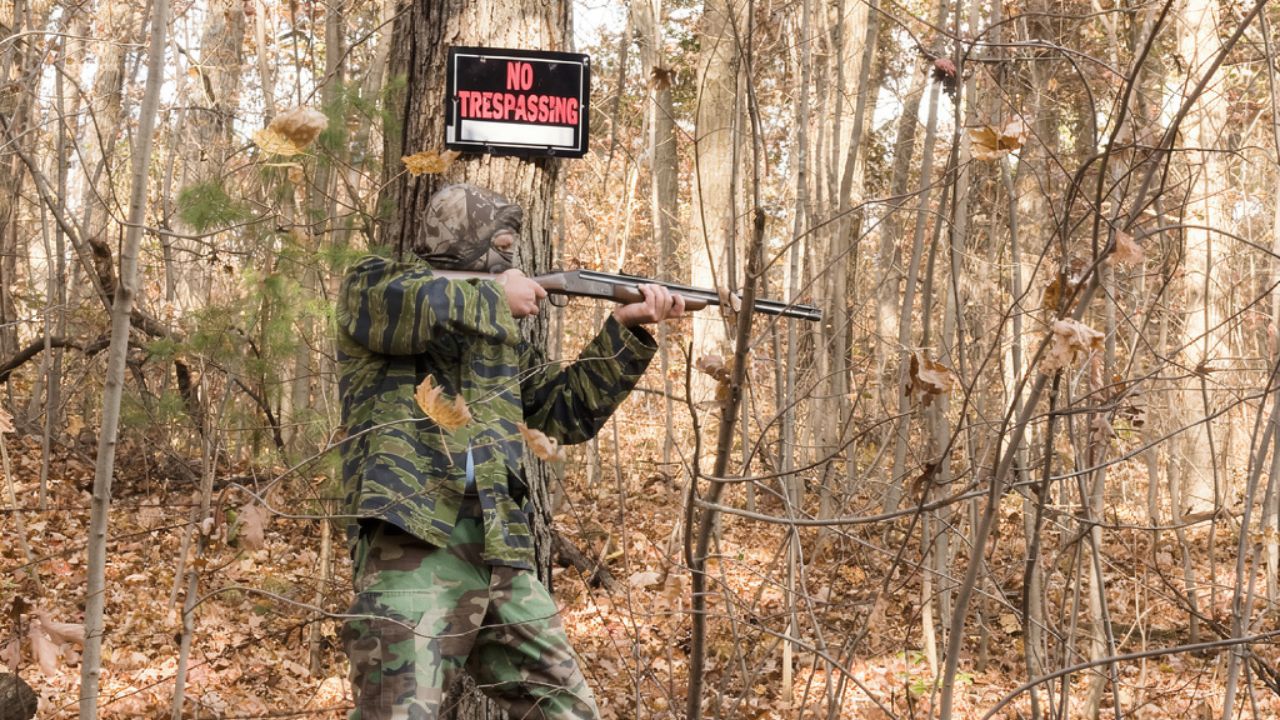
This is one of the biggest mistakes hunters make. They get into an argument over a deer, a setup, or access, and suddenly they decide they have a good enough reason to step onto ground they do not have permission to be on. Maybe they are trying to prove a point. Maybe they are convinced the other guy started it. Maybe they just think a quick step over the line is no big deal. That is exactly how a simple dispute turns into a trespass issue.
The law usually does not care much about how irritated you were. If you cross onto private property without permission, especially during a heated situation, you have made things worse for yourself in a hurry. Hunter-ed guidance used by several states is blunt about that: you need permission before entering private land to hunt, cross it, or in many cases even recover game.
Confronting an armed stranger like it is a personal showdown
This is another bad one. A lot of folks think they need to handle the problem right there in the woods. They march up angry, start accusing, and let the whole thing get hotter by the second. That may feel satisfying for about ten seconds, but it is a terrible way to handle a situation involving firearms, bows, trucks, or isolated ground where nobody else is around.
State guidance in New York specifically says hunters should avoid confrontation and contact authorities if someone is interfering or if a situation becomes unsafe. That is good advice because once tempers are up, people stop thinking clearly. The smarter move is to slow the whole thing down, make yourself known if needed, keep your distance, and let the right officer deal with the legal side.
Moving someone else’s gear without thinking it through
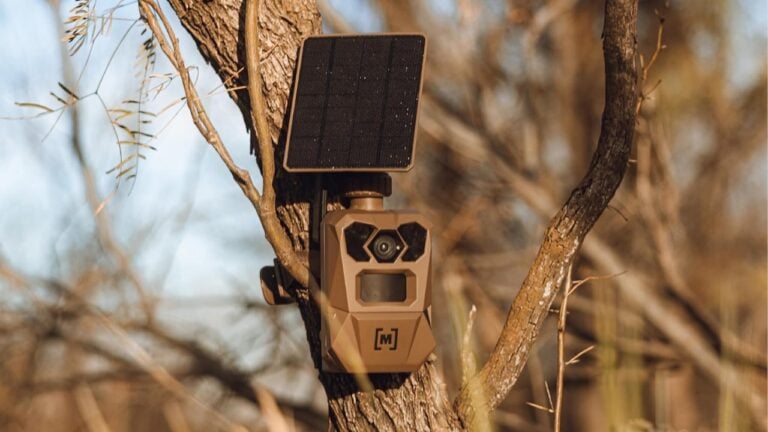
A strange stand, blind, or trail camera on the wrong property makes people want to act fast. I understand that. But ripping it down in anger or hauling it off without documenting anything first can muddy the whole situation. Now the original dispute is mixed with an argument about property, damage, or what exactly was where when it was found.
The better move is usually to document the setup first, note the location, and decide whether this is something that needs a game warden or local deputy involved. If the gear is tied to repeat trespass, that record matters a whole lot more than the quick satisfaction of yanking it down on the spot. A lot of simple disputes get harder to prove because the best evidence got moved before anybody thought two steps ahead.
Assuming recovery gives you automatic rights
This one gets hunters in trouble every year. They shoot an animal, it crosses onto another property, and they figure recovery gives them a free pass to go get it. In many places, it does not. New York DEC says landowner permission must be obtained before crossing property lines to follow a wounded deer or recover a carcass, and Texas guidance says entering property to pursue wounded game without consent can still be trespassing.
That means what feels like “doing the right thing” can still become a legal problem if you go about it the wrong way. Stop at the line, figure out who owns the ground, and ask. That may be frustrating, but it is a lot better than taking a legal hit because you decided the situation made you an exception.
Getting vague instead of getting specific
A lot of hunters know something went wrong but cannot explain it well once it matters. They say somebody was “around their spot” or “probably crossed the line” or “was hunting too close.” That may all be true, but vague complaints do not go far. Specific ones do. What vehicle was there? Which gate did they use? Where were the tracks? What side of the fence was the stand on? Where was the shot taken?
That is the difference between a frustration story and a usable report. The hunters who handle disputes best are usually the ones who pay attention before they react. They are not calmer because they care less. They are calmer because they know details are what help later.
Letting pride make the decision
This may be the most common mistake of all. Guys stay in bad situations because they do not want to “lose” the spot. They push a boundary issue because they do not want to back down. They keep arguing because they want the last word. That kind of thinking wrecks good judgment fast.
Most simple hunting disputes do not become legal problems because the original issue was so huge. They become legal problems because somebody let ego take over after the fact. The hunters who stay out of trouble are usually the ones who know when to stop, when to document, and when to leave the rest to somebody with a badge.
The smartest move is usually the one that feels least satisfying
That is the truth of it. The response that protects you best is usually not the dramatic one. It is the one where you keep your distance, keep your facts straight, and do not hand the other guy a reason to say you became part of the problem. Private-land permission rules, trespass laws, and recovery rules are stricter than a lot of people realize, and once a dispute gets heated, your own choices matter just as much as the other person’s.
So if you want to keep a simple hunting dispute from turning into a legal one, do not make it bigger with bad decisions. Slow down, know where the line is, get specific, and do not let emotion talk you into something stupid.
Like The Avid Outdoorsman’s content? Subscribe to our newsletter so you never miss an article.
Here’s more from us: