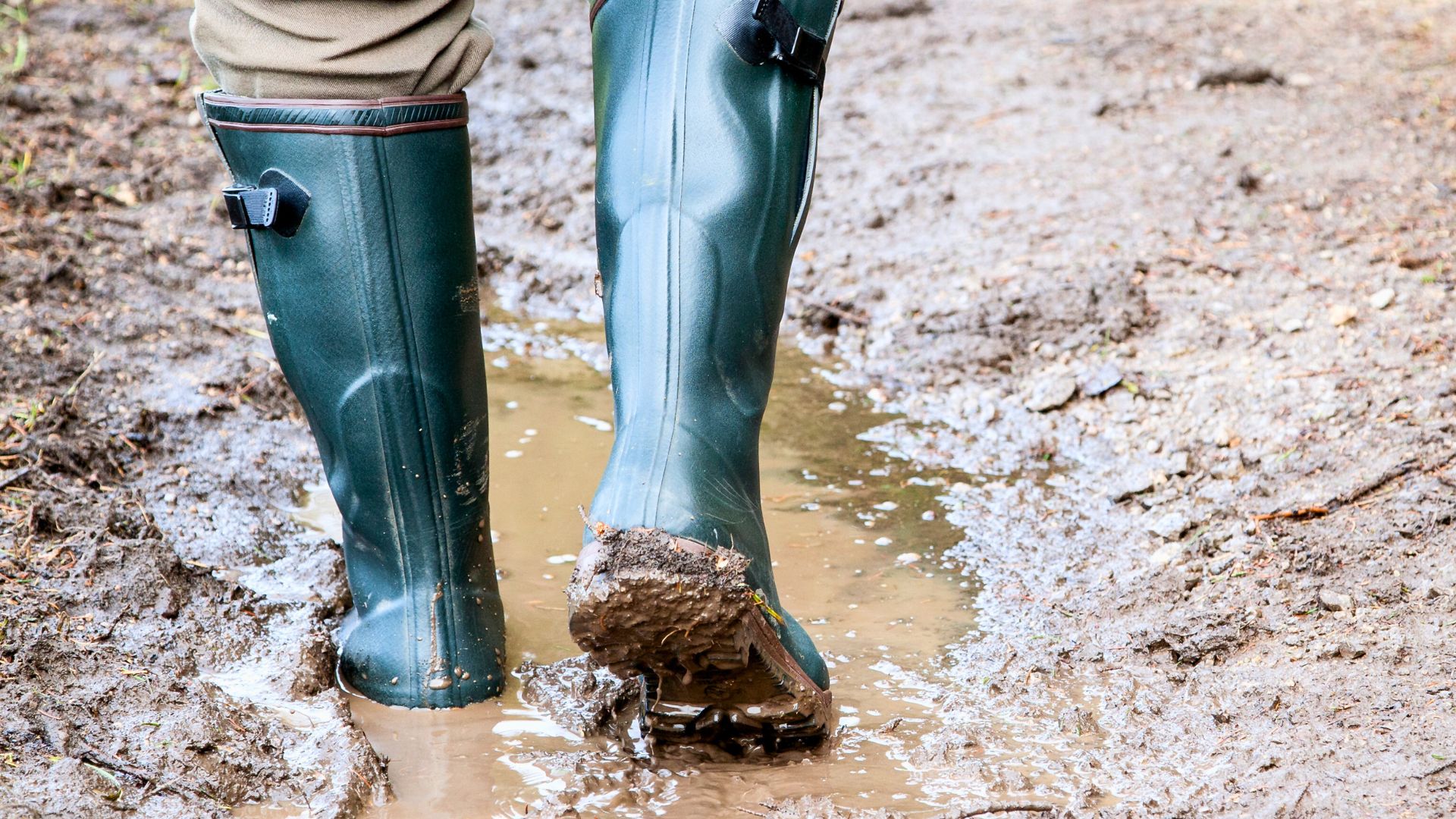
Photo credit: Edgar G Biehle/Shutterstock.com
When you’re miles from camp with wet socks and a blown seam, there’s no worse feeling than realizing your “rugged” hunting boots weren’t built for a full season. Some brands put more into marketing than materials, and it shows fast—cracked soles, delaminated toes, peeling midsoles, or waterproof liners that quit after a week of rain. A good hunting boot should survive mud, cold, and steep miles, not give up once the trail gets real. But plenty of boots that look ready for elk country can’t even handle a wet whitetail weekend.
The truth is, durability isn’t guaranteed by price or brand name. Some long-trusted models have started cutting corners, and even premium boots can break down if the design favors comfort over structure. Here are ten hunting boots known to quit mid-season—boots that start strong on day one and leave you limping by the time the rut hits full swing.
Under Armour Brow Tine
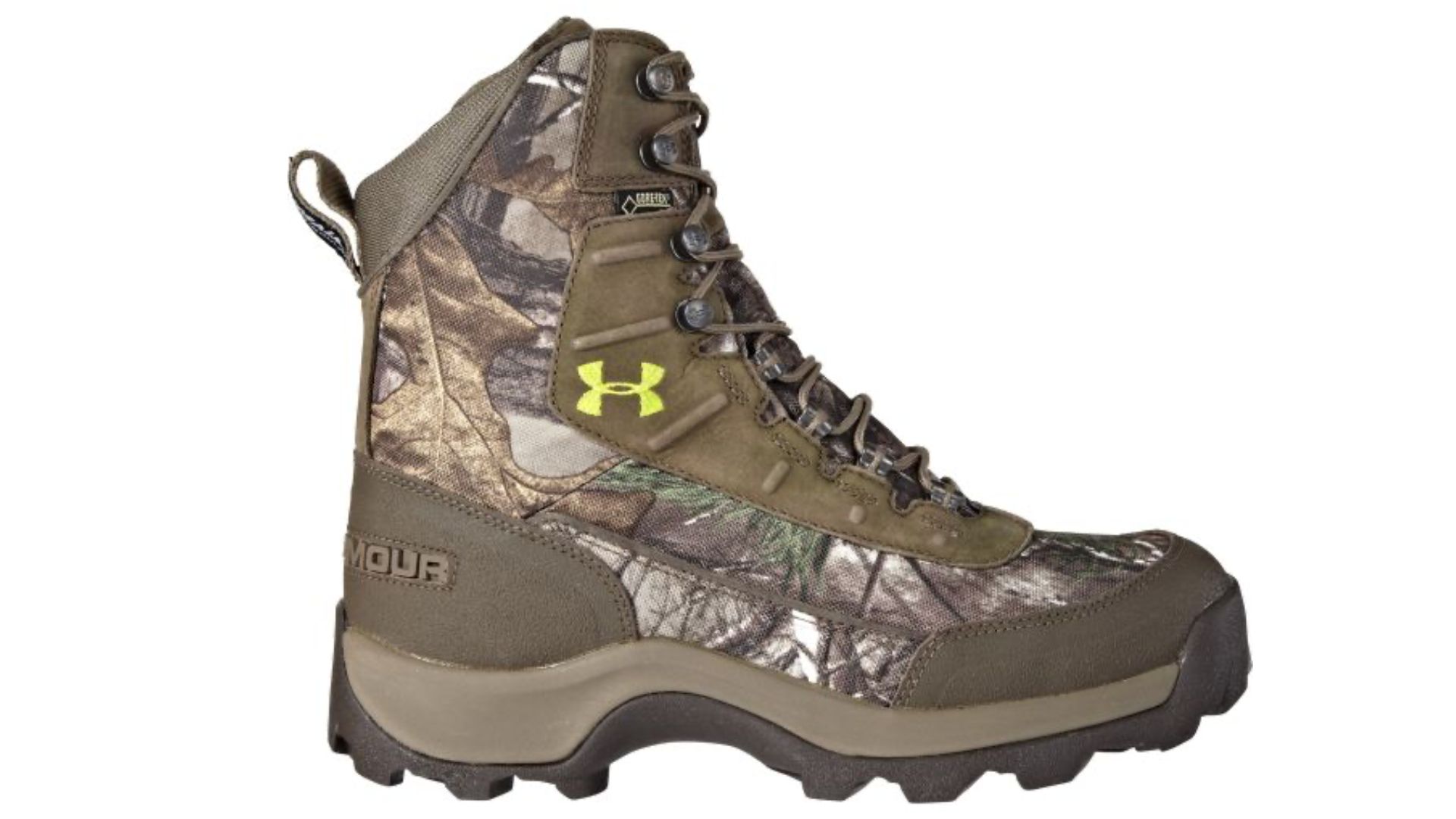
The Under Armour Brow Tine promised to bridge athletic comfort with hunting durability, but it never really held up in the field. The outer materials soften too quickly, leading to cracked waterproof membranes after just a few hard days in wet brush. Once the upper starts flexing at the wrong points, seams split around the toe box.
The tread isn’t much better—it wears smooth faster than expected, especially if you’re hiking rocky or uneven terrain. Hunters who like to cover ground find the EVA midsole compresses early, losing structure and support before the season ends. These boots might feel great out of the box, but they weren’t built to last past the first month of real use. The result? A soggy, blister-prone boot that turns every late-season push into a chore.
Irish Setter Elk Tracker (Newer Models)

Older Elk Trackers earned a great reputation, but recent runs haven’t been the same. The newer models cut corners in stitching and leather thickness, and it shows once you put serious miles on them. The soles tend to delaminate from the welt after repeated exposure to moisture and freeze-thaw cycles. Once that starts, water finds its way inside fast.
Several hunters report the internal liner separating from the shell after only one season. That means insulation bunches up, pressure points develop, and warmth goes out the window. These boots still look the part—tall, tough, traditional—but if you’ve worn both old and new versions, the difference in longevity is obvious. They’re fine for light use or stand hunting, but for rough terrain or multi-week trips, they simply don’t hold up.
Cabela’s Instinct Pursuit
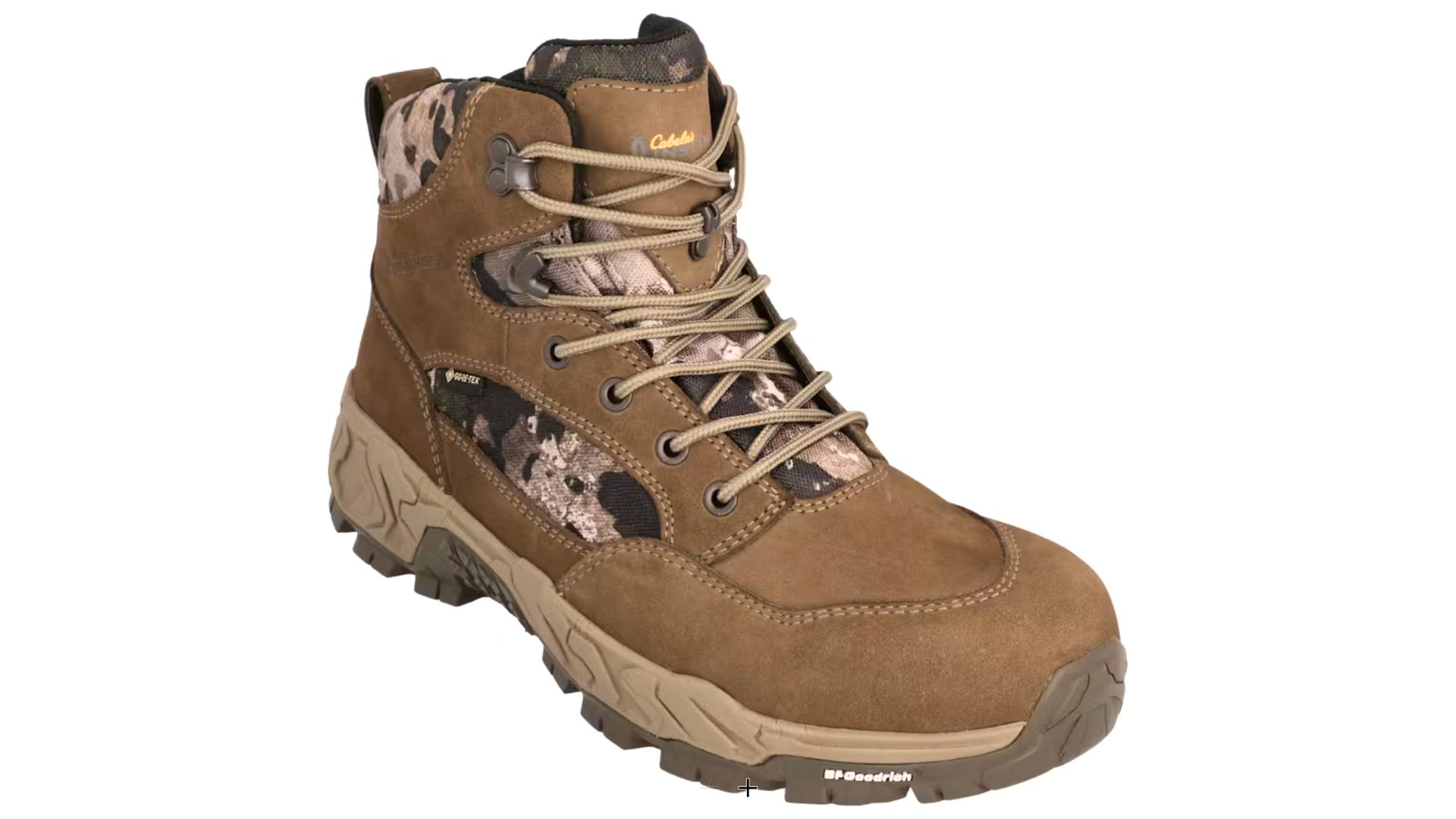
The Cabela’s Instinct Pursuit boots were marketed for high-mile backcountry hunts, but too many users discovered they couldn’t handle half a season of real use. The outer leather scuffs and cracks fast, and once the waterproof layer breaks, the whole boot deteriorates. The glued sole construction is the biggest flaw—it starts peeling at the toe after constant flexing.
Hunters hiking steep ground report the midsoles compressing unevenly, creating hot spots and ankle roll risks. By mid-season, the once-comfortable footbed feels like concrete. They’re light and comfortable out of the box, but that’s what lulls you into trusting them too long. A boot that can’t handle mud, snow, and rough country doesn’t belong on serious hunts, and this one proves that comfort alone doesn’t equal durability.
Danner Pronghorn (5th Generation)
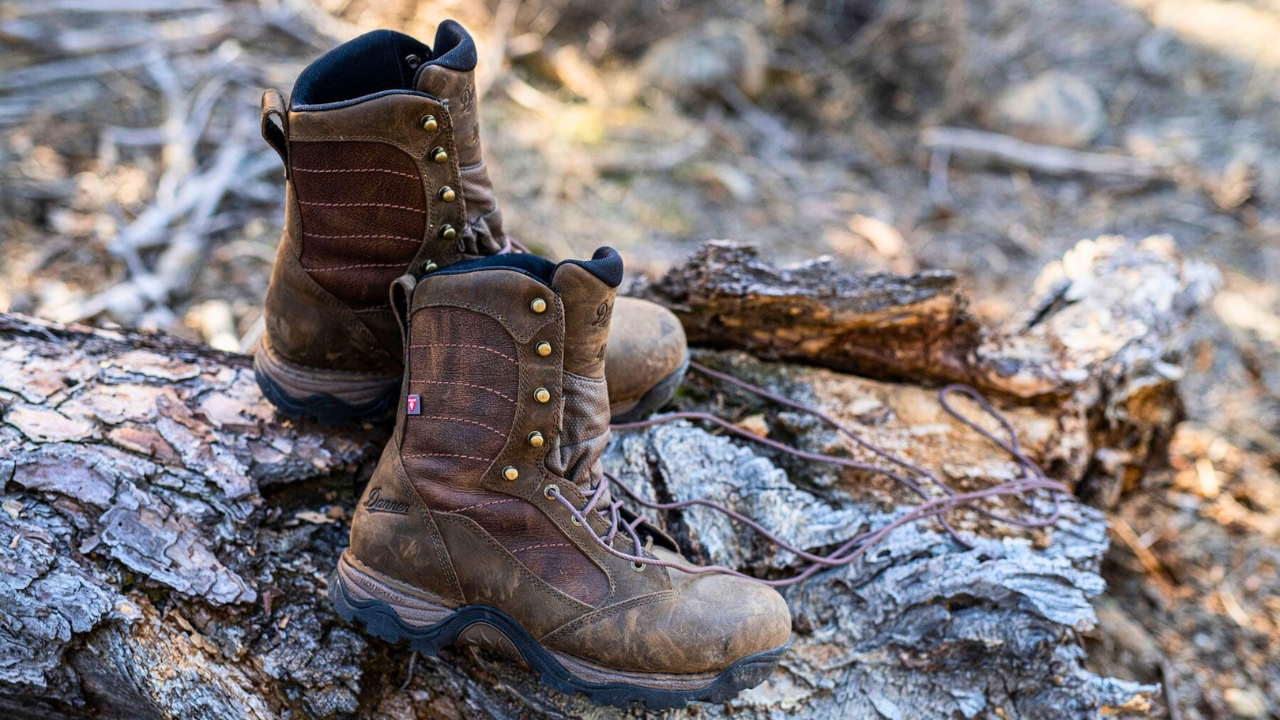
Danner’s Pronghorn line used to be legendary, but the 5th-generation models have had durability problems since the design update. The switch to lighter synthetics and glued soles made them less resilient. Many hunters have seen the toe cap start peeling within the first season, and the waterproof liner often fails once the outer fabric frays.
They’re still comfortable, and they look sharp, but that doesn’t make up for seams that separate under wet and cold conditions. The tongue stitching tends to leak after extended wear, leaving you with wet socks and stiff leather that’s hard to dry. If you hunt in mild, dry weather, they’ll get you through. But once you put them in the snow or bog, you’ll see why old-timers still cling to the older, all-leather versions.
Rocky BearClaw 3D
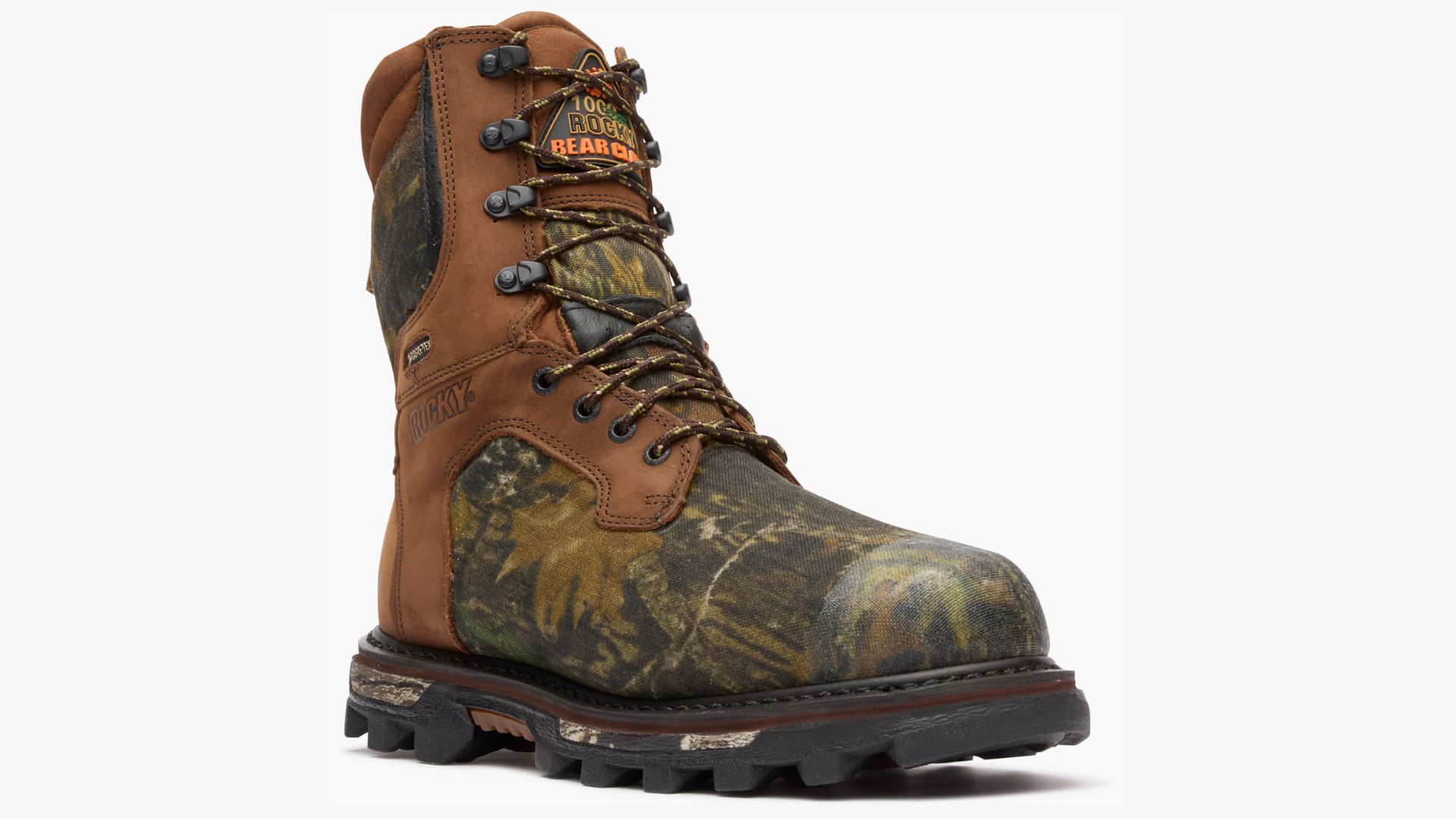
The Rocky BearClaw 3D boots feel sturdy in hand but reveal weak spots fast under field use. The outsole, with its aggressive lug pattern, starts separating from the midsole after too many flex cycles in cold temperatures. That’s especially bad news for late-season hunters when adhesive breakdown turns waterproof boots into sieves.
The leather uppers also show early cracking if not constantly oiled. Once that happens, the Gore-Tex liner does little to save your feet. Hunters have reported heel cups breaking down and insulation flattening after only a few weeks of hard wear. They’re comfortable early, but the materials simply don’t handle sustained moisture or heavy loads well. For day hunts or farm use, they’re fine. For backcountry elk or weeklong whitetail sits, they’ll quit before you do.
LaCrosse AeroHead
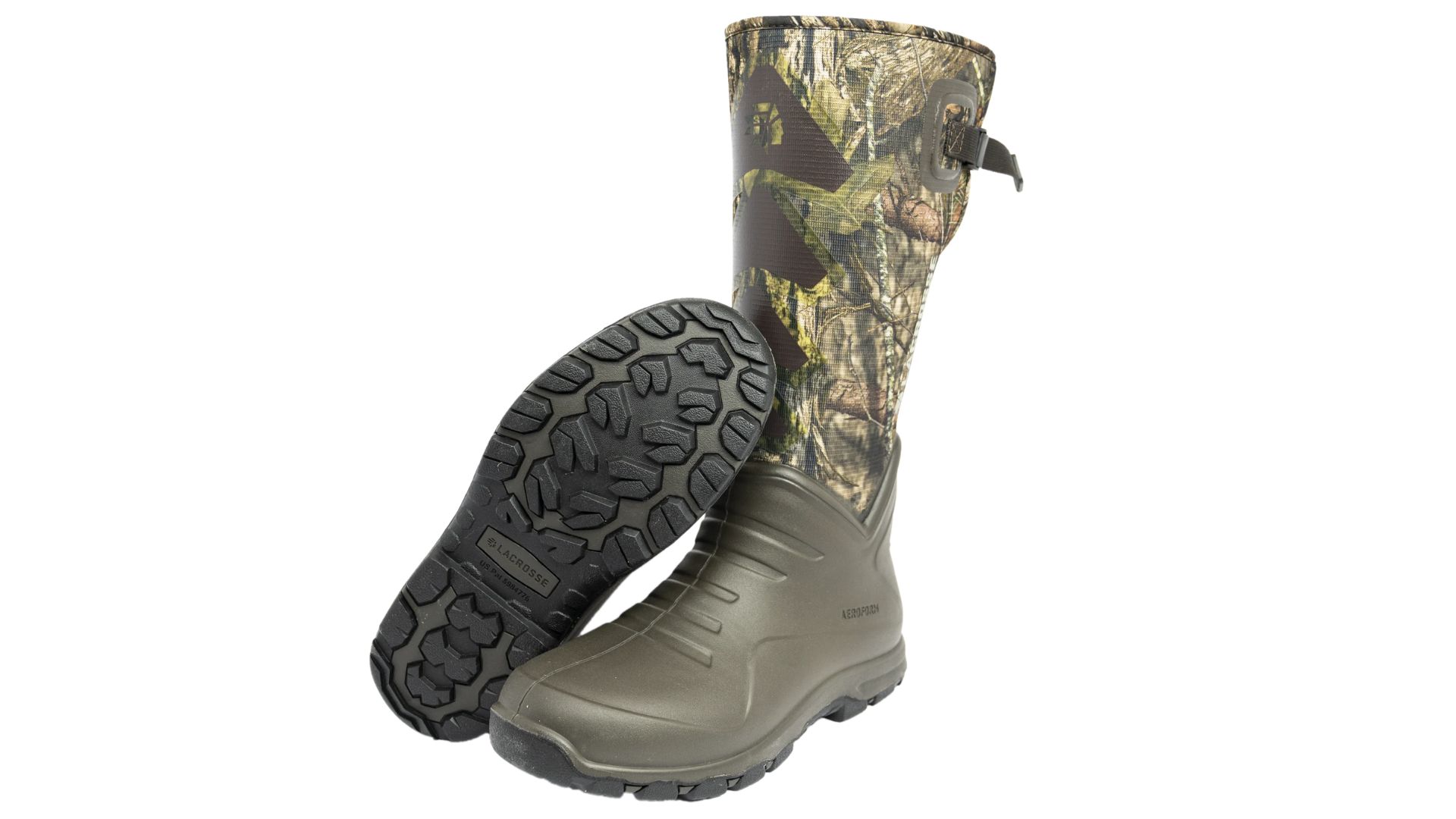
The LaCrosse AeroHead boots gained popularity for being lightweight and warm, but they’ve proven fragile under tough use. The rubber shell and neoprene upper tend to separate after repeated flexing, especially near the ankle joint. Once that split starts, water and mud pour in.
Hunters who cover long distances in varying temperatures also find that the insulation compresses and the sole loses its shape quickly. The boots aren’t bad for early-season stands or casual use, but they fall apart in rough terrain or cold marshland. The materials are comfortable but not built for abuse. If your season involves more than flat ground and mild weather, expect these to wear out long before the season does.
Bogs Classic High
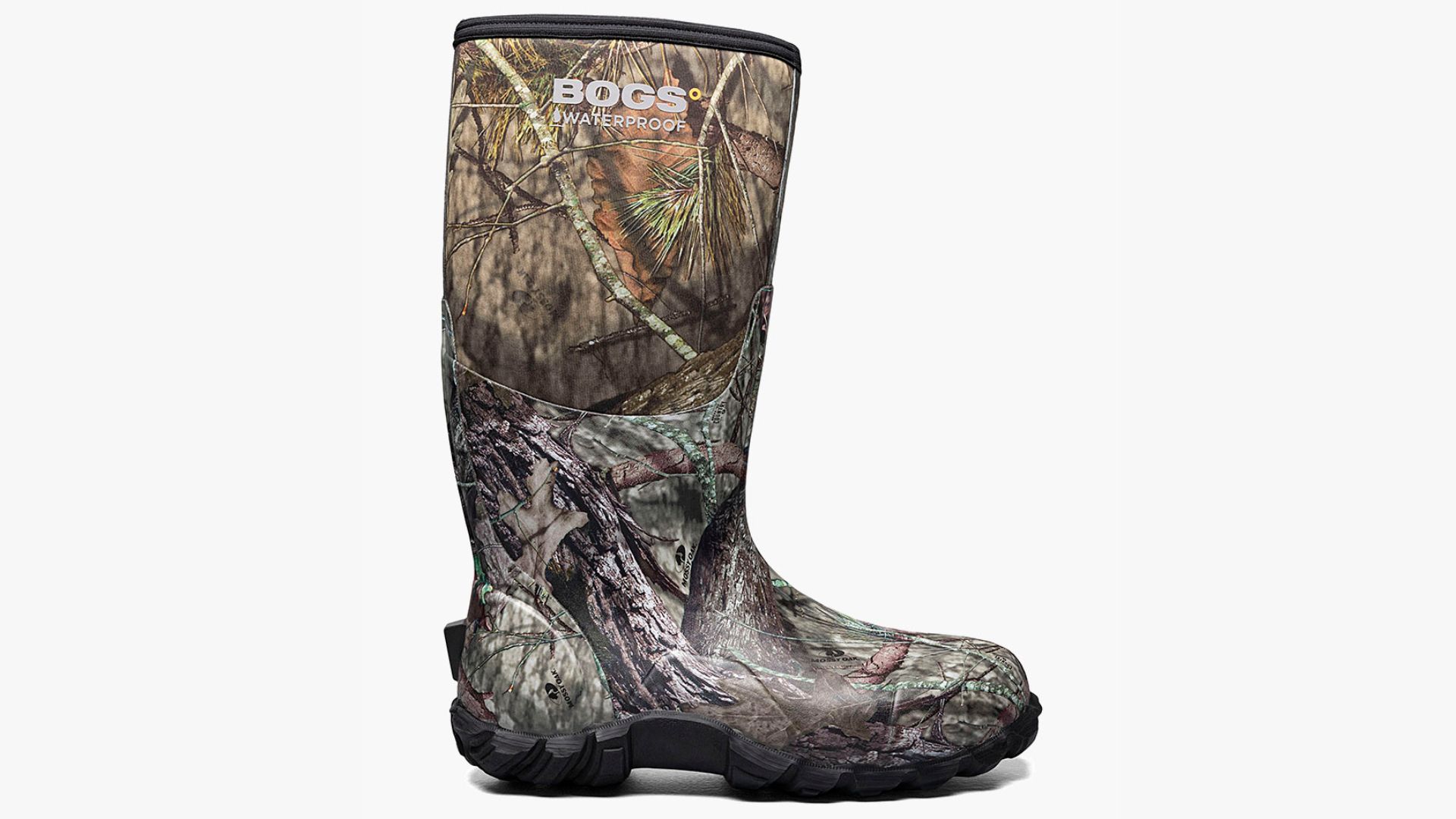
The Bogs Classic High boots are great for chores and short treks, but they can’t handle a full hunting season. The neoprene upper and rubber shell are prone to cracking when exposed to cold, dry air. Once that happens, the boot loses waterproofing almost instantly. The insulation also packs down quickly, leaving your feet cold and damp after only a few hunts.
The soles tend to separate where the upper meets the footbed, and because they’re not repairable, that’s the end of the line. They’re warm, lightweight, and easy to slip on, but they weren’t made for long miles in the woods. A good hunting boot should hold together through snow, ice, and mud. These barely make it through a few frosty mornings before showing wear.
Cabela’s Meindl Ultralight Hunter
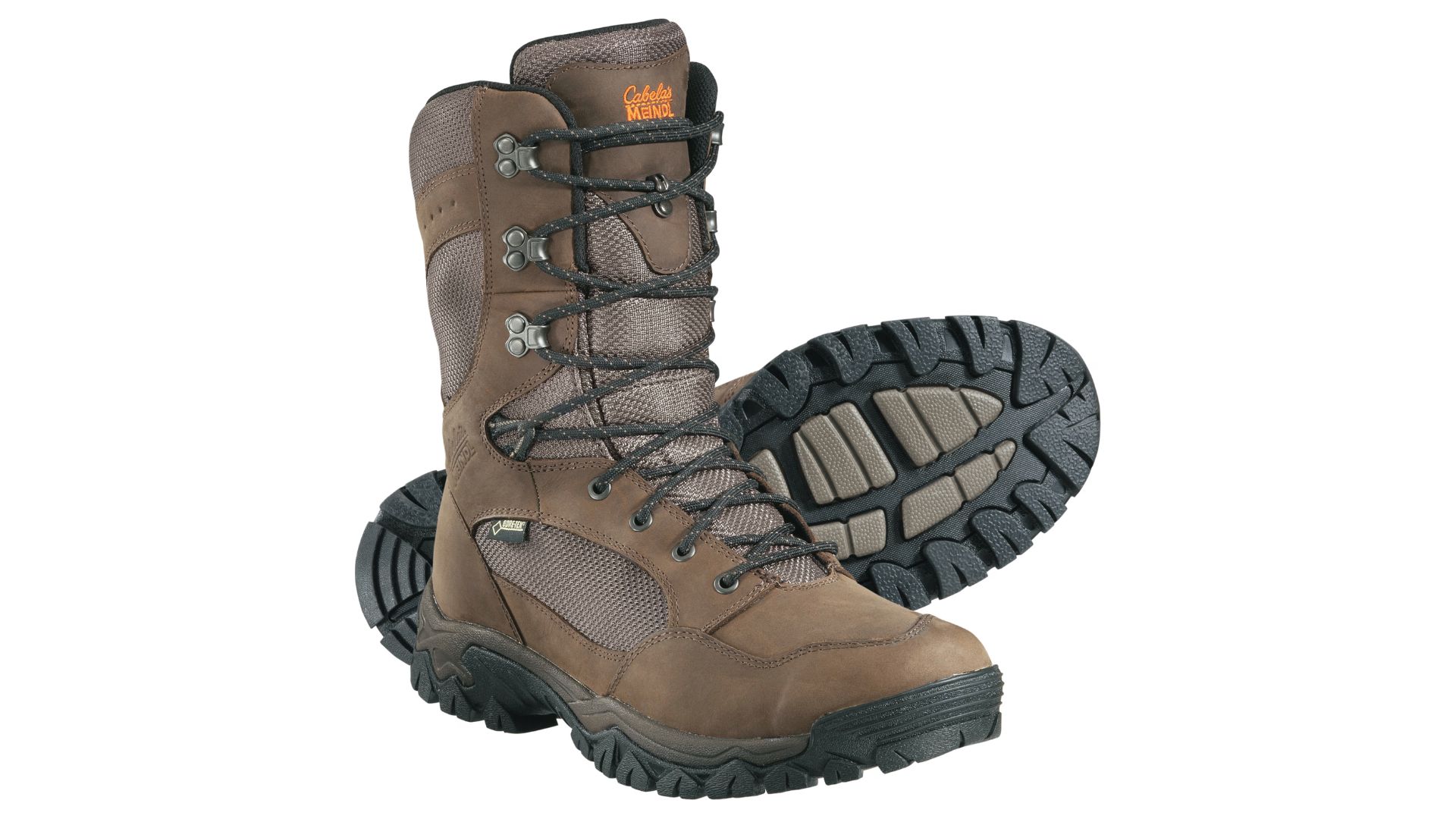
The Meindl Ultralight Hunter boots once stood tall in the premium boot category, but newer versions aren’t what they used to be. The lighter construction sacrificed too much durability, and the glued midsoles are notorious for separating after extended exposure to wet ground. Once the bond breaks, the boot feels unstable underfoot.
Many hunters report cracked leather near the flex points and seam splits at the heel. The Gore-Tex liner also tends to fail prematurely, especially when mud and moisture get trapped between the layers. They’re still comfortable, but comfort doesn’t matter much when you’re squishing through cold water halfway into November. The name “Ultralight” fits—but not in a good way when the boot itself can’t survive a full season of work.
Irish Setter VaprTrek
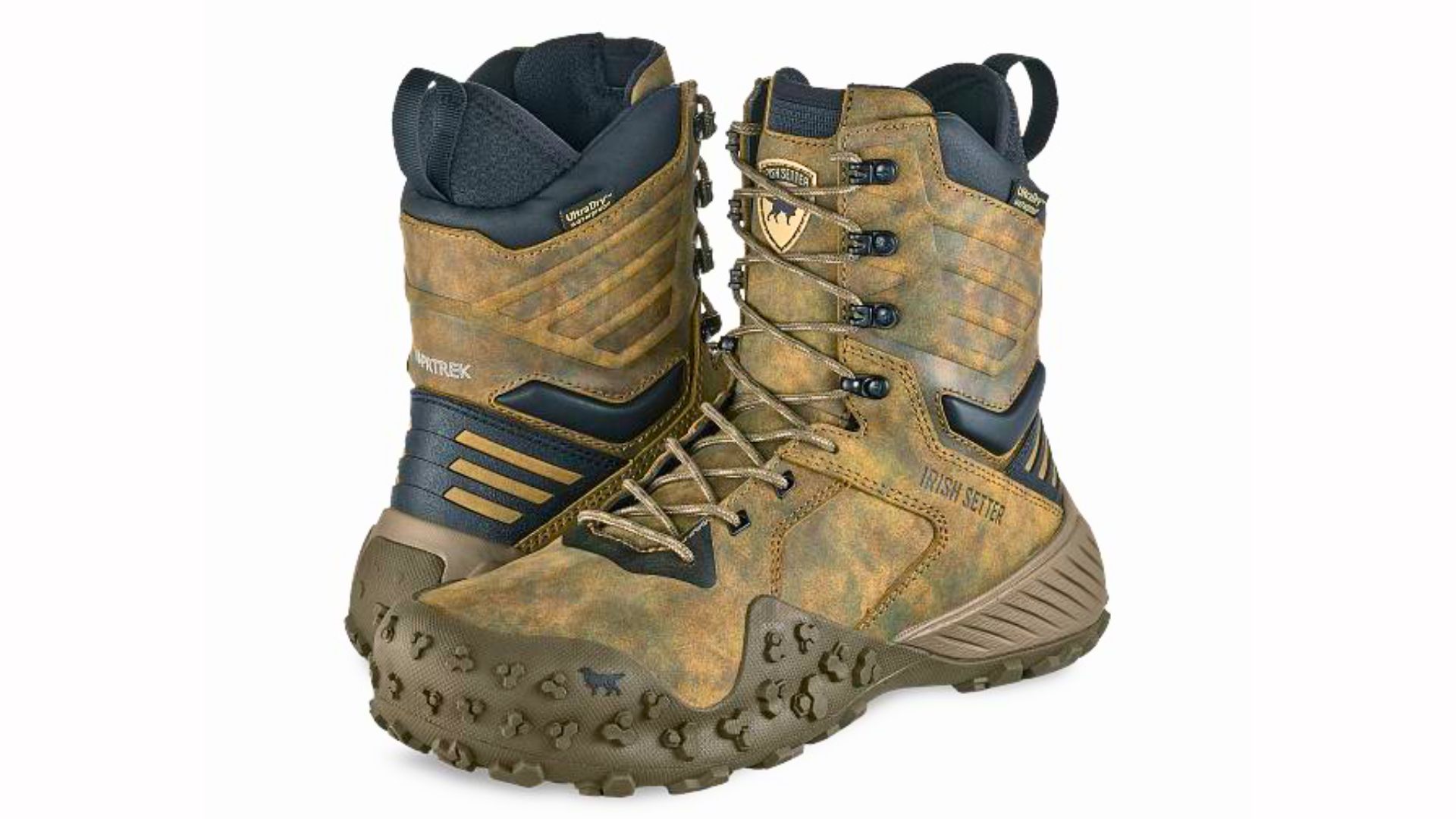
The Irish Setter VaprTrek line focuses on lightweight mobility, but that’s exactly why it doesn’t hold up in real hunting conditions. The synthetic uppers break down quickly in rocky or abrasive terrain, and the bonded soles start peeling under constant flexing. Once moisture works its way in, the boot softens and loses structure fast.
Several hunters have noted that insulation compresses by mid-season, turning what was once warm and responsive into a soggy, unstable mess. Even the toe box can start to delaminate after heavy use. They’re fine for mild early-season hunts, but if you chase elk, hogs, or late-season deer, expect to need replacements before the year is over. The VaprTrek proves that “lightweight” doesn’t always mean “long-lasting.”
Timberland PRO Hunting Series
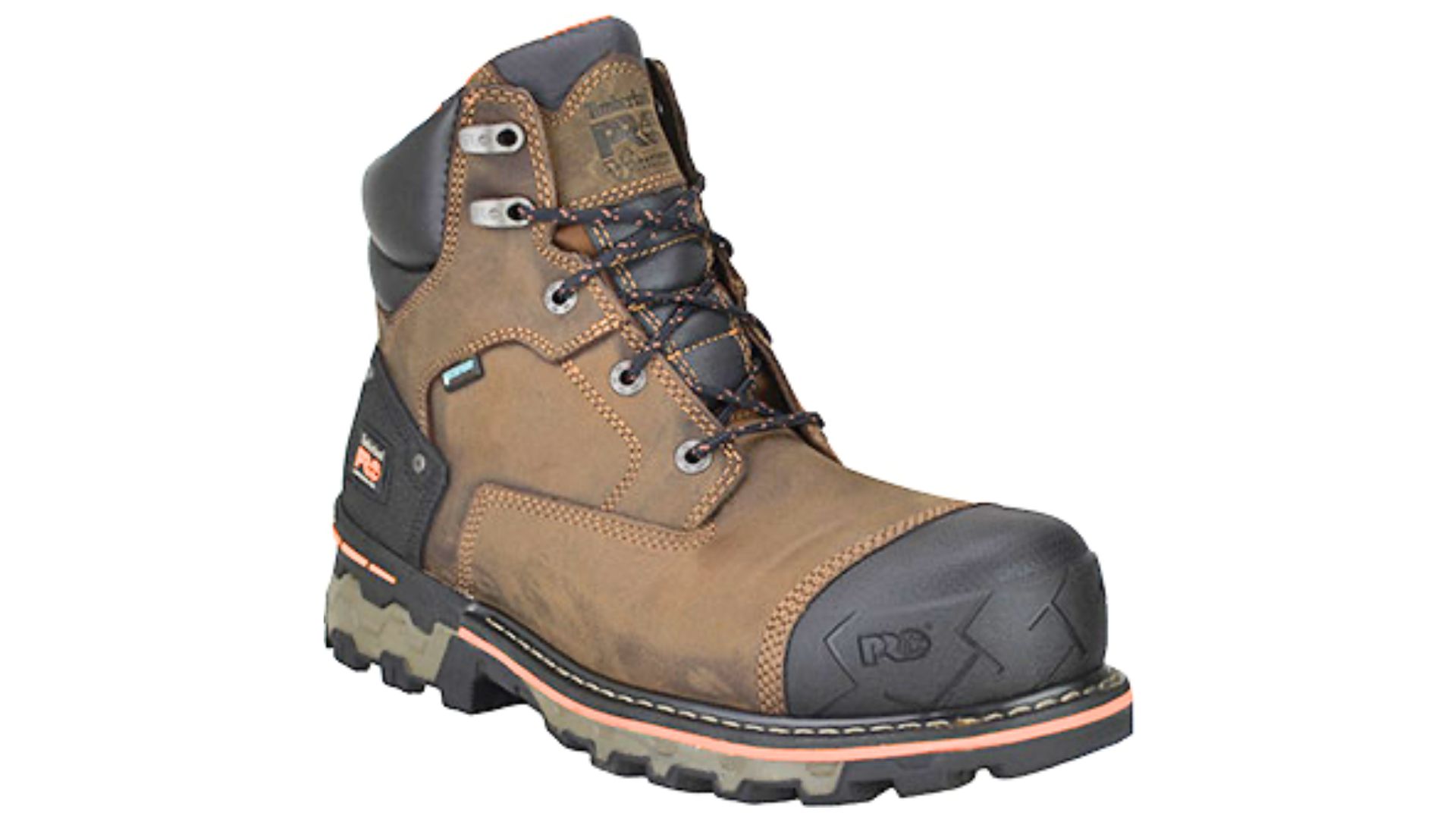
Timberland’s PRO Hunting line borrowed its look from work boots, but it doesn’t share their durability. The waterproof membranes fail fast under repeated exposure to wet brush, and the glued soles are prone to peeling by the mid-season mark. Once separation starts, it accelerates fast with every step in mud or snow.
The leather uppers, though attractive, scuff and crack under cold conditions. The insulation also packs unevenly, creating pressure points that make long hikes miserable. These boots might survive a short-range hunt or light work around camp, but they’re not up for steep, wet terrain. Many hunters who bought them for versatility learned fast—they’re better for raking leaves than climbing ridges.
*This article was developed with AI-powered tools and has been carefully reviewed by our editors.