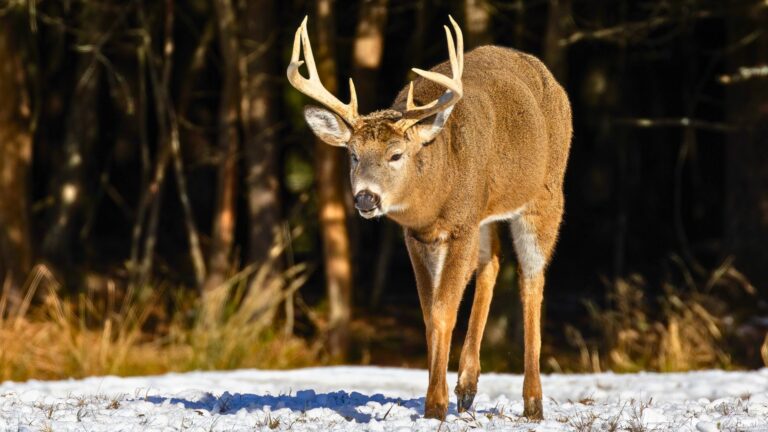
Photo credit: Steve Oehlenschlager/Shutterstock.com
Most guys blame their “bad luck” on a deer’s nose, but the truth is you usually announce yourself long before you ever put your butt on the cushion. Whitetails don’t need to see you climb. They don’t need to hear your zipper. If your scent stream rolls into the bedding edge while you’re still fumbling with a strap, the game is already over—you just don’t know it yet. And the worst part is you can do everything “quiet” and still blow it, because scent is the one mistake you can’t take back with a slow movement or a better shot. Once a mature deer gets that human signature where he lives, you don’t just ruin that sit. You can sour that spot for days, especially early season when the woods are still calm and patterns are tight.
This matters because most scent mistakes aren’t dramatic. They’re small, normal human habits that stack up: walking in too fast and sweating, guessing the wind at the truck instead of reading it at the stand, brushing your pants down a cedar tunnel, leaning against the same tree you expect deer to walk past at 20 yards, or carrying gear that smells like gas station coffee and truck cab vinyl. Deer don’t “think” about it like we do—they just get information, and they react. If you want to stop getting picked off before you even settle in, you have to treat the entire approach like part of the hunt, because to the deer, it is.
You trust the wind you hope you have, not the wind you actually have
The most common screw-up happens before you ever step off the road: you check the forecast, feel a light breeze on your face, and decide the wind is “good enough.” Then you walk into a low spot, the air cools, and your scent starts sliding like water down the same drainage the deer use to travel and stage. In the evening, thermals usually fall as the ground cools, and in the morning they often rise once the sun starts warming leaves and dirt, but those are broad patterns, not guarantees. A shaded creek bottom can pull your scent downhill at 6:00 p.m. even if the treetops show a steady crosswind, and a ridge saddle can swirl and backdraft the moment a front edge bumps through. If you’re not watching milkweed or some kind of lightweight indicator as you walk in, you’re basically blind, and deer live on that information. The reason they smell you “before you sit” is because you walked a scent ribbon right through their first-downwind checking lane, and they never had to move more than ten yards to confirm what you were.
You arrive overheated, then spend the first ten minutes dumping human scent into the woods
Sweat is a scent bomb, and it’s not just the sweat itself—it’s the bacteria on skin and clothing breaking it down, plus whatever detergent, deodorant, and stale closet smell your layers are carrying. A lot of hunters hustle in because they’re late, they’re excited, or they don’t want to be cold, and they show up breathing hard with heat trapped under a jacket. Then they stand there cooling off, which sounds harmless until you remember what cooling off actually is: your body evaporating moisture and pushing odor molecules into the air. In early season especially, you can create a steady scent cloud that hangs in calm woods like smoke. The fix isn’t complicated, but it’s disciplined: slow your pace, strip layers for the walk, and don’t let your base layer get soaked before you ever touch the stand. If you’re sweating through your shirt in October, your sit is starting with a handicap, and you’re forcing the deer to make the decision for you before you’ve even knocked an arrow or settled behind the scope.
Your gear smells like your life, and you carry it straight into the deer’s living room
Hunters underestimate “background odor” because it doesn’t feel like hunting. But deer can smell your truck cab, the gasoline on your gloves, the fryer grease from the stop you made, and the plastic-and-adhesive smell of brand-new straps and packs. That contamination transfers fast. Touch your steering wheel, grab a granola bar, pump gas, then pick up your bow or rifle and adjust your bino harness—now your hands have painted that scent onto the exact items you’ll be moving at the stand. It’s why some spots feel like deer are “gone” the moment you arrive. They aren’t gone. They just got a clear, fresh human signature in a place that should smell like wet leaves, bark, and dirt. If you want to cut this down, you don’t need a fantasy of being scent-free, but you do need common sense: keep hunting clothes and packs out of the cab as much as you can, keep fuel and food smells off your hands, and stop treating your approach like a normal errands run that happens to end in a stand.
You lay a ground-scent trail that intersects where deer naturally cut and check
Even if your wind is decent, you can still get burned by the simple fact that deer use trails, edges, and low-impact travel corridors for a reason—and you often use those same corridors because they’re the easiest walking. When you stomp right up the obvious trail, brush past saplings, step over logs where deer step, and rub your pant legs and boots on everything, you’re leaving a readable line of human scent at nose level. Then a doe group or a cautious buck comes through later, drops its head, and the hunt ends without a sound. In damp conditions, scent sticks to vegetation longer, and in dry, still weather, it can linger in pockets where air doesn’t move much. This is why the best access routes often feel slightly inconvenient: you skirt the easy path, you avoid the pinch point, and you don’t walk straight through the exact spot deer like to pause and scent-check. If you’re getting “winded” by deer that never come within range, there’s a good chance you’re not losing to their nose—you’re losing to your access line crossing their first check point.
You make noise with your hands, not your feet, and that noise comes with scent
A lot of guys think the mistake is stepping on sticks, but the real giveaway is the circus at the tree: pulling straps, digging in pockets, ripping Velcro, opening snacks, spitting, and breathing hard while your head is down and your attention is on gear. That activity does two things deer hate. First, it creates a burst of movement and sound right when deer are most likely to be filtering back from feeding or easing out of bedding edges. Second, it releases scent in concentrated puffs—your breath, your hands, your mouth, and whatever you just touched. Breath is a big one in cold weather, because you can literally watch your scent stream as vapor, and that stream often rises and drifts exactly where you don’t want it when you’re tucked into cover. If you’ve ever had a deer blow at “nothing” right after you got settled, that’s often because you were still in setup mode when the woods expected you to be a statue, and your scent and sound didn’t match the environment.
You don’t give the woods time to settle, and you treat timing like it’s optional
If you crash into a spot and immediately start expecting deer to behave normally, you’re asking for a miracle. Deer notice disruption—footsteps, brushed vegetation, the faint click of metal, and scent that wasn’t there yesterday—and they often respond by circling, pausing downwind, or simply stalling until the area feels safe again. If you arrive late and hurry, you’ve combined the worst ingredients: sweat, noise, and a fresh scent trail that’s still “hot.” Even on a good wind, a mature buck may hang back for 15–30 minutes and check the area from cover before he commits, and if your access line dumped scent into that checking lane, he’ll know you’re there before you’ve even loaded your first calm breath. The hunters who get away with more are the ones who build time into the plan: park farther if you have to, walk slower, arrive earlier, and let the woods return to normal while you’re already quiet and ready. When deer smell you before you sit, it’s usually because you treated the approach like a race, and deer punish racing more consistently than they punish almost anything else.
Like The Avid Outdoorsman’s content? Subscribe to our newsletter so you never miss an article.
Here’s more from us: