

Photo credit: WildMedia/Shutterstock.com
Wild hogs aren’t easy targets. They’re tough, they don’t go down easy, and they can take a surprising amount of punishment. Some calibers just don’t get the job done, especially when you hit thick brush or a big boar with an attitude. While a lot of folks swear by their favorite rounds, there are a few that show up again and again in failure stories. If you’re heading out for hogs, here are ten calibers you might want to think twice about.
.223 Remington

The .223 Remington is a favorite for target shooting but falls short on big hogs. Even with good shot placement, it often struggles with deep penetration. Light bullets can break up too quickly or fail to reach vital organs, especially on large, tough boars. You’ll hear plenty of stories about runners or wounded pigs. While it can work in ideal conditions, many hunters regret choosing it when shots aren’t perfect or the pigs are extra tough.
.22 Long Rifle

Some folks think a headshot with .22 LR can drop a hog, but the truth is, it’s not reliable. Body shots don’t do enough damage, and even headshots can be risky with moving targets. The lack of penetration and minimal stopping power mean you’re more likely to wound than cleanly kill. It’s fine for small game, but on hogs, it’s a gamble that often ends in tracking wounded animals or watching them disappear into the brush.
.300 Blackout (Subsonic)
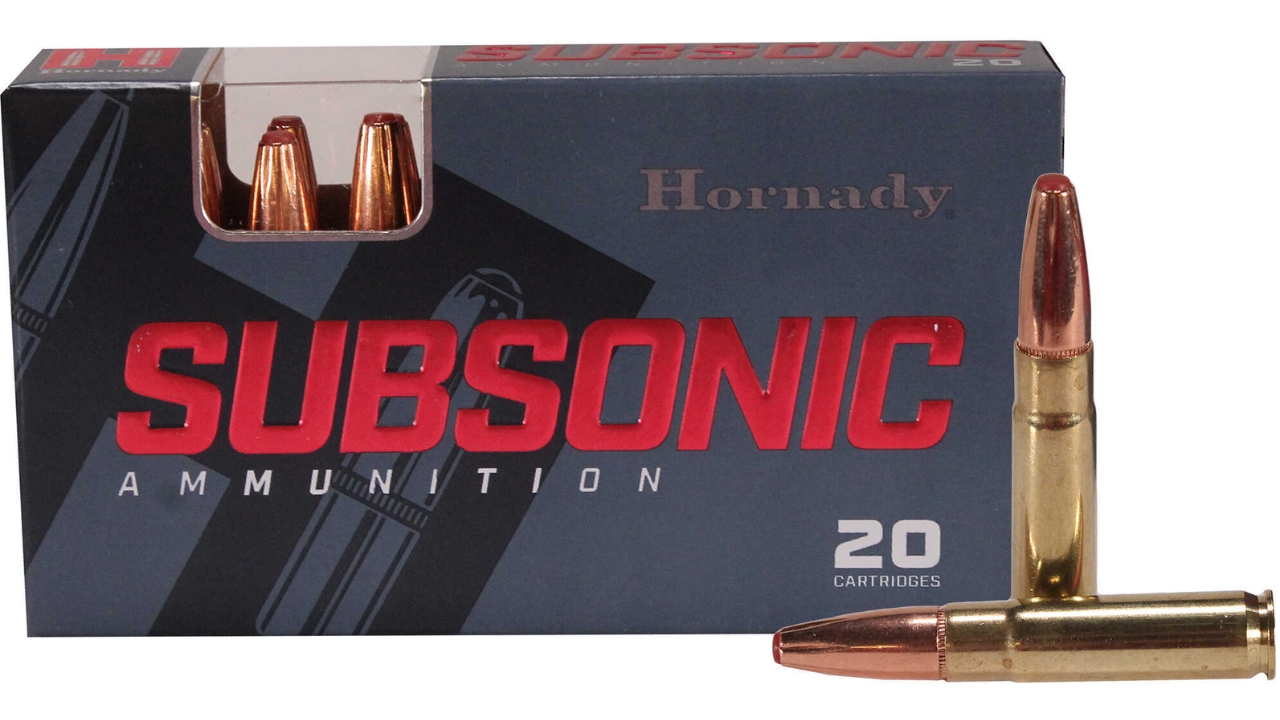
Supersonic .300 Blackout has its place, but subsonic loads regularly disappoint on boar. The lower velocity just doesn’t create the same level of damage, and penetration suffers, especially on bigger pigs. Hunters chasing quiet shots often find themselves dealing with lengthy tracking jobs. Subsonics are fun with suppressors but not the best bet when you need immediate stopping power. Most folks who try it on hogs end up switching to faster rounds after seeing too many animals run off.
9mm Luger
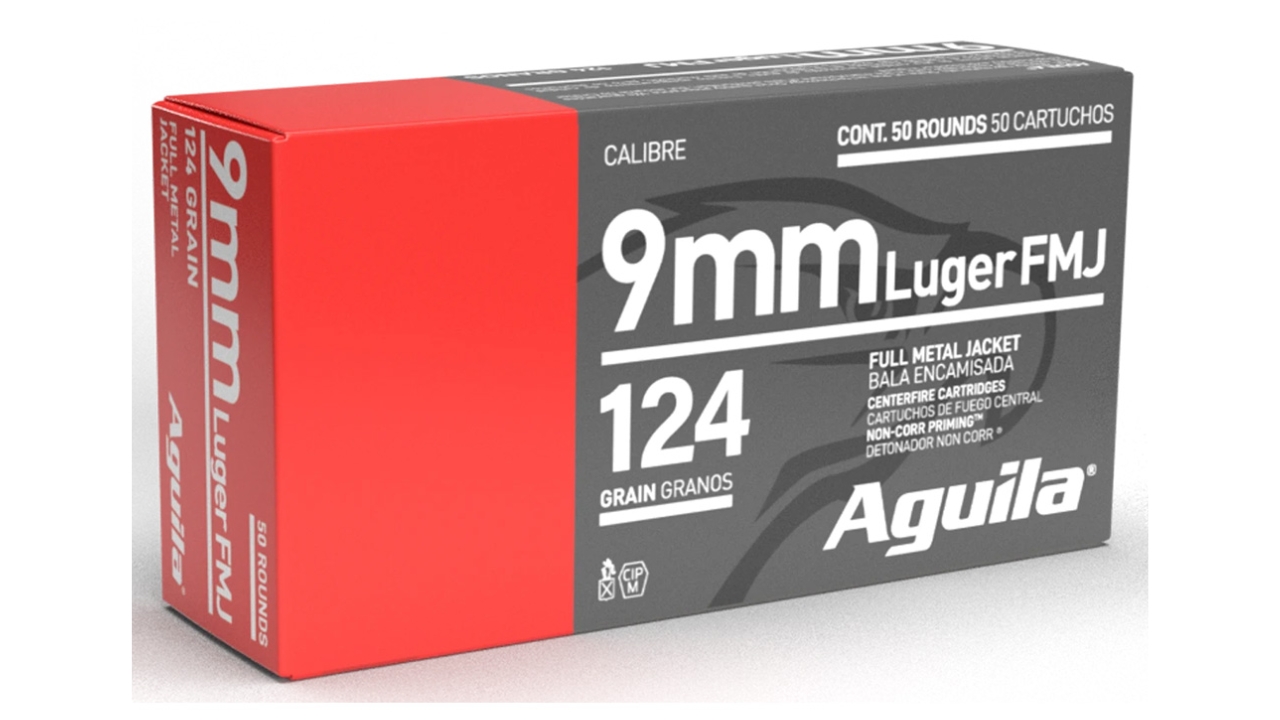
Plenty of people try taking hogs with 9mm carbines or handguns, but it’s not a great idea. The round simply doesn’t have enough energy for thick-skinned animals, especially on quartering or broadside shots. Penetration is shallow, and follow-up shots don’t make up for poor stopping power. Even with good hollow points, 9mm leaves too many hogs running. It’s cheap to shoot, but it’s not something you want to count on when the pigs are moving fast.
.45 ACP

The .45 ACP gets praise for defense use but falls flat on big boars. Its slower speed and limited penetration make it ineffective beyond close-range, perfectly-placed shots. Large pigs often shake off center-mass hits, and follow-up shots don’t fix the problem when you’re chasing a wounded animal through brush. Many hunters have tested it and moved on, realizing it just doesn’t have enough reach or punch for something as tough as wild hogs.
.17 HMR

The .17 HMR is great for small varmints but completely out of its league on hogs. Light bullets explode on impact and fail to penetrate tough hides or thick muscle. Hunters who’ve tried it often find themselves watching hogs run off after getting hit. It’s simply not designed for anything bigger than a rabbit or prairie dog. It’s fun for plinking, but it doesn’t belong in the woods when you’re dealing with wild pigs.
.204 Ruger

The .204 Ruger shines on coyotes but falls short on hogs. Its small, fast-moving bullets don’t deliver enough punch to drop big animals consistently. Shallow wound channels and quick energy loss are common complaints. Even with precise hits, many hunters find themselves needing multiple shots or long tracking jobs. It’s a laser on predators but a disappointment when a big hog steps out. For serious pig hunting, stepping up to a bigger caliber makes way more sense.
5.45x39mm

The 5.45x39mm is a fun caliber for the range but lacks power for hog hunting. It shares some of the same limitations as .223—light bullets and limited penetration. Many hunters report pass-through shots without enough internal damage to anchor pigs. The round was built for soft targets, not big animals with thick shields of muscle and fat. It can work in a pinch, but it’s a weak choice compared to other affordable options.
.25 ACP
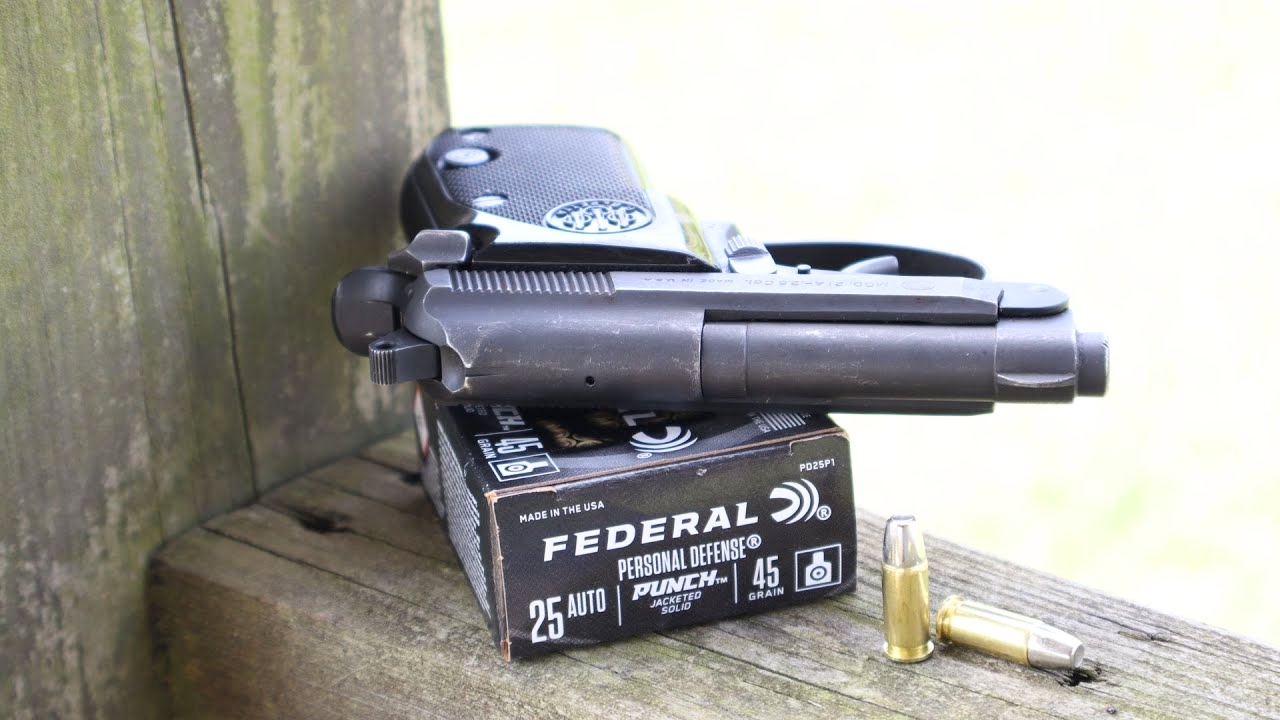
The .25 ACP shouldn’t be anywhere near a hog hunt, yet some people still try it. It has weak energy, poor penetration, and almost no ability to drop anything larger than a squirrel. Even in a defensive pinch, it’s underpowered, and it’s completely outclassed in the woods. There are plenty of better pocket pistol options, but for hogs, the .25 ACP doesn’t stand a chance. It’s more likely to annoy than stop a charging pig.
.410 Bore (Birdshot)

Some folks mistakenly believe a .410 with birdshot can take down hogs at close range, but it’s almost always a bad idea. The small pellets lack penetration, and unless you hit the brain at point-blank range, you’ll just wound the animal. Even buckshot loads in .410 can struggle on bigger boars. Many frustrated hunters learn the hard way that birdshot leaves pigs running off, often unrecovered. When it comes to hogs, you need real power—not a light shotgun load.
*This article was developed with AI-powered tools and has been carefully reviewed by our editors.


