Photo credit: guruXOX/Shutterstock.com
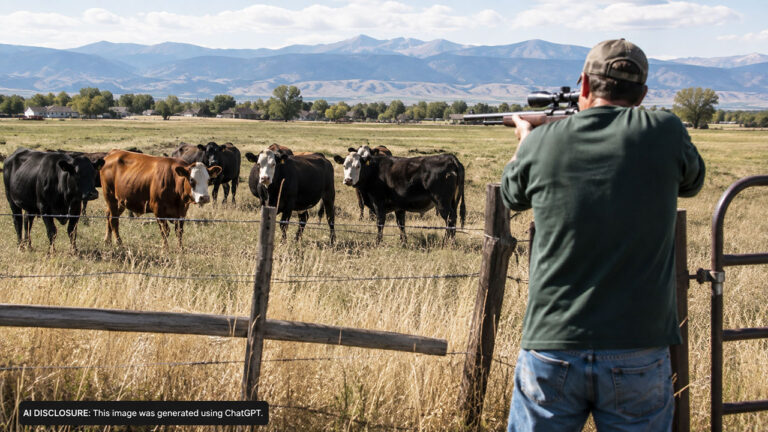
A calm evening on a rural edge-of-town road turned into the kind of neighbor mess that ruins hunting season for everybody. One family had walked the back side of their lot to check a fence corner and show their kids where the old boundary markers used to be. The neighbor on the other side saw movement, assumed the worst, and came out with a shotgun.
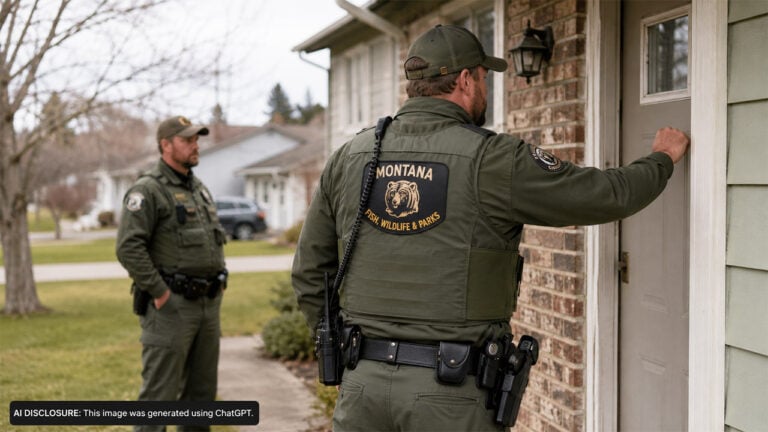
That’s where a property line disagreement stopped being a handshake problem and became a gun-safety problem. A call went out, patrol units rolled up, and the family expected the neighbor to be removed or at least cited. Instead, officers reportedly looked at the rough line, decided the armed neighbor was standing on his own side, and left without taking action.
The dispute wasn’t really about a fence
Most property line fights start the same way: a faded fence, a missing corner pin, or an old verbal agreement that died when the land changed hands. This one had all the usual ingredients—brush that grows up fast, a drainage swale that “everyone” treats like the line, and just enough uncertainty to make both sides feel right.
The family said they weren’t trying to cut through the neighbor’s place. They were walking the edge, looking for an iron pin and an old blaze on a tree the previous owner had mentioned. The neighbor apparently interpreted it as trespassing, or worse—someone sneaking around near outbuildings.
When a shotgun came out, the situation changed fast
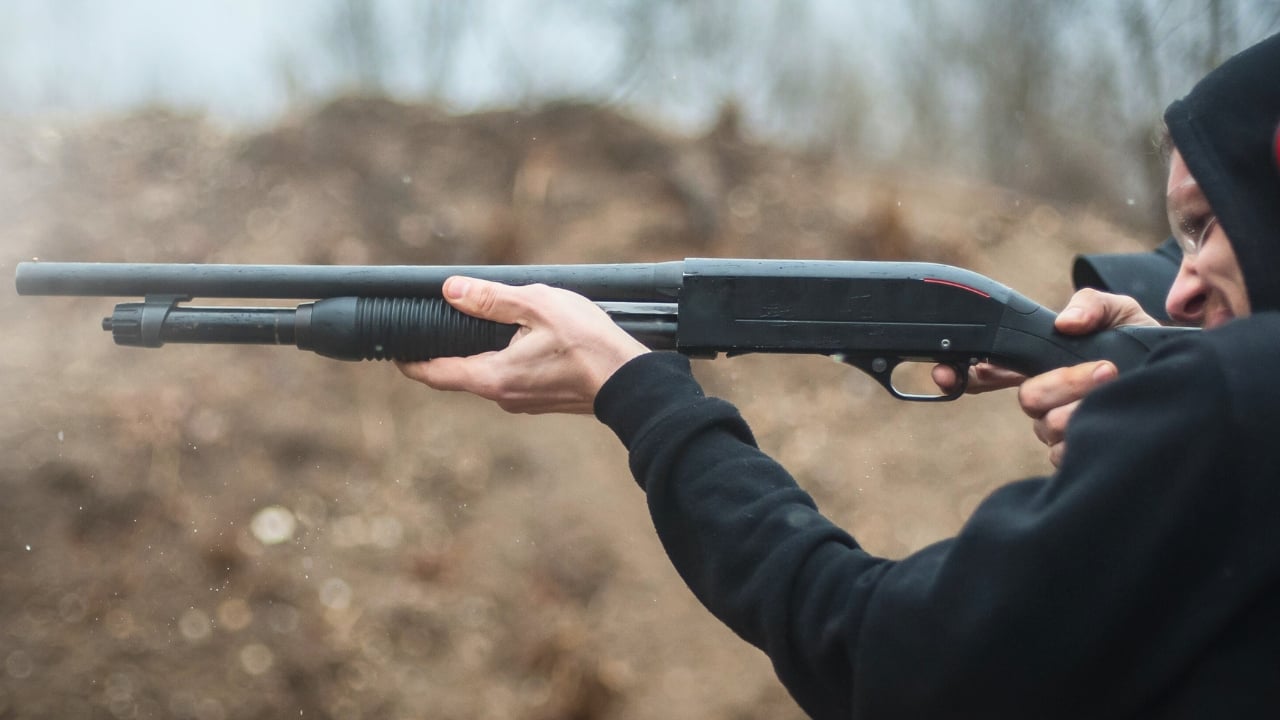
There’s a big difference between telling someone to step back and covering them with a muzzle. In the outdoors, plenty of us have carried a long gun while checking cameras, pushing coyotes out of a pasture, or walking to a stand. But pointing a shotgun at people—especially with kids present—moves the whole thing into a different category.
The family backed away and called law enforcement from their side of the line. They described the neighbor as agitated, shouting about trespass and property rights, and refusing to lower the gun until they were farther off. Those moments are where accidents happen: one stumble in uneven ground, one finger in the wrong place, one person trying to record video while walking backward.
From a pure safety standpoint, the best move is what they did—create distance, don’t argue in the moment, and get professionals there. It’s frustrating, but a boundary argument isn’t worth somebody catching a load of birdshot because tempers ran hot.
Police focused on where he stood, not how he acted
When officers arrived, the first thing they tried to nail down was location. If the neighbor was on his own property when he confronted them, that often becomes the hinge point in a quick roadside decision. In many places, simply possessing a firearm on your own land isn’t illegal, and officers don’t want to guess on a line they can’t see.
That doesn’t mean the family’s concern wasn’t legitimate. A person can be on their own land and still handle a gun in a way that scares people, especially if the muzzle is directed at them. But on the ground, responding officers are usually working with a short window, limited paperwork, and no survey in hand. If they can’t clearly establish a crime from what they can verify right then, the call can end with “it’s a civil boundary dispute.”
In other words, the family wanted an immediate consequence for the threat. The officers treated it like a property/line problem first, and a firearm problem second. That disconnect is what leaves folks feeling like they got brushed off.
Commenters zeroed in on surveys, trail cams, and “don’t get baited”
Whenever these neighbor standoffs get talked about around hunting camps or online groups, the same practical advice comes up. Get a real survey. Mark the corners. Photograph the pins. And stop relying on old fences that wander like a creek bed.
A lot of outdoorsmen also brought up trail cameras—not for catching deer, but for catching behavior. A camera pointed down a boundary line can document repeated confrontations, trespass claims, or somebody moving fence posts. The goal isn’t to “win” a shouting match; it’s to have something concrete when you need to file a report, seek a protective order, or show a judge a pattern.
The other thing people harp on is restraint. Don’t step forward into a confrontation to prove a point. Don’t match anger with anger. And don’t let pride drag you into a situation where the other guy is already emotional and holding a firearm. You can be right on the line and still end up hurt.
The hard truth: proving the line matters, but so does documenting the threat
The family’s next steps are the same ones I’d tell any landowner: separate the boundary question from the safety question. A survey settles the line. Documentation settles the pattern of behavior. Mixing them together usually gets you stuck in the mud.
On the boundary side, a licensed surveyor can re-establish corners and flag a line that holds up in court. Once that’s done, posting and signage become more defensible. If there’s a fence to be built or repaired, it’s a lot easier to do it clean when you’re not guessing where the line runs.
On the safety side, the key is detailed reporting. Times, dates, where everyone stood, what was said, and whether the firearm was pointed or merely carried. If there’s video, keep it. If there are witnesses, write down their names while it’s fresh. None of that is about escalating—it’s about creating a record so the next responding officer isn’t starting from zero.
It’s also worth remembering that “standing on your own land” isn’t a magic shield for every action. Brandishing-type conduct and threats can still have consequences depending on local law and what can be proven. But proving it takes more than a heated story on the side of the road.
What landowners and hunters can take from it
This is why I’m a big believer in clear lines and clear habits. If you own land, don’t wait until an argument to find out where your corners are. Get them marked, keep them marked, and take the mystery out of it. If you hunt near other folks, set your access routes so you’re not “accidentally” drifting with every season’s new growth.
And if you’re the one stepping out to challenge somebody, keep your head. A phone call, a calm approach, and distance is how adults handle it. Bringing a gun into a boundary disagreement might feel like “defending property,” but it’s one slip away from a tragedy—and it can put you in a legal fight that costs more than any strip of dirt along a fence line.
In the end, the land can be surveyed and the line can be set. The harder thing to fix is a neighborhood where everyone now expects the next disagreement to come with a muzzle attached.