

Photo credit: WHO_TEE_WHO/YouTube
There are cartridges that punch perfect groups all day long but crumble when the target has lungs instead of rings. They look great on paper—fast, flat, and accurate—but hunting isn’t a benchrest competition. Real animals bring bone, hide, and unpredictable angles into the equation, and that’s where these rounds often fall short. Some are too light, some too fast for their bullet construction, and others lose steam before they ever reach vital organs. They’re the calibers that make you feel confident at the range, only to leave you scratching your head when your shot placement looks perfect but the animal keeps running.
.22-250 Remington

The .22-250 is a tack driver, no doubt. It shoots so flat it can make you feel like you’re cheating at 200 yards. But it was built for varmints, not deer-sized game, and that’s where shooters often push it too far. Sure, it can drop coyotes like lightning, but when used on whitetails or pronghorn, that high-speed .22 bullet tends to explode on impact or fail to penetrate.
Even with heavy-for-caliber bullets, energy transfer and sectional density simply aren’t there. The .22-250 is best kept for what it was made for—small, thin-skinned game. Expecting it to humanely anchor bigger animals is where this caliber’s paper-punching reputation doesn’t translate to real results.
.204 Ruger
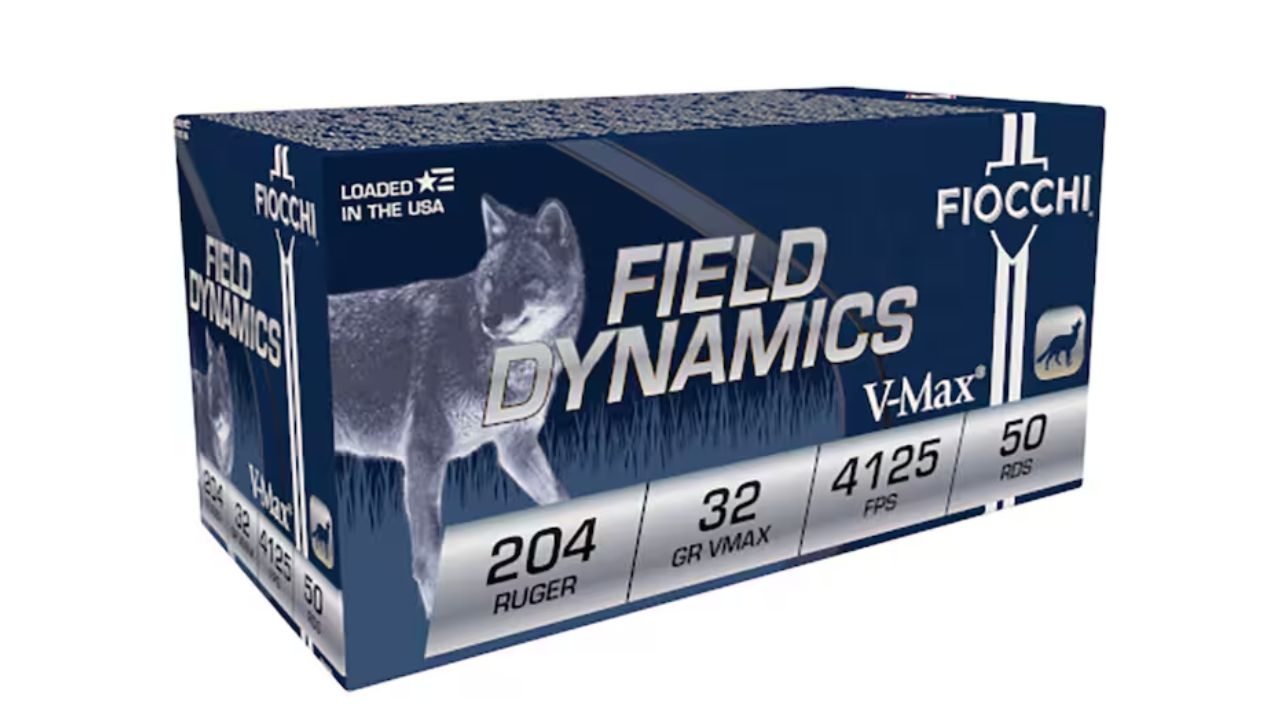
The .204 Ruger is a joy to shoot. It’s fast, flat, and produces almost no recoil. On the bench, you can stack bullets through the same hole with ease. But take that same load into the field against anything tougher than a prairie dog, and you’ll see its limits quickly.
Its tiny 20-caliber projectiles fragment on impact, rarely delivering the kind of penetration you’d want for even medium varmints. Many hunters tried it on coyotes and found out that those spectacular ballistic numbers didn’t always equal clean kills. The .204 shines for accuracy and speed, but its lightweight bullets make it a specialist’s cartridge—not an all-around performer.
.17 HMR
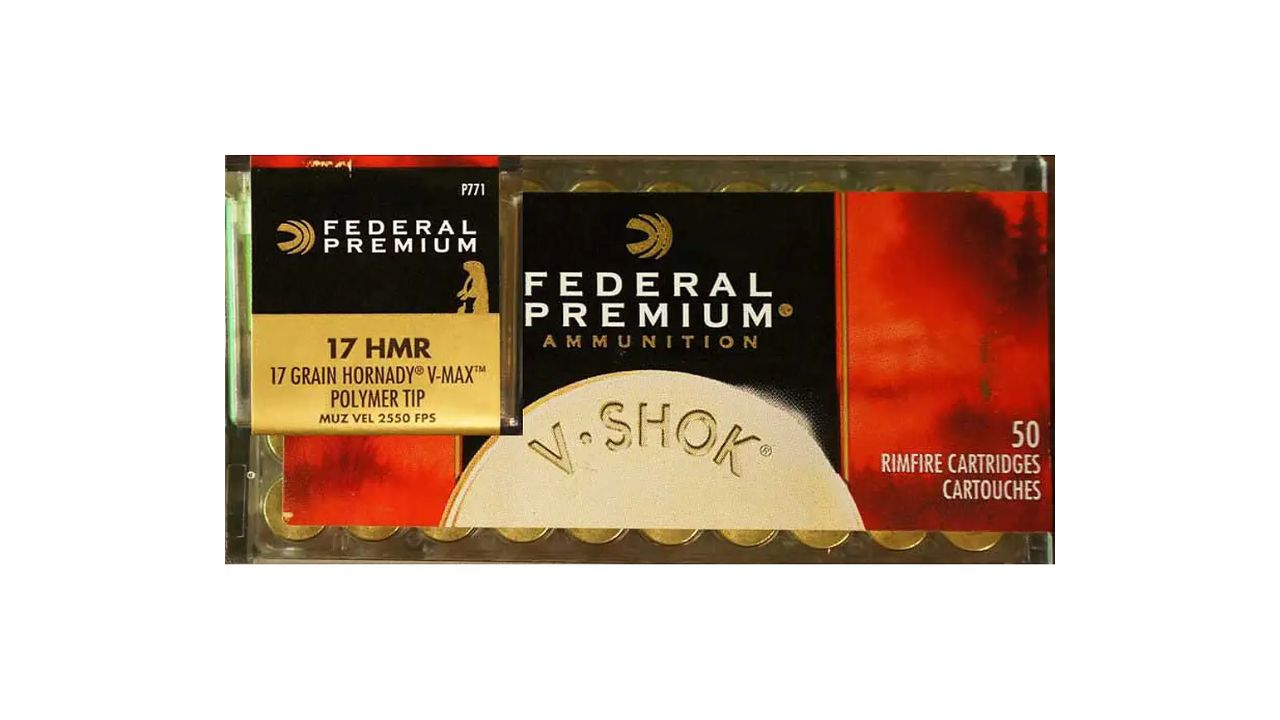
The .17 HMR is another small-caliber round that impresses everyone at the range. It’s accurate, quiet, and devastating on small varmints—until you stretch its purpose. On paper, the energy and speed look impressive, but on fur, the tiny bullet’s explosive nature becomes a problem.
Even perfect broadside shots on larger animals like fox or raccoon can result in splash wounds instead of proper penetration. It’s a rimfire built for precision, not power. The .17 HMR earns high marks for target work, but when used beyond its niche, it often leaves hunters tracking animals much farther than they expected.
.243 Winchester (with light bullets)

The .243 Winchester is one of the most accurate and versatile cartridges ever designed, but it’s also one of the most misused. When shooters load it with ultralight varmint bullets, it can vaporize groundhogs—but those same loads often come apart too quickly on deer.
The cartridge itself is capable of cleanly taking medium game, but bullet choice matters. On paper, the .243 looks perfect for all-around use. In the field, using bullets designed for expansion rather than penetration turns it into a liability. Keep it cleanly zeroed and paired with a proper 90–100 grain load, and it redeems itself—but with the wrong bullet, it’s a paper champion that fails where it counts.
6mm Creedmoor
The 6mm Creedmoor was born in the precision world, and that’s where it belongs. It’s a laser on the range, with incredible consistency and little recoil. But its ballistic design favors long-range accuracy, not terminal energy.
Many hunters have found that even with premium bullets, it lacks the authority to drop larger game cleanly. On thin-skinned animals like coyotes, it’s fine. On mule deer or antelope, the margin for error gets slim. The 6mm Creedmoor looks excellent on a ballistics chart, but unless every shot is perfect, it doesn’t always deliver the kind of reliable knockdown you want in the field.
.223 Remington
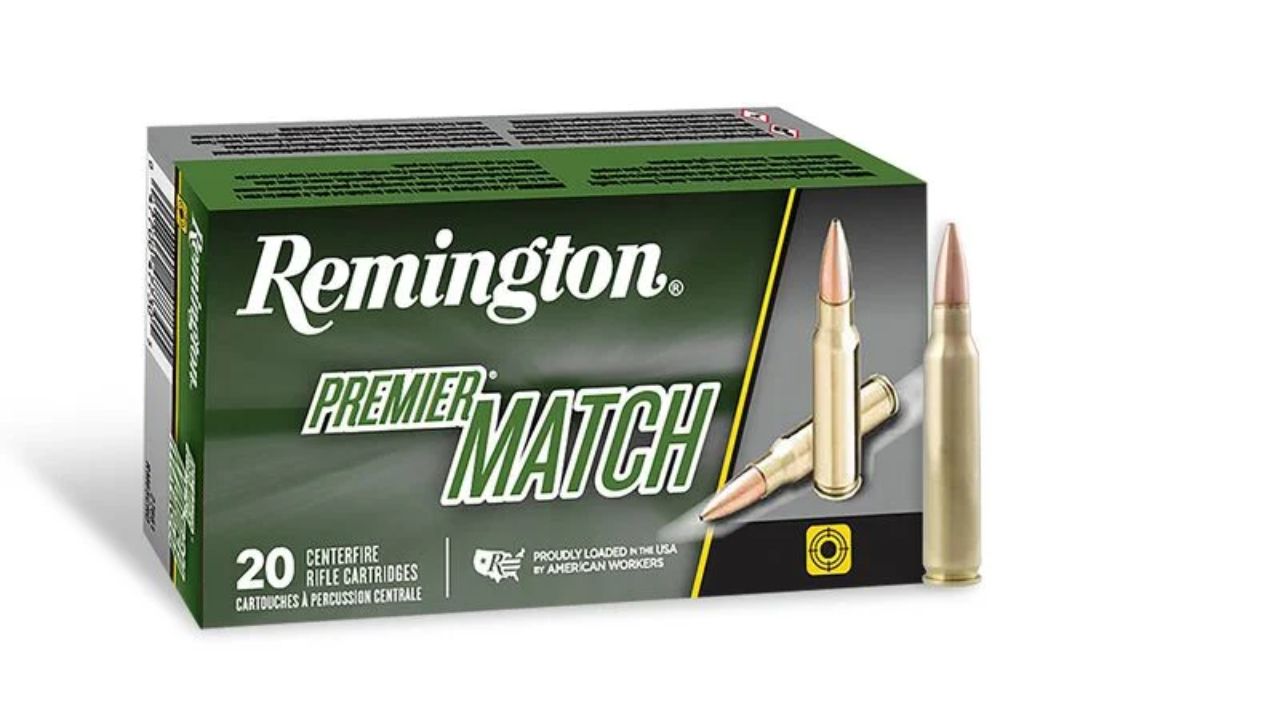
The .223 Remington is beloved for its availability, accuracy, and mild recoil. It shoots flat and prints tight groups—there’s a reason it dominates the AR world. But on medium-sized game, especially with standard FMJ or varmint bullets, it can fail to perform.
Hunters who take it after deer often find that even good shot placement results in poor penetration. The .223’s small frontal area and limited energy make it better suited for predators and varmints. On paper, it performs beautifully; in real-world hunting, it’s a reminder that accuracy alone doesn’t equal effectiveness.
.220 Swift
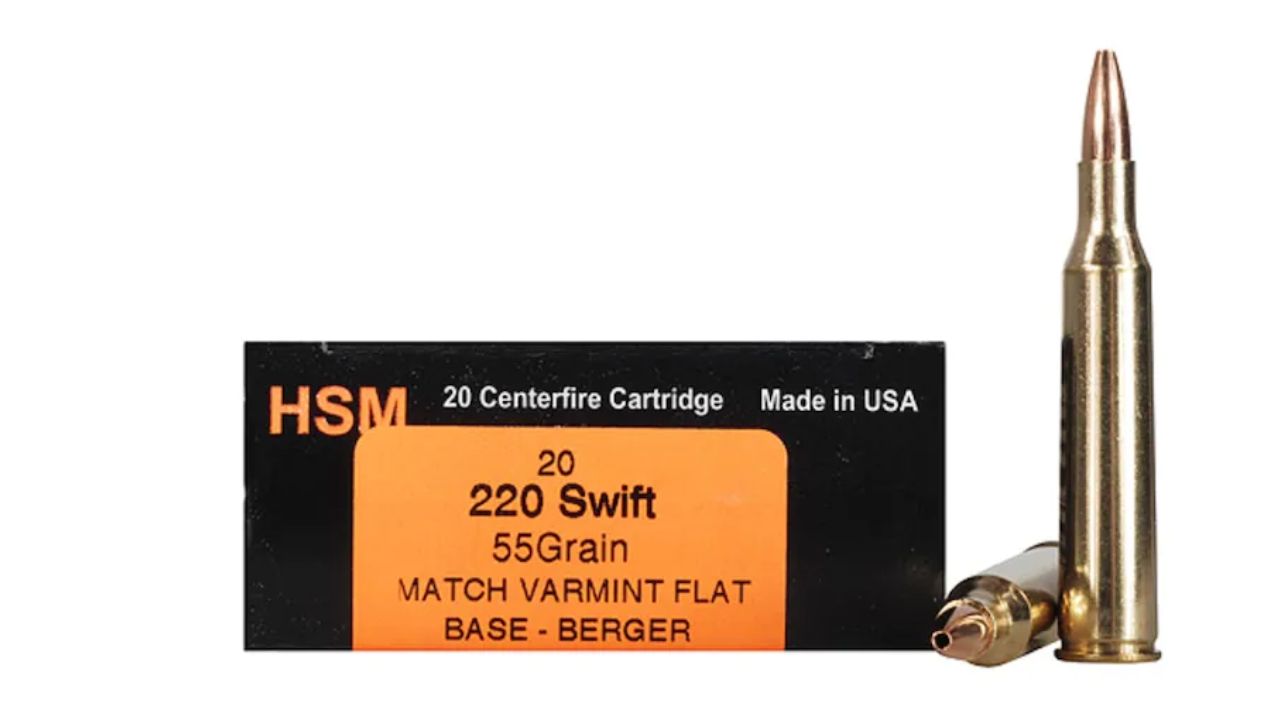
When the .220 Swift hit the scene, it was the fastest thing going. It could push light bullets at blistering speeds and shred targets at long range. But that same speed was its downfall on anything beyond varmints. The bullets of the era couldn’t handle the velocity, and even modern projectiles struggle to stay together on impact.
While it still has a cult following, most hunters learned that its range performance didn’t translate to terminal results. The Swift is impressive on paper and satisfying to shoot, but when the goal is a clean kill, speed isn’t everything.
6.5 Grendel
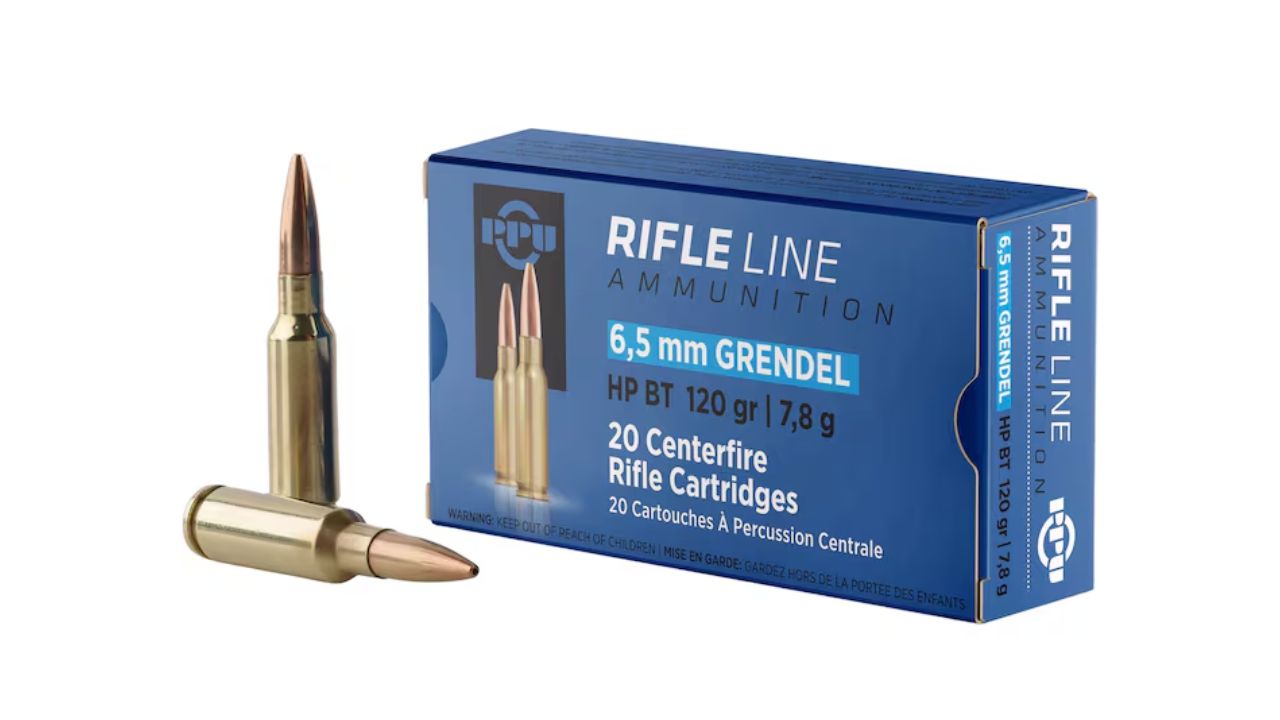
The 6.5 Grendel bridges the gap between 5.56 and .308 platforms, and it’s deadly accurate at the range. But its limited case capacity keeps velocity and energy on the low end compared to traditional hunting calibers. Many shooters love it for paper punching or hogs at close range—but on deer, its slow speed and mild energy drop fast past 200 yards.
What works on steel doesn’t always work on bone. The Grendel shoots great groups, but if you plan to use it for hunting, keep your expectations and your range modest. It’s a fine performer inside its limits—those limits just arrive sooner than the charts suggest.
6.8 SPC

The 6.8 SPC had strong marketing behind it and quickly gained traction with AR builders. On paper, it looked like the perfect balance—more punch than 5.56, less recoil than .308. But in the field, many found its trajectory and downrange energy lacking.
The round can group beautifully and handle short-range deer or hogs, but beyond 200 yards, its performance falls off sharply. It’s accurate and efficient, but limited by design. The 6.8 SPC earned its place on target benches more than in hunting blinds.
.257 Roberts (light loads)

The .257 Roberts is a cartridge that shines when loaded right—but many factory loads water it down to keep pressure safe for older rifles. That results in beautiful paper performance with mild recoil but mediocre energy on game.
While it can group tightly and stay flat enough for deer ranges, its reduced loads often fail to expand or penetrate well. Handloaders can bring the .257 back to life, but the watered-down factory ammo turns it into another example of a cartridge that looks good in theory and underwhelms in practice.
.300 Blackout
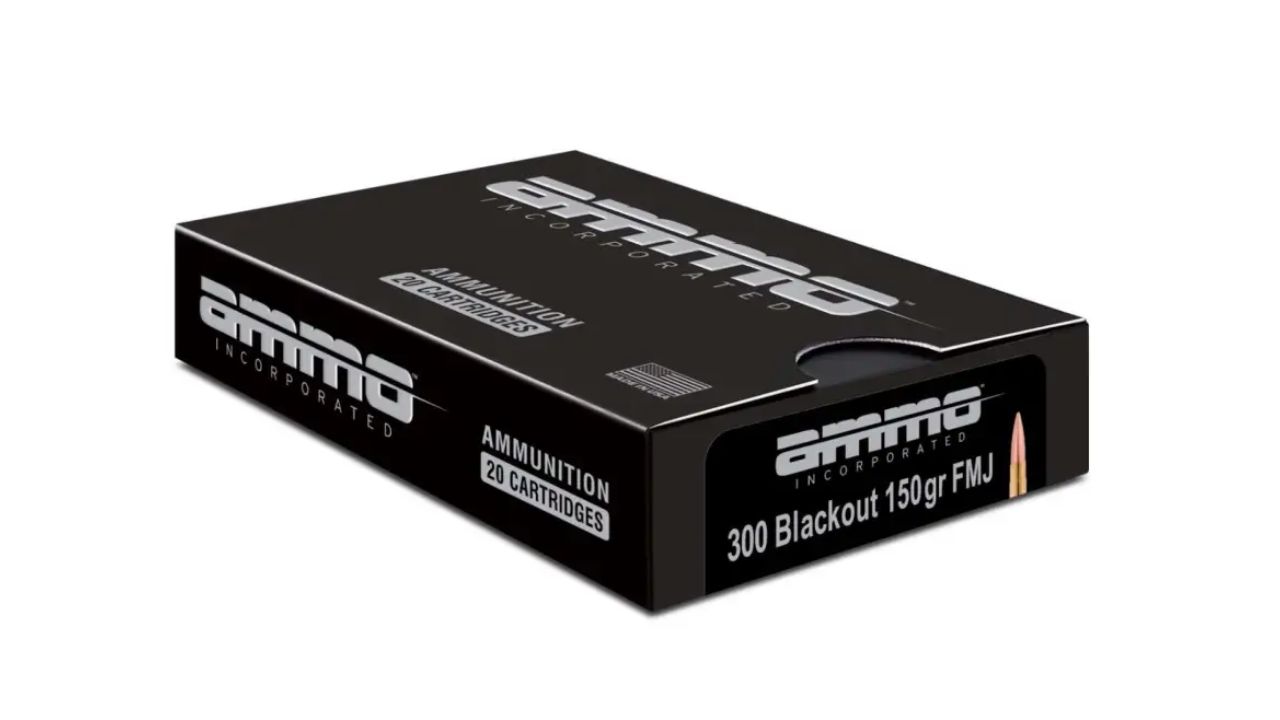
The .300 Blackout is one of the most fun cartridges to shoot—quiet, accurate, and versatile. On the range, especially suppressed, it’s an absolute pleasure. But as a hunting round, it struggles. Subsonic loads drop fast and don’t hit hard, while supersonic ones lose energy quickly past 150 yards.
The Blackout performs wonderfully in tight quarters and tactical setups but doesn’t have the horsepower for consistent performance on medium game. It flattens targets on paper, but on deer-sized animals, it’s more bark than bite unless conditions are ideal.
Like The Avid Outdoorsman’s content? Be sure to follow us.
Here’s more from us:
The worst deer rifles money can buy
Sidearms That Belong in the Safe — Not Your Belt
*This article was developed with AI-powered tools and has been carefully reviewed by our editors.


