Photo credit: Up North Reloading/YouTube
Every generation of shooters thinks it is the one that finally figured it all out. New cartridges show up with better charts, sharper marketing, flatter trajectories, cleaner numbers, and just enough buzz to make older rounds sound like leftovers. Then hunting seasons pass, range time piles up, and a funny thing happens: a lot of the older guys are still carrying the same cartridges they trusted twenty or thirty years ago, and they are still doing just fine.
That is not because they are stubborn for no reason. It is because a lot of old calibers never stopped solving real problems. They fed well, killed cleanly, shot predictably, and stayed available long after trend-chasers moved on to the next thing with a fresh box design. These are the rounds old-timers stuck with while everyone else kept chasing whatever was supposed to replace them.
.257 Roberts

The .257 Roberts is one of those cartridges old-timers kept because it never needed to be loud to be effective. It shoots flat enough for real hunting, kicks light enough that people actually practice with it, and carries a kind of all-around field sense that gets overlooked when the market starts screaming about bigger or faster options. For deer, varmints, and general hunting use, it has always made a lot more sense than the attention it usually got.
That is exactly why older hunters stuck with it. They already knew what newer buyers eventually figure out the expensive way: a cartridge you shoot calmly and accurately beats a more dramatic one you flinch through. The .257 Roberts never had the trendiest reputation, but it has spent a long time quietly proving that ease of use and honest killing power still matter more than hype.
7×57 Mauser

The 7×57 Mauser stayed in old-timer camps because it flat-out works. It has enough reach, enough authority, and enough mild manners to keep showing up long after more fashionable hunting rounds tried to crowd it out. People who really used it knew it was one of those rare cartridges that could feel soft on the shoulder and still act very serious on game.
That is why the people who trusted it rarely felt much pressure to move on. They had already seen what it could do in the field, and once a cartridge has built that sort of confidence, glossy replacement talk starts sounding pretty thin. The 7×57 has always had a little more class than buzz, and old-timers usually trusted class more.
.300 Savage

The .300 Savage got stuck in a hard position for years because the .308 showed up and took over the conversation. That made a lot of newer shooters treat the .300 Savage like a stepping stone instead of a very capable hunting round in its own right. Older shooters knew better. They had already seen how well it handled deer, how easy it was to carry in trim rifles, and how little real-world difference there was in the sort of hunting most people actually did.
That is why so many of them kept using it. They did not need the “improved” version if the old one already did the job cleanly. A lot of old-timer cartridge loyalty comes down to exactly that sort of thinking. If the rifle shot straight, killed well, and felt right in the woods, they were not interested in changing just because the catalog changed.
.35 Remington

The .35 Remington never had the glamour of magnum rounds or the broad internet fan club of some better-known deer cartridges, but older hunters stayed with it because it made perfect sense where they hunted. In woods country, where shots are often closer and fast handling matters more than long-range theory, the .35 Remington has always been a very believable answer.
That practical fit is what kept it alive in serious hands. Old-timers did not care that it was not trendy. They cared that it hit deer hard, worked beautifully in the kind of rifles they liked carrying, and had a long track record of doing exactly what was asked of it. A cartridge like that does not need to win arguments. It only needs to keep working.
.250 Savage

The .250 Savage is one of those calibers older shooters respected because it offered more than people gave it credit for. Mild recoil, good velocity, and a surprisingly practical deer-and-varmint crossover role made it far smarter than the market treated it once louder rounds started stealing the spotlight. To shooters who actually valued being able to shoot well, it always had a lot going for it.
That is why it stayed in the hands of people who knew what mattered. The .250 was never about macho image. It was about field usefulness, good manners, and enough performance to do honest work without beating up the shooter. Old-timers tend to keep rounds like that because they understand that “pleasant” and “effective” are not opposites.
.32 Winchester Special

The .32 Winchester Special stuck around with old-timers because it fit the exact same real-world lane many of them lived in. It was a woods cartridge, a lever-gun cartridge, and a practical hunting round for people who were not building their whole season around long-range fantasies. It carried easily, hit with authority inside its role, and made sense in rifles they already trusted.
That kind of compatibility matters more than younger buyers often realize. Older shooters were not always searching for a fresh answer if the one in their hands already suited the country, the game, and the kind of shooting they actually did. The .32 Winchester Special did that for a lot of people, and that is why it kept surviving in camps where trend talk never mattered much.
.38-55 Winchester
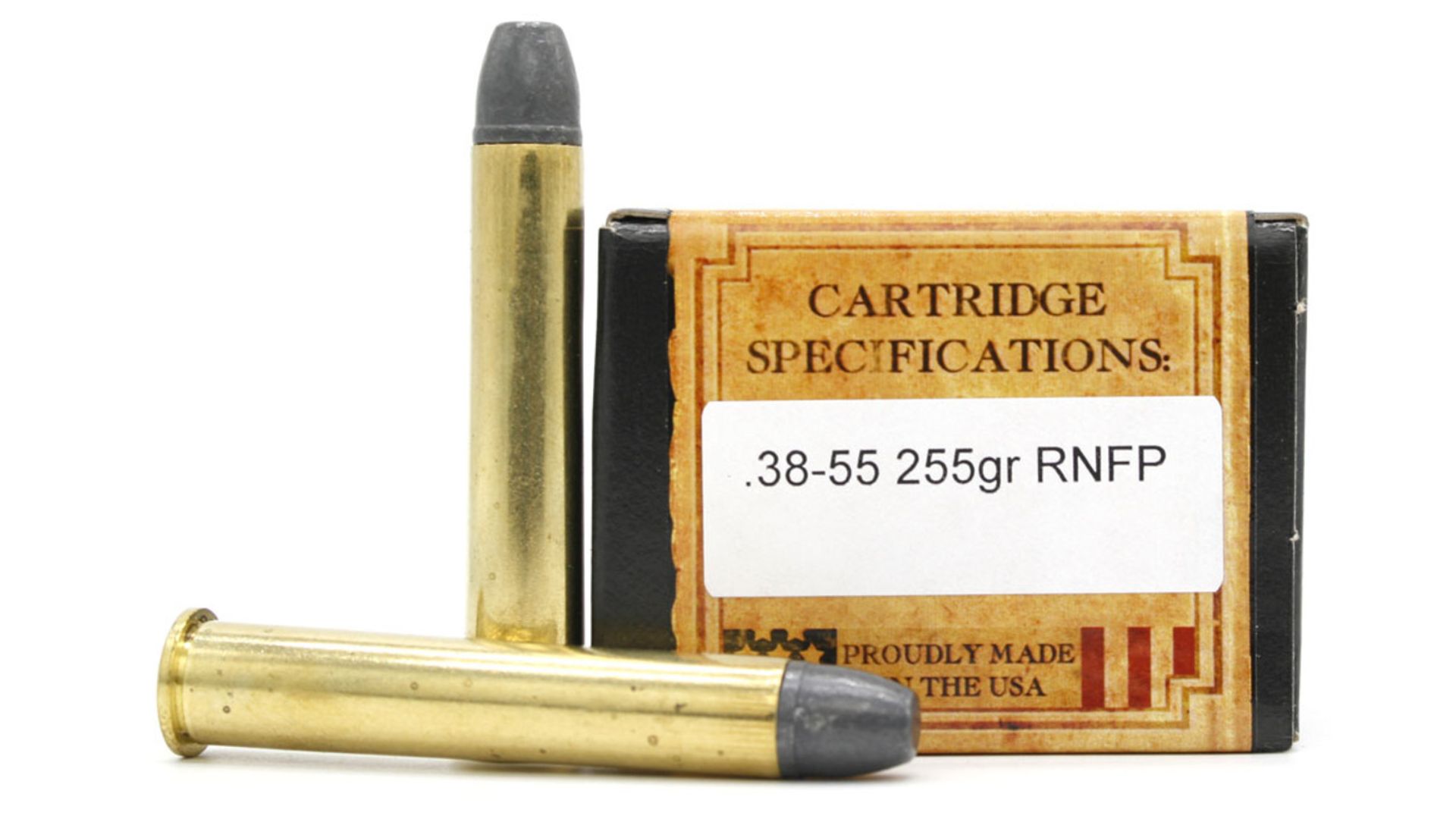
The .38-55 is one of those cartridges people dismiss until they spend time around somebody who truly understands it. Older shooters stuck with it because it was accurate, pleasant in the right rifles, and deeply suited to the kind of sane-distance hunting and target work that many of them actually enjoyed. It was not trying to be flashy. It was trying to be good.
That is often the whole story with old-timer cartridge choices. They kept the rounds that behaved well and did not require a sermon before they made sense. The .38-55 has old bones, but it has never stopped being useful where it belongs. That is exactly why it kept showing up long after younger buyers had moved on to noisier things.
.30-40 Krag

The .30-40 Krag stayed alive among old-timers because they knew old military-linked cartridges could still make excellent hunting rounds if they shot straight and carried enough punch. It never had the broad modern spotlight, but it had practical performance, good manners, and enough real field credibility to stay around where people valued results more than current buzz.
That is what kept it from being forgotten by the right crowd. Once a cartridge proves itself across enough seasons, the conversation changes. It stops being “old” in the dismissive sense and starts being “proven” in the serious one. The Krag earned that transition the hard way, which is usually the only way old-timers truly trust anything.
6.5×55 Swedish

The 6.5×55 Swedish is the kind of cartridge old-timers stayed loyal to because it always did more than it needed to without being difficult about it. It shoots with mild recoil, carries enough sectional density to behave well on game, and tends to build confidence instead of bruises. That combination has never really gone out of style with shooters who care about the whole experience, not just the headline numbers.
That is why so many older hunters and riflemen kept it close even while newer 6.5 rounds came through with modern branding and sharper sales language. They already knew the old Swede did not need a relaunch. It was already accurate, already effective, and already one of the most sensible hunting rounds in the rack.
.348 Winchester
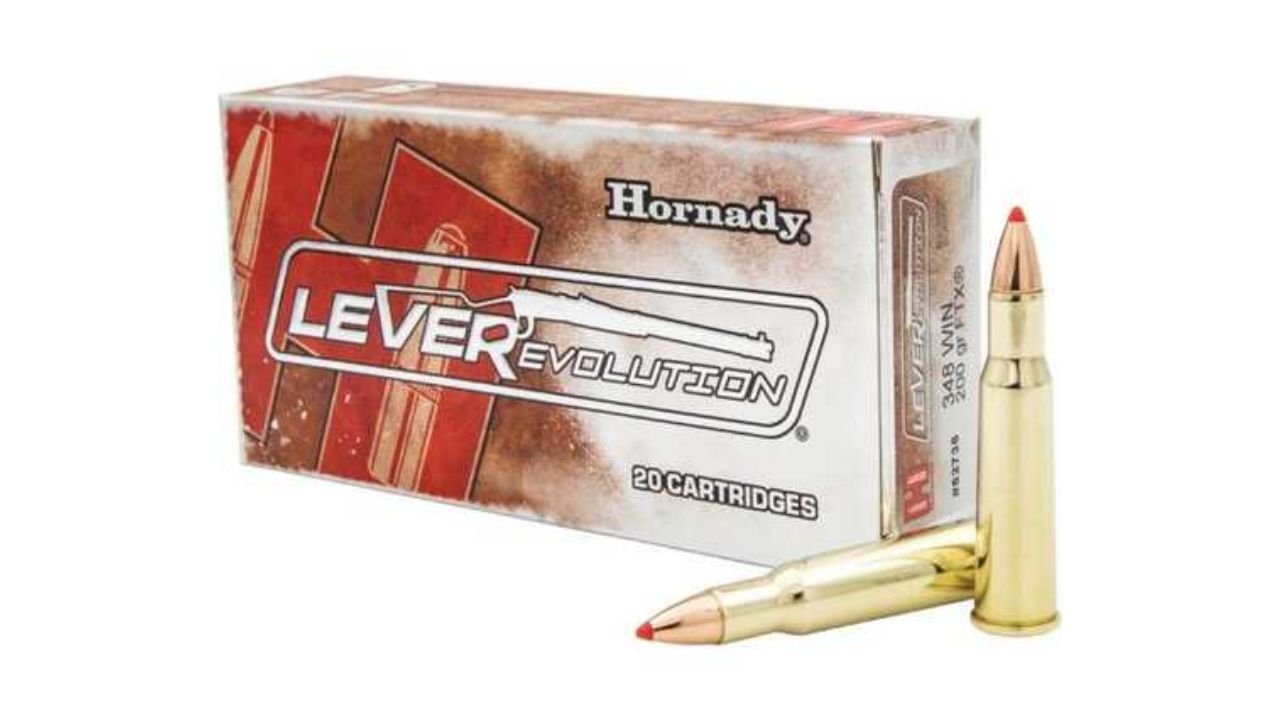
The .348 Winchester was never a mass-market everybody cartridge, and that is part of why old-timers respected it so much. It belonged to the people who actually knew what they wanted from it. In the right rifle and the right country, it offered real authority and the kind of field confidence that makes a man stop shopping around for trendy replacements.
That kind of loyalty always comes from use, not romance alone. A cartridge like the .348 stays alive because somebody put enough meat on the ground with it to stop caring what the latest catalog claimed would do the job better. Older shooters often trusted rounds like this because they had already seen them settle the matter in real life.
.41 Magnum

The .41 Magnum stayed with old-timers because it lived in that sweet spot many of them cared about more than public opinion did. It carried more punch than the .357, often felt a little more manageable than full-house .44 Magnum shooting for some users, and had a very serious field and revolver-hunting reputation among the people who actually spent time with it.
That is why it developed a loyal older following despite never becoming the loudest big-bore handgun round in the room. People who liked the .41 tended to really like the .41, because they were judging it from use instead of from how often it got mentioned in gun-shop arguments. That kind of quiet confidence is pure old-timer territory.
.44 Special

The .44 Special stuck with older revolver shooters because they already knew something many trend-chasers keep forgetting: not every useful handgun round has to be violent to be worthwhile. In a good revolver, the .44 Special offers a big, honest bullet and a much more civilized shooting experience than the magnum crowd often wants to admit. That has real value.
Old-timers trusted it because they had enough experience to separate marketing masculinity from actual practical use. They did not need the most dramatic recoil in the room if the gun was accurate, controllable, and suitable for the role. The .44 Special kept its place because it kept proving that mature handgun thinking usually ages better than fashion.
.45 Colt
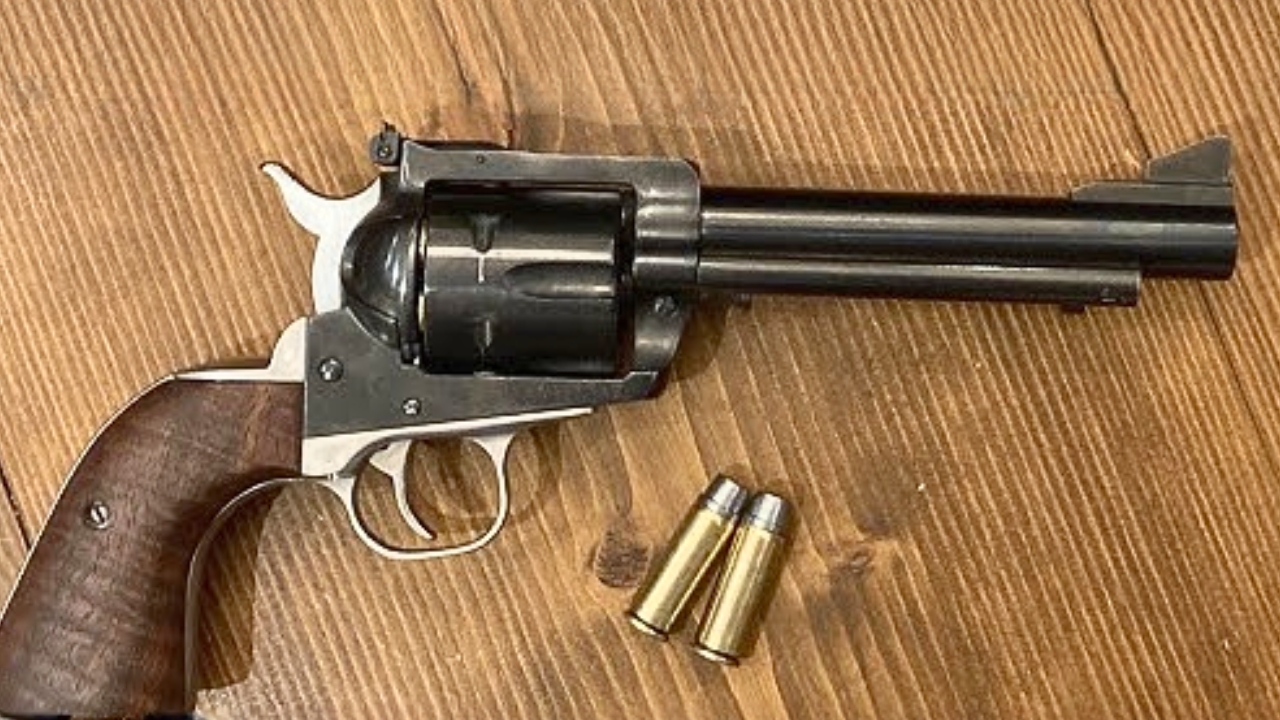
The .45 Colt survived in old-timer hands because it never stopped making sense in strong revolvers and lever guns. It had history, sure, but the people who stuck with it were not keeping it alive out of sentiment alone. They liked the way it shot, liked the way it hit, and liked the fact that it still carried real field usefulness without requiring some whole new system to justify itself.
That is the pattern with cartridges like this. Old-timers stayed with them because the old rounds had already earned their trust years ago. Once that happens, people stop feeling much need to chase the newest answer. The .45 Colt still had enough practical punch and enough honest versatility to keep its place with shooters who were done being sold every few years.
.22 Hornet

The .22 Hornet stayed with older shooters because it did its little jobs very well and did not pretend to be anything else. Varmints, pests, small game, low-noise centerfire shooting — it had a real lane, and it stayed in it beautifully. That matters more to experienced shooters than many younger ones understand.
Old-timers usually loved calibers that knew exactly what they were for. The Hornet had that. It was not trying to dominate every use case. It was simply smart, efficient, and very easy to appreciate if you actually used it in its proper role. That kind of honest usefulness tends to build lifelong loyalty.
8×57 Mauser
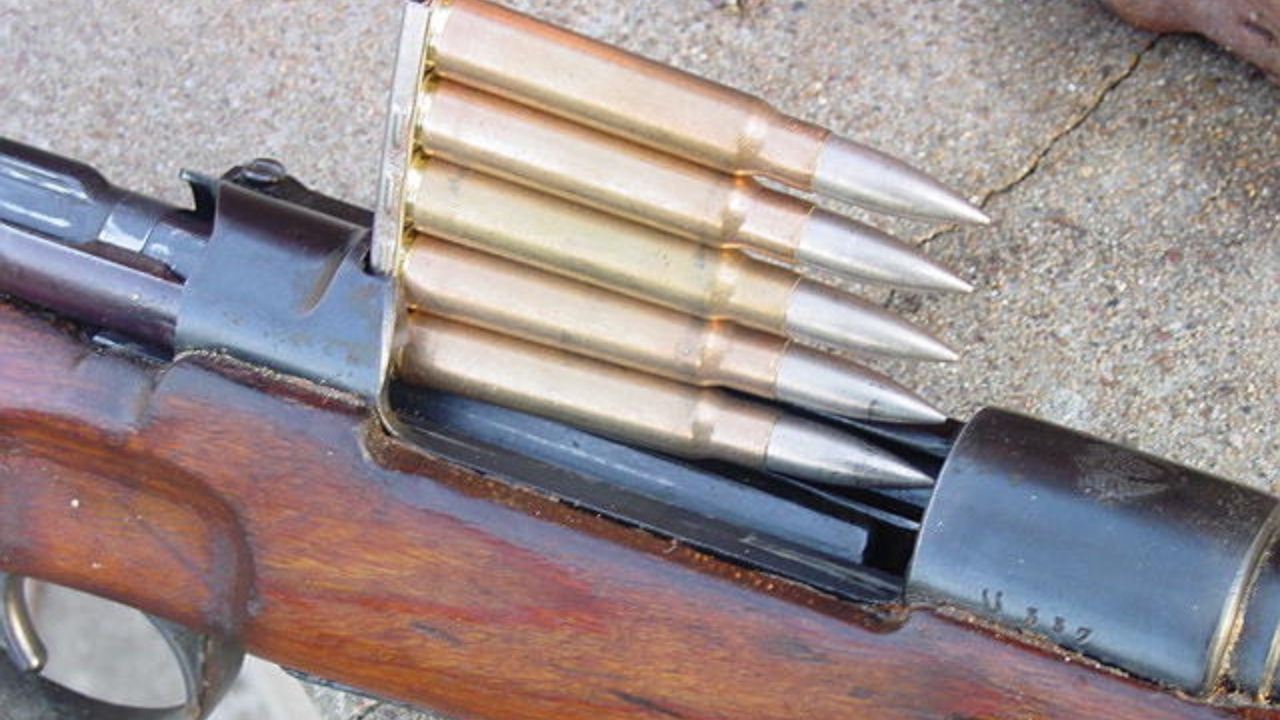
The 8×57 Mauser stuck around because old-timers respected cartridges that came with real field history and still delivered practical performance. It had enough power for serious hunting, enough identity to keep it interesting, and enough proven track record that it never needed the sort of constant rebranding newer rounds depend on. To the right shooter, it was already settled business.
That is exactly why it stayed in use while other people chased whatever had the freshest charts. A cartridge that has already shown it can work in real rifles on real game for a very long time usually does not lose older shooters easily. They are not buying trends. They are buying trust, and the 8×57 had plenty of it.
.300 H&H Magnum
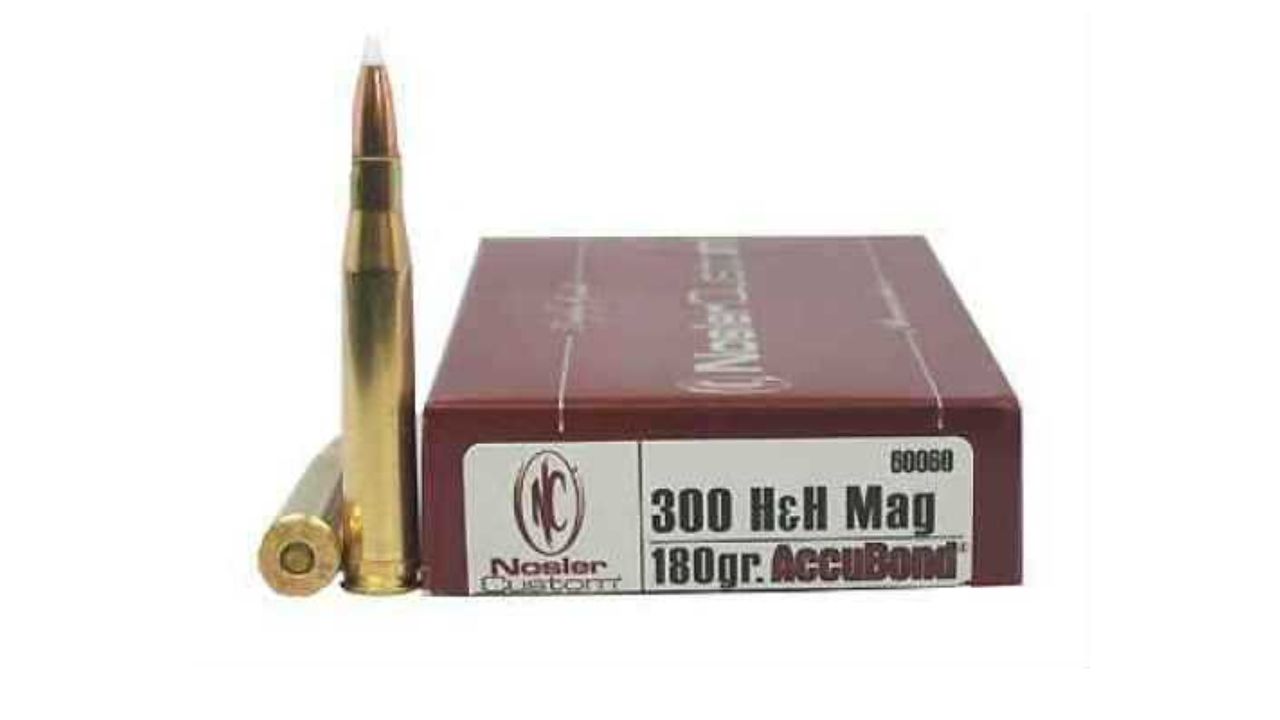
The .300 H&H Magnum stayed with old-timers because it represented an older kind of rifle confidence. It had reach, authority, and a long reputation for handling serious hunting work without sounding like some new claim that still needed proving. It came from a more dignified era of magnum thinking, before every new round had to pretend it reinvented distance and power.
That old confidence is a big reason older hunters stayed with it. They did not need a cartridge to be everywhere if it already did exactly what they wanted and carried a kind of calm authority newer rounds often tried too hard to imitate. The .300 H&H is one of those rounds that old-timer loyalty made look wiser with every passing decade.
Like The Avid Outdoorsman’s content? Subscribe to our newsletter so you never miss an article.
Here’s more from us: