Photo credit: Buckeye Ballistics/YouTube
Some cartridges stick around because they used to fill a real gap. Others hang on because “it’s what my rifle is,” or because they’re tied to nostalgia. The problem is that modern cartridges often do the same job with better ammo availability, better bullet options, easier recoil management, and more consistent real-world performance. If a cartridge creates hassle without giving a real advantage, it’s fair to say it should’ve been replaced a long time ago.
This isn’t a history lesson. It’s a practical list of cartridges that, for most shooters today, are more trouble than they’re worth.
.220 Swift
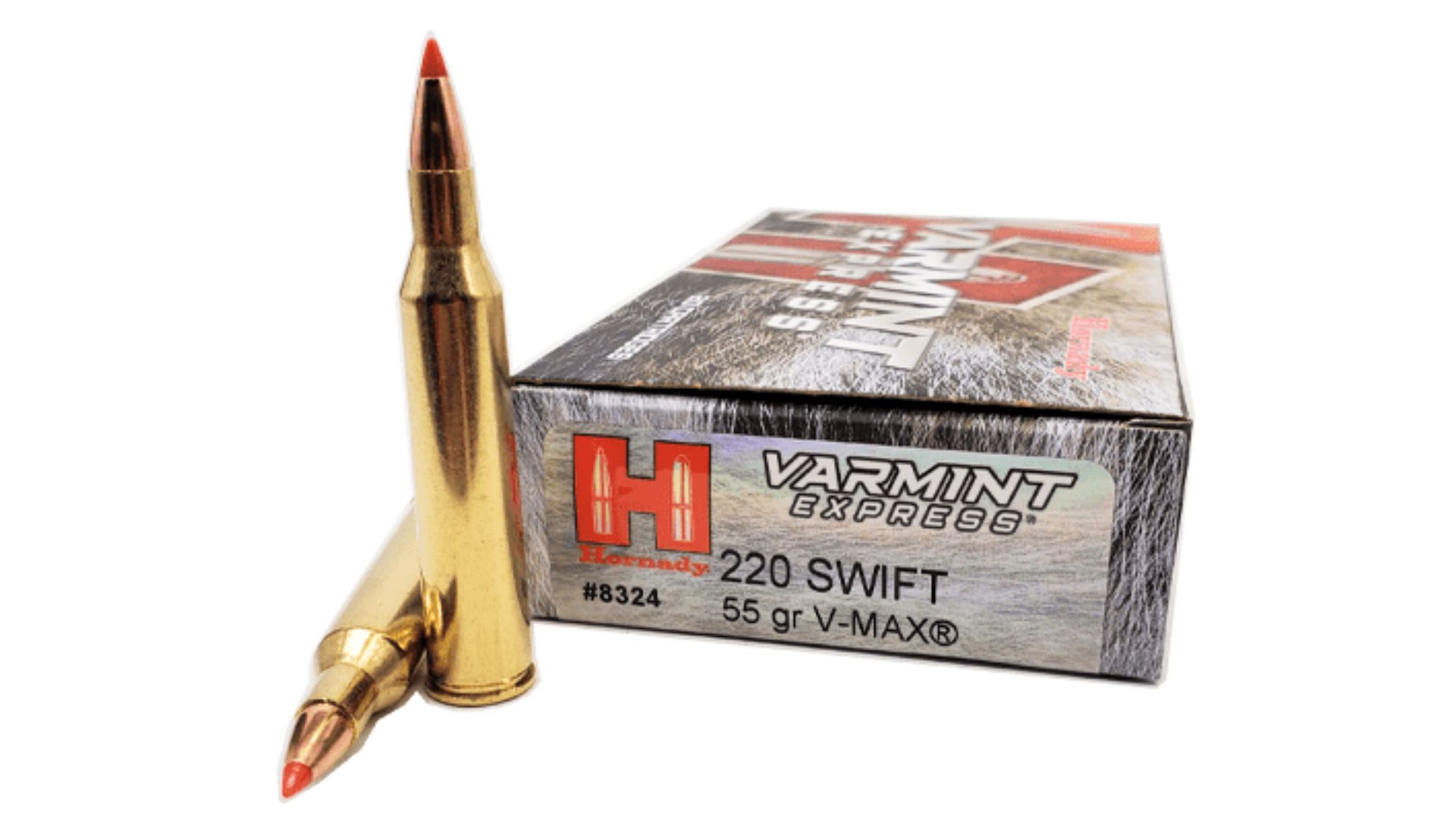
The .220 Swift is fast and it has a cool legacy, but for most modern predator shooters it’s hard to justify over the .22-250. You can get the job done with easier ammo availability, more common rifles, and less “special cartridge” baggage.
Swift fans will argue it still has advantages, and in some setups it does. But when a cartridge’s main selling point is “it’s really fast,” and you can get nearly the same real-world result with a more common option, it becomes a nostalgia purchase more than a smart one.
.22 Hornet
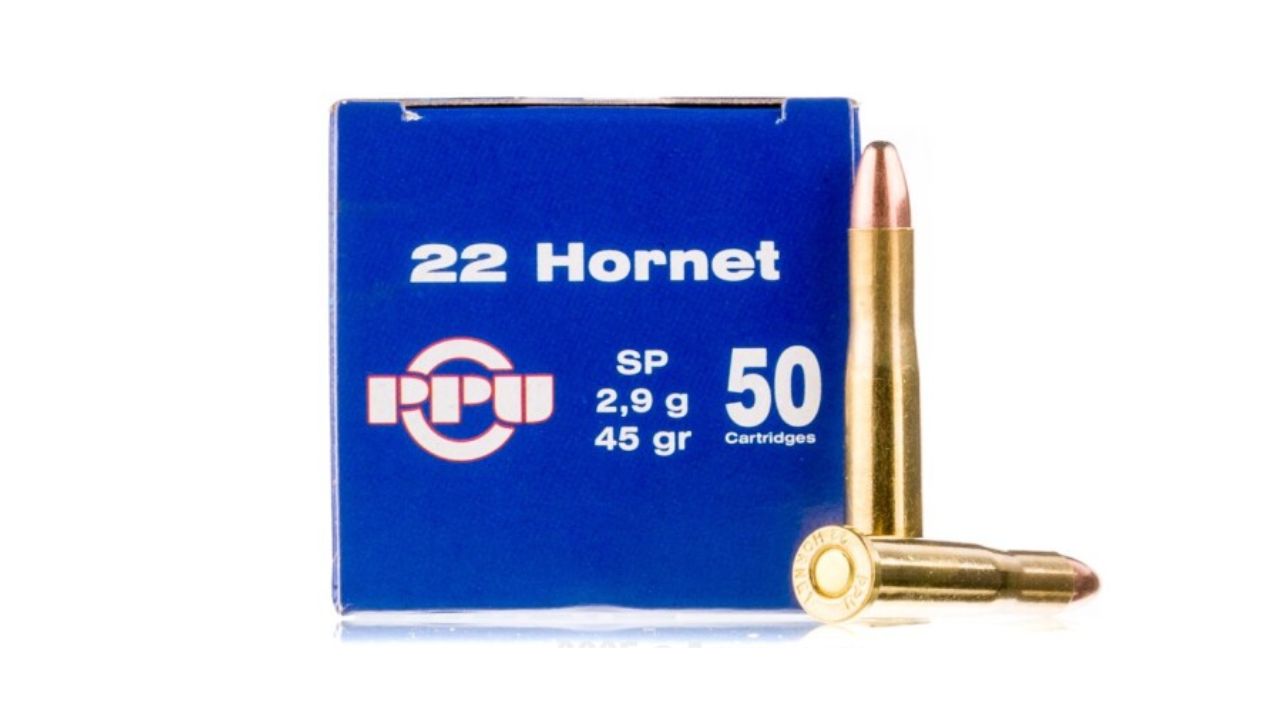
The .22 Hornet still has a place for quiet-ish, mild centerfire work, but it’s been crowded hard by modern options. .223 Remington is everywhere, modern .22 WMR loads have improved, and purpose-built small centerfires have made the Hornet feel like an awkward middle child.
Hornet ammo can also be less common on shelves depending on where you live. And because it’s a lower-velocity centerfire, you can run into performance limits that surprise people who expect it to behave like a mini .223. For most buyers today, the Hornet is more charm than practical advantage.
.30 Carbine
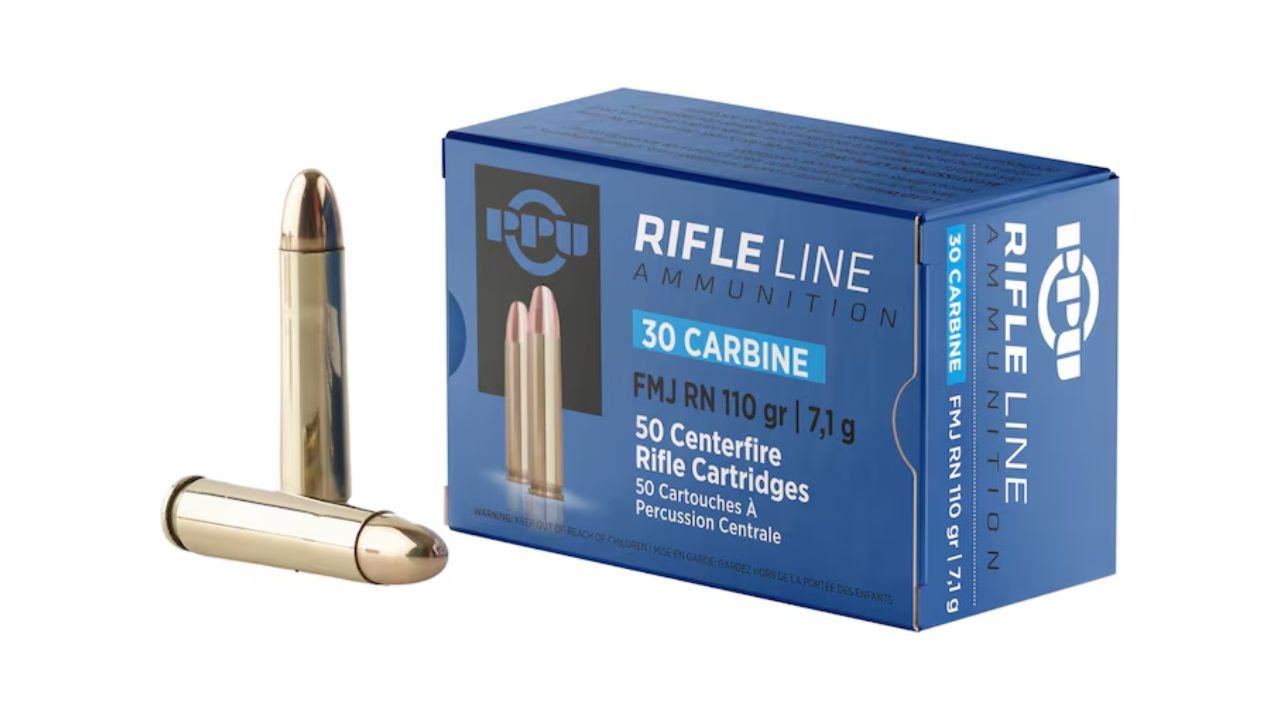
The .30 Carbine is historically important, but for practical modern use it’s been passed by. As a defensive round, modern 9mm carbines and 5.56 options dominate. As a hunting round, it’s limited and doesn’t offer a clear benefit over more common cartridges.
Ammo exists, but the role is unclear. Many people own it because they own an M1 Carbine, not because they chose the cartridge for results. That’s fine—collectible guns are their own thing. But as a “cartridge choice” in 2025, it’s hard to justify.
.32 Winchester Special

This one sticks around mostly because rifles exist, not because anyone is choosing it on purpose. In the field, it doesn’t offer a meaningful advantage over .30-30, and .30-30 has more modern load development and wider availability.
If you inherited a rifle in .32 Special, you can hunt with it. But if you’re buying a new hunting rifle and choosing a cartridge, very few people land on .32 Winchester Special for a reason. It’s a classic that got left behind by more supported options.
.35 Remington
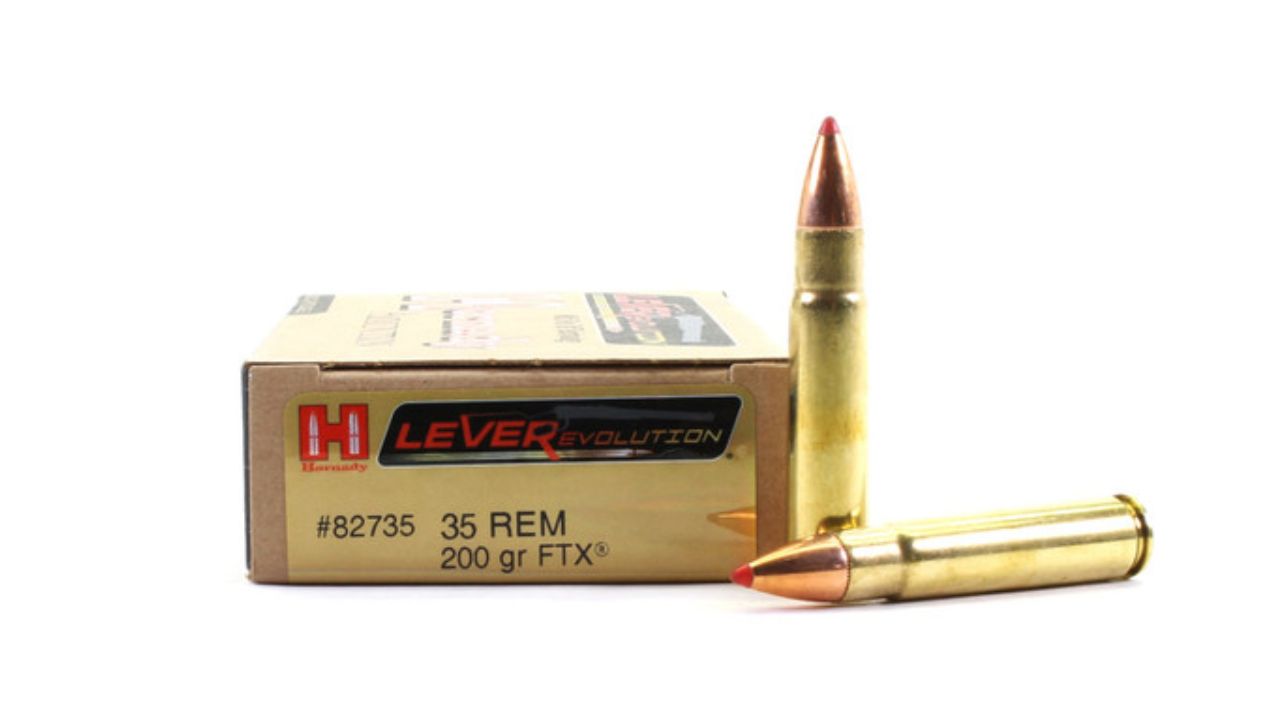
The .35 Remington has real fans, and it can be a thumper in the woods. The problem is that modern straight-wall and modern .35-ish options have squeezed it hard, and availability can be a pain. When you can’t reliably find ammo or you’re paying premium prices for it, you start asking why you’re doing this to yourself.
For many hunters, cartridges like .350 Legend fill the same “woods deer” role with better shelf presence and more new rifle support. The .35 Rem isn’t useless—it’s just become an ownership hassle unless you’re committed to it.
.300 Savage
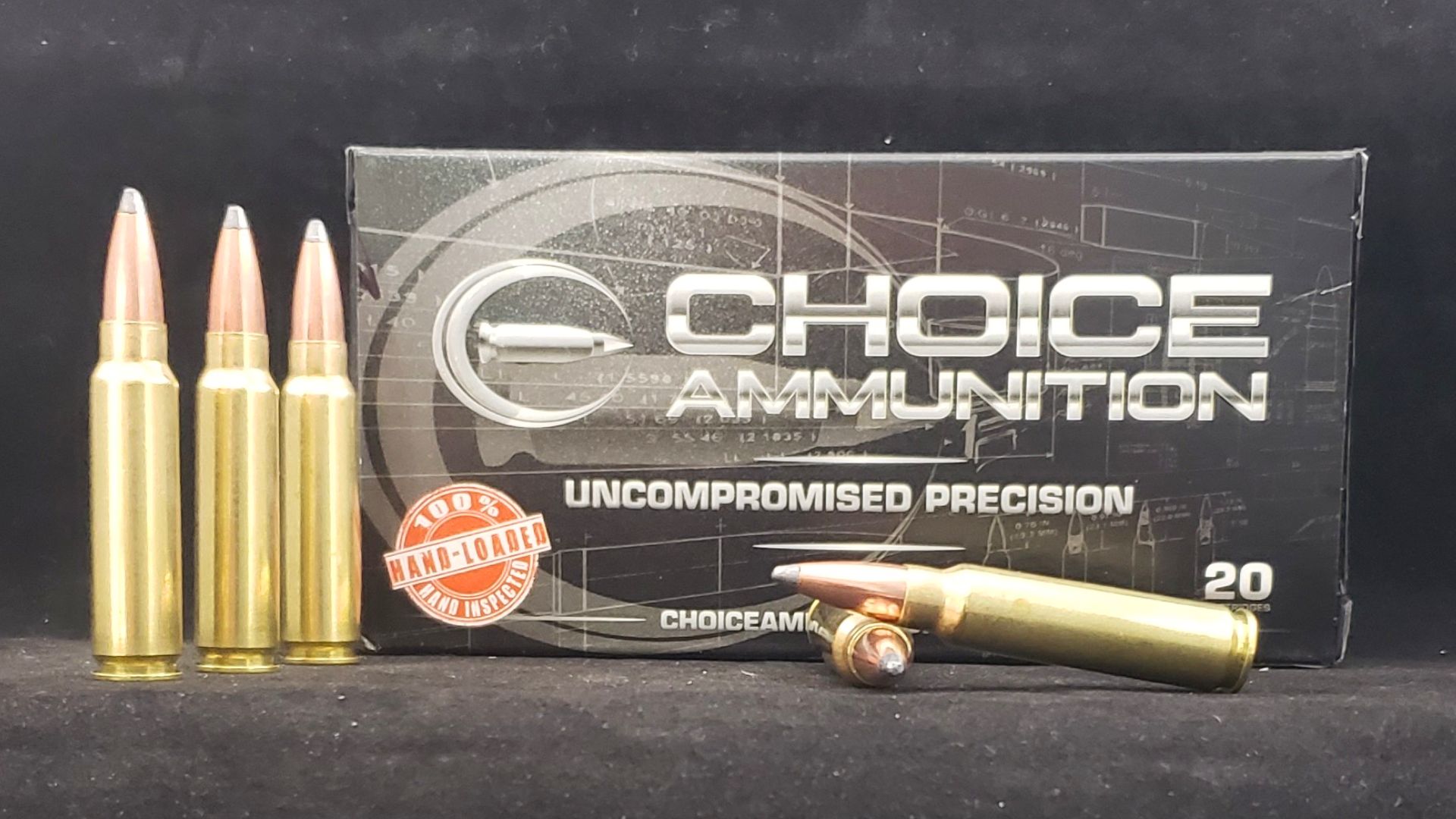
The .300 Savage was basically a stepping stone to what became the .308 Winchester world. Today, if you want that performance class, .308 is easier to find, easier to feed, and supported everywhere with endless load choices.
If you already have a classic rifle in .300 Savage, it’s a cool piece and it can hunt. But in practical terms, it’s been replaced for decades. Most people buying into that performance level today choose .308 and never look back.
.257 Roberts

The .257 Roberts is another cartridge that has history and can be very effective, but it lives in an odd spot now. Modern 6mm and 6.5mm cartridges deliver similar or better practical performance with more rifle choices and better ammo support.
The Roberts still works, but “still works” isn’t the same as “still makes sense.” When a cartridge becomes something you keep alive because you like it, not because it’s the best solution, it’s fair to say it’s been replaced in the market even if it hasn’t disappeared.
.264 Winchester Magnum

The .264 Win Mag was ahead of its time, but it’s been overshadowed by modern 6.5 options that are easier to feed and often easier to shoot well. Today, cartridges like 6.5 PRC give you strong 6.5 performance with more modern rifle support and common availability in many hunting circles.
The .264 can still perform, but it brings magnum recoil and magnum blast without being the easiest cartridge to support on shelves. That’s the problem. The modern market has answers that are simply less hassle.
7mm Remington Magnum (for most average hunters)

This one will make people mad, but hear me out: the 7mm Rem Mag isn’t “bad.” It’s just overbought. A lot of hunters choose it out of habit and reputation, then don’t practice enough because recoil and blast discourage range time. In the hands of someone who trains, it’s excellent.
But for most average deer hunters, modern non-magnum options cover the job with less recoil and more consistent shooting. If a cartridge causes more flinching than confidence, it’s functionally been replaced for that shooter—even if it’s still popular.
.41 Magnum
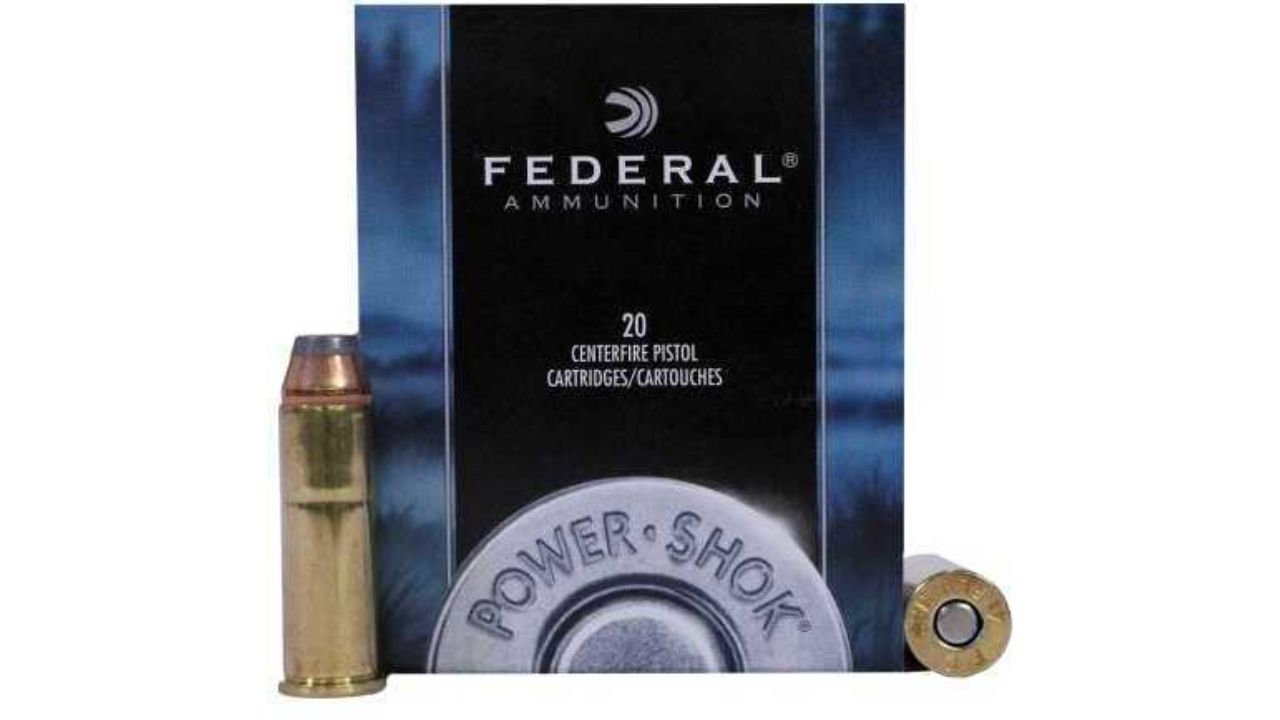
The .41 Magnum has loyal fans, but it lives in a tough spot. It’s not as common as .44 Magnum, not as widely supported, and it doesn’t offer an advantage big enough to justify the hassle for most shooters. Finding ammo and components can be harder, and the roles overlap heavily.
If you love it, cool. If you’re choosing a revolver cartridge today for hunting or woods carry, most people end up with .44 Mag or 10mm because support is better and the ecosystem is bigger. That’s market reality.
.45 GAP

The .45 GAP is a textbook example of a cartridge that should’ve never been a thing long-term. It tried to solve a niche problem, and the market answered with “we’ll just keep using .45 ACP” and “we’ll just carry 9mm.” Ammo availability is the main killer—if you can’t find it easily, you won’t shoot it enough.
A defensive cartridge needs consistent supply. When a round becomes something you have to hunt for, it’s already lost. The .45 GAP is basically a dead end unless you’re committed to stocking it.
.357 SIG
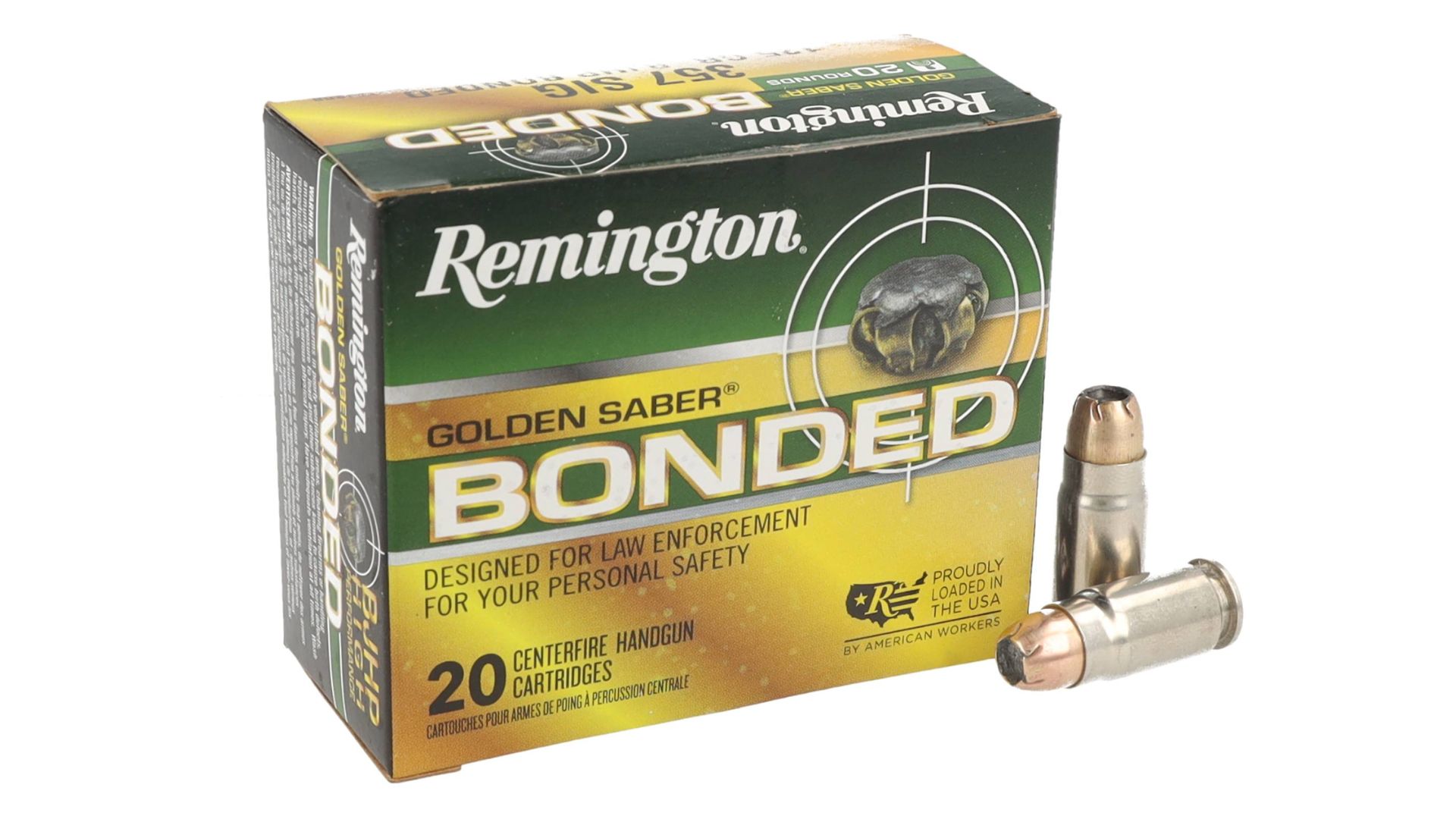
The .357 SIG is effective and fast, but it lives in a world where modern 9mm loads have closed the gap for most uses. The cartridge is louder, often more expensive, and not as easy to find. Those three things matter because they reduce practice and reduce adoption.
Some agencies loved it for a while, and some shooters still do. But if you’re buying a defensive pistol today, .357 SIG is rarely the best path unless you specifically want it and you’re willing to pay the price in ammo cost and availability.
.40 S&W (for most new buyers)
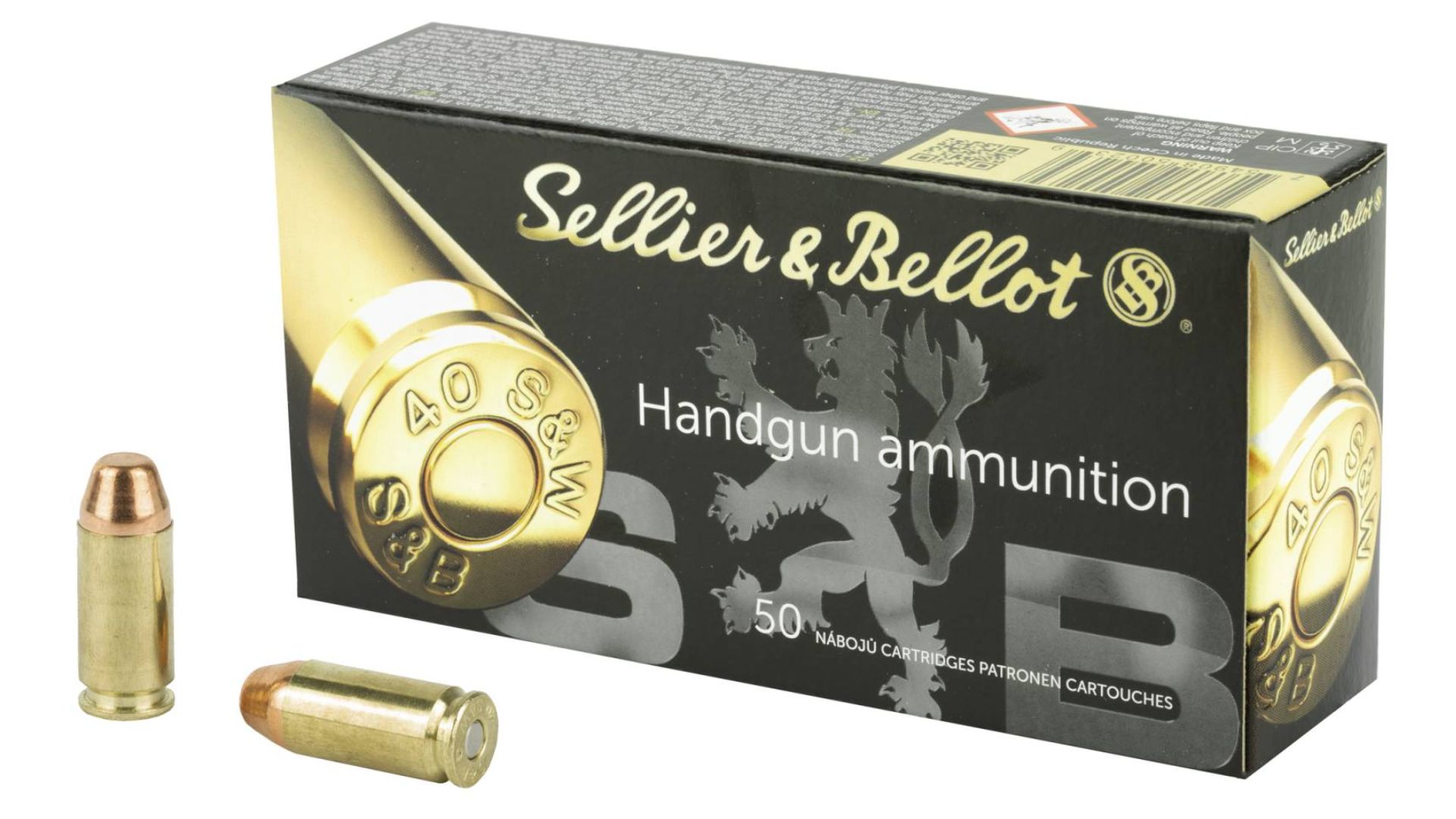
The .40 isn’t “dead,” but it’s hard to justify for most new shooters. Modern 9mm performs well, offers more capacity, and is easier to shoot for most people. The .40 often creates a recoil penalty without delivering a practical benefit for the average carrier.
If you already have a .40 and you shoot it well, fine. But in terms of what new buyers should pick, the market has basically moved on. That’s why used .40 trade-ins are everywhere and fewer people are choosing it as their first choice.
.32 ACP (as a primary defensive plan)

As a deep concealment option in tiny pistols, .32 ACP can still be useful. The issue is that modern micro 9mms and solid .380 options make it hard to justify as a primary plan for most people. When your cartridge choice forces you into a narrow performance window, you’d better have a good reason.
A lot of .32 ACP ownership today is tied to older guns and nostalgia. That’s fine. But as a modern “I’m choosing this for defense” option, it’s been replaced by cartridges and platforms that offer a bigger safety margin.
.25 ACP
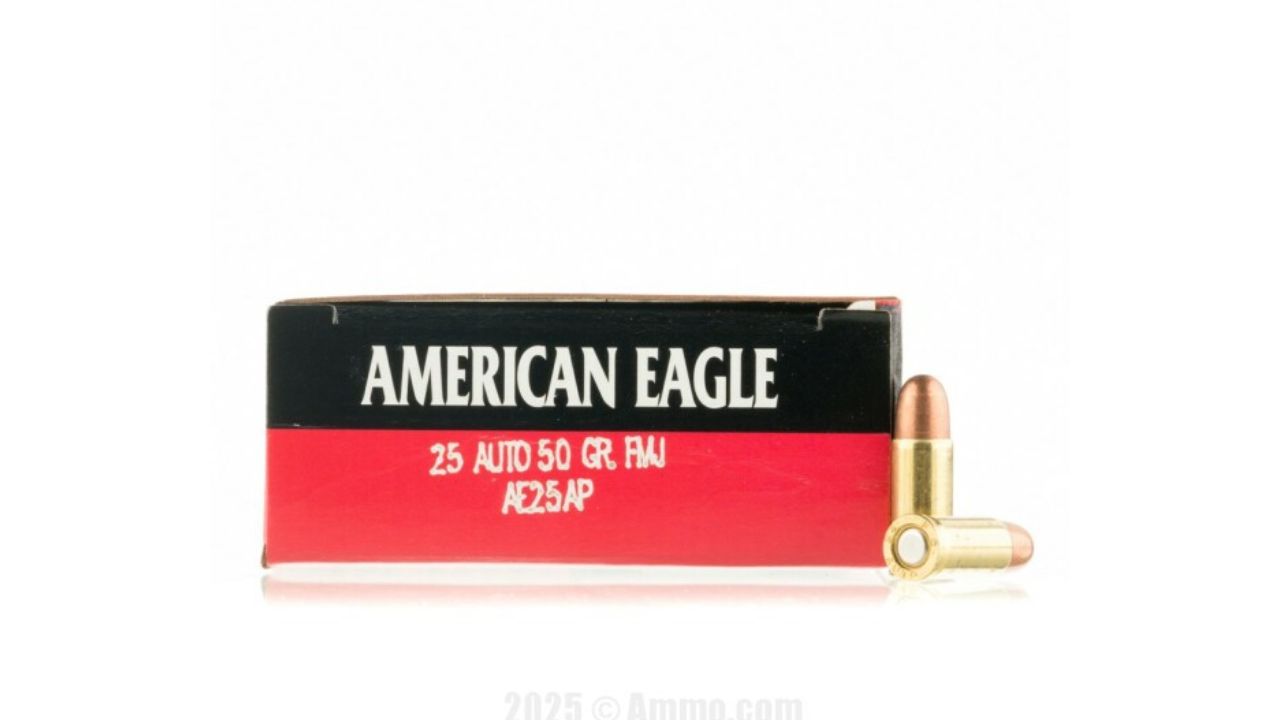
This one is basically here for honesty. .25 ACP still exists, but it’s hard to argue it makes sense today outside of collector guns. Modern defensive standards, modern concealment options, and modern ammo availability all work against it.
If you have a tiny vintage pistol in .25, that’s a historical piece. As a serious cartridge choice, it’s been replaced for a long time. The only reason it’s still around is that old guns are still around.
Like The Avid Outdoorsman’s content? Subscribe to our newsletter so you never miss an article.
Here’s more from us: