Photo credit: Antioch, Prince of the Hunt/YouTube
New cartridges get most of the attention because that is how the gun world works. A new round shows up, the velocity charts get passed around, people argue online, and pretty soon half the conversation sounds like everything older has been left behind. Sometimes the new stuff really does bring something useful. Other times, it mostly gives shooters a fresh reason to buy another rifle.
Plenty of older calibers still earn their keep because they do ordinary jobs well. They are easy to understand, proven on game, manageable to shoot, and available in rifles people already trust. A cartridge does not need to be trendy to be useful. It just needs to work where you actually hunt or shoot.
.30-30 Winchester
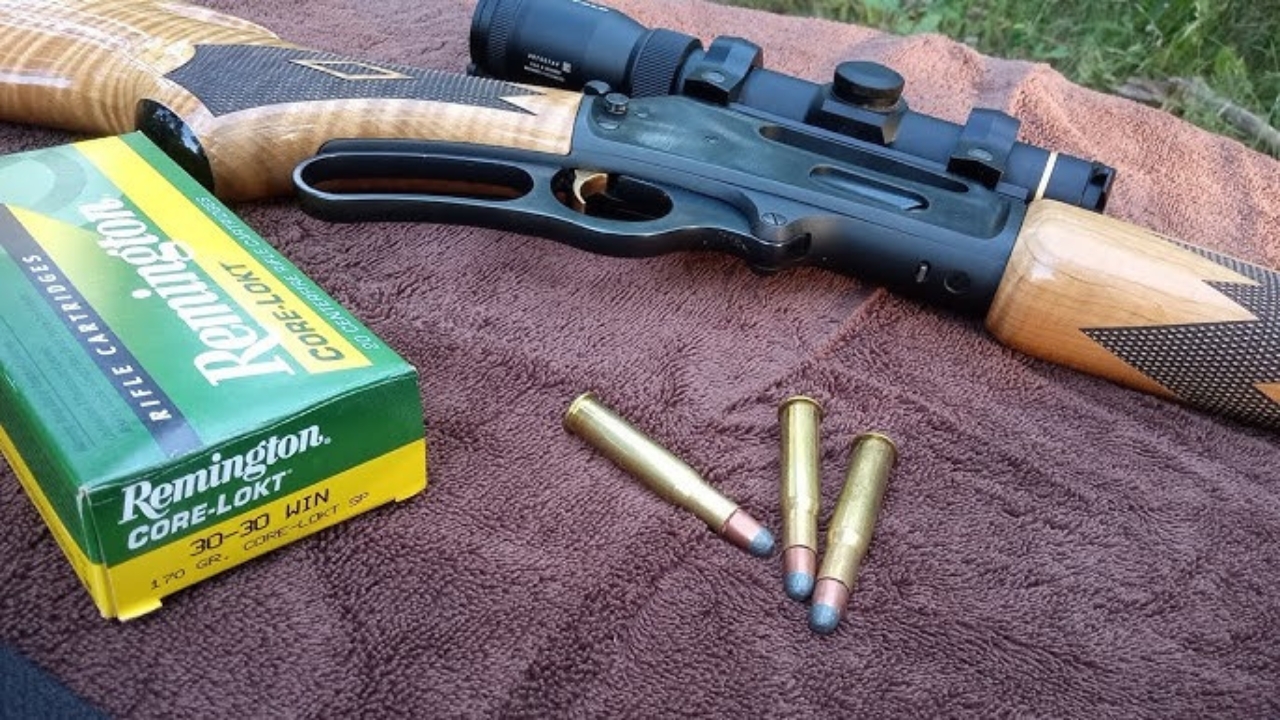
The .30-30 Winchester still belongs in the deer woods because it fits the kind of hunting many people actually do. Inside timber, creek bottoms, brushy edges, and short lanes, it carries enough authority without beating you up or requiring a heavy rifle.
You are not buying a .30-30 to win long-range arguments. You are buying it because a handy lever gun comes up fast and puts deer down cleanly at sensible distances. That still matters. Hunters who stay realistic about range have never needed to apologize for carrying one.
.270 Winchester
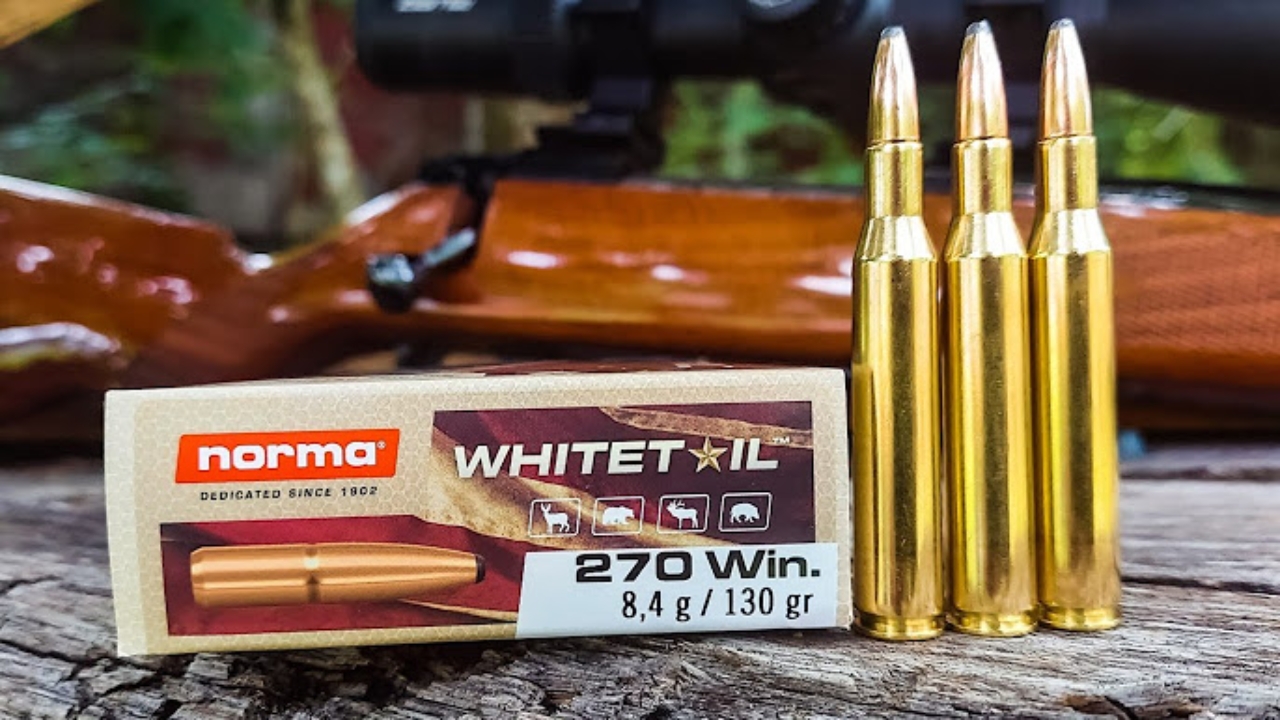
The .270 Winchester has been killing deer, antelope, sheep, and elk for a long time because it shoots flat enough, hits hard enough, and recoils gently enough for most hunters to handle well. That is a hard combination to replace.
Some newer rounds have better marketing behind them, but the .270 still makes sense in a good bolt rifle. It carries reach without turning practice into punishment. With the right bullet, it remains one of the most useful big-game cartridges for hunters who want one rifle to cover a lot of ground.
.30-06 Springfield

The .30-06 Springfield is old enough that people sometimes act like it should have retired already. Then hunting season shows up, and it keeps doing the same work it has always done. Deer, elk, black bear, moose, and hogs are all well within its lane.
Its biggest strength is flexibility. You can load it light, load it heavy, find rifles everywhere, and choose from a wide range of bullets. It may not be the flattest or fastest option anymore, but it is still one of the easiest cartridges to trust when you do not know exactly what the season will hand you.
.308 Winchester

The .308 Winchester is not ancient compared with some of the rounds here, but it has been around long enough to prove it was never a passing idea. Hunters like it because it is accurate, efficient, and easy to shoot well in rifles that do not need long actions.
It works especially well for deer, hogs, black bear, and general-purpose hunting. Recoil is manageable, ammo is common, and barrel lengths do not have to be ridiculous for the cartridge to perform. The .308 still has a place because it is practical in almost every way that matters.
.243 Winchester

The .243 Winchester still makes sense for hunters who want light recoil with enough reach for deer and varmints. It is especially useful for younger shooters, smaller-framed hunters, or anyone who shoots better when they are not bracing for impact.
Shot placement matters, and the .243 does not give you much room for lazy hits on bigger deer. But with good bullets and sensible range limits, it works. It also doubles nicely as a coyote and varmint round. That kind of usefulness is why hunters keep finding reasons to keep one around.
.35 Remington

The .35 Remington is one of those cartridges that makes more sense in the woods than it does on paper. It is not fast, flat, or flashy. But inside reasonable distances, it hits deer and black bear with the kind of authority that brush-country hunters appreciate.
In a lever gun, the .35 Remington feels right. It carries well, points fast, and delivers a heavier bullet than the .30-30 crowd usually runs. Ammo can be harder to find than it used to be, and that hurts it. Still, hunters who already own one know exactly why it has not been forgotten.
.257 Roberts

The .257 Roberts has a quiet following because it is easy to shoot and more capable than many people expect. It sits in that pleasant space between varmint rounds and bigger deer cartridges, giving you mild recoil with enough performance for careful hunters.
It is not as common as it should be, and factory rifle choices have never been as broad as more popular rounds. But the cartridge itself is still useful. For deer, pronghorn, and coyotes, the Roberts remains a smooth, well-mannered round that rewards shooters who care more about placement than noise.
.22 Hornet
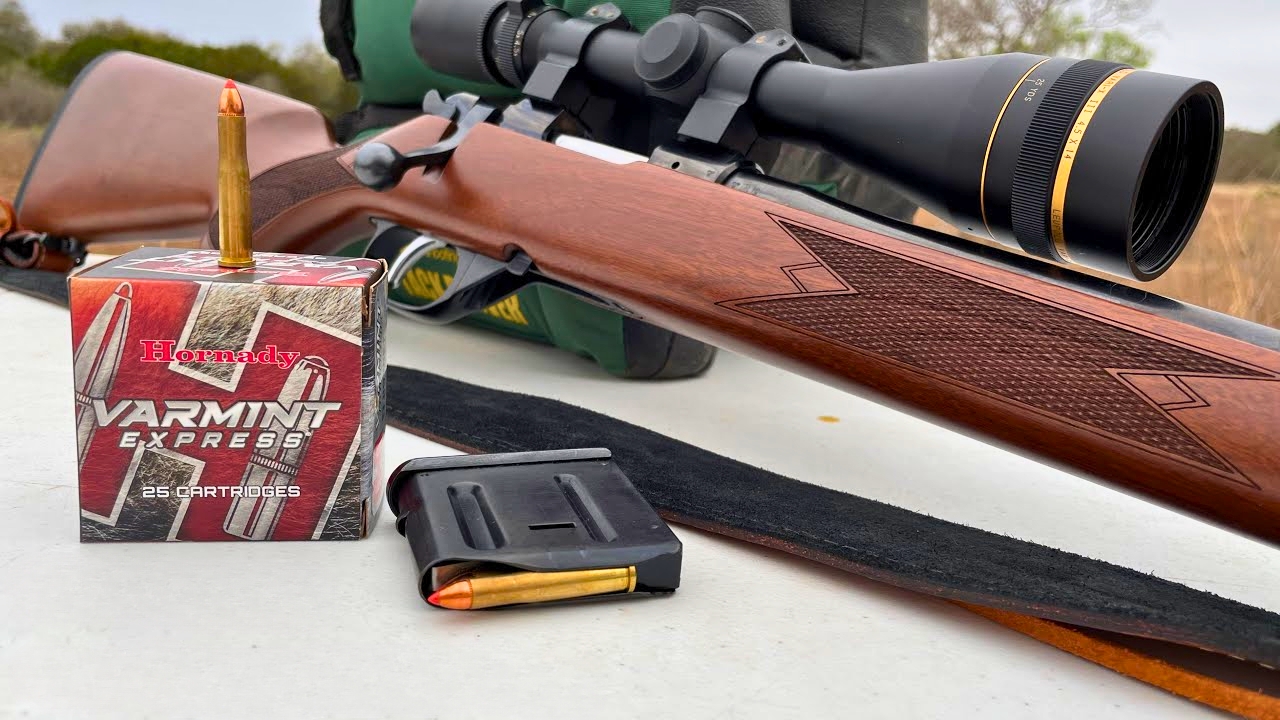
The .22 Hornet still has a place because not every varmint job needs a loud, fast centerfire that rattles the whole property. It is mild, efficient, and useful for small predators, pests, and close-range varmint work where restraint actually matters.
It does not compete with the .223 Remington for speed or availability, and it never needed to. The Hornet shines when you want a light centerfire that is pleasant to shoot and not overly destructive. Around farms, orchards, and small properties, that old-school usefulness still feels pretty smart.
.45-70 Government
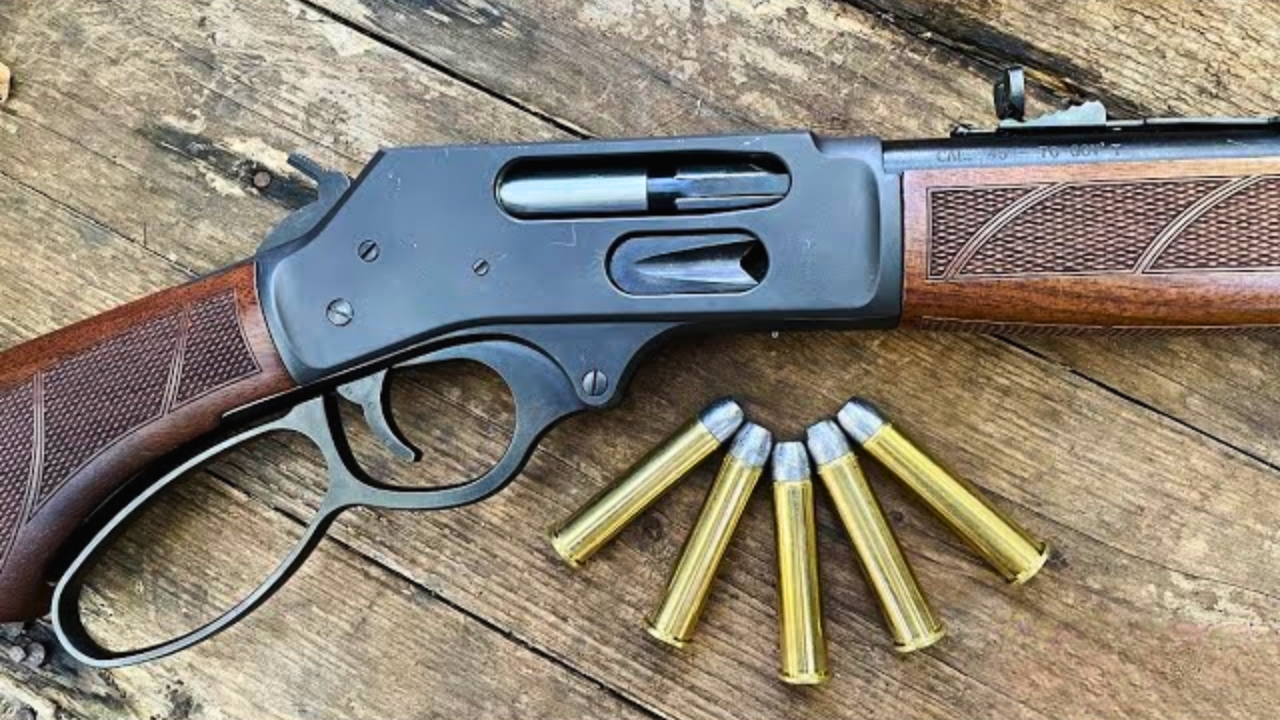
The .45-70 Government survived because big, slow bullets still do big, slow bullet things very well. In modern rifles with suitable loads, it can handle serious hunting at close to moderate ranges, especially where shots are not stretched across open country.
It is not a casual plinking round unless you enjoy recoil and expensive ammo. But for timber hunting, big hogs, black bear, and certain guide-gun roles, it still makes sense. The .45-70 is not pretending to be sleek or modern. It is a hard-hitting cartridge for hunters who understand its limits.
.222 Remington
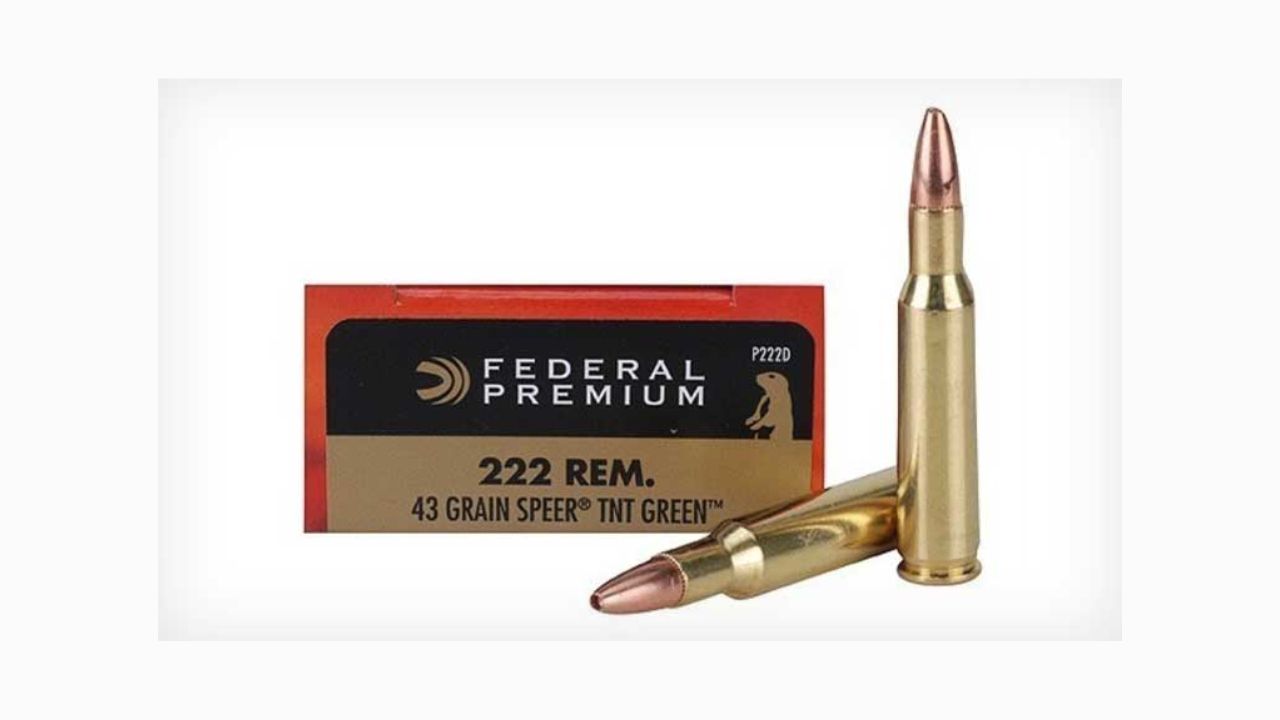
The .222 Remington does not get the attention it once did, but it still has a place with shooters who appreciate mild recoil, good accuracy, and clean manners. Before the .223 took over so much of the conversation, the .222 had a serious reputation for precision.
It remains useful for varmints, target work, and shooters who enjoy older bolt rifles chambered for it. Ammo availability is not what it used to be, which keeps it from being a broad recommendation. But as a cartridge, the .222 is still sweet-shooting and easy to like.
.300 Savage
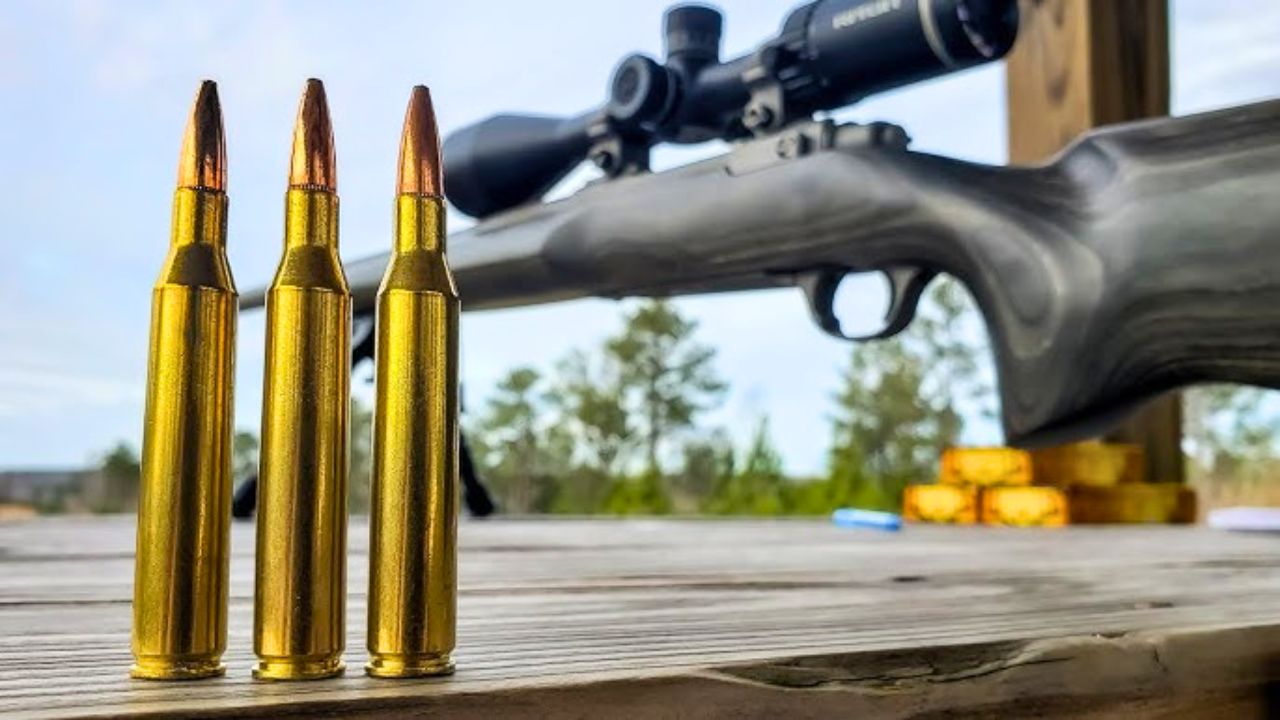
The .300 Savage is a reminder that efficiency mattered long before modern short-action cartridges became fashionable. It gave hunters solid .30-caliber performance in handy rifles, especially the Savage 99, and it still works well on deer-sized game.
It does not match the .308 Winchester across the board, but it does not have to. Inside normal hunting distances, it remains effective, comfortable, and practical for those who already own rifles chambered in it. A good .300 Savage is not obsolete in the deer woods. It is simply older than the current conversation.
7x57mm Mauser

The 7x57mm Mauser earned its reputation a long time ago, and it still makes sense for hunters who appreciate mild recoil with useful penetration. It has taken far more game than many newer cartridges ever will, and it did so without dramatic velocity claims.
In modern rifles, the 7×57 remains pleasant and capable. It works well on deer, antelope, and similar game, and with the right bullets it can handle more than people expect. Its biggest problem is availability, not performance. The cartridge itself still has plenty of life left in it.
.32 Winchester Special
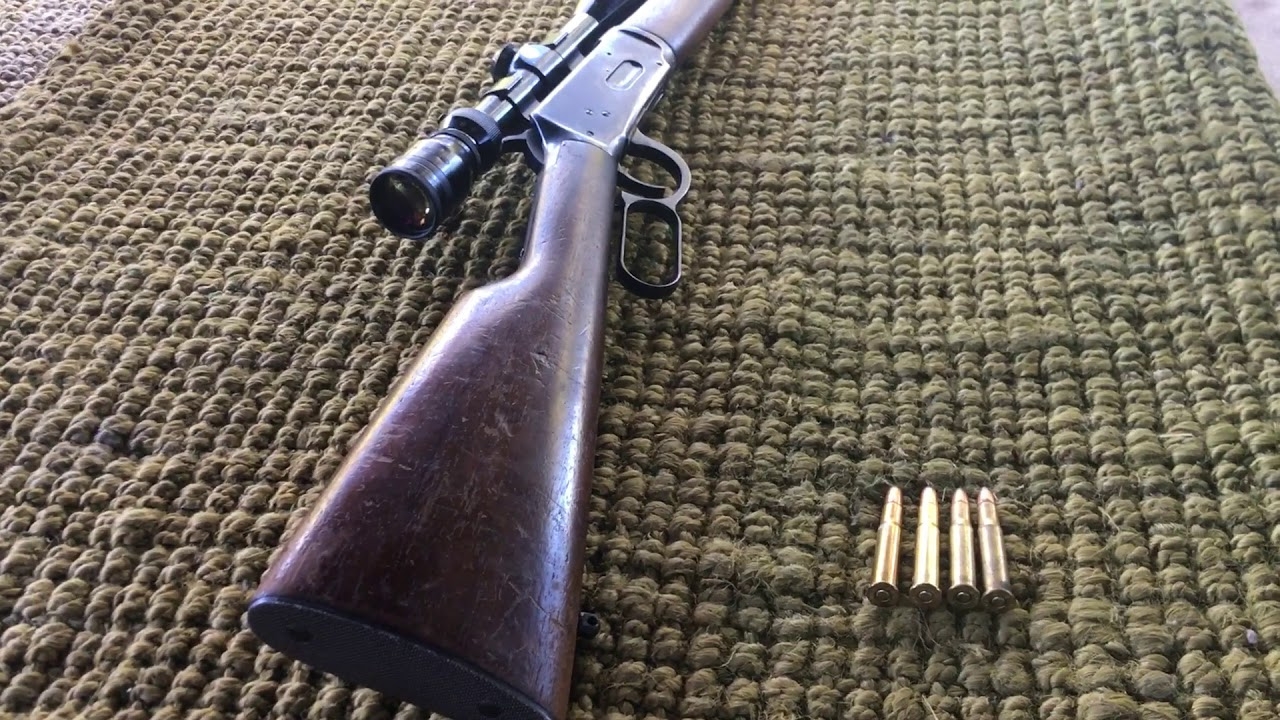
The .32 Winchester Special lives in the shadow of the .30-30, but hunters who grew up around it know it was never useless. In a classic lever gun, it gave deer hunters a slightly larger bullet and familiar woods-rifle handling.
It is not something most new hunters should chase unless they already have a rifle or enjoy old lever guns. Ammo can be spotty, and the .30-30 is easier to feed. Still, the .32 Special remains a capable deer cartridge at timber distances. It has a place because the job it was built for still exists.
.41 Remington Magnum
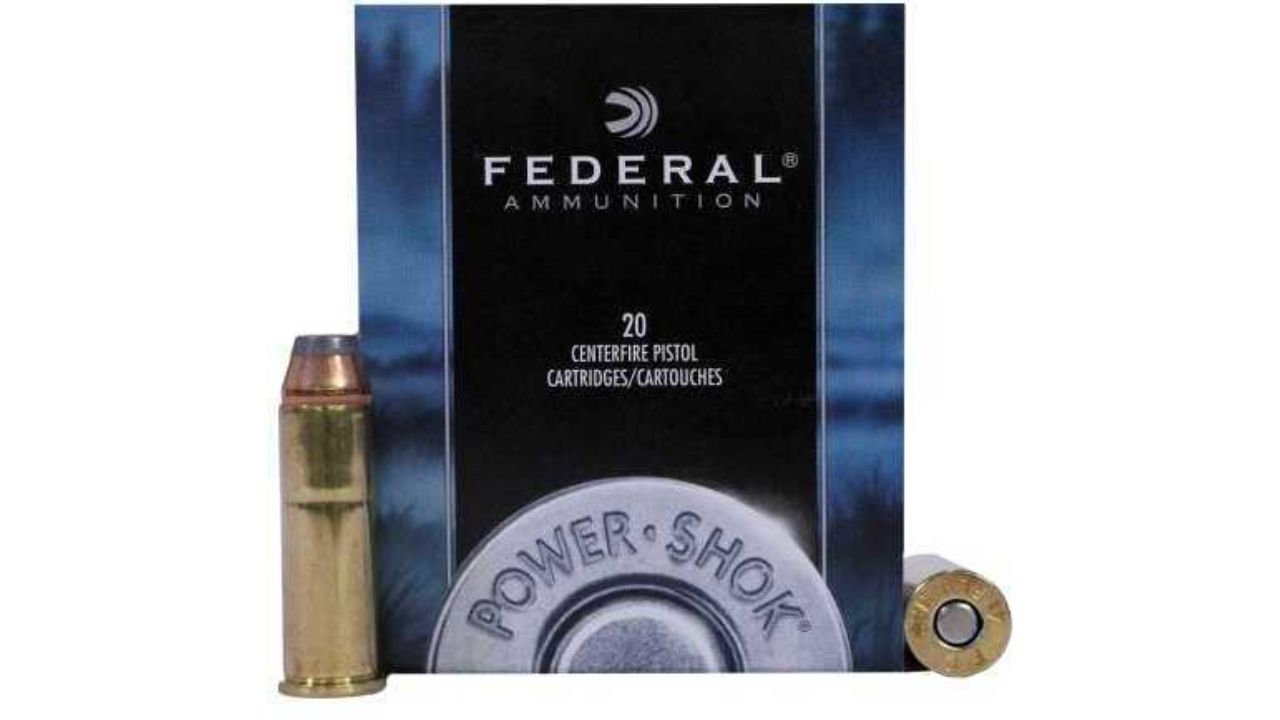
The .41 Remington Magnum never became as popular as the .357 or .44 Magnum, but it still has a loyal crowd for good reason. In a revolver, it offers serious power without quite the same bark and recoil many shooters get from heavy .44 loads.
For handgun hunters, outdoorsmen, and revolver fans who actually shoot their guns, the .41 Magnum makes sense. It is strong enough for deer-sized game at reasonable distances and useful as a field cartridge. The trouble is finding guns and ammo easily. The performance was never the weak point.
6.5×55 Swedish Mauser

The 6.5×55 Swedish Mauser feels more relevant now than people expected because modern shooters finally rediscovered why moderate 6.5mm cartridges are so useful. It offers mild recoil, good sectional density, and dependable field performance without acting like it has something to prove.
Hunters have used it successfully on deer, moose, and other game for generations, especially where shot placement and bullet choice are respected. It is not as common on store shelves as newer 6.5 rounds, but the cartridge still works beautifully. Old does not mean finished, and the Swede proves it.
Like The Avid Outdoorsman’s content? Be sure to follow us.
Here’s more from us: