Photo credit: Buckeye Ballistics/YouTube
Some guns never looked special when they were sitting in every pawn shop rack, deer camp, police trade-in case, or used-gun counter. They were ordinary because people saw them everywhere. That can fool you. When a gun is common, useful, and affordable for long enough, it starts to feel like it will always be easy to replace.
Then it disappears. The prices climb, the clean examples dry up, the better-made older versions get tucked away, and suddenly everybody remembers why those plain old guns mattered. These are the firearms that looked ordinary until they were gone.
Marlin 336

The Marlin 336 used to be the lever gun you could find almost anywhere. It was a working deer rifle, not some precious collector piece. Plenty of hunters carried them through brush, leaned them in truck corners, and thought nothing of it.
Once older Marlins started drying up, people looked at the 336 differently. A clean JM-stamped rifle in .30-30 stopped feeling like yesterday’s plain deer gun and started feeling like something you should have bought when it was still sitting cheap on a used rack.
Remington 870 Wingmaster
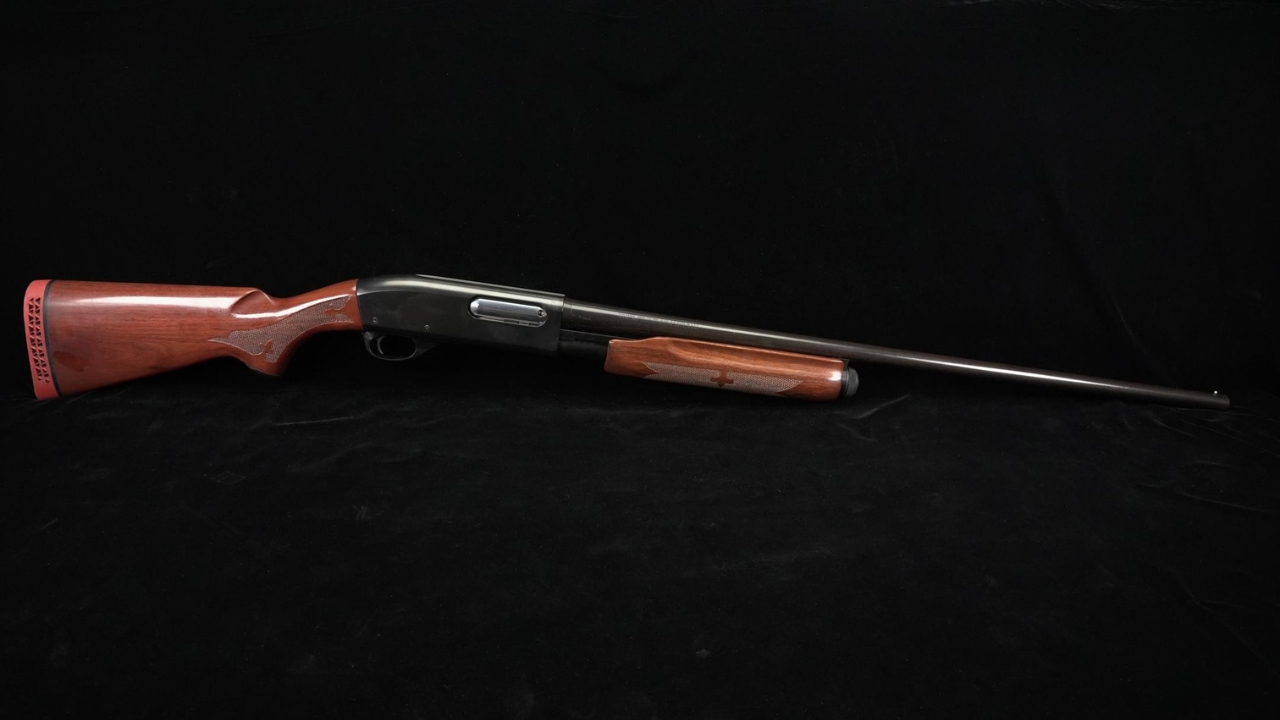
The Remington 870 Wingmaster was so common that a lot of shooters barely noticed it. It was just the pump shotgun everybody’s dad, uncle, neighbor, or hunting buddy seemed to own. That kind of familiarity made it easy to take for granted.
Older Wingmasters feel a lot better now that people have handled rougher budget pumps. The slick action, clean bluing, decent wood, and long service life stand out more with time. What once looked like a basic shotgun now looks like one of the smarter used-gun buys people let slip away.
Ruger P95

The Ruger P95 never won many beauty contests. It looked bulky, plain, and cheap beside sleeker pistols. For years, people treated it like a budget 9mm you bought because you needed something reliable and did not care how it looked.
That attitude changed once shooters started missing affordable pistols that could take abuse without drama. The P95 was not fancy, but it worked. Now, clean examples have a strange appeal because they represent a time when a tough, boring pistol could still be bought without making a big financial decision.
Winchester Model 94
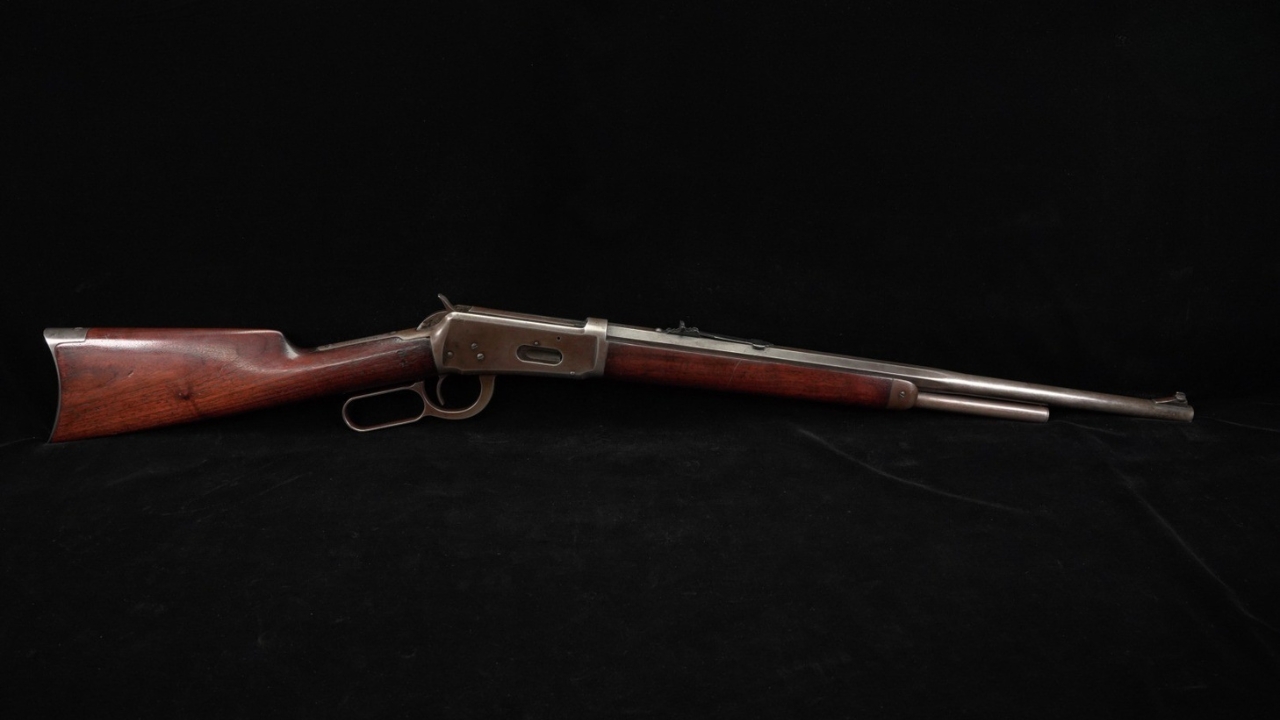
The Winchester Model 94 was once the definition of an ordinary deer rifle. You saw them in closets, trucks, pawn shops, and gun cabinets across the country. Because there were so many of them, people acted like another one would always be easy to find.
Then older, cleaner examples started getting harder to touch for reasonable money. The Model 94 did not suddenly become useful. It had always been useful. People just noticed late. Light, fast-handling, and tied to generations of woods hunting, it became a rifle many buyers wish they had grabbed sooner.
Smith & Wesson Model 10
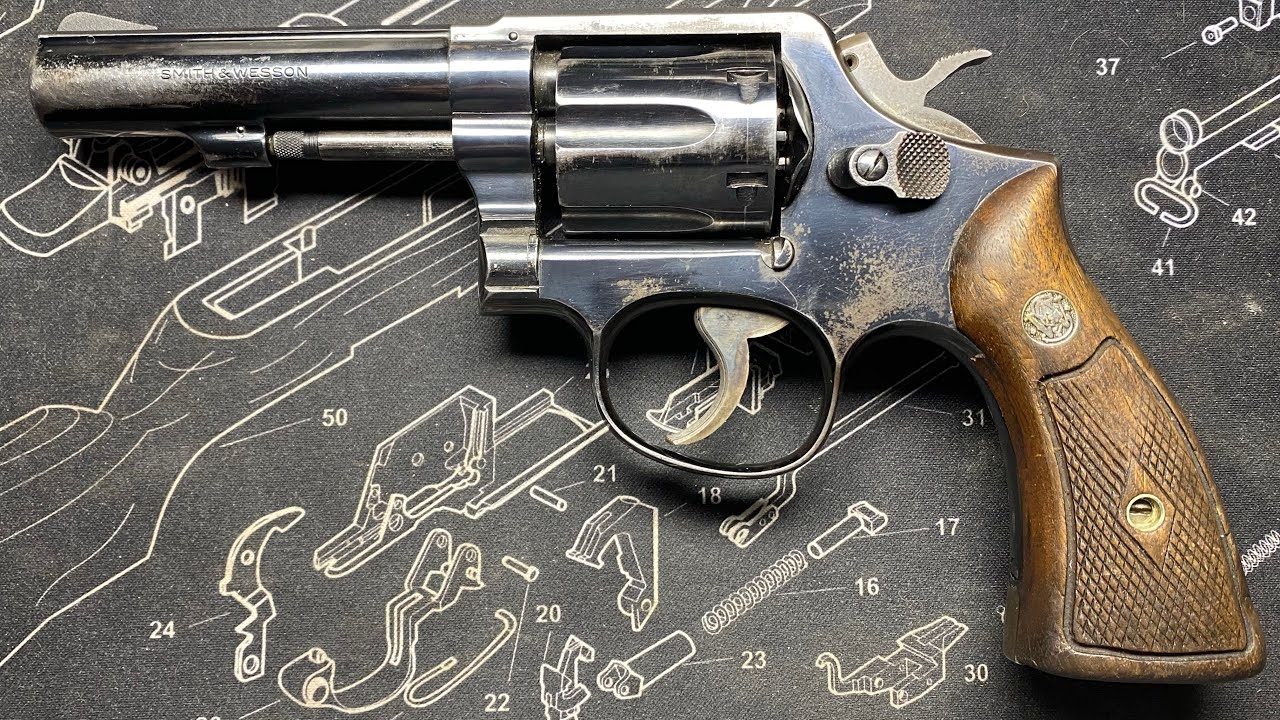
The Smith & Wesson Model 10 spent decades as a plain service revolver. Police departments used them, guards used them, and the used market was full of them. For a long time, nobody treated the Model 10 like anything rare or exciting.
Now the clean ones do not sit around as casually. Shooters have started appreciating the balance, trigger feel, and old-school simplicity that were there all along. A good Model 10 still teaches double-action shooting better than many modern handguns. That ordinary old revolver aged into something people respect.
Remington Model 700 BDL
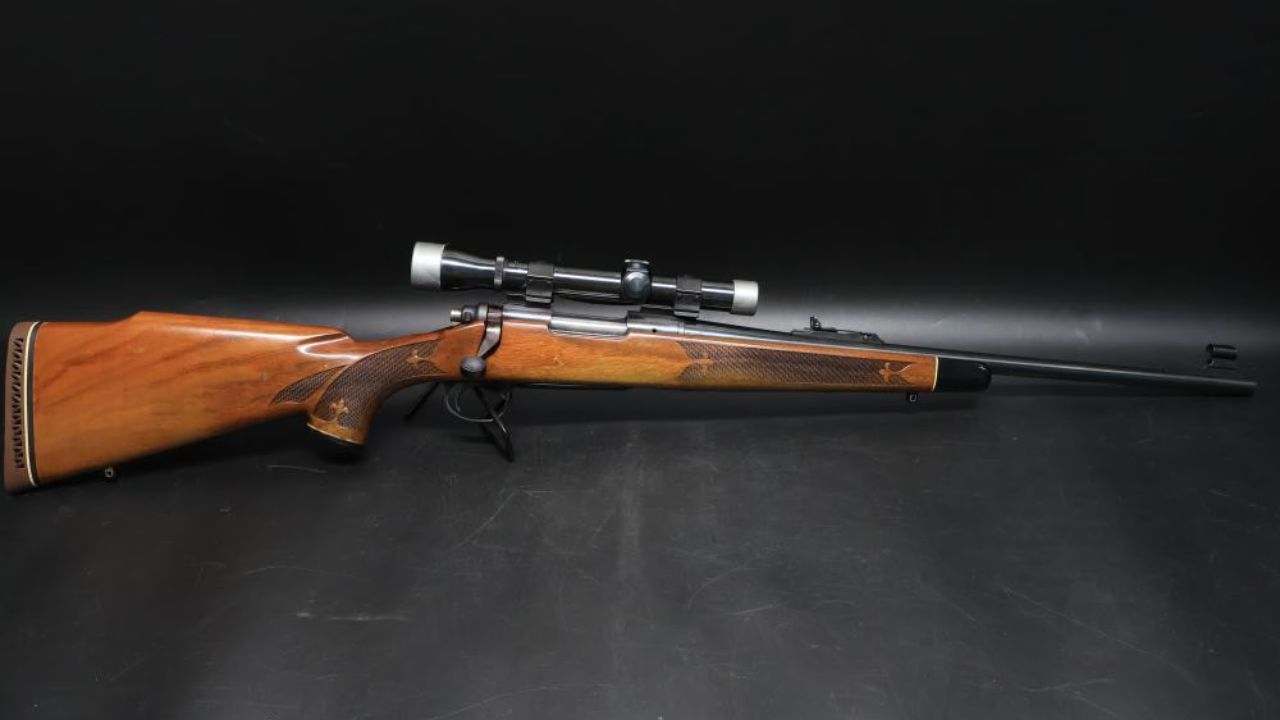
The Remington Model 700 BDL used to be the rifle many hunters bought without overthinking it. It had nice enough wood, classic lines, and a reputation that made it feel like a safe pick. Since they were common, people often passed on them without much regret.
Older BDLs look better now, especially clean rifles from strong production years. They have the feel of a traditional hunting rifle in a market crowded with synthetic stocks and budget finishes. The rifle did not need to be rare to matter. It needed time for people to miss what it offered.
Browning Auto-5
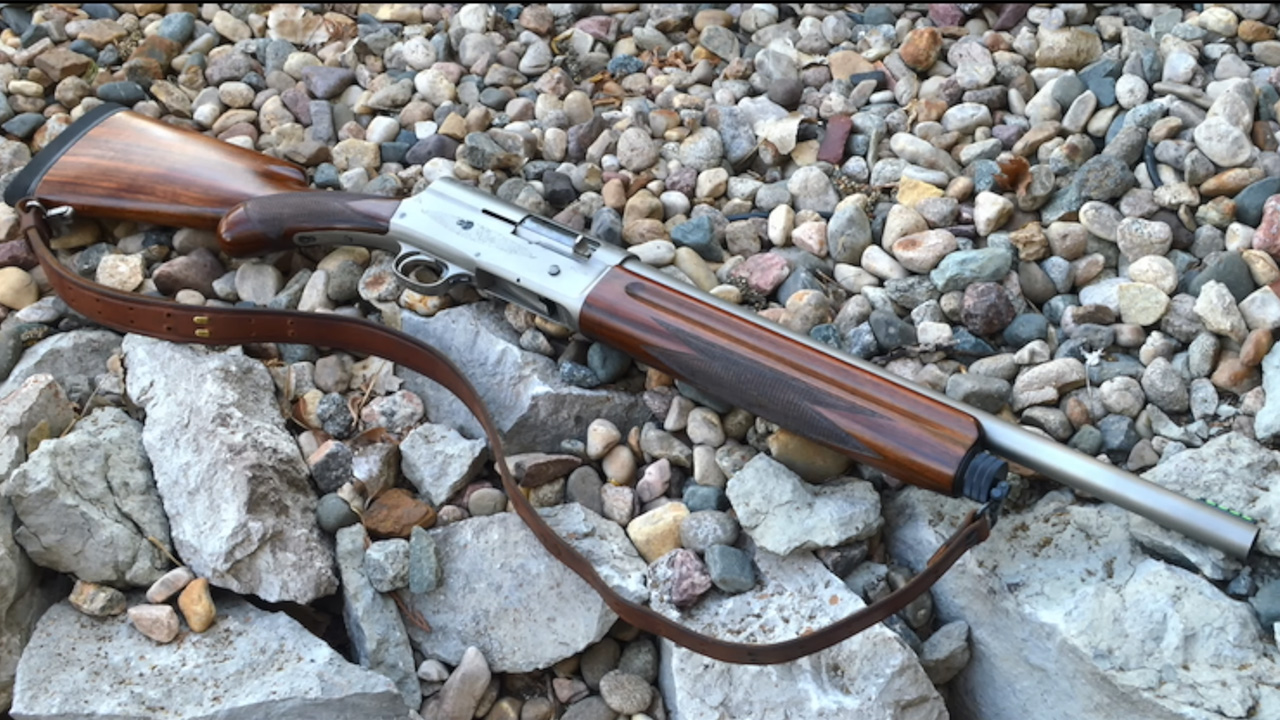
The Browning Auto-5 looked old even when it was still being used hard. That humpback receiver turned off some newer shooters, and plenty of people passed them over for lighter, smoother-looking semi-auto shotguns. For a while, they were just grandpa’s bird gun.
Then the respect caught up. Hunters and collectors started remembering how long those guns had worked through rough seasons. A good Auto-5 has character, history, and real field credibility. The same shape that once looked dated now helps it stand out in the rack.
Ruger Security-Six

The Ruger Security-Six was never as glamorous as a Colt Python or as polished as some Smith & Wesson revolvers. It was a practical .357 made for people who wanted strength, not bragging rights. That made it easy to overlook.
Once production was long gone, shooters started realizing what Ruger had built. The Security-Six is strong, handy, and not as bulky as the GP100 that followed it. It carries well, shoots well, and has the right kind of working-gun feel. Ordinary turned into desirable once there were fewer clean ones left.
Mossberg 500
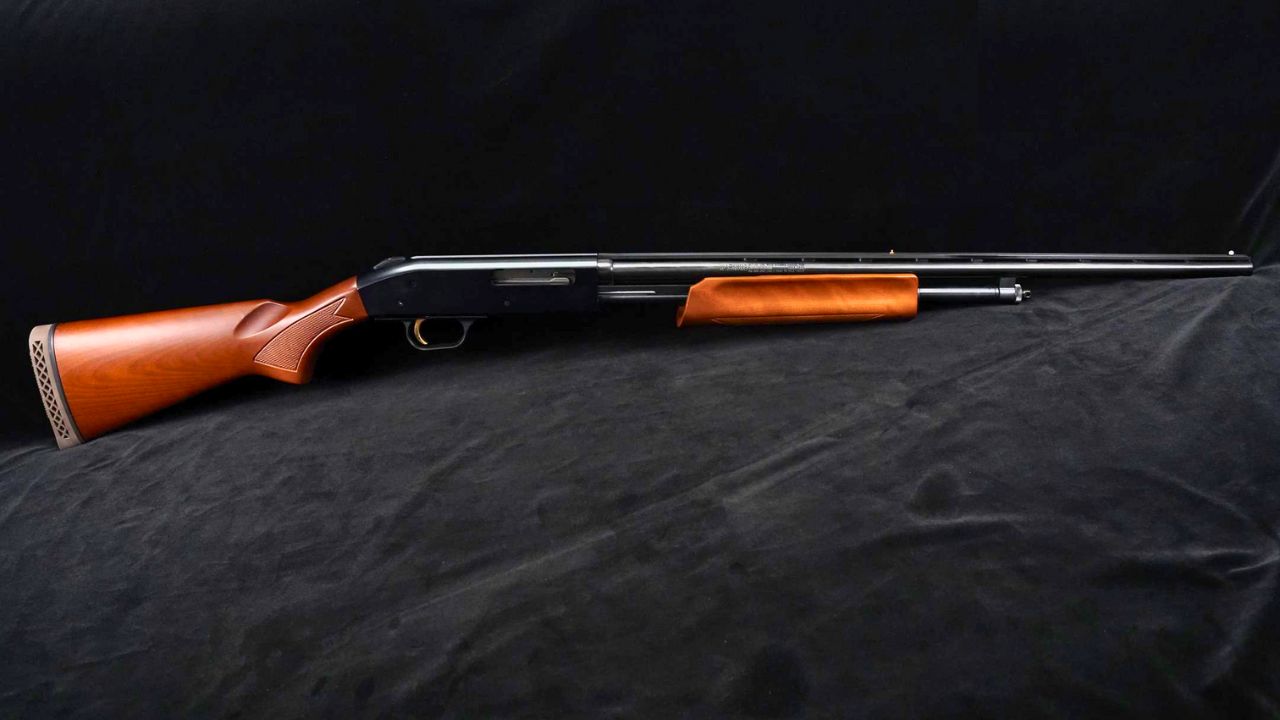
The Mossberg 500 was often treated like the shotgun you bought when you wanted function without spending much. It was not polished, and it never had the same old-school shine as some competitors. It was simply everywhere.
That is exactly why people underestimated it. The 500 kept showing up in duck blinds, closets, deer camps, and patrol cars because it worked. Older examples with honest wear now feel like reminders of when affordable shotguns were built to be used hard, not babied. Plain does not look so bad after decades of service.
Smith & Wesson 5906
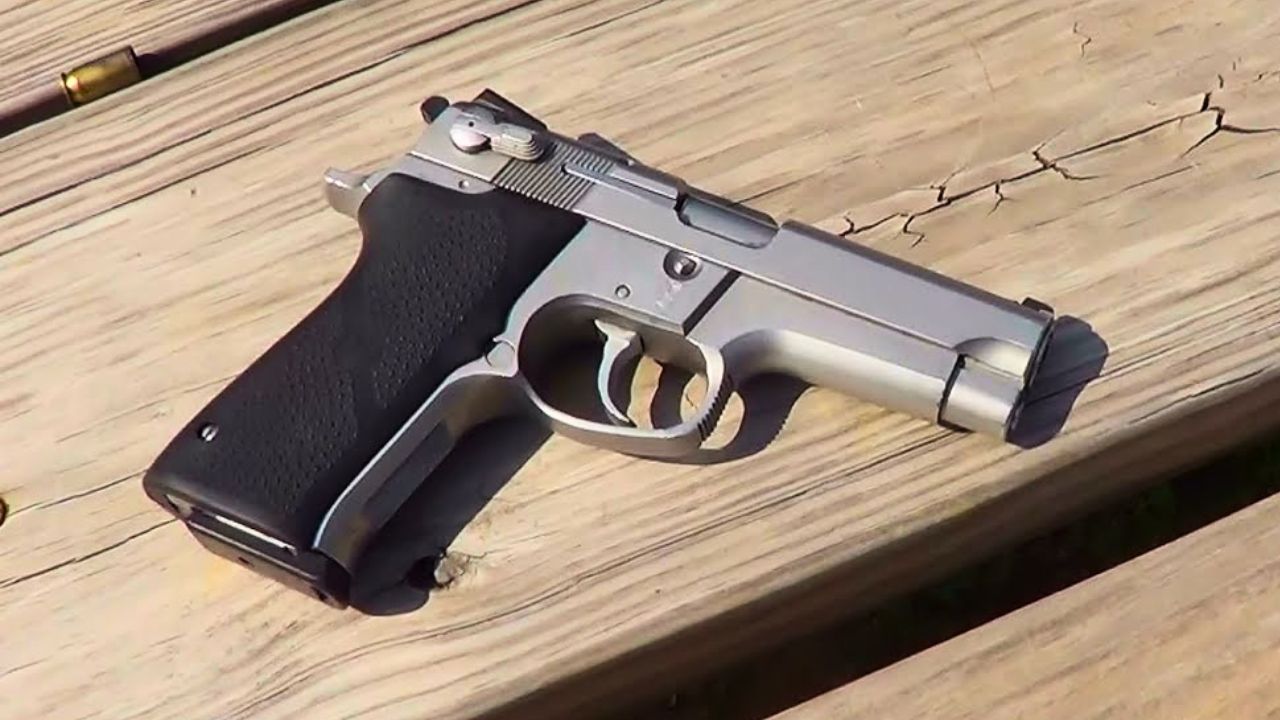
The Smith & Wesson 5906 once sat in police trade-in cases at prices that seem painful now. It was heavy, stainless, and unfashionable once polymer striker-fired pistols took over. A lot of buyers walked right past it.
Now that same weight and all-metal construction look pretty good. The 5906 feels solid in the hand, shoots softly, and was built for serious duty use. It may not be sleek by today’s standards, but it has a toughness that newer pistols often try to market instead of prove.
Marlin Model 60

The Marlin Model 60 was one of those .22 rifles people treated like background noise. It was affordable, tube-fed, and common enough that many shooters never thought twice about owning one. It was just a rimfire for plinking, pests, and young shooters.
When older examples became less common in good shape, people started remembering how handy they were. The Model 60 was accurate enough, easy to enjoy, and simple to keep around. It did not need tactical parts or a big reputation. It was the kind of rifle people missed after they sold it.
Colt Police Positive
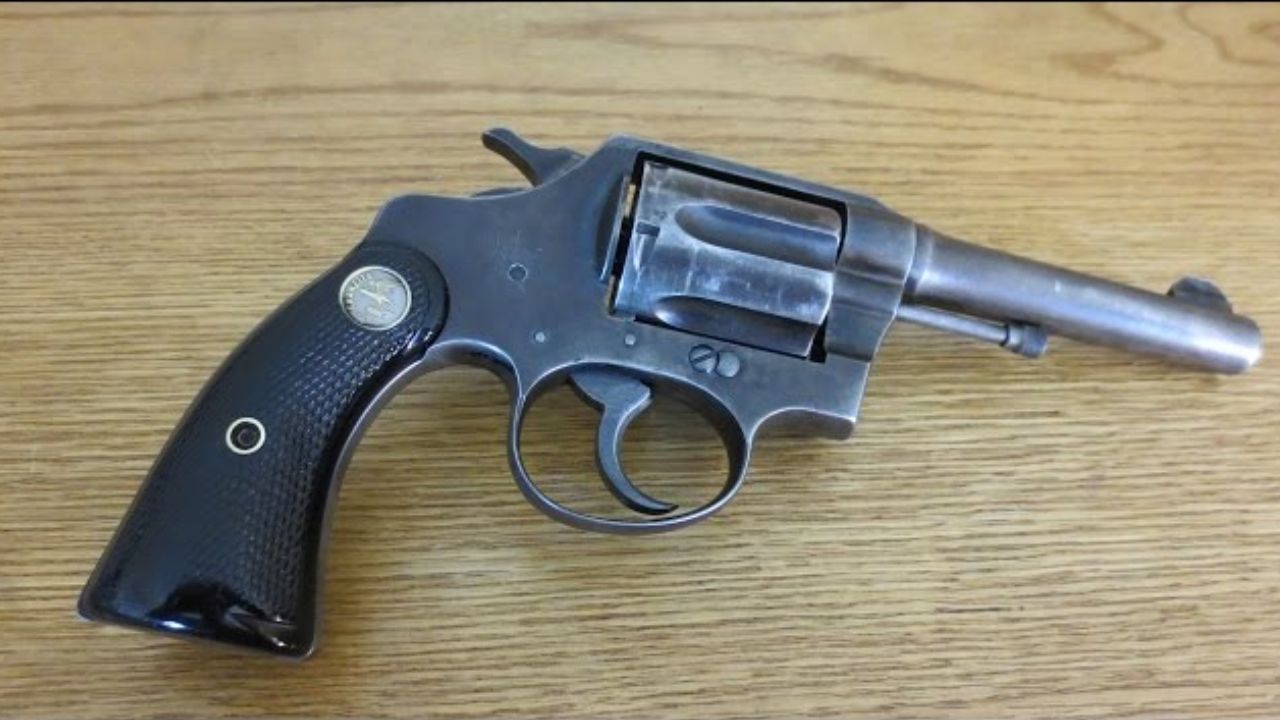
The Colt Police Positive looked modest beside bigger Colt revolvers. It was not a Python, not a hard-kicking magnum, and not the kind of handgun most buyers bragged about. For years, it was simply an old revolver with a familiar name.
That changed as people started appreciating older Colt workmanship across the board. The Police Positive has balance, charm, and a smoothness that can surprise shooters used to modern budget revolvers. It may be mild, but it feels well made in a way that is harder to find now.
Savage 99
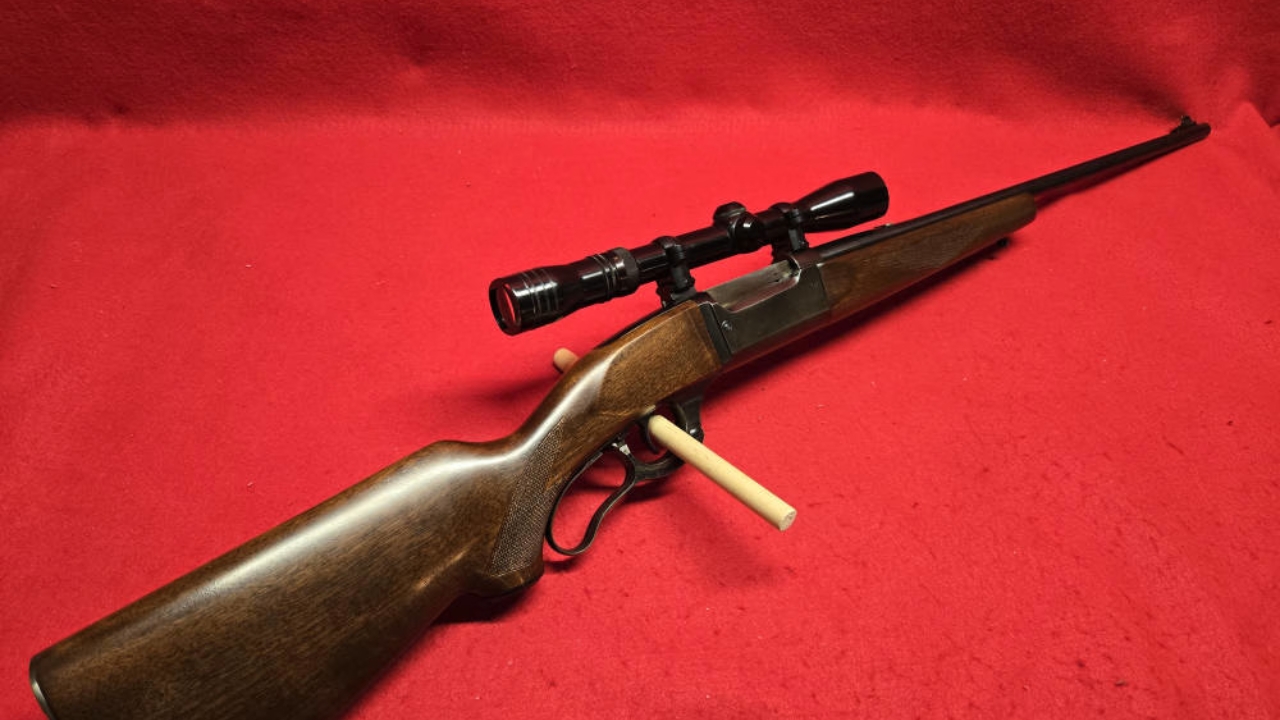
The Savage 99 was once a practical hunting rifle, not a safe queen. It gave hunters a lever-action that could handle more modern cartridges, and it did real work in deer country for generations. Still, plenty of people saw it as just another old rifle.
Now good 99s are not casually ignored. The rotary magazine, strong design, and sleek carry feel make it stand apart from simpler lever guns. It was ahead of many hunters’ appreciation when it was common. Once the racks thinned out, people finally started seeing what they had passed by.
Beretta 92FS
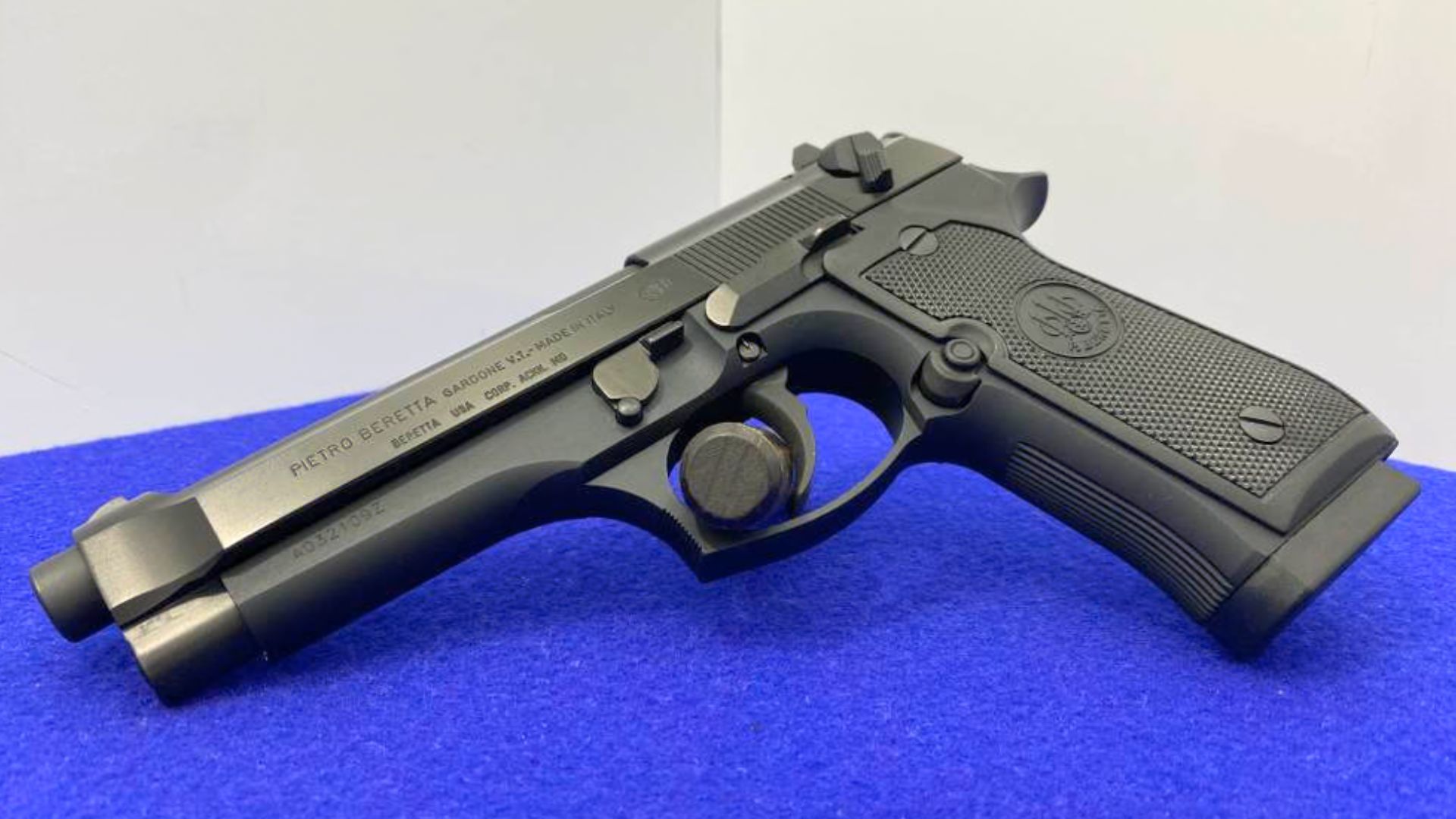
The Beretta 92FS used to be easy to dismiss because it was big, common, and constantly argued over. Some shooters complained about the safety, the grip size, or the military connection. That noise made the pistol seem more ordinary than it really was.
As newer pistols kept chasing lighter weight and smaller frames, the 92FS started looking better to shooters who value smooth recoil and real shootability. It is large, but that size helps it run soft. Clean older Berettas now feel like service pistols people were too quick to shrug off.
Winchester 9422

The Winchester 9422 never looked dramatic. It was a rimfire lever gun, clean and handy, but easy to pass over when cheaper .22s filled the same basic role. A lot of buyers assumed another one would always be around.
That was a bad assumption. Once the 9422 was gone, people started understanding how well it was made. The action is smooth, the handling is excellent, and the rifle feels like something built with care. It went from pleasant little .22 to one of those guns people wish they had bought when they had the chance.
Like The Avid Outdoorsman’s content? Be sure to follow us.
Here’s more from us: