Photo credit: Petronelka/Shutterstock.com
Some cartridges stay in the conversation because they are fast, flashy, unusual, or tied to whatever trend is getting pushed hardest at the moment. Others stay relevant for the exact opposite reason. They do not have strange feeding quirks, oddball availability, dramatic recoil for the performance, or some narrow specialty role that only makes sense if you build your whole setup around them. They are simply easy to live with. They chamber well, shoot predictably, stay available, and keep doing useful work without making the owner adapt to them.
That kind of normality is more valuable than people like to admit. A cartridge that does not create drama is often the one that survives the longest. It is easier to find, easier to shoot, easier to trust, and easier to keep in rotation year after year. These are the calibers that remain relevant because they do not ask for a long explanation. They just keep working in ordinary rifles and handguns for ordinary people doing ordinary shooting and hunting.
9mm Luger

The 9mm Luger stays relevant because it does not do anything weird. It feeds well in a huge range of pistols, offers manageable recoil, gives good capacity, and remains widely available almost everywhere serious handgun shooters shop. That kind of predictability matters. A cartridge that makes carry, training, and general ownership easier tends to stay important.
It also helps that 9mm does not demand much in return. You do not need an unusual platform, a special recoil tolerance, or a hard-to-find magazine setup to make it work. It is one of the cleanest examples of a cartridge staying relevant because it fits modern handgun life without creating unnecessary complications.
.22 Long Rifle

The .22 Long Rifle stays relevant because it remains the easiest serious cartridge to own. It is useful for training, plinking, small game, pest control, and teaching new shooters, and it does all of that without making people think too hard about recoil, noise, or ammo cost. That kind of usefulness rarely goes out of style.
What makes it last is how little friction it adds to gun ownership. A good .22 is not hard to understand, not hard to support, and not hard to shoot often. It is the opposite of weird, and that is a huge reason it remains one of the most important cartridges in North America.
.223 Remington
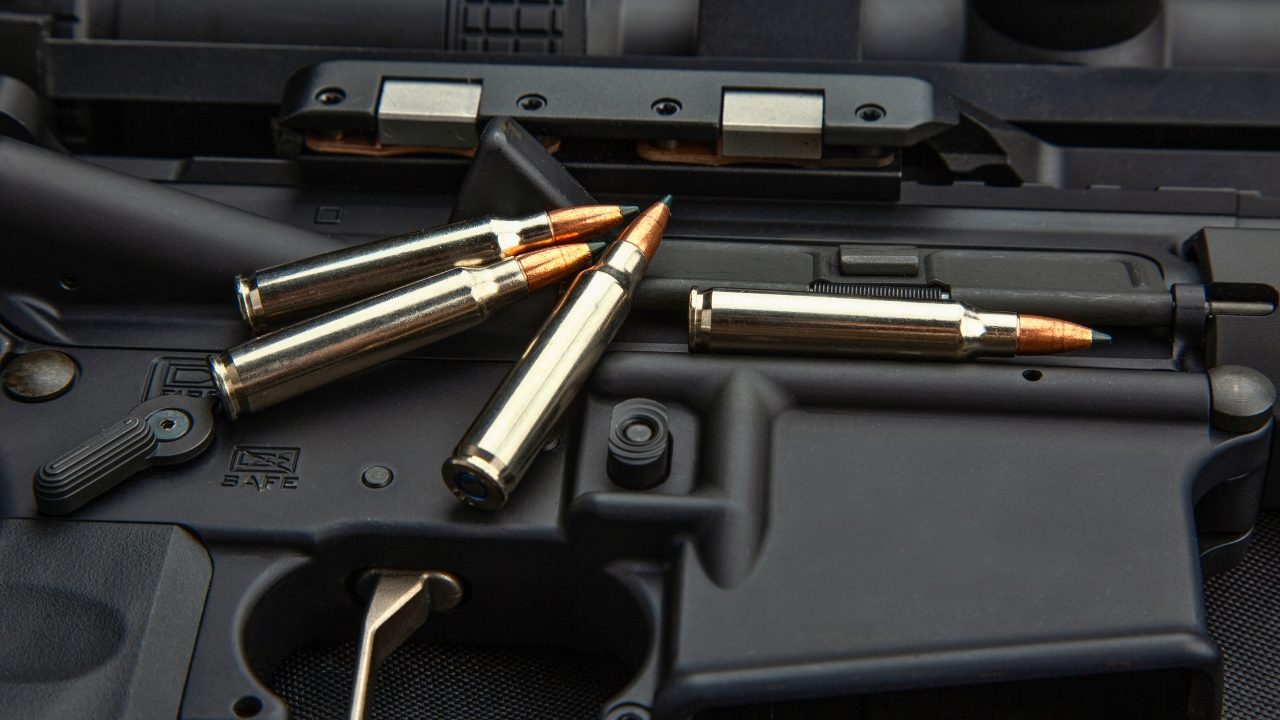
The .223 Remington stays relevant because it is one of the easiest centerfire rifle rounds to live with. It is light recoiling, easy to shoot accurately, useful for varmints and predators, and supported by more rifles, magazines, and ammo options than most shooters will ever need. It does not ask the owner to tolerate much weirdness to get good performance.
That is a major reason it stays so useful. You can train with it regularly, build practical rifles around it, and count on a broad market of support without fighting some strange downside. For a centerfire rifle cartridge, that kind of normality is a tremendous strength.
.308 Winchester

The .308 Winchester stays relevant because it solves a lot of real rifle problems without becoming dramatic about any of them. It has enough power for a wide range of hunting, manageable enough recoil for regular practice, and broad rifle support in everything from sporting bolts to more general-purpose rifles. It is easy to understand and easy to trust.
That is what keeps it alive. A cartridge does not need to be extraordinary in one direction if it stays strong across the board. The .308 feeds reliably, performs well from practical barrel lengths, and remains easy to find. It keeps doing honest work without forcing the owner into some niche role or strange compromise.
.30-06 Springfield

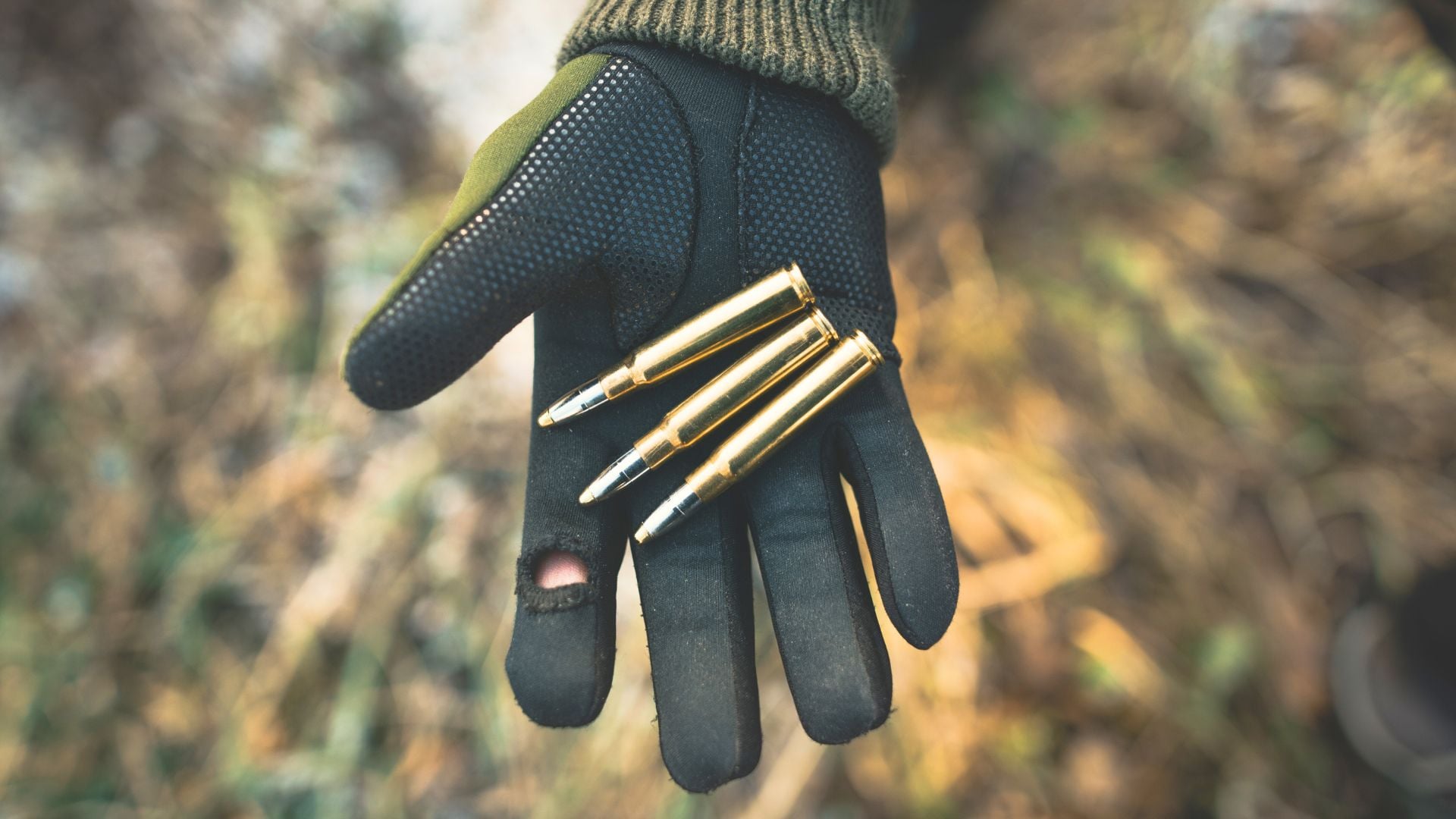
The .30-06 Springfield stays relevant because it remains one of the broadest hunting cartridges ever put on the market without becoming quirky or over-specialized. It handles deer, elk, hogs, black bear, and plenty more while staying available in common rifles and common loads. Hunters know what it does because it has kept doing the same useful things for a very long time.
It also avoids weirdness by staying simple in the ways that matter. It is not tied to unusual rifle geometry, not difficult to feed in ordinary bolt guns, and not dependent on a trendy identity to justify itself. It remains relevant because it still feels like the straightforward answer to a lot of common hunting questions.
.270 Winchester
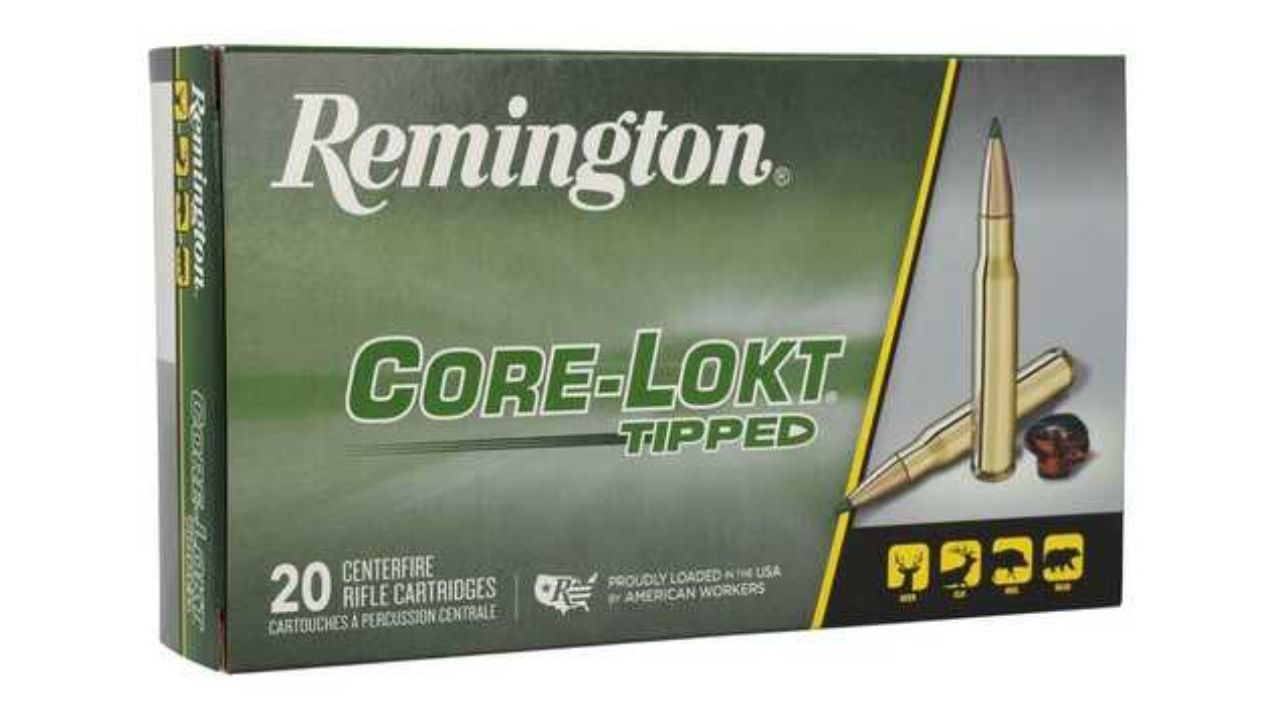
The .270 Winchester stays relevant because it still occupies one of the cleanest practical spots in the hunting world. It shoots flat enough for open country, recoils mildly enough for regular use, and remains common in very traditional hunting rifles. It does not require special thinking to make sense.
That normality is what helps it endure. It is not trying to be a long-range experiment, a short-action trend piece, or a boutique cartridge with a cult following. It is simply a very usable hunting round that keeps doing exactly what a lot of hunters need.
.243 Winchester

The .243 Winchester stays relevant because it gives shooters and hunters a lot of practical value without making them put up with much. Recoil stays moderate, rifles are common, and the cartridge works well for deer-sized game and varmint use with the right loads. It remains one of the easiest centerfire hunting cartridges to shoot well.
That matters because plenty of shooters do not need a cartridge that feels dramatic. They need one they can actually practice with and trust in the field. The .243 keeps making sense because it stays easy to shoot, easy to support, and easy to own without creating oddball complications.
12 Gauge

The 12 gauge stays relevant because it still covers more real-world shotgun use than almost anything else. Birds, deer in slug country, home defense, general utility, and hunting versatility all remain inside its lane. It is one of the least weird answers in the gun world because it keeps fitting so many jobs without needing explanation.
That is why it lasts. Shells are everywhere, guns are everywhere, and everyone already understands how to build a practical use case around it. The 12 gauge is not subtle, but it is very straightforward, and straightforward tends to age extremely well.
.30-30 Winchester

The .30-30 Winchester stays relevant because it still fits ordinary deer hunting without asking for modern overthinking. It works in handy rifles, remains effective at realistic woods distances, and does not pretend to be something it is not. That makes it one of the least strange hunting rounds to own.
A cartridge like this lasts because it stays matched to the terrain and the style of hunting where many people still spend most of their time. It chambers in simple rifles, performs predictably, and keeps the whole deer-rifle idea from becoming more complicated than it needs to be.
.357 Magnum

The .357 Magnum stays relevant because it covers several roles cleanly without doing anything especially odd. It works in revolvers, lever guns, defensive setups, trail guns, and range use, and it gains even more flexibility from being able to shoot .38 Special. That kind of practical overlap is rare and extremely useful.
It avoids weirdness by being easy to support and easy to understand. It is not dependent on some obscure pistol design or limited ammo supply. A cartridge that can stretch across roles this well while still remaining familiar to most shooters usually has a long future ahead of it.
.38 Special

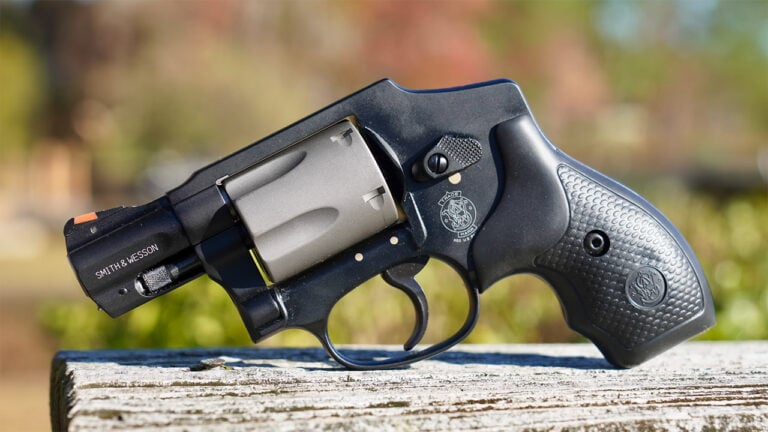
The .38 Special stays relevant because it remains one of the easiest revolver cartridges to live with. It is manageable, proven, widely available, and useful for practice, defense, and ordinary revolver ownership. It does not demand hard recoil tolerance or specialized guns to make sense.
That is a big part of why it never really leaves. The .38 Special feels normal in the best possible way. It works in common revolvers, supports skill building, and stays accessible to a very wide range of shooters. That kind of broad, no-drama usefulness is exactly why cartridges survive.
.45 ACP

The .45 ACP stays relevant because it continues to offer a very familiar big-bore pistol experience without a lot of strange side effects. It is easy to understand, widely supported, and still chambered in many proven handguns. The recoil has a heavier push many shooters find manageable, and the cartridge itself remains deeply established.
It also stays useful because it does not require buyers to chase some unusual platform or supply chain. It is a mature cartridge in a mature market, and that matters. A lot of shooters still want something a little larger than 9mm without wandering into oddball territory, and the .45 ACP fills that role cleanly.
7mm-08 Remington

The 7mm-08 Remington stays relevant because it offers one of the better practical hunting balances on the market without becoming eccentric about any part of the formula. It works in short actions, recoils sensibly, and handles common big-game work very well. It is a cartridge that makes sense almost immediately.
That is why it keeps a loyal following. It does not ask the owner to tolerate odd ammo support, weird rifle configurations, or exaggerated recoil for the gain. It just remains a sensible answer for hunters who want efficiency without novelty.
.44 Magnum

The .44 Magnum stays relevant because, for all its personality, it still does not require much strange thinking to use properly. In revolvers and carbines, it remains a very practical short-range hunting and field cartridge. It also gains flexibility from .44 Special, which makes the whole ownership experience easier.
That combination matters. The cartridge is powerful, yes, but not in some weird boutique way that traps the owner in one narrow role. It stays understandable, useful, and supported enough that people can still build real field use around it without much trouble.
.410 Bore
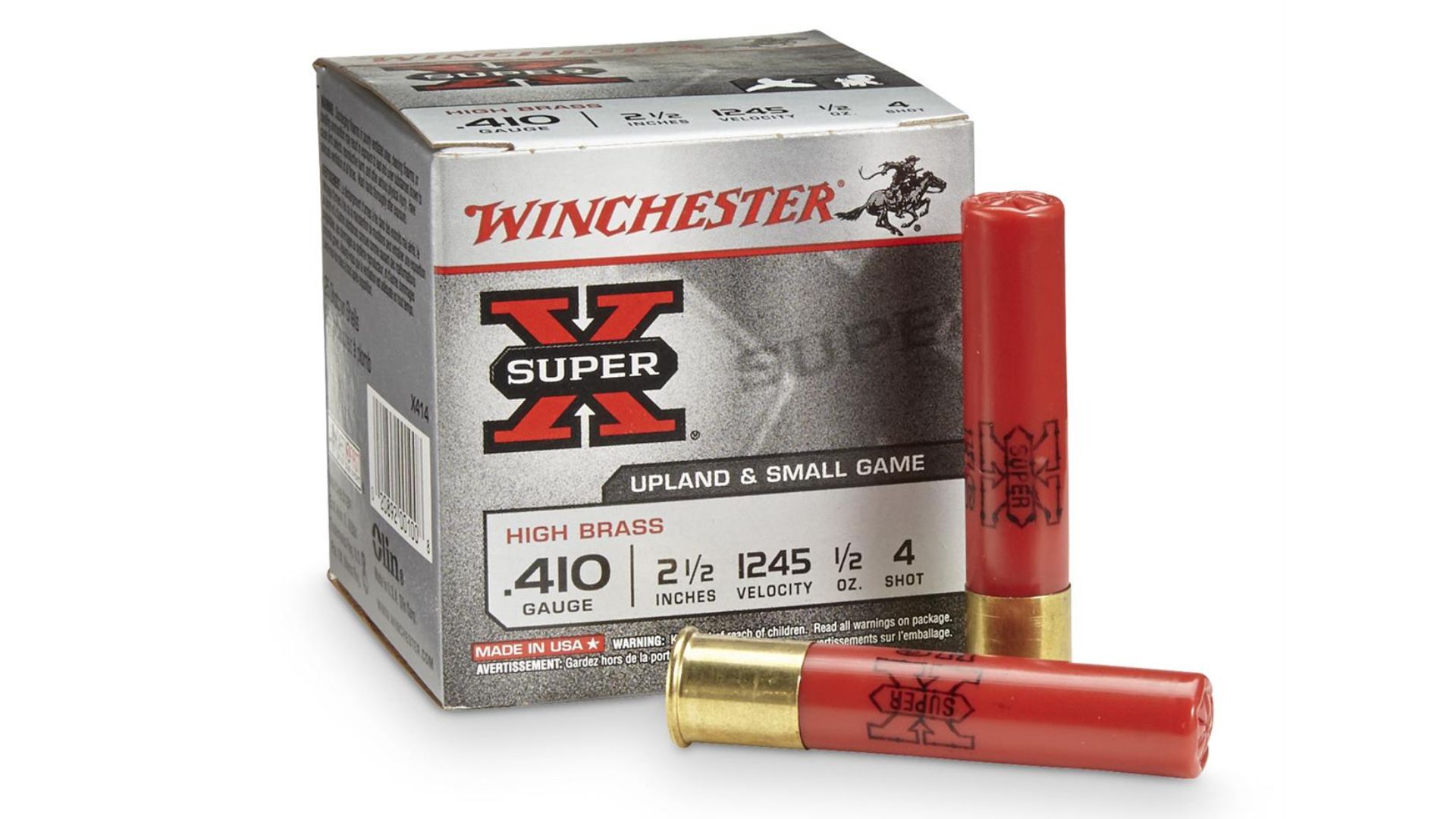
The .410 bore stays relevant because it occupies a clear role without becoming complicated. It is useful for small game, pest work, and certain shooters who want a lighter, less intimidating shotgun option. It is not the answer to everything, but it is also not trying to be.
That honesty is what keeps it around. A cartridge or gauge that knows its lane and stays easy to support often outlasts trendier options that try too hard to be many things at once. The .410 remains relevant because it continues to make sense exactly where it should.
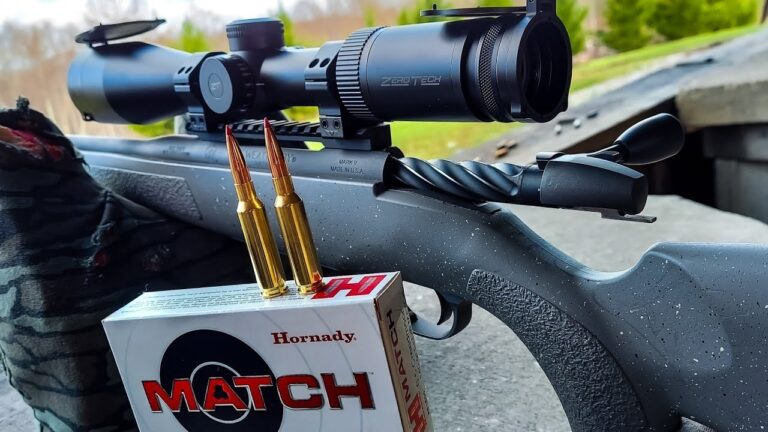
6.5 Creedmoor
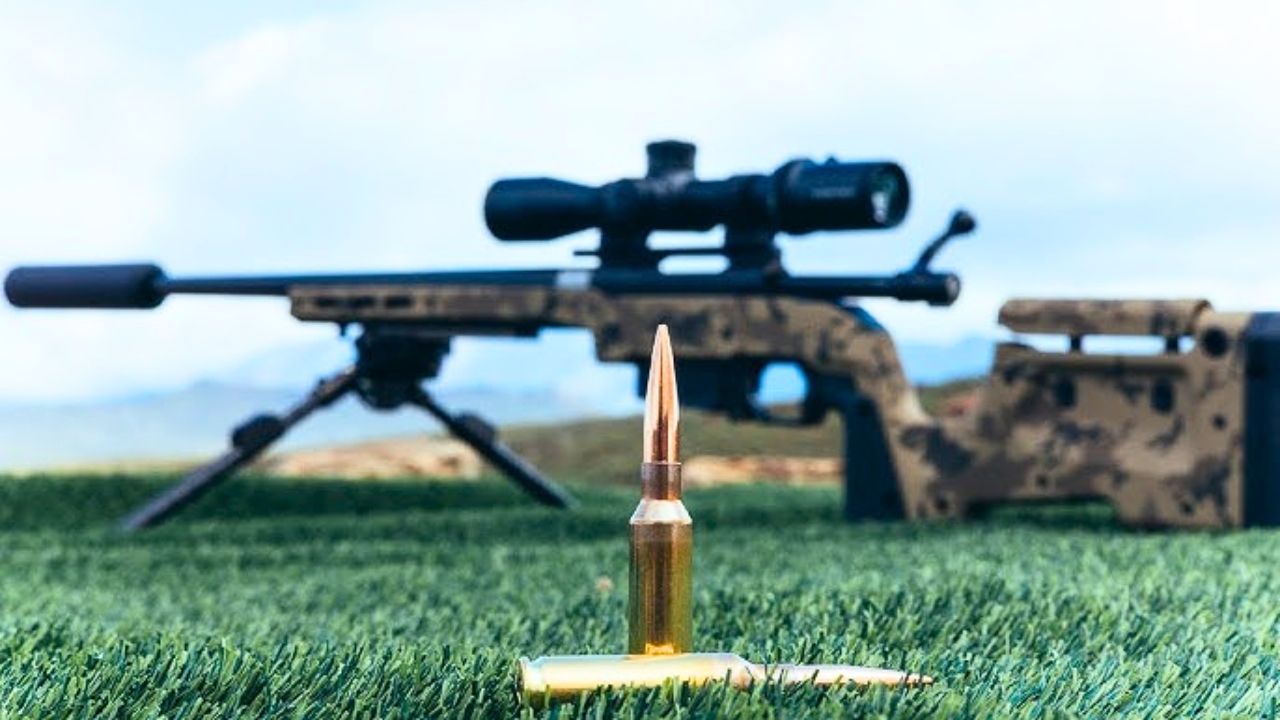
The 6.5 Creedmoor stays relevant because, under all the hype it once carried, it turned out to be a very normal and useful cartridge. It is not difficult to shoot, not difficult to find, and not difficult to support in practical rifles. That matters more now than whatever marketing wave first pushed it so hard.
Its long-term strength is that it settled into regular usefulness. It became common enough, easy enough, and predictable enough that it no longer needs fanfare to justify itself. A cartridge that can move from trend to normal utility without falling apart is usually one that was never all that weird to begin with.
Like The Avid Outdoorsman’s content? Subscribe to our newsletter so you never miss an article.
Here’s more from us: