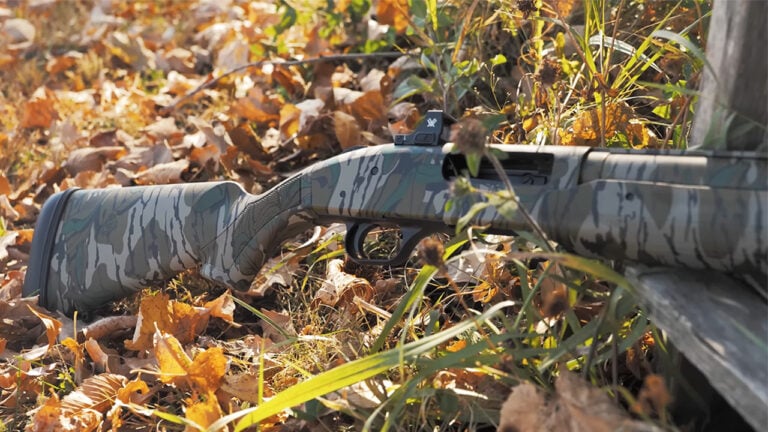
Photo credit: Henry Repeating Arms/YouTube
Some rifles do not lose trust because they miss one deer. They lose trust because the first season shows a pattern: a wandering zero, a magazine that will not feed smoothly, a stock that feels hollow in the cold, a trigger that makes clean shooting harder, or an action that never feels right when you need it to.
These rifles are not all disasters, and plenty of hunters have made them work. But they are the kind of models that can leave a hunter wondering why he bought the thing after one season of real use. A rifle does not need to be fancy to earn trust. It just needs to feel dependable when the woods finally give you a shot.
Remington Model 7400
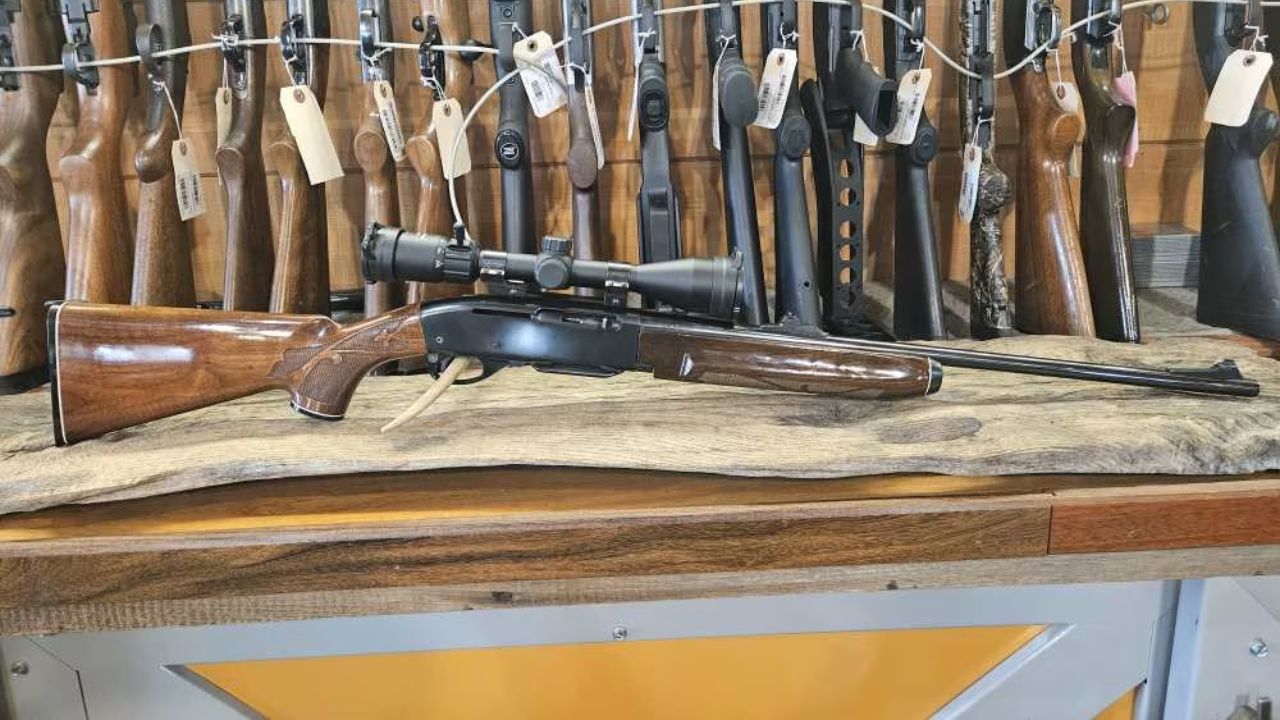
The Remington Model 7400 has killed plenty of deer, especially in places where semi-auto deer rifles have always had a following. The problem is that used examples can be a gamble. If the chamber is rough, the magazines are tired, or the action has not been maintained, trust can disappear fast.
A hunter might sight one in and feel fine, then watch it stumble when the weather turns cold or a follow-up shot matters. The 7400 is not automatically bad, but it is the kind of rifle you prove hard before taking it seriously.
Winchester Model 100

The Winchester Model 100 has classic appeal, but that does not always translate into modern hunting confidence. These rifles are old enough now that condition matters more than the name on the receiver. Springs, magazines, chambers, and past maintenance can all decide whether the rifle is useful or frustrating.
A clean one can still be a neat deer rifle, but a tired one can sour a hunter quickly. If it has not been inspected and tested with the exact hunting ammo you plan to use, the first season can turn nostalgia into second thoughts.
Browning BAR Mark II Safari
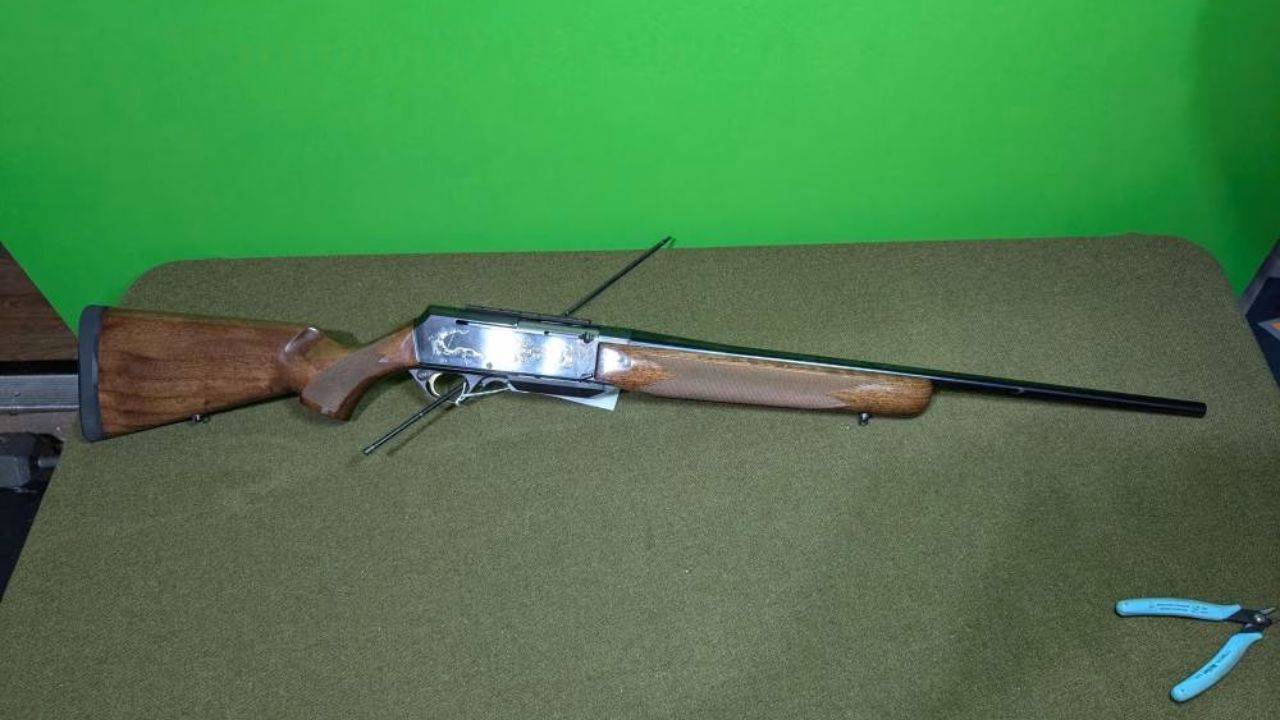
The Browning BAR Mark II Safari is smoother and better finished than a lot of semi-auto hunting rifles, but it can still lose a hunter’s trust if expectations are wrong. It is heavier than many people expect, and some rifles can be picky about ammo or maintenance when they get dirty.
That does not make it a bad rifle. It means it is not the carefree answer some hunters imagine. If you buy one expecting bolt-action simplicity with semi-auto speed, the first season may teach you that gas guns need more attention, especially in wet, cold, or rough hunting conditions.
Ruger Mini-30

The Ruger Mini-30 looks like it should be a perfect handy woods rifle, especially for hogs and short-range deer work where legal. The trouble is that accuracy and ammo preference can vary enough to shake confidence fast. Some rifles shoot fine, while others make hunters work too hard for acceptable groups.
It also needs reliable magazines and the right ammunition to show its better side. If the first season brings scattered groups or feeding problems, the Mini-30 can go from “practical little rifle” to “why didn’t I just bring a bolt gun?” pretty quickly.
Ruger No. 1
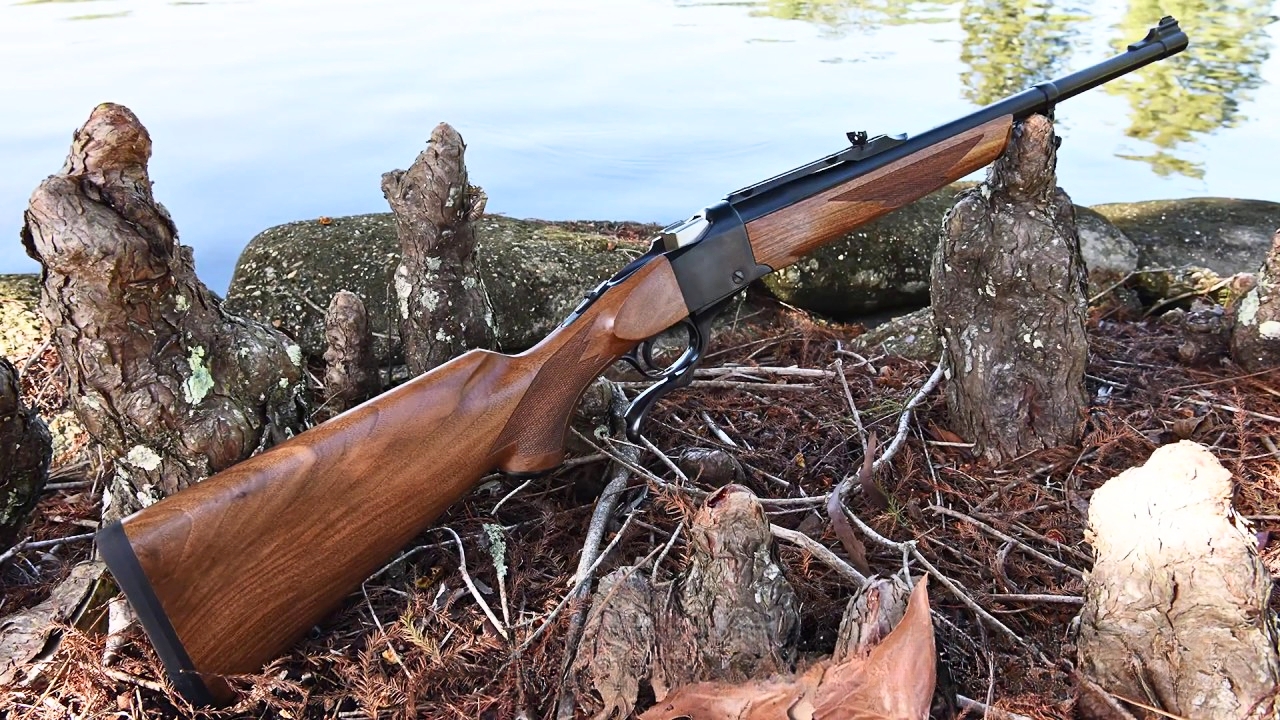
The Ruger No. 1 is a beautiful rifle, and that is part of the problem. Hunters often want to trust it because it feels special. But the single-shot setup, weight, and sometimes finicky accuracy can make it a hard rifle to love after a real season.
A good No. 1 can be excellent in careful hands. Still, if your rifle is picky about loads or you miss the comfort of a fast second shot, the romance can wear thin. It is a rifle for hunters who know exactly what they want, not one that forgives uncertainty.
Kimber 84M Hunter
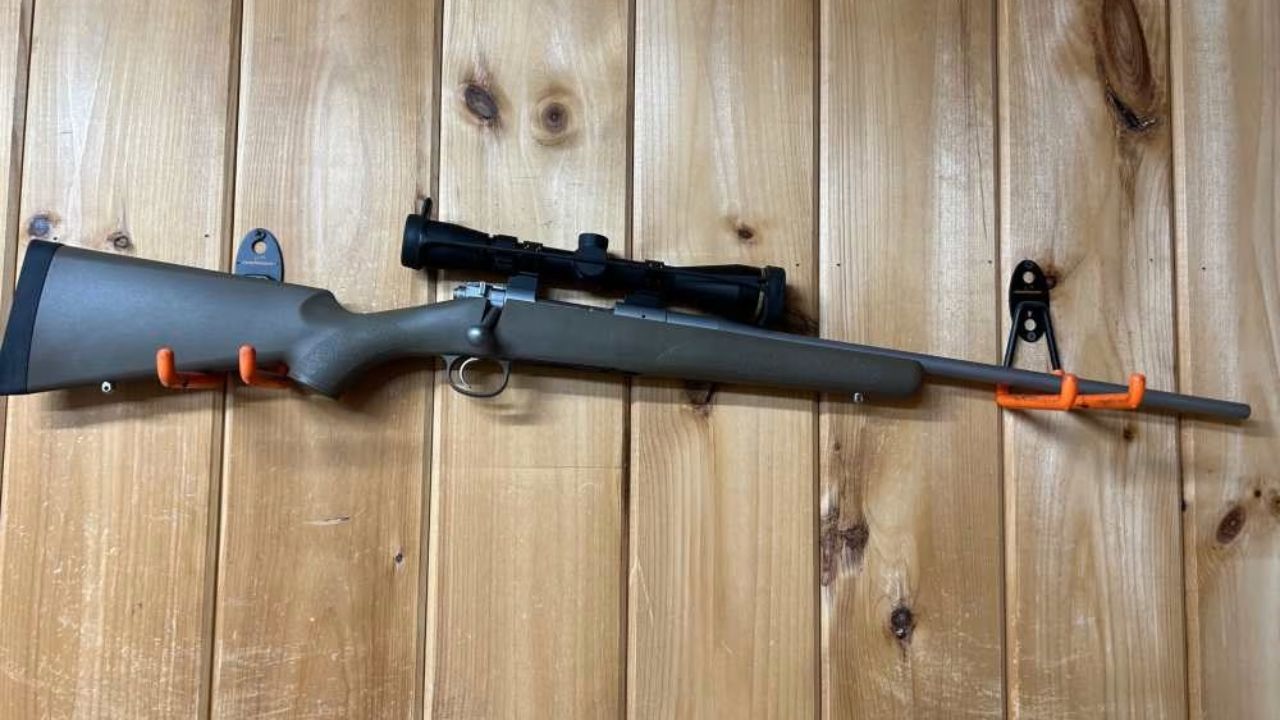
The Kimber 84M Hunter drew attention because it offered a light, handy mountain-style rifle at a more approachable price than some premium options. But lightweight rifles expose problems fast. If the bedding, barrel preference, or shooter fit is not right, groups can open up and confidence can fade.
A rifle this light also magnifies recoil habits and field-position mistakes. Some hunters love them. Others spend one season chasing loads and wondering why the rifle will not settle down. When a mountain rifle does not inspire first-shot confidence, it becomes hard to keep.
Remington Model Seven

The Remington Model Seven is handy, light, and easy to carry, which is why hunters like the idea of it. The downside is that short, light rifles can be harder to shoot well than they look. A whippy feel, sharper recoil in certain chamberings, and short sighting balance can frustrate some owners.
The Model Seven is not a bad rifle, but it is not magic. If a hunter buys one expecting easy accuracy just because it carries well, the first season can be humbling. A rifle that feels great on the sling still has to shoot when it counts.
Weatherby Mark V Ultra Lightweight

The Weatherby Mark V Ultra Lightweight sounds perfect for long walks and steep country, but light magnum rifles can punish sloppy fundamentals fast. Add a hard-kicking chambering, a thin barrel, and limited practice because recoil is unpleasant, and trust can fade before the season ends.
This is not a rifle for casual shooters who want power without consequences. It can be accurate and effective, but it demands skill. If you dread shooting it from field positions, you probably will not practice enough. That is how an expensive rifle becomes one you stop trusting.
Browning BLR Lightweight

The Browning BLR Lightweight gives hunters a lever-action that can handle modern cartridges, which sounds ideal. But the trigger, magazine system, and different feel compared with traditional lever guns can leave some hunters less impressed after they actually hunt with it.
It can be very useful in the right hands, especially for someone who likes the handling. But if you expected a simple old-school lever gun and got something more mechanical-feeling, the trust may not stick. A first season can reveal whether the BLR fits you or just looked good on paper.
Henry Long Ranger

The Henry Long Ranger has a smart concept: lever-action handling with modern cartridge capability. But some hunters find out after a season that the rifle does not quite give them the traditional lever-gun feel they wanted or the bolt-gun confidence they expected.
That middle ground can be tricky. If it shoots well and fits your hunting style, it makes sense. If the magazine, trigger feel, or balance never clicks, you may start wondering why you did not choose a simpler bolt-action. It is one of those rifles that needs real field time before trust forms.
Winchester Model 88

The Winchester Model 88 has a loyal following, but old rifles come with old-rifle problems. These guns can be excellent, yet worn examples may bring trigger complaints, feeding quirks, magazine issues, or accuracy that depends heavily on condition and ammunition.
A hunter buying one for nostalgia can learn fast that age matters. The Model 88 is not a rifle I would dismiss, but I would not trust one blindly either. If the first season exposes a tired magazine or a trigger you cannot shoot well, the love affair can cool off quickly.
Savage 99C
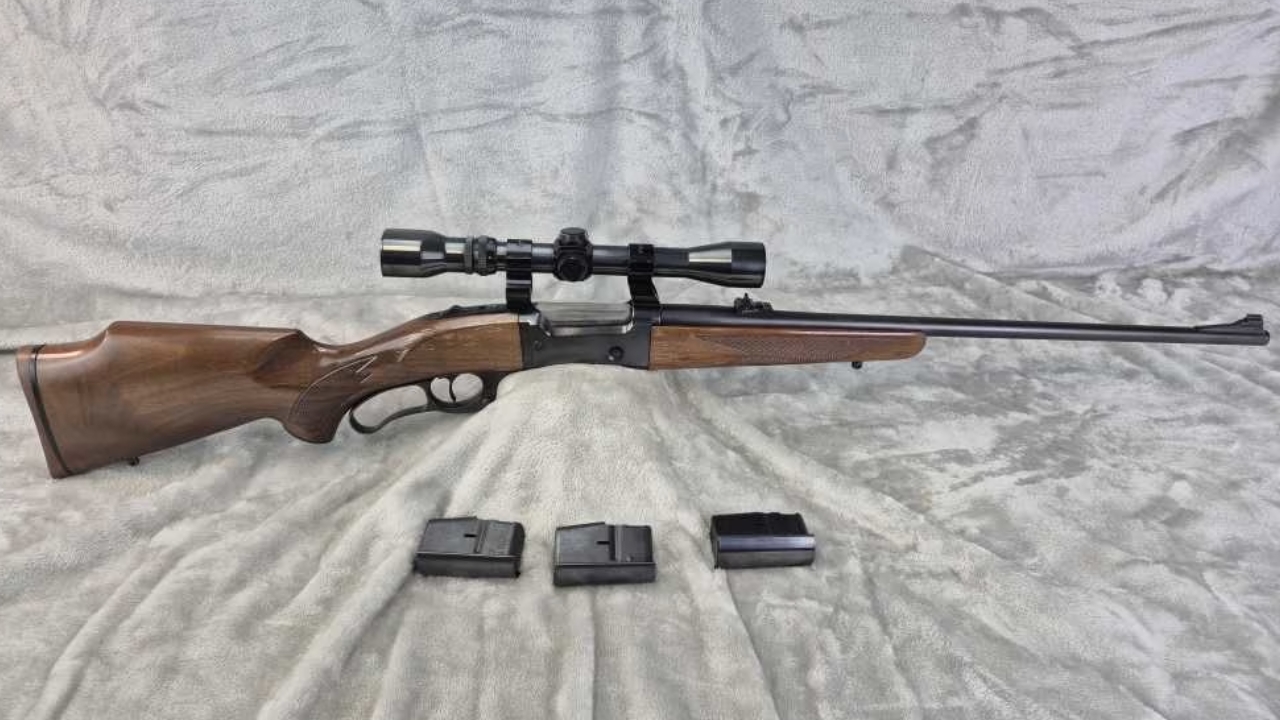
The Savage 99C has a lot of charm, but the detachable-magazine version can be more frustrating than the older rotary-magazine rifles. Magazine availability, feeding reliability, and condition all matter, especially on rifles that have been used hard for decades.
A good 99C can still be a fine hunting rifle. The problem is that one worn magazine or rough feeding cycle can make a hunter lose faith in it fast. If you bought it expecting classic Savage 99 magic and spent the season fighting the magazine, trust does not last long.
Benelli R1

The Benelli R1 feels sleek and modern, but semi-auto hunting rifles in powerful chamberings have to prove themselves. Some hunters like the handling and quick follow-up shots. Others struggle with accuracy expectations, ammo preference, or the added complexity compared with a simple bolt gun.
That can be frustrating after a season. If the rifle groups well and runs cleanly, it has a place. If it makes you chase ammo, worry about maintenance, or question first-shot precision, it becomes hard to rely on. A hunting rifle should reduce doubt, not add more.
Sauer 100

The Sauer 100 has a respected name behind it, but some hunters expecting premium European magic can come away feeling like they bought a more ordinary rifle than expected. It can shoot well, but the polymer parts, magazine feel, and price expectations may not line up for everyone.
That mismatch can hurt trust. If a rifle costs enough to raise your expectations, it needs to feel right after a season. The Sauer 100 may serve plenty of hunters well, but if it does not clearly outperform cheaper rifles in your hands, disappointment can show up fast.
Mauser M18
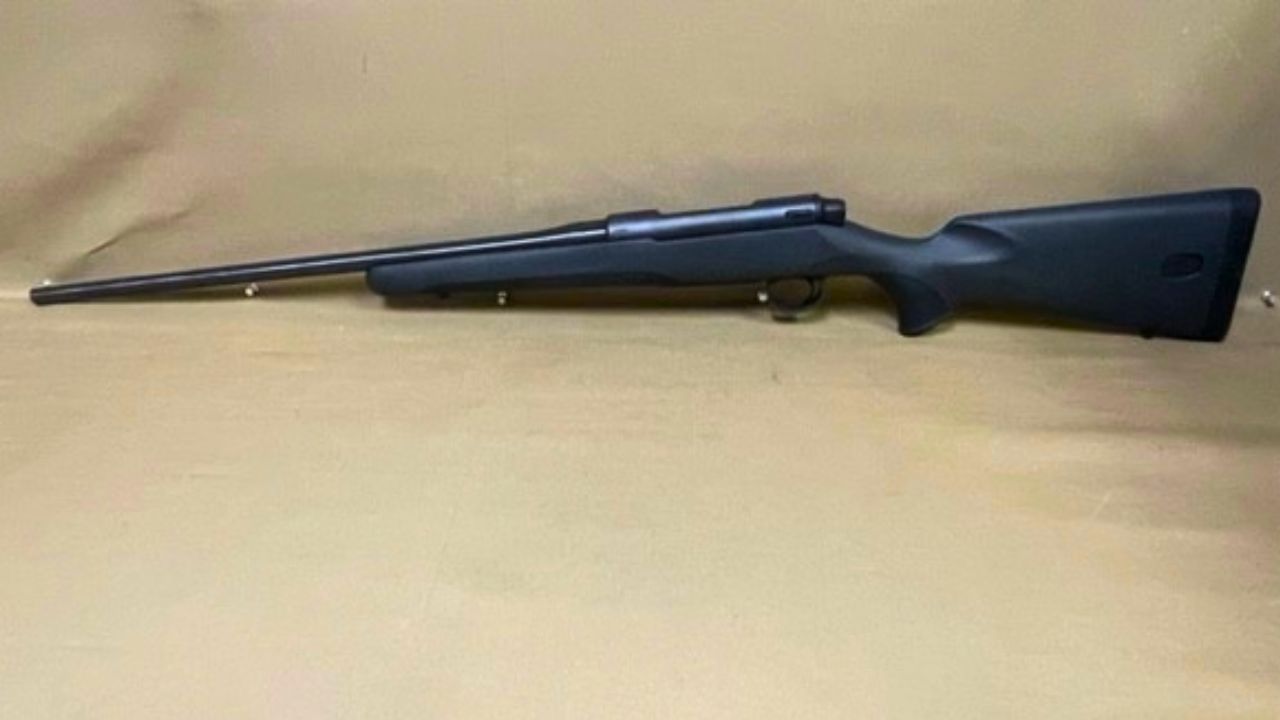
The Mauser M18 carries a famous name, and that alone can create expectations it has to fight. It is a modern budget-oriented hunting rifle, not an old-world Mauser built like a family heirloom. Some hunters understand that. Others feel let down once the first season reveals its practical, plain nature.
The M18 can absolutely work, but the name can make people expect more romance, more refinement, or more confidence than the rifle gives them. If the stock, magazine, or overall feel does not impress you after real hunting use, trust can fade quicker than the marketing suggests.
Like The Avid Outdoorsman’s content? Be sure to follow us.
Here’s more from us: