Photo credit: vzwer/Shutterstock.com
If you hang around used guns long enough, you learn a weird lesson: the part that causes the most expensive headaches is often the one that costs the least. Guys will obsess over barrel markings, optics, triggers, and stock swaps, and then they’ll get burned by something small and boring that nobody thinks to check. The cheapest part that turns into a money pit more than any other is the magazine. Not because mags are glamorous, but because they’re the lifeblood of reliability, and a bad mag can make a perfectly good gun look like a lemon. The real kicker is how many used guns get sold with the wrong mags, worn-out mags, or bargain-bin mags that were never trustworthy to begin with.
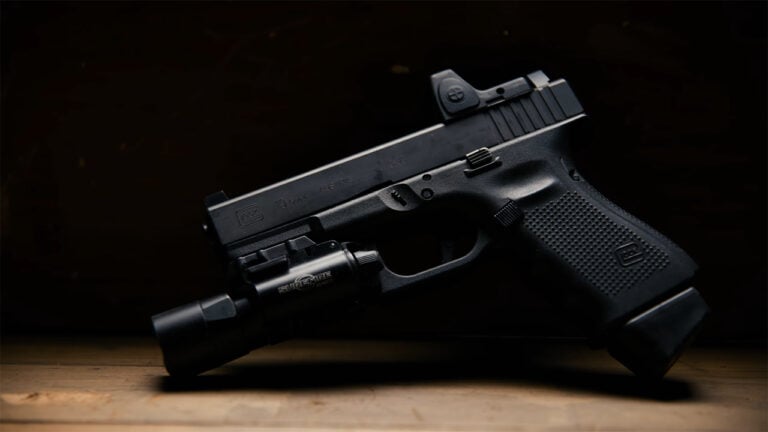
This shows up constantly with common platforms—Glocks, ARs, 1911s, double-stack 9mms, hunting rifles with detachable box mags. People buy a used gun, take it to the range, and it starts coughing up failures to feed, failures to lock back, bolt-over-base malfunctions, random nose dives, and weird “it only jams on the last round” behavior. Then they start blaming the extractor, the recoil spring, the feed ramp, the ammo, the gun’s “break-in,” or their grip. Meanwhile the real culprit is sitting right there: a magazine with weak springs, bent feed lips, out-of-spec geometry, or a follower that doesn’t move clean. And if you don’t catch it early, you can waste a lot of time and money chasing the wrong fix.
Why magazines quietly wreck used-gun deals
A used gun’s reliability is a system. The gun can be mechanically sound and still run like garbage if the mag is wrong. Mags control the angle and speed the round feeds, they position the cartridge under recoil, and they dictate how the slide or bolt interacts with the top round. When feed lips spread, the presentation angle changes. When springs get tired, the stack doesn’t keep up. When followers tilt, you get inconsistent feeding. When baseplates loosen, the mag shifts. None of that looks dramatic at a gun counter, but it shows up the second you start shooting fast, shooting dirty, or shooting in cold weather when lubrication thickens up.
The other thing that makes mags such a trap is that sellers know they’re a selling point. You’ll hear “comes with five mags” like it’s a huge bonus. Sometimes it is. A lot of times, it’s five mags the seller doesn’t trust anymore. Or it’s a pile of aftermarket mags that were bought because they were cheap, not because they were good. If you’ve ever dealt with off-brand 1911 mags, questionable Glock-pattern mags, or random AR mags with unknown springs and feed lips, you already know how this goes. A gun that “runs great” with factory mags can look cursed with bargain mags.
The used gun table illusion: “It’s the gun, not the mag”
Here’s what makes this a money pit: you don’t suspect the mag because you assume the mag is just a box. The gun is the complicated thing, so you blame the gun. Then you start paying for the complicated fixes. A guy will buy a used pistol, get malfunctions, and immediately spend money on a recoil spring assembly, extractor, striker spring, and upgraded magazine release. Then he’ll polish the feed ramp, swap the trigger, and buy a new holster because he thinks his carry setup is making the gun “finicky.” All of that adds up fast, and it still doesn’t fix the issue if the mag is the core problem.
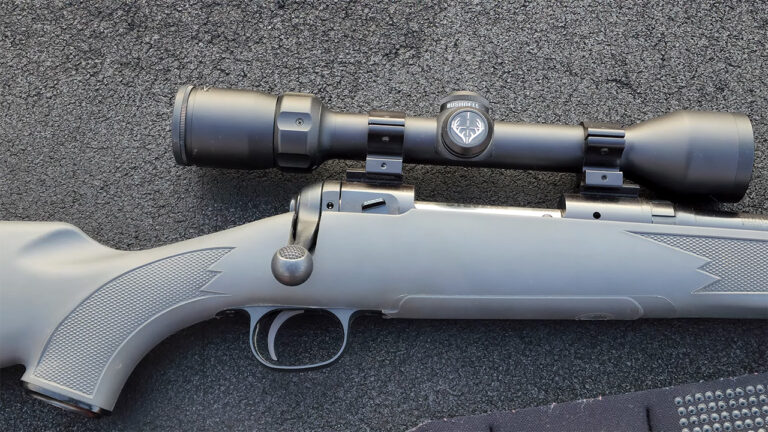
With rifles, it’s just as bad. Detachable mag hunting rifles get picky when mags are worn, and because you don’t shoot those guns like you shoot a carbine, you don’t notice the pattern until it matters. One day you’re cycling a round quietly on a cold morning and the bullet nose slams into the feed ramp, or the bolt skips over the top round, or the mag drops just enough to change the feeding angle. Suddenly you’re questioning the rifle, the ammo, the scope, the bedding—everything. The magazine gets ignored because it feels too simple to be the problem. That’s exactly why it’s the problem so often.
What to look for when you’re evaluating a used gun
If the gun uses detachable mags, you should treat the mags like they’re part of the firearm, not a bonus accessory. Ask what they are—factory or aftermarket. If they’re aftermarket, what brand? If the seller can’t answer, assume they’re questionable until proven otherwise. Look at the feed lips. If they’re visibly bent, chipped, or spread, that’s a red flag. Check how the follower moves when you push it down with a thumb or a tool—it should be smooth, not gritty, not sticky, not tilting wildly. Look at the baseplate fit. If it’s loose or cracked, that mag has been dropped hard or ridden hard.
On pistol mags, pay attention to how the top round sits. If it sits nose-high or nose-low in a way that looks odd compared to a factory mag you know, don’t shrug it off. On AR mags, look for feed lip cracks, crushed bodies, bent spines, and excessive wobble. On hunting rifle mags, check latch engagement. If it doesn’t click in clean and solid, you’re asking for grief. If you can, insert the mag and see if it locks up with minimal play. Some play is normal, but if it feels sloppy, feeding can be sloppy.
The hidden cost: magazines are where “cheap” becomes expensive
Even if you diagnose it correctly, mags can still turn into a money pit because good mags aren’t cheap anymore. If you buy a used pistol with one factory mag and two junk mags, you may end up replacing all of them just to get consistent reliability. If it’s a platform with expensive mags—certain hunting rifles, certain older pistols, oddball imports—you can end up spending a couple hundred bucks just to get to a baseline where you trust the gun. That turns a “good deal” into “I could’ve bought it new and been done.”
And if the platform is one that’s sensitive to mag quality—1911s are the poster child, but plenty of compact double stacks can be picky too—guys will start buying mags in bulk trying to find ones that work. That’s where the money pit opens up. You’ll see someone with a bag full of mags that “kind of work,” and they’re still chasing reliability. If the gun runs with one specific mag and not with others, you don’t have a reliable system—you have a lucky mag.
The simplest diagnostic move that saves you money
If you buy a used semi-auto and it’s acting up, the first thing you should do is stop changing parts and start controlling variables. Get one or two known-good factory magazines and run the gun with them only. Don’t mix in the mystery mags. Don’t run the bargain mags “just to see.” Run the same ammo, same mags, same lube, and see if the problem persists. If the gun suddenly runs clean, you just saved yourself a pile of wasted upgrades. If it still chokes, now you’ve narrowed the problem down and you can make changes with confidence instead of guessing.
This is also how you keep yourself from falling for the “it just needs to be broken in” talk. A gun doesn’t need to be broken in to feed with a proper magazine. Some tight guns smooth out, sure, but a quality system should run predictably with quality mags. If it doesn’t, something’s off, and you should treat it like a mechanical problem, not a personality trait.
When a “cheap fix” becomes a deeper issue
Now, to be fair, sometimes bad mags are hiding a bigger issue. If the gun’s mag catch is worn, the mag can sit low. If the mag well is out of spec, the mag can rock. If the feed ramp is damaged, the gun might be less forgiving. If the extractor is truly weak, it can turn minor feeding issues into full stoppages. But the order matters. You start with magazines because they’re the easiest thing to validate and the easiest thing to replace without turning your gun into a science experiment.
Also, don’t ignore that some used guns come with magazines that are technically “factory” but still bad. Springs wear. Feed lips spread. Mags get dropped on concrete for years. People store mags loaded for a long time, and while good springs can handle it, cheap springs don’t always love it. A factory label doesn’t magically mean “good condition.” It just means the mag started life with the right geometry.
The best way to buy used without getting burned
When you’re buying a used gun, budget for magazines the same way you budget for ammo. Assume you’ll want at least two or three proven mags that you trust. If the gun comes with those, great. If it doesn’t, factor it into the price right now, not later. And if the seller is leaning hard on “comes with a bunch of mags” as the reason his price is high, make sure those mags are actually worth something. If they’re not, you’re paying extra for problems.
The truth is, magazines aren’t fun to spend money on, which is why people avoid it. But if you want a used gun to be something you trust—not just something you own—you build the system around it. A good gun with bad mags feels like a bad gun. And bad guns are expensive, because they make you keep spending money trying to turn frustration into confidence.
Like The Avid Outdoorsman’s content? Subscribe to our newsletter so you never miss an article.
Here’s more from us: