Photo credit: Savage Arms
When you’re hammering steel, chasing a herd, or burning through a long zero session, your barrel heats up way faster than the marketing admits. A pencil-thin pipe plus an overbore magnum is a great way to watch groups climb and string. Some cartridges, though, are efficient enough—and easy enough on barrels—that accuracy holds together better as the rifle gets hot, especially in real-world rifle profiles instead of benchrest pipes.
These are the calibers that tend to keep groups honest when your barrel stops feeling “cool to the touch” and starts feeling like a branding iron.
.308 Winchester

If you’re looking for a “doesn’t get weird when it’s warm” standard, .308 is it. It’s a relatively efficient case with modest powder capacity, and it’s been used in service rifles, battle rifles, and precision guns for decades. That combo means the industry knows how to build barrels and loads that stay predictable as the gun heats up.
You’ll still see some walking if you’re running a lightweight hunting barrel and mag-dumping, but compared to overbore cartridges, .308 generally holds its zero and group shape better as it warms. Add in reasonable recoil and excellent barrel life, and you get a caliber that lets you run drills, shoot strings, and still trust your next cold-ish shot on game.
5.56 NATO / .223 Remington

.223/5.56 lives in carbines that get hot for a living. Service rifles, patrol ARs, and training guns see long strings, fast shooting, and very little cool-down time. The cartridge’s small case capacity and moderate pressure (in quality guns) help barrels stay more stable as they heat, especially in government-profile or heavier barrels.
Accuracy will still drift if you run 30-round mag after 30-round mag, but for practical hunting and training strings, .223 tends to keep shots clustered far better than big, overbore rounds. The low recoil also means you’re not yanking the gun around as your support hand starts to feel the heat, which helps keep groups honest when you’re running it hard.
6.5 Creedmoor

6.5 Creedmoor isn’t magic, but it was built with efficiency in mind. Reasonable case capacity, good case shape, and high-BC bullets mean you get a lot of downrange performance without lighting off insane amounts of powder. In practical terms, that usually translates into rifles that don’t go crazy on group size and point of impact when they’re warm.
Most factory 6.5 barrels are medium or heavier contour for “precision” or hunting-precision roles, and those profiles handle heat better than whippy “mountain rifle” pipes. Combine that with manageable recoil and a cartridge that doesn’t hammer throats as hard as the hot-rod 6.5s, and you get a setup that keeps printing predictable hits even when you’ve been working the bolt more than you planned.
6mm Creedmoor

6mm Creedmoor pushes things harder than 6.5 Creed, but it’s still more efficient than some of the older 6mm hotrods. In medium to heavy barrels—the kind most people actually buy for 6mm Creed—it tends to hold accuracy well through match-length strings. That’s why you keep seeing it on PRS-style ranges where barrels get hot, fast.
If you stick it in a featherweight hunting barrel and run max charges, all bets are off. But in realistic “precision hunting” and competition setups, 6mm Creed usually gives you a lot of rounds before heat starts opening groups. The cartridge does its part by not asking your barrel to handle ridiculous powder charges for the performance you’re getting.
7mm-08 Remington

7mm-08 is one of the best “practical” cartridges ever put in a hunting rifle. It’s essentially a necked-down .308, burning a sensible amount of powder behind an efficient 7mm bullet. That efficiency shows up when the barrel starts to warm—there’s less heat per shot than the big 7mm magnums, and less of a tendency for the rifle to walk as you keep shooting.
The recoil is also easy to manage, which matters when your stock weld and grip get a little sloppy later in a string. Pair a 7mm-08 with a medium contour barrel and you’ve got a rig you can sight-in, run a few follow-up groups, and still trust when it’s time to climb a ridge and make a single important shot.
.260 Remington

.260 Rem is the older cousin to 6.5 Creedmoor that never got the same fan club, but in the field it behaves very similarly. It pushes 6.5 bullets with good efficiency, doesn’t demand wild pressures, and lives in rifles that are usually built for accuracy rather than just weight cutting. That combination tends to keep point of impact stable through realistic heat cycles.
You’ll see gaps between paper and reality mostly when barrel profiles get too skinny or loads too hot. With sane handloads or quality factory ammo, .260 holds its groups well enough through multiple three- to five-shot strings that you’re not chasing your zero around as the pipe warms up.
6.5 Grendel

Grendel was designed to give AR-15 shooters more reach without beating the platform to death. It runs at moderate pressures and uses relatively small powder charges to push efficient bullets downrange. That means less heat per shot and less violent gas flow than something like a .22-250, which helps accuracy stay consistent as the barrel gets warm.
In the real world, that shows up in field carbines and hunting ARs that can handle a few magazines’ worth of practice or a busy day of calling without the groups going completely sideways. It’s still an AR barrel—heat is heat—but Grendel’s efficiency makes it friendlier than many high-speed options when the gun’s been running for a while.
6mm ARC
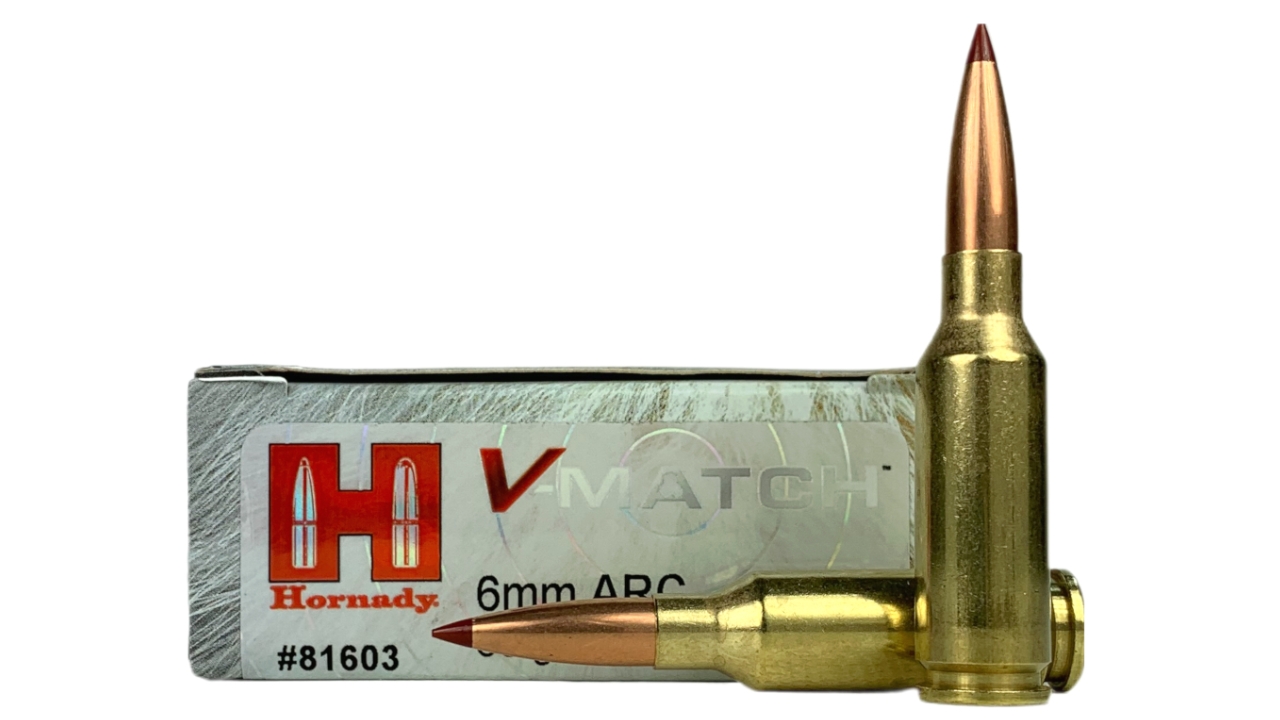
6mm ARC is cut from the same cloth: an efficient, moderate-pressure cartridge designed for ARs that still want long-range precision. It doesn’t need giant powder charges to push high-BC 6mm bullets at useful velocities, so it generates less rapid heat than the classic “overbore” 6mms.
In a heavy or medium-contour barrel, that usually translates into better stability through five- and ten-shot strings than most people expect from an AR. If you’re using a 6 ARC as a crossover rifle—coyotes, steel, cross-canyon deer—its ability to stay accurate while warm is one of the quiet advantages over some of the older hard-running 6mms.
.30-06 Springfield

.30-06 isn’t gentle on a barrel the way .308 is, but in a realistic “all-around” hunting rifle with a medium or slightly heavier contour, it holds together better under heat than a lot of the magnums that came after it. You’ve got more capacity than .308, sure, but still not the insane overbore ratios that really warp groups as pipes get hot.
Practically, that means you can zero, shoot a couple of different loads, and still finish the day with a barrel warm to the touch that’s not shifting zero every other shot. It won’t behave like a precision gas gun on a barricade, but compared to the big RUMs and overbore sevens, .30-06 is surprisingly well-mannered once it heats up.
.300 Winchester Magnum

.300 Win Mag burns more powder and heats barrels faster than anything above, but among magnums, it’s one of the more manageable ones for staying accurate across a string—especially when you pair it with a heavier contour and realistic loads. It’s not as overbore as the wild .30 magnums, and a lot of modern rifles are built to tame it with proper stock design and rigidity.
If you’re slinging long-range rounds at elk or steel, you’re going to feel the heat in a .300 Win barrel. But shot for shot, it tends to hold a respectable group shape longer than true over-the-top rounds like .30-378 or .300 RUM, where the amount of powder you’re burning really starts to distort things once the barrel is hot.
.280 Remington / .280 Ackley Improved
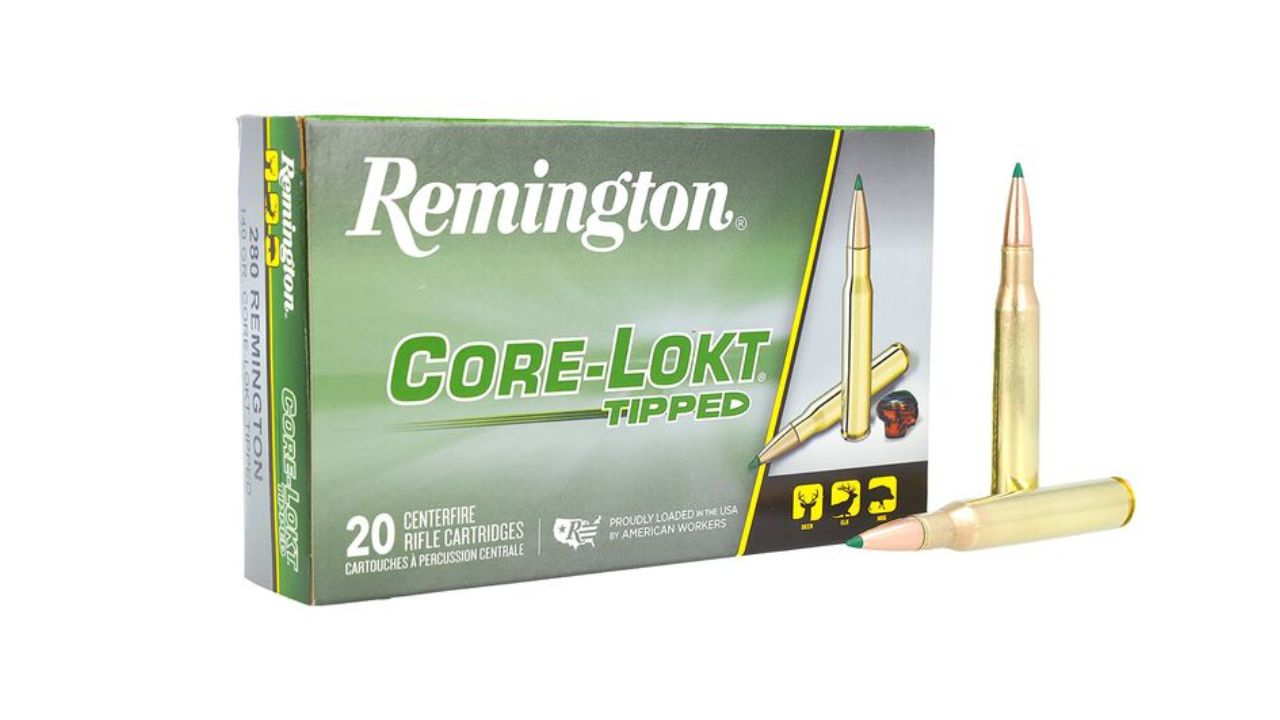
Both .280 Rem and .280 AI play the long-game balance: enough case capacity to run solid 7mm bullets with reach, but not so much that you’re abusing the barrel. AI runs hotter than plain .280, but they’re still milder than the big 7mm magnums that really cook throats and shift groups badly under heat.
In a practical hunting or crossover rifle with a medium contour, that means you can track a herd, shoot a couple of quick follow-ups, and still expect your zero to be where you left it. As with any cartridge in this class, load choice and barrel profile matter, but the .280s give you reach without forcing you into a barrel that only behaves when it’s stone cold.
.243 Winchester

.243 has a reputation as a barrel burner when you run it hot and light, but if you feed it sensible 90–100 grain hunting loads at moderate speeds, it behaves better than its internet reputation suggests. It’s still more overbore than .308, but you’re not at .22-250 levels of powder-to-bore ratio. In a mid-weight barrel, it usually holds a reasonable group size as things warm.
The trick is not chasing every last fps. A .243 loaded to that 90–100 grain sweet spot is plenty of gun for deer and coyotes, and it won’t punish the barrel or start scattering shots the way some hypervelocity recipes do. Run it sane, and you get a flat-shooting rifle that doesn’t wander the moment the barrel stops being cool.
.338 Federal
.338 Federal flies under the radar, but it’s one of the most efficient “big” calibers for people who want heavier bullets in a short action. It’s built off the .308 case, so you’re not burning ridiculous amounts of powder to push 180–210 grain bullets. That translates directly into less heat per shot and less tendency to throw groups around when the barrel gets warm.
With a sensible barrel contour, a .338 Fed gives you big-game authority and repeatable hits over multi-shot strings without the accuracy collapse you get from truly big bores and magnums once they heat up. It’s a “grown-up” choice for people who want to shoot more than a couple rounds in a day without cooking a tube.
.30-30 Winchester

Nobody’s running 20-shot precision strings through a lever .30-30, but it deserves a mention because it’s a great example of a cartridge that doesn’t punish a barrel. Modest pressures, modest powder, and realistic shot cadence mean even a slim, carbine-length tube tends to keep its zero as you warm it with a few fast shots. Group sizes aren’t winning matches, but they also don’t usually walk off paper when the barrel’s hot.
For guys running .30-30s hard on hogs or in thick timber, that consistency matters. You can drop two or three quick shots into roughly the same point of aim without worrying that your light barrel has started tracing a new zip code. The cartridge just doesn’t generate enough heat-per-shot to make things weird under the kind of use it was designed for.
.300 Blackout

.300 Blackout is an oddball in this list, but it fits for one reason: it’s incredibly easy on barrels. Tiny powder charges, low pressure for subs, and moderate for supers mean you’re putting a fraction of the heat into the steel compared to big, fast rifle rounds. In practice, that usually means your lightweight carbine barrel stays more stable as you burn through magazines than it would with something like 6.8 SPC or a hot 5.56.
Accuracy expectations are different here—you’re not trying to win precision matches with subsonics—but within its intended ranges, .300 BLK tends to keep its point of impact and group shape consistent over a shooting session. For guys using it as a suppressed hog or home-defense gun, that “doesn’t change character when it’s warm” behavior is exactly what you want.
Like The Avid Outdoorsman’s content? Subscribe to our newsletter so you never miss an article.
Here’s more from us: