Photo credit: Gil Cohen Magen/Shutterstock.com
Lightened slides look great in marketing photos, and there’s no doubt they can make a pistol feel quicker in the hand. But when they’re taken too far, reliability starts to suffer. A slide needs enough mass to keep timing consistent, especially with defensive ammunition.
When manufacturers remove too much material, you end up with pistols that outrun their recoil springs, struggle with certain bullet weights, or become wildly sensitive to how firmly you grip them. You see the same pattern across models: great at the counter, disappointing on the firing line. Here are the pistols that taught shooters those lessons the hard way.
Smith & Wesson M&P9 Shield Performance Center
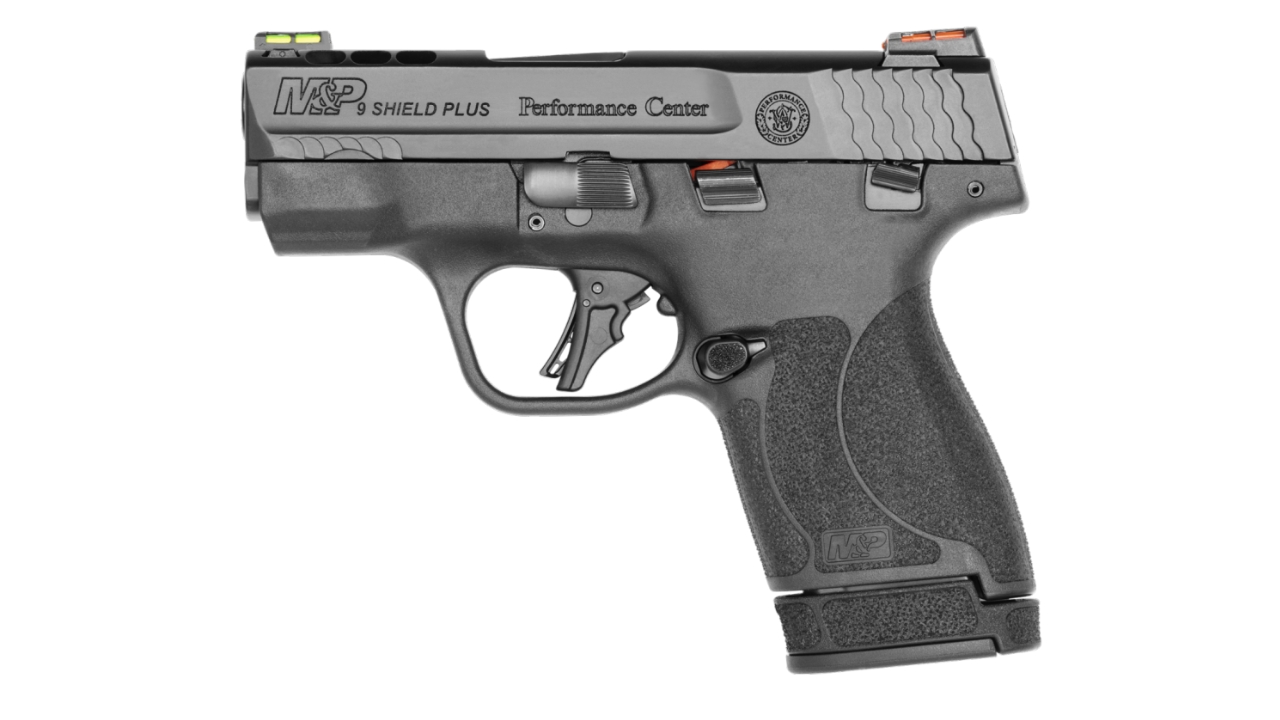
The Performance Center Shield introduced ports and slide cuts that made the pistol look sharp, but the reduced slide mass caused snappier cycling with hotter ammo. Some owners reported erratic ejection patterns and occasional nose-dives in the magazine once slide velocity increased. The original Shield design depended on precise timing, and removing weight created new variables.
You could tame some of the issues by switching to reduced-flash loads or heavier springs, but that defeated the purpose of a carry pistol meant to run reliably out of the box. It’s a model that showed the Shield worked best in its simpler form.
Springfield Armory XD-S Mod.2 Ported
When the XD-S Mod.2 received a ported and lightened slide treatment, many shooters expected flatter recoil. What they found instead was a pistol that became finicky with certain hollow points. The reduced mass sped up the slide enough that the gun occasionally outran its magazine spring during fast strings.
It wasn’t unsafe, but it did create the kind of reliability differences most people don’t want in a single-stack carry gun. The porting helped muzzle control, but the tradeoff came in timing sensitivity. Plenty of shooters ended up reverting to heavier loads or aftermarket springs to compensate.
Glock 43 Custom Cut Models
Factory Glock 43s are generally reliable, but heavily lightened aftermarket slides changed the story. Once too much material was removed, the slide began cycling noticeably faster, creating failures to feed with softer ammunition. Some shooters reported premature lock-back or rides over the top round during rapid fire.
None of this reflects the base gun—these are owner-modified examples that revealed how narrow the timing window can be in micro-compact pistols. The lighter you make a 43 slide, the more critical grip strength, spring tension, and ammo selection become.
SIG Sauer P320 XSeries Ported
Some of the ported XSeries variants trimmed enough mass from the slide that timing became more ammo-dependent than shooters expected. The P320 is generally forgiving, but the lightened slide let the gun return faster than some magazine springs could feed under stress drills. This showed up most often with lighter, high-velocity loads.
While competition shooters loved the quick cycling, defensive users noticed reliability shifts when switching bullet weights. A few spring changes could clean it up, but the factory setup wasn’t always consistent from one sample to another.
Ruger American Compact Pro Ported
Ruger experimented with lightening and porting on certain American Compact variants, and while the base platform was dependable, the modified models occasionally displayed weak extraction or early unlocking with hotter ammo. The reduced slide mass changed how the barrel and slide interacted, resulting in timing discrepancies after only a few hundred rounds.
Shooters who stayed within a narrow ammo range often had no issues, but those who mixed practice and defensive loads noticed the difference quickly. It reminded many that the American line was designed with heavier slide geometry in mind.
Canik TP9 Elite SC with aftermarket cuts
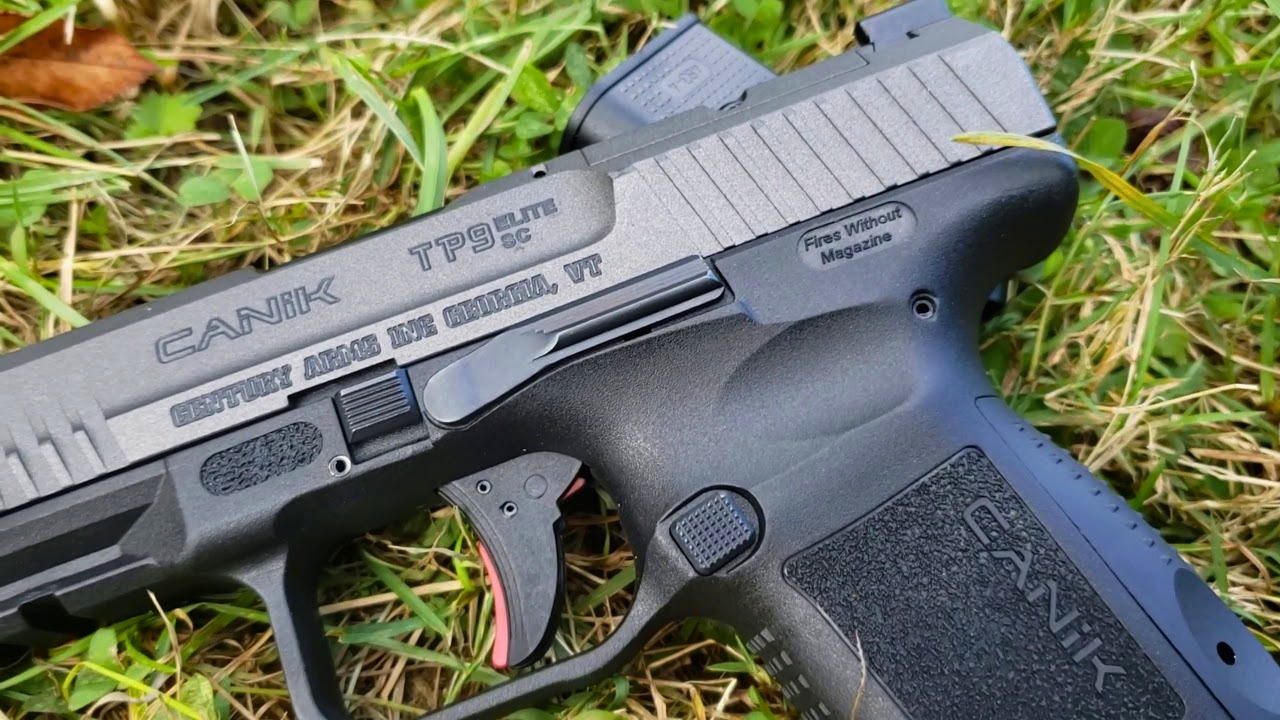
The stock TP9 Elite SC is a strong performer, but aftermarket slide cuts sometimes created reliability inconsistencies. Removing mass from a pistol already tuned for fast cycling resulted in increased slide speed and occasional stovepipes. The issue appeared most often when shooters paired the cuts with lighter recoil springs.
Once timing drifted, the gun became noticeably more sensitive to grip pressure. You could tune it back to stability, but it required more work than most concealed-carry owners were willing to deal with.
Beretta APX Carry Customized
Beretta’s APX Carry design relies on controlled, linear slide movement. When shooters replaced the factory slide with aggressively lightened aftermarket units, the gun began cycling too briskly for its original recoil and striker components. Some examples suffered from light primer strikes, while others experienced sporadic failures to eject.
The interesting part is how well the factory slide performed compared to the modified versions. It showed that the APX Carry’s reliability hinged heavily on slide mass, more so than many competing designs.
CZ P-10S Aftermarket Ported
The P-10 series has a strong reputation, but the smallest version becomes unpredictable when too much weight is cut from the slide. Some ported aftermarket models caused recoil springs to lose mechanical advantage, resulting in inconsistent lock-up or early unlocking. Magazine timing became noticeably more sensitive as well.
Shooters who used full-power defensive ammunition often experienced the most dramatic issues. While the gun still felt controllable, reliability took a hit that wasn’t present in the stock configuration.
Taurus G3C TORO Lightened Editions
Some custom shops trimmed the G3C TORO’s slide aggressively to reduce weight for optic use, but the modifications sometimes caused cycling problems. The factory design relies on a specific slide-to-frame mass balance, and once that changes, extraction becomes more abrupt and feeding less predictable.
Owners frequently compensated with heavier magazine springs or reduced-power recoil springs, but results varied. The G3C is a budget pistol that already runs near its margins, and lightening the slide revealed those limits quickly.
FN 509 Compact Custom Ported
The FN 509 platform is robust, but certain ported compact variants saw timing issues when the slide mass dropped too low. The pistol began snapping rearward faster than the recoil spring could cushion, occasionally leading to short stroking with lower-powered ammunition.
Shooters who stuck strictly to NATO-spec or premium defensive loads had better luck, but the platform was noticeably less flexible after modification. The stock 509 showed none of these sensitivities, underscoring how critical slide mass is to FN’s design.
Kimber Micro 9 Custom Ported
When lightweight micro-pistols get even lighter, problems appear fast. Some ported Micro 9 slides accelerated enough to disrupt the natural feeding rhythm of the platform. Shooters reported failures to chamber when using softer loads and inconsistent ejection patterns during rapid fire.
The Micro 9 already sits at the edge of reliable timing due to its small size. Reduce the slide mass further, and you magnify the challenges dramatically. Many owners ended up reverting to the factory slide.
STI/Staccato C Ported Variants
A few competition-oriented C-series pistols experimented with reduced slide mass to boost speed, but they also demonstrated how sensitive 2011-style guns can be to timing. Lighter slides paired with varied magazine geometry sometimes led to feeding hiccups, especially with hollow points.
Tuning the recoil spring and extractor usually solved it, but the need for precise balancing reminded shooters that slide weight isn’t negotiable on a platform designed around predictable mass.
Honor Defense Honor Guard Modified
This U.S.-made single-stack ran fine in stock form, but when some owners installed lightened or ported slides, the guns began showing feeding hesitations and weak ejection. The Honor Guard relies on a narrow timing window already, and reducing slide mass left very little room for ammo variation.
Shooters who liked experimenting with multiple loads often saw the reliability shift dramatically. It became a lesson in keeping certain carry pistols as close to factory spec as possible.
SAR9 Compact with aftermarket skeletonized slides
The SAR9 is known for its durability, but skeletonized compact slides created timing difficulty. The lighter top end raced backward too quickly, overwhelming the gun’s recoil spring and causing intermittent feeding issues. Some shooters also reported the slide outrunning magazine followers during long strings.
With careful tuning, the platform could be stabilized again, but most owners realized the stock slide weight was chosen for a reason. Lightening it simply removed too much of what made the gun dependable.
Like The Avid Outdoorsman’s content? Be sure to follow us.
Here’s more from us: