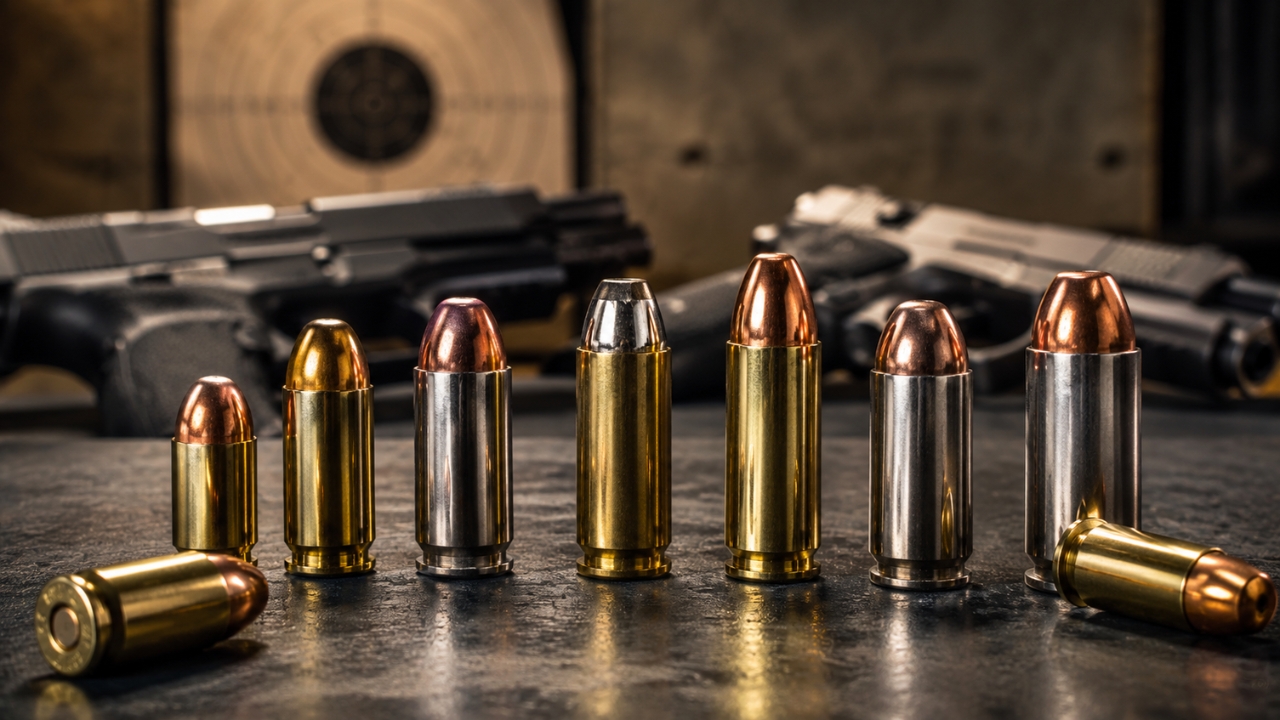
Photo credit: The Avid Outdoorsman
A lot of pistol calibers get judged like they exist in a clean internet argument instead of the real world. People compare energy numbers, gel tests, magazine capacity, recoil, bullet diameter, and then act like one clean answer settles everything. It usually does not.
Plenty of older or less trendy pistol rounds still work because they fill a real role. Some are easy to shoot well. Some hit harder than their reputation suggests. Some survive because hunters, carriers, ranchers, and revolver people keep finding practical reasons to use them.
.38 Special

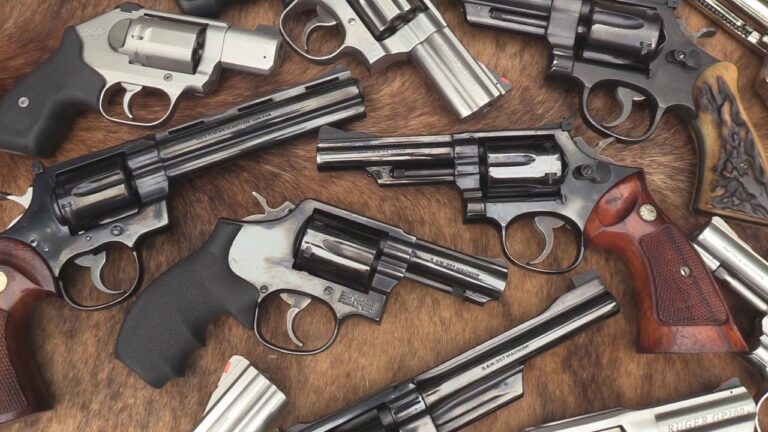
The .38 Special gets treated like an old carry round that time left behind, but that is not really fair. In a good revolver, it is controllable, accurate, and easy to practice with. That matters more than people admit, especially for shooters who struggle with tiny lightweight semi-autos.
It is not a magnum, and nobody should pretend it is. But with the right load and solid shot placement, .38 Special still makes sense for concealed carry, home defense, small-game use, and trail guns where low recoil and simple operation matter.
.32 H&R Magnum
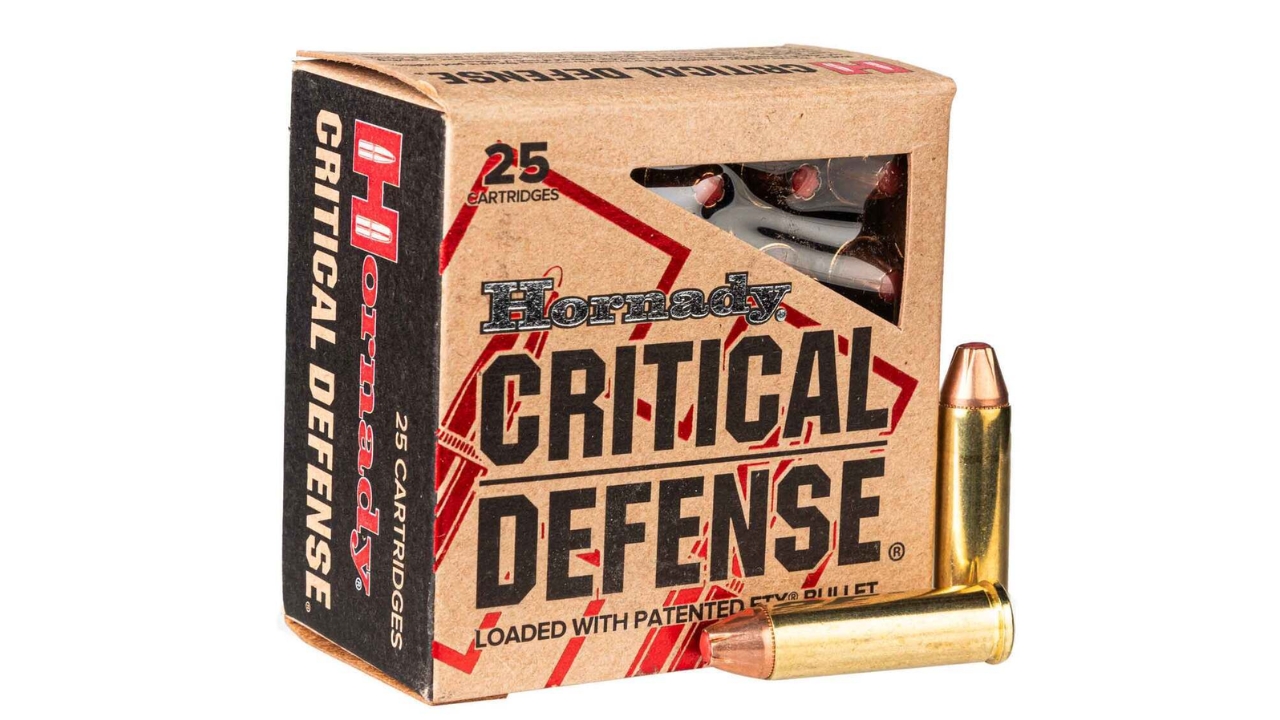
The .32 H&R Magnum never got the attention it deserved because it lives in the shadow of .327 Federal Magnum and .38 Special. That is a shame, because it is one of the easier-shooting revolver rounds that still offers more punch than a basic .32.
Its recoil is mild, especially in a steel-frame revolver, and that helps people shoot it accurately. You also get useful performance without the blast and snap of hotter magnum loads. For small revolvers, farm use, and low-recoil carry, it still pulls more weight than most people think.
.327 Federal Magnum

The .327 Federal Magnum is one of those rounds that sounds odd until you understand what it brings to the table. It gives small-frame revolvers real speed, flat shooting, and better capacity than many .357 Magnum options in the same size gun.
It can be loud and sharp, so it is not everyone’s idea of fun. But it is more useful than its niche status suggests. You can run softer .32-family loads for practice, then step up to serious .327 loads when you want more reach and authority.
.380 ACP

The .380 ACP gets dragged constantly, mostly because people compare it to 9mm instead of looking at where it actually fits. It allows very small pistols to stay thin, light, and easy to carry when a larger gun would get left behind.
No, it is not a duty round, and it demands careful ammo choice. But modern .380 loads have made it more capable than the pocket-gun jokes suggest. For deep concealment, backup carry, or recoil-sensitive shooters, .380 ACP still earns its place.
9x18mm Makarov
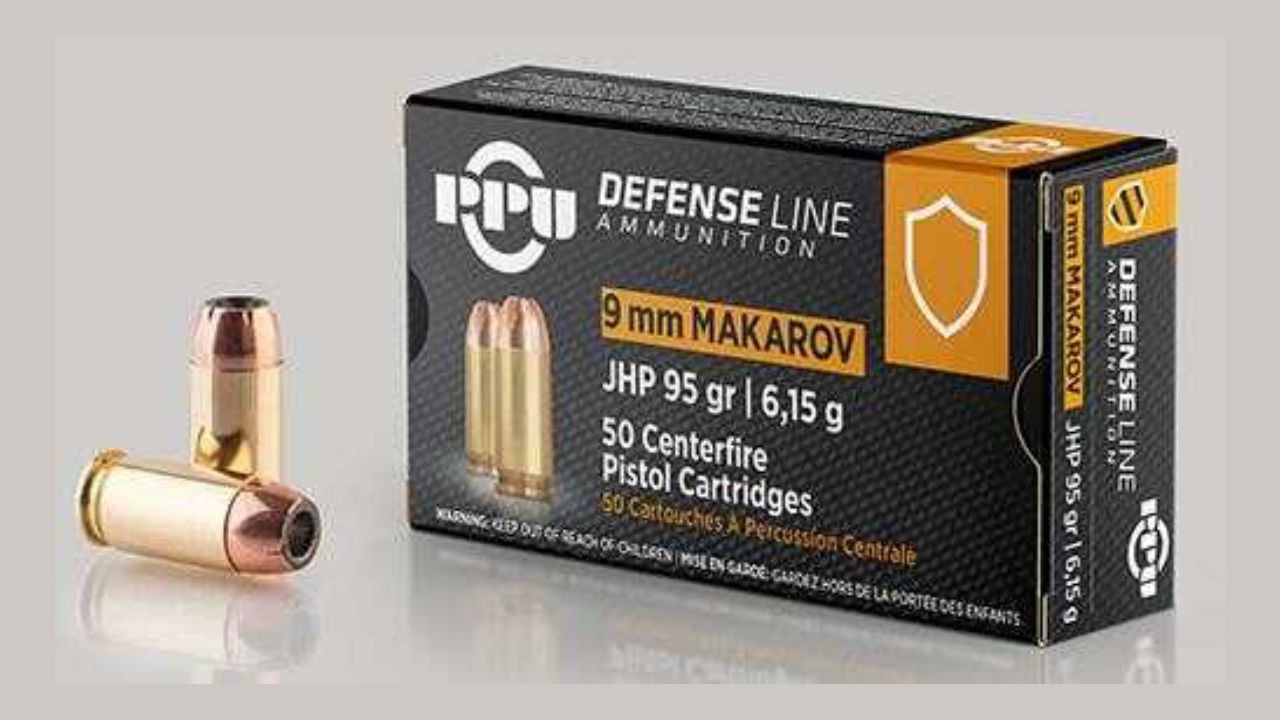
The 9x18mm Makarov is easy to overlook because it sits in an awkward middle ground. It is stronger than .380 ACP in many loads, but it is not really in the same class as 9mm Luger. That makes people dismiss it too fast.
In pistols like the Makarov PM and CZ 82, the round has a reputation for decent accuracy and practical reliability. Ammo availability is not what it used to be, but the cartridge itself still works. For people who already own the guns, it remains far from useless.
.44 Special

The .44 Special is not flashy, but it has always been better than its popularity suggests. It throws a heavy bullet at moderate speed, which makes it pleasant in the right revolver and useful without the blast of full-house .44 Magnum loads.
People who actually shoot revolvers tend to understand it. The .44 Special is accurate, manageable, and capable for woods carry, trail use, and defensive revolvers. It does not need magnum speed to be useful. Its strength is that it does serious work without beating up the shooter.
.45 Colt

The .45 Colt gets dismissed by people who only know it from cowboy-action loads. In mild form, it is soft and easygoing. In stronger modern revolvers, it can be loaded into a much more serious woods or hunting cartridge.
That wide range is exactly why people still keep it around. A .45 Colt revolver can be pleasant on the range, useful on the ranch, and powerful enough for bigger problems when loaded appropriately in the right gun. It is old, but old does not mean weak.
10mm Auto

The 10mm Auto has gone through waves of hype and backlash, but the practical truth sits in the middle. It is more gun than most people need for daily carry, yet it is not some uncontrollable hand cannon if you use the right pistol.
Where 10mm still shines is as a trail, hunting, and backcountry semi-auto round. It gives you more reach and authority than common service calibers while still offering semi-auto capacity. For hogs, woods carry, and people who practice with it, 10mm still does real work.
.40 S&W
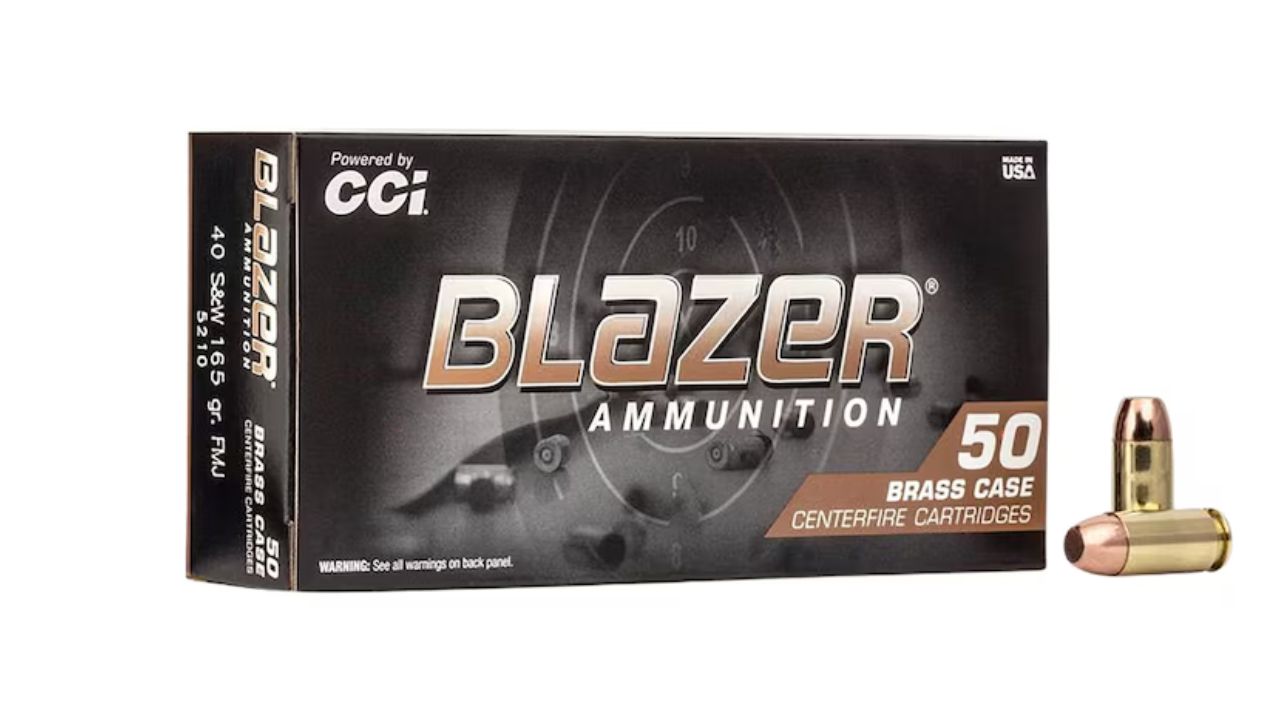
The .40 S&W got shoved aside hard when 9mm loads improved and agencies moved back to easier-shooting pistols. That does not mean .40 suddenly stopped working. It still hits hard, runs in common service-size pistols, and remains useful for people who shoot it well.
Its problem was never that it was ineffective. Its problem was that many shooters handled it worse than 9mm. In a heavier pistol, with enough practice, .40 S&W remains a capable defensive round. The internet buried it faster than real-world performance did.
.357 SIG

The .357 SIG is loud, snappy, and not cheap to feed. Those are real drawbacks. But the round also has a loyal following because it offers flat shooting, strong velocity, and excellent feeding characteristics in many pistols designed around bottleneck reliability.
It never replaced 9mm, and it probably never will. Still, .357 SIG does more than people give it credit for, especially in full-size pistols. If you can afford to train with it and handle the blast, it remains a very serious defensive cartridge.
.45 ACP
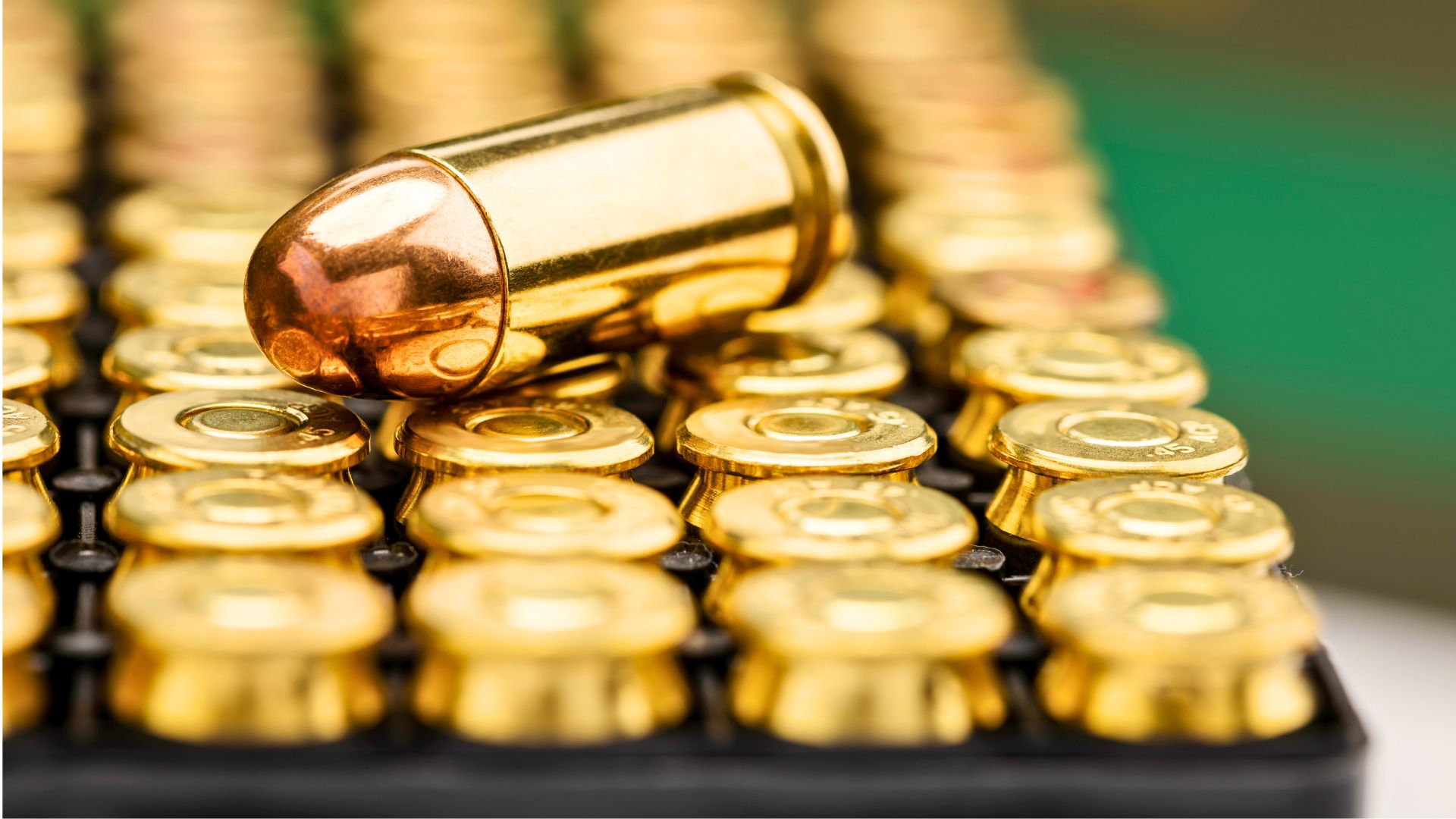
The .45 ACP is no longer the automatic answer serious pistol shooters give for everything, and that is fine. Modern 9mm pistols carry more rounds, recoil less, and cost less to practice with. But .45 ACP did not become useless overnight.
It still offers a heavy bullet, mild operating pressure, and a soft push in full-size pistols. Good .45s are pleasant to shoot well, especially for people who dislike sharp recoil. It may not be the king anymore, but it still performs when the shooter does his part.
.22 WMR
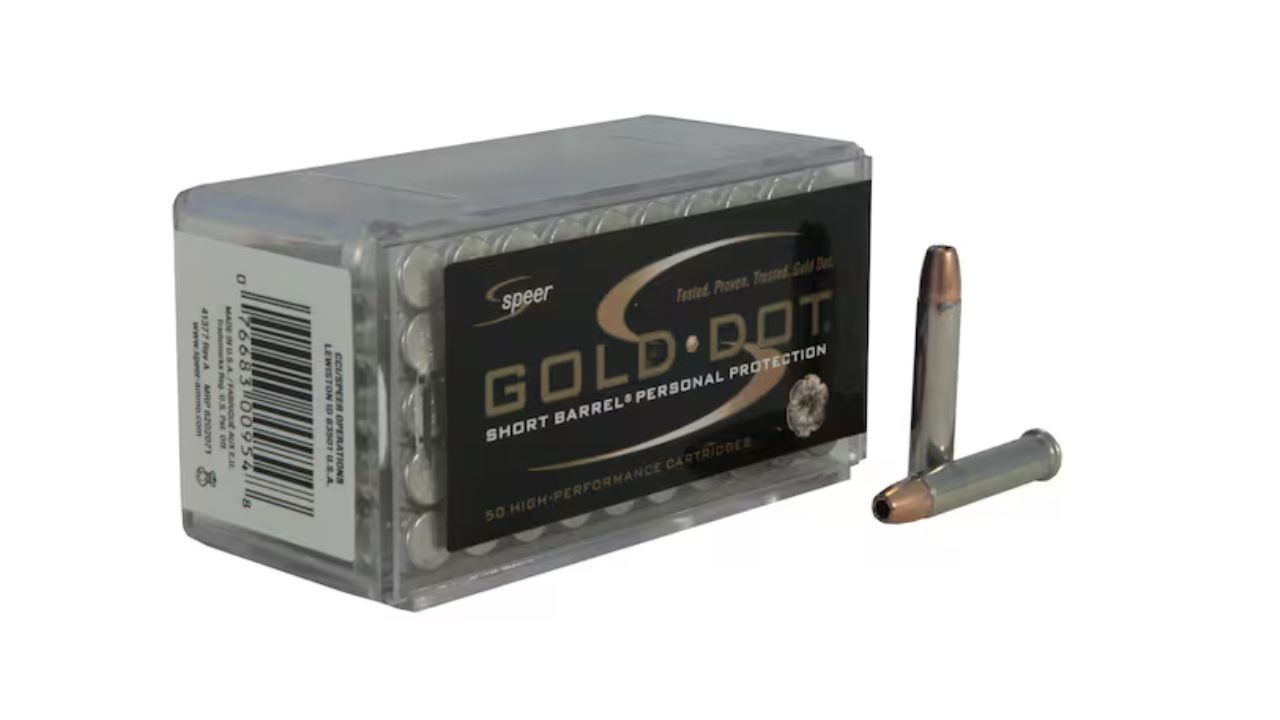
The .22 WMR gets overlooked in handguns because rimfire ignition is not usually the first choice for defense. That is understandable. But outside that narrow argument, .22 Magnum still has plenty of practical use in revolvers and compact trail guns.
It shoots flatter and hits harder than .22 LR, especially from longer handgun barrels. For pests, small game, dispatch work, and low-recoil carry where centerfire recoil is a problem, .22 WMR still has value. It is not perfect, but it is more useful than people admit.
.25 ACP

The .25 ACP is easy to laugh at until you understand why it existed. It was designed for tiny pocket pistols and offered more reliable feeding than many small rimfire guns of the same era. That does not make it powerful, but it does explain its staying power.
Nobody should pretend .25 ACP is ideal. It is not. But in its proper lane, it was meant for extreme close-range personal defense when larger guns were not practical. It is underpowered, yet historically it still did more work than its reputation suggests.
.32 ACP

The .32 ACP has been treated like a weak old pocket round for years, but it remains surprisingly shootable in small pistols. Compared with tiny .380s, many .32 ACP guns are easier to control, faster to recover, and more pleasant to practice with.
That matters because pocket pistols are already hard to shoot well. A caliber that helps you place shots can still have value. It is not a powerhouse, but in classic carry pistols and modern small guns, .32 ACP remains more practical than many people assume.
.41 Magnum

The .41 Magnum never caught up to .357 Magnum or .44 Magnum in popularity, but it has always had a practical middle-ground appeal. It shoots flatter and hits harder than .357, while often producing less recoil and bulk than heavy .44 Magnum loads.
For handgun hunting and woods revolvers, it still makes a lot of sense. The downside is ammo availability and fewer gun options. But as a working magnum cartridge, .41 Magnum is no joke. People who actually use it tend to understand why it never fully disappeared.
Like The Avid Outdoorsman’s content? Be sure to follow us.
Here’s more from us: