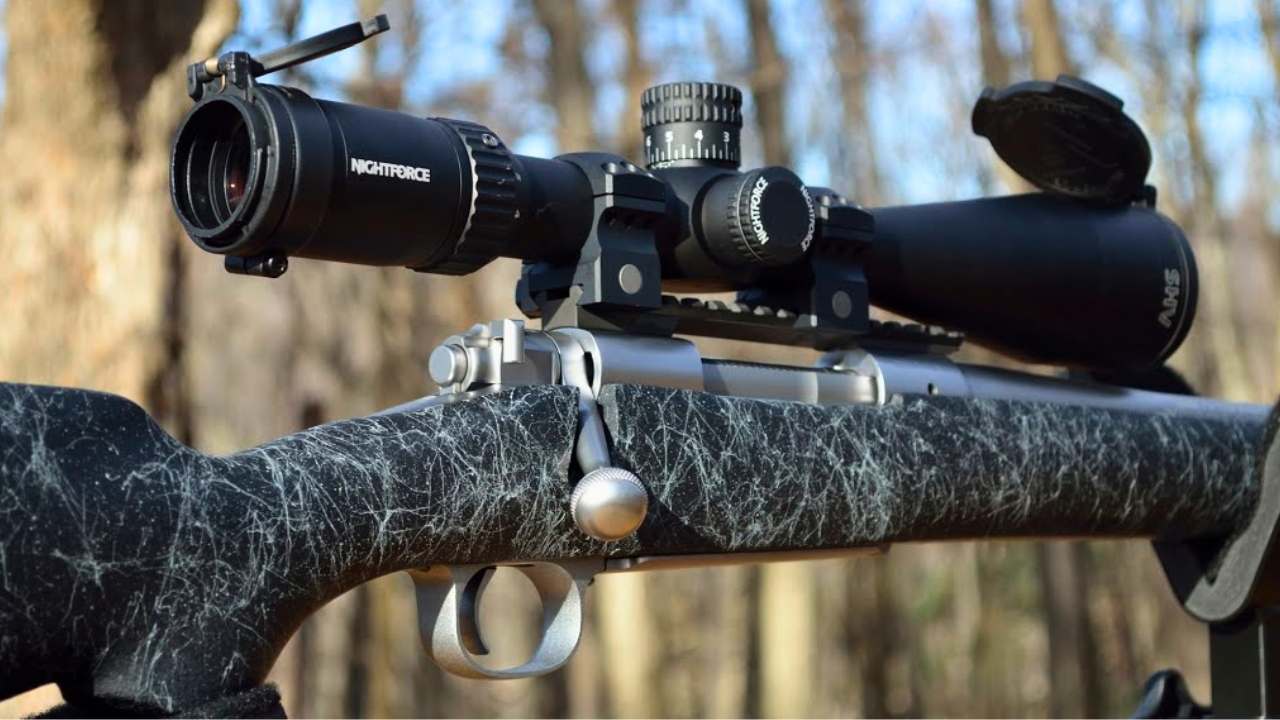
Photo credit: HottBoysRacing/YouTube
A rifle setup can look perfect on a bench and still punish you in the field. You start with a good gun, add “practical” upgrades, and end up carrying extra pounds that don’t help you kill anything. The weight slows your walk, makes the rifle awkward on a sling, and turns every fence, thicket, and steep climb into a chore.
The trap is that most of these choices make sense in isolation. More magnification sounds helpful. More stability sounds helpful. More capability sounds helpful. Then you hunt with it for a full day and realize the rifle quit being a tool and turned into luggage. These are specific rifles that commonly get built into dead-weight rigs when the add-ons outgrow the job.
Ruger American Ranch (5.56 / .300 Blackout)
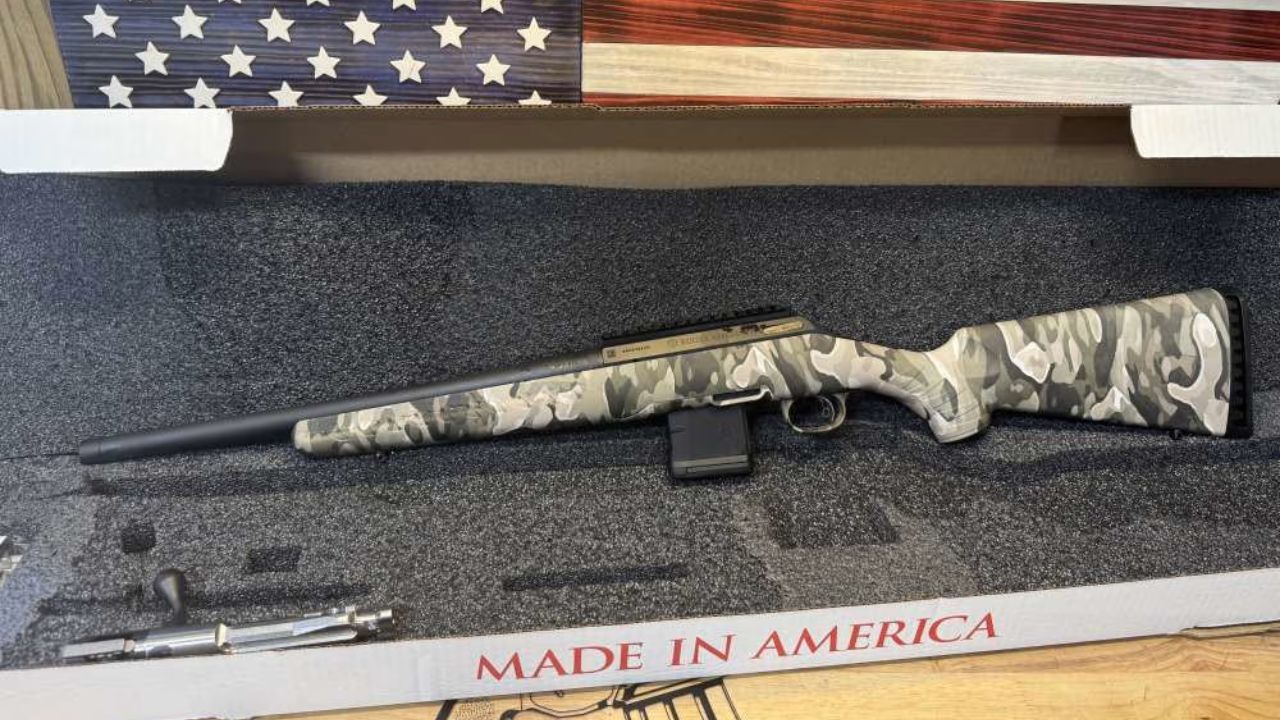
You buy the Ruger American Ranch because it’s handy, then you bolt on a heavy LPVO, tall mount, full-length rail, and a big muzzle device. The rifle stops feeling compact fast. It gets top-heavy and wants to roll on a sling, which gets old the second you’re moving through brush or climbing into a stand.
The other issue is balance. That short barrel and light action were meant to carry easy, not to support a setup built like a match gun. You end up fighting the rifle to settle the reticle, especially offhand. The smart move is keeping it light—compact optic, modest mount, and only the parts you truly use. The Ranch shines when it stays trim.
Tikka T3x Lite

The Tikka T3x Lite carries like a dream until you “fix” it with a heavy scope, steel rings, a bipod, and a big cheek riser. Now the light rifle you wanted is dragging your shoulder down, and the balance feels wrong when you shoulder it in a hurry.
You also feel recoil and muzzle jump more with a light rifle, which leads people to add a brake. That adds blast and length, and it makes the gun miserable to shoot without disciplined ear pro habits. You’re better off keeping the optic reasonable and the rifle clean, then learning to shoot it well from field positions. The Tikka works best when you let it stay what it is: light, quick, and easy to live with.
Savage 110 Precision

A Savage 110 Precision can shoot, and that chassis invites you to build a full bench and prone rig. Big scope with tall turrets, heavy bipod, rear bag, weights, and a pile of rail-mounted accessories—everything feels “ready” until you carry it farther than a few hundred yards.
In hunting terrain, the chassis weight and hard edges start to matter. The rifle is slower to shoulder, louder against gear, and more annoying on a sling. The bipod becomes dead weight if you’re not shooting prone, and most hunting shots don’t happen prone. If you want to hunt with this rifle, keep the optic and bipod scaled to reality and skip the accessory creep. A precision chassis can hunt, but it punishes excess.
Bergara B-14 HMR

The Bergara B-14 HMR is a strong base, but it’s a common place where “build fever” gets out of hand. People mount a heavy 5-25x scope, tall rings, a long rail, and a tank of a bipod. The rifle turns into a stable bench setup that feels like a fence post on your shoulder.
The HMR stock is comfortable, but the whole rig starts riding awkwardly once the weight stacks up high. In the field, you notice it when you’re slipping through timber or moving quietly. The rifle wants to snag and clunk, and you end up setting it down more than you should. If you keep the scope in a practical range and avoid turning it into a long-range project, the Bergara stays useful without becoming baggage.
Remington 700 SPS Tactical

The 700 SPS Tactical often gets “upgraded” into a night-vision-ready platform with a long rail, tall mount, big objective scope, and extra gadgets hanging off the fore-end. It looks capable, but the height and bulk ruin your cheek weld and slow down your first shot in real hunting positions.
The rail and hardware add weight in the worst place—up top and forward—so the rifle feels awkward offhand and tired on a sling. It can also get loud with all the metal-on-metal contact. If you’re hunting deer in normal conditions, you don’t need a full tactical stack. A sane optic, solid rings, and a clean rifle will get you farther than a build that’s optimized for a different kind of shooting.
SIG Cross

The SIG Cross is built to be a packable, do-everything rifle. Then it gets loaded down with a huge scope, heavy mount, suppressor, bipod, and extra rail sections. The folding benefit stays, but the carry benefit fades. You feel it when you pull it out for a quick shot and the rig feels sluggish.
A heavy optic also fights the Cross’s lighter feel, and tall mounts can push your head position higher than it needs to be. The rifle ends up feeling like you’re carrying a long-range setup that you rarely use at full capability. If you keep the optic moderate and the add-ons minimal, the Cross stays fast and practical. If you don’t, it turns into a compact rifle that still weighs like a full-size rig.
Springfield 2020 Waypoint
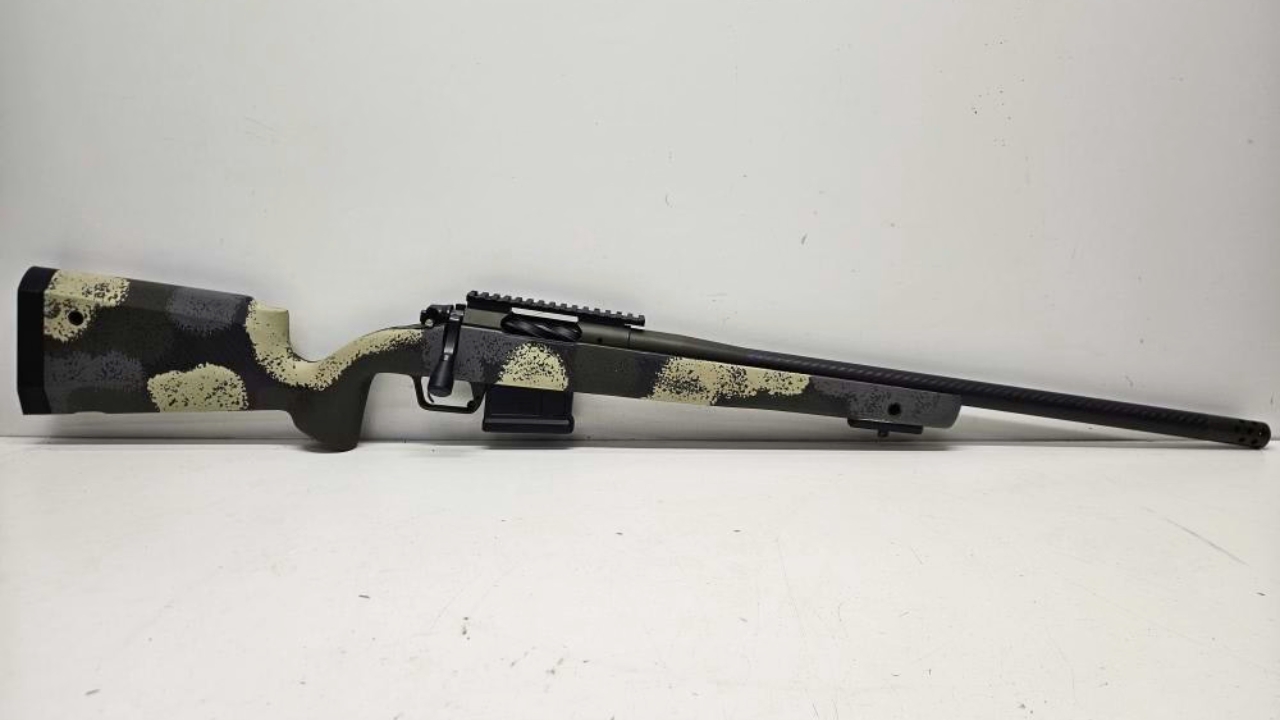
The Waypoint gets bought because it’s light and accurate, then it gets treated like a long-range build. Big glass, steel rings, heavy bipod, and sometimes a heavy suppressor. The result is a rifle that no longer carries like the lightweight you paid for.
You also start noticing that “light and accurate” can become “light and fussy” once the weight is stacked up front. Your sling carry gets worse, your offhand stability doesn’t improve, and you end up hunting with a rig that feels out of place for most deer and elk situations. If you want the Waypoint to stay a hunting rifle, keep the optic and accessories aligned with real shots. The rifle’s strength is carrying well, not wearing a tower.
Christensen Arms Ridgeline

The Ridgeline is another rifle that gets turned into dead weight by good intentions. You buy a light carbon-barrel rifle, then hang a heavy scope, oversized mount, and big bipod on it. The weight ends up higher and forward, and the rifle loses the balance that made it appealing.
That imbalance shows up when you’re shooting without a rest. The muzzle doesn’t track naturally, and the rifle feels more jumpy than it should because your support hand is fighting weight distribution. People also add brakes and extra stock pieces, and now you’re carrying noise, bulk, and ounces you didn’t need. The Ridgeline is at its best with a practical optic and a clean profile. If you build it like a range rifle, it stops hunting like one.
Browning X-Bolt Pro
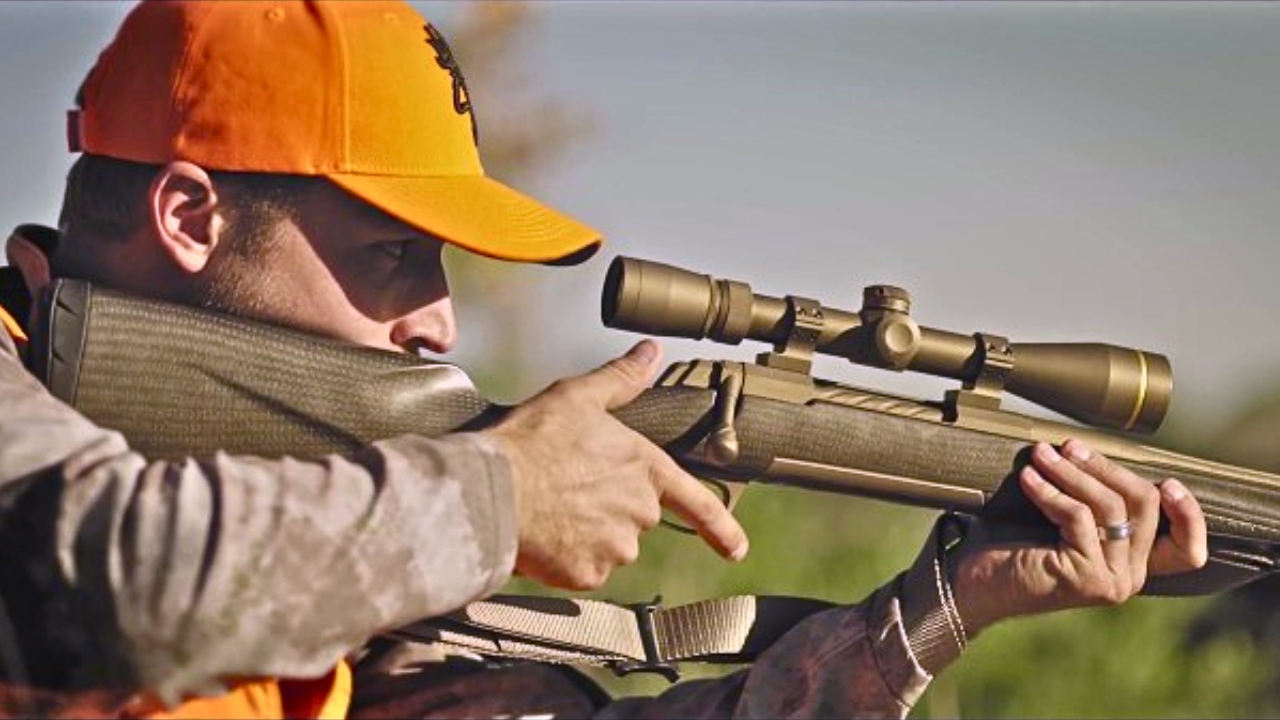
The X-Bolt Pro is built for carrying, but it’s easy to ruin that with “insurance” upgrades. Heavy scope, heavy rings, heavy sling hardware, and a bipod that lives on the rifle even when you never go prone. The rifle becomes a light gun wearing a heavy costume.
You also feel it in how the rifle sits on your shoulder. An ultra-light rifle carries well when it stays smooth and balanced. Add bulky gear and it starts catching brush and shifting on a sling. Then you’re constantly adjusting it instead of hunting. With the X-Bolt Pro, the smart setup is a compact, durable optic and minimal extras. Let the rifle do the job it was designed for: carry all day and come up fast when it counts.
Winchester Model 70 Extreme Weather

The Model 70 Extreme Weather is a classic hunting rifle, but it’s a common victim of the “longer is better” mindset. Add a long, heavy scope with tall turrets, plus steel rings, plus a big rail, and suddenly your clean hunting rifle feels like a precision rig that doesn’t belong in thick cover.
The weight doesn’t only make you tired—it changes how you hunt. You start choosing shorter routes, skipping climbs, and avoiding thick stuff because the rifle feels awkward and long. That’s how dead weight really wins: it changes your behavior. The Model 70 carries best when it stays streamlined. A sensible scope and quiet sling keep it a hunting rifle, not a burden you manage all day.
CZ 600 Alpha

The CZ 600 Alpha is a solid working rifle, but it gets turned into dead weight when you add every “nice-to-have” part at once—oversized scope, tall mount, clamp-on accessories, and a bipod that stays installed year-round. The rifle ends up bulkier than it needs to be for the shots most hunters take.
The other problem is that add-ons often create noise. More hardware means more contact points, more rattles, and more chances to bump something at the wrong time. The CZ doesn’t need to be dressed like a competition rifle to shoot well. Keep the optic modest, keep the fore-end clean, and carry it like a hunting rifle. The more you preserve the rifle’s simplicity, the more you’ll want to take it deeper.
Howa 1500 (Hogue stock)

A Howa 1500 in the Hogue stock is a common “value build” that gets overloaded. People bolt on a heavy scope, heavy rings, and a bipod to “make it shoot,” and the rifle ends up heavier than rifles that started more refined. The soft stock can also feel mushy with a lot of weight hanging off the front.
You notice it when the rifle doesn’t sit right in your hands. It carries like a brick, and the balance can feel nose-heavy once you add big glass and a bipod. That pushes you toward bench-style shooting even when the field demands awkward positions. The Howa can be a great hunter, but you need restraint. Keep the optic practical and resist stacking weight on a rifle that was meant to be a straightforward tool.
Weatherby Vanguard

The Vanguard is dependable, but it’s a magnet for “do-everything” builds: oversized scope, tall turrets, heavy mount, detachable mag conversions, and rail systems that add bulk. The rifle turns into a heavy, top-loaded rig that doesn’t feel quick when a deer steps out tight.
A heavy setup also makes you more likely to set the rifle down, lean it against trees, and treat it like a chore instead of a tool. That’s how you miss opportunities. If you want the Vanguard to hunt well, build it for hunting. A clear, durable scope in a normal magnification range and a clean sling setup will outwork a complicated build that exists to cover every scenario you rarely face.
Mossberg Patriot

The Mossberg Patriot often gets “saved” with upgrades that create a new problem. People mount a scope that’s too big and too heavy for the rifle, add a bipod, and stack on accessories to chase confidence. The rifle becomes unbalanced and harder to shoot well offhand, which is the opposite of what you wanted.
The field penalty is real. A budget rifle can carry and hunt fine when it stays simple and balanced. Turn it into a heavy rig and you’ll feel every ounce because the rifle wasn’t built around that weight distribution. If you want the Patriot to work, keep it straightforward—reliable optic, solid mounts, and nothing that doesn’t earn its place. The smartest “upgrade” is often leaving the rifle alone.
Daniel Defense DDM4 V7
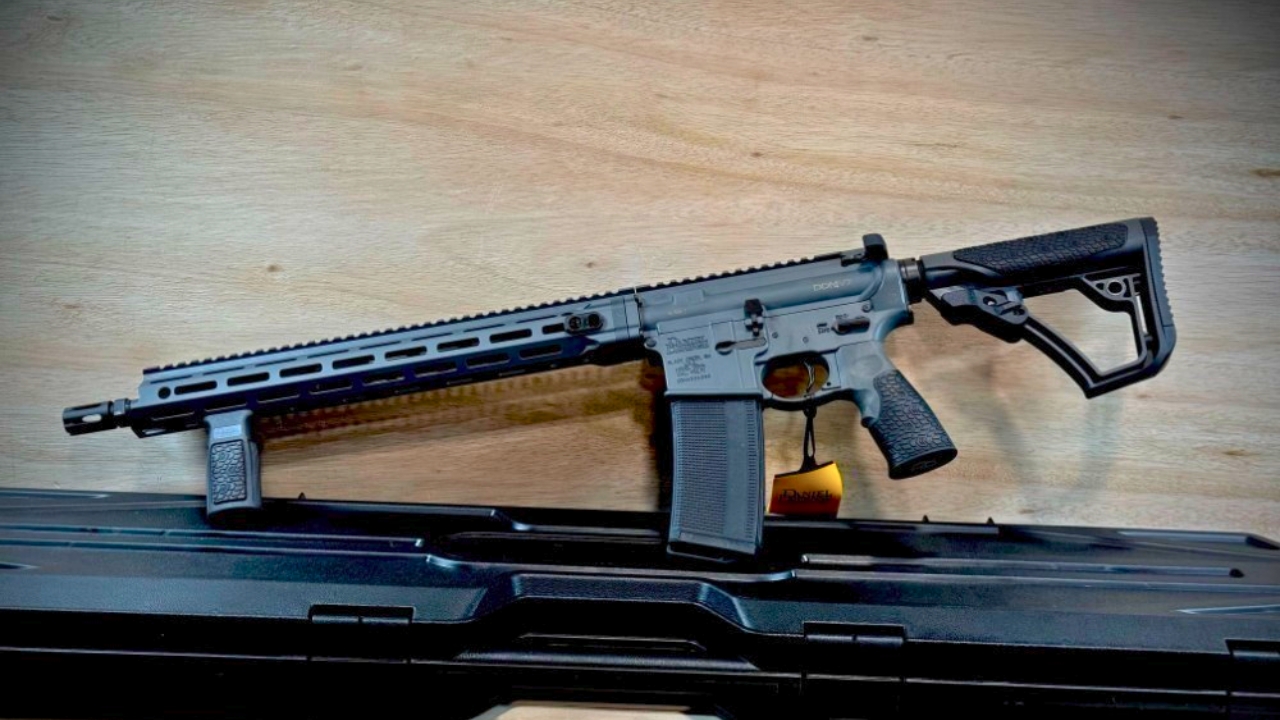
The DDM4 V7 is a solid rifle, but it’s easy to turn it into a dead-weight carbine with a shopping cart of accessories. Full-size weapon light, heavy mount, large LPVO, offset optic, full-length rail covers, and a loaded sling setup. It looks ready for anything, and it carries like a barbell.
In hunting or real walking, that weight and bulk get annoying fast. The rifle bangs against your pack, catches branches, and feels slower getting onto target. If you’re using it as a hunting rifle, you don’t need a full-duty accessory package. You need a practical optic and a light that fits how you hunt. The DDM4 V7 handles well when you let it stay balanced instead of hanging gear off every inch.
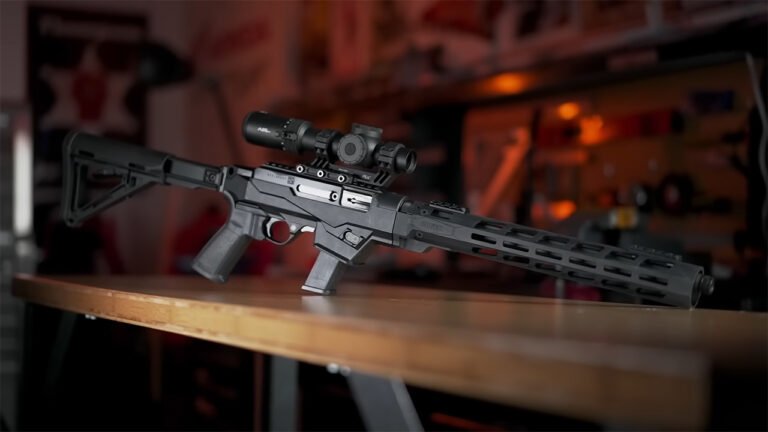
Ruger Precision Rifle

The Ruger Precision Rifle is built for shooting supported, and it does that well. The dead-weight problem shows up when you pretend it’s a normal hunting rifle. Add a big scope, heavy bipod, and extra gear, and you’ve got a rig that shoots great off a bench and punishes you the moment you leave the road.
The size and weight change everything—how far you’ll walk, where you’ll sit, and how willing you are to reposition. You start hunting from convenience, not from advantage. If you’re carrying the RPR into the field, you need a realistic plan: short hikes, planned rests, and supported shots. Otherwise, it turns into a rifle you admire at camp and avoid hauling when the hunt turns serious.
Like The Avid Outdoorsman’s content? Subscribe to our newsletter so you never miss an article.
Here’s more from us: