Photo credit: ALDECA studio/Shutterstock.com
Law enforcement agencies don’t retire pistols overnight. It usually happens slowly, after years of range reports, maintenance logs, and real-world feedback start painting a picture that can’t be ignored. Sometimes the issues are small—controls that never felt natural, triggers that slowed down follow-up shots, or frames that didn’t hold up to high-volume training. Other times it’s the simple reality that newer designs offered better ergonomics, higher capacity, and easier optics compatibility. When departments start transitioning to newer platforms, these older pistols slip quietly from holsters and into storage rooms. If you were around during those changeovers, you remember the conversations. These models served well in their day, but their time on duty came to an end for reasons that became hard to overlook.
Smith & Wesson Model 5906
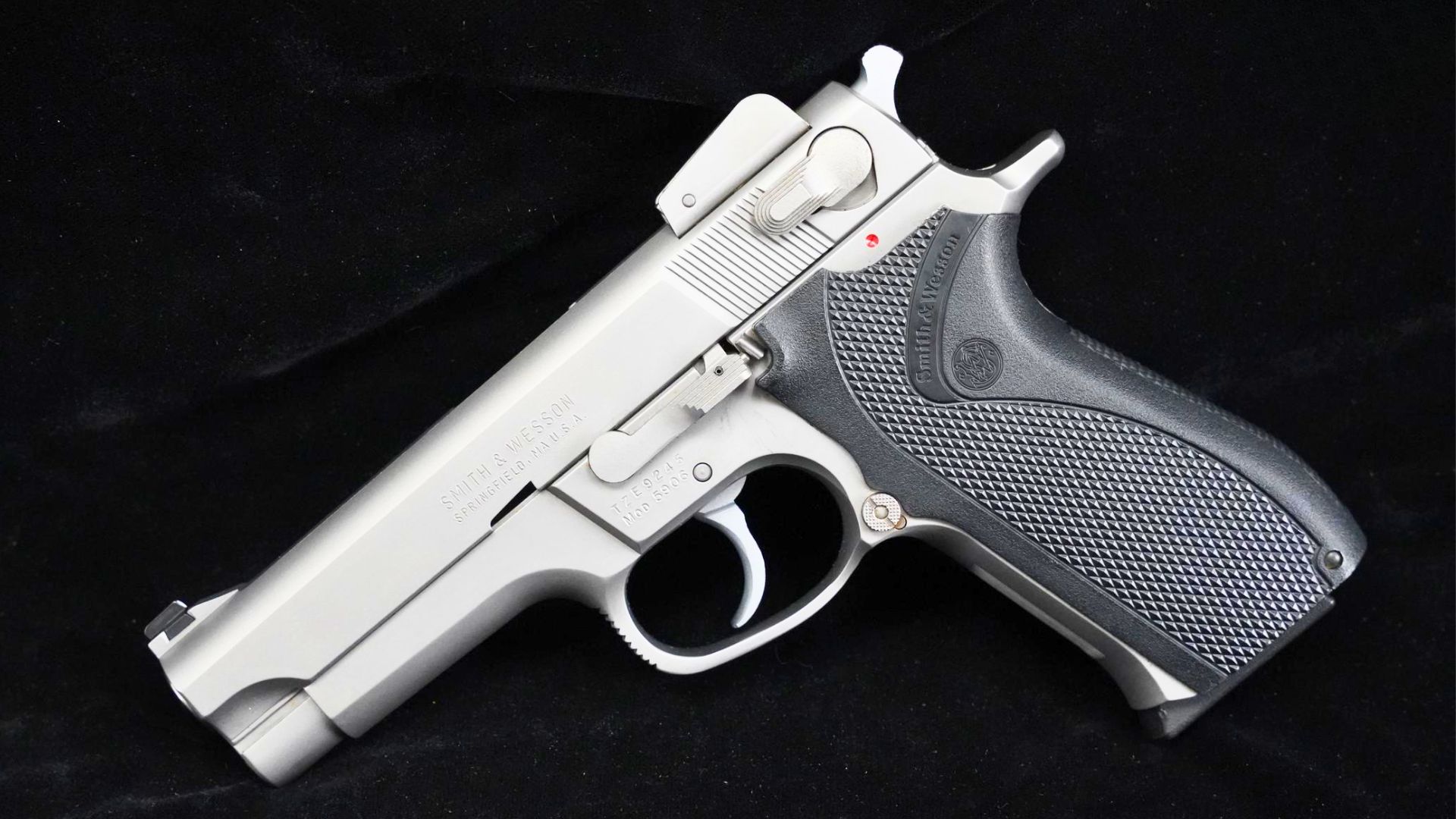
The 5906 was a workhorse in the ’90s, but its all-steel construction and heavy weight eventually became a drawback. Agencies found that newer polymer pistols helped officers qualify more easily thanks to softer recoil and lighter overall carry weight. The 5906 also required more frequent lubrication to keep running smoothly during long training days, which wasn’t ideal for departments with high-volume qualification cycles.
The trigger system, while reliable, didn’t age well compared to modern striker-fired designs. Officers transitioning from double-action to single-action stages often struggled with consistency under stress. As polymer duty pistols became the standard, the 5906 slipped quietly out of service. It still has a loyal following, but in law enforcement circles, it eventually became clear that lighter, simpler platforms handled daily demands more efficiently.
Beretta 92FS

The Beretta 92FS spent years as a duty staple, but many agencies eventually moved away from it due to size, weight, and grip dimensions that didn’t suit all shooters. Its open-slide design is reliable in controlled environments, but officers working in dusty or wet regions sometimes reported cycling issues during intensive training. Those concerns weren’t common, but they were enough to influence decisions when replacement time came.
Another challenge was its large grip, which made qualification tougher for smaller-handed officers. Even with training, some struggled to run the double-action first shot confidently. As departments shifted toward striker-fired pistols with more universal ergonomics and slimmer grips, the 92FS quietly left duty holsters. It’s still respected, but for modern law enforcement needs, many found it no longer checked every box.
SIG Sauer P226

The P226 earned a strong reputation, and many agencies trusted it for years. But its metal frame and weight eventually led departments to reconsider long-term carry comfort. Training divisions also noted that new shooters adapted more quickly to striker-fired triggers than to the P226’s double-action/single-action transition. That alone pushed many agencies toward simpler platforms that required less retraining.
Maintenance costs also played a role. Metal-framed pistols tend to require more detailed upkeep as they age, and departments with aging armory stocks found the upkeep demanding. When optics-ready polymer designs became common, the P226’s days were numbered. It remained accurate and dependable, but newer pistols offered equal performance with less weight and lower maintenance.
Smith & Wesson M&P9 (First Generation)
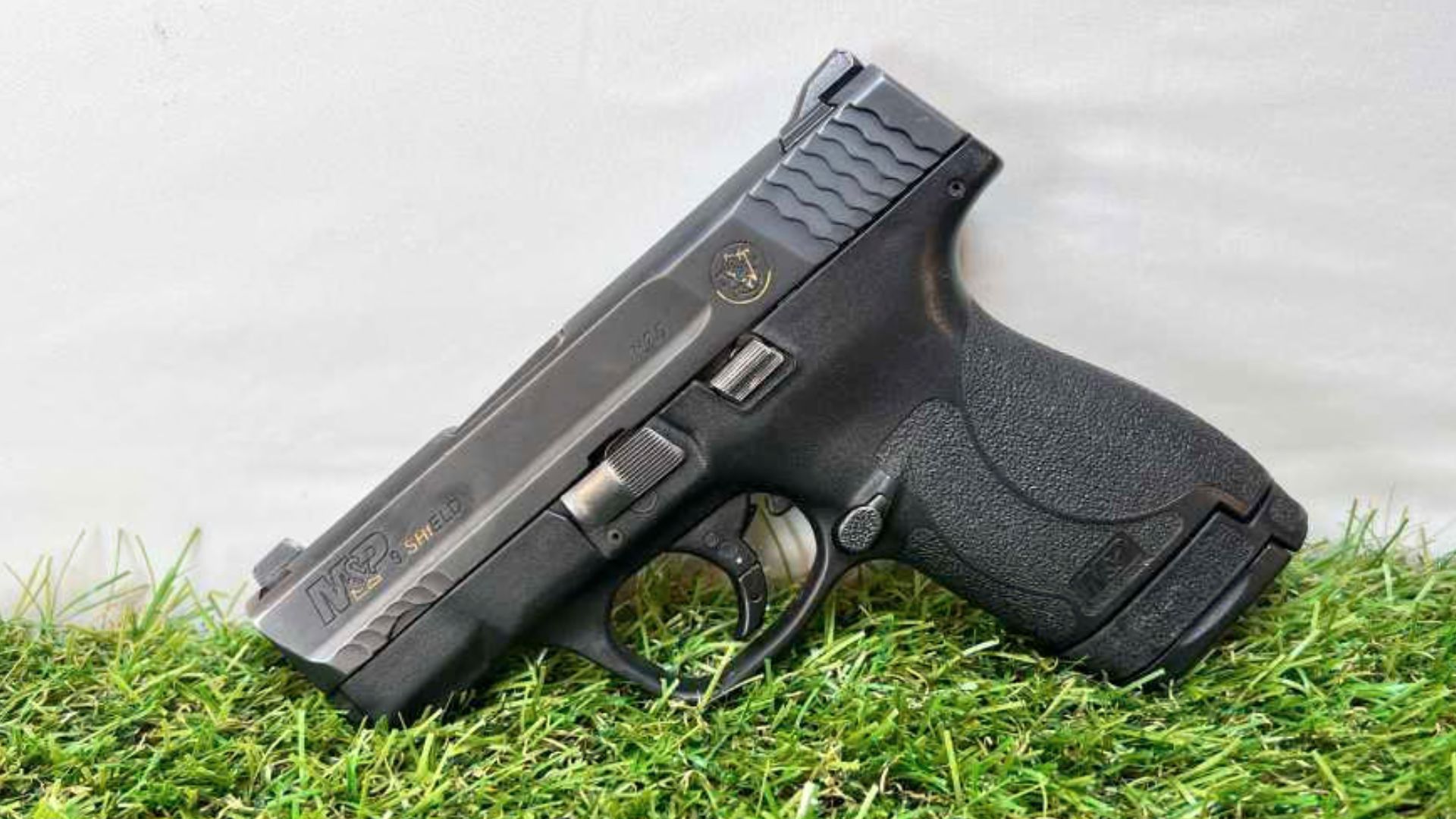
The first-generation M&P9 had solid duty credentials, but recurring reports of early triggers losing crispness and drifting accuracy over high round counts led some agencies to look elsewhere. Armorer notes often mentioned that older examples required replacement parts sooner than expected, which added to long-term costs.
Once the second-generation M&P series arrived—with improved barrels, better triggers, and more dependable accuracy—agencies quietly transitioned away from the original. Qualification scores climbed after the switch, reinforcing the decision. The first-generation guns weren’t failures, but their limitations became harder to overlook as better options emerged.
Glock 22 (Gen 3 and Gen 4)

The Glock 22 had a massive duty presence, but .40 S&W’s snappy recoil and increased wear eventually pushed departments toward 9mm. Training divisions found that officers qualified more consistently with softer-shooting pistols, and maintenance logs showed accelerated parts replacement on .40-caliber Glock frames and slides.
While the Glock 22 still ran reliably, the shift in ballistic philosophy made it less appealing. Modern 9mm loads outperformed older .40 ammunition, and departments benefited from lower recoil and higher capacity. Instead of making an announcement, many agencies just phased out the 22 during routine pistol upgrades.
Ruger P89

The Ruger P89 built a reputation for reliability, but its bulk, heavy trigger, and dated ergonomics became limiting. Officers struggled with rapid follow-up shots because of the long trigger pull, and the large slide profile didn’t suit all hand sizes. During qualifications, instructors often saw shooters fighting the trigger instead of developing good rhythm.
As lighter, more ergonomic pistols became standard, the P89 faded quietly. It was durable, but durability alone couldn’t keep it in service when newer pistols made training easier and improved officer confidence. Departments that once stocked closets full of them eventually replaced them during natural equipment cycles.
Springfield XD
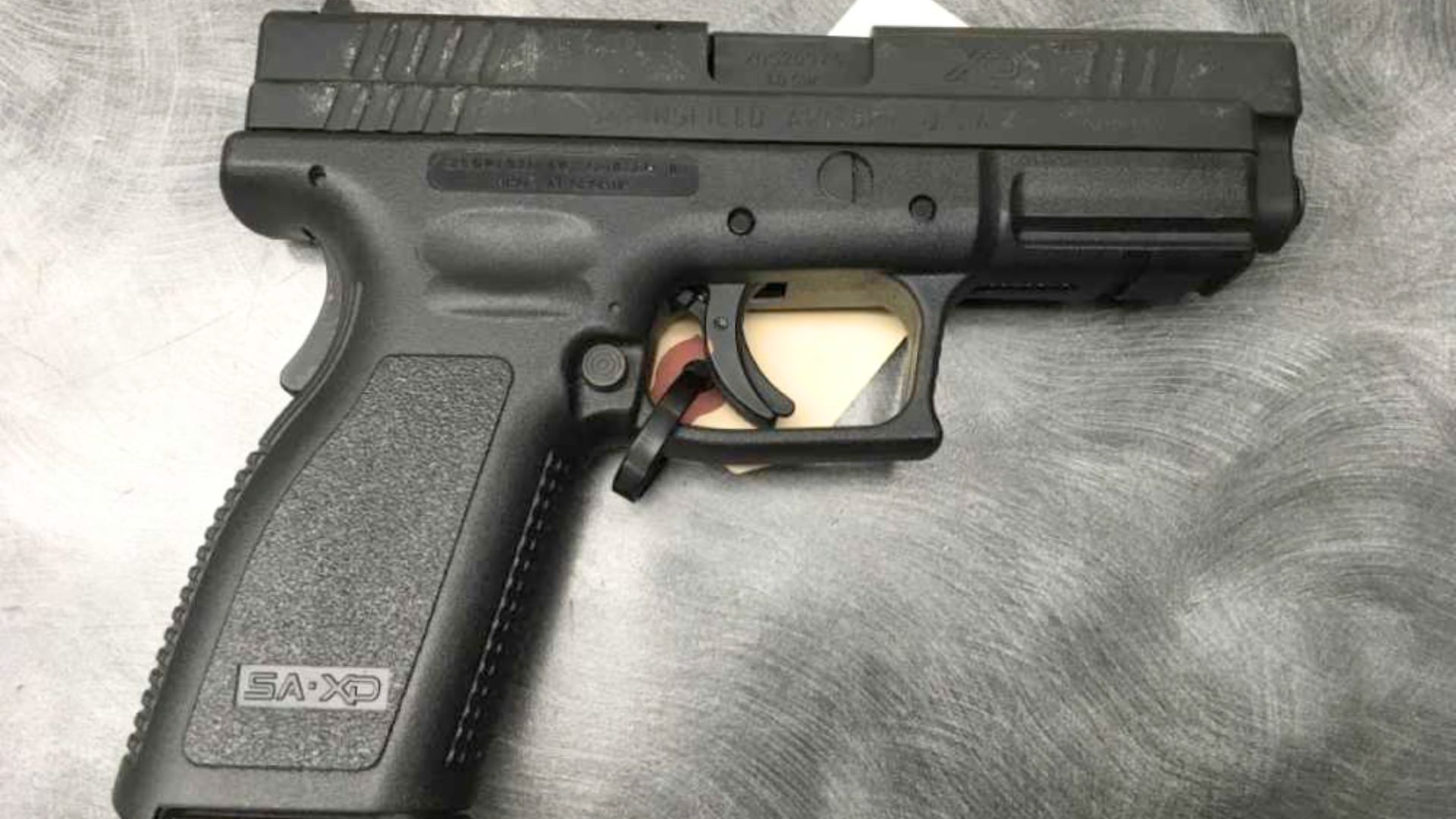
The XD series saw real traction in some agencies, but over time armories logged concerns about inconsistent triggers and parts availability. While the platform was dependable for many users, its bore axis and grip angle required more adaptation for shooters coming from Glock or M&P systems, which slowed down training consistency.
When agencies streamlined platforms for unified training, the XD didn’t fit as neatly as its competitors. Optics compatibility also lagged behind the expanding MOS trend. Departments didn’t drop the XD suddenly—it simply became a platform that fewer agencies wanted to keep supporting long term.
HK USP40

The USP40 was respected for toughness, but the .40-caliber recoil and frame design made it harder for officers to qualify consistently. Many shooters found the trigger heavy in double-action mode, and the large frame wasn’t ideal for officers with smaller hands. Even though the gun behaved reliably, its shootability held it back.
As departments shifted toward 9mm for better control and qualification outcomes, the USP40’s days on duty came to an end. The gun never failed in a dramatic way—it was quietly retired because other models simply fit officers better and shot smoother during long training blocks.
SIG Sauer P239

The P239 was popular with detectives and plainclothes units thanks to its slim metal frame, but capacity limitations eventually became a sticking point. Single-stack magazines no longer made sense in a world where higher-capacity compact pistols performed better and weighed less. Departments looking to standardize on one platform found the P239’s uniqueness more of an obstacle than an asset.
Its shootability was never in question, but once compact striker-fired pistols with double the capacity became the norm, the P239 slipped out of rotation. It’s still appreciated by shooters who value its accuracy, but in law enforcement, practicality won the argument.
Glock 21 (Gen 3)
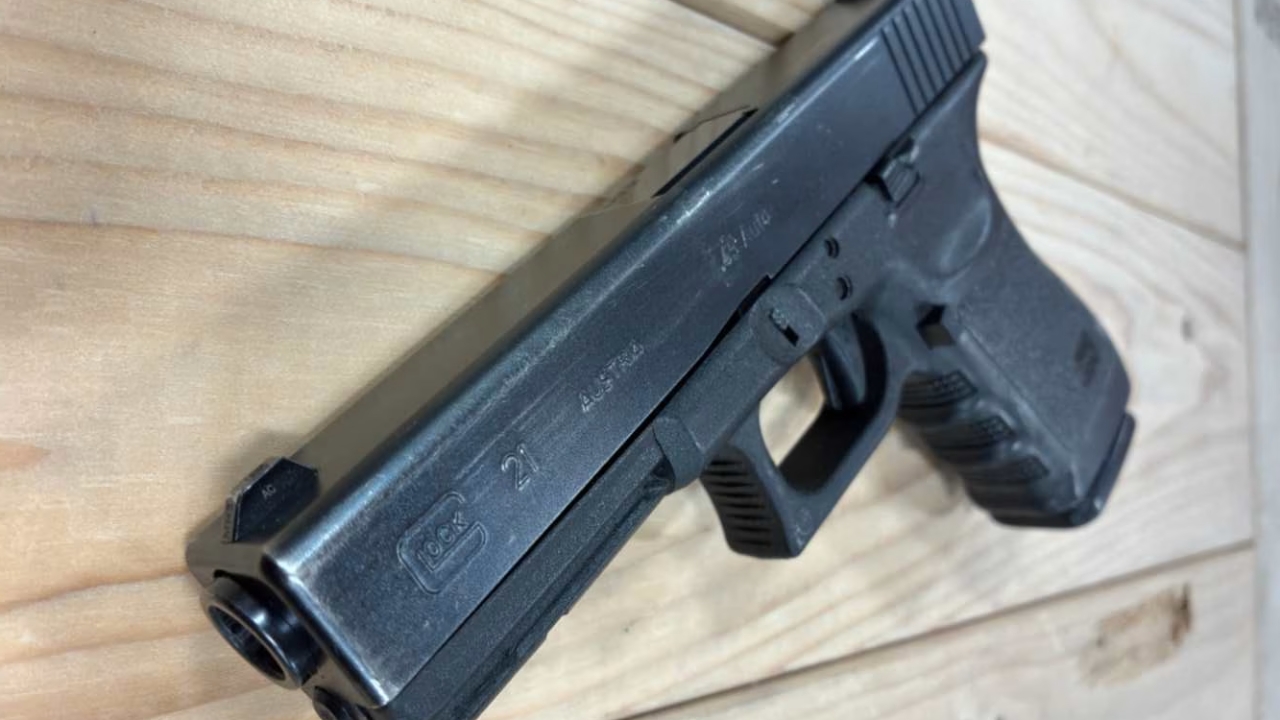
The Glock 21 offered soft recoil for a .45 ACP pistol, but the enormous grip size caused qualification issues for many shooters. Officers with smaller hands couldn’t establish a consistent grip, and even with practice, the reach to the trigger was a constant struggle. Training divisions flagged those concerns repeatedly.
When departments consolidated around 9mm platforms to improve consistency and cut ammunition costs, the Glock 21 was quietly phased out. It remained reliable and durable, but it didn’t serve the widest range of officers effectively. Newer pistols offered better ergonomics and easier training adaptation.
Beretta PX4 Storm

The PX4 Storm never achieved deep traction despite offering good accuracy and a smooth recoil impulse. The rotating-barrel system, while innovative on paper, added complexity that agencies weren’t eager to support in long-term maintenance. Armorers also noted that some internal parts needed more frequent inspection compared to other duty pistols.
As agencies leaned toward simpler striker-fired designs, the PX4 didn’t stand out enough to justify staying in service. It wasn’t known for failures—it was quietly retired because its design didn’t align with the trend toward streamlined training and easier armory support.
SIG Sauer SP2022

The SP2022 served some agencies well, but the DA/SA trigger system made it harder for officers to master under stress. When departments emphasized quicker training adaptation and consistency across the fleet, striker-fired pistols became more attractive. The SP2022 didn’t do anything wrong—it simply fell behind the wave of modern duty pistol standards.
Parts procurement also influenced the transition. Agencies had easier access to components for Glock and M&P models, making logistics simpler. Over time, the SP2022 slipped out of circulation during routine pistol replacement cycles without much fanfare.
FN FNP-40
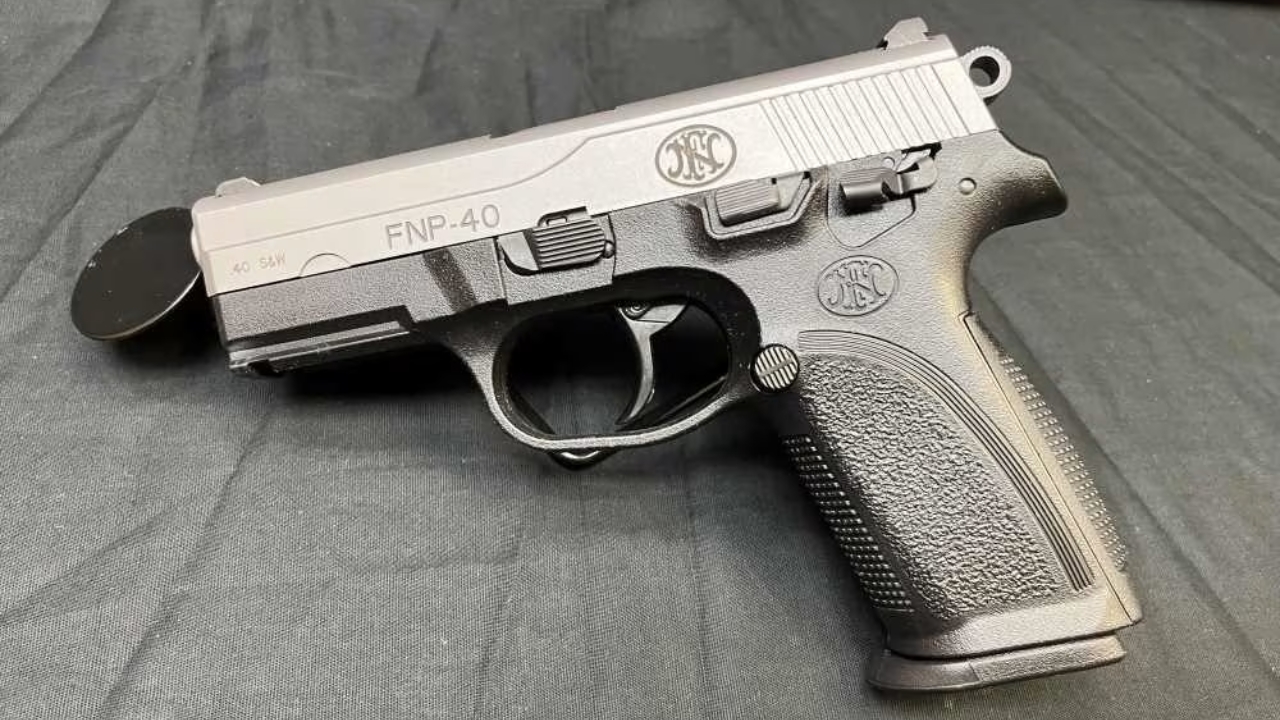
The FNP-40 delivered durability, but its trigger system varied enough between samples that instructors noticed inconsistent behavior among issued guns. Pair that with the sharper recoil of .40 S&W, and many shooters struggled with confidence during qualification. Agencies found themselves investing extra training time to overcome those inconsistencies.
When FN shifted focus to newer platforms like the FNX and 509, departments following the same path transitioned quietly. The FNP-40 wasn’t unreliable—it just didn’t offer the long-term uniformity agencies wanted across their issued pistols.
Smith & Wesson Model 4006
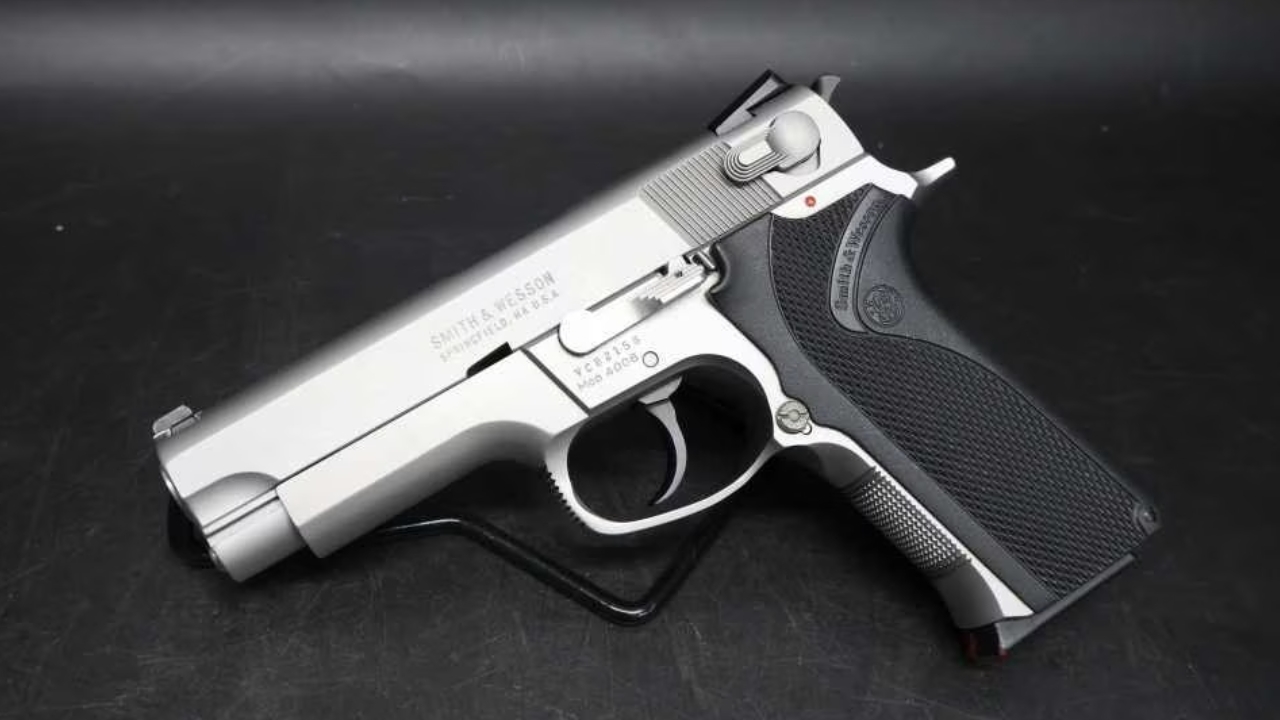
The 4006 was respected for toughness, but the weight and long trigger pull made it harder for officers to shoot well during fast-paced drills. It represented an older generation of pistols where durability mattered more than ergonomics, and that started to show as training standards evolved.
Departments that upgraded to newer platforms found qualification scores improving. Maintenance logs also showed that aging metal-framed pistols required more attention as years passed. The 4006 didn’t leave with controversy—its era simply ended when better options became widespread.
Glock 27

The Glock 27 had strong adoption among detectives and off-duty carriers, but the combination of a small frame and .40-caliber recoil made it a difficult pistol for many to handle well. Officers often struggled with rapid follow-ups, and qualification scores reflected the challenge.
Once compact 9mm pistols offered more capacity, softer recoil, and better shootability, the Glock 27 became unnecessary. Agencies didn’t ceremoniously retire it—they just stopped issuing replacements and transitioned personnel to platforms that were easier to train with and more forgiving under stress.
Like The Avid Outdoorsman’s content? Be sure to follow us.
Here’s more from us:
The worst deer rifles money can buy
Sidearms That Belong in the Safe — Not Your Belt
*This article was developed with AI-powered tools and has been carefully reviewed by our editors.