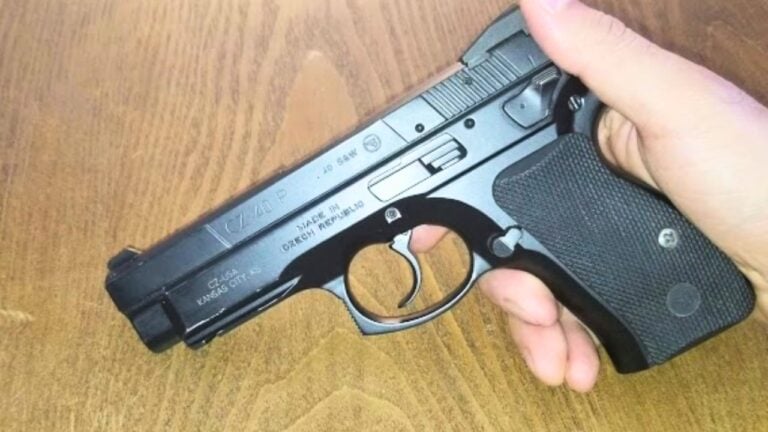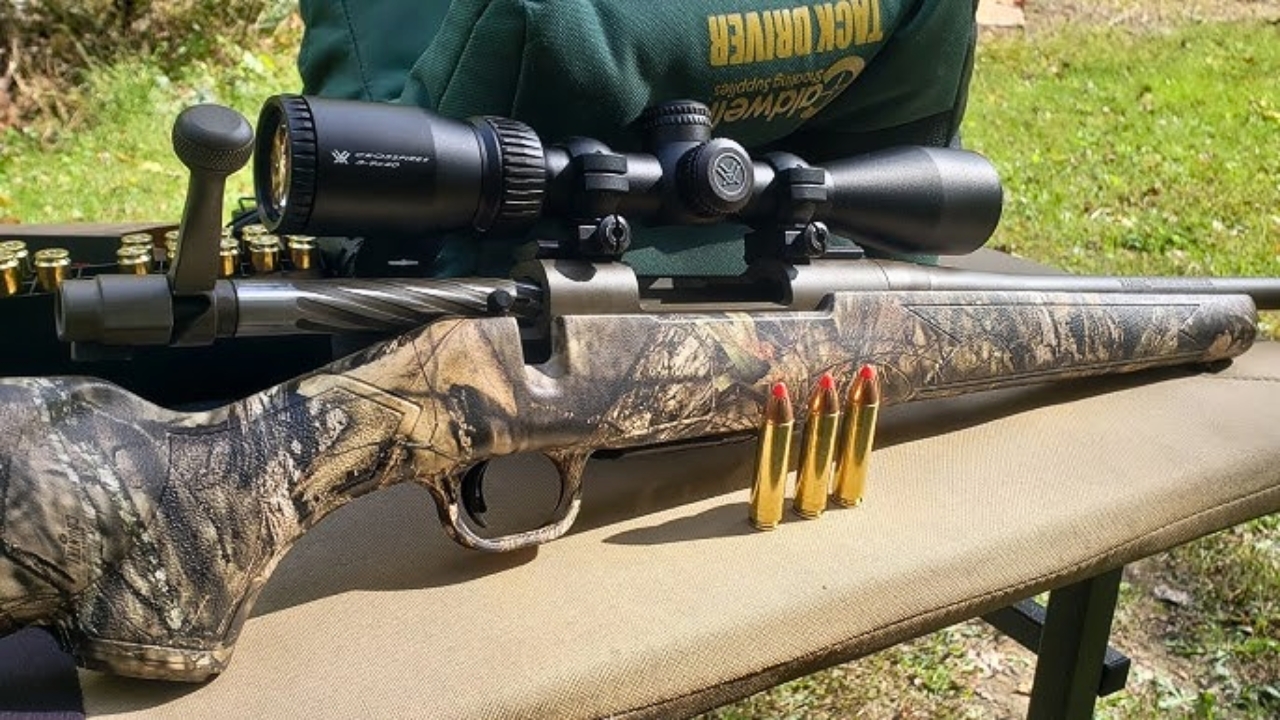
Photo credit: Buckeye Ballistics/YouTube
There are calibers that feel like a sure thing the moment you touch one off. Big case, loud report, hard shove, and a paper ballistics chart that reads like a promise. On game, they can hit like a hammer.
And then reality shows up. Recoil makes you rush shots. Muzzle blast trains you to flinch. Ammo costs keep you from practicing. Some cartridges ruin more meat than they need to, or they flatten trajectory at the expense of barrel life and consistency. None of that means these rounds are “bad.” It means power doesn’t automatically equal better hunts. If you pick one of these, you want to know where the disappointment usually comes from, so you can decide whether the tradeoff is worth it for the way you actually hunt.
.300 Winchester Magnum
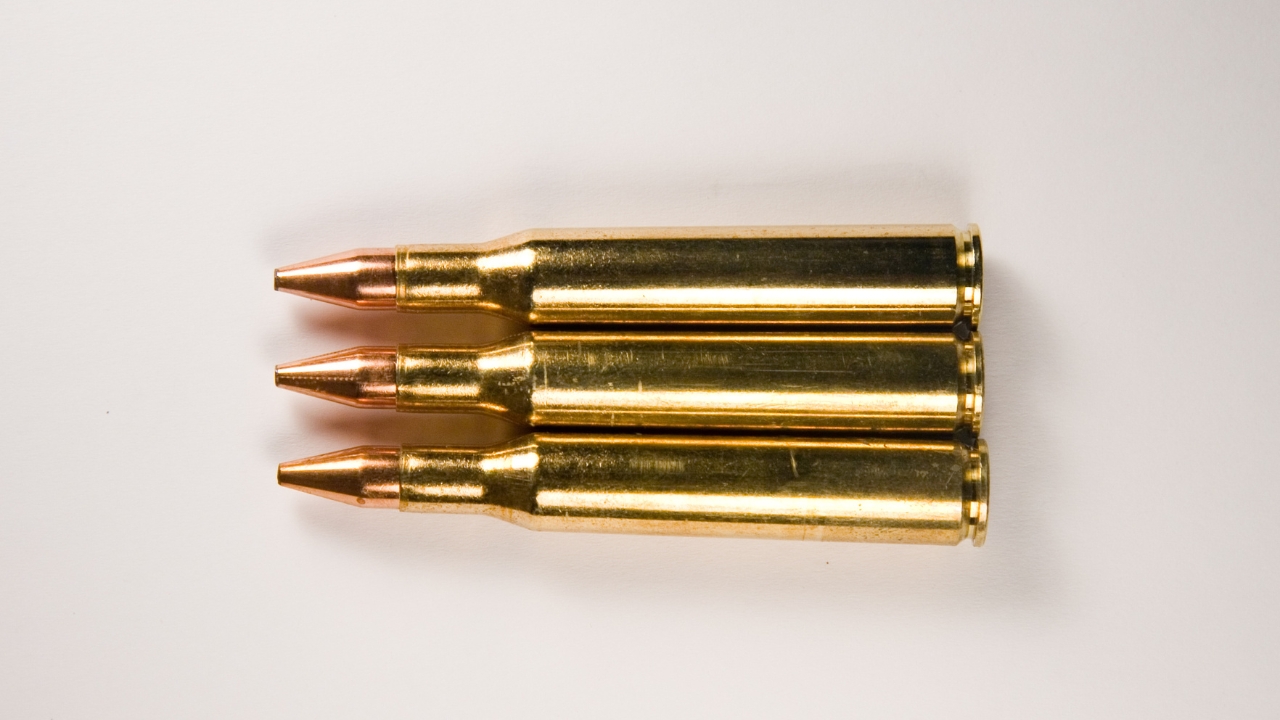
The .300 Win. Mag. hits with real authority, and it’s earned a place in elk camps for decades. When you connect well, it drops animals with conviction and gives you reach that standard .30-calibers struggle to match.
The disappointment shows up when you try to make it your do-everything deer rifle. Recoil and blast can make you sloppy from field positions, especially with lighter rifles. It also has a way of turning “good enough” bullets into meat damage when your shot is close. A lot of hunters end up realizing they’d rather shoot a milder cartridge extremely well than shoot a magnum occasionally and never feel fully settled behind it.
.338 Winchester Magnum

On paper and in the hands, the .338 Win. Mag. feels like a problem-solver. It carries weight, hits hard, and it does a great job of flattening big animals when the shot is right.
Where it disappoints is how rarely most hunters need that level of punch. The recoil is stout, and that changes how you practice and how you shoot under pressure. It can also beat up lightweight rifles and cheap optics setups in a hurry, which adds cost on top of cost. If your hunting is mostly deer and the occasional elk, you may find yourself carrying a cannon that doesn’t buy you much besides bruises and louder misses.
7mm Remington Magnum

The 7mm Rem. Mag. has the kind of speed and energy that makes you feel prepared for anything. With the right bullet, it kills cleanly, shoots flat, and stretches your comfort zone in open country.
The letdown is that it’s easy to overgun your needs and still not get better results. In lighter rifles, recoil can be sharper than people expect, and the muzzle blast encourages bad habits. Up close, fast 7mm loads can be harder on meat than a slower, heavier-for-caliber setup. You also have to care about bullet choice more than many hunters realize, because the cartridge is fast enough to punish “basic” bullets at high impact speeds.
.300 Weatherby Magnum

The .300 Weatherby has swagger, and it earns it. It hits hard, shoots fast, and it’s one of those cartridges that makes long shots feel more doable, at least on the range.
The disappointment is how expensive it can be to live with. Factory ammo is often pricey, and practice becomes a smaller part of your routine unless you handload. The recoil and blast can also push you toward a heavier rifle, which is fine until you’re climbing all day. It’s a serious cartridge, and that seriousness demands serious shooting habits. If you don’t put in the work, the speed turns into noise and flinch instead of clean kills.
.300 PRC

The .300 PRC looks like a modern answer to older magnums: heavy bullets, good aerodynamics, and real long-range capability. When it’s set up right, it’s a confident cartridge that carries energy well and stays stable in the wind.
The frustration is that it often comes attached to a long-range mindset you may not actually need. Rifles tend to be heavier, ammo tends to be more expensive, and recoil is still very real. If you aren’t dialing and practicing at distance, you can end up paying for performance you never use. It also doesn’t magically make you a better field shooter, and that’s where the “hit with authority” part can still end in a miss.
7mm PRC

The 7mm PRC has a lot going for it: efficient design, high-BC bullets, and an easy way to get modern 7mm performance without wrestling older quirks. It can hit hard and carry well past the ranges most hunters actually shoot.
The disappointment usually isn’t the cartridge—it’s everything around it. Rifle and ammo availability can be uneven depending on where you live, and that matters when you need a box the week before a trip. Many hunters also buy it expecting instant results, then realize they still have to do the same wind reading and position work. If you don’t shoot often, the “new hotness” factor fades fast when you can’t find your preferred load.
.270 WSM
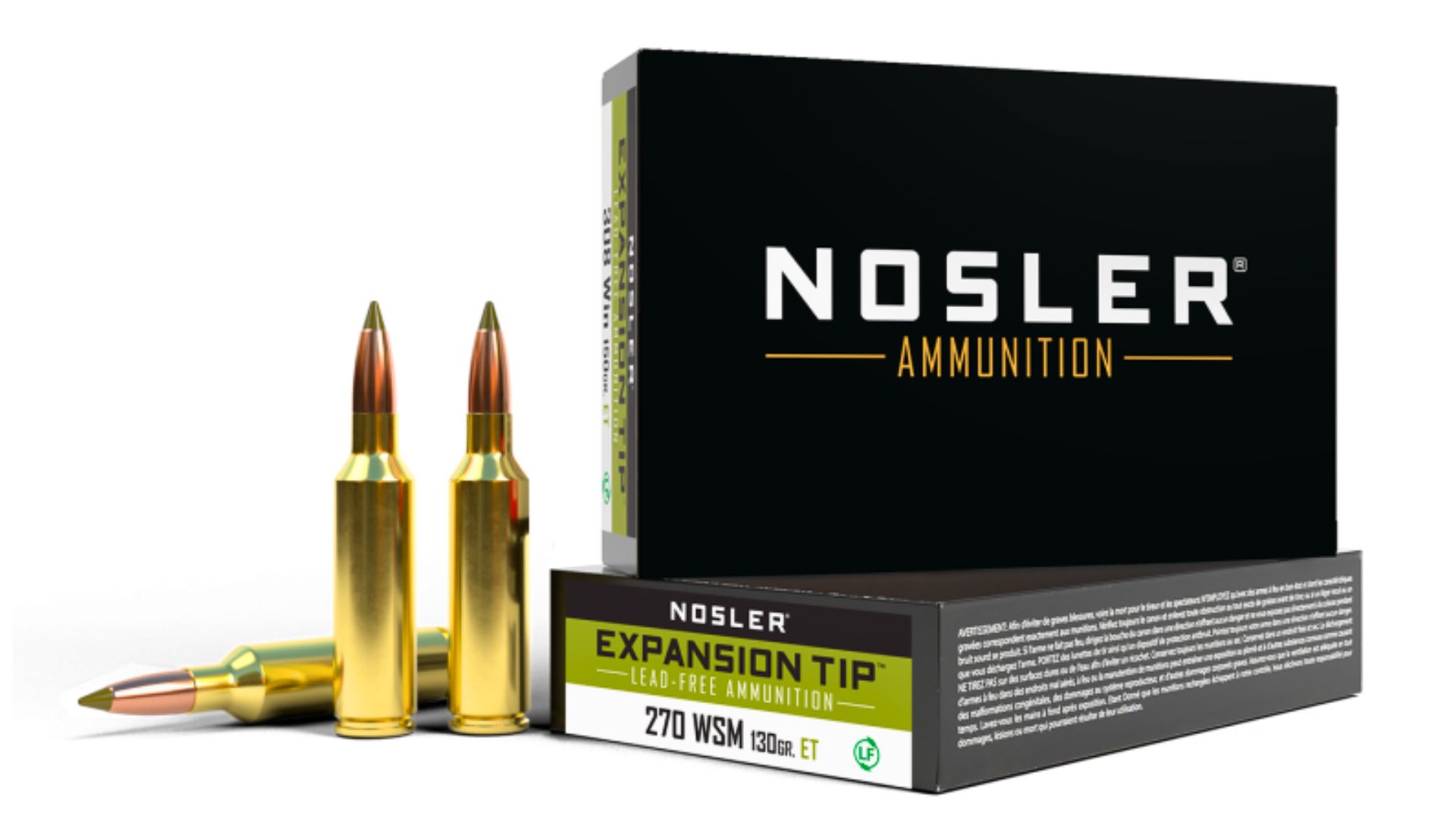
The .270 WSM brings extra speed and energy in a short-action package, and it can be a fantastic open-country deer and elk round. It hits harder than the classic .270 Win. and keeps things flat enough to forgive small range errors.
The disappointment tends to be practical. Ammo can be less common in smaller towns, and choices may be limited compared to mainstream rounds. Some rifles can be picky about feeding if the magazine geometry isn’t great, especially in budget builds. You also don’t always get a clear performance advantage on game inside normal ranges. A lot of hunters end up wondering why they chose the harder-to-find option when the standard cartridge would have done the job with fewer headaches.
.300 WSM

The .300 WSM is a legitimate hammer. It hits hard, shoots flat, and it does it in a short action that can feel handier than a full-length magnum rifle.
The letdown is that it often lives in the same real-world space as the .300 Win. Mag., without giving you a huge difference on animals. You still have recoil that can wreck your form if you don’t train, and the ammo situation can be hit or miss depending on the season. Some rifles also seem to show stronger preferences for specific loads, which gets expensive fast. When you’re hunting deer at normal distances, the cartridge can feel like a lot of power spent to gain very little.
.325 WSM

The .325 WSM sounds like the perfect “big woods meets elk country” cartridge: .33-caliber authority in a short action, with enough speed to reach out when you need it. On game, it can hit like it means it.
The disappointment is that it can feel like you joined a club nobody else is in. Ammo is often hard to find, and bullet selection isn’t as broad as more common .30 and 7mm options. If you don’t handload, you may be stuck with whatever load you can locate, which makes consistent practice harder. Even if you love how it performs, the logistics can make it a cartridge you admire more than you actually shoot.
28 Nosler

The 28 Nosler is built for speed and long-range energy, and it delivers. It shoots flat, bucks wind well with the right bullets, and it hits harder than many hunters expect from a 7mm-class projectile.
The disappointment comes from the price you pay for that speed. Barrel life can be shorter than moderate cartridges, especially if you do a lot of range time and long strings. Ammo is expensive, recoil is not mild, and it’s easy to end up with a rifle that feels more like a long-range rig than a hunting tool. If you’re not genuinely shooting across canyons, you may realize you bought a cartridge that shines in situations you rarely face.
26 Nosler

The 26 Nosler has that “laser beam” reputation, and it earns it in the right setup. It throws sleek bullets fast, keeps trajectory flat, and carries energy farther than most people expect from a 6.5mm.
The disappointment is that it can be a lot of cartridge for the real world. Recoil is sharper than many assume, and muzzle blast is loud enough to build bad habits. Like other overbore rounds, it can be tougher on barrels when you practice hard, which is exactly what you should be doing to shoot well in the field. If your hunting is mostly inside sane distances, the speed doesn’t always translate to better outcomes—especially when the cartridge’s cost keeps you from shooting as much.
.450 Bushmaster

At close range, the .450 Bushmaster hits with undeniable authority. In thick cover and on hogs, it can feel like a freight train, and it’s a straightforward option for straight-wall states where choices are limited.
The disappointment shows up the moment you try to stretch it. Trajectory drops fast, wind pushes it around, and “flat shooting” isn’t part of the deal. Ammo can be expensive, and some loads vary more than you’d like in accuracy between rifles. It’s also easy to damage meat when shots are close and impact speed is still high for the bullet design. If you buy it thinking it’s an all-around deer round, you can end up fighting the limits more than enjoying the punch.
.458 SOCOM

The .458 SOCOM is the definition of authority in an AR platform. It hits hard, it’s fun, and it can be effective at sensible ranges on big hogs and similar game when you use the right bullets.
The disappointment is that it can be a commitment. Ammo is pricey and not always easy to find, magazines can be finicky depending on setup, and recoil changes how quickly you can shoot well. The cartridge also lives in a narrow performance window compared to mainstream hunting rounds. Inside that window, it’s great. Outside it, you’re dealing with steep drop and limited reach. If you don’t hunt the kind of terrain where it shines, it becomes a range toy you rarely carry.
.45-70 Government

The .45-70 has a loyal following for a reason. It hits with a heavy, authoritative shove that puts animals down fast at close and moderate ranges. In a good lever gun, it feels like a serious hunting tool.
The disappointment comes from the gap between reputation and reality. Trajectory can be unforgiving, and range mistakes cost you quickly. In lighter rifles, recoil can be punishing, especially with modern hot loads, and that can make you rush shots from field positions. It can also tear up meat if you use fast-expanding bullets at close range. The .45-70 is at its best when you treat it like a hammer with a known arc, not a long-range solution.
.375 H&H Magnum

The .375 H&H is a classic for dangerous game, and it absolutely hits with authority. It also kills deer and elk without drama when you do your part, and it has a calm, steady feel in the right rifle.
The disappointment is that most hunters don’t need it, and they don’t shoot it enough to be truly comfortable. Recoil and ammo cost can limit practice, and the rifle is often heavier than what you want for everyday whitetail hunting. On smaller game, it can also waste meat if you pick the wrong bullet or shoot at close range. It’s a cartridge with a serious purpose. If your hunting doesn’t match that purpose, the authority starts feeling like extra baggage instead of an advantage.
Like The Avid Outdoorsman’s content? Subscribe to our newsletter so you never miss an article.
Here’s more from us: