Photo credit: WHO_TEE_WHO/YouTube
Even the biggest names in the industry miss the mark sometimes. You see it when a pistol looks great on paper but falls apart on the range, or when a design feels rushed because the market was moving too fast. Maybe the ergonomics were dated the moment the gun hit store shelves, or early adopters uncovered problems that should’ve been caught long before release day. When you’ve handled enough handguns, you start noticing patterns—triggers that feel mushy, controls that never settle in your hand, or reliability that slips once you get past the first few hundred rounds. These pistols came from respected brands, but whether it was durability, shootability, or real-world performance, each one left shooters wishing the company had spent a little more time in development.
Glock 36

You expect anything with the Glock logo to run hard and stay reliable, but the 36 stood out for the wrong reasons. Its single-stack .45 ACP layout sounded perfect for concealed carry, yet many shooters experienced intermittent feeding issues with certain bullet profiles. The reduced magazine width made the frame flex differently under recoil, and that influenced cycling in ways the larger Glocks never struggled with.
On top of that, the grip felt awkward for a lot of users. The narrow frame didn’t distribute recoil well, and rapid follow-up shots often felt sluggish. Glock eventually shifted attention toward more dependable slim-line 9mms, and the 36 quietly slid into the background. It still has loyal owners, but compared to the brand’s track record, it never delivered the experience people expected.
SIG Sauer P250
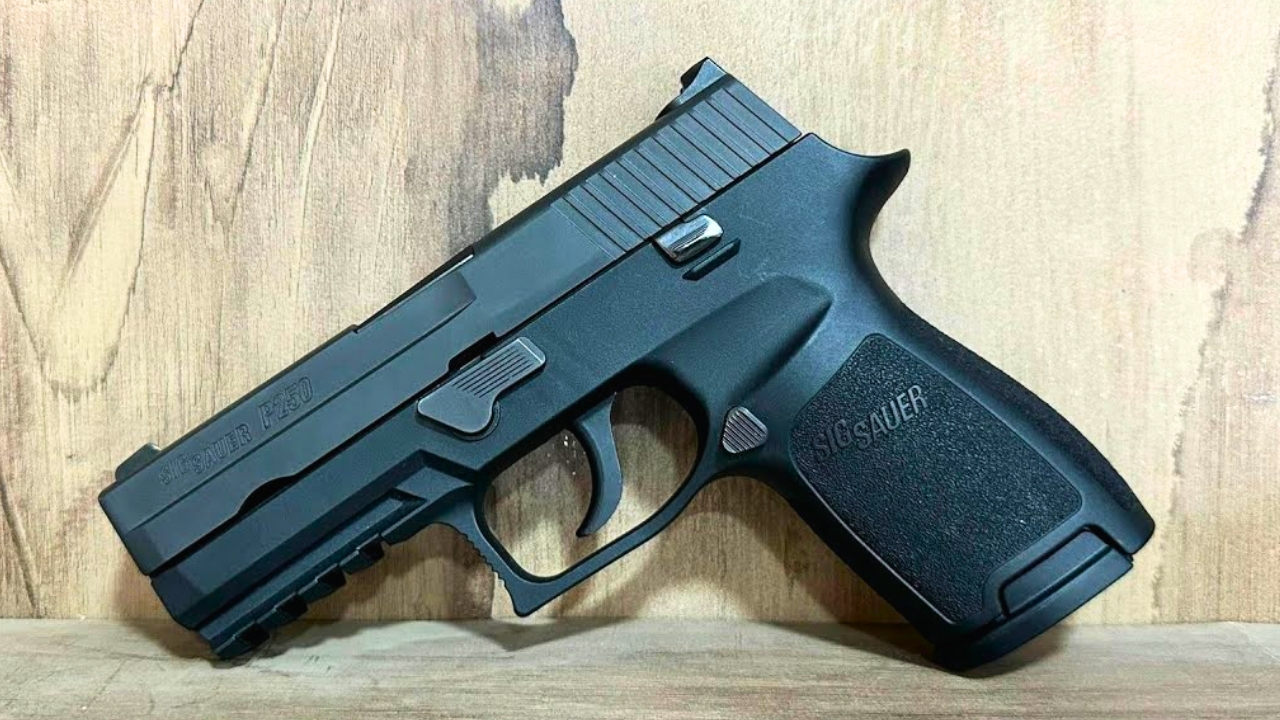
The P250 tried to introduce a modular trigger-group system before the market was ready for it, but the double-action-only trigger held it back. Many shooters found the long, heavy pull slow and tiring, especially during qualification drills or dynamic shooting. Even seasoned SIG owners struggled to adapt, which was unusual for a company known for smooth triggers.
Accuracy was fine, but the DA-only system made it tough to shoot fast with any confidence. Agencies that tested the P250 often sent them back and stuck with other platforms. SIG learned from the missteps, and the P320 became a massive improvement—but the P250 lives on as one of the brand’s more disappointing experiments.
Smith & Wesson Sigma
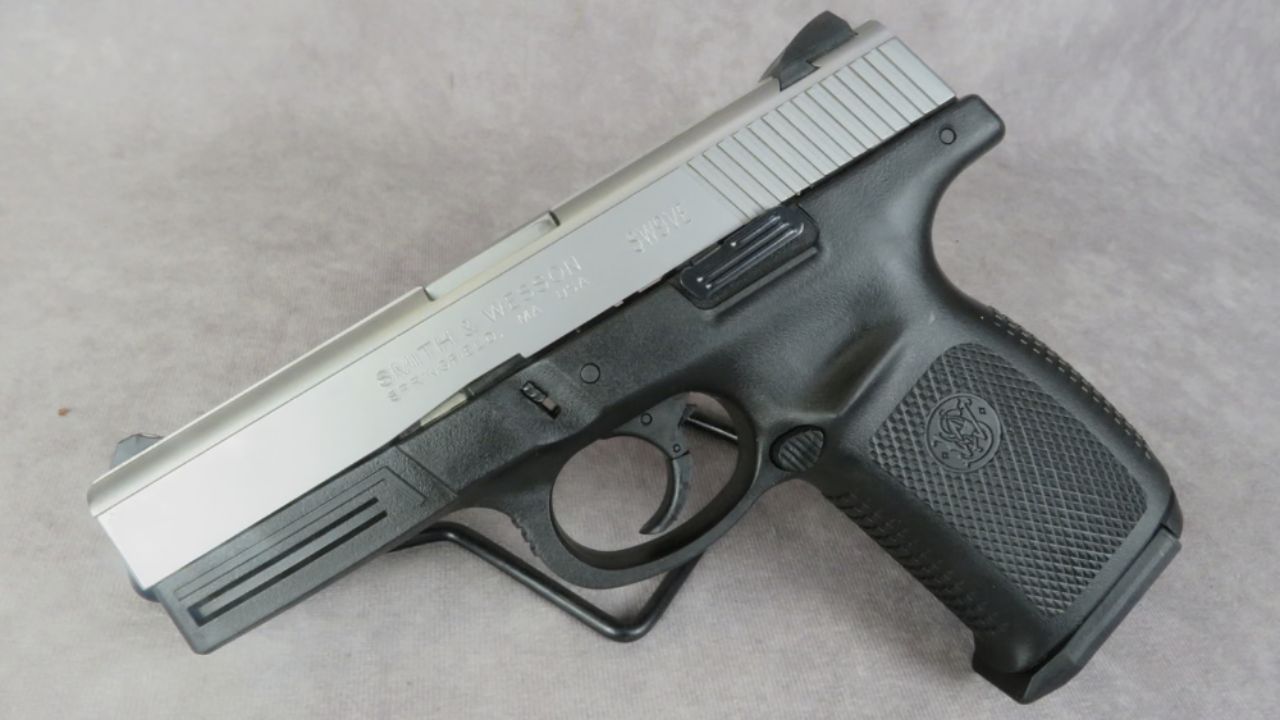
The Sigma had great intentions: a budget-friendly striker-fired pistol from a trusted company. But that heavy, gritty trigger made it difficult for a lot of shooters to get consistent accuracy, especially under pressure. Even with practice, the pull often felt unpredictable, which wasn’t ideal for new shooters or anyone using it defensively.
Internally, the gun held up, but its ergonomics didn’t age well. While S&W eventually corrected many issues with the M&P line, the Sigma remained a constant reminder that being affordable doesn’t excuse poor shootability. Many shooters who bought one on price alone eventually moved on, realizing the gun demanded more effort than it was worth.
Ruger American Pistol

Ruger built the American Pistol to compete with the major striker-fired duty models, but it never caught on. The trigger felt inconsistent, and the grip module—while durable—didn’t suit a broad range of hand sizes. During range sessions, shooters often commented that the pistol felt bulkier than it needed to be.
Recoil wasn’t harsh, but the gun never had a natural point of aim. Combined with a trigger that didn’t inspire confidence, the American struggled to keep up with offerings from Glock, SIG, and Smith & Wesson. Ruger eventually focused on their Security series instead, which resonated far better with everyday shooters.
Walther CCP (First Generation)

Walther is known for excellent ergonomics, but the first-generation CCP was plagued with reliability issues tied to its gas-delayed blowback system. Many shooters experienced stovepipes, sluggish cycling, and finicky performance with different ammunition types. It became clear that the system required more tuning than the average owner wanted to deal with.
On the handling side, the pistol carried well, but cleaning and reassembly were surprisingly complicated. For a gun aimed at beginners and concealed carriers, that was a major drawback. Walther fixed many issues with the updated CCP M2, but the original model earned a reputation that many owners still hesitate to forgive.
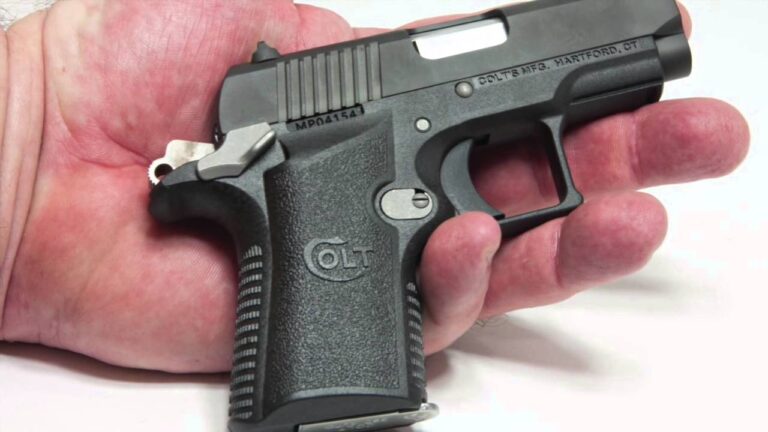
Colt All-American 2000
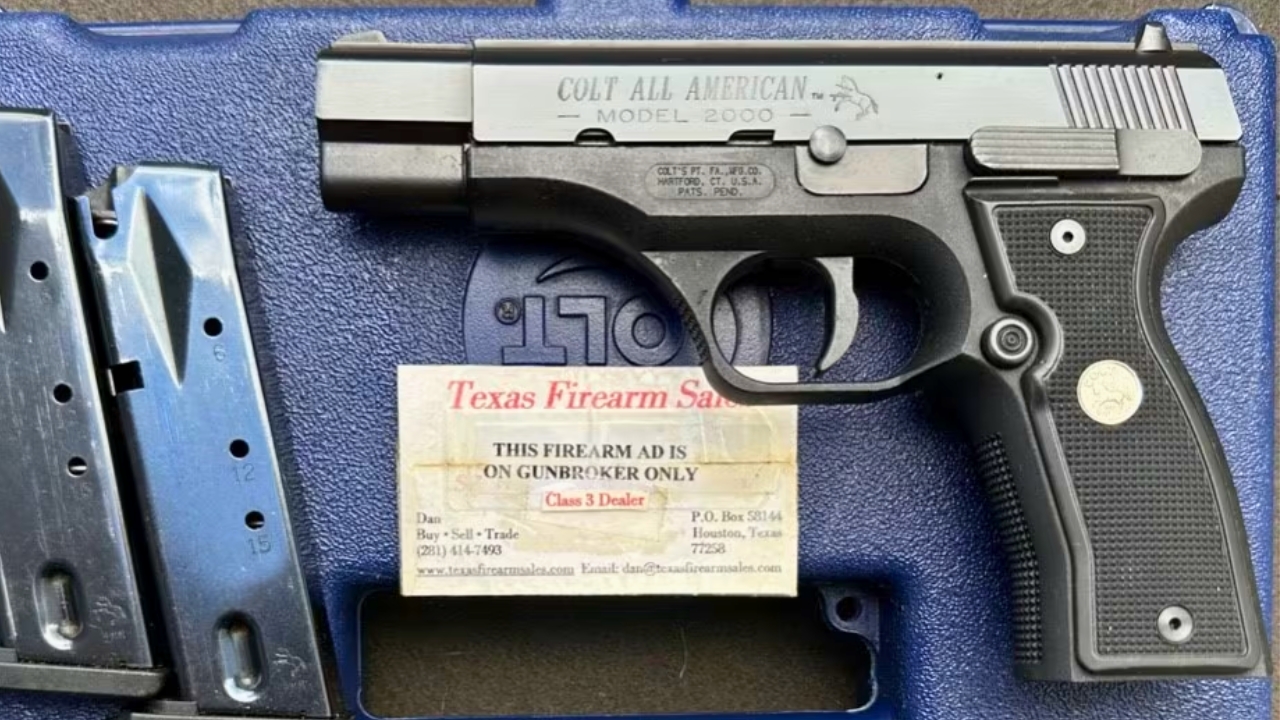
Colt wanted to break into the polymer market, but the All-American 2000 ended up being one of the company’s biggest misfires. The trigger felt strange and inconsistent, and early models had accuracy issues that frustrated shooters across the board. Even seasoned Colt fans struggled to find anything they enjoyed about the way it handled.
Durability also came into question. Reports of parts wear and odd feeding behavior appeared quickly, giving the gun a reputation for unreliability. Colt eventually abandoned the design, and today the All-American 2000 stands out as a rare example where the brand’s legacy didn’t translate into performance.
Remington R51 (Second Generation)

The R51’s relaunch was supposed to redeem the troubled first release, but even the updated version failed to rebuild trust. Many shooters still found cycling issues tied to the hesitation-lock action, and accuracy varied more than expected from gun to gun. For a lightweight carry pistol, inconsistency like that caused people to move on quickly.
The ergonomics were nice, but the sharp recoil impulse surprised users who expected something smoother. When Remington eventually discontinued the model, most shooters weren’t surprised. A gun can survive polarizing reviews, but not repeated reliability concerns.
Browning Hi-Power (Modern Clones with Poor QC)

The original Browning design is legendary, but some modern clones—especially budget versions—have earned a reputation for spotty quality control. Shooters have reported feeding issues, brittle small parts, and questionable machining. Instead of the smooth, confident shooting experience people expect from a Hi-Power layout, these clones often feel rough and unpredictable.
While some brands produce excellent versions, the disappointing ones leave buyers frustrated. They look the part but don’t deliver the reliability or refinement the design deserves. When you pick one up expecting classic performance and instead get failures-to-feed, it leaves a sour taste.
Taurus PT140 Millennium (Early Versions)
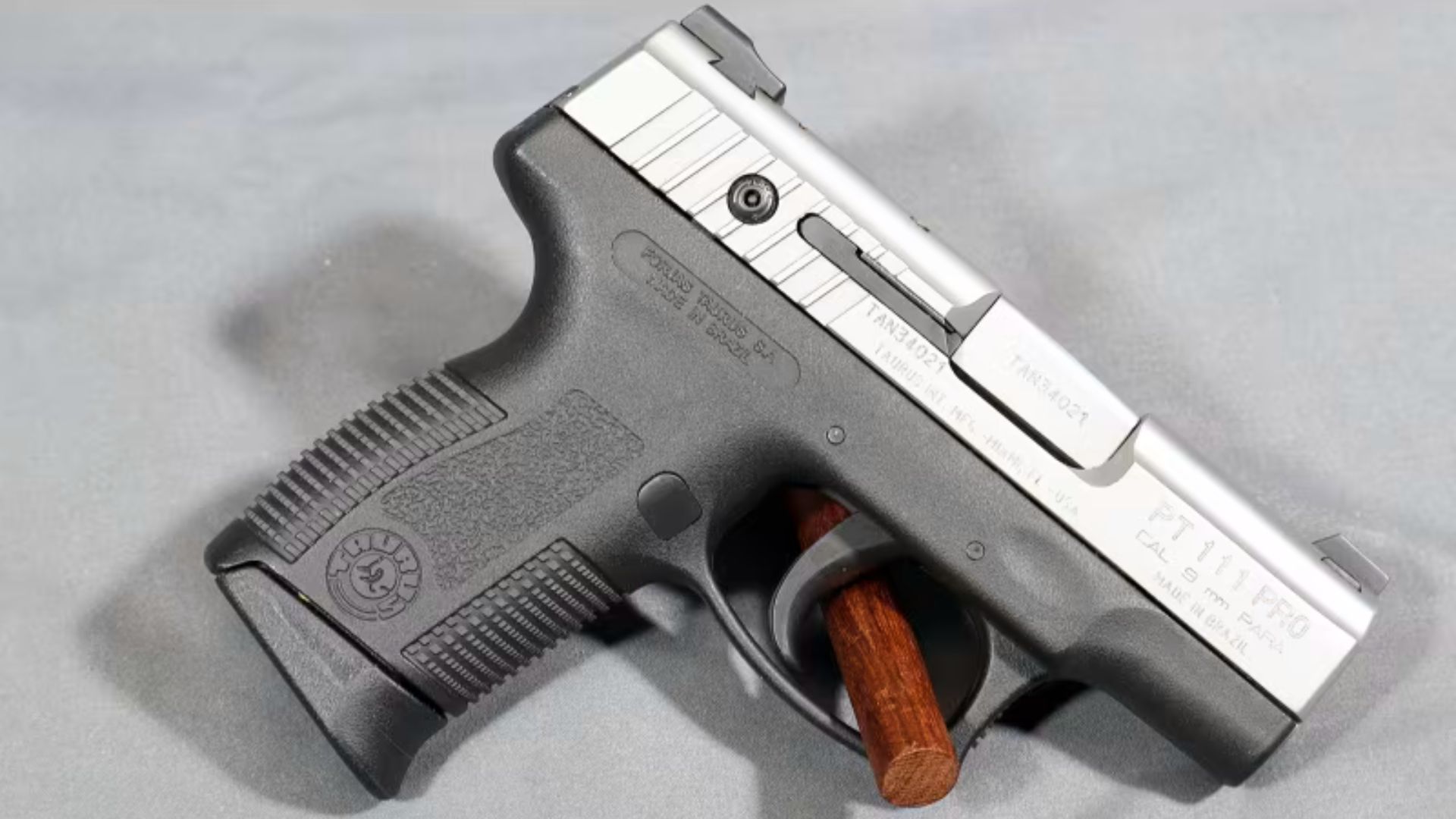
Before Taurus refined their lineup, early PT140 Millennium pistols struggled with durability and occasional safety concerns. Some shooters reported cracked frames, inconsistent triggers, and feeding issues tied to magazine fitment. Those problems weren’t universal, but they were widespread enough to affect the gun’s reputation permanently.
Even when the pistol ran, shootability wasn’t great. The snappy recoil and small grip made it tough to shoot quickly with confidence. Taurus eventually corrected many issues in later generations, but the early PT140 stands as one of the brand’s more frustrating starts.
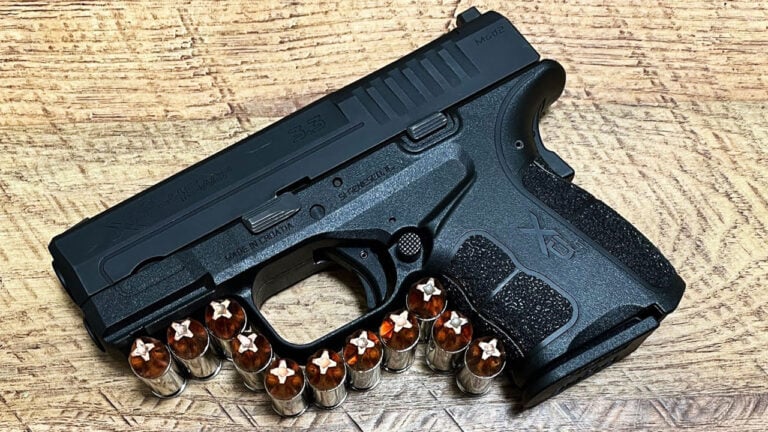
Springfield XD-E

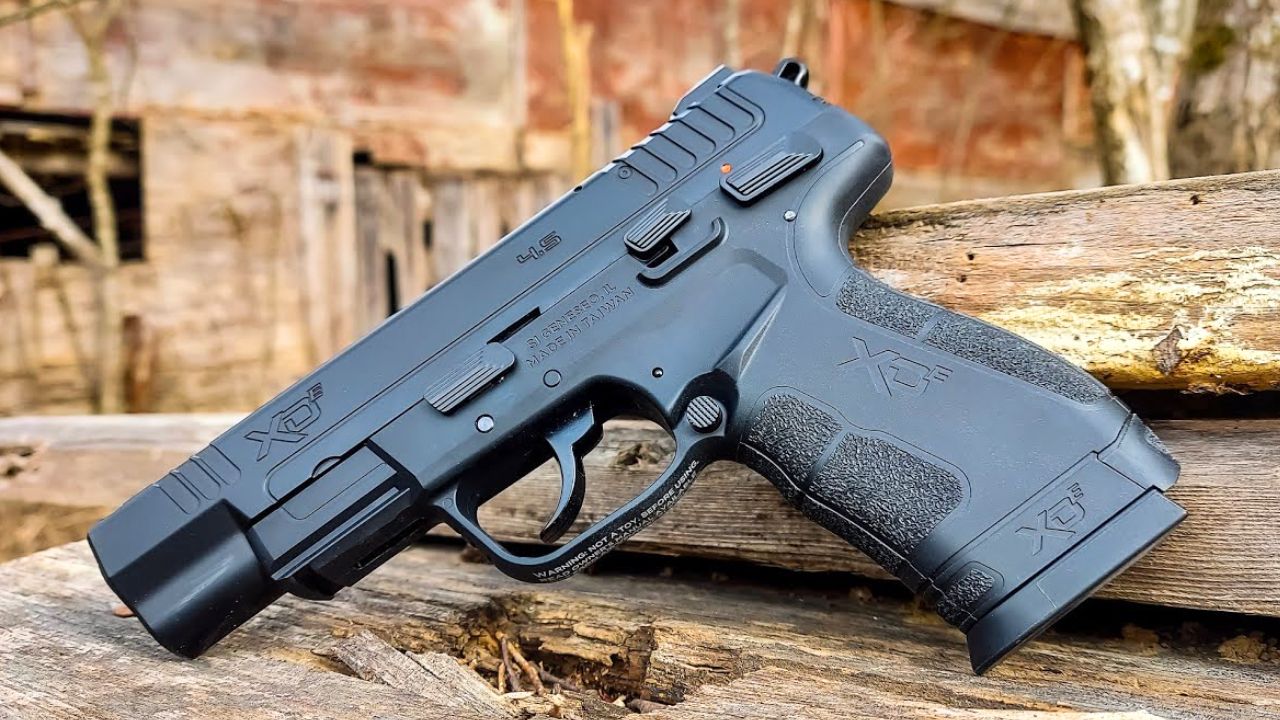
The XD-E brought a hammer-fired option to the XD lineup, but it never found a strong audience. The DA/SA trigger system felt dated compared to the striker-fired market it was competing with, and the slim grip didn’t help with recoil control. Many shooters found that fast follow-ups required more effort than they expected from such a compact pistol.
Reliability wasn’t the problem—it simply didn’t offer anything that truly stood out. When customers compared it to modern carry guns with better ergonomics and easier triggers, the XD-E mostly got passed over. Springfield eventually moved on to more competitive designs.
FN FNX-45 Tactical

The FNX-45 Tactical looks impressive, but many everyday shooters found it too large and unwieldy. While it’s extremely capable, its size makes it difficult to control for anyone without larger hands. On the range, the gun’s height and grip width often slowed transitions, making it feel heavier than it really was.
For niche users like competition or tactical shooters, it performs well. But for general buyers expecting an accessible .45, the FNX-45 felt overwhelming. Many who purchased it on reputation alone eventually traded it for something more manageable.
Kimber Solo

The Kimber Solo promised premium materials and a compact, carry-friendly size. What buyers didn’t expect were the feeding issues that required very specific ammunition to keep the pistol running. Many users discovered that reliability dramatically dropped when switching away from expensive, high-pressure loads.
Combine that with a heavy slide for its size and a snappy recoil impulse, and the Solo became one of Kimber’s more disappointing releases. Even though it looked polished, it never delivered the dependable performance people needed from a carry pistol.
Beretta Nano

The Beretta Nano was marketed as a modular, compact 9mm for concealed carry, but many shooters struggled with failures-to-eject, especially when using softer 115-grain loads. The lack of external controls also frustrated some users, making the pistol feel too simplified.
Its rounded shape carried well, but the stiff trigger slowed down accurate shooting for a lot of owners. Beretta eventually shifted focus to the APX Carry, leaving the Nano’s inconsistent performance behind. For such a well-respected brand, the Nano didn’t come close to meeting expectations.
SIG Sauer Mosquito

The Mosquito was a .22 LR trainer designed to mimic full-size SIG pistols, but it quickly became known for being picky with ammunition. Many owners complained about frequent failures-to-feed and light primer strikes unless they used high-velocity rounds. That made training harder and more expensive than it needed to be.
The trigger also felt mushy, and accuracy was mediocre compared to other rimfire pistols. Even with careful maintenance, the Mosquito demanded more patience than most shooters wanted to give. SIG eventually replaced it with more dependable designs.
Charter Arms Pitbull

The Pitbull’s rimless cartridge extraction system looked clever on paper, but execution varied between samples. Some revolvers ran great, but others suffered from sticky extraction or timing issues within the first few hundred rounds. That inconsistency made it hard for shooters to trust it as a defensive option.
The recoil in lightweight models also felt sharper than expected. Combined with rough triggers on some examples, the Pitbull left many buyers disappointed. Charter Arms produces solid revolvers, but this particular experiment didn’t land the way many hoped.
Like The Avid Outdoorsman’s content? Be sure to follow us.
Here’s more from us:
The worst deer rifles money can buy
Sidearms That Belong in the Safe — Not Your Belt
*This article was developed with AI-powered tools and has been carefully reviewed by our editors.