Photo credit: Jesse B Outdoors/YouTube
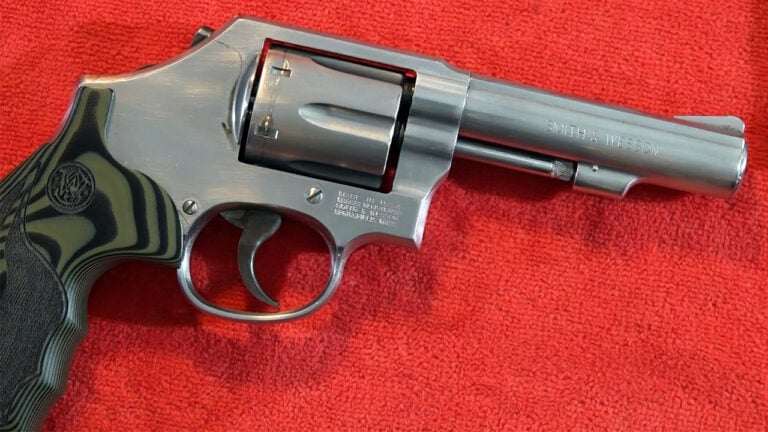
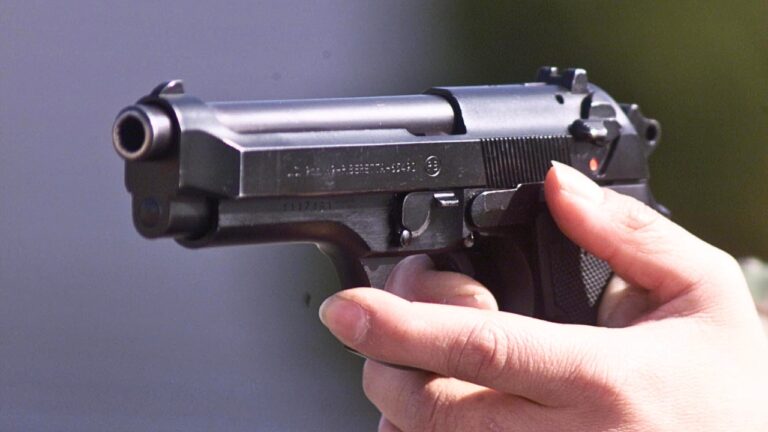
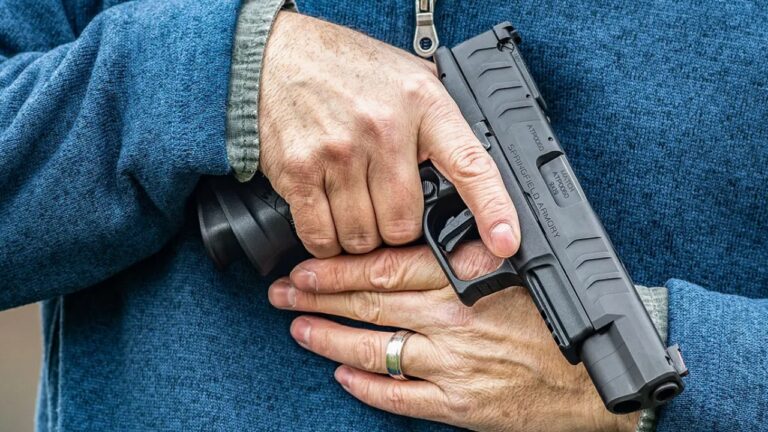
Some pistols run defensive hollow points like they were made for them. Others make you test every magazine like you are waiting for bad news. The problem is not always the caliber, and it is not always the ammo. Sometimes the pistol was designed around round-nose ball ammunition, sometimes the feed ramp is not friendly to wide hollow points, and sometimes the gun is just too small or too cheaply made to be forgiving.
This does not mean every example of every pistol here will choke. Some owners have reliable guns, and some hollow point loads are shaped to feed better than others. But these are the pistols that have earned a reputation for being picky, especially when you move from FMJ range ammo to defensive hollow points.
Kimber Solo

The Kimber Solo looked like a premium answer to the small 9mm carry problem, but it developed a reputation for being ammunition-sensitive. That is a serious problem for a carry pistol. A gun this small already has little room for error, and picky feeding makes the whole package harder to trust.
The Solo is one of those pistols where some owners had good luck while others fought reliability problems. Even discussions from owners and reviewers often center on specific bullet weights or loads the pistol prefers, which is not what most people want from a defensive handgun. A carry gun should not feel like it needs a carefully approved menu to work.
SIG Sauer P6

The SIG P6 is a great old surplus pistol, but early examples are known for being picky with hollow points. These German police pistols were designed in an era when ball ammo use was more common, and some older barrels had feed-ramp geometry that was not as friendly to modern defensive bullets.
That does not make the P6 junk. A good one is accurate, solid, and beautifully made compared with many cheap modern pistols. But anyone buying one for defense needs to test hollow points hard. Older P6 feed ramps have been specifically discussed by owners as a reason hollow points can hang up, with later geometry changes noted as a fix for better hollow point feeding.
Walther PPK
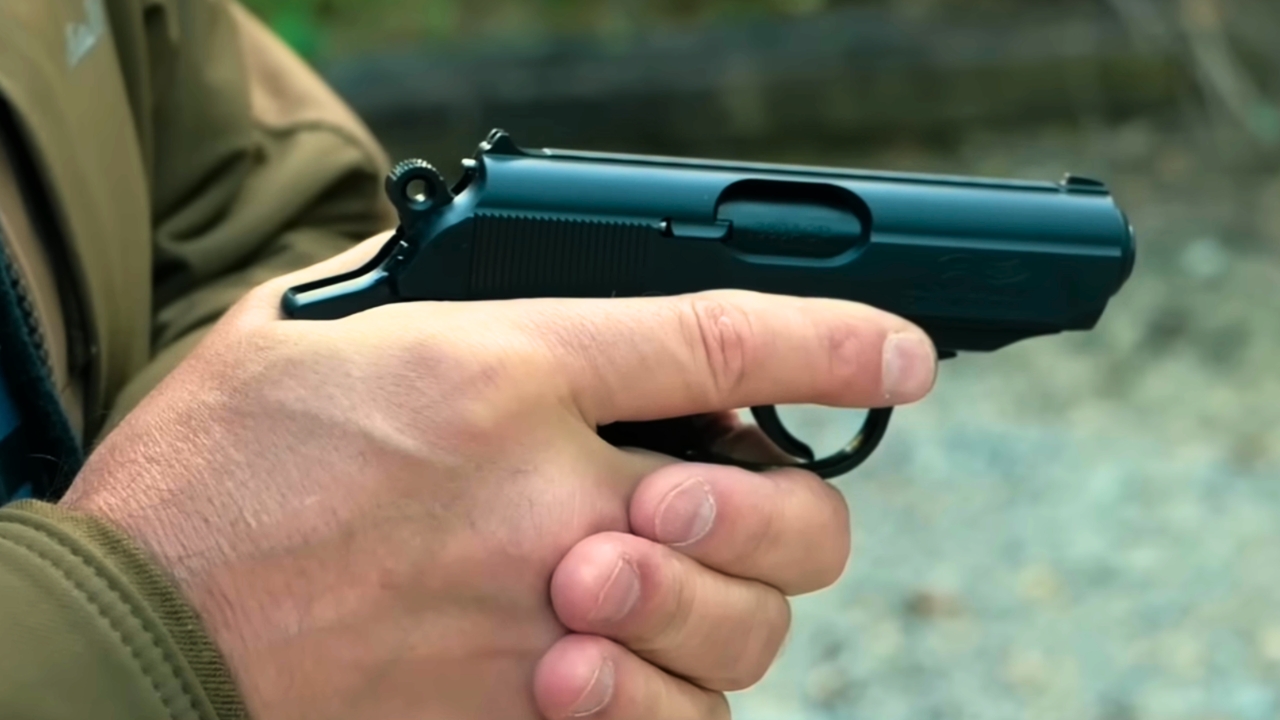
The Walther PPK has style, history, and plenty of fans, but it can be picky with defensive ammo. The design is old, the feed path is not as forgiving as newer pistols, and .380 hollow points can be especially sensitive in small blowback guns.
Some PPKs run fine. Others turn certain hollow points into repeated failures to feed. That is why it is risky to assume a PPK is ready for carry just because it handles FMJ at the range. Even modern discussion around the PPK still brings up feeding reliability and hollow point concerns, which tells you the reputation has not disappeared.
Walther PPK/S
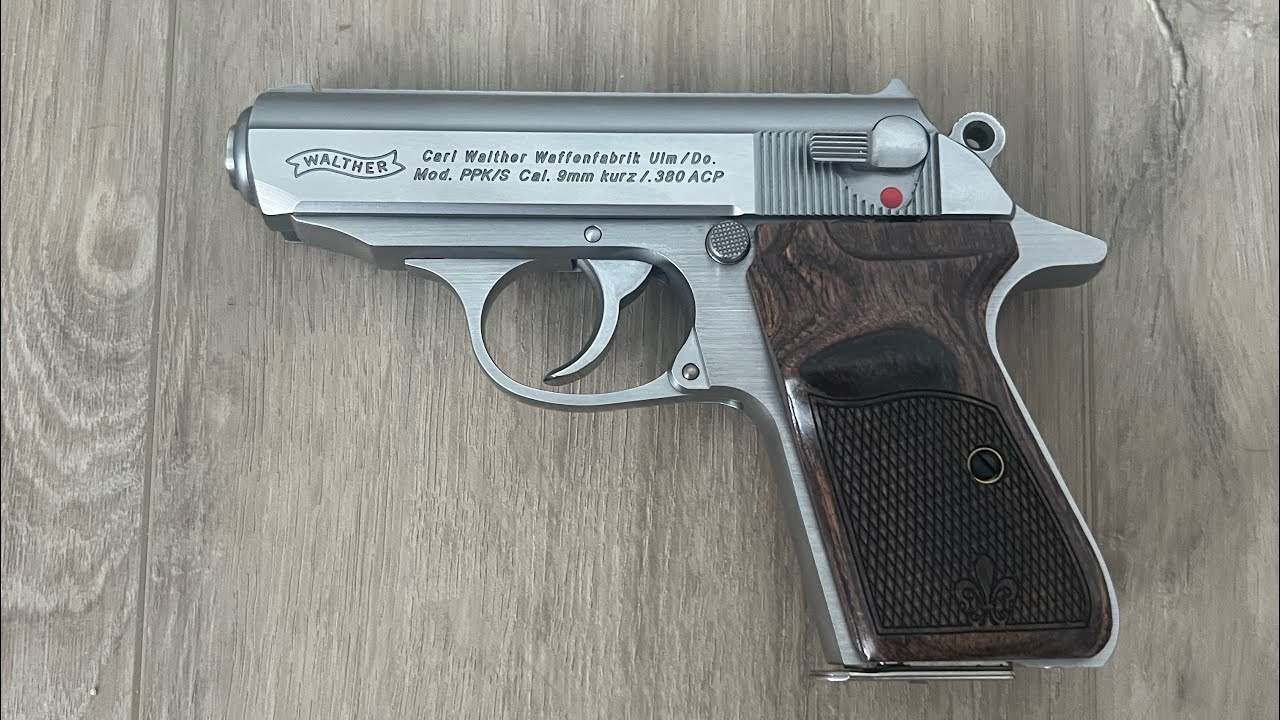
The PPK/S shares many of the same concerns as the PPK. It is handsome, shootable for some owners, and still appealing as a compact .380. But it is not a modern micro-compact built from the ground up around today’s defensive ammunition.
Failures to feed with .380 hollow points are exactly the kind of issue that can turn a classy pistol into a range-only piece. The gun may prefer certain loads, certain bullet profiles, or certain magazines. That is not unusual with older-style blowback pistols, but it is still something buyers need to know before trusting one.
Colt Mustang

The Colt Mustang has a loyal following because it is small, light, and easy to carry. It also has the Colt name and a pocket-pistol feel that many people like. But small .380 pistols can be sensitive, and older Mustangs are not always forgiving with hollow points.
The issue is usually the same one that plagues a lot of tiny pistols: short slide travel, small magazines, and feed geometry that does not leave much margin. A round-nose FMJ may feed cleanly, while a wider hollow point nose catches just enough to stop the gun. If someone carries a Mustang, they need to test the exact defensive load they plan to use.
SIG Sauer P238

The SIG P238 is better finished than many pocket .380s, and plenty of them run well. Still, it is a tiny 1911-style .380, and tiny pistols are rarely as forgiving as full-size guns. Hollow point shape, magazine condition, and grip pressure can matter more than owners expect.
The P238 gets defended because it feels like a premium pocket gun. That does not mean every example will feed every hollow point. With guns this small, “mine runs this load” matters more than the brand name. It can be a good pistol, but it still needs proof with defensive ammo.
Springfield Armory 911

The Springfield 911 followed the same small metal-frame pocket pistol formula. It looked refined, had familiar controls, and seemed like a more serious alternative to cheap plastic .380s. For carry, that made it attractive.
The problem is that the format itself is ammunition-sensitive. Small single-action pocket pistols can be particular about bullet profile and magazine condition. A 911 that runs ball ammo may still need careful testing before it earns trust with hollow points. The smaller the pistol, the less room there is for sloppy feeding.
Remington RM380

The Remington RM380 was a small metal-frame .380 that looked like a practical pocket gun. It was not expensive, it was easy to carry, and it had a major American brand name on the slide. That helped it sell to people who wanted a compact defensive pistol without spending much.
But pocket .380s can be unforgiving, and the RM380 never built a strong enough reputation to make hollow point trust automatic. Some examples may run fine, but buyers should not assume anything. If a little .380 needs a specific hollow point shape to feed cleanly, that needs to be discovered at the range, not during a real emergency.
Bersa Thunder .380

The Bersa Thunder .380 is one of the more shootable affordable .380 pistols, but it is still based around an older blowback style. Many examples are reliable with ball ammo, and plenty of owners like them. Hollow points are where individual guns can start showing preferences.
The Thunder is larger than many pocket .380s, which helps, but it is not immune to feed issues. Magazine condition matters, ammo profile matters, and some pistols simply do not like certain defensive loads. It is a decent budget gun, but it should never be carried with hollow points until it proves itself.
Beretta Tomcat
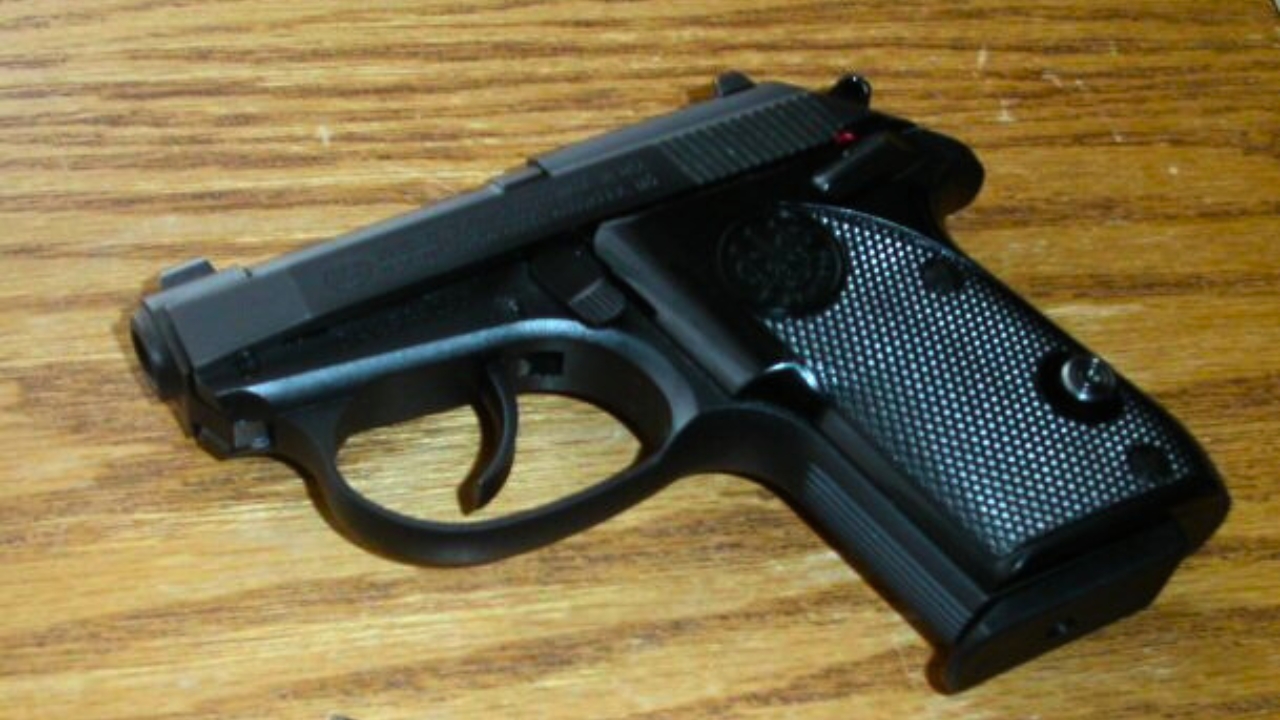
The Beretta Tomcat is convenient because of its tip-up barrel and compact size. It gives people with hand-strength issues an easier way to load a small pistol. That is a real advantage, especially for shooters who struggle to rack tiny slides.
But as a .32 ACP pocket pistol, it is not something to blindly trust with every hollow point. Small cartridges, short magazines, and compact feed geometry make bullet profile more important. Some owners may choose FMJ for penetration anyway, but if hollow points are used, the Tomcat needs serious testing.
Seecamp LWS .32

The Seecamp LWS .32 is actually designed around specific hollow point ammunition, which makes it unusual. That sounds like a strength until you realize how narrow that window can be. It is not a pistol meant to run just anything off the shelf.
That makes it a poor fit for people who want flexibility. If the preferred load is hard to find or another hollow point has a slightly different length or profile, reliability can become questionable. The Seecamp is clever and extremely compact, but it is not a forgiving general-purpose pistol.
KelTec P-3AT

The KelTec P-3AT helped define the ultra-light pocket .380 market. It is thin, light, and easy to carry when almost anything else feels too big. That is why people bought them.
The downside is that very light pocket .380s can be rough, snappy, and sensitive. Hollow points may feed in one example and nose-dive in another. Limp-wristing, weak magazine springs, and ammo shape can all show up fast. The P-3AT is convenient, but convenience does not equal hollow point reliability.
Ruger LCP

The original Ruger LCP is one of the most common pocket pistols ever made, and many owners trust it. It is small, flat, and easy to carry all day. That made it successful for a reason.
Still, early tiny .380s like the LCP can be picky with hollow points. Some run modern defensive loads well, especially with rounded profiles. Others prefer FMJ or certain loads only. Because the gun is so small and the slide cycle is so short, there is less margin when a wide hollow point tries to feed.
Taurus TCP
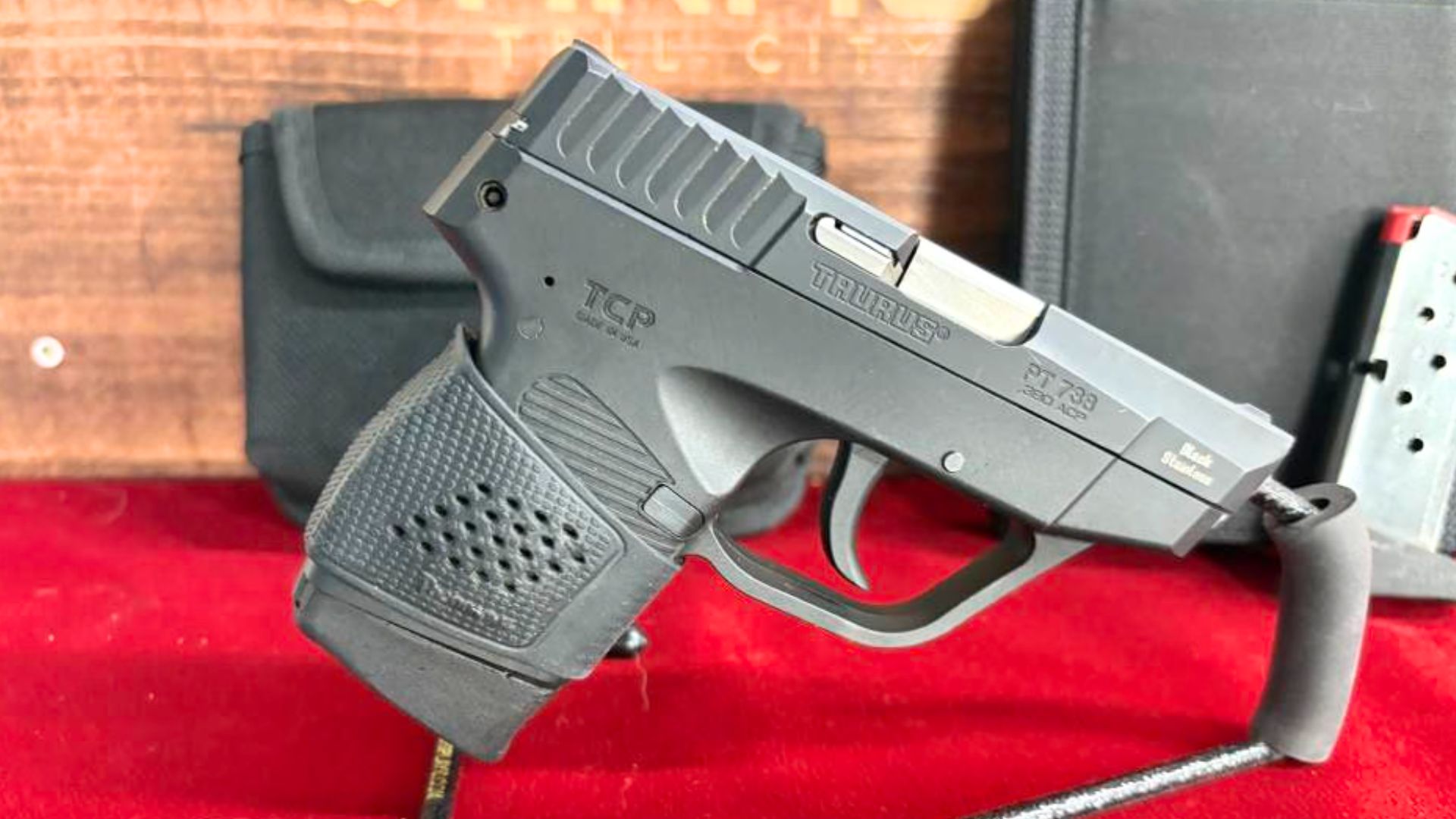
The Taurus TCP was another low-cost pocket .380 that appealed to buyers who wanted something small and cheap. It competed directly with guns like the LCP and P-3AT, which meant it had to pack a lot into a tiny package.
That is also where problems start. A budget pocket .380 has very little room for rough magazines, weak springs, or picky feed geometry. Hollow points can expose those weaknesses fast. Some TCPs run well, but it is not a pistol anyone should trust with defensive ammo without a serious test session.
Diamondback DB9

The Diamondback DB9 tried to put 9mm power into an extremely small pistol. That always sounds good until the shooting starts. Tiny 9mms are hard on the shooter, hard on parts, and less forgiving than larger pistols.
Hollow points add another variable. A short, lightweight 9mm with limited slide mass and tight timing may be more sensitive to bullet shape and power level. The DB9 is easy to carry, but a gun this small needs to prove itself round by round before anyone should trust it with defensive hollow points.
AMT Backup
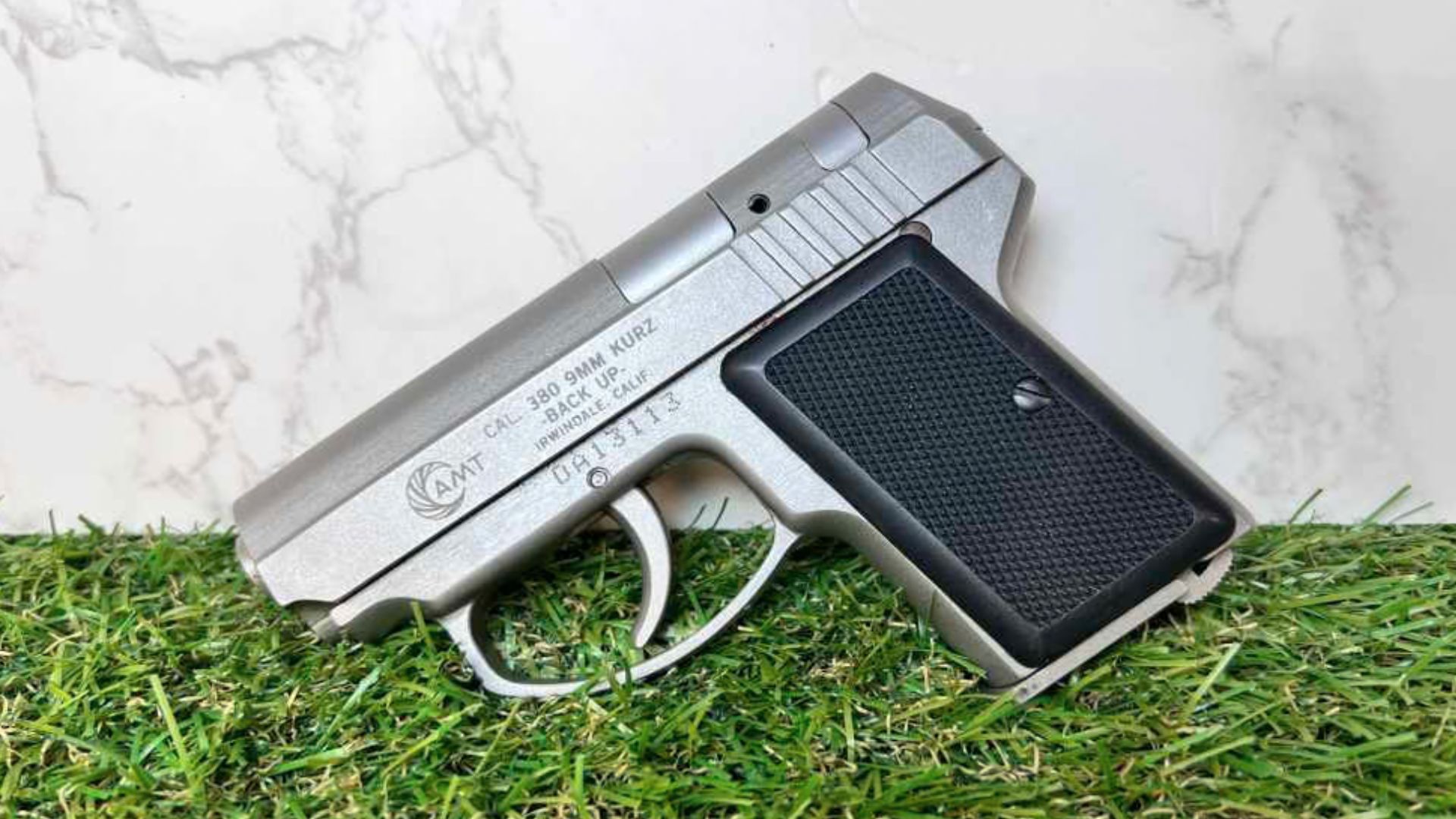
The AMT Backup is a classic example of a compact pistol that can be hit or miss. It was small, heavy for its size, and available in several chamberings over the years. Some owners liked the all-metal toughness. Others fought reliability.
Hollow points are exactly where these older compact autos can become frustrating. Feed ramps, magazine angles, and old production variation all matter. A Backup that runs FMJ may still choke when the bullet nose gets wider or flatter. It is an interesting pistol, but not one to trust blindly.
Star BM
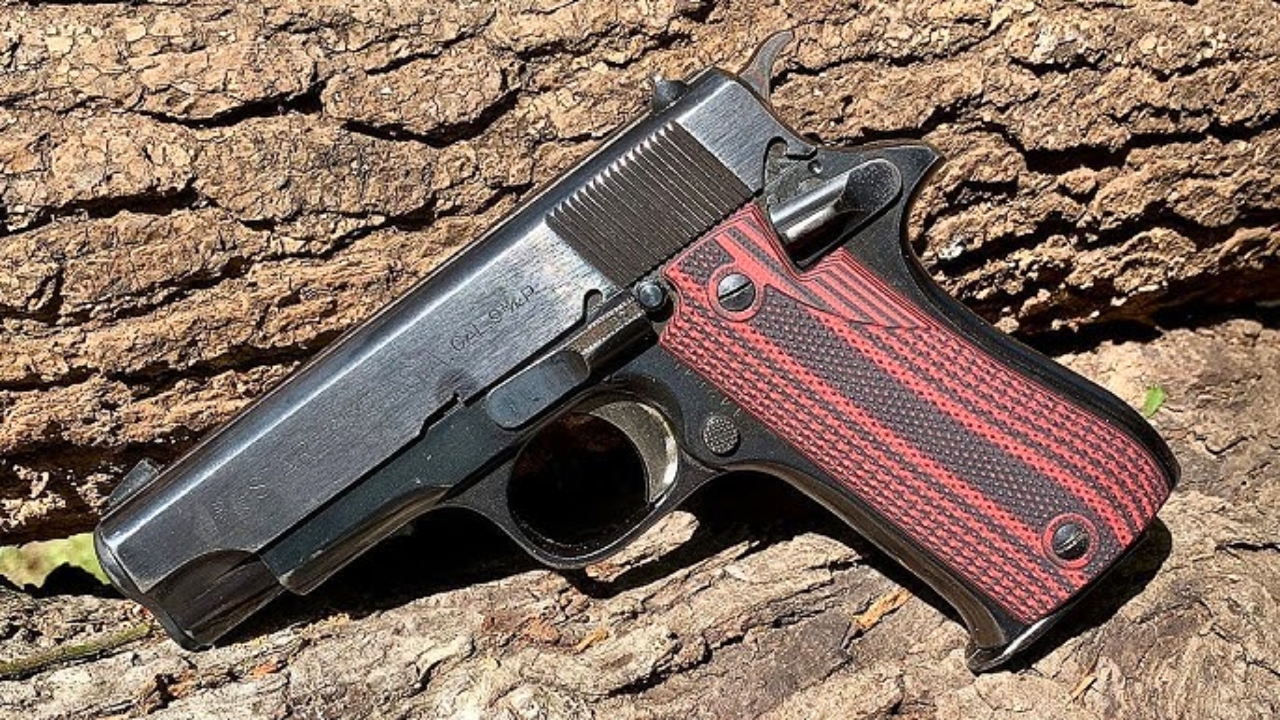
The Star BM is a solid surplus 9mm with a lot of charm. It is steel-framed, compact, and pleasant to shoot. Many people bought them when surplus prices were still reasonable and discovered that they felt better than expected.
But it is still an older service pistol from an era when hollow point compatibility was not always the design priority. Some examples feed modern defensive ammo fine, while others prefer round-nose ball. Magazine condition also matters because replacement support is not like Glock or SIG. A Star BM can be a great shooter, but it needs testing before defensive use.
Makarov PM

The Makarov PM is famously rugged, but that does not mean it loves every hollow point. The pistol and its 9x18mm cartridge were built around military-style use, and many surplus examples were expected to run ball ammunition. That is where their reliability reputation came from.
Modern 9×18 hollow points can work in some Makarovs, but feeding and performance are not automatic. The guns are old, magazines vary, and bullet shapes can differ. A Makarov may be nearly boring with FMJ and still dislike certain defensive loads. Rugged does not always mean hollow-point friendly.
CZ 82

The CZ 82 is one of the better surplus 9x18mm pistols, with a comfortable grip and decent capacity for its era. It often shoots well and feels more modern than many surplus handguns. That makes people want to trust it.
But like the Makarov, it lives in a world where FMJ reliability does not automatically prove hollow point reliability. The pistol may run certain defensive loads, but owners need to test them hard. With surplus guns, old magazines and feed geometry matter as much as the gun’s reputation.
Like The Avid Outdoorsman’s content? Subscribe to our newsletter so you never miss an article.
Here’s more from us: