Photo credit: Sinttituubi/YouTube
Some guns become hard to replace because everyone knew they were special from the beginning. Limited runs, custom-shop builds, famous military rifles, and collectible Colts are easy to understand. Nobody is shocked when those dry up.
The more frustrating ones are the guns people treated like normal tools. They were sitting on used racks, riding in trucks, leaning in closets, or getting traded toward something newer. Then production stopped, imports slowed, prices jumped, parts disappeared, or shooters suddenly realized the gun filled a role nobody was building anymore. These are the guns that became hard to replace for reasons nobody expected.
Ruger PC9 police carbine
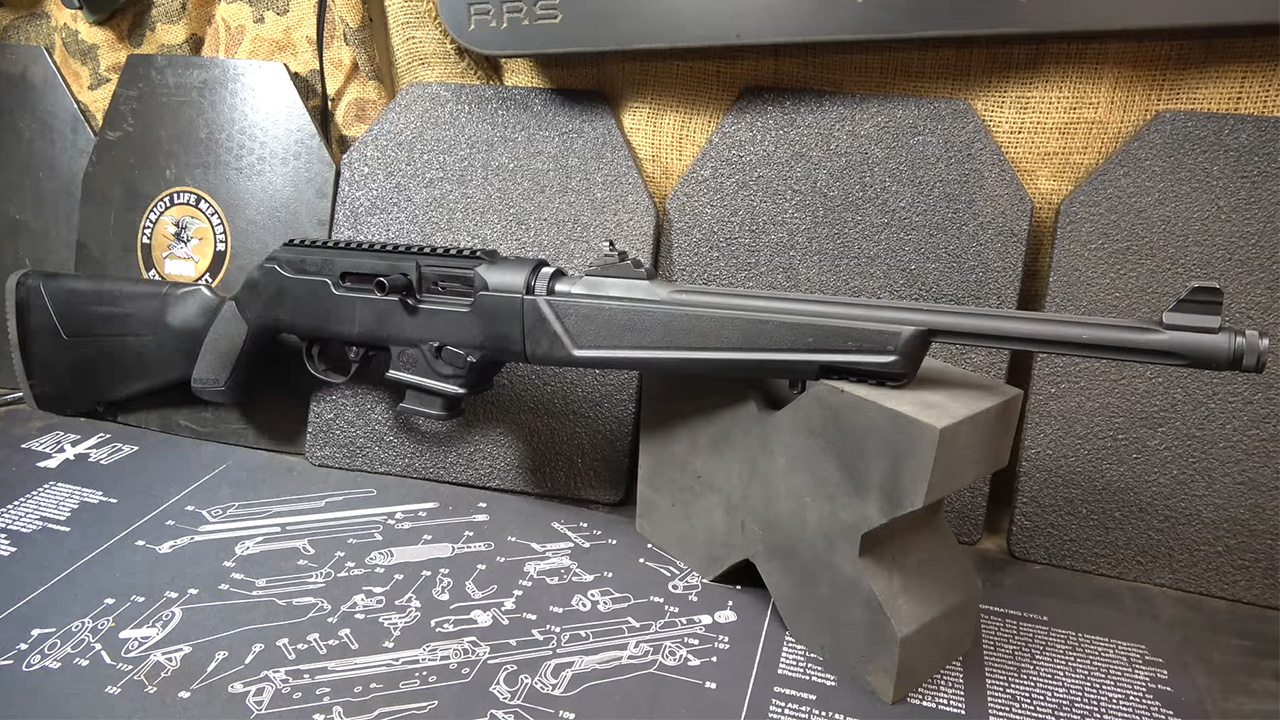
The original Ruger PC9 was not glamorous when it was around. It looked plain, felt heavy for a pistol-caliber carbine, and mostly appealed to police departments, security use, and shooters who liked practical 9mm carbines before they were trendy. A lot of people ignored them because they seemed boring.
Then pistol-caliber carbines got popular, and the old PC9 suddenly made more sense. It was rugged, simple, and built like a duty gun instead of a range toy. The newer Ruger PC Carbine is easier to find, but the original police-style PC9 has its own appeal. People who passed on them cheap did not expect basic utility to become collectible.
Marlin Camp 9

The Marlin Camp 9 became hard to replace because it did something simple that hardly anyone appreciated enough at the time. It was a handy 9mm carbine that took Smith & Wesson 59-series magazines, which made it practical before the PCC market exploded. It looked like a little sporting rifle instead of a tactical build.
Once production ended, people realized there were not many light, plain, wood-stocked 9mm carbines like it. The Camp 9 had quirks, especially with buffers and maintenance, but it filled a lane that modern PCCs do not quite copy. It became desirable because it was useful in a way nobody was trying to recreate.
Remington 7615

The Remington 7615 was a pump-action .223 rifle that took AR-15 magazines, which sounds more interesting now than it did when it was easier to find. At the time, many shooters either wanted a traditional hunting rifle or a real AR. A pump .223 sat in a strange middle ground.
That strange middle ground is exactly why it became hard to replace. It offered fast manual operation, common magazines, and a rifle format that appealed to people in places where semi-autos were restricted or less welcome. Once people realized how unusual that combination was, the 7615 stopped looking odd and started looking smart.
Ruger 96/44

The Ruger 96/44 was a lever-action .44 Magnum rifle that looked modern, compact, and a little unusual. It did not have the cowboy look of a Marlin or Winchester, and that probably hurt it when it was new. Many hunters did not know what to make of it.
Now it is hard to replace because almost nobody builds a rifle quite like it. A short, handy .44 Magnum lever gun with Ruger styling, detachable rotary magazines, and real woods usefulness is a specific thing. For short-range deer, hogs, and camp use, it made sense. People just figured that out after it was gone.
Beretta 1201FP

The Beretta 1201FP was once just an older tactical shotgun sitting behind newer designs. It was light, fast, and based around the same general inertia-operated world that gave Benelli shotguns their reputation. But for years, many buyers overlooked it because it was not the current hot defensive shotgun.
Then people started appreciating old police and defensive shotguns more. The 1201FP became harder to find because it offered serious performance without the bulk of many modern tactical semi-autos. It is not as accessory-friendly as newer guns, but that is part of the appeal. It was built before every shotgun needed rails and oversized everything.
Smith & Wesson 1006
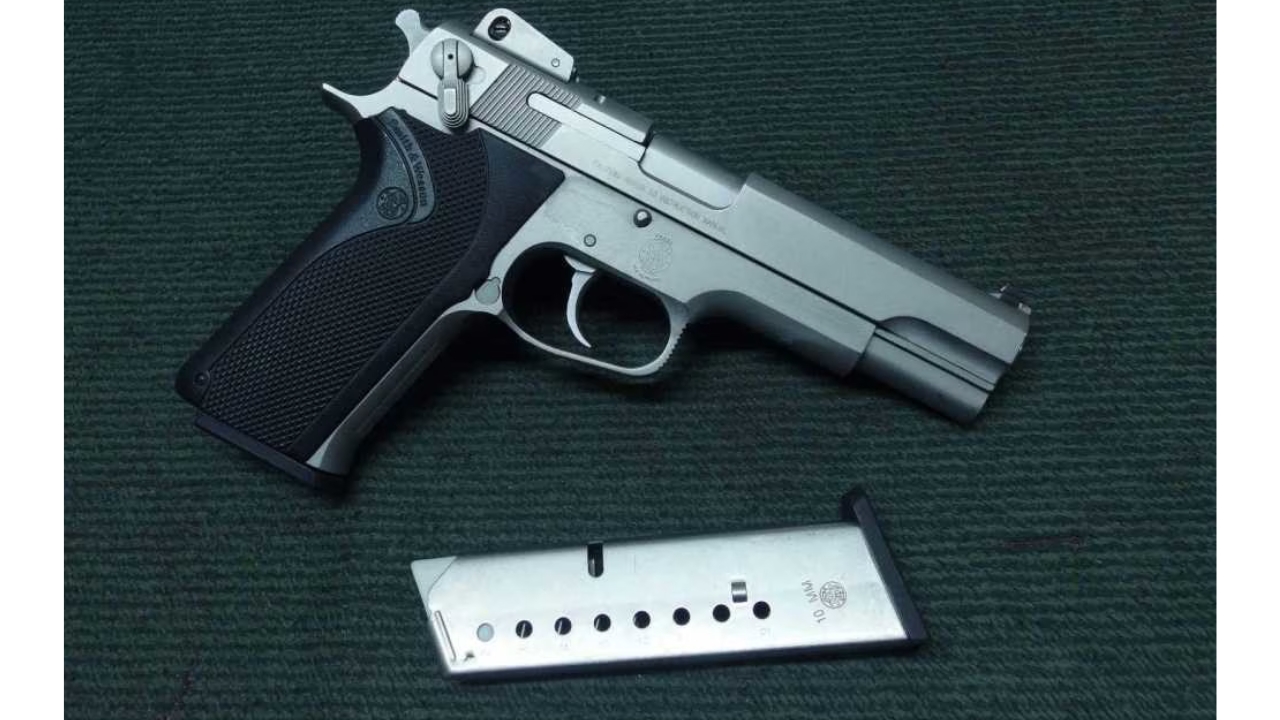
The Smith & Wesson 1006 became hard to replace because 10mm came back in a big way. For years, heavy all-steel 10mm pistols were a niche interest. Plenty of shooters looked at the 1006 as an outdated brick from the past.
Then the 10mm revival made people rethink it. The 1006 was strong, serious, and built during a period when Smith & Wesson third-generation autos were tough duty guns. Modern 10mms may be lighter and optics-ready, but they do not feel like the old 1006. Once 10mm got popular again, the old steel guns suddenly looked a lot smarter.
Smith & Wesson 4506

The Smith & Wesson 4506 became hard to replace because big all-steel .45 pistols fell out of fashion before people realized how nice they were to shoot. It was heavy, large, and completely out of step with the modern push toward lighter polymer pistols. That made it easy to trade away.
Now the weight is part of the charm. The 4506 shoots softly for a .45, feels extremely solid, and has that old third-generation Smith build quality people have started respecting again. It is not the most practical carry gun, but as a range or home-defense pistol, it has a confidence that many newer pistols do not offer.
Colt 1903 Pocket Hammerless
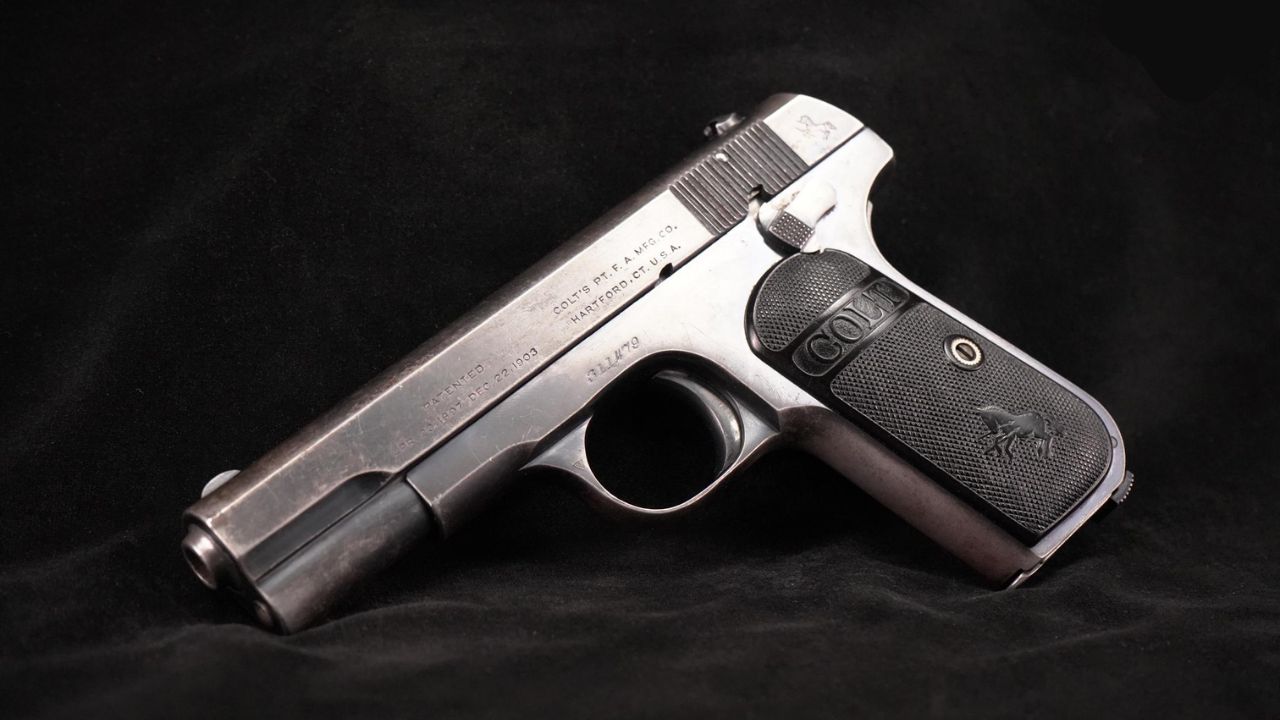
The Colt 1903 Pocket Hammerless became hard to replace because small pistols changed completely. When modern micro 9mms took over, old .32 ACP pocket pistols seemed like antiques. Plenty of people treated them as neat little curiosities instead of serious pieces of design.
But the 1903 has a feel that modern pocket guns rarely match. It is slim, elegant, and shockingly natural in the hand. Nobody is really making that exact kind of pistol now. It became hard to replace not because .32 ACP came roaring back, but because people realized the design itself had a quality modern pocket guns mostly lost.
Browning BDA .380
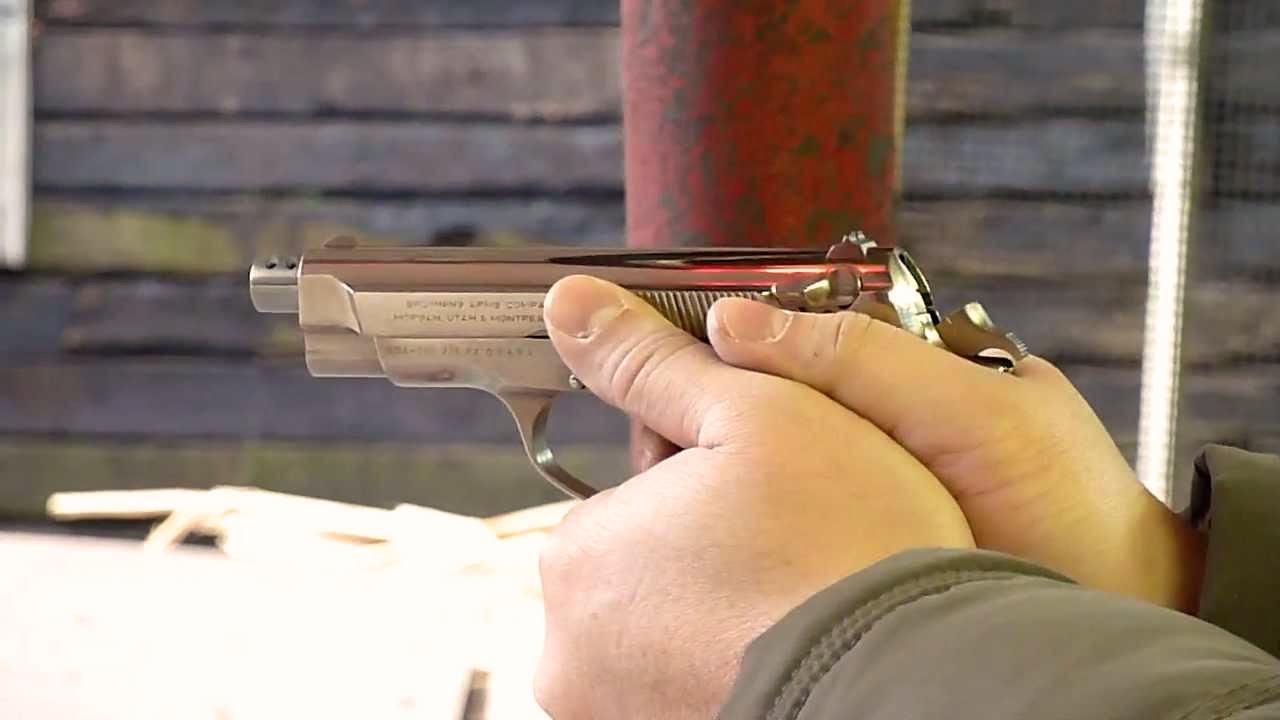
The Browning BDA .380 became hard to replace because it sat in an odd category. It was a polished, double-stack .380 with Beretta roots and Browning branding, bigger than a pocket gun but easier to shoot than tiny .380s. For a long time, that seemed like a strange size for the caliber.
Then people started appreciating shootable .380s again. Not everyone wants a tiny gun that hurts to practice with. The BDA gave shooters a mild, classy pistol that felt like a real firearm. Its replacement problem is simple: most modern .380s are built tiny, cheap, or both. The BDA was neither.
HK P7

The HK P7 was always unusual, but it became hard to replace because nobody else really followed it. The squeeze-cocker system, fixed barrel, low bore axis, and compact profile made it unlike almost anything on the market. Some people thought it was too weird when it was available.
Now that weirdness is exactly why people want it. The P7 is expensive to make, different to operate, and not the kind of gun a modern company is likely to reintroduce cheaply. It became hard to replace because its best features were also the reasons it was never easy to mass-market.
Walther P99 AS
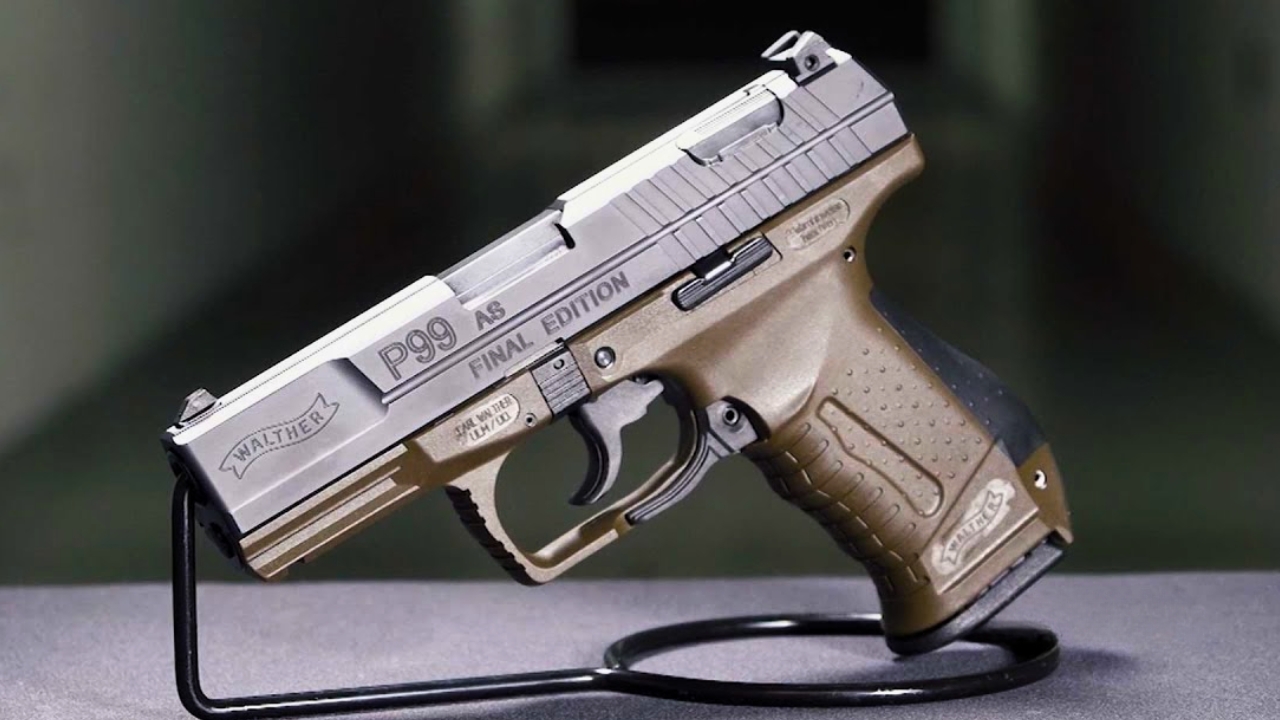
The Walther P99 AS became hard to replace because striker-fired pistols mostly moved in a simpler direction. The P99’s anti-stress trigger system gave shooters a different kind of DA/SA-like striker feel, and the pistol had excellent ergonomics before that became Walther’s calling card.
When the market standardized around simpler striker triggers and optic-ready slides, the P99 started looking outdated. Then it disappeared, and people realized it offered something different. A modern PDP may be easier to support, but it does not replace the P99 AS trigger system or the personality that came with it.
CZ 97B
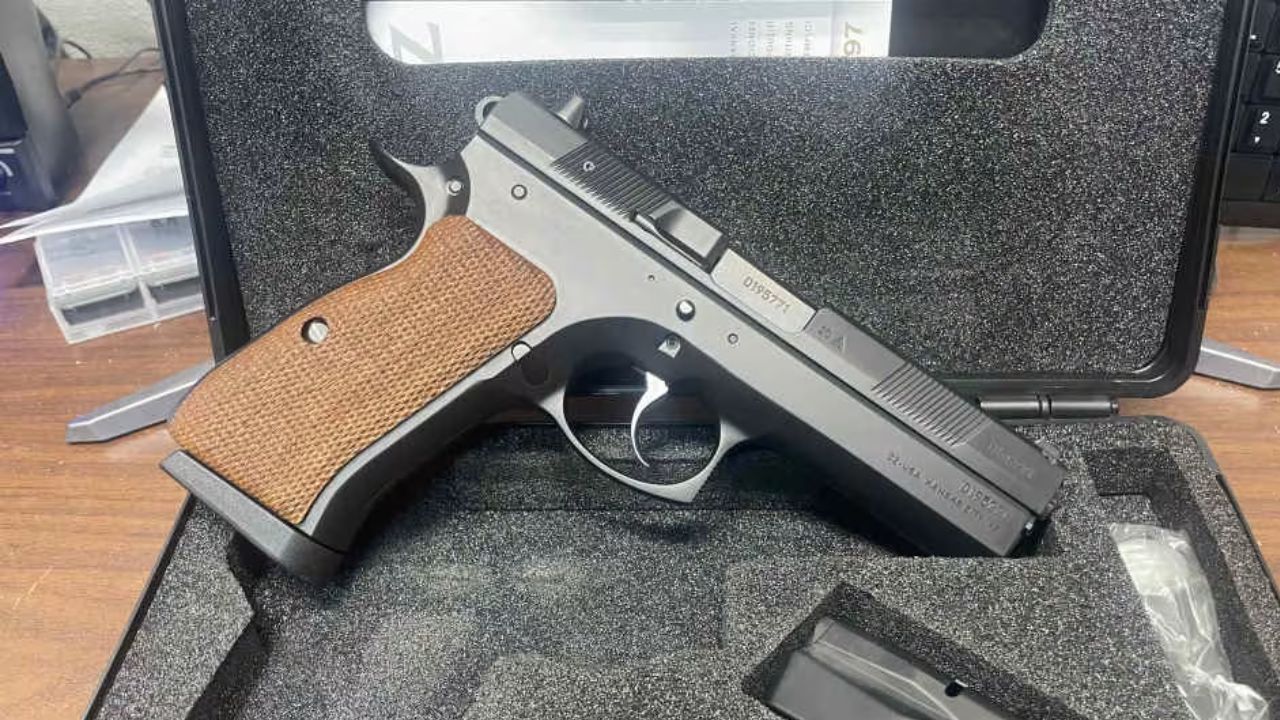
The CZ 97B became hard to replace because full-size .45 ACP pistols stopped being the center of the handgun world. It was a big steel CZ in .45, and that made it heavy, wide, and not especially fashionable once polymer 9mms took over.
Then production ended, and shooters remembered how well the gun handled its size. The 97B was accurate, soft-shooting, and built with the same grip-and-balance logic that made the CZ 75 popular. There are plenty of .45 pistols, but not many feel like a CZ 97B. That is why people who waited too long started regretting it.
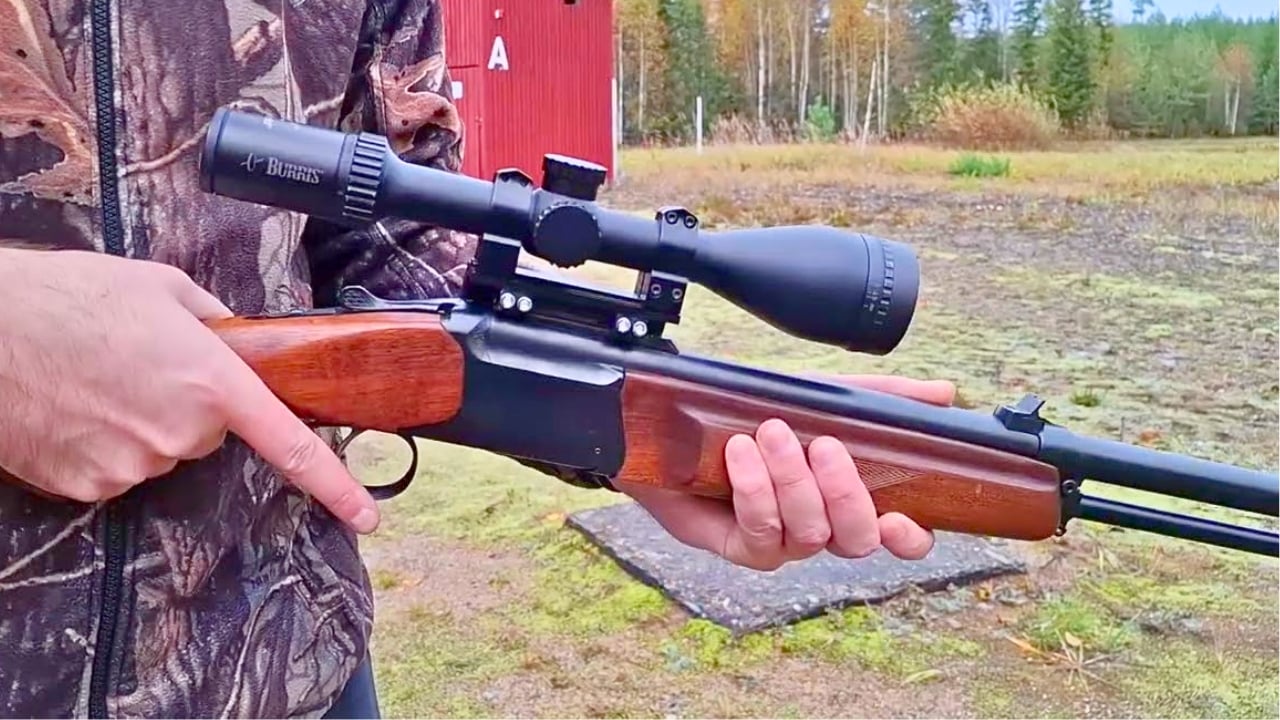
Ruger No. 1
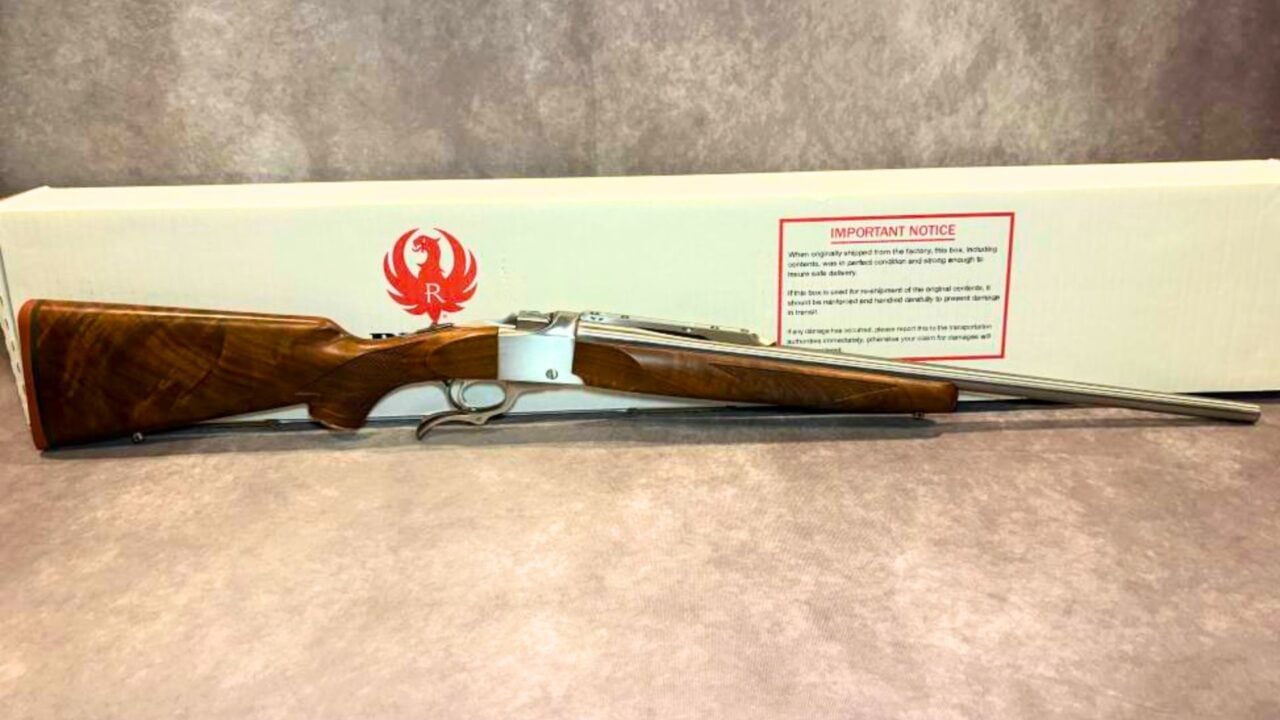
The Ruger No. 1 became hard to replace because single-shot rifles became a niche within a niche. For decades, it gave hunters and riflemen a strong falling-block action in all kinds of chamberings. It was classy, compact for its barrel length, and different from the usual bolt-action crowd.
The problem is that rifles like this are expensive to make and appeal to a smaller audience. As availability tightened, people realized the No. 1 was not just another hunting rifle. It was one of the few production guns that made single-shot hunting feel refined and practical. Once gone from a safe, it is not easily replaced by anything modern.
Remington 673 Guide Rifle
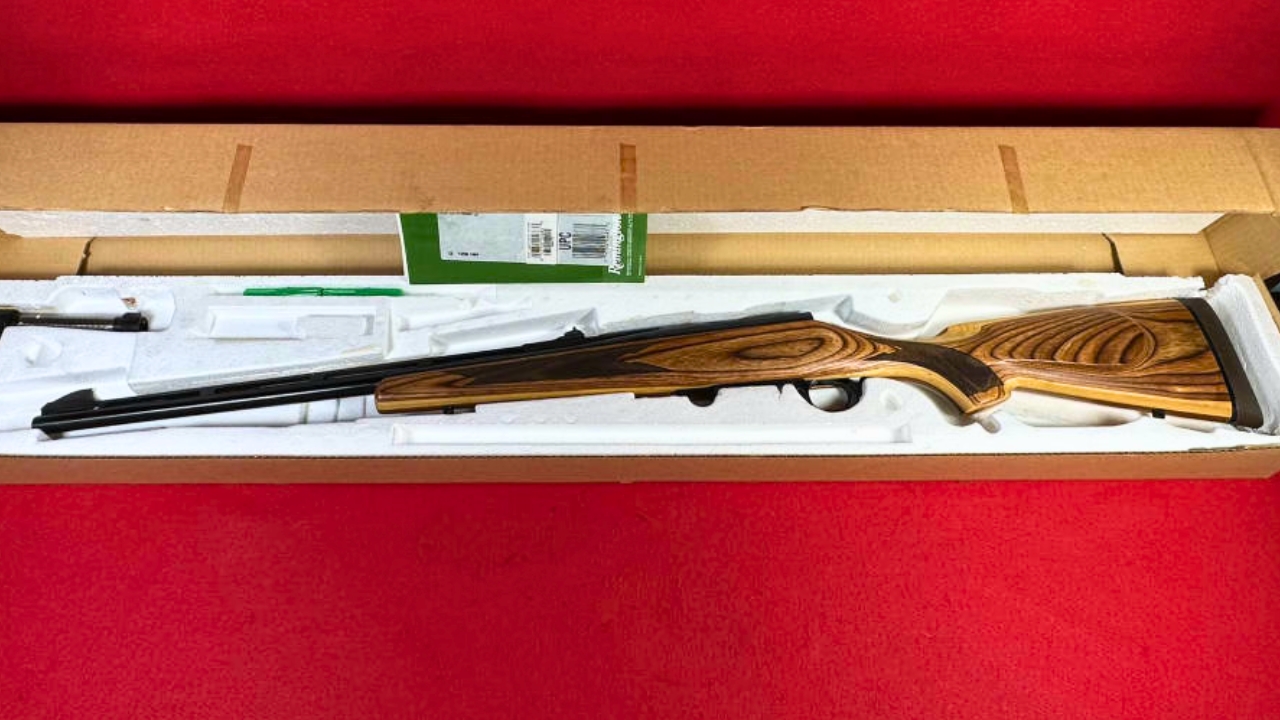
The Remington 673 Guide Rifle was odd enough that many hunters ignored it. The vent-rib barrel, laminated stock, and throwback styling made it look like Remington was trying to revive the Model 600 vibe. Some people loved it. Others thought it looked strange.
Years later, that strangeness became part of the draw. The 673 was compact, powerful, and offered in chamberings that made sense for heavy cover and big game. It became hard to replace because nobody is making many short, distinctive guide-style bolt rifles with that kind of personality anymore.
Winchester Model 100

The Winchester Model 100 became hard to replace because sporting semi-auto rifles changed direction. It was a traditional-looking semi-auto deer rifle in chamberings like .243, .284, and .308. For a long time, it was just an old hunting rifle with known recall concerns that buyers had to be careful about.
Then hunters started realizing how few classic wood-stocked semi-auto deer rifles still exist. The Model 100’s combination of looks, handling, and chamberings is not common now. A modern AR-style rifle may be more practical in some ways, but it does not replace the feel of a traditional semi-auto deer rifle.
Savage 340

The Savage 340 became hard to replace because it was cheap enough that nobody thought much of it. It was a plain bolt-action rifle, often seen in .30-30 Winchester, with a detachable magazine and basic working-gun looks. For years, people treated it like a budget oddball.
Now that oddball status makes it interesting. A bolt-action .30-30 is not something you see every day, and the 340 gives hunters a different way to use a classic woods cartridge. It is not fancy, and it never was. But it became hard to replace because cheap, unusual utility rifles disappeared while nobody was paying attention.
H&R Ultra Slug Hunter

The H&R Ultra Slug Hunter became hard to replace because slug guns seemed less important once straight-wall rifles became legal in more places. For years, single-shot slug guns were practical tools for deer hunters in shotgun zones. Then the market shifted.
That left a gap. The Ultra Slug Hunter was heavy, simple, accurate enough for its job, and affordable. It did not need to be pretty. It needed to put a slug where it belonged. Once production ended and slug hunters started looking for replacements, they realized there were not many cheap, dedicated slug guns like it anymore.
New England Firearms Pardner shotgun
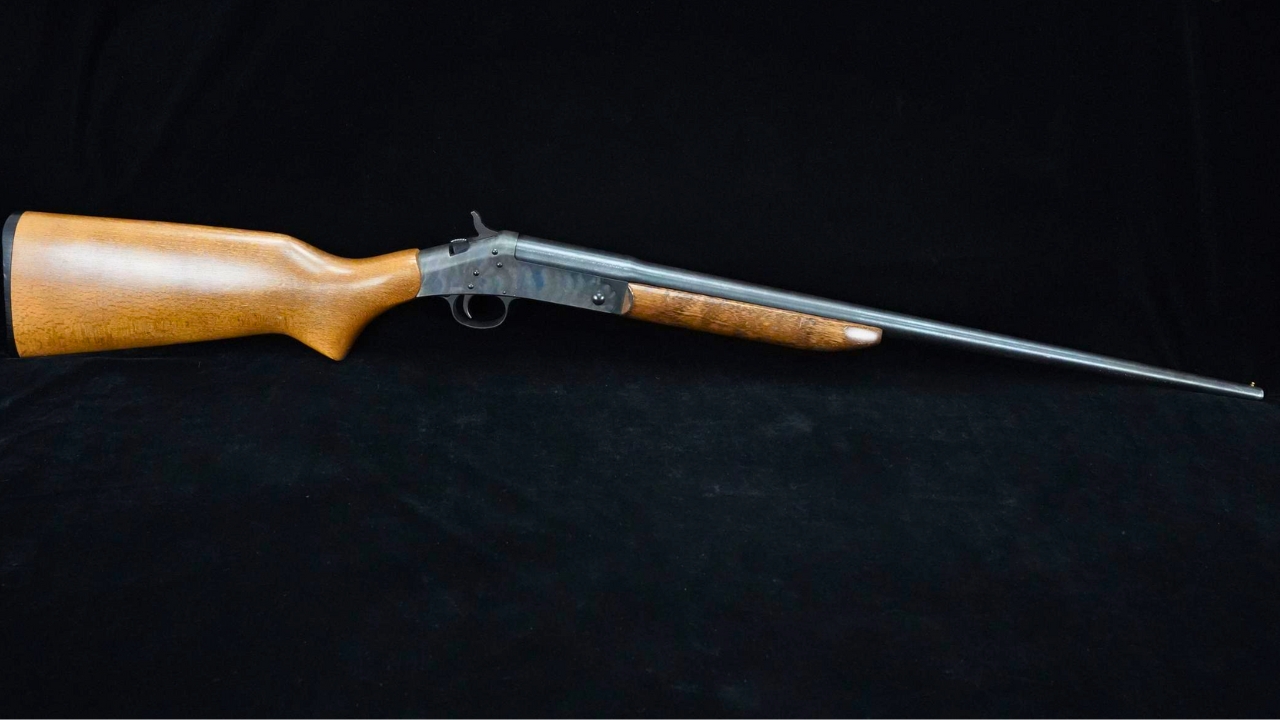
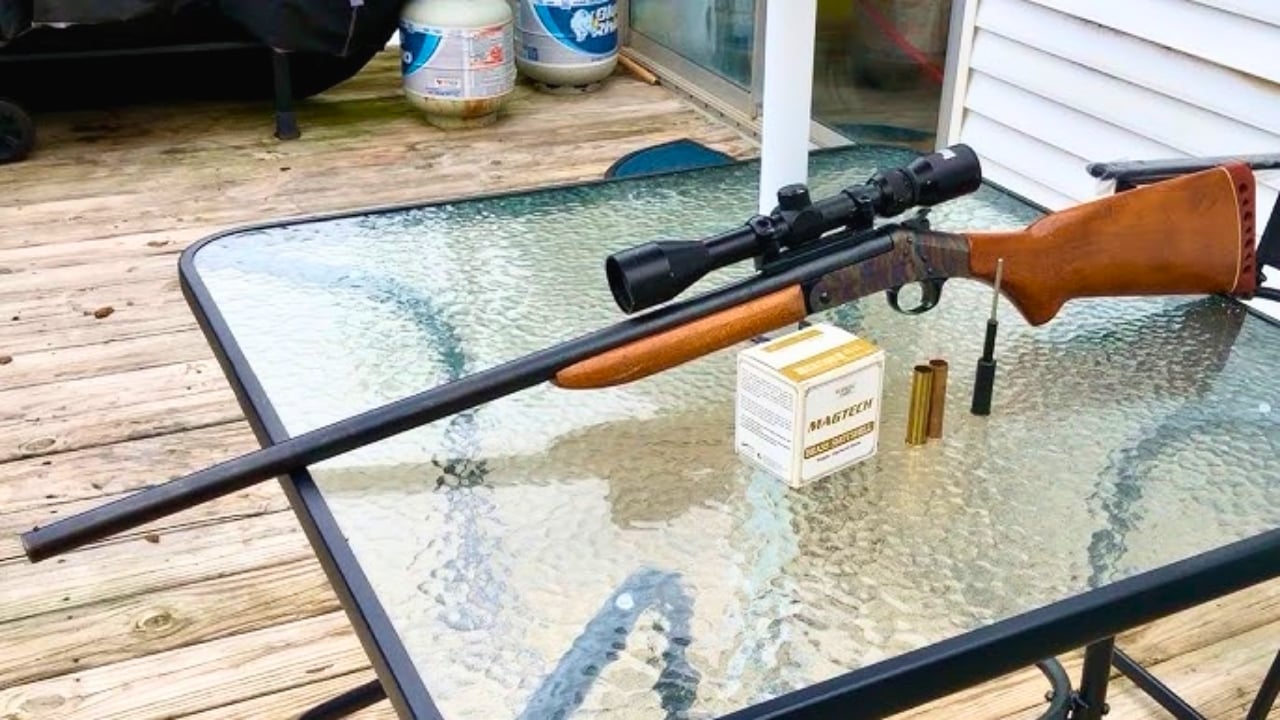
The NEF Pardner shotgun became hard to replace because it was almost too plain to appreciate. A single-shot 12 or 20 gauge was the kind of gun people bought for farm use, youth hunting, or keeping behind the truck seat. Nobody thought of it as special.
Then simple, inexpensive single-shots started getting harder to find in the same way. The Pardner was not refined, but it was cheap, tough, and useful. It filled a role that modern repeaters and tactical shotguns do not. People miss them because they were the kind of gun you could use without worrying about it.
Remington SPR18
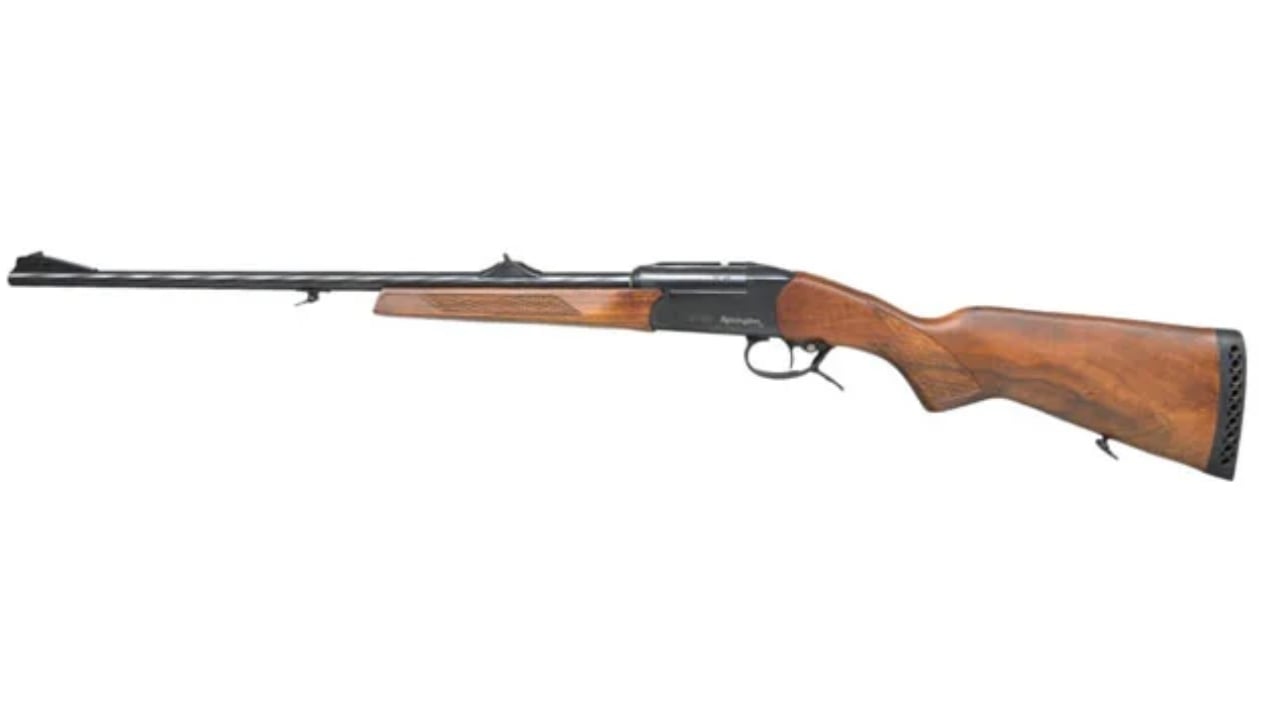
The Remington SPR18 was a Russian-made Baikal single-shot rifle imported under the Remington name, and it was never glamorous. It was plain, affordable, and chambered in useful rifle calibers. Plenty of shooters walked right past it when it was available.
Now it has a strange appeal because cheap centerfire single-shot rifles are not everywhere anymore. The SPR18 was rugged, basic, and different. For someone who wants a simple deer rifle, truck rifle, or project gun, it fills a role that most companies have abandoned. Nobody expected that kind of plainness to become desirable.
Baikal IZH-94
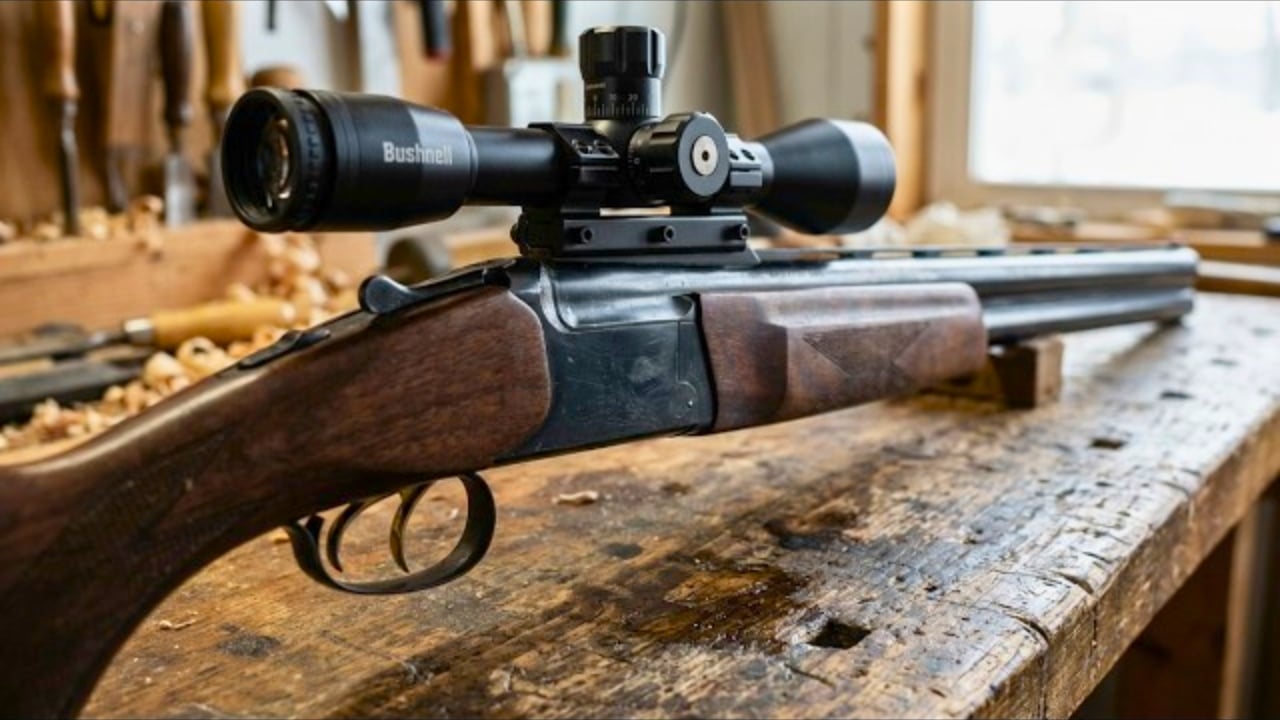
The Baikal IZH-94 became hard to replace because combination guns never really became mainstream in America. It offered rifle-over-shotgun utility in a rugged, affordable package. The fit and finish were not fancy, but the idea was strong.
Hunters who like walking woods, checking property, or carrying one gun for mixed opportunities understand the appeal. A rifle barrel and shotgun barrel in one gun solves problems that modern specialized firearms do not. The IZH-94 became hard to replace because the market did not reward practical weirdness until after it dried up.
Ruger Old Army
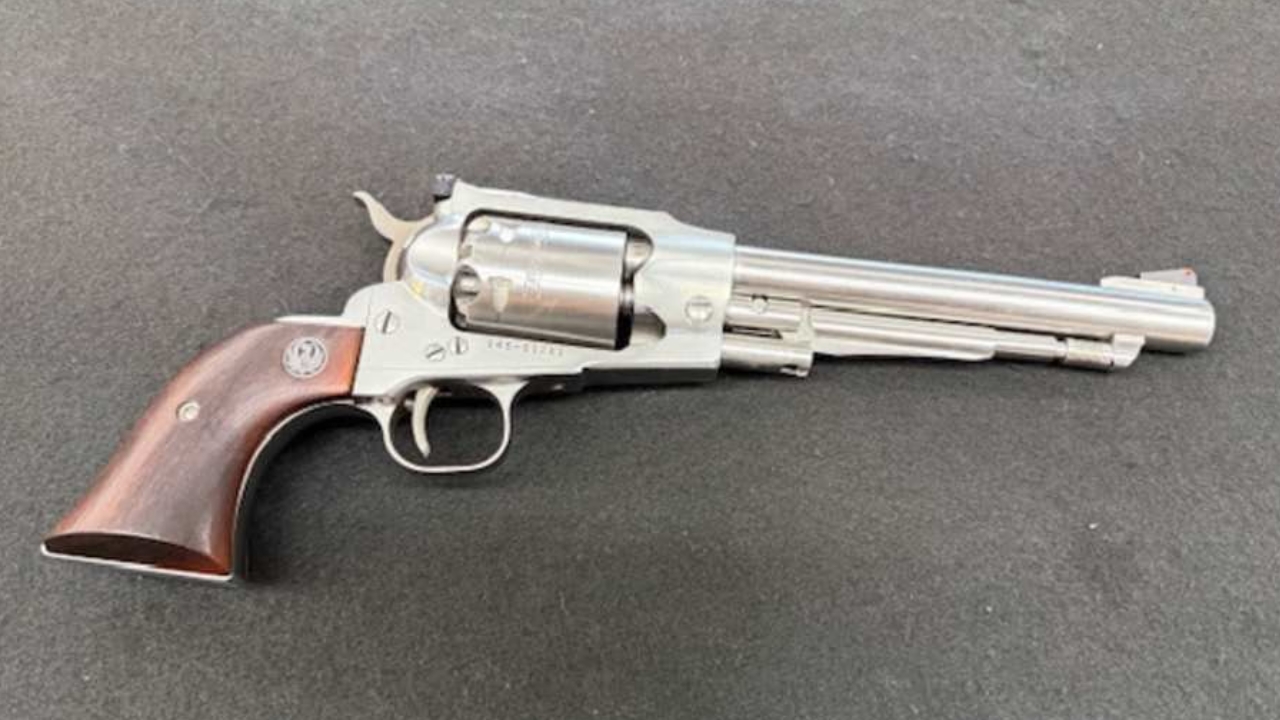
The Ruger Old Army became hard to replace because it was a blackpowder revolver built like a Ruger. Many cap-and-ball revolvers are replicas of older designs, but the Old Army was its own strong, durable take on the concept. It was not cheap, but it was built for real shooting.
Once production ended, people realized there was not a direct replacement. The Old Army had strength, support, and modern Ruger confidence in a traditional blackpowder role. It became hard to replace because it was not just another reproduction. It was a serious shooter’s blackpowder revolver.
Thompson/Center Renegade
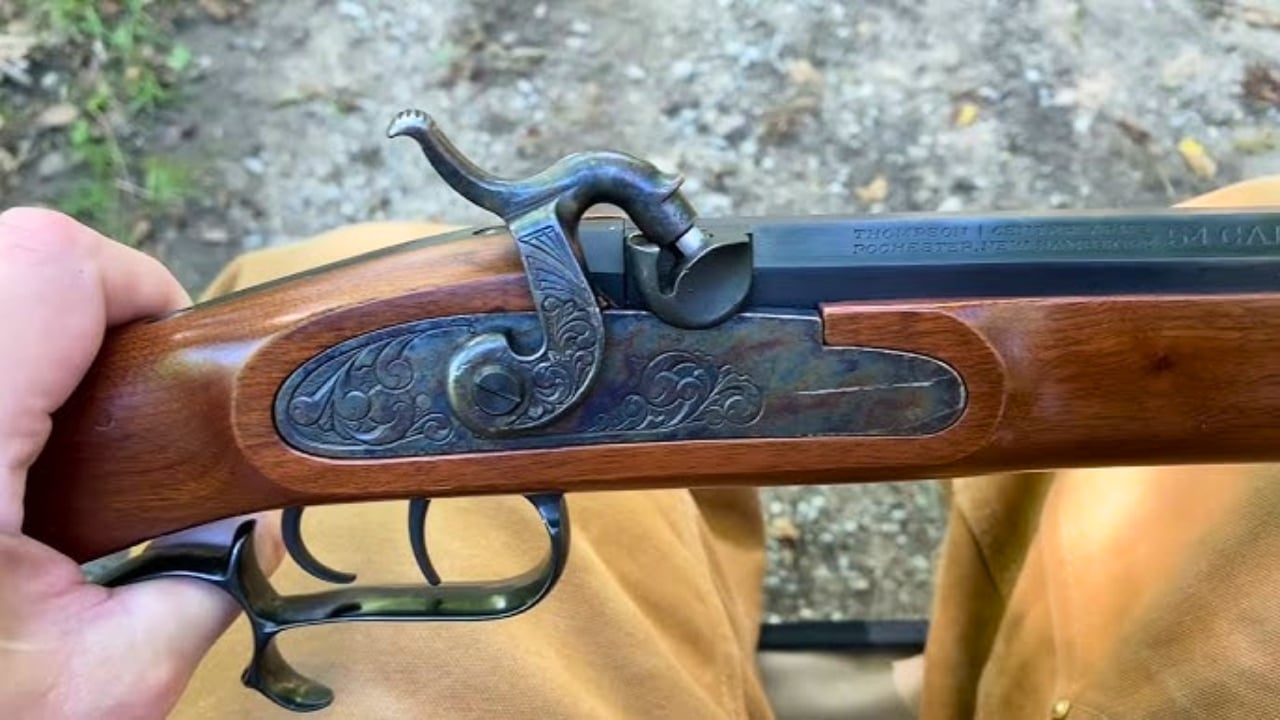
The Thompson/Center Renegade became hard to replace because traditional muzzleloaders lost ground to modern inlines. For a while, side-lock muzzleloaders looked outdated. Hunters wanted scopes, pellets, sabots, and easier cleaning.
Then traditional muzzleloader shooters started appreciating the Renegade even more. It was strong, straightforward, and available in useful calibers. It felt like a hunting rifle instead of a plastic seasonal tool. As traditional T/C sidelocks dried up, people realized they were harder to replace than expected.
Knight MK-85
The Knight MK-85 became hard to replace because it sits at an important point in muzzleloader history. It helped push inline muzzleloaders into serious hunting use, but it still had a rugged, early-inline simplicity that many hunters liked. It was not overly complicated or covered in modern gimmicks.
As muzzleloaders kept evolving, the MK-85 became more interesting instead of less. It represents a time when inline designs were practical and tough without feeling disposable. Hunters who sold them often found that newer muzzleloaders had more features, but not always the same straightforward confidence.
Winchester 1300

The Winchester 1300 became hard to replace because it was a fast, slick pump shotgun that did not always get the respect it deserved. It sat in the shadow of the Remington 870 and Mossberg 500, so people traded them without thinking too hard.
Then they tried to find another pump that felt as quick. The 1300’s rotary bolt and action made it feel fast in a way many pumps do not. It was not fancy, but it was very usable. Once Winchester pump shotguns changed direction, clean 1300s started looking more valuable than people expected.
Franchi SPAS-12
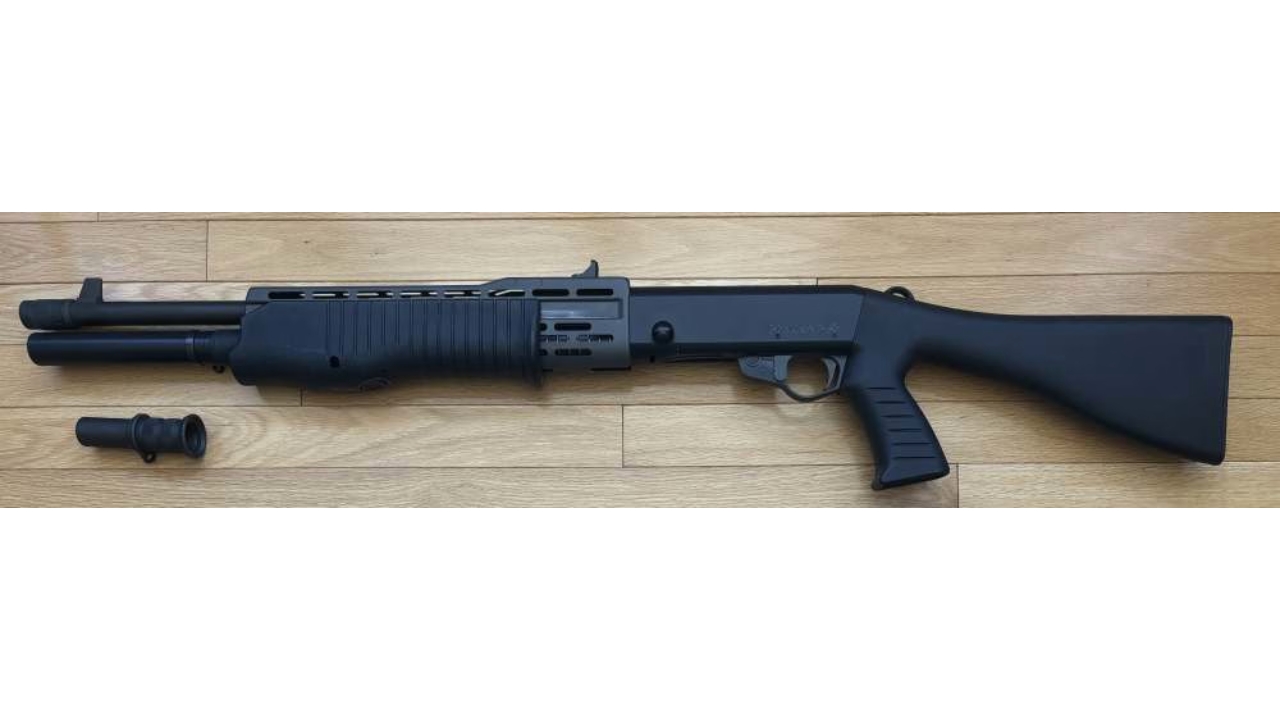
The Franchi SPAS-12 became hard to replace for reasons that had little to do with normal practicality. It was heavy, complicated, and not the shotgun most people would choose for serious modern defensive use. But its looks, movie fame, import status, and unusual semi-auto/pump operation made it unforgettable.
That is exactly why replacing one became so difficult. It was not just another shotgun. It was a cultural object, a mechanical oddity, and a banned-import-era icon all at once. People who bought them as strange tactical shotguns did not always expect them to become collector pieces.
Daewoo K2

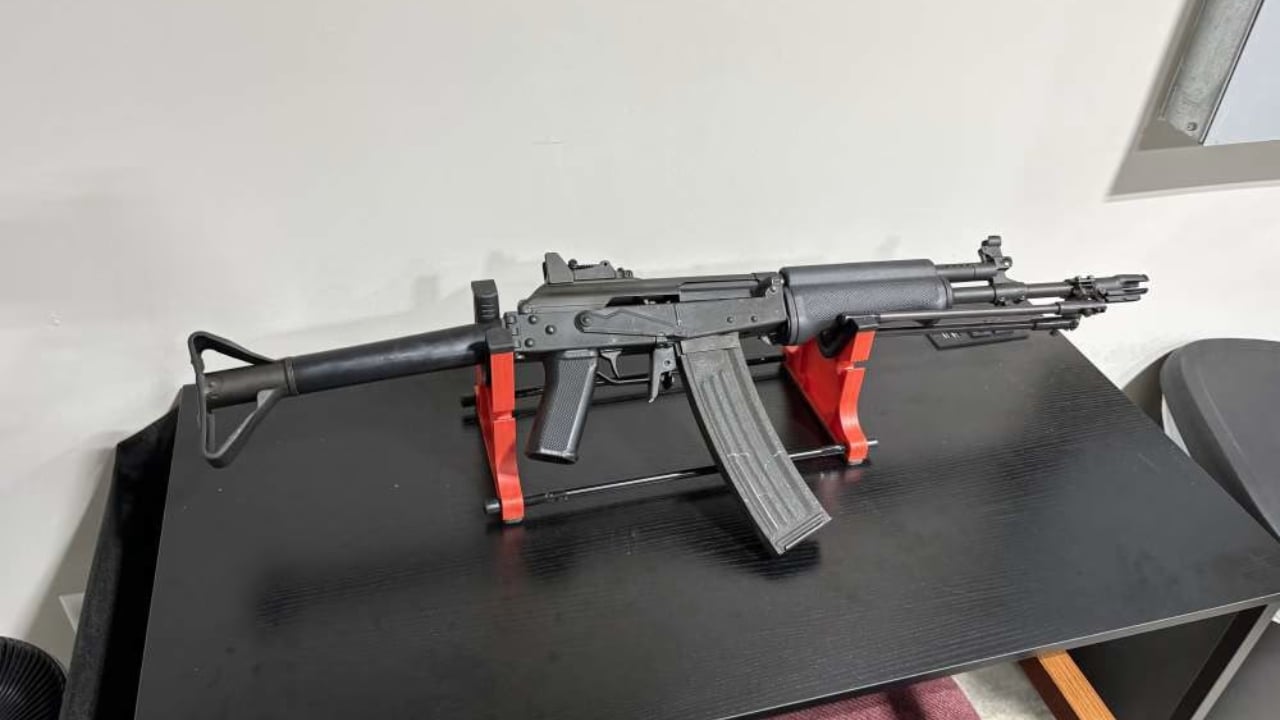
The Daewoo K2 became hard to replace because it blended features people did not fully appreciate at the time. It had elements that felt familiar to AR users, but it was its own South Korean service-rifle design. When imports were easier to find, many shooters treated it as an odd alternative instead of something worth keeping.
Now that import availability and collector interest have changed, the K2 is much harder to casually replace. It is not just another black rifle. It represents a serious foreign military design that never flooded the market the way common ARs did. That scarcity made people regret overlooking it.
Valmet M76
The Valmet M76 became hard to replace because high-quality AK-pattern rifles were once easier to dismiss. To some buyers, it was just an expensive AK variant from Finland. That view aged badly. The build quality, rarity, and import history made the M76 far more desirable over time.
It became hard to replace because it occupies a lane that modern budget AKs cannot touch. A Valmet feels like a carefully made military rifle, not just a cheap stamped import. Once people realized how good they were, the supply was already limited and prices reflected it.
Norinco 1911A1

The Norinco 1911A1 became hard to replace because people underestimated Chinese-made 1911s for years. Many saw them as cheap imports and ignored them. But plenty of gunsmiths and shooters later appreciated the forged steel and strong basic construction.
Import restrictions helped turn them into something people could not simply buy again. A Norinco 1911 may be rough compared with prettier pistols, but the bones are serious. It became hard to replace because the market realized the gun was better than its old budget reputation suggested.
Russian Saiga rifles
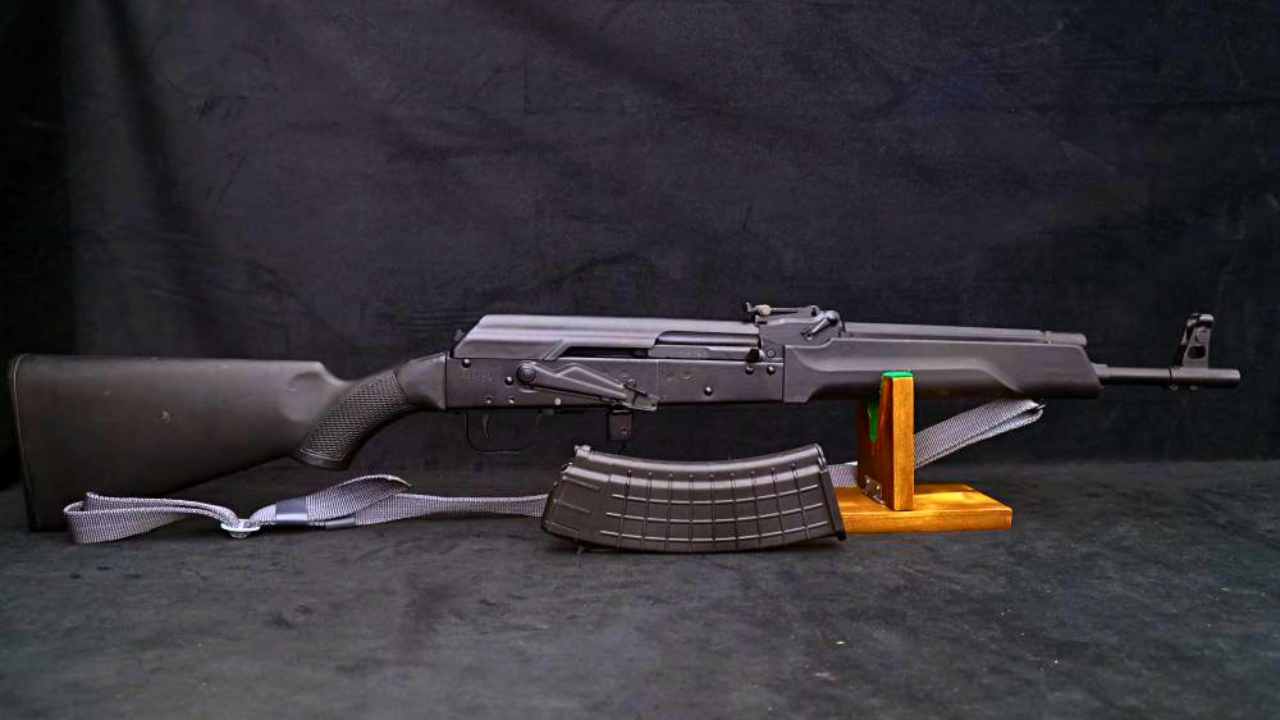
Russian Saiga rifles became hard to replace because they were once treated like affordable AK-based sporting rifles. Many buyers saw the odd sporter configuration and figured they were just cheap imports that needed conversion. They were available enough that people did not panic-buy every one.
Then import restrictions and AK demand changed everything. Suddenly, a real Russian-made AK-pattern rifle was not something you could casually replace. Converted or unconverted, Saigas became desirable because their origin mattered. Nobody expected the weird sporter rifles on the rack to become so hard to find later.
Like The Avid Outdoorsman’s content? Subscribe to our newsletter so you never miss an article.
Here’s more from us: