Photo credit: GunBox Therapy/YouTube
If you carry a pocket or compact pistol for defense, you already know one hard truth: reliability is the only stat that matters. Some small pistols will eat anything you feed them; others will happily spit back budget hollow-points when the situation counts. That doesn’t make the guns evil — a lot of it is geometry, magazine feed angle, slide mass and the specific bullet profile. Below are models shooters often single out for picky behavior with cheap hollow-points. In each case, note that results vary by revision and ammo brand — test your exact gun and the hollow-point you plan to carry.
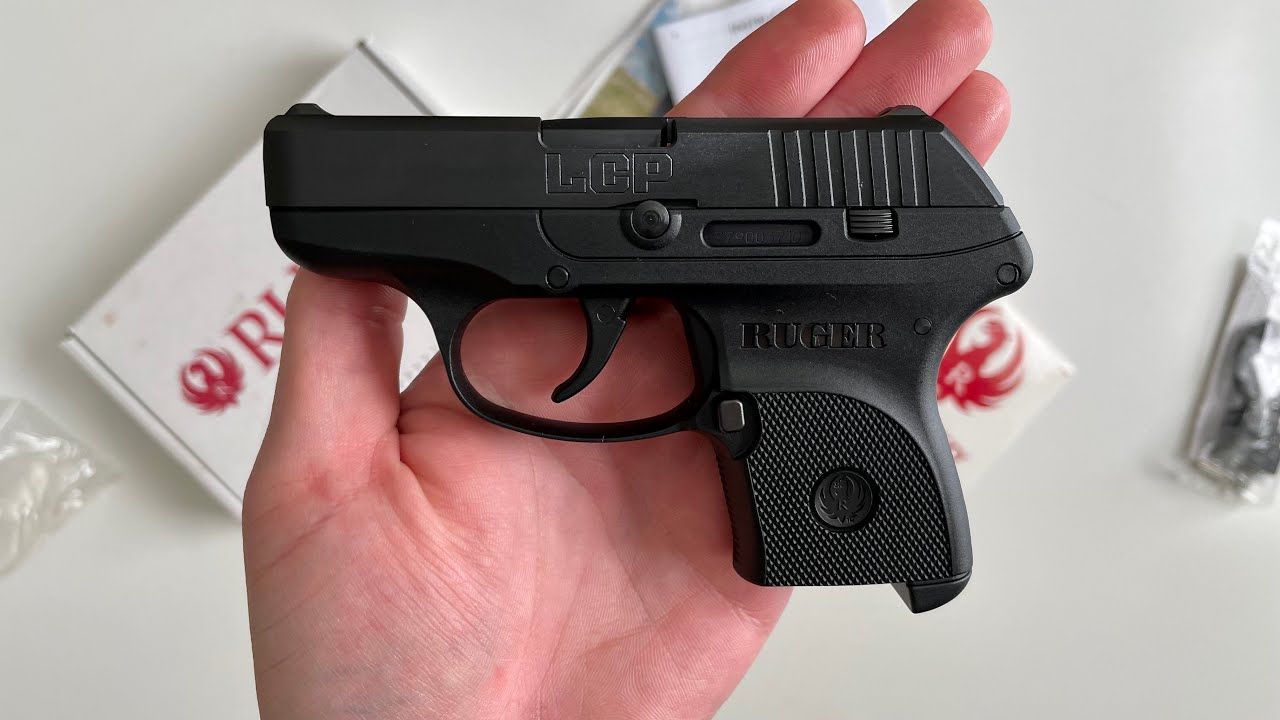
Ruger LCP (original)

Shooters frequently point to early Ruger LCPs as finicky with shallow-nose hollow points and some lightweight rounds. That tiny feed ramp and magazine/slide geometry make certain hollow-point noses hang up or fail to chamber cleanly. Ruger updated the platform over time; the LCP II and later revisions improved feeding for many ammo types. Bottom line: if you own an original LCP, test it with the exact defensive load you plan to carry and prefer reputable hollow-point designs known for reliable expansion and feeding.
Kel-Tec P-3AT and P-32

Kel-Tec pocket pistols are famously light and compact — which is great until you start pushing hollow-point profiles they weren’t optimized for. Users have reported failures to feed and stove-pipe-style malfunctions with some hollow-point designs, especially those with deep, thin petals or odd mouth shapes. Kel-Tec’s small slides and short ramp length make them less forgiving of odd bullet noses; stick to proven, reliable defensive loads and run a magazine or two of them through your exact pistol.
Taurus TCP / 738
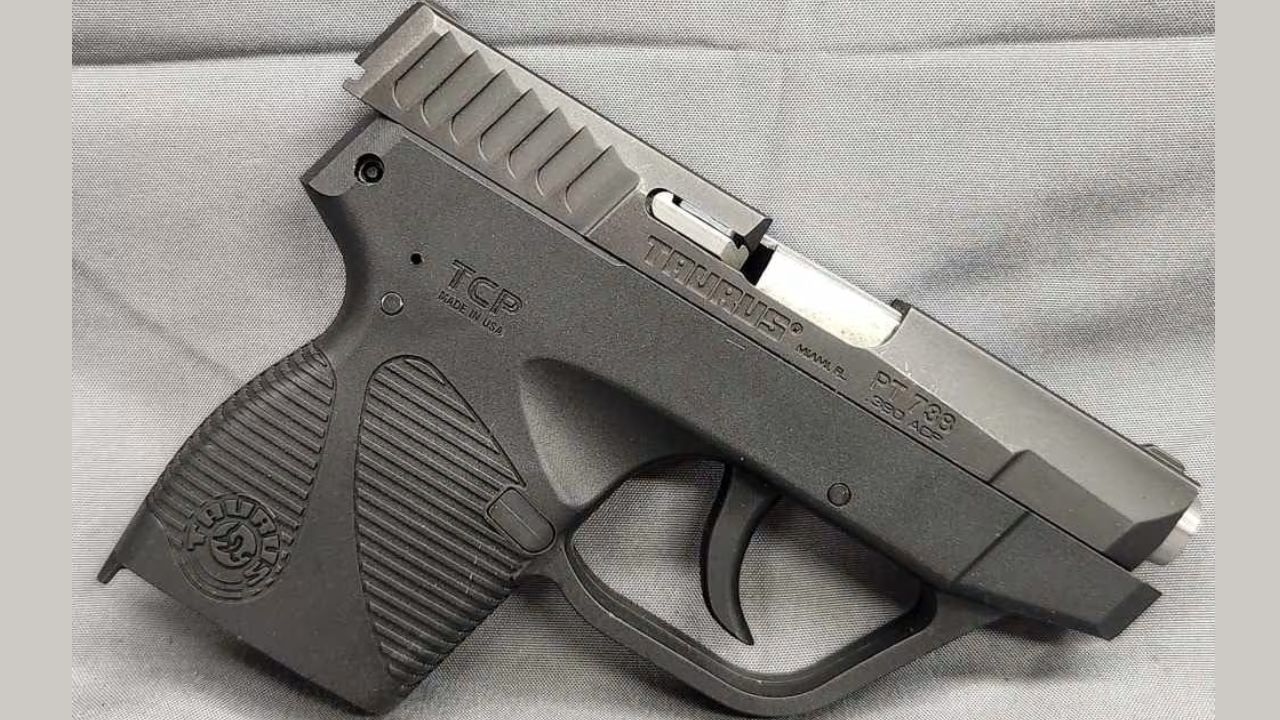
Taurus’s small .380s (TCP and similar) have had mixed reports over the years. Some shooters note picky behavior with low-cost hollow-points that have shallow or irregular profiles. Magazine/design differences between early and later runs can change outcomes, so check your serial-range reviews and, again, test the ammo you plan to carry.
SIG Sauer P238
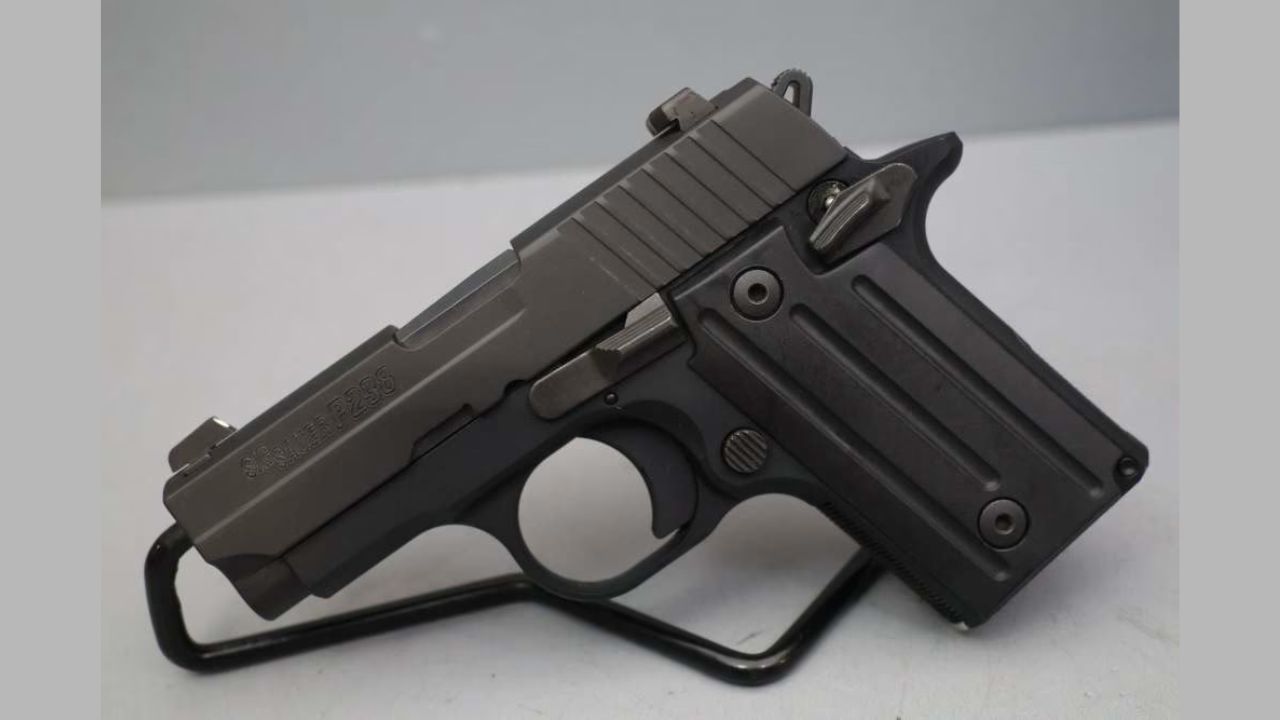
The P238 is a solid little pistol, but some owners found certain hollow-point ammo — especially very light or oddly formed .380 hollow points — more likely to cause feeding issues in early-production runs. SIG tightened tolerances and many users report much better performance with mainstream defensive loads. If you carry a P238, prefer high-quality defensive hollow points and verify reliability.
Smith & Wesson Bodyguard .380
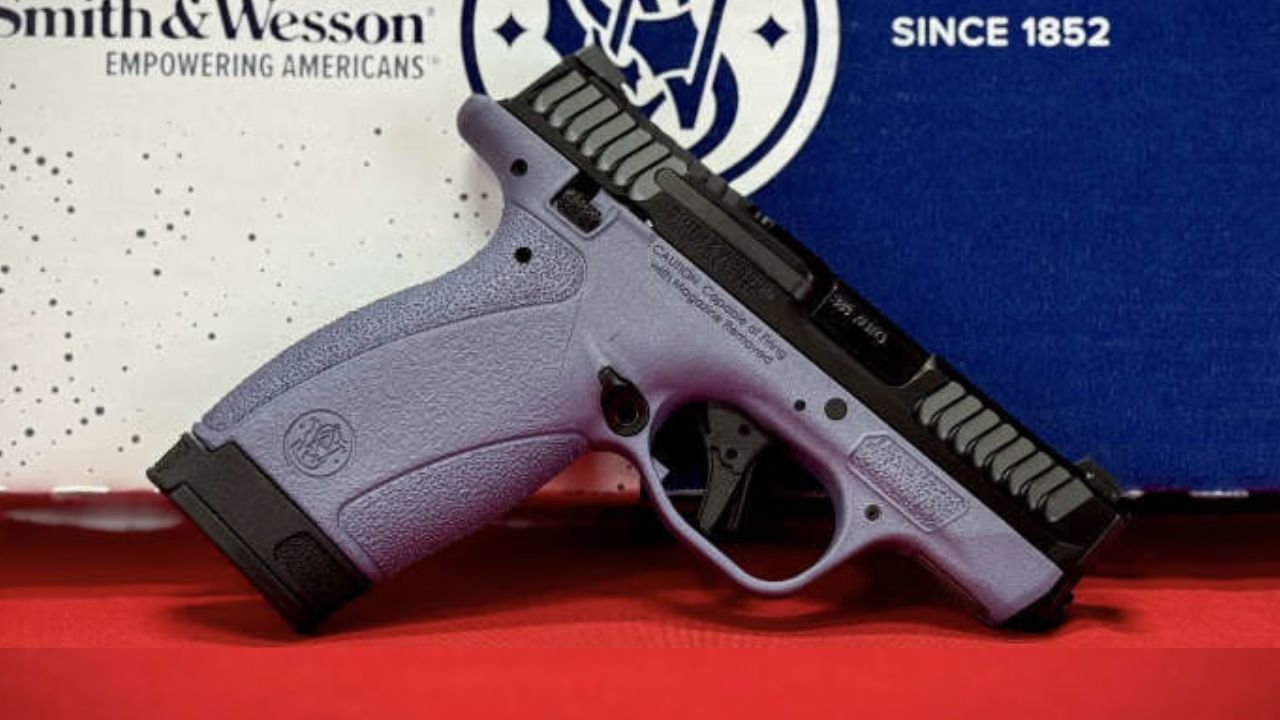
Small, polymer-framed .380 pistols from S&W have occasional reports of picky feeding with budget hollow points, especially in older magazines or with older production magazines. Newer mags and higher-quality hollow-points tend to smooth things out. As always: function-test your chosen ammo in your pistol.
Taurus Spectrum
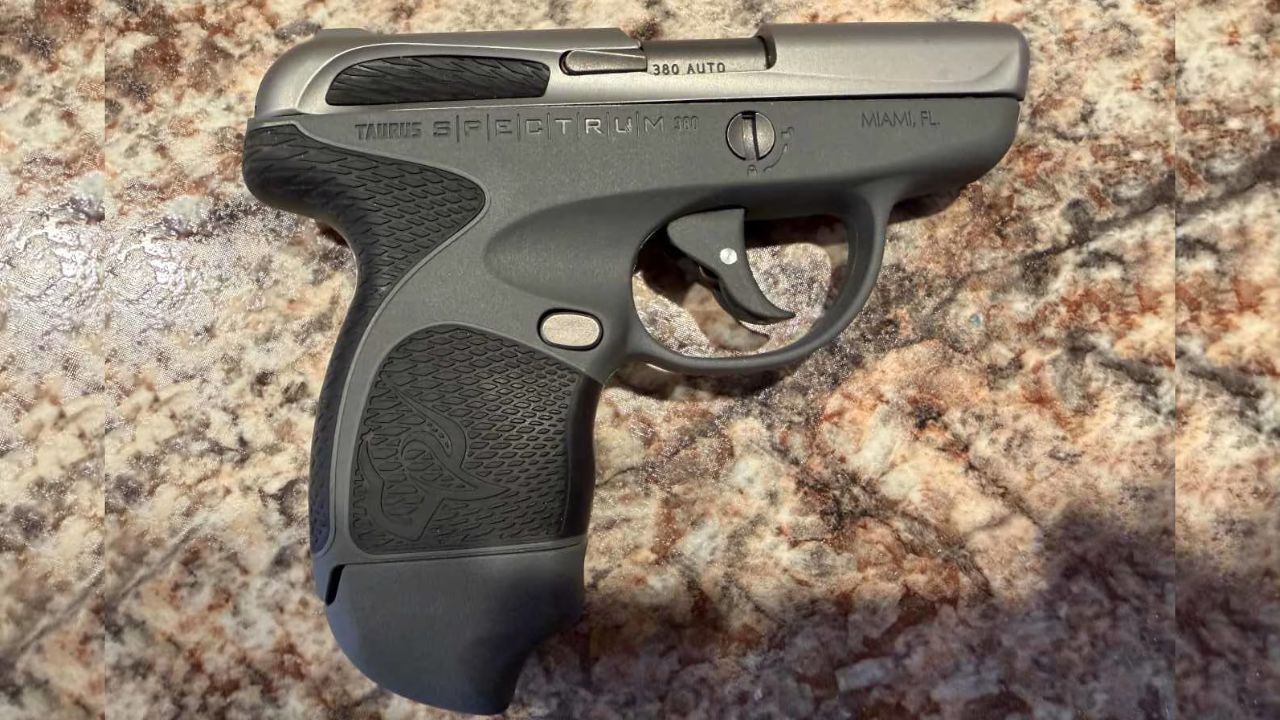
Some of the very compact, polymer-framed micro 9s from various runs have had user reports of being more particular about hollow-point profiles. This is often a combination of very short feed ramps and magazine geometry. Not every Spectrum (or micro 9) will have problems — but many owners recommend trying hollow-points from mainstream defensive brands rather than ultra-cheap loads.
Bersa Thunder .380

Bersa’s compact .380 offerings have generally been respectable, but on the list of carry pistols that occasionally prefer certain bullet noses. Reports focus on shallow-mouth pocket hollow points and inexpensive knockoffs. Swap in a trusted brand of defensive hollow-point and run several magazines through the gun to be sure.
Walther PPK
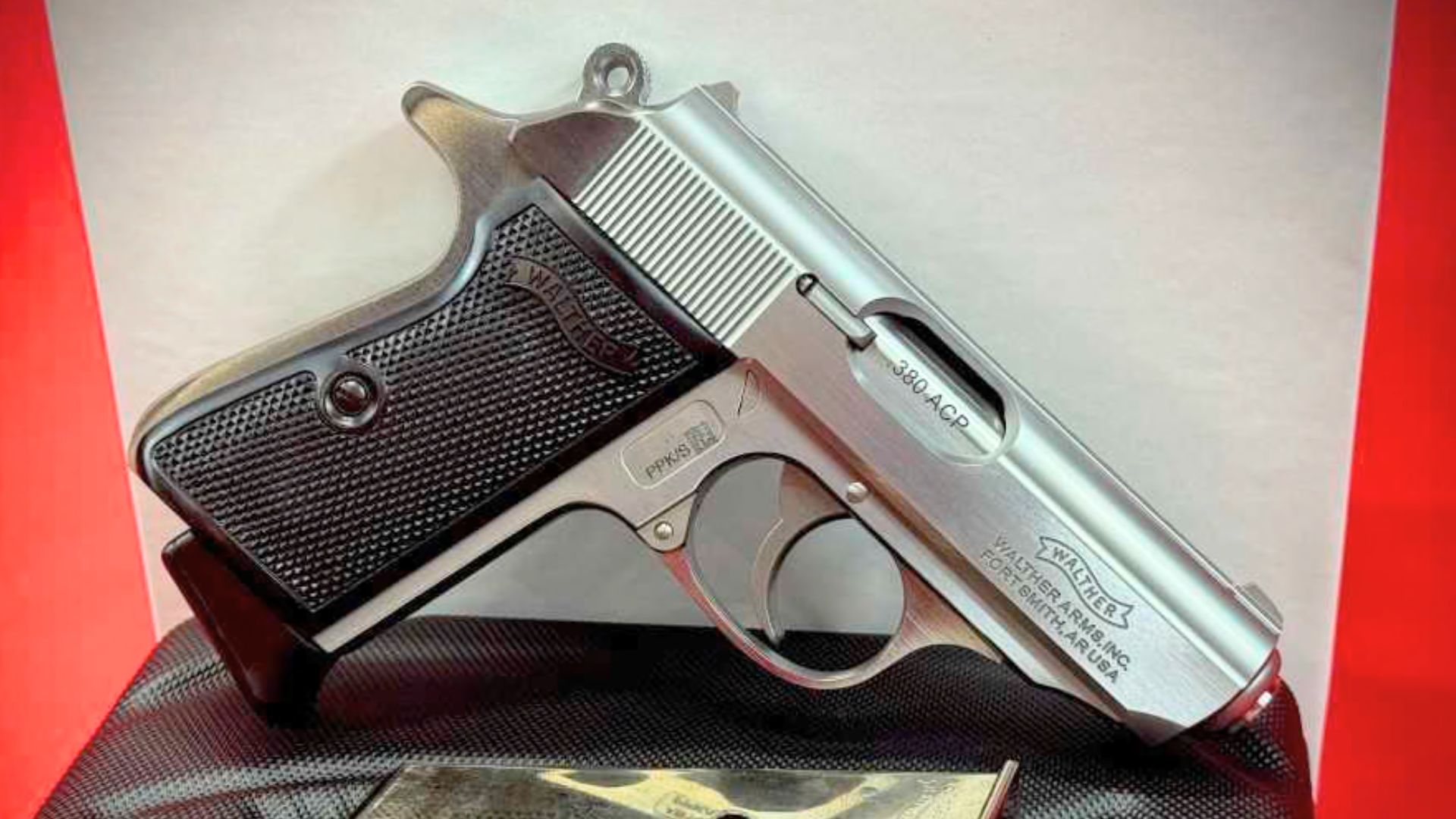
Classic metal-framed pocket pistols (PPK and similar) sometimes show sensitivity to bullet profile because their feed ramps and slide geometry differ from modern polymer designs. They’ll often be fine with proven defensive loads but can balk at odd-profile cheap hollow points. Treat classic carries the same way: test and trust a specific load.
Glock 42

Glock’s small .380/9mm-compact offerings largely build a reputation on reliability, but some very early or specific combos (especially with odd cheap hollow-points) have produced isolated owner complaints. Glocks are generally forgiving — but don’t assume every hollow-point will feed perfectly without a check.
Kimber Solo

The Solo was stylish and compact, but a lot of owners learned the hard way that its ultra-slim slide and tight tolerances don’t forgive odd bullet noses. Cheap hollow-points with irregular mouths or very soft jackets can hang on the feed ramp or nose into the chamber at awkward angles. Kimber made changes over time, but early owners frequently swapped to tested carry loads or different pistols.
If you have a Solo, run the exact hollow-point you plan to carry through several magazines and exercises — if it produces casedouble or failure-to-feed, choose another ammo or another gun.
Beretta Nano

Beretta’s Nano had a handful of well-documented teething problems early in its life, including picky feeding with some hollow-point profiles. Its short feed ramp and the particular extractor/feed geometry in some runs made it less forgiving of shallow-mouthed or odd-profile hollow points. Later production and service updates improved reliability for many owners, but anecdotes persist.
Bottom line: if your Nano hesitates on cheap defensive rounds, don’t assume it’s a one-off — try mainstream defensive brands and replace suspect magazines before you trust it for carry.
Kahr PM series (PM9 / PM380)
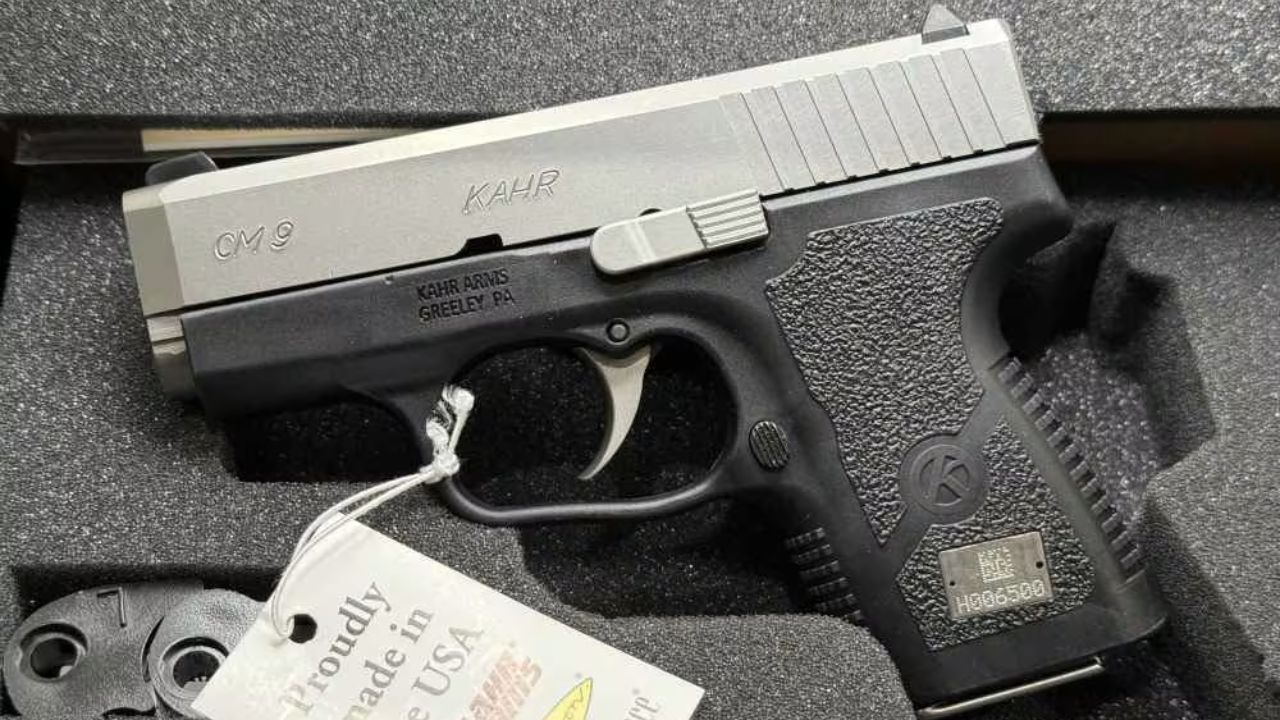
Kahr’s slim, double-stack and single-stack micro pistols win fans for concealability, but their short slides and gentle feed ramps can be less tolerant of experimental hollow-point shapes. Reports tend to point to picky behavior with some economy hollow-points rather than with well-engineered defensive rounds. Kahr also introduced small tweaks over production runs that affect feeding.
If you carry a Kahr, keep magazines fresh, use proven hollow-points, and run drills — those steps will usually separate user error from a real ammo-compatibility issue.
SCCY CPX series
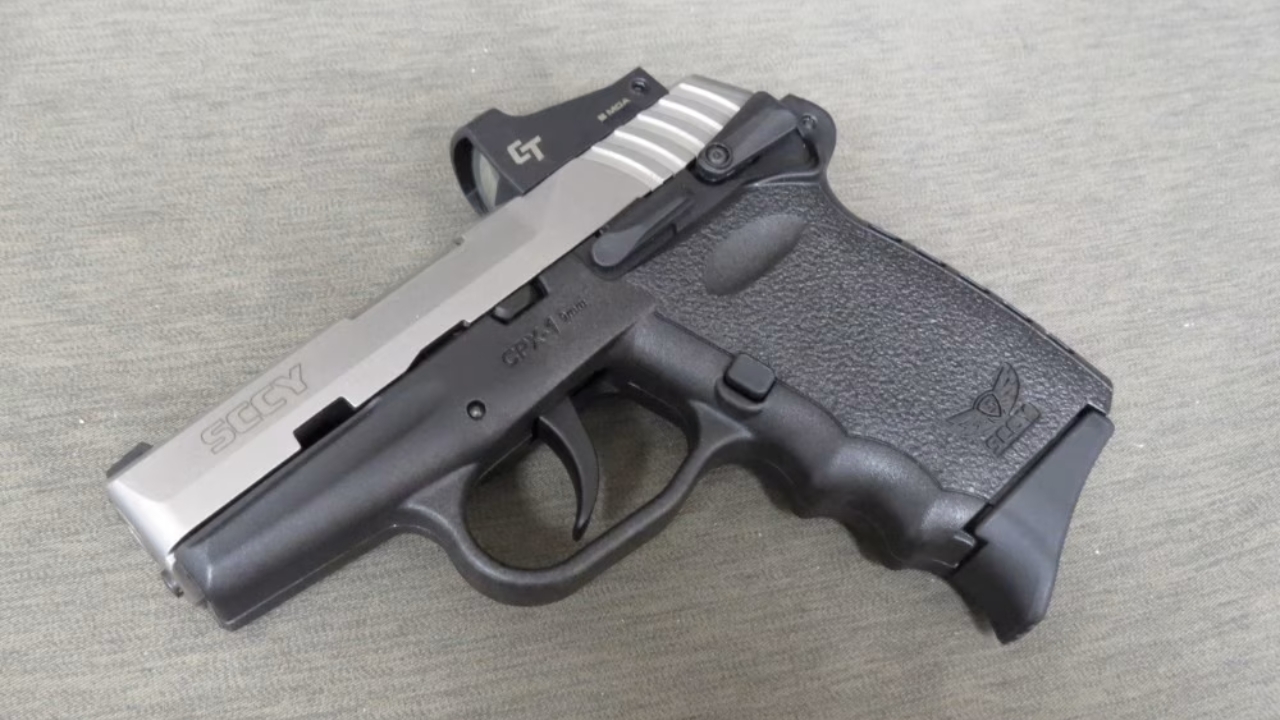
SCCY’s value micro pistols have improved over the years, but early owner threads called out certain hollow-point profiles that would nose-dive or fail to chamber reliably. The combination of a short feed ramp and magazine-feed angle in some batches seemed to make very cheap hollow points more likely to act up. Recent batches and magazine updates fixed many of the issues for owners who updated parts.
Practical approach: test the exact ammo in multiple magazines and, if you see issues, swap to a trusted defensive load or OEM magazines.
Ruger LC9 / LC380
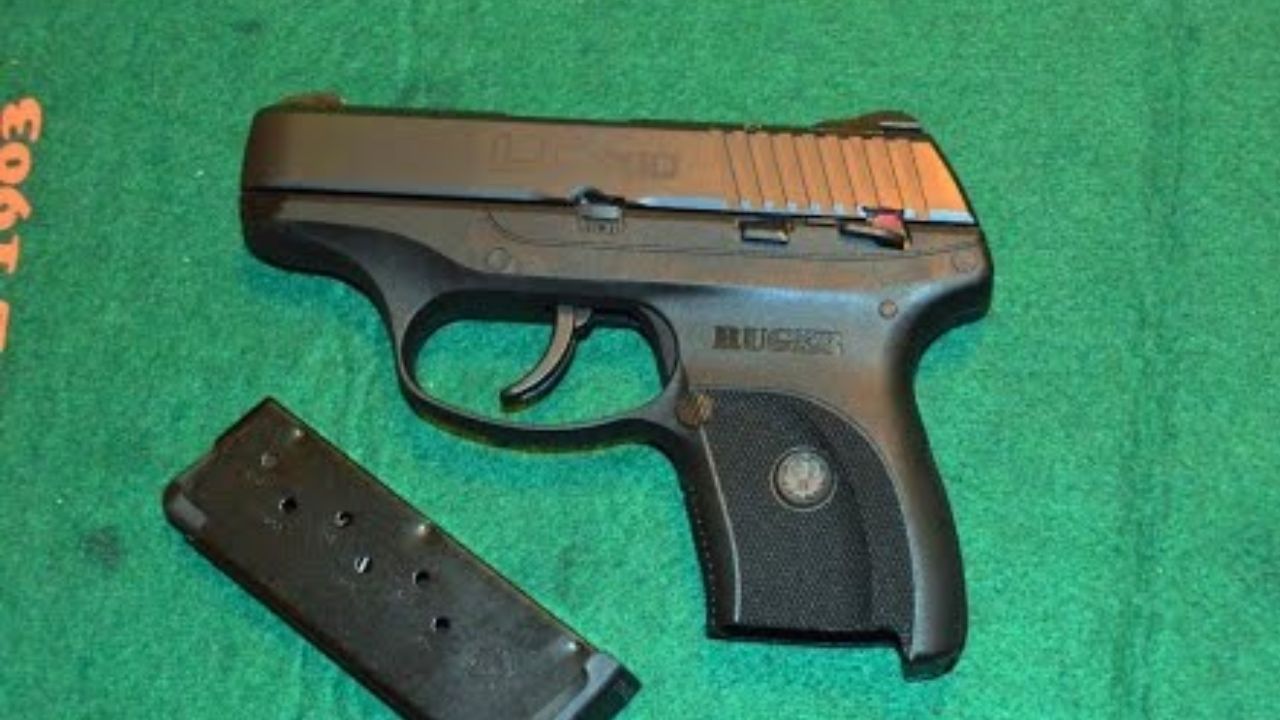
Ruger’s LC9 family became popular for carry, but several owners of early LC9 and LC380 pistols reported sensitivity to bullet profile — especially very shallow or frangible hollow points. Ruger refined designs and tolerances over time and later models tend to be much more forgiving, but the lesson stands: older production guns and odd hollow-point shapes are a risk combo.
If you own an early LC9/LC380, try modern defensive hollow points and, if problems persist, consider updated parts or a newer revision that’s known to run a wider range of defensive ammo.
Like The Avid Outdoorsman’s content? Be sure to follow us.
Here’s more from us:
The worst deer rifles money can buy
Sidearms That Belong in the Safe — Not Your Belt
*This article was developed with AI-powered tools and has been carefully reviewed by our editors.