Photo credit: NRApubs/YouTube
Every hunter has that one rifle story that starts with high hopes and ends with cursing under their breath. Maybe it grouped poorly, wouldn’t cycle cleanly, or refused to hold zero past the first few rounds. The market’s full of rifles that look good on paper but fall apart in the field — whether from poor build quality, cheap materials, or designs that never should’ve made it out of the factory. These are rifles you’ll see on consignment racks and pawn shelves again and again for a reason. If you value your hunt, your wallet, and your sanity, here are the rifles to walk right past.
Remington 710
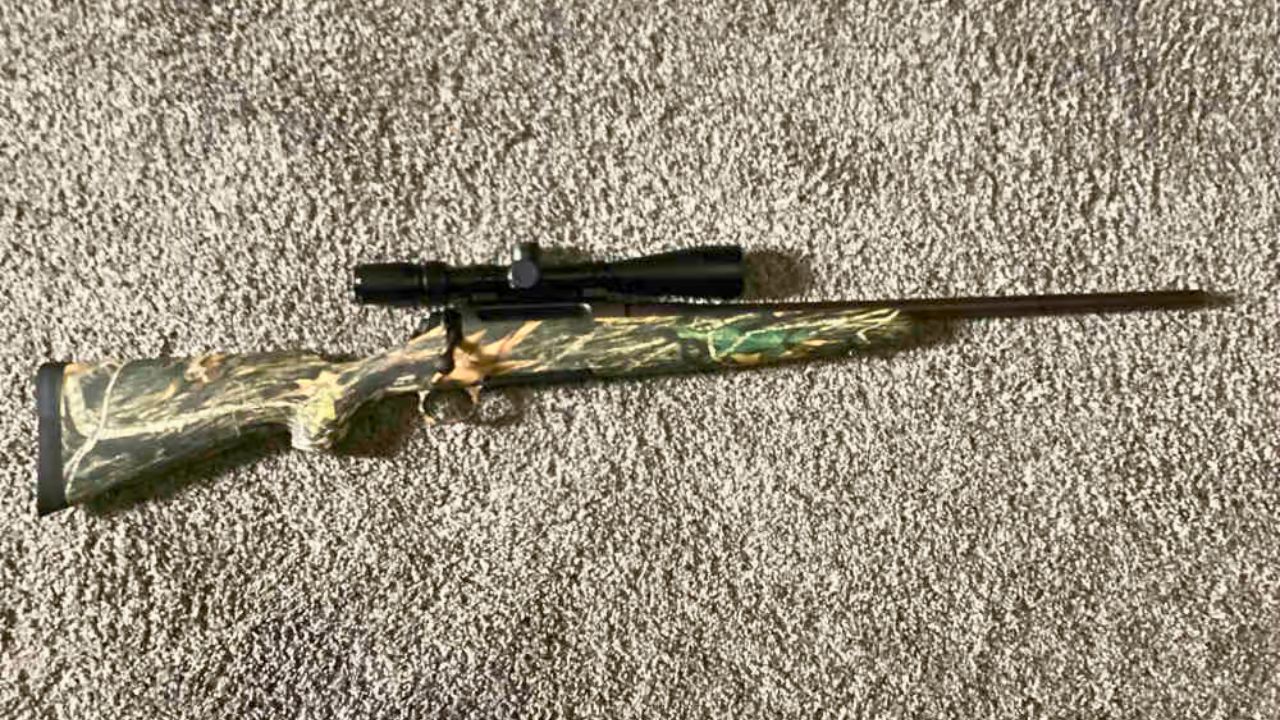
The 710 was meant to be a budget version of the 700, but it quickly earned a reputation as one of Remington’s worst. Plastic parts where metal mattered, a rough bolt, and barrels pressed instead of threaded made it a nightmare for accuracy and longevity. Hunters reported inconsistent headspacing, poor extraction, and triggers that felt like staplers. It might look like a 700 from ten feet away, but don’t be fooled. The 710’s failures were so consistent that even Remington quietly replaced it with the 770 — which wasn’t much better.
Remington 770
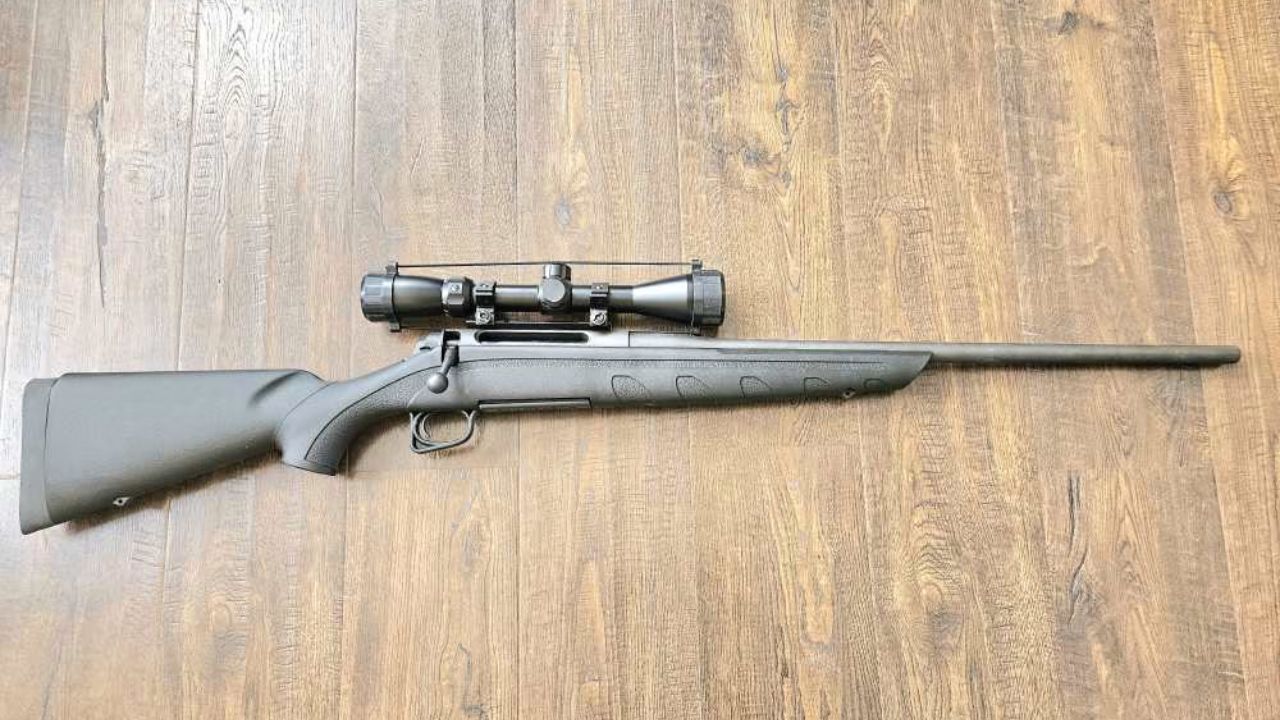
If you thought the 710 was bad, the 770 doubled down. The bolt was sloppy, the synthetic stock flexed enough to change zero, and accuracy often scattered beyond 2 inches at 100 yards. Extraction issues and misfeeds were common complaints, especially in cold weather. It shipped with a budget scope that rarely held zero through a season. Many first-time hunters bought one thinking it was a cheap entry point, only to regret it after a few hunts. The 770 became a cautionary tale of cutting corners in rifle design.
Mossberg ATR

The Mossberg ATR looked appealing at first — a low-cost deer rifle from a trusted shotgun maker. Unfortunately, the ATR’s early runs had issues that seasoned hunters won’t forget. Rough actions, inconsistent accuracy, and poor bedding made it unreliable beyond the bench. Some shooters found that after a few boxes of ammo, groups opened dramatically. The triggers were inconsistent, and stock fit often left the barrel under stress. Mossberg learned from the ATR’s flaws when they released the Patriot line, which fixed many of these issues — but the ATR remains one to skip.
Winchester Model 70 (post-64 era)

The post-64 Winchester era was full of design missteps, and the 70 stands as a painful reminder. Built with cheap materials and a poor finish, it lacked the craftsmanship of the pre-64 Winchesters. The trigger was gritty, the bolt sloppy, and reliability was hit or miss. Many rifles left the factory with uneven bedding and barrels that never grouped better than “minute of paper plate.” It’s one of those rifles that turns potential buyers into cynics. Winchester’s reputation took years to recover — and this model didn’t help.
Ruger American Ranch (first generation .450 Bushmaster)
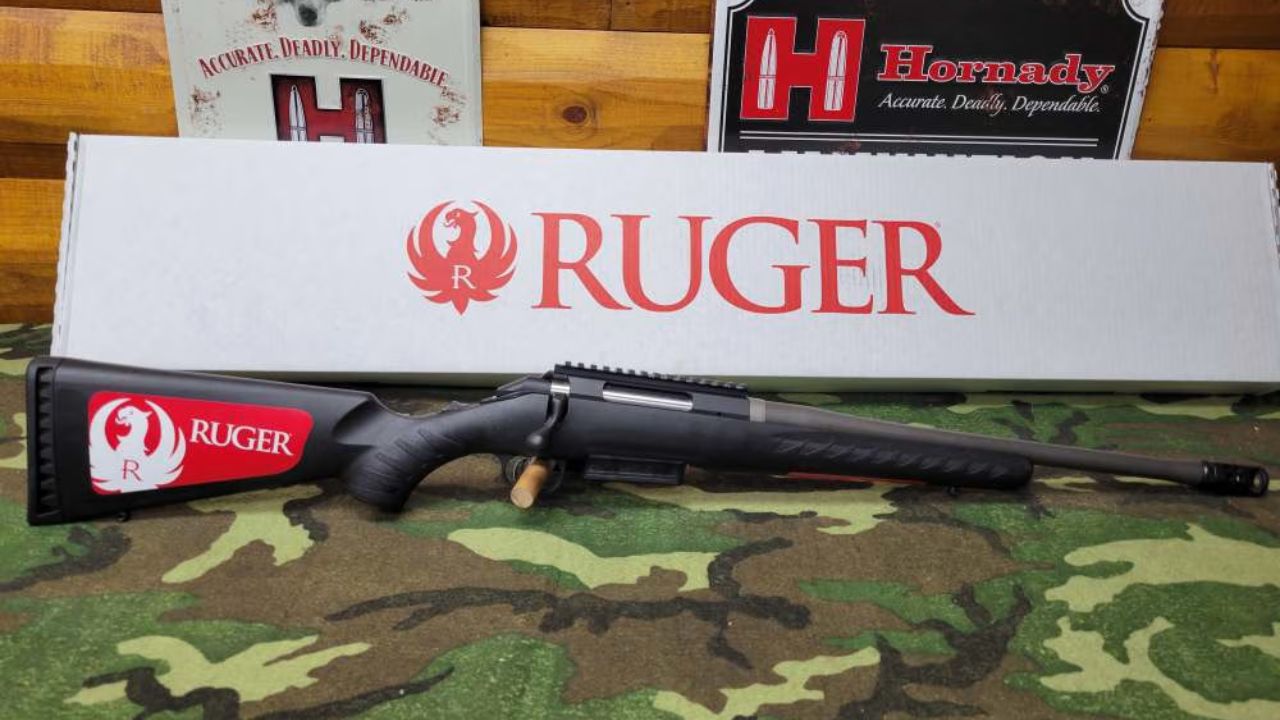
The Ruger American Ranch is generally a solid rifle, but early .450 Bushmaster versions were plagued by feeding issues. Magazines would jam, rounds would nose-dive, and cycling under stress was unreliable. The lightweight build made recoil brutal, too, which didn’t help follow-up shots. Ruger corrected most of these problems with later magazines and design tweaks, but if you’re buying used, steer clear of the early serial numbers. On a hunt, the last thing you need is a rifle that jams when the shot finally presents itself.
Remington 742 Woodsmaster
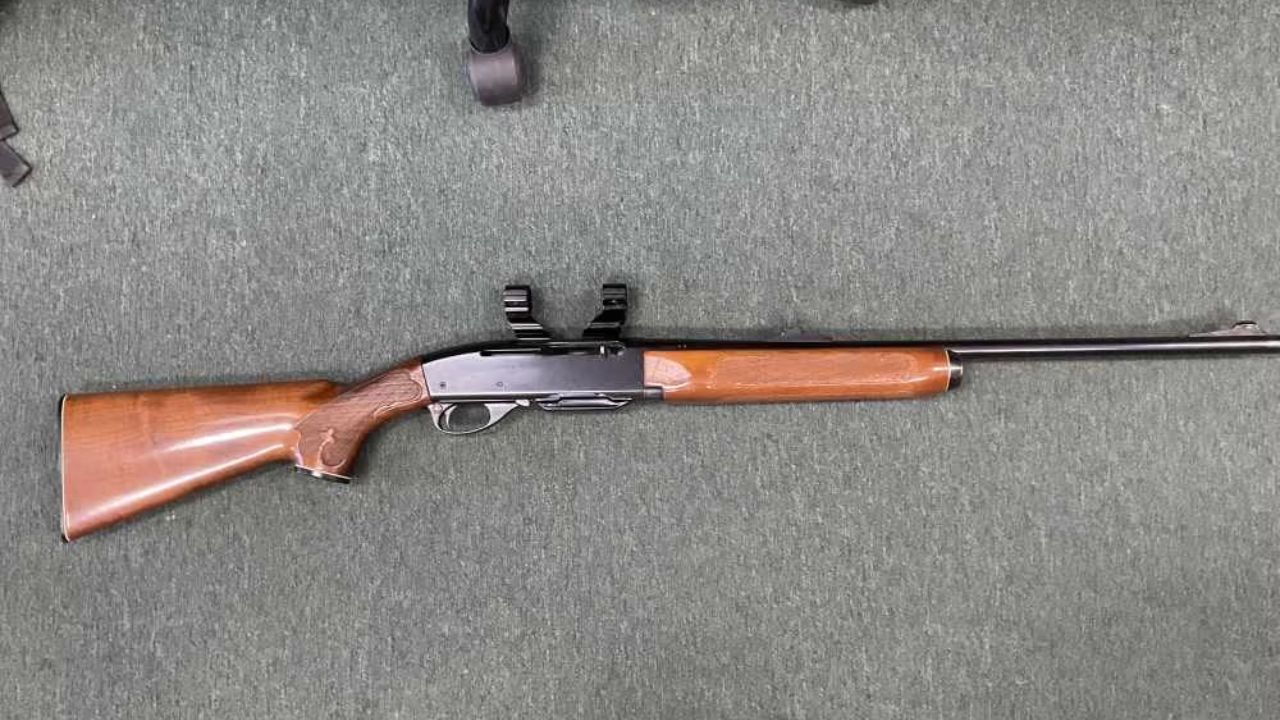
It’s earned the nickname “Jam-o-Matic” for a reason. The Remington 742 semi-auto was loved by many in its day, but as these rifles aged, their design flaws became clear. The bolt rails tend to wear unevenly, causing jams and cycling failures that no gunsmith can easily fix. Once those rails wear, the rifle’s effectively done. Even pristine examples can struggle with modern ammo. It might hold sentimental value, but as a practical hunting rifle today, it’s one to admire on the rack, not in the field.
Savage Axis

Savage is known for accuracy, but the first-generation Axis rifles weren’t up to par. Poor triggers, flexible stocks, and inconsistent barrel bedding made accuracy unpredictable. Some shot decently, others sprayed shots like a cheap .22. The design was simplified to the point of frustration — awkward bolt lift and rough actions were the norm. Later Axis II models fixed much of that, but the originals can be a gamble. If you’re looking for a dependable Savage, spend the extra cash for an upgraded variant.
Remington Model 597 (.17 HMR version)
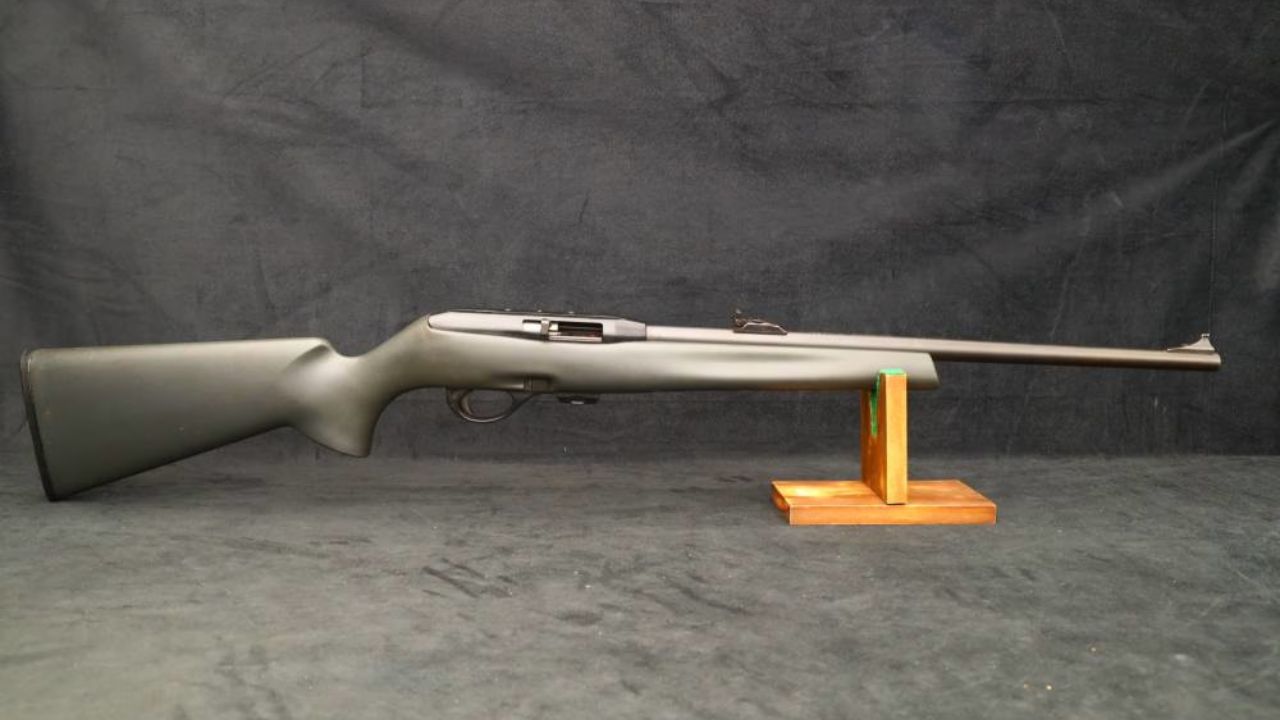
The Remington 597 in .22LR is decent. The .17 HMR version, though, was a disaster. The higher pressure of the .17 round caused catastrophic failures — so much so that Remington recalled them and offered replacements. The blowback system wasn’t designed for that kind of velocity, leading to cracked receivers and dangerous malfunctions. If you ever see one for sale, leave it where it sits. The recall tells you everything you need to know about its field safety.
Marlin Model 995
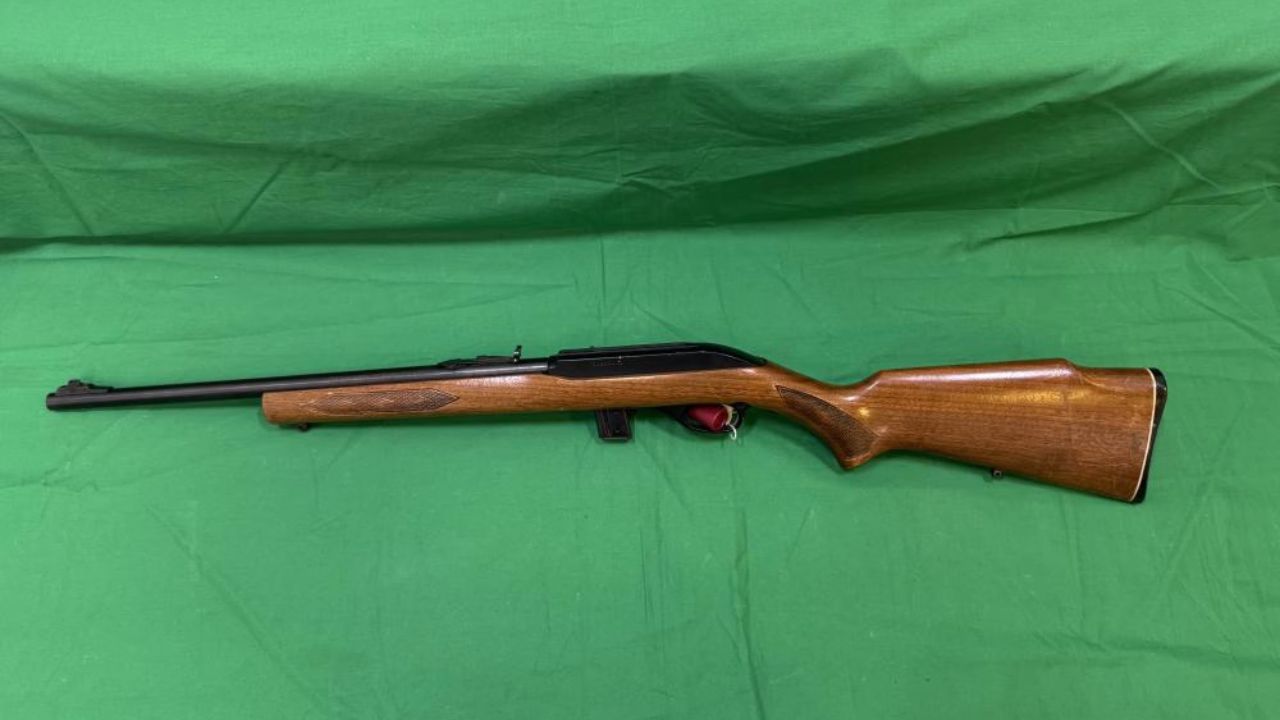
Marlin’s semi-auto .22s have their fans, but the 995 was one of the more temperamental examples. Feed jams, weak extraction, and finicky magazine design made it unreliable for small game hunting. Accuracy could be decent when it worked, but consistency was the problem. It’s a rifle that teaches frustration more than marksmanship. Marlin later improved things with the Model 60, which remains far more dependable. The 995 belongs in the “avoid” category unless you like troubleshooting on the range.
Browning A-Bolt III

The A-Bolt III came from a great lineage, but many hunters found it disappointing compared to its predecessors. The polymer bolt shroud, rough feeding, and stock fit didn’t feel like “Browning quality.” Accuracy was fine, but long-term durability wasn’t. The magazine design was clunky, and the rifle lacked the refinement expected at its price point. It’s not an unsafe gun — just one that feels and performs far below Browning’s usual standard. Most shooters move on after a season or two.
Remington Model 783

The Model 783 was Remington’s attempt to fix its budget rifle reputation, but early examples came with inconsistent triggers and bedding issues. Some rifles grouped well, but others strung shots after the first three rounds. Synthetic stocks flexed enough to change point of impact when resting on a bipod. Remington improved later runs, but early 783s feel rushed and unfinished. If you’re looking at a used one, inspect the barrel crown, bedding, and bolt fit closely before buying.
Weatherby Vanguard S2 synthetic

Weatherby’s Vanguards are solid rifles overall, but the early S2 synthetic-stock models were plagued by bedding inconsistencies. The plastic stock flexed under pressure, causing wandering groups that frustrated otherwise skilled shooters. Some rifles shot fine, but others never held a tight zero regardless of ammo. The wood or upgraded stock versions solved this, proving the issue was structural, not mechanical. If you’re considering one used, skip the plastic-stock bargain and find one with better bones.
Winchester Wildcat 22
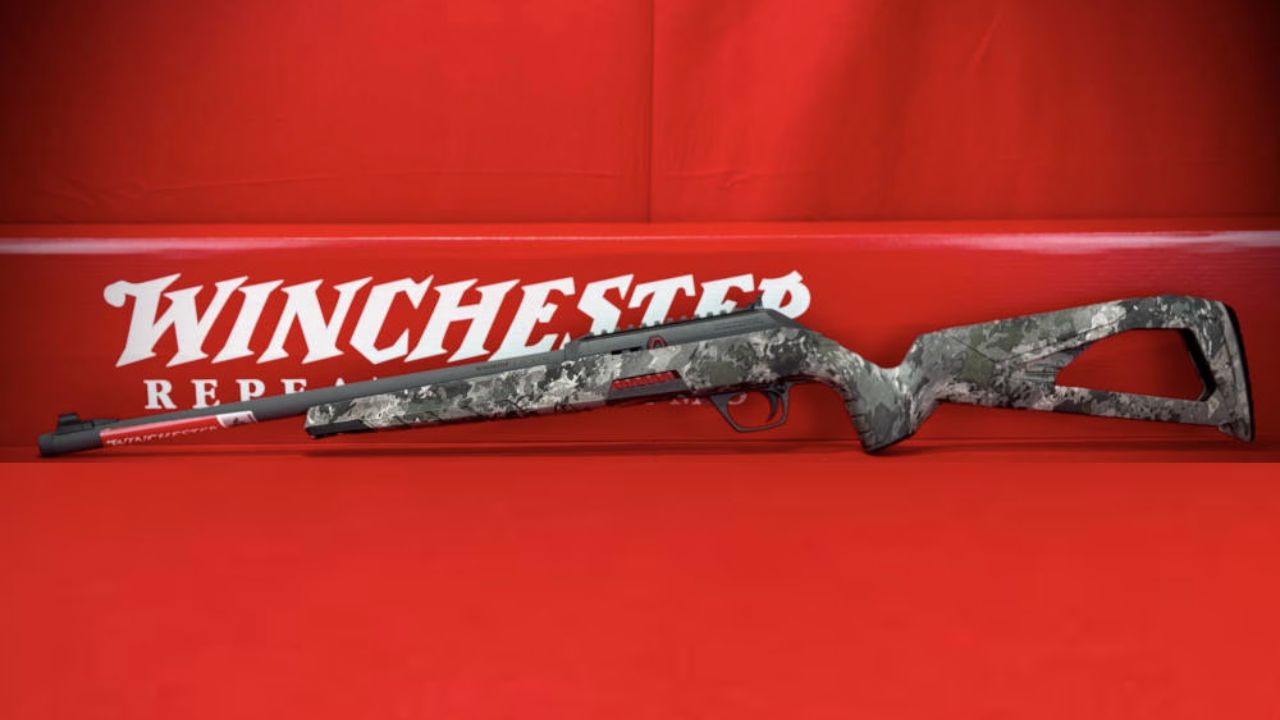
The Winchester Wildcat 22 was designed as a fun, affordable rimfire, but early versions suffered reliability issues. Cheap magazines, misfeeds, and inconsistent extraction marred its debut. Accuracy wasn’t bad when it worked, but constant jams killed the fun. Later updates improved the design, but the first-run guns gave the Wildcat name a shaky start. For hunting small game, you want reliability — not a guessing game every time you squeeze the trigger.
Thompson/Center Venture

T/C’s Venture rifles were praised for their design, but a recall on certain serial numbers due to potential sear failures damaged the rifle’s standing. Some rifles could fire unintentionally when the bolt was closed hard — a deal-breaker for hunting safety. While T/C fixed the problem in later models, the affected rifles still circulate on used racks. Check serials carefully before buying. It’s a shame because the Venture had potential — but one major safety recall is enough to put it squarely on the “avoid” list.
Like The Avid Outdoorsman’s content? Be sure to follow us.
Here’s more from us:
The worst deer rifles money can buy
Sidearms That Belong in the Safe — Not Your Belt
*This article was developed with AI-powered tools and has been carefully reviewed by our editors.