Photo credit: SPN Firearms/YouTube
A lot of shooters write off small pistols too early. They pick one up at the counter, get half a firing grip on it, and decide right there that it is too short, too light, or too snappy to be worth the trouble. Sometimes that first impression is fair. A small pistol can absolutely punish bad technique. But sometimes the gun is not the problem. Sometimes the shooter simply has not learned what the pistol needs from their hands yet.
That is what separates “too small” from “small but very usable.” The right grip pressure, better support-hand placement, smarter trigger work, and realistic practice can change your opinion fast. A lot of these pistols feel twitchy and awkward at first, then start making a lot more sense once you stop trying to run them like a full-size duty gun. These are the pistols that often feel too small until you actually learn to run them.
Glock 43

The Glock 43 gets dismissed fast because it feels stripped down and abbreviated compared with larger 9mms. The grip is short, the gun is light, and there is not much extra frame to help you fake a good hold. If you come to it with lazy grip habits, it can feel like the pistol is constantly trying to wriggle out of your hand. That is where a lot of people decide it is simply too small.
Then you learn what it wants. Once you lock in harder with the support hand, stop overgripping with the firing hand, and press the trigger without disturbing the sights, the 43 starts feeling much more manageable. It still is not a big gun, and it never pretends to be. But once you understand its rhythm, it stops feeling undersized and starts feeling like a very practical carry pistol.
Glock 42

The Glock 42 often gets overlooked because people assume a small .380 is either too weak to matter or too tiny to shoot well. In the hand, it can feel like a reduced-size answer to a bigger question. The short grip and compact slide make some shooters think they will never get enough control out of it to trust it for real use. At first, that concern can feel justified.
But the 42 starts winning people over once they stop trying to bully it. It does not need a death grip. It needs clean hand placement, a steady trigger press, and realistic expectations about what a small carry gun is supposed to do. Once you actually learn to run it, the pistol feels less like a compromise and more like a light, very controllable tool built for discreet carry.
Glock 26

The Glock 26 has always been one of those pistols that looks a little too stubby until you spend real time with it. The grip feels chopped, the sight radius looks abbreviated, and many shooters assume the short frame means it will always be less controllable than it is worth. It can feel cramped if you are used to a Glock 19 or a full-size pistol with more room to settle in.
What changes the equation is learning how little wasted motion the 26 really has. Once you build a strong, repeatable grip and stop worrying so much about having extra grip hanging below your hand, the pistol starts tracking very well. The thick little frame actually gives you more control than the profile suggests. It still feels compact, but after enough reps, it starts feeling efficient instead of undersized.
SIG Sauer P365

The P365 changed how people think about tiny carry pistols, but that did not stop many shooters from thinking it felt too small the first time they handled one. The grip is short, the slide is compact, and the whole gun can seem like too much capacity stuffed into too little space. If your first magazine through one is sloppy, it can feel nervous and busier than you expected.
That usually changes once you actually learn the gun instead of judging it by first recoil alone. The P365 rewards a higher, firmer grip and steady pressure from the support hand. Once your hands are doing their part, the pistol settles down and starts showing why it became such a big deal. It never feels large, but it stops feeling undersized. It starts feeling like a very smart amount of gun in a very small envelope.
SIG Sauer P365XL
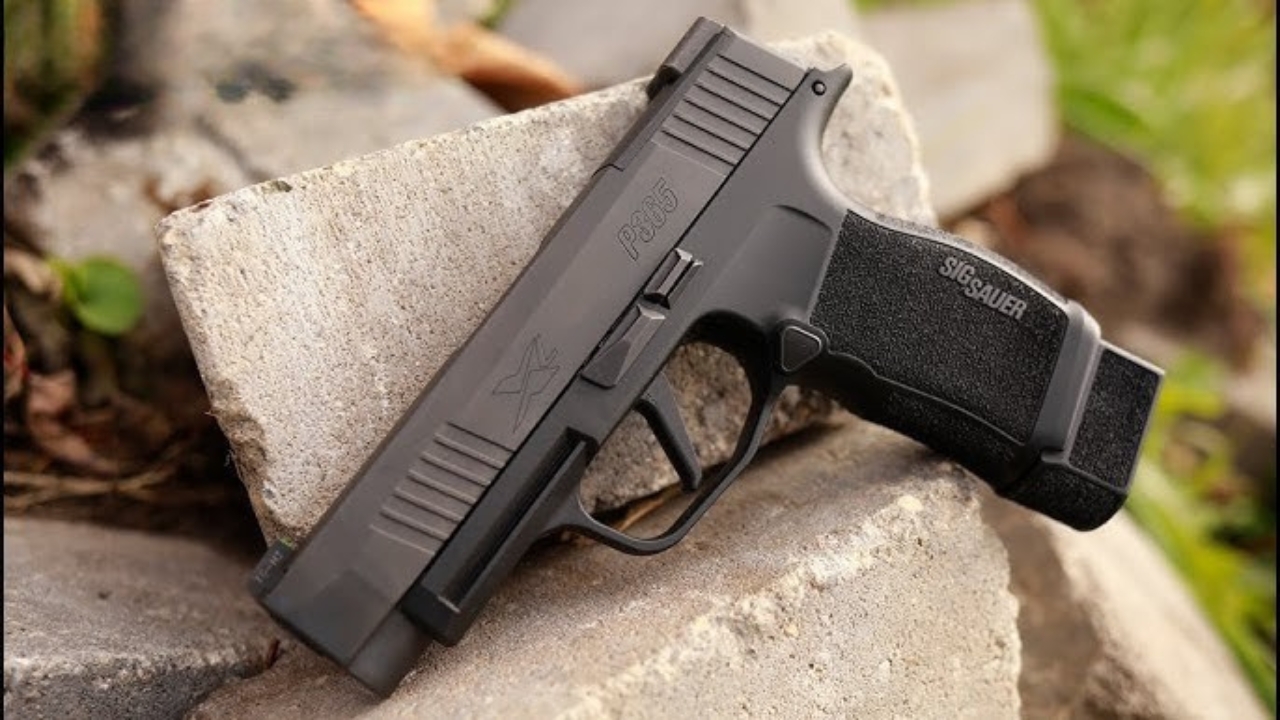
The P365XL often gets treated like the “fixed” version of the P365, but plenty of shooters still think it feels small when they first try to run it hard. Yes, it has more slide and more grip, but it is still a compact carry gun with less room for error than a true compact-duty pistol. If you come to it with lazy support-hand pressure or rushed trigger work, it can still feel smaller than you hoped.
What makes the XL so good is that it rewards small improvements quickly. Once you learn the grip, trust the frame, and stop trying to manhandle the gun, it starts shooting bigger than it looks. The extra length up top helps, but the real change comes from the shooter doing their part. A lot of people start with “still too small” and end up realizing it is one of the smartest carry-size pistols they own.
Springfield Hellcat
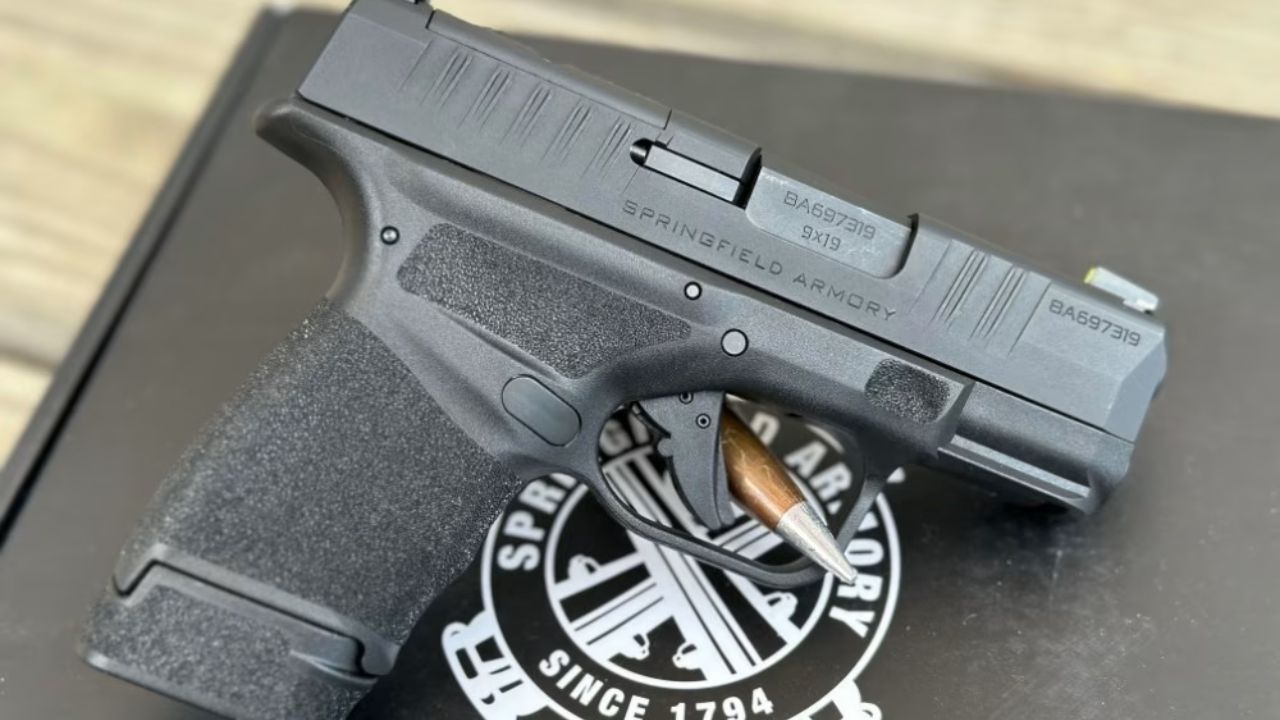
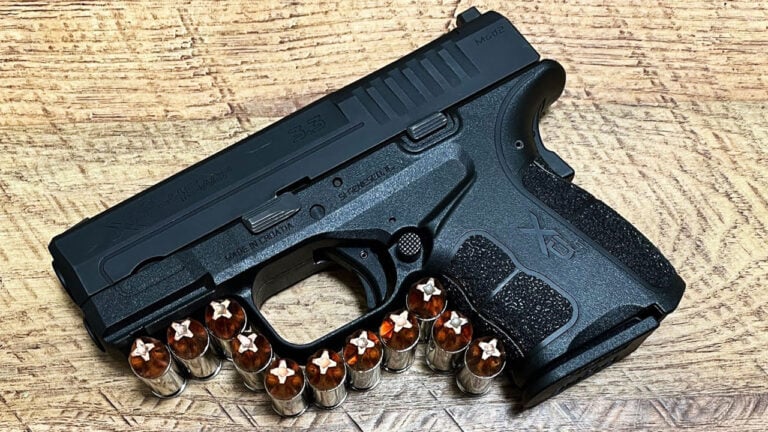
The Hellcat can feel tiny in all the wrong ways the first time you run it. The grip is compact, the recoil can feel brisk, and the pistol does not give you much extra forgiveness if your hands are careless. That is why some shooters write it off after a short session. They assume the size will always make it feel jumpy and less controllable than the numbers on the magazine are worth.
Then you spend enough time with it to understand what it wants. The Hellcat rewards firm support-hand input and good sight discipline more than brute-force grip. Once you start tracking the front sight or dot correctly and stop overreacting to the recoil impulse, the gun begins to feel much less frantic. It is still a compact, hard-working carry pistol, but in trained hands it starts feeling capable instead of cramped.
Springfield Hellcat Pro

The Hellcat Pro often gets bought by people who want a little more room than the standard Hellcat, yet it can still feel smaller than expected when you first start pushing it. It is thin, fast, and easy to conceal, but it still is not a heavy, forgiving compact in the old duty-gun sense. If your fundamentals are loose, the Pro can still feel like it is moving more than you want.
What makes it click is repetition. Once you get used to the thinner profile and stop expecting the gun to behave like a chunkier compact, the Pro starts feeling very balanced. The longer grip helps, but the real improvement comes when you start giving the pistol a cleaner draw, firmer grip, and better recoil control. Then the gun stops feeling “too small” and starts feeling like a very well-judged carry compromise.
Smith & Wesson Shield Plus

The Shield Plus has enough grip and enough capacity that people assume it should feel easy right away. But for many shooters, it still feels smaller than their confidence level at first. It is thin, it rides flatter than many double-stacks, and that slimness can make it feel less substantial in the hand than chunkier pistols that offer similar control. If you are used to thicker guns, the Shield Plus can feel a little too lean.
Then you start running it the way it wants to be run. Once you stop searching for more frame and instead focus on building firm, repeatable pressure with the support hand, the gun settles in. The Shield Plus is one of those pistols that rewards efficient grip more than raw grip size. It still carries like a slim pistol, but once you learn it, it starts shooting like more gun than it first appears.
Smith & Wesson CSX

The CSX can feel small in a different way than most striker-fired pistols. The metal frame gives it a denser feel, but the overall dimensions still make many shooters think they are trying to cram full-size expectations into a carry-size package. The controls and grip geometry can feel unfamiliar if you come to it expecting a typical modern carry pistol, and that can make it seem smaller and fussier than it really is.
What changes with time is familiarity. Once you learn the controls, learn how the frame sits in your hand, and start pressing the trigger with more discipline, the pistol starts feeling less like a novelty and more like a serious compact gun. The CSX rewards shooters who give it a real learning curve instead of a first-impression verdict. That is usually when the “too small” label starts falling apart.
Ruger Max-9

The Ruger Max-9 often gets underestimated because it feels like a modest, no-drama micro 9mm. That also means it can feel slightly too small and slightly too lively the first time you try to run it with any speed. The grip is compact, the profile is thin, and if your grip is inconsistent, the gun lets you know fast. For some shooters, that first session can feel like proof that they should have bought something larger.
But the Max-9 is one of those pistols that starts making sense once the shooter tightens up. A better support-hand grip, a cleaner press, and more realistic pacing change the experience quickly. It is not a pistol that hides bad habits well, but it does reward better ones. Once you get there, it starts feeling much less like a tiny compromise and much more like an efficient everyday carry gun.
Ruger LCP Max
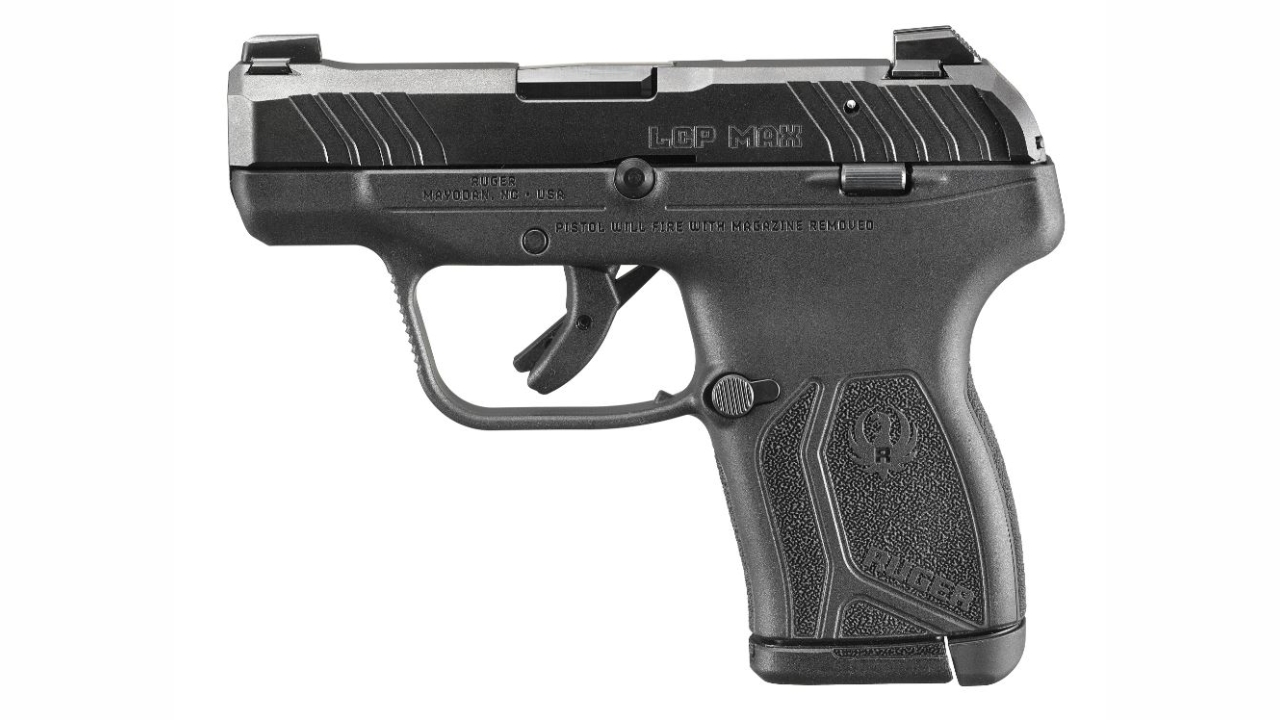
The LCP Max feels too small to a lot of shooters because, frankly, it is very small. That is the whole point. It is built to be genuinely easy to carry in places where larger guns stop being realistic. The mistake is expecting it to feel like a reduced-size service pistol. If you judge it by that standard, it will feel too short, too light, and too lively to trust.
If you judge it for what it is, the story changes. Once you accept that it needs a more deliberate grip, tighter trigger discipline, and realistic range expectations, the LCP Max starts proving why it exists. It carries almost effortlessly and becomes much more shootable than the first impression suggests. You are not supposed to dominate it like a full-size gun. You are supposed to learn its limits, then run it inside them with confidence.
Kimber Micro 9

The Kimber Micro 9 can feel too small at first because it gives you a compact 1911-style feel in a very reduced package. That sounds great until you realize a small single-action pistol does not give you much room to fake good technique. The short grip, slim frame, and compact slide can make the pistol feel delicate or overly busy if you are trying to rush it like a larger range gun.
Then the training catches up. Once you learn to present it cleanly, manage the safety naturally, and stop trying to crush the pistol in your hand, the Micro 9 becomes much more manageable. It still feels compact, but it starts feeling precise instead of tiny. That is the difference. A lot of shooters think it is too small because they never gave themselves time to learn how a compact single-action carry gun actually wants to be run.
SIG Sauer P938

The P938 has the same basic issue for a lot of shooters: it feels smaller than they expect a 9mm ought to feel. It has the same carry-first proportions that make it attractive, but those same dimensions can make it feel nervous in inexperienced hands. The short grip and compact slide do not leave much extra space for sloppy technique, which is why some shooters decide too fast that it is simply too small to trust.
That opinion often changes with proper reps. Once you stop forcing the gun and start giving it a cleaner grip and cleaner manipulation, the P938 starts behaving like a serious little pistol instead of a novelty-sized one. It asks more from you than a bigger gun, sure. But once you learn the platform, it starts feeling much more capable than its size suggests. That is where the gun starts making real sense.
Kahr PM9

The Kahr PM9 has long had a reputation for being slim, discreet, and a little more demanding than some buyers expected. It feels small right away, and the smooth trigger system can make it feel even smaller if you are used to a short, crisp striker break. For some shooters, that combination makes the gun feel like it is always just a bit harder to run than they hoped.
That is exactly why it rewards real familiarity. Once you learn the trigger and stop fighting its long, smooth pull, the PM9 starts calming down. It becomes less about forcing speed and more about building a controlled, deliberate rhythm. That change in mindset is where the pistol begins to feel right. It is still a very compact gun, but it stops feeling too small once you understand that it is designed to be run with precision, not impatience.
CZ RAMI
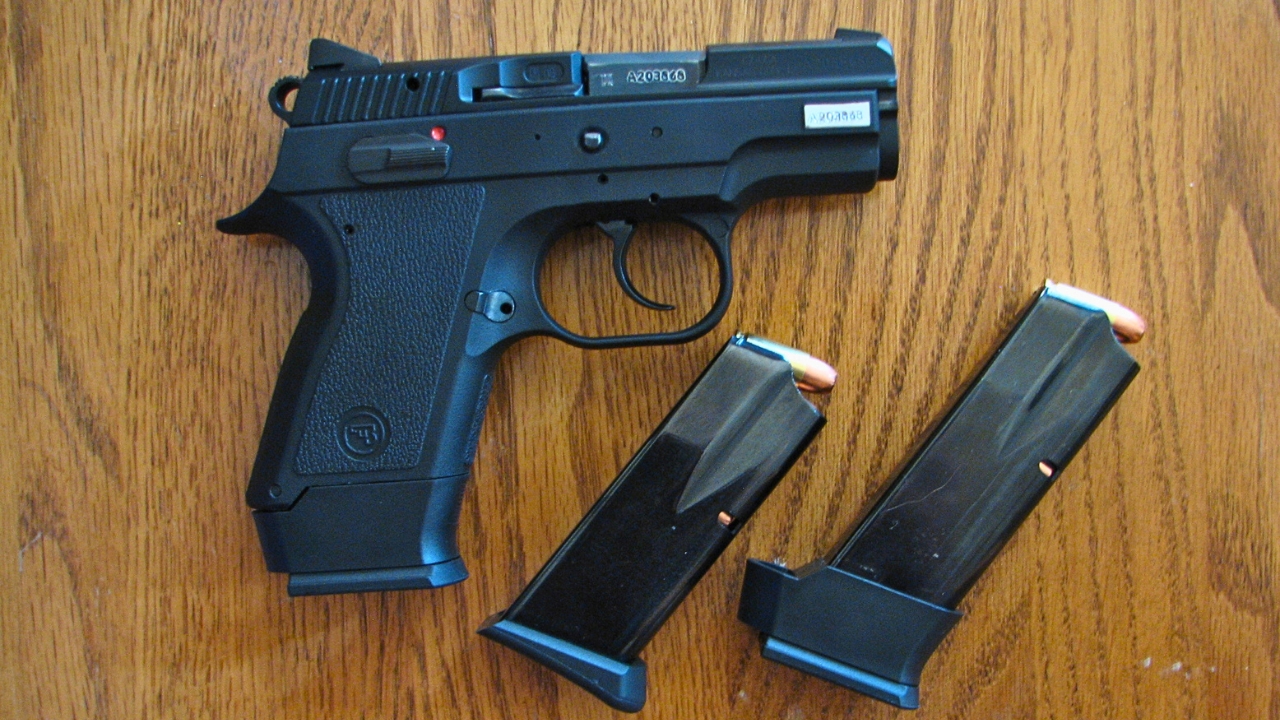
The CZ RAMI often feels too small at first because it compresses a lot of real fighting-pistol DNA into a shorter, thicker carry package. It is not a featherweight micro, but it can still feel abbreviated enough that some shooters think it gives up too much compared with a larger CZ. The shorter grip and compact frame can make the pistol feel like a compromise when you first start shooting it.
Then you put in time with it and realize it carries a lot more capability than the size suggests. Once your grip and trigger control catch up, the RAMI starts feeling like a sturdy, serious compact instead of a trimmed-down version of something better. It keeps enough of the CZ character to reward practiced shooting, and that is why so many people who first think it feels too small eventually start appreciating exactly what it brings to the table.
Like The Avid Outdoorsman’s content? Subscribe to our newsletter so you never miss an article.
Here’s more from us: