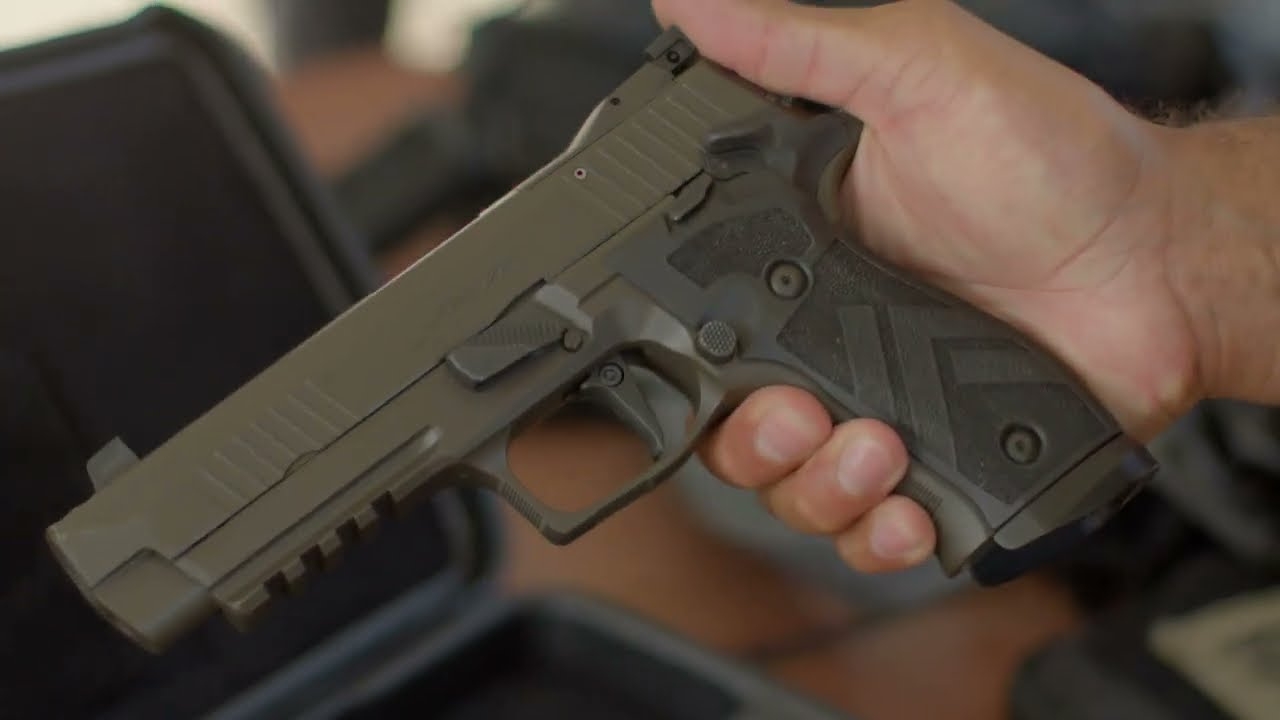
Photo credit: SIG SAUER, Inc/YouTube
The internet moves fast, and firearms talk moves even faster. A gun can spend a year as everybody’s favorite recommendation, then vanish from the conversation the second a newer model, a different caliber, or a louder trend shows up. That does not mean the older gun stopped making sense. In a lot of cases, it means the chatter moved on while the firearm kept doing the same useful work it always did. The current market still reflects that. Glock continues to sell the G17, SIG still keeps the P226 in the lineup, Beretta still offers the 92FS, Ruger still builds the GP100 and Mark IV, and long-running rifle and shotgun families like the Model 70, T3x, A5, and Mossberg 500 remain active products instead of fading into catalog footnotes.
That tells you something useful. A firearm does not lose value because online attention span collapses. It loses value when it stops solving real problems. The guns below still deserve a second look because they keep doing exactly that. They are not all new, they are not all fashionable, and they are not all loud enough to dominate your feed. But if you care more about what works than what trends, these are the kinds of firearms that still earn their keep long after the internet has wandered off.
Glock 17

The Glock 17 still deserves attention because it remains one of the cleanest examples of a full-size service pistol that does not need much explaining. Glock’s current page still centers the G17 Gen6 as a full-size package with a 17-round magazine and enhanced ergonomics, which tells you the company still sees it as a core answer, not a legacy item they keep around out of habit.
That matters because the G17 keeps solving the same practical problem it always did: giving you enough pistol to shoot well without adding unnecessary complexity. It is not the most exciting handgun on the shelf, and that is exactly why it still matters. When online conversation gets distracted by smaller, flashier, or more specialized pistols, the G17 keeps making sense for shooters who still value controllability, familiarity, and a platform that has not needed reinvention to stay relevant.
SIG Sauer P226
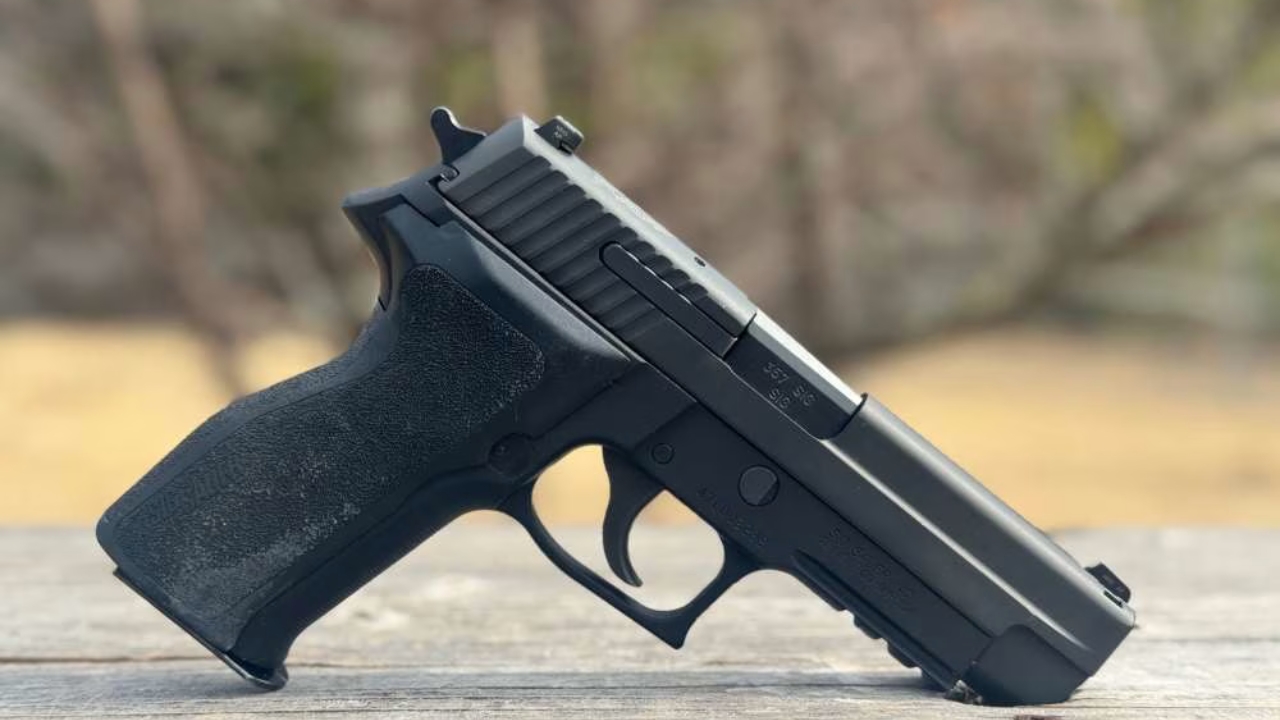
The P226 is one of those handguns the internet periodically rediscovers, but it never actually needed rediscovery. SIG still calls it the pistol that set the standard by which other combat handguns are measured and points to its long record of accuracy, reliability, and proven performance. That kind of language only survives when a platform has earned it over time.
What keeps the P226 worth your attention is that it still feels like a real duty pistol in the old-school sense. It is full-size, all-business, and built around a shooting experience that stays steady instead of trendy. When online conversation gets lost in the latest carry fad or optics-ready variation, the P226 still offers the same thing it always did: a proven metal-frame pistol that keeps delivering without needing internet approval to stay useful.
Beretta 92FS
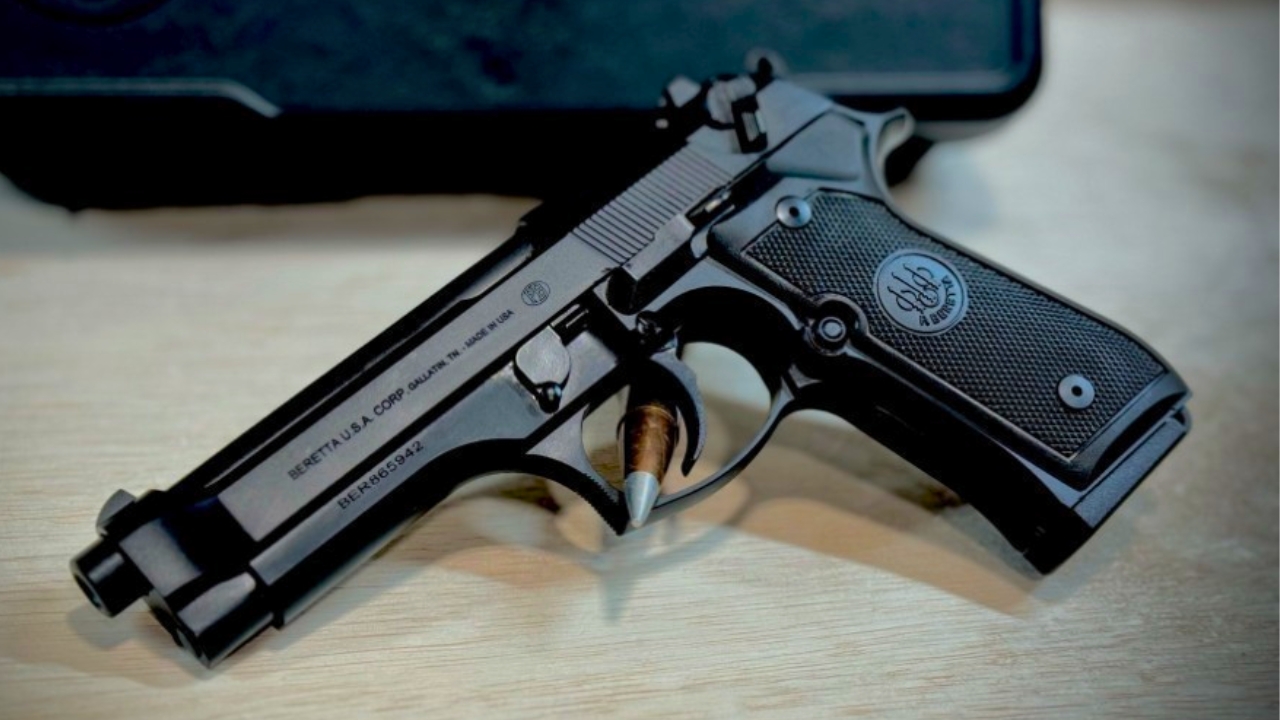
The Beretta 92FS is another firearm that often gets treated like a familiar old answer people stopped talking about too soon. Beretta still describes it as a DA/SA pistol built around the open-slide, short-recoil delayed locking-block system, and says that setup delivers exceptional accuracy and reliability. It also notes that the design helps eliminate stove-piping and supports smooth cycling.
That is why the 92FS still matters after the online spotlight moves on. It remains a large, stable 9mm with a long sighting plane, calm recoil behavior, and a reputation built on actual service use instead of only marketing momentum. The gun is not fashionable in the way newer striker pistols are, but if you care about predictable handling and a platform that still has something to teach you, the 92FS deserves more attention than current internet habits usually give it.
CZ 75 B

The CZ 75 B still deserves attention because it remains one of the most influential double-action pistols ever built, even if it does not dominate the current online cycle. CZ’s product page still highlights the steel frame, DA/SA action, and the famous ergonomics that helped make the design one of the most copied handgun patterns after the 1911. That is not minor historical trivia. That is a sign the design got the fundamentals right.
What keeps it relevant is that those fundamentals still matter. A steel-framed 9mm with excellent hand fit and a proven operating system does not stop making sense because internet attention moved to something thinner, lighter, or newer. The CZ 75 B still offers a stable, highly shootable platform that rewards serious range time, and that is exactly the kind of firearm people overlook when the conversation gets too obsessed with what is new this week.
HK USP
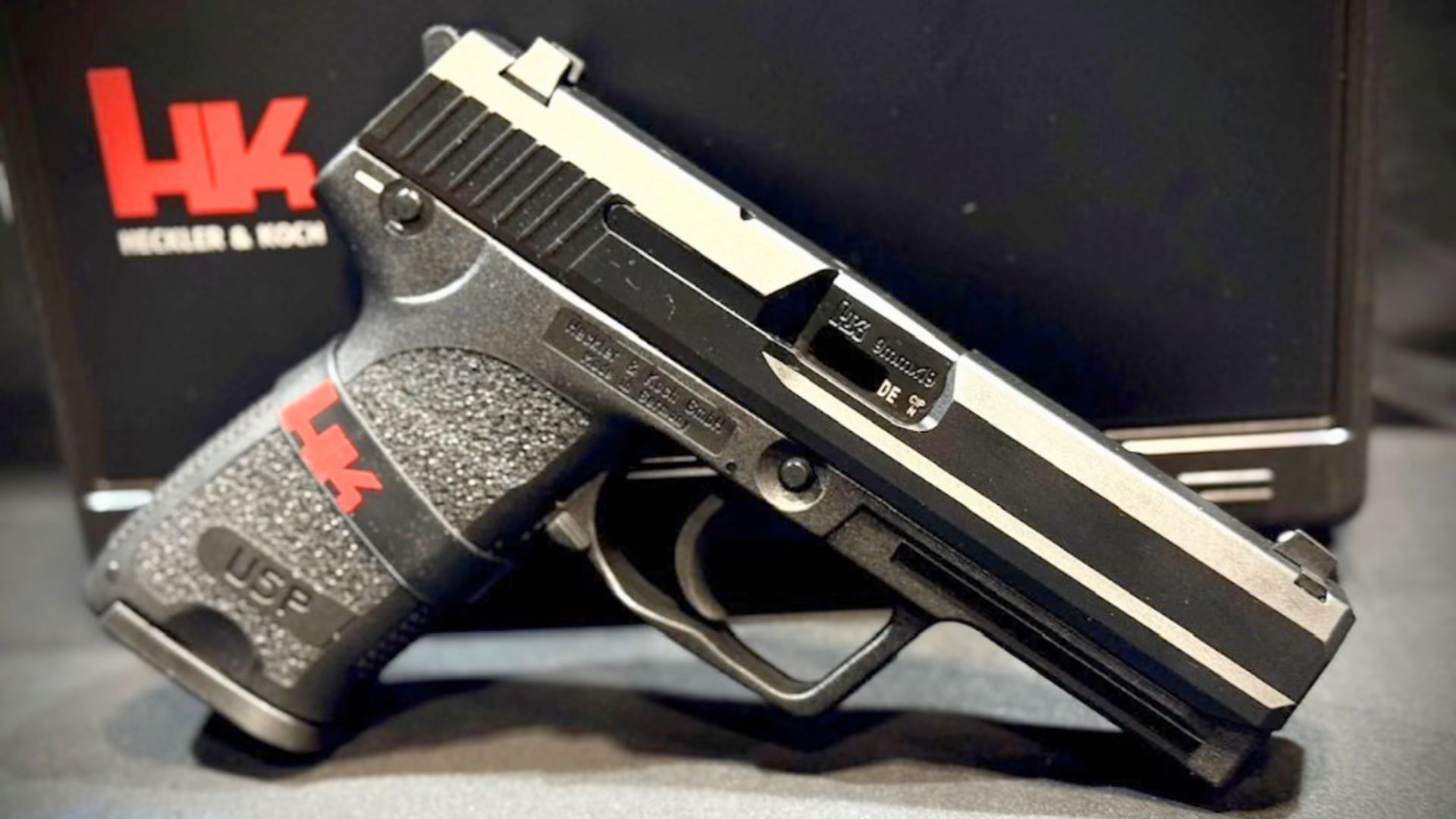
The USP is one of the clearest “still worth your attention” handguns on the market because HK continues to pitch it in the same blunt way shooters have respected for years: accurate, ultra-reliable, and built to keep going. HK’s current page specifically says the internal recoil buffering system helps the shooter and helps the pistol avoid beating itself up, adding that it will keep shooting accurately long after other pistols quit.
That is exactly why the USP still deserves serious consideration. It is not the prettiest new thing in the case, and it is not built around chasing current style points. It is built around durability, consistent operation, and a kind of overbuilt confidence that many newer pistols simply do not try to offer. If you care about long-term steadiness more than online attention cycles, the USP still has a very strong case.
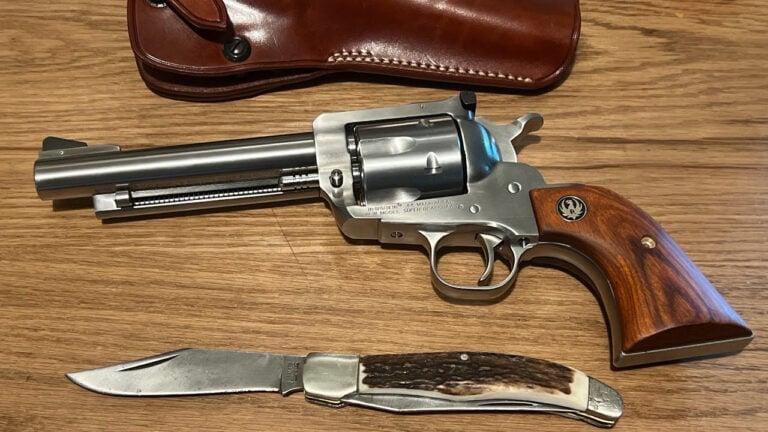
Ruger GP100
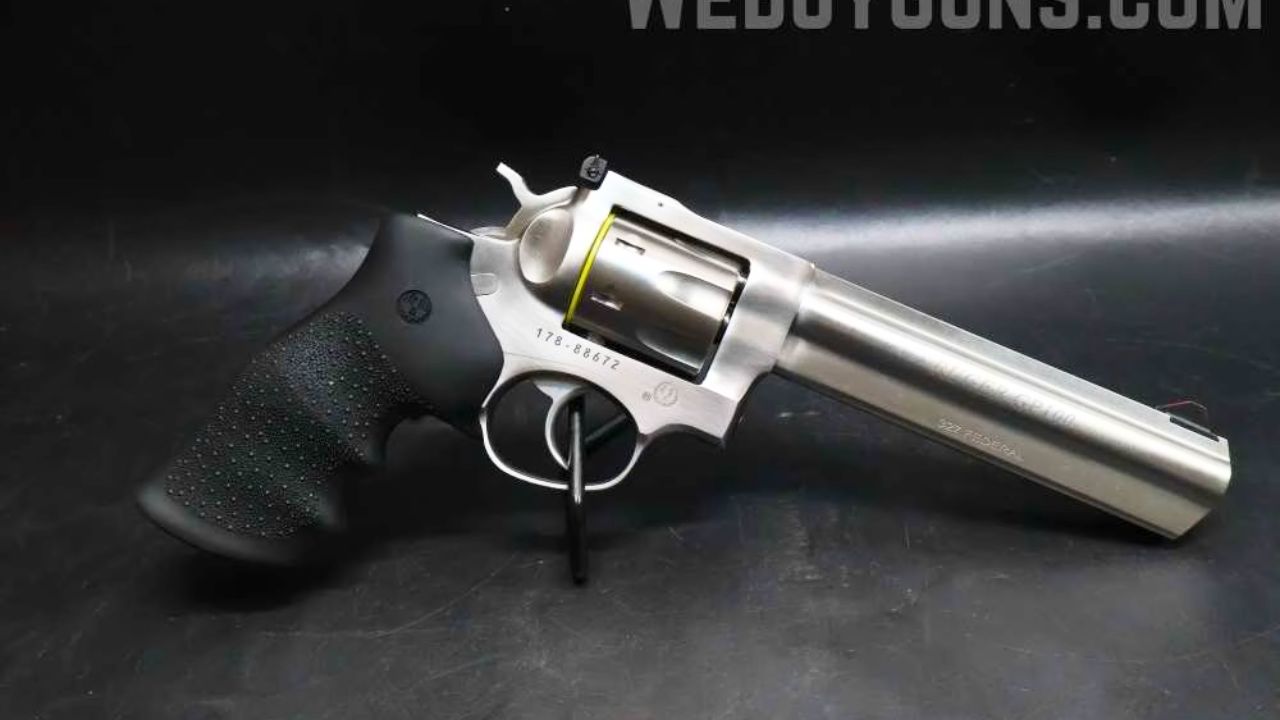
The GP100 still deserves attention because it remains one of the most practical double-action revolvers being built today. Ruger’s current overview highlights the triple-locking cylinder, which locks into the frame at the front, rear, and bottom for positive alignment and dependable operation shot after shot. It also notes that the design allows easy maintenance without special tools.
That matters because revolvers often get dismissed the moment the internet starts another round of semi-auto talk, but a strong .357 double-action revolver still solves real problems. The GP100 is not delicate, and it is not trying to be. It is built around durability, straightforward operation, and the kind of confidence that comes from a platform that does not need magazines, recoil tuning, or trend-driven upgrades to keep making sense in the field or on the range.
Smith & Wesson 686 Plus

The 686 Plus still deserves attention because Smith & Wesson continues to treat it like a real working revolver, not an afterthought. The company still maintains a full 686 Plus family page, and individual product pages note that the L-frame is built with a strong, durable frame and barrel designed for continuous Magnum use. That tells you the platform still fills a serious role.
That role is still easy to understand. A full-size seven-shot .357 with real weight, usable sights, and a long track record remains an extremely practical handgun for range work, home use, and trail carry. The internet may spend more time arguing over micro-compacts and optics cuts, but a 686 Plus still offers something a lot of shooters eventually come back to: a revolver that is steady, dependable, and easier to appreciate the more you actually use it.
Ruger Mark IV

The Ruger Mark IV still deserves attention because it remains one of the smartest rimfire pistol platforms on the market, even if it rarely gets the same online excitement as centerfire handguns. Ruger’s page still leads with the one-button takedown system and the cold hammer-forged barrel, specifically calling out easy field-stripping, proper cleaning, accuracy, and longevity. Those are exactly the kinds of details that keep a rimfire pistol useful long after novelty fades.
That is why the Mark IV stays worth owning and shooting. A good rimfire pistol is still one of the best training, practice, and pure shooting-enjoyment tools you can keep around, and the Mark IV removes many of the maintenance headaches older rimfires made people tolerate. The internet may move on to louder calibers and more tactical-looking guns, but the Mark IV still makes excellent sense for shooters who actually value a firearm they will keep using.
Ruger American Rifle Generation II
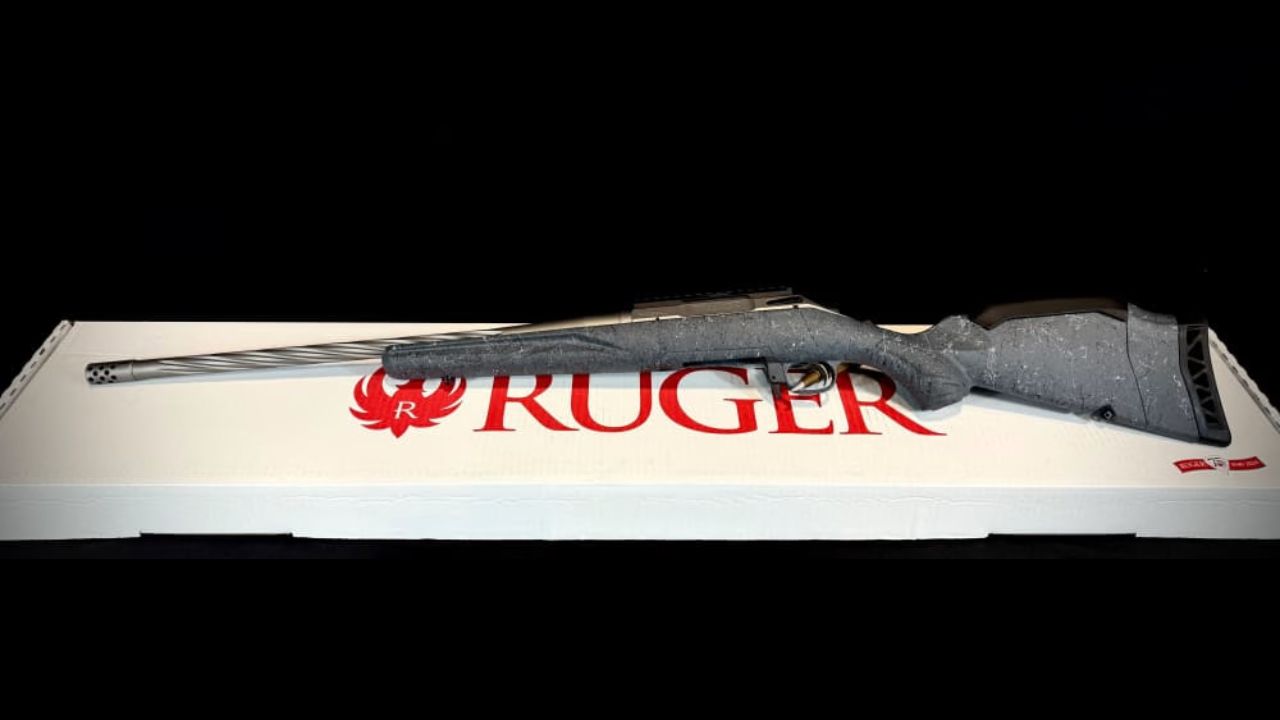
The Ruger American Gen II still deserves attention because it represents one of the clearest current examples of a practical hunting rifle that does not need online buzz to justify itself. Ruger says the American Rifle Gen II is an update to a platform that has been a benchmark for accuracy, durability, and performance in bolt-action rifles for over a decade. The standard models also use a Cerakote barreled action and a textured stock built for field grip and control.
That is the kind of rifle hunters often end up trusting after they get tired of trend-chasing. It is weather-minded, straightforward, and built around actual field use rather than internet theater. The platform does not need to dominate your feed to matter. It simply needs to keep working when you drag it through bad weather and long seasons, and the Gen II is still aimed squarely at that kind of real-world use.
Winchester Model 70
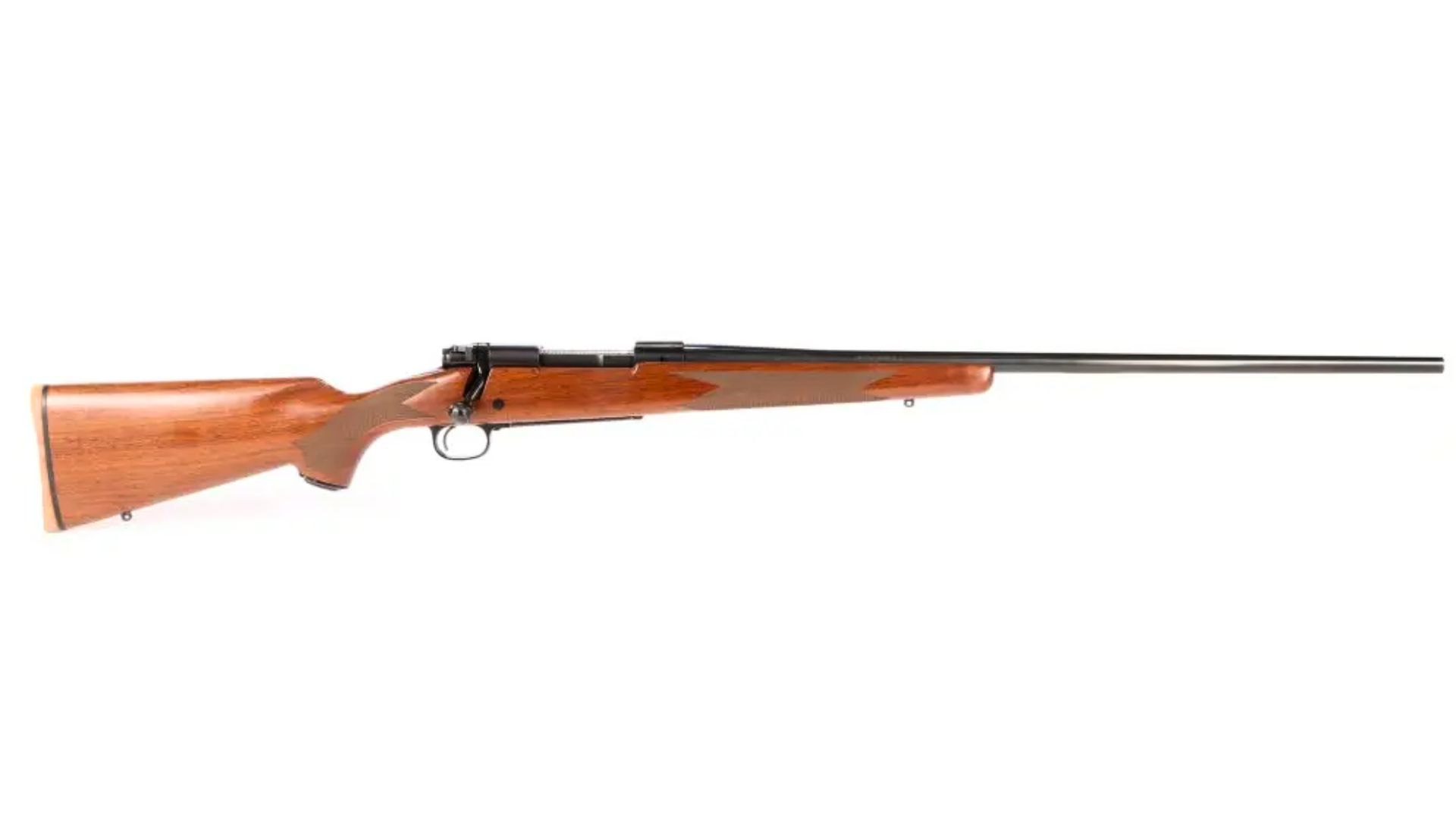
The Model 70 still deserves attention because it remains one of the longest-running serious hunting rifles in the modern market. Winchester still describes it as a legendary bolt-action sporting rifle that has been a favorite of hunters and shooters for over 80 years, and its overview continues to highlight the M.O.A. Trigger System and the platform’s “Triple Zero Advantage.” That is not the language of a rifle line being quietly ignored by its own maker.
What keeps the Model 70 relevant is that it still represents the kind of proven sporting rifle many hunters eventually circle back to after trying newer ideas. It has history, yes, but it also still has current production, current configurations, and a design that continues solving the same practical hunting problems it always did. The internet may get distracted, but the Model 70 remains a rifle with real staying power for good reason.
Tikka T3x Lite

The T3x Lite still deserves attention because it remains one of the cleanest examples of a modern hunting rifle that does exactly what a lot of hunters actually need. Sako’s current Tikka page says the T3x Lite combines high performance with lightweight ease, uses a synthetic stock that is easy to care for, and offers out-of-the-box accuracy without requiring barrel break-in. That is a very practical set of promises.
That is also why the rifle still matters after online attention drifts elsewhere. Lightweight rifles can sometimes feel like compromises, but the T3x Lite built its reputation on being easy to carry without becoming cheap or erratic in the field. If you care more about a rifle you will actually hunt with than one that briefly owned the conversation online, the T3x Lite still has an extremely strong case.
Browning A5
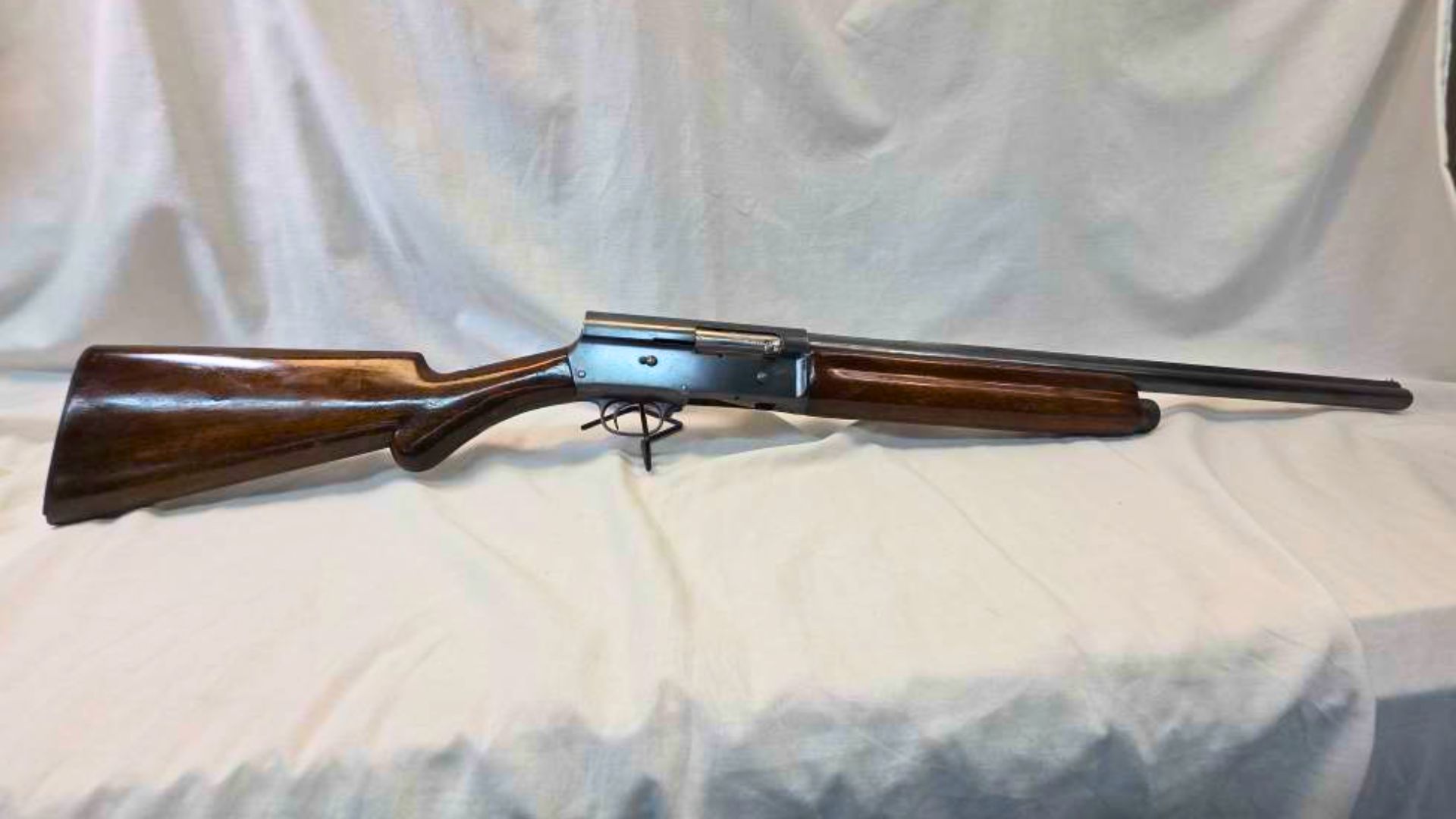
The modern Browning A5 still deserves attention because it remains one of the most distinctive and serious semi-auto field shotguns on the market. Browning’s current pages say the A5 is built to be the most reliable, fastest cycling, best performing, and softest shooting recoil-operated autoloader the company can offer, and Browning openly backs it with a 100,000-round or five-year guarantee. That is a very strong vote of confidence.
What keeps the A5 worth watching is that it combines a recognizable profile with a very current practical purpose. It is not only leaning on the old humpback name. Browning is still positioning it as a hard-working, all-conditions semi-auto built for real use. The internet may not talk about it as often as the latest tactical scattergun, but as a field shotgun, the A5 still deserves serious respect.
Marlin 1895 SBL

The Marlin 1895 SBL still deserves attention because the lever-gun conversation often gets trapped between old nostalgia and the newest social-media darling, while this rifle keeps sitting in the middle as a genuinely useful big-bore answer. Marlin’s current page says the 1895 SBL keeps the time-honored 1895 design while pairing it with Ruger’s reputation for producing high-quality, reliable firearms. That tells you the company is leaning on continuity and trust, not gimmickry.
That matters because a good .45-70 lever gun still fills a real role for hunters, woods carry, and shooters who want a rifle that handles differently than the endless stream of bolt guns and AR-pattern everything. The internet may move on quickly, but the 1895 SBL remains one of those rifles that keeps making practical sense any time you actually want a strong, modernized lever gun instead of only talking about one.
Benelli M2 Field
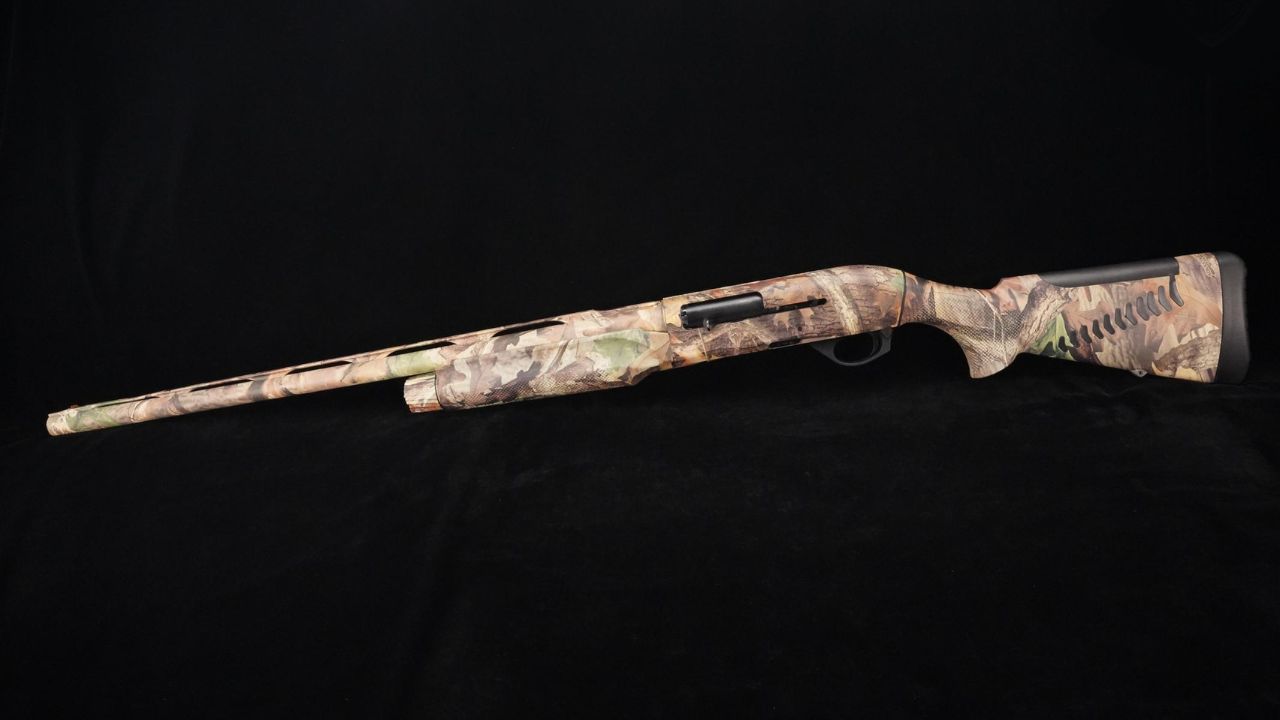
The Benelli M2 Field still deserves attention because it remains one of the clearest examples of a field shotgun that built its name on dependable performance rather than constant reinvention. Benelli’s current page calls the M2 Field legendary for rugged reliability and fast, all-conditions performance, noting that the Inertia Driven system cycles everything from light target loads to 3-inch magnums. Benelli’s broader M2 series page repeats the same core message.
That is exactly why it stays relevant even when online conversation gets louder about newer tactical models or trendier names. The M2 Field is light, fast-handling, and still built around the practical idea that a shotgun should run under field conditions without turning into an argument. When the internet moves on, a shotgun like this still deserves attention because it keeps doing useful work in the exact environment it was built for.
Mossberg 500
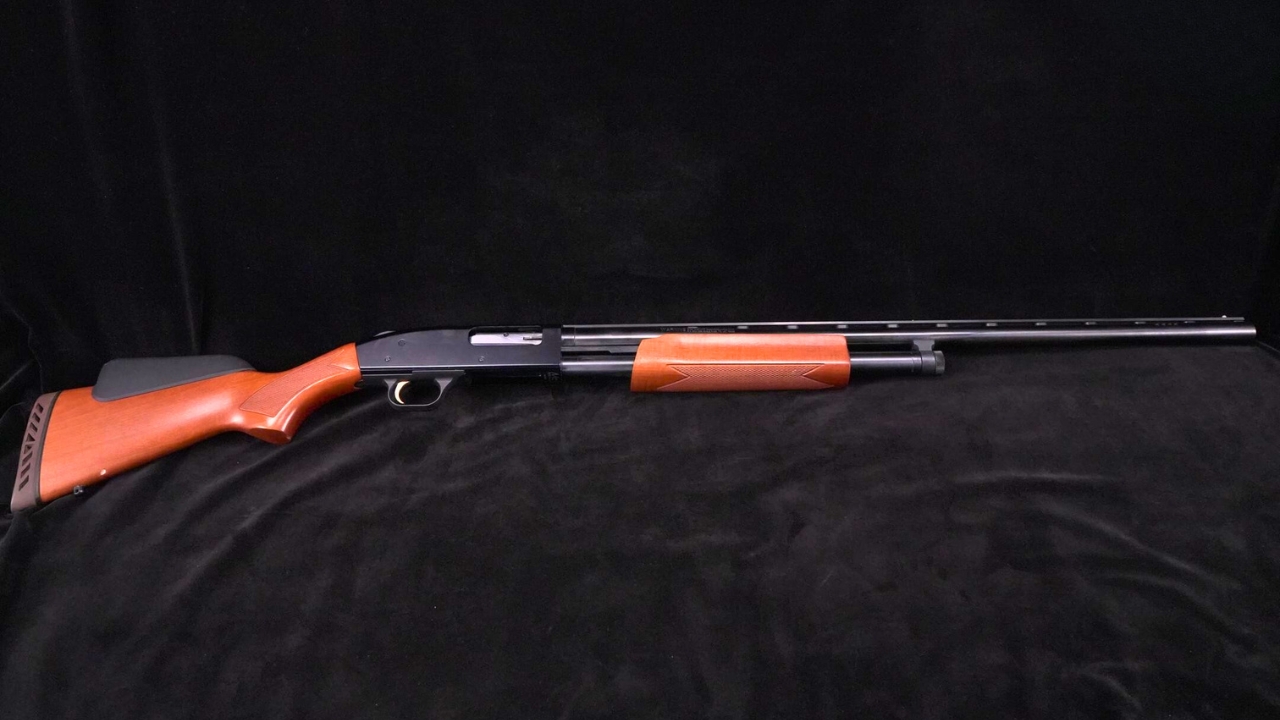
The Mossberg 500 still deserves attention because it remains one of the most proven practical shotguns in America, even if it is too familiar to stay trendy online. Mossberg’s current page says the 500 series sets the standard for pump-action shotguns, points to its simplicity, durability, and lower cost, and notes that more than 12 million have been sold. That is not hype built on novelty. That is a record built over time.
That is why the 500 keeps mattering. It is versatile, durable, and easy to understand, which is exactly what many shooters still need from a shotgun. The internet tends to get bored with guns that simply keep working, but that is often the strongest reason to keep paying attention. A platform this proven does not need to be exciting every year to remain one of the smartest shotguns you can still buy and use.
Henry H001 Classic Lever Action .22

The Henry H001 still deserves attention because it remains one of the cleanest examples of a rifle that keeps doing honest work while bigger conversations drift elsewhere. Henry’s current page describes the Classic Lever Action .22 as a classic Western-style lever gun and one of the most popular .22s on the market. That is a simple description, but it tells you the rifle still holds a meaningful place in the company’s lineup.
That matters because a reliable, approachable lever-action rimfire is still one of the most useful firearms you can keep around. It works for practice, new shooters, casual range use, and plain enjoyment in a way many louder, trendier guns do not. The internet may not spend much time talking about rifles like this unless they become fashionable for a month, but the H001 still deserves attention because it continues to make practical sense for real shooters.
Like The Avid Outdoorsman’s content? Subscribe to our newsletter so you never miss an article.
Here’s more from us: