Photo credit: Alabama Arsenal/YouTube
Some rifles ask a lot from you before you ever fire a shot. They cost more than they should, carry like an anchor, and show up with the kind of reputation that makes buyers expect something close to perfection. Then real use starts. You haul them through the woods, shoot them from field positions, fight their balance, or try to justify the money after a few underwhelming range trips. That is usually when the shine wears off.
A heavy rifle is not automatically a bad rifle, and an expensive rifle is not automatically overpriced. Sometimes the extra weight helps stability, and sometimes the extra cost really does buy better performance. But some rifles miss that balance completely. They feel burdensome in the hand, overpriced on the tag, and strangely underwhelming once you get past the branding or the promise. Those are the rifles that leave owners frustrated because they paid premium money and still ended up wanting something else.
Barrett MRAD
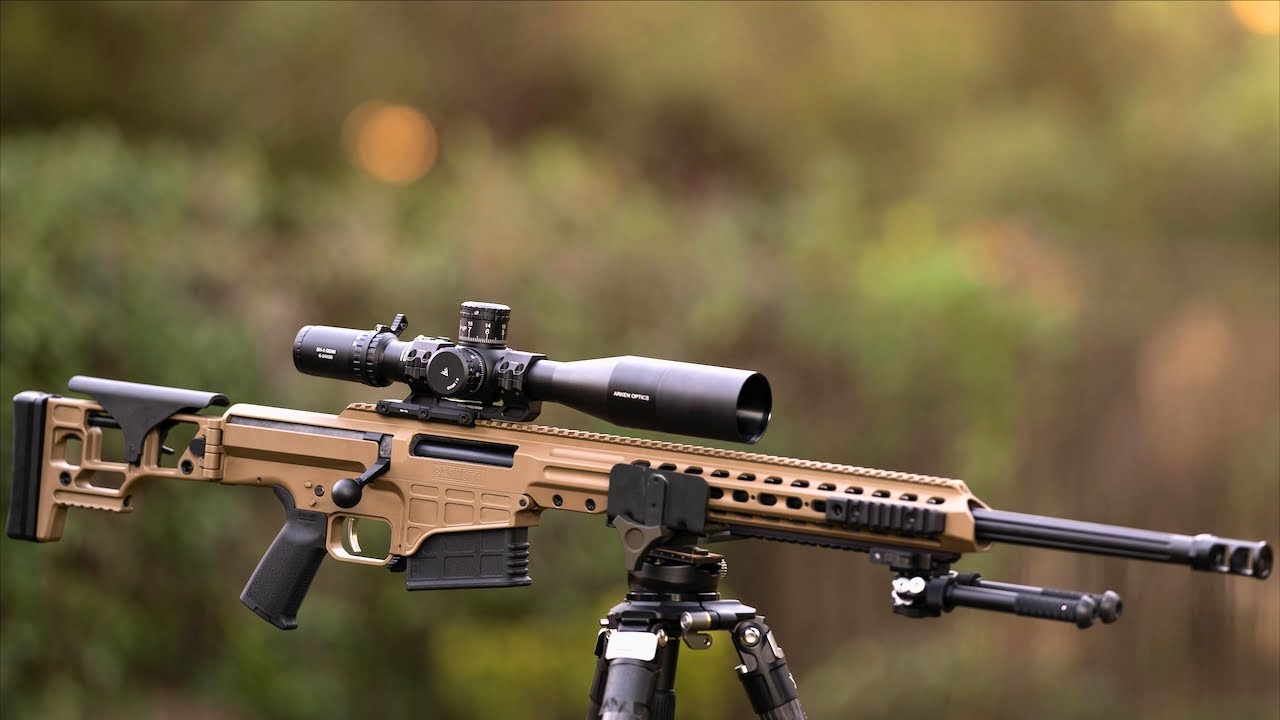
The Barrett MRAD gets plenty of admiration because it looks like the kind of rifle serious professionals would use, and the modular concept sounds impressive. It brings big-money expectations the second you see the price tag, and with that kind of cost, buyers naturally expect a rifle that feels worth every pound and every dollar. On paper, it is easy to talk yourself into the idea.
The problem is that most owners are not using it in a role that makes all of that bulk and cost pay off. It is heavy, expensive to feed, expensive to accessorize, and often more rifle than the buyer can realistically use. That leaves some people feeling like they bought complexity, weight, and bragging rights more than a satisfying shooting experience. For that kind of money, disappointment lands a lot harder.
Desert Tech SRS A2
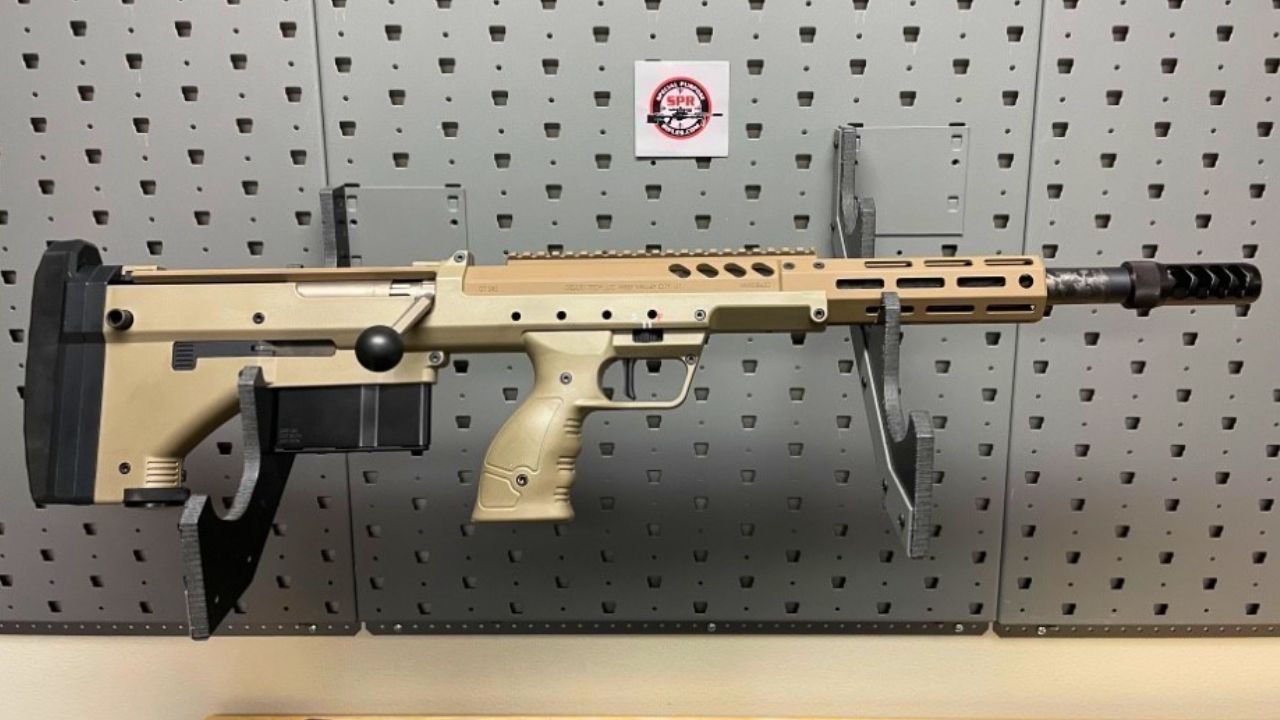
The Desert Tech SRS A2 has a layout that immediately makes people think they are getting something advanced, compact, and highly capable. The bullpup precision-rifle concept is unusual enough to sell itself, especially to buyers who want something different from the usual long-action bolt gun setup. It has an expensive, high-performance aura before you ever spend serious time behind it.
Then you actually live with it. Some shooters never get fully comfortable with the ergonomics, the balance feels odd to others, and the cost puts enormous pressure on the rifle to be nearly flawless. When that kind of rifle feels quirky instead of intuitive, the money and weight start looking harder to justify. Plenty of people still admire it, but admiration is not the same as feeling happy after the credit card bill shows up.
Springfield Armory M1A Loaded
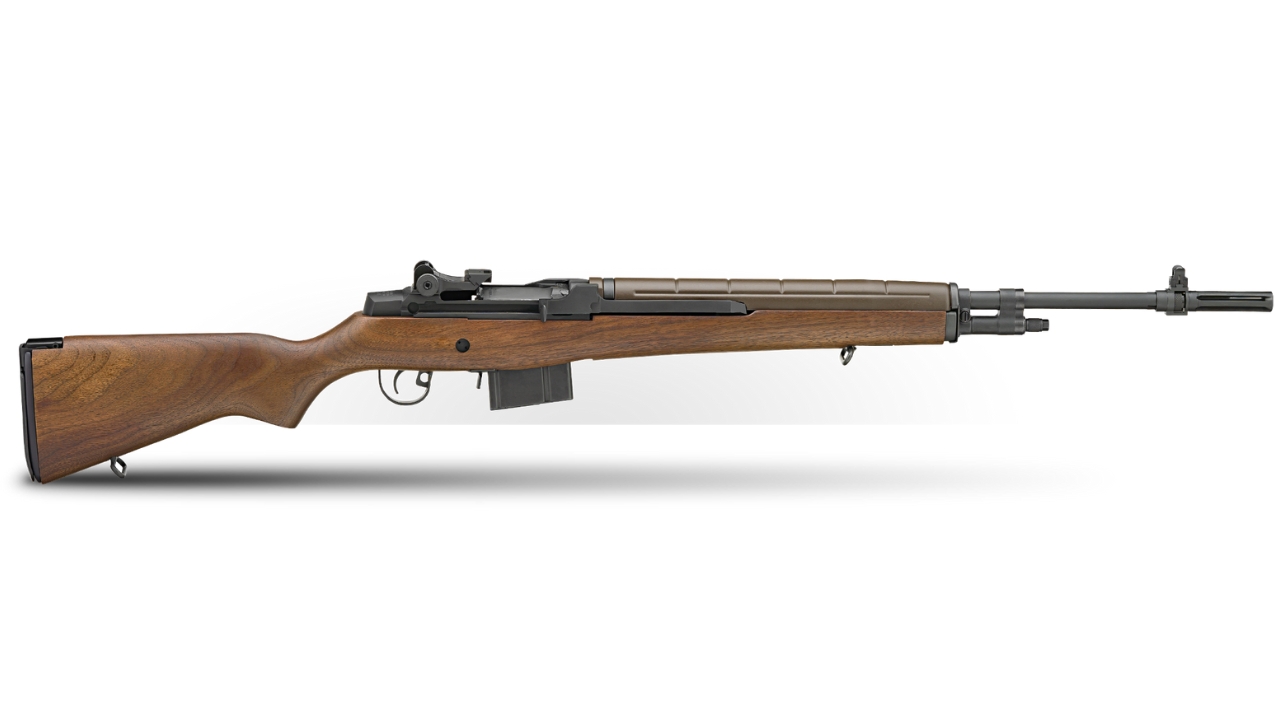
The Springfield Armory M1A Loaded pulls people in with military-style appeal, old-school credibility, and the feeling that they are buying something more substantial than another plain semi-auto. The wood-and-steel or heavy match-style versions especially have a way of making buyers think they are stepping into a more serious rifle experience. That image carries real weight, both literally and financially.
Then real ownership reminds people that substantial can turn into cumbersome fast. The rifle is often heavier than expected, more expensive to set up well than expected, and not always the easiest route to the accuracy or convenience modern buyers assume they are getting. A lot of owners still love the M1A concept, but loving the concept does not erase how quickly the rifle can start feeling like a lot of money and a lot of mass for not enough payoff.
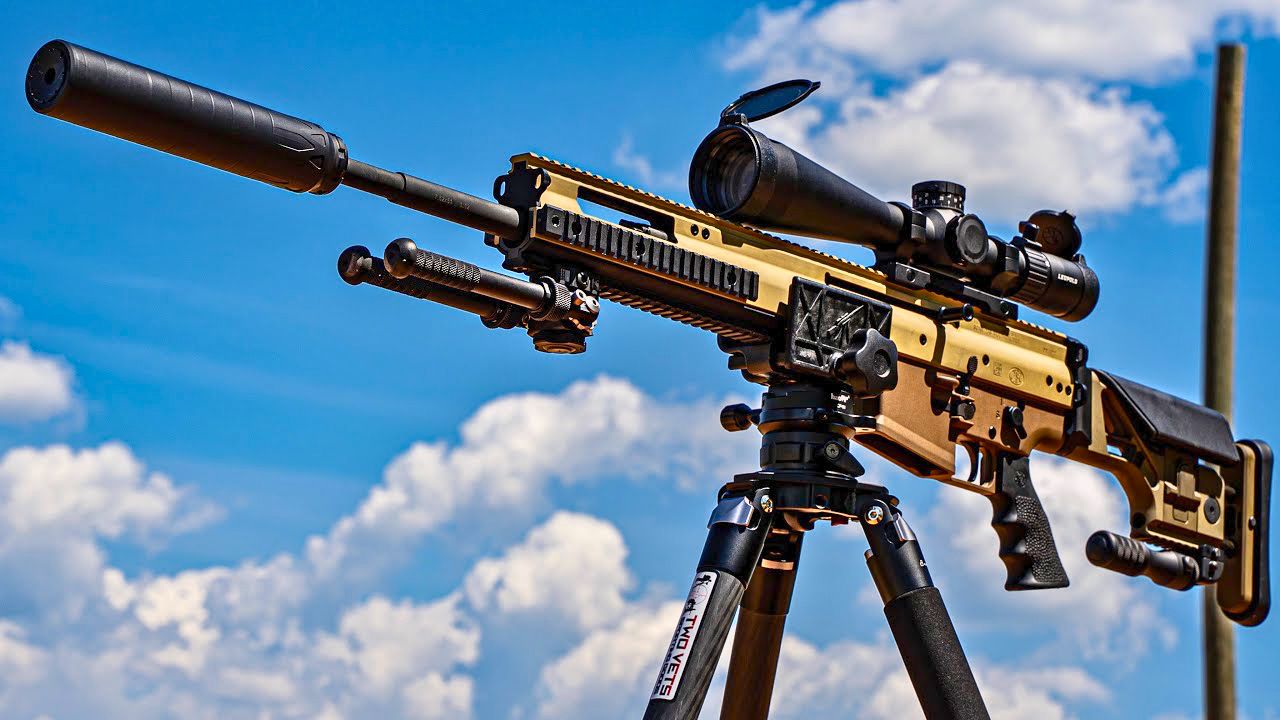
FN SCAR 20S

The FN SCAR 20S looks like the kind of rifle that should dominate every long-range conversation. It carries a strong brand name, a serious appearance, and a price that tells the buyer this is supposed to be something special. When people spend that much on a rifle, they expect more than competence. They expect something that clearly separates itself from less expensive options in a way they can feel immediately.
That is where the disappointment starts for some owners. It is large, heavy, expensive, and often harder to justify once you compare it to other rifles that shoot very well for a lot less money. The SCAR 20S has appeal, but appeal alone does not make the weight disappear or make the cost sting less. For some shooters, it ends up feeling more like a luxury statement piece than a rifle that truly earns its burden.
Christensen Arms Modern Precision Rifle

The Christensen Arms Modern Precision Rifle sells a premium image very effectively. Carbon fiber, folding-stock styling, and the promise of a high-end mountain-meets-precision setup make it easy for buyers to imagine one rifle doing everything they want. At that price, most people are expecting refinement, portability, and clear performance advantages over more ordinary rifles.
What frustrates some owners is that it can still feel heavier and less graceful in real use than the marketing impression suggests. Once scoped, loaded, and equipped for actual field work, it starts feeling like a lot to carry and an awful lot to have paid for something that may not feel dramatically better than cheaper rifles. That is the danger zone. When premium branding creates premium expectations, even modest disappointment starts feeling expensive.
Accuracy International AXSR
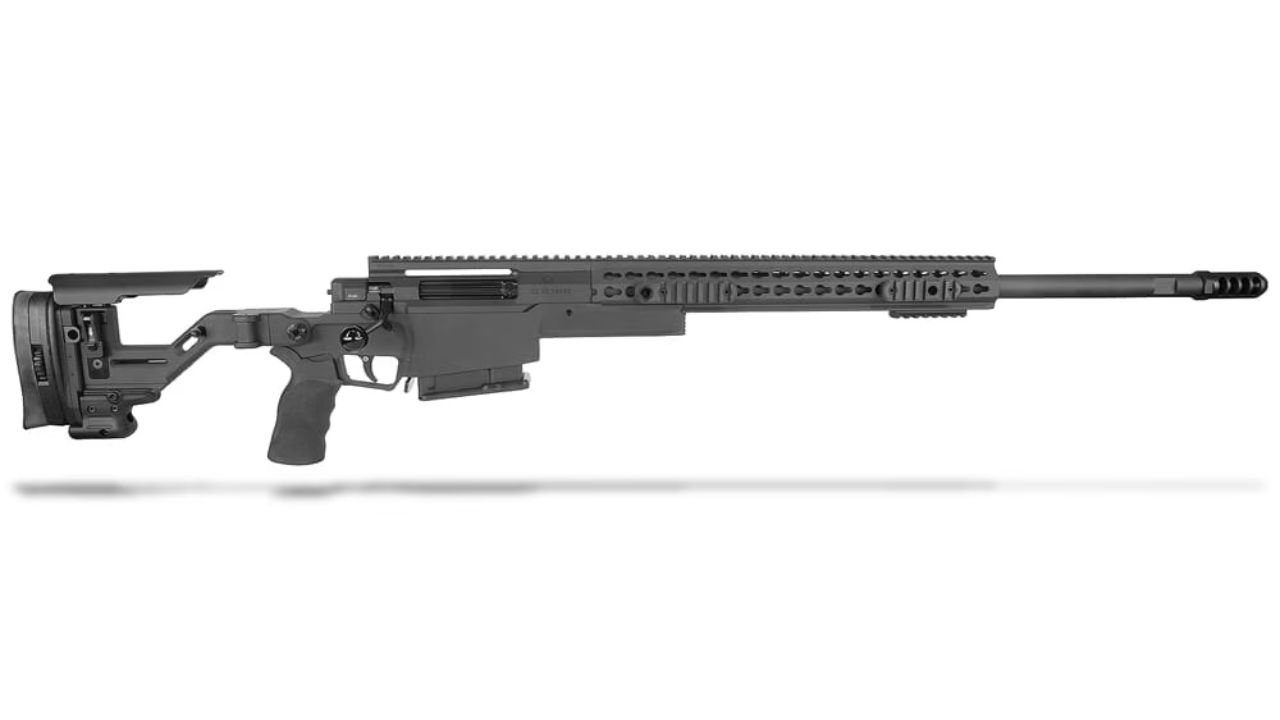
The Accuracy International AXSR has the kind of name that makes buyers assume they are entering elite territory. AI has real credibility, and that matters. The trouble is that a rifle can be extremely capable and still disappoint a buyer who thought money and weight alone would produce a magical ownership experience. The AXSR is a serious tool, but it demands serious tolerance for bulk, cost, and specialized purpose.
Most owners do not actually need what the rifle is built to do. So what happens is they buy into the mystique, then start living with the sheer mass of the system and the enormous cost of the overall setup. That can turn admiration into fatigue pretty quickly. A rifle this heavy and this expensive has to feel extraordinary every single time out. If it ever feels merely good, disappointment shows up fast.
Ruger Precision Rifle Magnum
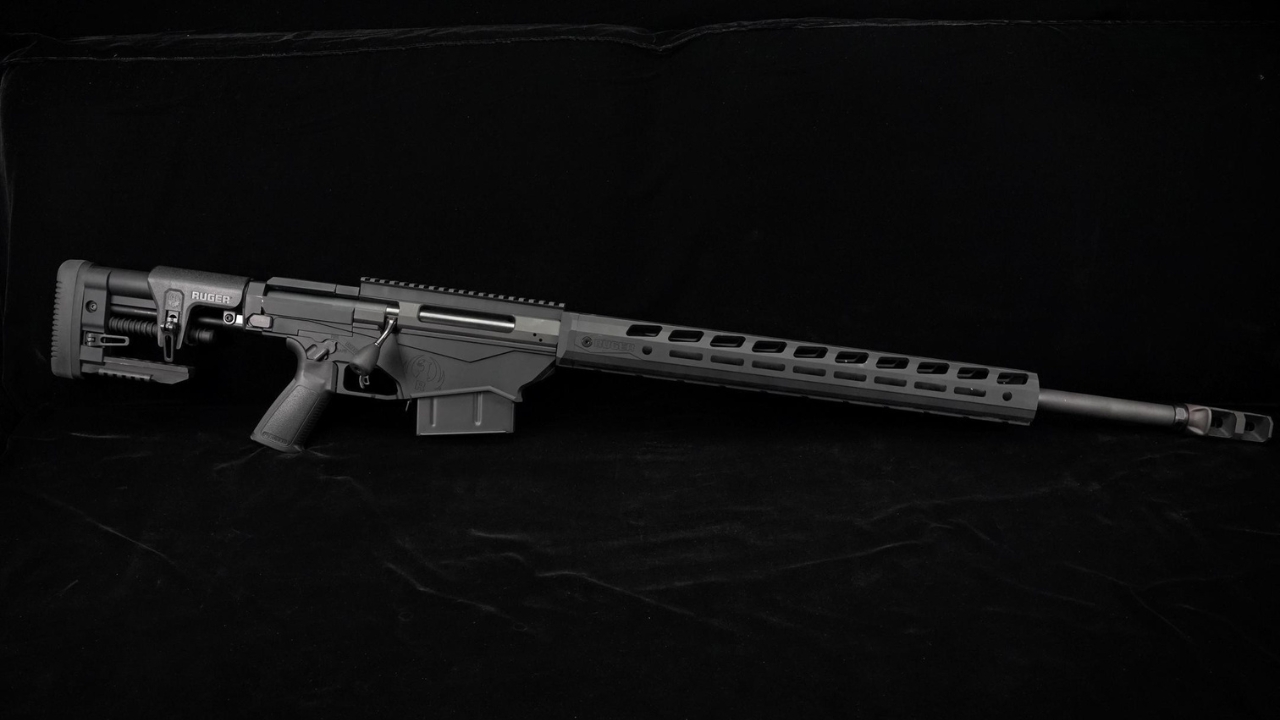
The Ruger Precision Rifle Magnum got plenty of attention because it looked like a more accessible way into long-range magnum shooting. That sounds good until you spend real time carrying it, setting it up, and dealing with the reality that “accessible” does not always mean balanced or satisfying. The chassis adds bulk, the magnum chamberings add cost, and the whole package can start feeling like more commitment than fun.
A lot of owners end up wondering what exactly they gained for all that size and all that money. It is not a cheap setup once glass and ammunition get involved, and it is not the kind of rifle most people want to move around with more than necessary. When the shooting experience does not clearly outweigh the inconvenience, the rifle starts feeling like a heavy reminder that buying into a role is not the same as needing one.
Browning BAR Mk 3 DBM

The Browning BAR Mk 3 DBM has a name that suggests quality and a detachable-box-magazine setup that makes some buyers think they are getting the best of both worlds: Browning refinement and faster practical use. The trouble is that these rifles often cost enough that buyers expect a lot more excitement or utility than they ultimately deliver. Browning’s name can raise expectations fast.
Then the rifle itself starts making the case harder. It is not light, it is not cheap, and for many hunters it ends up feeling like a lot of rifle to carry for a level of performance that does not feel dramatically better than far simpler, less expensive options. That can leave owners feeling like they paid extra for a name and a feature set that looked better in theory than it did once the season got going.
Q Fix

The Q Fix gets hyped because it looks modern, trimmed-down, and clever in the way a lot of premium tactical-style rifles try to. It is sold like the smart answer for shooters who want something lighter and more innovative than a conventional bolt gun. That kind of image works on people who are tired of ordinary rifles and want a setup that feels like it came from the future.
Then the price hits, and so does the expectation that the rifle should feel transformative. When it does not, frustration follows. For some buyers, the ergonomics are not the revelation they imagined, the cost feels steep for what they actually get, and the overall experience does not justify the money nearly as cleanly as they hoped. Once a rifle reaches this price tier, “interesting” stops being enough. It has to be clearly better, and not everybody walks away convinced.
Desert Tech HTI

The Desert Tech HTI has an instant wow factor because it is built around huge chamberings and a very different layout from the usual big-bore rifle. It looks specialized, expensive, and a little outrageous, which is exactly why some buyers want one. The rifle sells an experience almost as much as a capability, and that can be enough to push people into spending more than they probably should.
The problem is that specialty rifles this large and this expensive often turn into ownership burdens. It is heavy, costly to feed, and hard to justify unless your actual use case matches the fantasy that sold you on it. Many owners eventually figure out they paid for novelty, scale, and conversation value more than lasting satisfaction. That is a rough realization when the rifle cost that much and still feels like too much work to enjoy often.
Weatherby Mark V Accumark
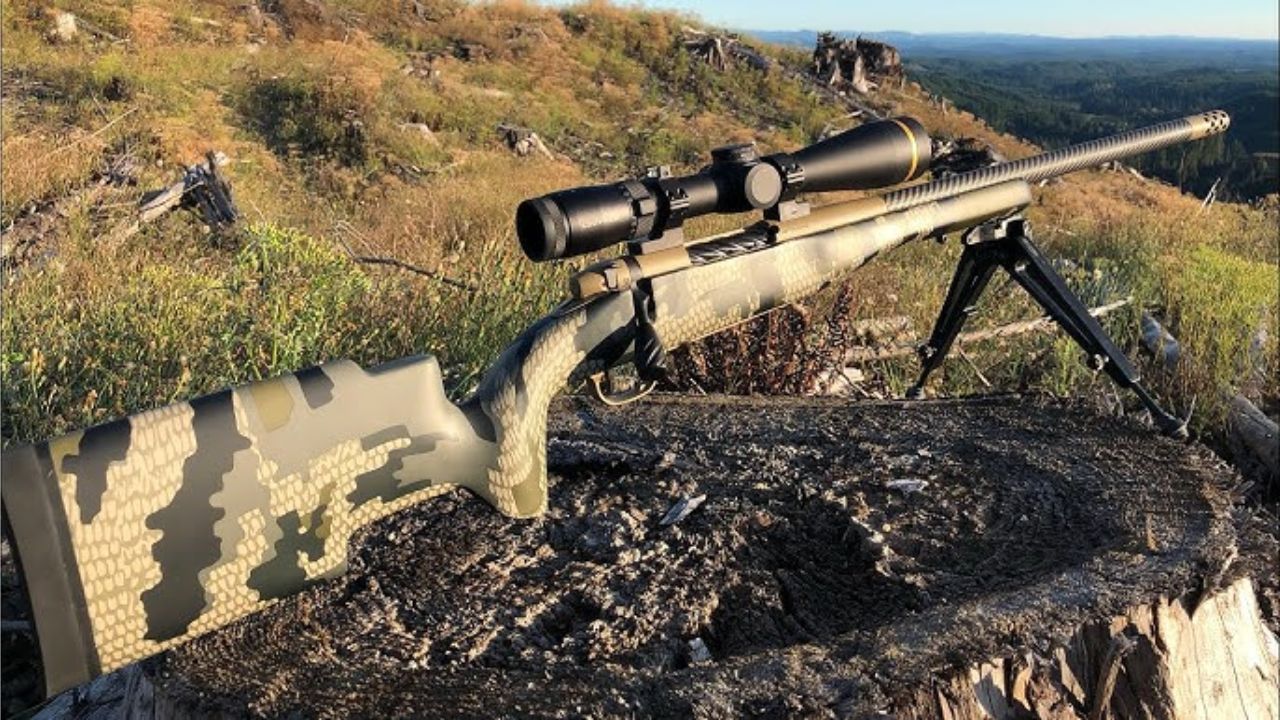
The Weatherby Mark V Accumark attracts buyers who want a premium bolt gun with reach, power, and Weatherby prestige. The fluted barrel, heavier profile, and overall finish make it feel like a serious rifle for serious hunting. It absolutely looks the part. For a lot of people, though, that strong first impression starts carrying more weight than the real ownership experience can support.
Once you add optics and carry it in the field, the rifle can start feeling heavier and more tiring than the buyer expected from the dream they bought at the counter. Then recoil, cost, and overall setup expense keep piling on. If the rifle does not shoot well enough to erase all of that immediately, disappointment moves in fast. When a rifle costs that much and carries that much, good is not good enough.
FN Ballista

The FN Ballista lives in a category where everything is expensive, heavy, and sold with elite-level messaging. That is already a dangerous setup for disappointment because it tells the buyer they are entering a rarefied tier where compromise should barely exist. The Ballista definitely looks the part, and for some buyers, that alone is enough to get the process started.
But rifles in this class live or die by how completely they justify themselves. If the owner is not using it in the kind of role it was truly built for, the cost starts feeling extreme and the weight starts feeling ridiculous. Once that happens, every minor annoyance gets magnified. A rifle this expensive cannot merely function well. It has to feel worth it in a deep way, and a lot of buyers eventually realize that is a much higher bar than they expected.
SIG Sauer Cross Magnum
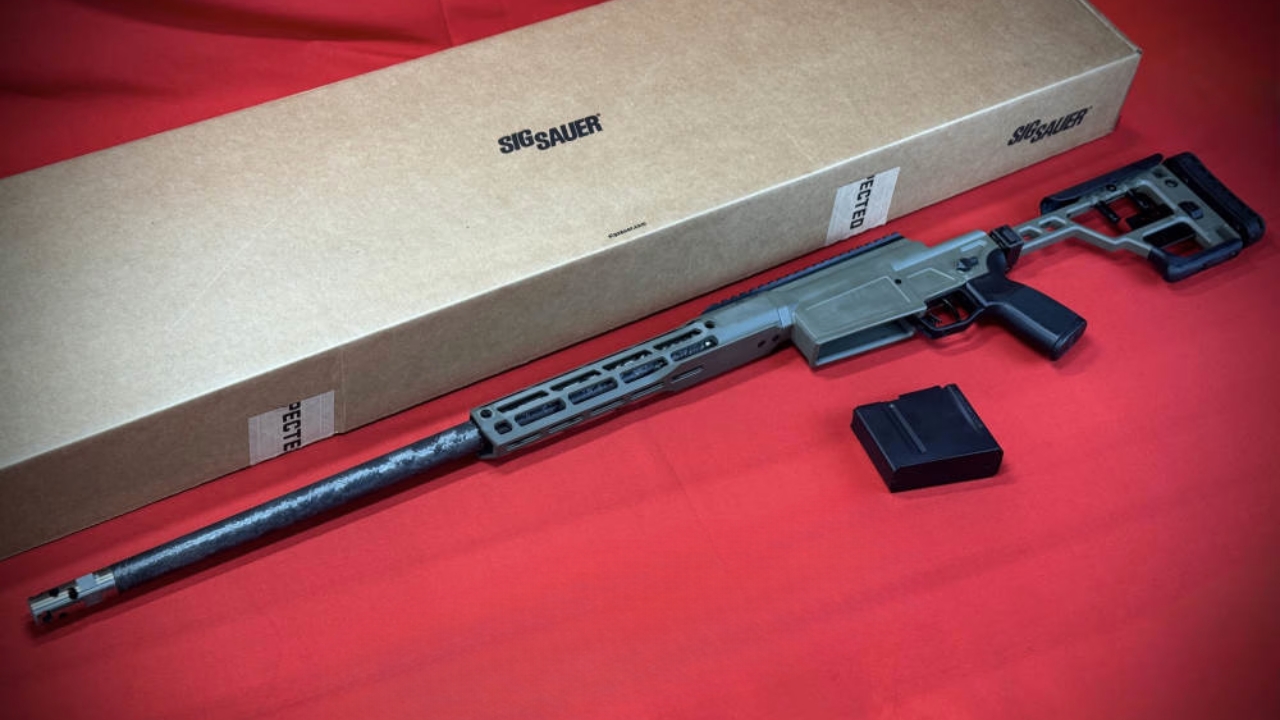
The SIG Sauer Cross Magnum appeals to buyers who want a modern backcountry-capable rifle with enough brand strength to feel like a safe bet. That pitch sounds good because it promises portability, versatility, and a more advanced design than the average hunting rifle. The issue is that once you move into the magnum side of that concept, the compromises start stacking up in ways some buyers do not fully anticipate.
The rifle gets more expensive, the recoil equation changes, and the whole thing can start feeling less like a slick field rifle and more like a premium experiment. If the balance, handling, or real-world shooting experience fail to impress immediately, the price becomes harder to swallow. Buyers often expected something cleaner and more satisfying. Instead, some end up with a rifle that feels like it costs too much to be merely decent.
HK MR762A1
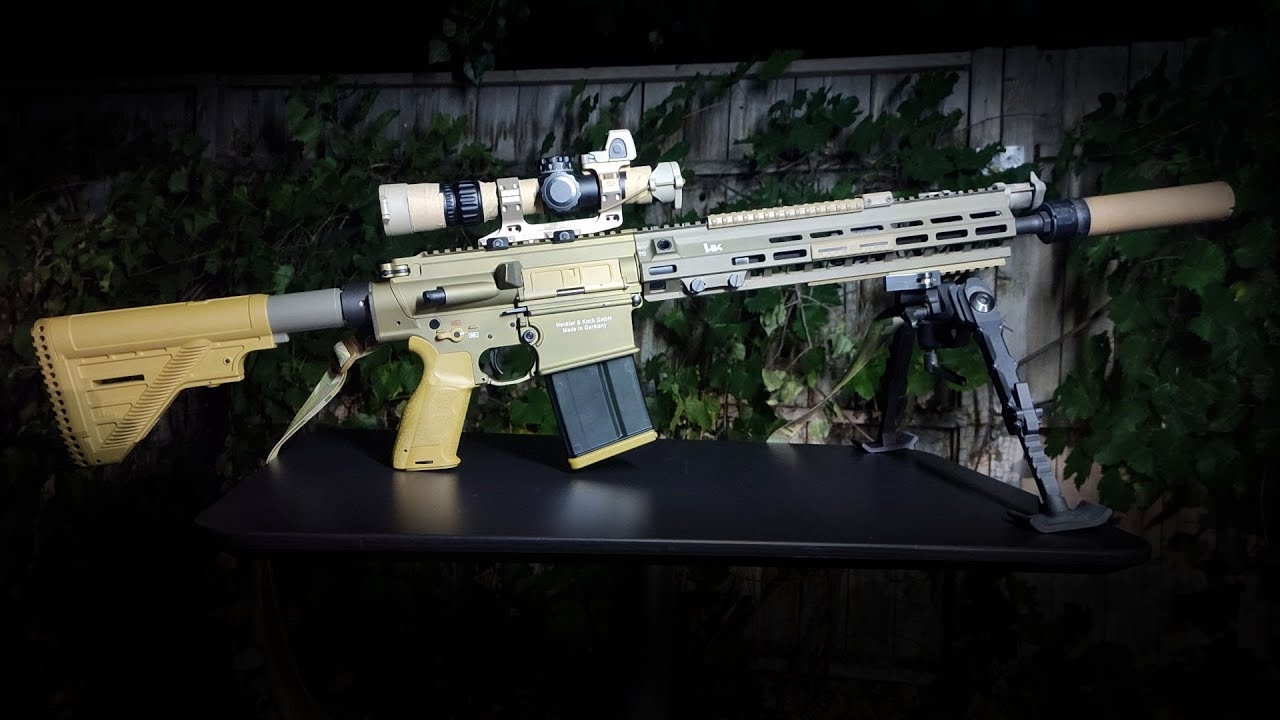
The HK MR762A1 benefits from one of the strongest names in the firearm world. That alone gets people reaching for their wallets. It has the serious look, the battle-rifle energy, and the sort of reputation that makes buyers assume the price must be justified before they even shoulder it. That is how brand power works, especially in a rifle that already feels premium and substantial.
Then the real-world experience starts adding up. The rifle is heavy, the magazines and accessories are not cheap, and the price is high enough that buyers expect something bordering on perfection. When the rifle instead feels like a very expensive, very heavy .308 autoloader that still comes with the normal compromises of that class, some owners start rethinking the whole purchase. The name gets people in the door. It does not always keep regret out of the safe.
GA Precision Gladius
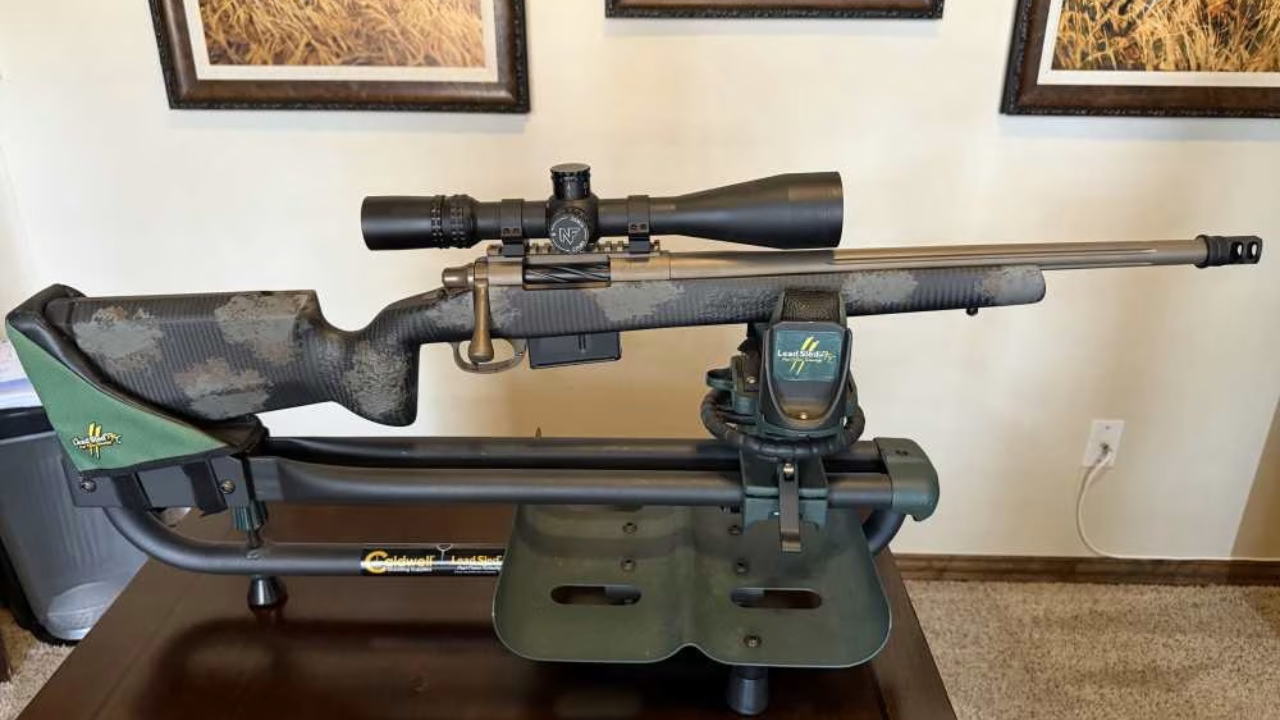
The GA Precision Gladius sits in a tier where expectations get brutal. Buyers are paying real money and expecting a rifle that leaves no doubt why it costs what it costs. Custom-shop reputation helps, but it also creates a problem: once the rifle becomes that expensive and that substantial, every owner starts measuring satisfaction against a nearly perfect standard.
That can make disappointment arrive faster than people expect. The rifle may be capable, but if the owner does not have the skill, need, or shooting routine to fully exploit what it offers, it starts feeling like a very heavy and very expensive answer to a question they were never really asking. That is the trap with premium precision rifles. Owning one and truly benefiting from one are not automatically the same thing. For some buyers, that lesson gets expensive fast.
NEMO Arms Omen
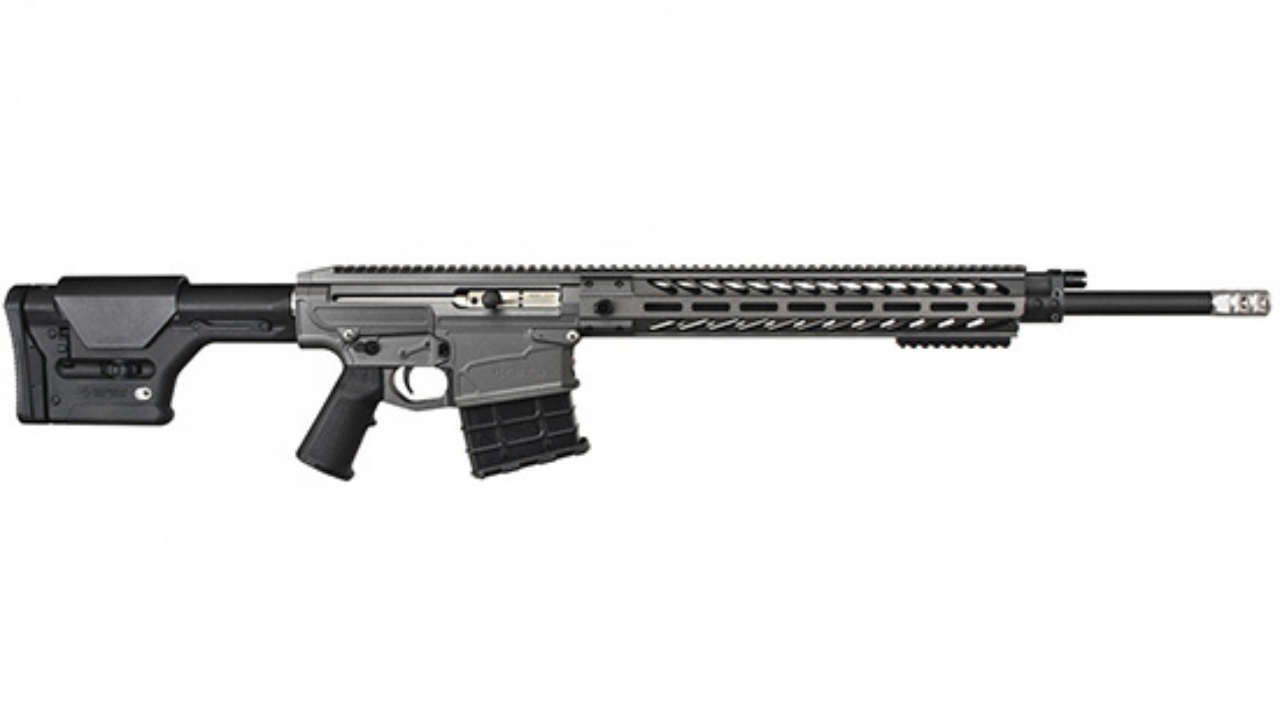
The NEMO Arms Omen gets attention because it promises an enormous amount of power in a modern semi-auto package. That is exactly the kind of thing that sounds thrilling when someone is shopping with imagination instead of long-term patience. The rifle looks serious, feels rare, and carries a price that tells the buyer they are looking at something far outside the ordinary.
The trouble is that outside the ordinary can also mean outside the range of what most people really enjoy owning. The Omen is big, heavy, expensive, and costly to keep running. If the rifle does not become a frequent part of the owner’s actual shooting life, it turns into an oversized financial reminder that extreme gear is easy to admire and harder to love. That is a bad place for any rifle to end up, especially one this expensive.
Like The Avid Outdoorsman’s content? Subscribe to our newsletter so you never miss an article.
Here’s more from us: