Photo credit: Kahr Arms
There’s nothing worse than a handgun that runs fine until you start feeding it again. Some pistols seem allergic to fresh magazines—stopping, jamming, or refusing to chamber that first round cleanly. It’s one of those reliability issues that shows up after a few sessions and never goes away, no matter how many brands of ammo or mags you try. You can keep them spotless and still get nose-dives, stovepipes, and half-seated mags. When a gun can’t handle something as basic as a reload, it’s not a defensive tool—it’s a range toy with timing issues. These are the pistols that frustrate their owners most when it’s time to top off.
Kimber Micro 9
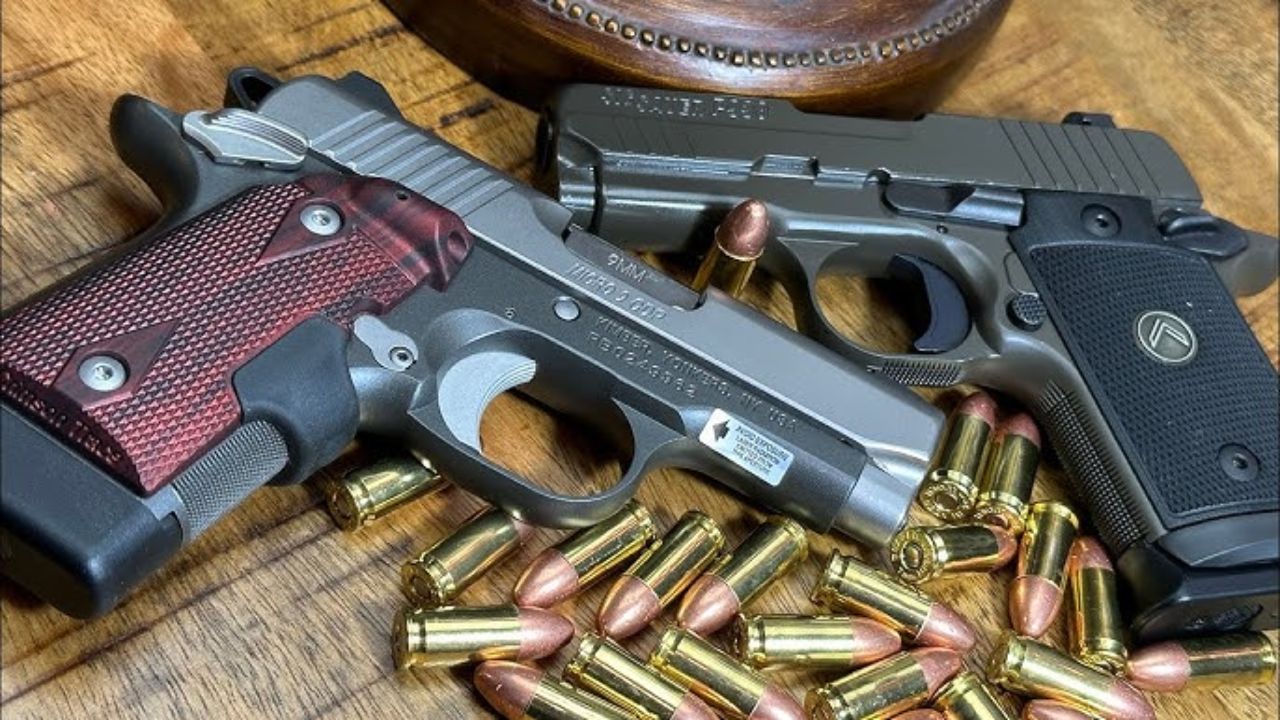
The Kimber Micro 9 looks sharp and feels great, but it’s notorious for feeding issues during reloads. The compact 1911-style frame leaves little room for error, and when the magazine isn’t seated perfectly or the slide stop catches oddly, you’ll see failure to feeds and short-chambered rounds. It’s a common frustration among owners who expect premium reliability for the price.
The Micro 9’s tight tolerances make it great when clean, but once fouled or rushed, it doesn’t like being topped off fast. It’s not uncommon to watch one hang up halfway through a reload drill. For concealed carry, that hesitation is enough to make most folks move on to something more forgiving.
Springfield XD-S Mod.2

The XD-S Mod.2 has a solid reputation for ergonomics and concealability, but it can be finicky when reloading under pressure. If the slide isn’t locked open perfectly or the magazine isn’t slammed home with force, the first round can nose-dive right into the feed ramp.
Some of that comes down to its single-stack design—it doesn’t tolerate any drag or tilt. The slide release can also be stiff, especially with gloves on, making smooth reloads tough in real-world conditions. The gun shoots well once running, but when you’re practicing reload drills, you’ll start noticing how picky it can be about timing and pressure.
Sig Sauer P238

The Sig P238 is beautifully built but runs into problems with quick magazine swaps. Like many micro .380s, it needs perfect alignment when inserting a new mag or the top round catches on the feed ramp. Even when everything’s seated, it’s easy to ride the slide just enough to cause a failure to chamber.
It’s not that the P238 is unreliable—it’s that it demands precision when you’re trying to move fast. The short slide and stiff recoil spring give you little forgiveness. It’s a pistol designed more for careful loading than fast reloading, and that shows every time you run it like a full-size gun.
Taurus PT111 Millennium G2

The PT111 Millennium G2 is affordable, but it has a bad habit of hiccupping during reloads. Magazine tolerances aren’t consistent, and even factory mags sometimes require a firm slap to seat properly. If you try to chamber that first round gently, it’ll nose-dive or jam halfway in.
Add in a gritty trigger reset and tight magazine well, and you’ve got a pistol that punishes sloppy reloads. It runs fine once it’s feeding, but it’s the transition from empty to live that causes headaches. Many owners report smoother reloads only after extensive polishing and aftermarket mags—which tells you everything you need to know.
Colt Mustang Pocketlite

The Colt Mustang is a classic pocket .380 with style, but it’s not built for speed reloads. The tiny frame and lightweight slide make it easy to short-stroke when chambering the first round. If you don’t fully rack and release with authority, you’ll end up clearing a jam instead of firing.
The Mustang’s feed ramp also doesn’t like hollow points in some loads, which only makes reloads trickier. It’s an excellent gun for deliberate carry, but it’s not one you want to practice fast magazine swaps with. Most owners learn to baby it—and that’s not exactly a mark of confidence in a defensive pistol.
Walther CCP
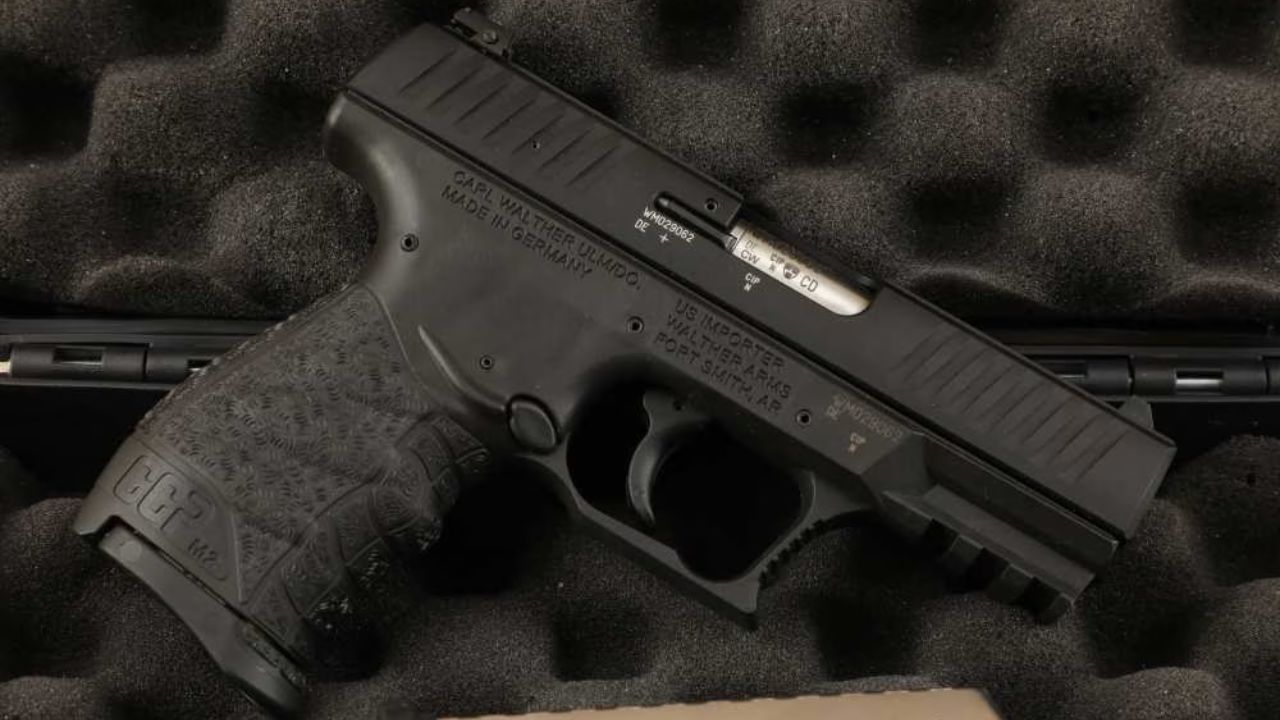
The Walther CCP has a unique gas-delayed blowback system that makes it soft-shooting, but that same system doesn’t always like reloads. After a few magazines, heat and fouling build up, and the slide starts dragging. Add in a fresh mag and thick oil, and suddenly the first round struggles to chamber.
It’s not an issue you’ll always see at the range, but when it happens, it’s frustrating. The mag release placement also makes reloads awkward if you have larger hands. It’s a comfortable pistol to shoot slowly, but when you start running it hard, it shows that it wasn’t designed for speed or stress.
Remington R51
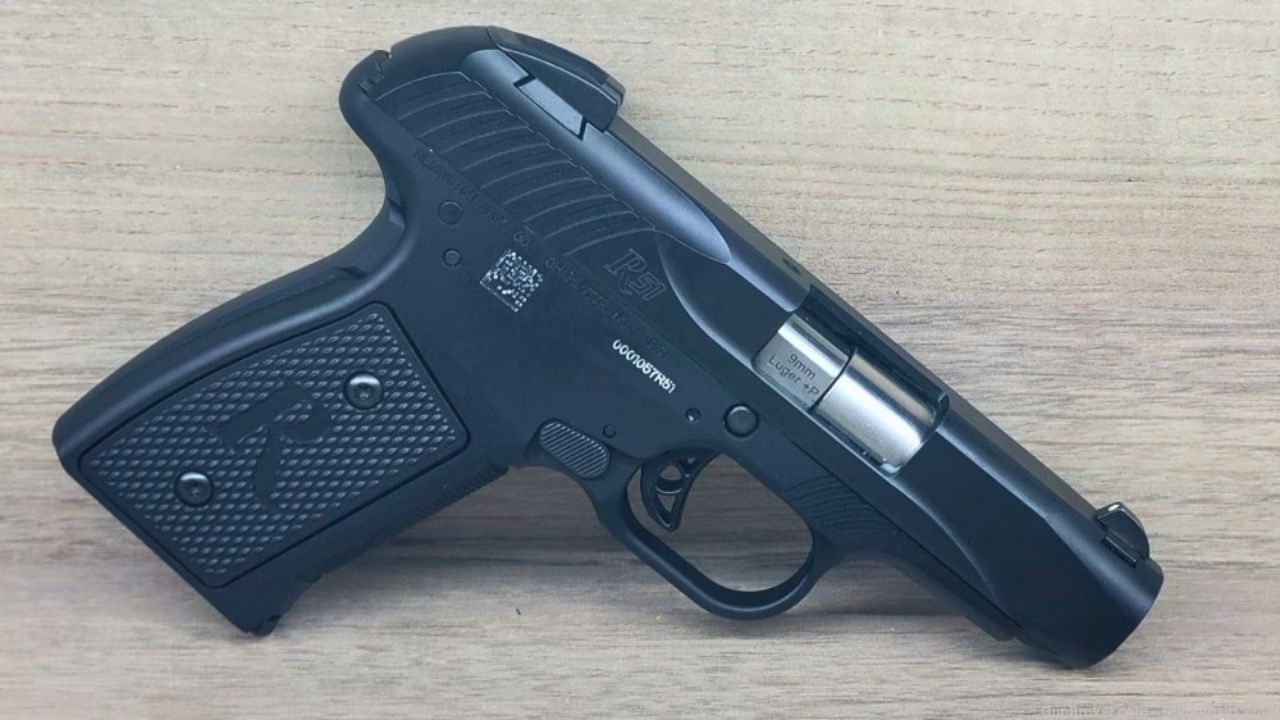
The R51 was Remington’s attempt at bringing a classic design into the modern age, but the execution fell apart. Reloading this gun smoothly can feel like a chore. The magazine well is tight and uneven, the feed angle is steep, and the slide’s cycling rhythm feels unpredictable.
Even factory ammo sometimes hangs on the way in, and that’s before you factor in cold weather or dirty conditions. Guides, trainers, and range officers all saw the same thing: shooters struggling to chamber a round after reloading. The R51 isn’t just picky—it’s one of those pistols that never learned how to run reliably from the start.
Kahr CW9

The Kahr CW9 has a smooth double-action trigger and a slim build, but reloads can expose its quirks. The magazines need to be seated firmly, and the slide release is the only reliable way to chamber the first round—racking it manually often causes misfeeds.
It’s a great pistol when handled deliberately, but if you train for defensive reloads, that hesitation can cause problems. The feed ramp’s angle and the stiff recoil spring mean it won’t tolerate shortcuts. It’s another example of a gun that shoots well once it’s going, but hates being rushed when you’re trying to get it there.
Kimber Solo Carry

The Kimber Solo Carry was marketed as a premium micro 9mm, but anyone who’s reloaded one under pressure knows how temperamental it is. The short slide, steep feed ramp, and tight spring tension combine to make chambering that first round hit-or-miss.
Kimber even specified certain high-pressure loads to keep it running right. That’s not a great sign for a defensive pistol. The Solo looks elegant and feels good in hand, but when you’re trying to reload quickly, it’s all too easy to induce a jam. In cold weather or with gloves, it’s downright finicky.
Smith & Wesson Bodyguard 380

The Bodyguard 380 is reliable enough when fed and clean, but fast reloads aren’t its strong suit. The tiny magazine, narrow well, and awkward release button make it hard to seat a new mag under stress. The first round often resists chambering unless the slide is dropped with authority.
It’s a pocket pistol designed for deep concealment, not tactical reloads, and it behaves that way. Guides, trainers, and long-time shooters all know the pattern—if you’re reloading the Bodyguard in a hurry, odds are something will snag. It’s reliable within its limits, but those limits are clear.
Like The Avid Outdoorsman’s content? Be sure to follow us.
Here’s more from us:
The worst deer rifles money can buy
Sidearms That Belong in the Safe — Not Your Belt
*This article was developed with AI-powered tools and has been carefully reviewed by our editors.