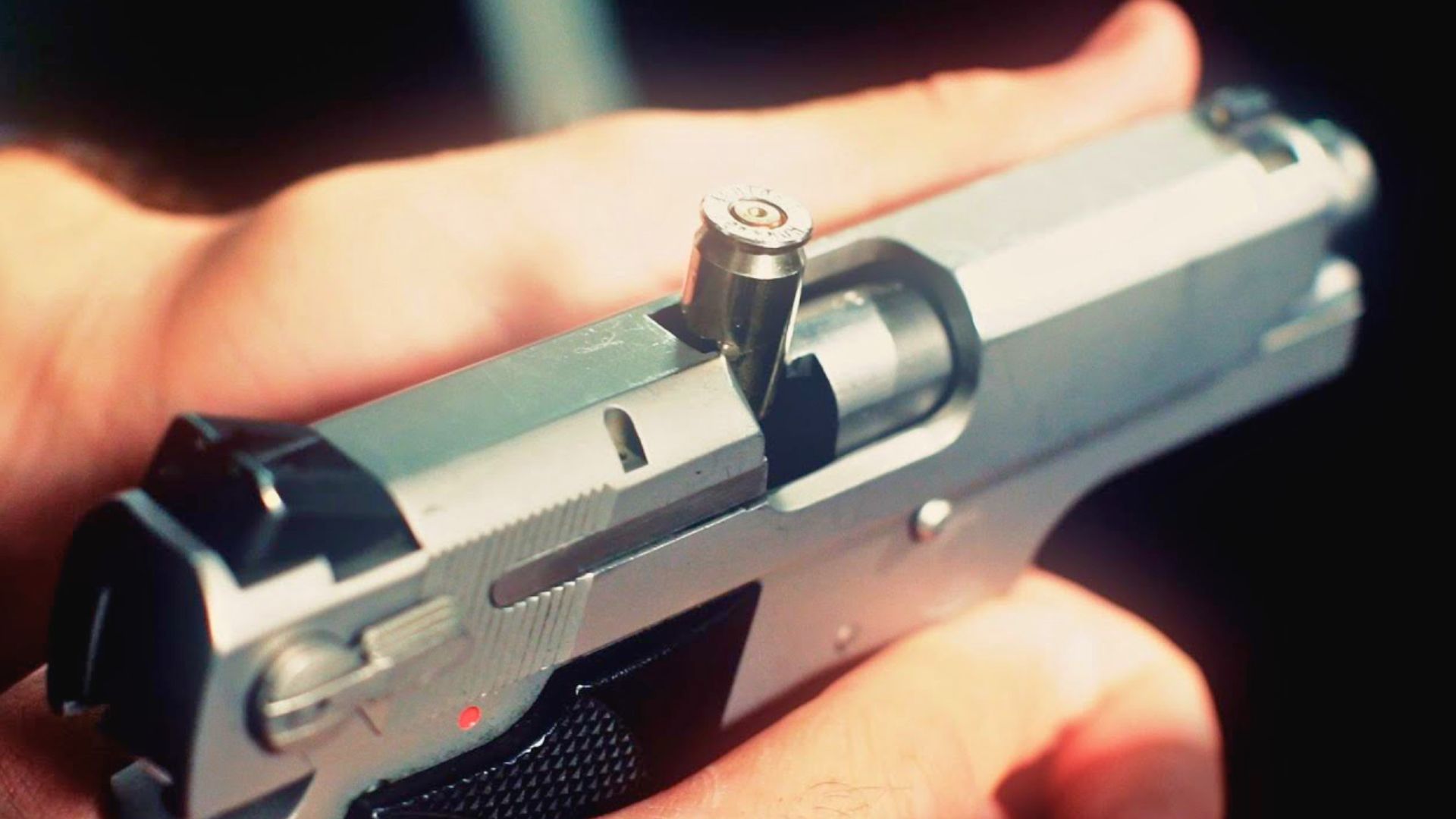
Photo credit: Howcast/YouTube
When you’re carrying a pistol for protection, failure isn’t something you can afford. You want something that goes bang when it needs to—every time. But not all handguns are built to the same standard. Some jam when they’re dirty. Others choke on common defensive loads. And some seem fine on the range but fall apart in real conditions. If you’ve spent time around serious shooters or carried for real, you know which ones to avoid. These are the pistols that might work… until they don’t. And when they fail, it’s never during practice—it’s when everything’s on the line.
KelTec P11

The P11 made waves for its size and price, but reliability was never its strong suit. The long, gritty trigger and lack of slide lock already made it hard to run under pressure. Throw in a steady diet of hollow points and you’re almost guaranteed a malfunction.
It doesn’t help that the mags can be finicky and the sights aren’t doing you any favors. Some folks try to keep one around as a backup, but it’s not a gun that inspires confidence. When you’re trusting your life to a pistol, “good enough” isn’t going to cut it.
Taurus PT709 Slim

This one had a lot going for it on paper—compact, affordable, and easy to carry. But in practice, it was plagued by feed issues, broken extractor claws, and failure-to-return-to-battery problems right out of the box.
Plenty of owners tried different ammo types, polished feed ramps, or swapped recoil springs just to keep it limping along. For a gun meant to be carried every day, that’s a bad sign. You don’t want to hope your gun will cycle correctly. You want to know it will.
SIG Mosquito

It’s got the SIG name, but it doesn’t live up to the brand’s usual standards. Chambered in .22 LR, the Mosquito has long been known for being picky about ammo and jamming even with high-velocity loads.
If you’re using it as a trainer or plinker, maybe you’ll tolerate the frustration. But even then, there are better options out there. For a gun that looks like a serious pistol, it sure doesn’t act like one. Expect frequent stovepipes, misfeeds, and light strikes, no matter how well you clean it.
Remington R51 (Gen 1)

The original R51 was a mess. Touted as a fresh take on the Pedersen action, it ended up being a pistol full of problems—failure to extract, magazine issues, and an awkward takedown system that confused even experienced shooters.
Remington pulled it back for a redesign, but the damage was already done. Most shooters lost trust in it before the second version came out. When you’re carrying a gun that’s known for locking up or failing to feed under pressure, that’s a hard thing to forget.
Kimber Solo

Kimber tried to make a sleek little 9mm pocket pistol with the Solo, but it wound up being incredibly finicky about ammo. If you didn’t feed it premium 124-grain hollow points, it would jam or fail to eject.
That’s a big problem for a gun marketed for concealed carry. Reliability should be non-negotiable, not conditional. Even after break-in periods, many users still had issues. You don’t want to gamble with ammo selection in a crisis. The Solo made you do that every time you loaded a mag.
AMT Backup (.380 version)

These little stainless bricks were marketed as deep concealment guns, but the .380 version had a reputation for being unpredictable. Heavy triggers, stiff slides, and constant feeding issues made it a gun you tolerated, not trusted.
Even under ideal conditions, it wasn’t smooth. Put a little wear on it or let it get dirty, and you’d better expect a malfunction. There’s a reason so many Backup owners quietly retired theirs in favor of something more reliable.
Smith & Wesson Sigma

This one had all the looks of a serious duty pistol, but early versions of the Sigma series were plagued by unreliable triggers and frequent failures to feed or extract. It earned a reputation as a budget Glock knockoff—and not in a good way.
Many folks experienced light primer strikes and slide lock issues during live fire. Even after the lawsuits and revisions, the damage to its reputation stuck. You never knew if it was going to run clean or hiccup halfway through a mag.
Jimenez Arms J.A. 380

If you’ve ever worked at a range or gun shop, you’ve probably seen one of these show up with a sheepish owner. The J.A. 380 is known for poor machining, loose tolerances, and regular jams—especially when shooting anything other than full metal jacket ammo.
Slide bite, broken parts, and double feeds were common complaints. It’s not a gun designed for serious use, and it shows. You can’t trust a pistol that might jam simply because the magazine wasn’t seated just right.
Walther P22 (early versions)
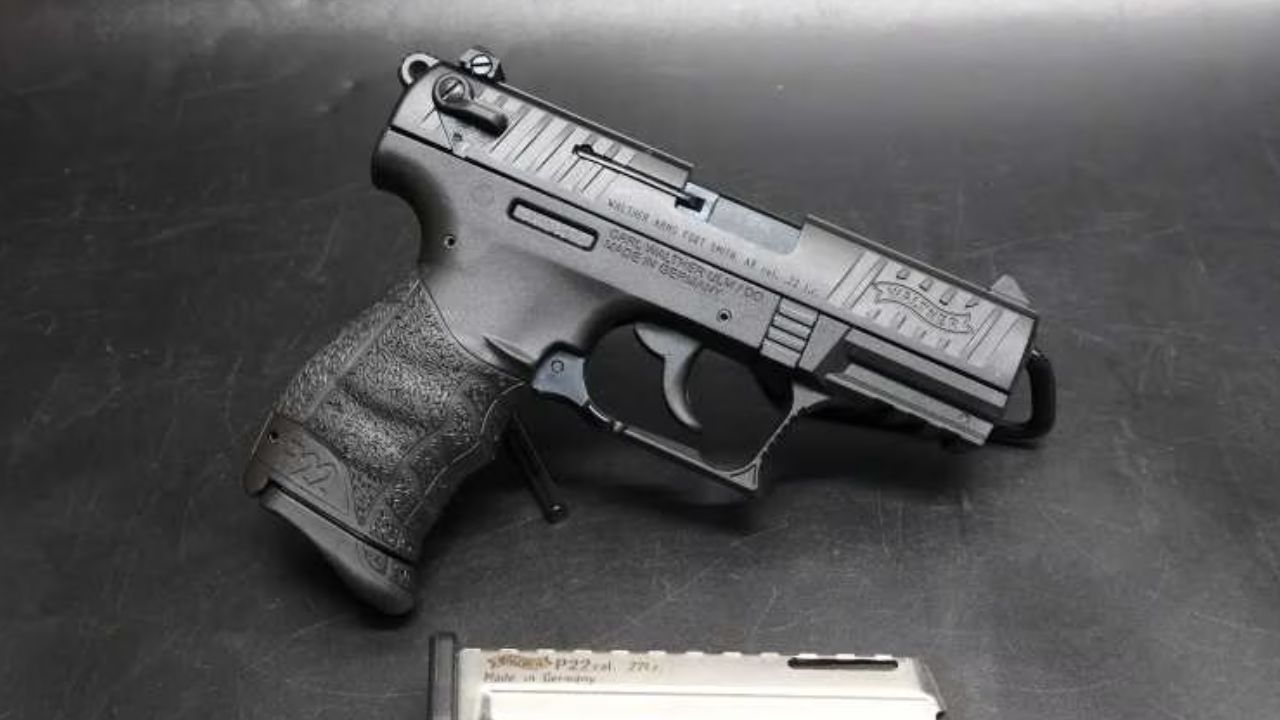
Early P22s were plagued with reliability problems, especially with bulk .22 ammo. Failure to feed, extract, or fire wasn’t uncommon. Add in a magazine that didn’t always cooperate, and you had a gun that was fun to shoot—until it wasn’t.
Later generations saw improvements, but the original models burned a lot of shooters. For a .22 designed for training or light carry, that kind of inconsistency turns a lot of folks off. There’s no margin for guessing when it comes to reliability.
Kahr CW380

While compact and easy to carry, the CW380 has a history of finicky behavior—especially during the break-in period. Many users report failures to feed, eject, or lock back on empty. It’s frustrating when your pocket carry pistol stutters through a box of ammo.
Some folks swear by theirs after a few hundred rounds, but others never get them to run reliably. For a gun that’s supposed to disappear in a pocket and always be ready, too many variables get in the way. If yours works, great. If not, good luck.
SCCY CPX-1

This double-stack budget 9mm seems like a deal, but its reliability record says otherwise. The trigger is long and gritty, and the manual safety is known to engage itself mid-string, causing confusion and stoppages under stress.
Malfunctions range from nose dives to stovepipes, especially as the gun gets dirty. While SCCY has solid customer service, you don’t want to be on the phone after a bad range day. You want a gun that runs when you need it, not one that needs babysitting.
Jennings J-22

You’d be hard-pressed to find a rimfire pistol with more negative range stories than the Jennings J-22. Light primer strikes, feed ramp issues, and worn-out parts were common. It’s a pistol that might run once in a while—but rarely two mags in a row.
It’s small, it’s cheap, and it’s usually in rough shape. If you get one handed to you, you’ll probably keep it unloaded and locked up as a novelty. These weren’t made for anything serious, and they fail like it.
Like The Avid Outdoorsman’s content? Be sure to follow us.
Here’s more from us:
The worst deer rifles money can buy
Sidearms That Belong in the Safe — Not Your Belt
*This article was developed with AI-powered tools and has been carefully reviewed by our editors.