
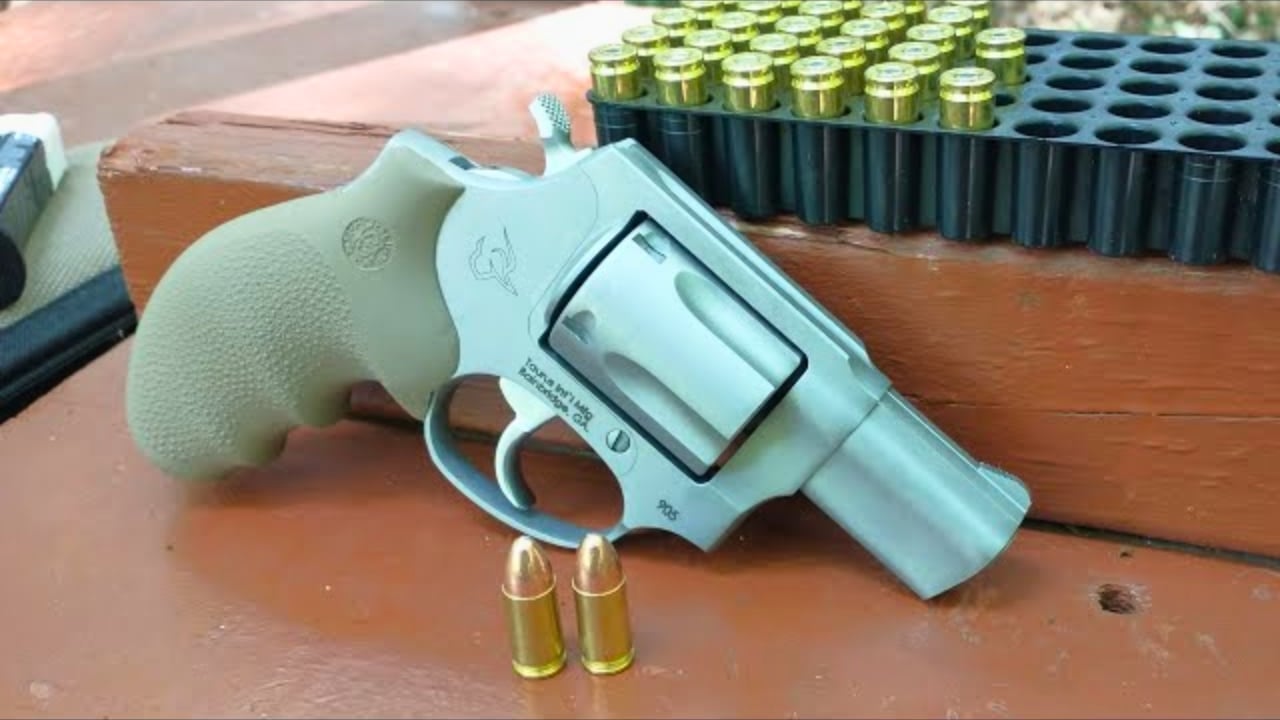
Photo credit: Gun Sam Revolver Ballistics/YouTube
Some pistols look perfect on the counter. Good name, good feel, good “spec sheet.” Then you get to the range and your groups look like you were throwing gravel. Before anybody starts screaming “junk,” understand this: a lot of “shotgun patterns” come from a mix of tiny sight radius, heavy/stacky triggers, weird grip geometry, inconsistent lockup, and ammo that doesn’t match what the gun likes. Add stress and speed and it gets worse fast.
Here are 15 pistols that often get that reputation—not because they can’t ever shoot, but because they’re more likely to disappoint average shooters in real practice.
S&W Bodyguard .380

The Bodyguard looks like a smart deep-carry option, and it’s carried a lot for that reason. But it’s also one of those pistols where people “pattern” targets because the trigger and sights don’t help them at all. The long, heavy pull can drag shots low and sideways, and the tiny sights make it tough to call what you did wrong. On a bench, you can clean it up. Standing and moving, it gets ugly.
The other issue is that a lot of people buy it and then barely shoot it because it’s not fun. That’s how you end up with a carry gun you don’t actually know. If you’re seeing shotgun groups with a Bodyguard, it’s usually not magic. It’s the trigger and sighting system punishing inconsistent press and grip.
Kel-Tec P-3AT

The P-3AT is built to disappear, not to stack groups. It can still hit what it needs to hit, but many shooters see big patterns because the grip is tiny, the trigger is long, and the whole gun moves around in the hand during recoil. With a pistol this small, any little input shows up on paper like you’re doing something dramatic.
Also, these guns get shot with cheap .380 more than they should, and .380 loads vary a lot. If you don’t have a consistent load and you’re not locking your grip down, your “groups” will look like a scatter plot. The P-3AT can be a legitimate tool. It just doesn’t reward sloppy fundamentals.
Kel-Tec PF-9

PF-9s can run, and a lot of guys have carried them. The issue is shootability. Thin grip, snappy recoil, and a trigger that can feel long and harsh makes it easy to throw shots. You’ll see guys who can shoot a compact 9mm well, then they pick up a PF-9 and suddenly they’re missing the easy stuff.
It’s not always mechanical accuracy. It’s the shooter fighting the gun. You can tighten it up with reps, but most people don’t put that time into a pistol they bought mostly for price and concealment. So the PF-9 ends up with the “patterns like a shotgun” label because it’s harder to shoot well than it looks.
Ruger LCP II

The LCP II is a big improvement over the original LCP in some ways, but it’s still a micro .380. That means short sight radius, light weight, and a recoil impulse that makes the gun jump around. Lots of shooters can’t keep their grip consistent through a string, and their shots spread out like crazy. They blame the gun, but the truth is they’re not controlling it.
There’s also the reality that most people aren’t aiming micro .380s like they aim a full-size pistol. They “point shoot” more than they think, then get mad when the target tells on them. If you want tight groups with an LCP II, you have to slow down, grip it hard, and press clean—same rules, just less forgiveness.
Ruger LCR 9mm

Yeah, it’s a revolver, but it absolutely fits the “looks like a winner, patterns like a shotgun” theme for a lot of shooters. The LCR is light, the grip is small, and 9mm recoil in a snub can be jumpy. Guys will shoot a few cylinders and wonder why the hits are all over. Then they try .38 in a heavier snub and suddenly they look better.
A big part of it is trigger control under recoil. The LCR trigger can be smooth, but it’s still a long double-action pull. Under speed, that long pull plus light gun equals bad inputs. It’s a capable carry option, but it’s not a “free accuracy” gun for most people.
Taurus 905 (9mm snub)
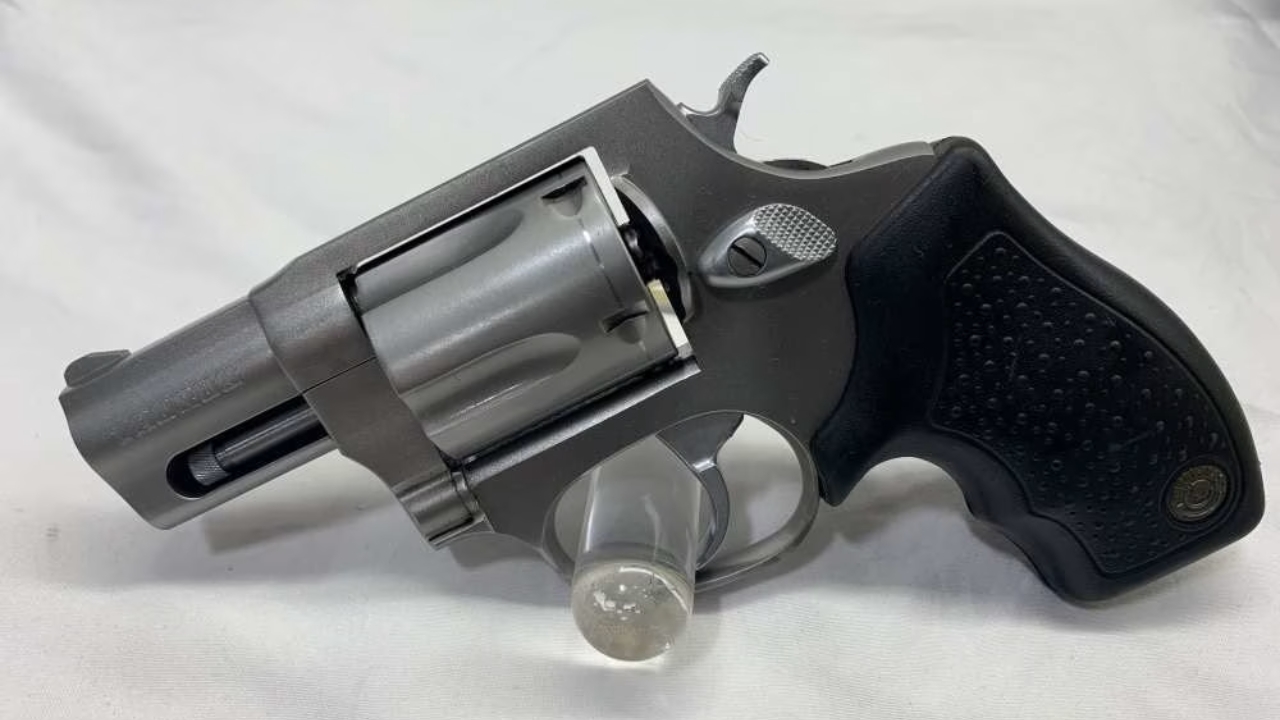
Another snub that gets people into trouble. The 905 is handy on paper—9mm availability, compact, simple. In real life, a lot of shooters can’t keep consistent hits because the gun is light and the trigger pull is long. Even if the gun is mechanically fine, the shooter ends up steering shots during the pull and flinching through recoil.
Also, 9mm from snubs can be a mixed bag depending on ammo and moon clip setup. If your clips aren’t consistent or you’re dealing with occasional binding, you end up focusing on the gun instead of shooting it well. That’s how a “good idea” turns into ugly targets.
Bond Arms Derringer
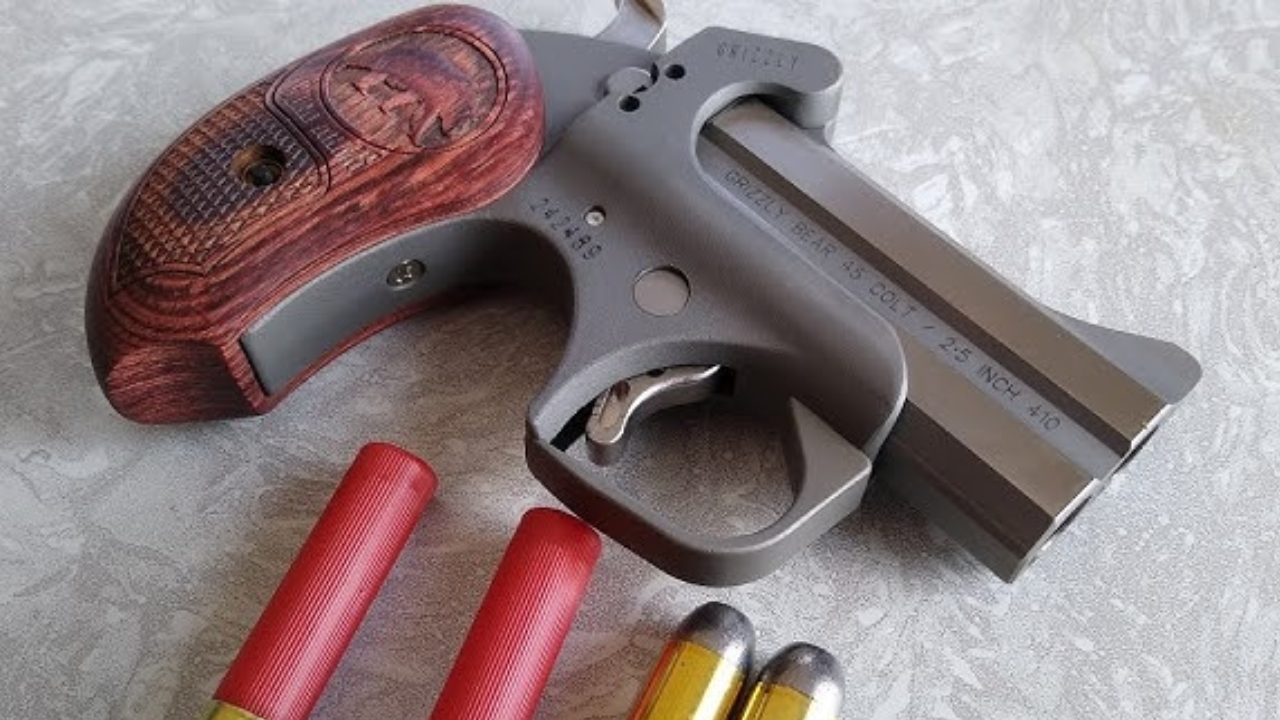
Derringers look cool and feel like a “backup gun hero” move. Then you shoot one and realize you’ve got almost no sight radius, heavy trigger, and a grip that doesn’t exactly help you control recoil. Many folks can’t keep both shots on demand at realistic distances without slowing way down.
That’s not a slam—it’s the design. Derringers aren’t built for groups. They’re built for contact-distance “get off me” scenarios. If you buy one expecting it to shoot like a normal pistol, your target is going to humble you. Great story gun. Rough practical shooter for most people.
Rock Island Armory M206
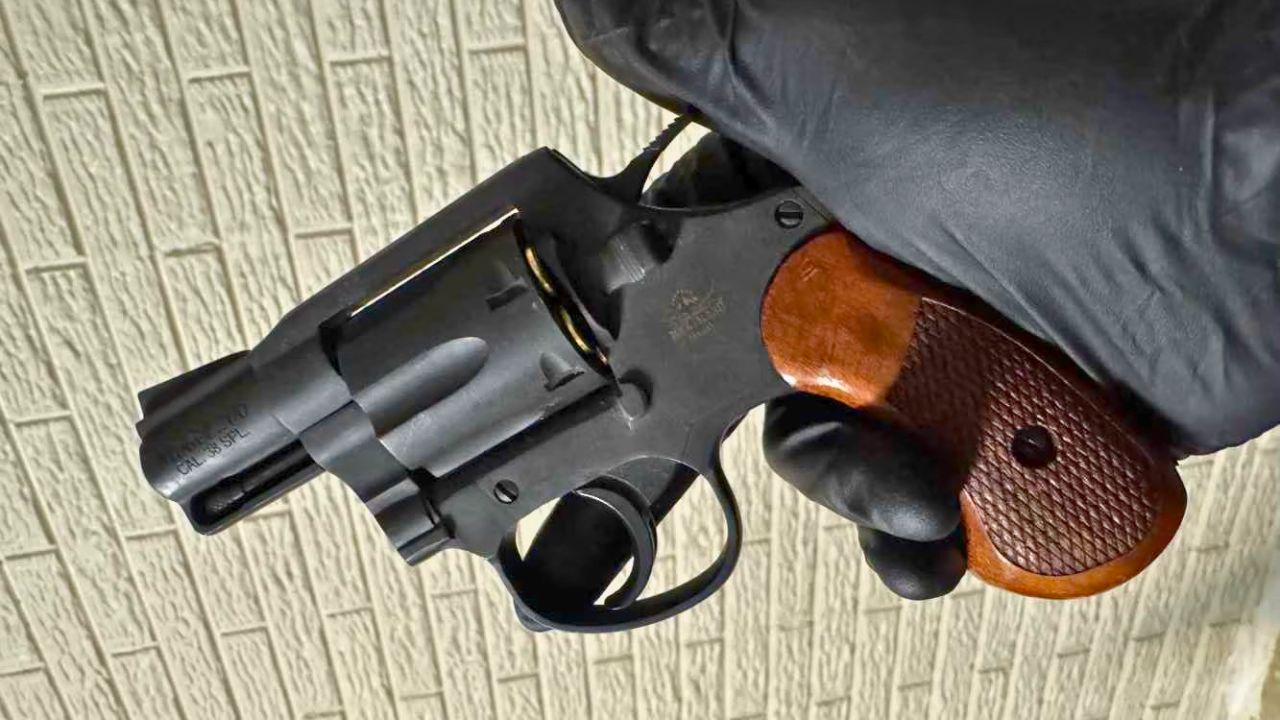
The M206 is a budget snub, and budget snubs punish shooters. Heavy trigger, small sights, light-ish frame—most people will shoot patterns unless they’ve actually learned snub fundamentals. It’s not impossible to shoot well, but it’s harder than it looks. On paper, it’s “simple.” In real life, the trigger press is the whole game.
A lot of folks also buy snubs and never dry fire enough. Then they go to the range and wonder why they can’t keep it on a paper plate. If you’re seeing shotgun groups with an M206, you’re not alone. The gun can work, but it demands reps most buyers never put in.
Charter Arms Undercover

Charter snubs fill a niche, but they can be extremely unforgiving. The triggers can vary, the sights are minimal, and lightweight snubs amplify every mistake you make. Plenty of people walk away thinking the gun is inaccurate when the truth is they’re yanking shots through a heavy pull and flinching through recoil.
Also, these get bought as “pocket and forget” guns. That means not much practice. If you’re going to run a snub well, you have to train with it. If you don’t, your target will look like a shotgun blast and you’ll swear the gun can’t shoot.
Phoenix Arms HP22A

It’s cheap, it’s small, it looks like a fun plinker. Then you discover it’s a rimfire pistol that can be picky, and the shooting experience doesn’t always translate into clean groups for average shooters. Between small sights and a trigger that isn’t exactly refined, it’s easy to spray around more than you expected.
Rimfire also adds ammo variability. If you’re shooting bargain .22, ignition consistency and cycling feel can vary, and that affects how you press and reset. Some HP22As will group okay from a rest. A lot of them feel “all over the place” in hands that are trying to shoot quickly and casually.
Hi-Point C9
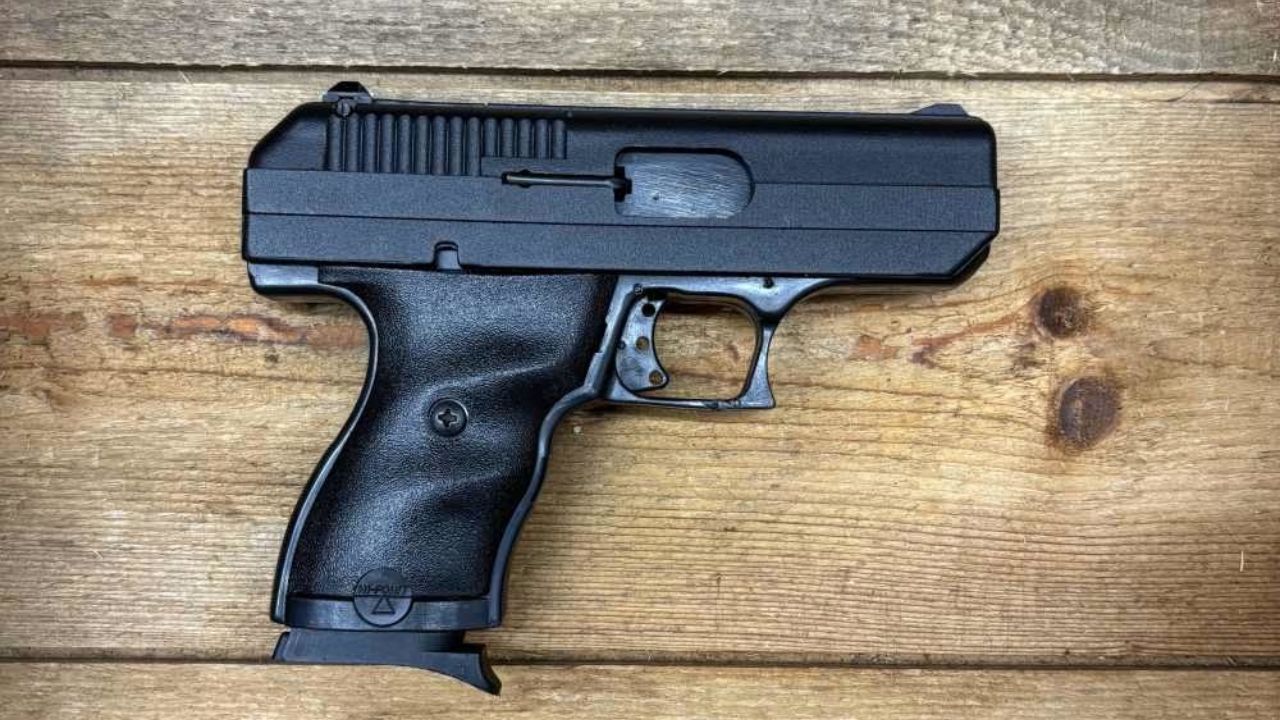
Hi-Points have a weird reputation because some will actually group better than people expect from a rest. But in real life, a lot of shooters still produce ugly targets with them. The weight, the trigger feel, and the general handling make it harder for folks to shoot clean under speed. The gun feels awkward to many hands, and awkward turns into bad hits.
So you get this mismatch: “it’s accurate enough” mechanically, but it patterns in real use because people fight it. That’s what this list is about. A pistol can be capable and still be a pain to shoot well for the average guy.
Taurus Spectrum
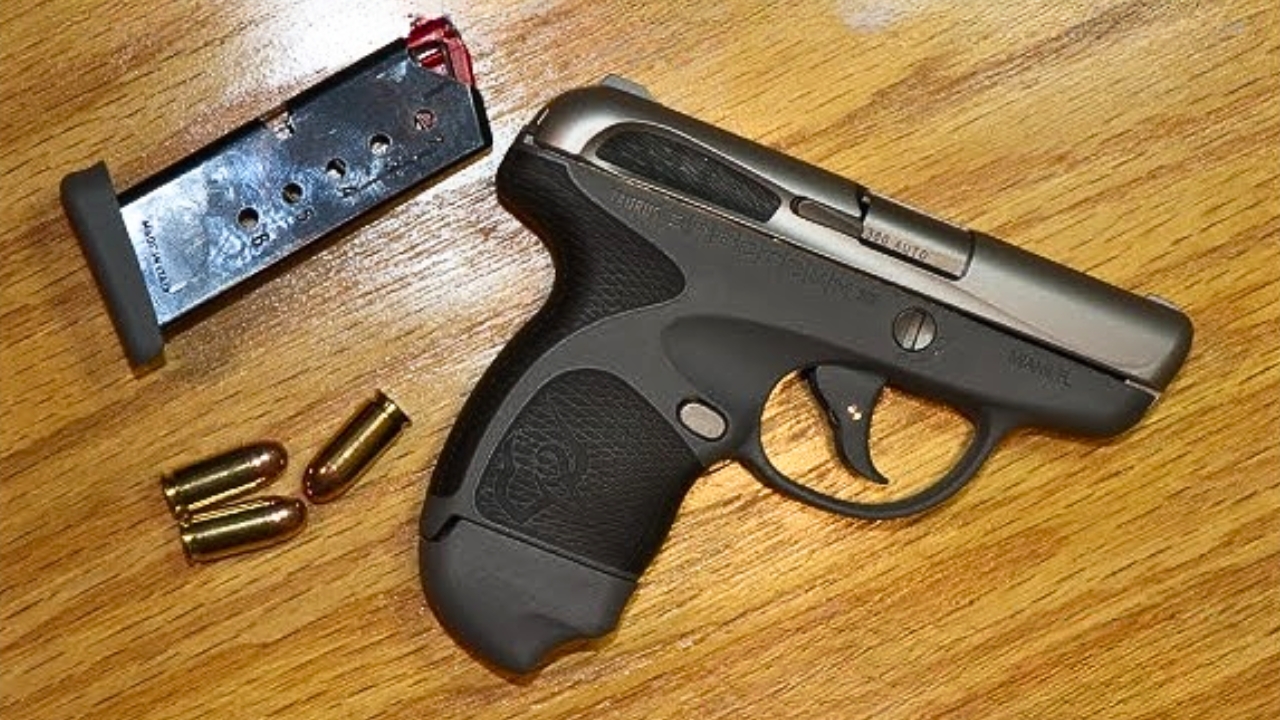
The Spectrum looks like the perfect “modern pocket pistol,” but plenty of shooters end up disappointed. The ergonomics are love-it-or-hate-it, the sighting setup isn’t generous, and the overall shootability can leave people spraying. If a pistol doesn’t lock into your hand consistently, your groups open up fast.
A lot of Spectrum owners also aren’t putting in serious reps—because it’s not a fun range gun. So it stays unfamiliar. Then every time it comes out, it “shoots bad again,” and the legend grows. That’s how guns like this end up with a shotgun-pattern reputation.
SCCY CPX-3
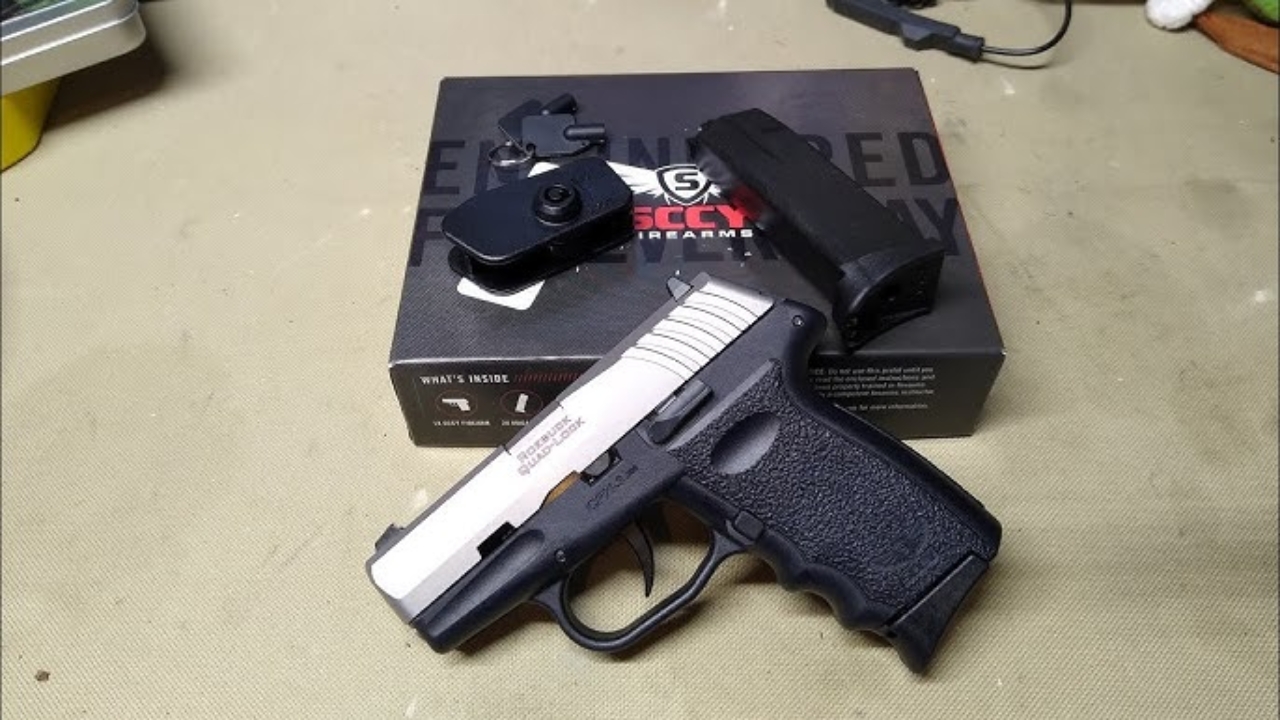
SCCY pistols often get bought because they’re affordable, and the CPX-3 fits the “easy to buy, hard to shoot well” category. The long DAO pull and small sight picture make it tough for average shooters to keep groups tight, especially when they speed up. It’s common to see folks print low and wide because they’re dragging the muzzle during the press.
Some guys learn them and do fine. But most people don’t want to fight a long pull on a small gun. They want “point and hit.” The CPX-3 often demands more discipline than buyers expect, and the target shows it.
S&W 642 Airweight

The 642 is a legit carry gun. It’s also one of the biggest “why can’t I shoot this?” pistols out there. Lightweight snub, heavy double-action, minimal sights. You can be a good shooter and still print ugly groups until you learn the trigger and recoil behavior. It’s not a beginner-friendly platform, no matter how common it is.
That’s why it ends up here. It looks like a winner because it’s trusted and proven. Then it patterns like a shotgun for people who haven’t trained snubs. The gun isn’t lying. It’s demanding a skill set most people don’t practice.
NAA Mini-Revolver (.22 LR/.22 Mag)

These are pure “pocket gun” weirdness. Tiny grip, tiny sights, and a firing grip that’s basically a compromise. People buy them because they’re convenient, then they’re shocked when they can’t keep consistent hits. At realistic distances, it can be hard to even get a stable hold, especially under recoil with .22 Mag.
Mechanically, they can do what they’re supposed to do. Practically, most shooters produce patterns because the platform is so small and awkward. It’s a classic example of something that looks like a clever solution until the target paper tells you what the real tradeoff is.
Beretta Tomcat (.32 ACP)

The Tomcat is cool, and .32 ACP can be pleasant to shoot. But the Tomcat’s small size and unique feel can still create “patterning” issues for some shooters—especially if they treat it like a larger pistol and don’t lock their grip down. The sights are small, and the shooting rhythm is different than most modern striker carry guns.
Also, many Tomcats are owned by people who don’t train hard. They carry it because it’s comfortable, then shoot it occasionally. That “occasional familiarity” is how you end up with inconsistent hits. It’s not a bad pistol. It’s just not as forgiving as it looks.
Like The Avid Outdoorsman’s content? Be sure to follow us.
Here’s more from us:


