Photo credit: WHO_TEE_WHO/YouTube
There’s a particular kind of frustration that comes with a gun that looks like it’s going to run smooth, but lets you down the minute you trust it. It’s one thing when a bargain-bin pistol chokes on range ammo—you kind of expect that. But when a firearm gives off the impression of being a duty-ready workhorse, only to flinch under pressure or misfire right out of the gate, it’s a different kind of betrayal. And unfortunately, that happens more often than it should. Some of these guns have the fit and finish that say “trust me,” but behind the scenes, they’re hiding problems you won’t spot until it’s too late.
Kimber Micro 9
The Kimber Micro 9 looks like a quality carry gun—solid metal frame, 1911-style controls, and a crisp trigger. But the reality is, it’s finicky and unpredictable. These pistols are known for failing to go fully into battery, especially when dirty or under-lubed. Add in weak magazine springs and you’ve got feeding issues even with quality ammo. It gives the illusion of being a shrunken-down 1911 that’ll carry and shoot like a dream, but in practice, you spend more time clearing stoppages than building confidence. A lot of folks love the looks, but when it comes to reliability, this one’s a gamble.
Remington R51

At a glance, the R51 looks sleek and purpose-built, with a design that promises low recoil and compact performance. The gun feels solid in hand, and its slide rides low enough to suggest fast follow-ups. But once you get rounds through it, things unravel fast. The original batch was recalled for serious reliability issues—failures to feed, fire, and eject were constant. Even the Gen 2 version struggled to regain trust. You might think it’s a solid little carry piece, but behind the good looks is a hesitation-locked action that’s anything but consistent when you need it to run clean.
Browning 1911-22
If you’ve ever picked one up, you know how well it’s built. It looks and feels like a scaled-down 1911 made with care—and in many ways, it is. But the reliability doesn’t match the craftsmanship. Feeding issues, especially with hollow point or bulk ammo, are common. Even after break-in, the slide’s sluggish return and finicky magazine seating make for frustrating range days. It gives off the impression of being a premium rimfire trainer, but when you’re spending half your time clearing stovepipes or light strikes, the polish starts to wear off. It looks the part but doesn’t always act it.
Springfield XD-E
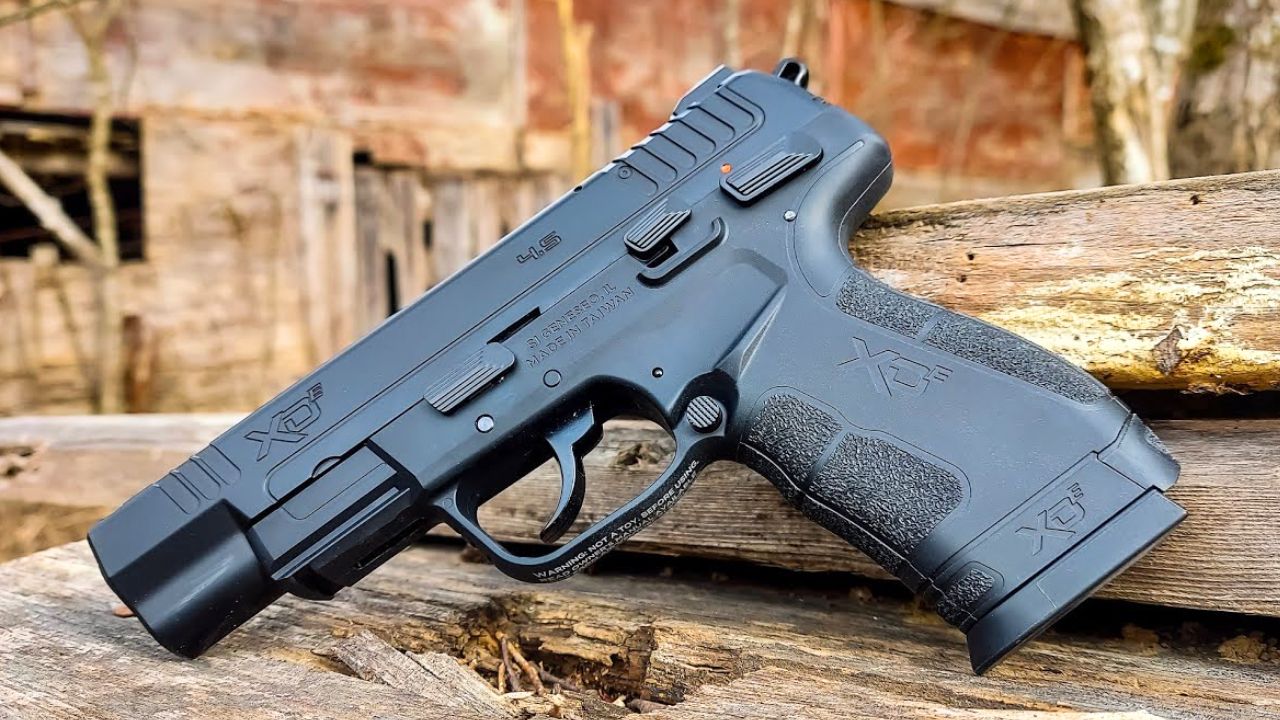
The XD-E is one of those guns that should’ve worked well on paper. Hammer-fired, single stack, decocker—everything points toward reliability and control. The frame and slide feel well-made, and it doesn’t scream “cheap.” But function-wise, it’s let a lot of shooters down. The trigger has a strange reset, the double-action pull can stack weird, and many owners report failures to feed or eject with multiple types of ammo. It gives the appearance of being duty-grade, but once you run it under pressure or with rapid strings, it shows its weak points. It’s a sleeper in the worst way.
Taurus Spectrum
With smooth lines and a modern look, the Taurus Spectrum looks like a reliable, comfortable pocket gun. The controls are minimalist, the polymer feels better than older Taurus frames, and the soft edges imply easy carry. Unfortunately, it’s plagued with feed issues and weak primer strikes. The slide often fails to go fully into battery, and the trigger—while soft—doesn’t offer much tactile feedback. What looks like a refined upgrade over the TCP or Curve is actually far less dependable. It sells well on the looks and price tag, but if you care about function over fashion, this one’s hard to recommend.
IWI Masada Slim

The original Masada was a decent full-size striker-fired pistol. The Slim version tries to bring that same energy into the micro-compact world—but falls short in consistency. It looks like a Glock 43X competitor with clean machining and an optic-ready slide. But early models have shown reliability hiccups, including failures to feed and light strikes with common carry ammo. The trigger reset is vague, and the mags don’t always drop free under stress. A lot of folks are drawn in by the aesthetics and specs, but in terms of real-world function, it’s not as trustworthy as its competition in the same size.
Mossberg Blaze
You see the name “Mossberg,” and you think utilitarian and rugged. The Blaze looks like a lightweight plinker built for long afternoons with a brick of .22 LR. But once you load it up, problems show. The magazines are tricky to seat, the bolt doesn’t always cycle cleanly, and the polymer receiver flexes under heat. Add in finicky feeding with anything but high-velocity ammo, and it becomes a frustrating platform. It looks ready for fun and volume shooting, but it won’t make it through a range session without frustrating jams or failed ejections. Not what you’d expect from a Mossberg.
Like The Avid Outdoorsman’s content? Be sure to follow us.
Here’s more from us:
The worst deer rifles money can buy
Sidearms That Belong in the Safe — Not Your Belt
*This article was developed with AI-powered tools and has been carefully reviewed by our editors.