Photo credit: GUNSweek/YouTube
Cheap practice ammo is the reality for most people. If a carry pistol can’t run the boring stuff—steel case, weak 115gr, bulk “range pack” loads, whatever’s on sale—it doesn’t mean the gun is trash. But it does mean you need to be honest about what you’re carrying and what you’re practicing with. Most of these issues come down to short slides, stiff springs, tight timing, and small margins. Add a little dirt, a dry gun, or a shooter who’s not gripping it like a vise, and the weak ammo gets exposed fast.
Kahr PM9

Kahrs are built around a smooth, tight system, and that can be great—until you feed it weak ammo. The PM9 has a short slide and a stout recoil spring setup, and it doesn’t always love underpowered range loads. You’ll see failures to return to battery, weak ejection, and the occasional feed issue that magically disappears when you switch to hotter ammo.
A lot of PM9 owners learn this the hard way: the gun runs carry ammo like a champ, but it starts acting like it’s tired when you run bargain 115gr. Keeping it lubed helps. Running it through a real break-in helps. But if you expect it to eat the softest ammo on the shelf forever, it may not cooperate.
Kahr CW9

Same family, same story—just a slightly larger package. The CW9 can be very reliable, but it’s still a Kahr: it prefers decent ammo impulse and a properly lubed, broken-in gun. Cheap ammo that’s weak or inconsistent can create failures that feel random. They’re not random. The system just doesn’t have a ton of extra cycle energy to waste.
Where guys get mad is they’ll run 200 rounds of bargain ammo, get a couple hiccups, and then blame the pistol. Then they shoot their carry load and it’s perfect. That’s not luck. That’s timing. If you want to train mostly with cheap ammo, the CW9 might not be your easiest relationship.
Walther PPS M2

The PPS M2 is a good carry gun, but it can be surprisingly sensitive to weak range ammo in some examples—especially if the gun is dry or the shooter’s grip is less than perfect. You’ll typically see sluggish ejection or failures to fully cycle with low-powered loads. That’s the tradeoff with slim single-stacks: less mass, less margin.
Walther makes quality guns, but slim pistols are still slim pistols. If you’re running bargain practice ammo, keep it lubed, don’t limp-wrist it, and don’t be shocked if it prefers slightly hotter loads. When a PPS runs well, it’s boring. When cheap ammo shows up, it can get picky faster than people expect.
Beretta Nano

The Nano is one of those pistols that can be reliable, but it’s not always forgiving. Cheap ammo with soft impulse can lead to failures to eject or short-stroking, especially as the gun gets dirty. The Nano’s design and springing can make it feel “stiff,” and stiff systems don’t love weak ammo.
This is also a pistol where a lot of owners don’t shoot enough to find its preferences. They’ll run a few mags, declare it fine, and then when they finally do a longer practice day with bargain ammo, it starts acting up. If you own one, prove it with the ammo you actually plan to shoot. Don’t assume “one box” is a test.
FN Reflex
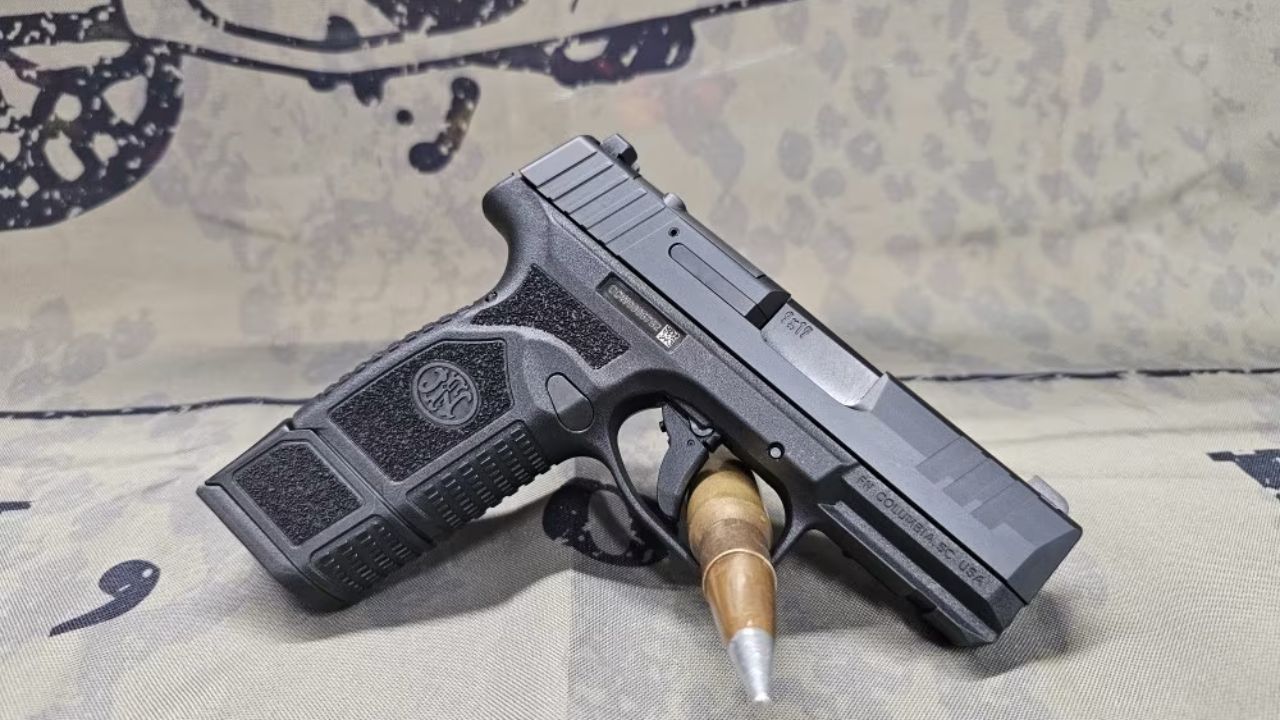
The Reflex is a slick little gun, but it lives in micro-9 territory where cheap ammo problems show up fast. Weak loads can cause failures to return to battery or inconsistent ejection, especially if the gun is new, tight, or dry. Micro pistols have tiny windows. Cheap ammo is often inconsistent. That’s a bad combo.
The smart move is to find a practice load the gun likes and buy it in bulk. If you insist on running the cheapest stuff available, you might spend more time clearing malfunctions than building skill. The Reflex can be a great carry gun. It just doesn’t always tolerate garbage ammo like a full-size duty pistol will.
IWI Masada Slim

The Slim is a solid option, but like many thin carry guns, it can get picky with bargain ammo. Underpowered loads can cause weak ejection or cycling issues, and that gets worse if the gun is dirty or under-lubed. It’s not unique to IWI—it’s the slim pistol reality.
A lot of shooters buy these because they want a comfortable carry gun, then they train with whatever’s cheapest. If your Slim starts acting up, don’t start swapping parts immediately. Clean it, lube it, and test with a couple different practice loads. You’ll usually find it likes certain ammo profiles and power levels more than others.
Ruger LC9s

LC9s pistols can be dependable, but they’re known for being more sensitive than larger guns when you run weak ammo. Short slide, compact springing, and tight timing means inconsistent bargain ammo can show up as failures to eject or return to battery. It’s not constant for everyone, but it’s common enough that owners talk about it.
The LC9s also gets carried a lot and shot less than it should, which means it might be dry or dirty when you finally do a long practice session. Cheap ammo plus a dry gun equals problems. Keep it properly lubed and don’t be surprised if it prefers slightly hotter loads for boring reliability.
SIG Sauer P238

The P238 is a sweet little .380, but tiny .380 pistols can be surprisingly sensitive to ammo. Cheap .380 is often inconsistent, and some loads are just weak. That’s how you get short-stroking, failures to feed, or weird ejection. The gun can run great with good ammo and still be annoying with bargain bulk.
Also, small .380s are more sensitive to grip and wrist tension than people want to admit. A little limp-wristing plus soft ammo can make a good pistol look unreliable. If you want to train cheap, the P238 might push you toward better practice ammo just to keep the session productive.
Colt Mustang

Same basic lane as the P238: small .380 pistols are less forgiving with cheap ammo. Mustangs can be reliable, but bargain .380 can vary a lot in power and bullet profile. That shows up in feeding issues and inconsistent ejection. When the gun is small, the margins are tight.
These pistols also tend to have owners who love them and carry them a lot, but don’t always run high round counts in training. Then they try to burn through a pile of cheap ammo and get annoyed. If you carry a Mustang, test different practice loads and stick to what the gun actually likes. It’s not a duty pistol—it’s a compact carry tool.
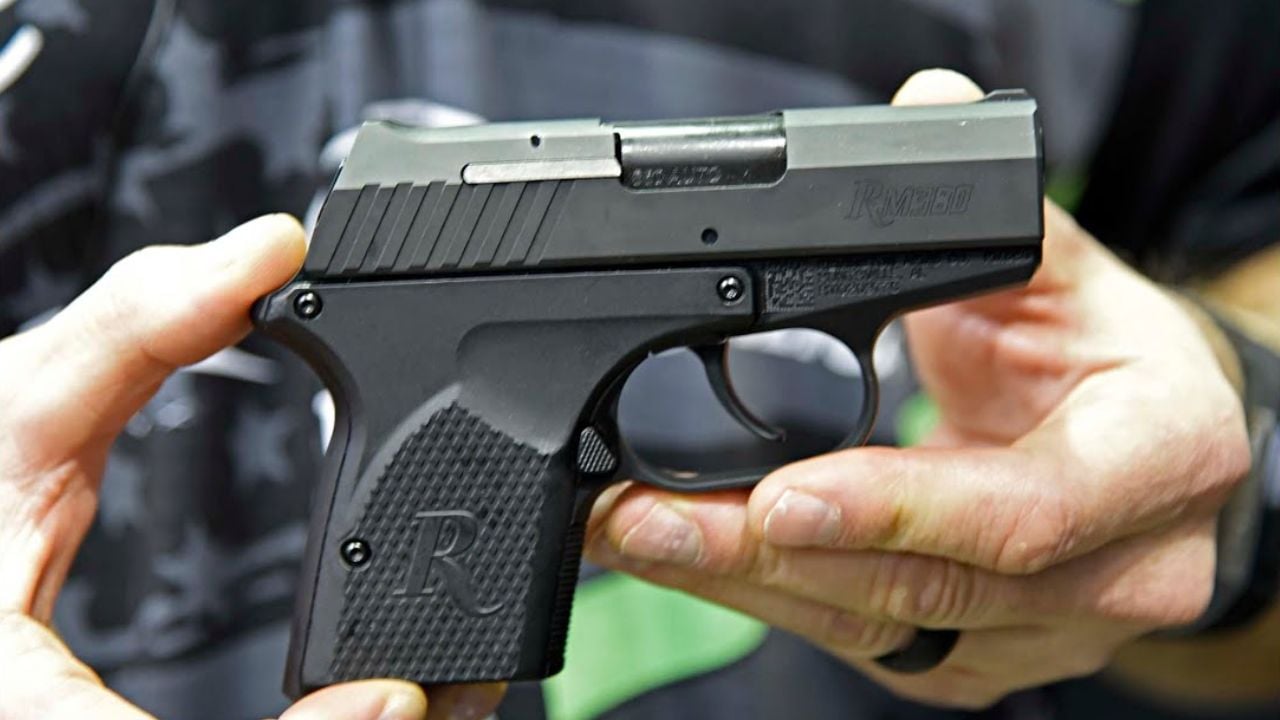
Remington RM380

The RM380 can be a decent carry .380, but cheap practice ammo can make it act sluggish. You’ll see weak ejection or occasional failures to cycle fully, especially if the ammo is inconsistent. Again: small .380s are not the best place to demand “it must run the cheapest ammo forever.”
If you keep it clean, keep it lubed, and run ammo that’s not bottom-barrel weak, it often behaves. But if you’re feeding it the lightest, cheapest stuff, don’t be shocked when it starts turning practice into malfunction drills. Some people don’t mind that. Most do.
Kimber Micro 9

Micro 9s can be accurate and easy to carry, but they’re known for being more sensitive than people expect—especially with cheap ammo and cheap mags. When the system is tight and the gun is small, weak ammo shows up as failures to feed or eject. Some examples run great. Some are fussy until they’re tuned or broken in.
This is one of those pistols where “cheap practice ammo” can make the owner think the gun is unreliable overall, when it may run perfectly with quality ammo. The problem is: most people practice with cheap ammo. So if it won’t run the stuff you actually shoot most, that’s a practical issue, even if it’s “fine” on premium loads.
Kimber Solo

The Solo has a reputation for being picky, and ammo sensitivity is part of that story. It was designed around certain ammo profiles and power levels, and cheap practice ammo doesn’t always fit that. When you’ve got a small 9mm with tight timing, anything underpowered becomes a problem fast.
If a pistol “requires” premium ammo to be reliable, that’s not what most people want for a carry gun. The Solo can be carried, but it tends to punish the guy who thinks he can train on the cheapest 115gr he can find and expect it to behave like a full-size service pistol.
Beretta 84

The 84 is a great shooter, but cheap .380 ammo is all over the place. Some loads are soft, some are dirty, some have odd bullet shapes. That’s where you get feeding or ejection quirks that aren’t the gun’s “fault” so much as the ammo being inconsistent. The 84 will often run beautifully with quality ammo and still hiccup on bargain bulk.
It’s also a pistol that people sometimes buy used, with unknown spring history. Springs plus ammo plus magazine condition all stack together. If your 84 is acting picky, don’t just blame the platform. Check mags and springs, then test a couple different practice loads. You’ll usually find a combination that runs clean.
Diamondback DB9

The DB9 is tiny, and tiny pistols don’t have a lot of forgiveness. Cheap practice ammo plus a small, light system often equals short-stroking or feeding issues. Some DB9 owners get them running well with the right ammo and maintenance. Others give up because it’s not fun to practice with if it’s picky.
This is one of those guns that can turn a range day into troubleshooting day if you insist on bargain ammo. If you’re going to carry a micro like this, you need to be honest about what it wants. If it won’t run what you can afford to practice with, it’s probably not the right carry gun for you.
Kel-Tec P-32

The P-32 is a classic “always with you” pistol, but cheap .32 ACP ammo can vary in power and reliability, and the little Kel-Tec will show it. Weak ammo can cause failures to cycle fully. Dirty ammo can make the gun sluggish quickly. You’ll also see that magazine condition matters more than people realize on tiny guns.
The P-32 can be very reliable within its lane, but that lane isn’t “run whatever bargain ammo you found in a dusty box.” If you want it to stay boring, feed it ammo it likes, keep it clean, and don’t neglect mag springs. Tiny guns demand a little more care, especially when ammo is inconsistent.
Like The Avid Outdoorsman’s content? Be sure to follow us.
Here’s more from us: