Photo credit: Nomad_Soul/Shutterstock.com
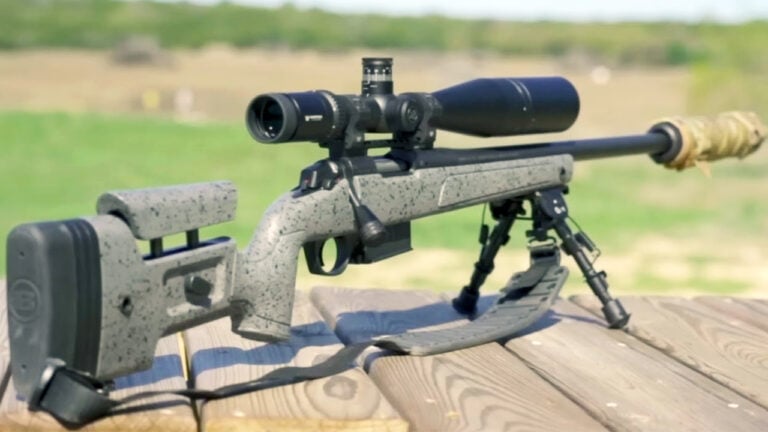
A rifle can look clean and still be worn out in the places that matter. That’s what catches buyers. Guys think “run hot and hard” means the barrel is going to look like it survived a house fire, or the handguard will be melted, or the bolt will be visibly destroyed. Real life isn’t usually that dramatic. A rifle that’s been hammered—rapid strings, lots of heat cycles, minimal cooling, maybe suppressed, maybe run dry—often looks normal from ten feet away. The clues show up in specific wear patterns: heat staining, gas erosion, finish burn, bolt and carrier wear, and the kind of carbon that doesn’t show up on a casual wipe-down. If you want to spot a hard-run rifle fast, you check the areas heat and gas attack first, not the places sellers wipe down for a photo.
This matters because “low round count” stories don’t protect you from abuse. Ten thousand slow-fired rounds with cleaning and cooling is different from two thousand rounds of fast strings, mag dumps, and hot suppressor use. Heat cycles are what cook parts and accelerate wear. Barrels lose life faster, gas systems get hammered, and small parts take a beating. You don’t have to be a gunsmith to catch it, but you do have to know where to look. The trick is not getting distracted by the shiny stuff—rails, optics, furniture—and instead checking the boring spots where hard use leaves fingerprints.
Start at the muzzle: crown, device, and heat telltales
Look at the muzzle device and the area just behind it. A rifle that’s been run hot often shows heat discoloration—bluing cooked to a different tone, paint or finish that looks baked, carbon baked on in layers, or staining that doesn’t wipe away easily. If it’s had a muzzle brake or suppressor mount on it for a long time, look for signs it’s been removed and reinstalled repeatedly: chewed flats, wrench marks, damaged shims, or thread protector wear. None of that proves high round count, but it does suggest the rifle has seen real use and tinkering. A hard-run rifle also may show more carbon around the muzzle than you’d expect from casual shooting, especially if it’s been run suppressed.
The crown matters too. If the rifle has been shot a lot and cleaned hard, you can see cleaning rod wear or little nicks that shouldn’t be there. A beat-up crown doesn’t automatically mean “shot out,” but it’s often part of the package with rifles that have lived a hard range life. People clean aggressively when they’re shooting aggressively, and they don’t always do it gently.
The quickest truth serum: bolt and carrier wear patterns
If we’re talking AR-pattern rifles, the bolt carrier group tells the story fast. Pop the rear pin and look at the bolt lugs and cam pin area. Hard use shows up as polishing and wear where there shouldn’t be bright metal yet, peening at lug edges, and a cam pin track that looks heavily worn. Look at the cam pin itself. Heavy wear, rough edges, and shiny burnished spots can indicate a lot of cycling and heat. The bolt face can show cratered or rough appearance from high volume, and the extractor area can show heavy carbon and wear. A hard-run gun often has that “everything has been rubbing for a long time” look even if it’s been wiped clean.
Now look inside the upper receiver. Pay attention to the rails where the carrier rides. Heavy wear and polished aluminum is normal eventually, but if it looks aggressively worn while the outside looks “like new,” that mismatch is telling. Guys can make the exterior look great in ten minutes with oil. They can’t erase internal wear without replacing parts. If you see a lot of bright wear inside but the seller is claiming barely used, you’re probably looking at a rifle that’s been run more than he’s admitting.
Gas system clues: carbon that doesn’t lie
Heat and gas leave marks in predictable places. Look for heavy carbon around the gas block area and at the front of the receiver. On ARs, check the gas key on the carrier—look for staking quality and any signs of leakage. A carrier with a gas key that’s leaking will show soot patterns and heavy discoloration. That doesn’t always mean “run hard,” but rifles that are run hard tend to reveal gas issues quicker. Check the bolt tail. The bolt tail will always be dirty, but the type of carbon matters. Thick, baked-on layers that look like they’ve been heat-cured can point toward high heat cycles, especially if the rifle was run suppressed.
If the rifle was suppressed, you often see a mix of heavy carbon, gritty residue, and staining that looks deeper than normal. Suppressed use isn’t “bad,” but it’s harder on parts and it accelerates certain wear. If a seller is selling a rifle that clearly has suppressed-use signs but says it’s barely shot, that’s a mismatch you shouldn’t ignore. Suppressed rifles can be great buys if the owner maintained them, but you price them like a rifle that has lived a harder life, because that’s what they are.
Handguard and barrel nut area: where heat shows up
Look at the handguard near the gas block. If there’s visible heat discoloration, melted polymer, or finish burn, that rifle has been worked. Polymer handguards that look glossy in spots or have slight deformation have seen real heat. Free-float handguards can hide heat signs, but you can still look at screws and mounting surfaces. A rifle that’s been repeatedly taken apart, reconfigured, and run hot often shows tool marks around the barrel nut, handguard screws, and mounting hardware.
This matters because guys who shoot hard also tend to tinker hard. They’re swapping gas blocks, changing handguards, trying different muzzle devices, playing with suppressor mounts, changing buffers. That’s not inherently bad. But every time a rifle gets torn down, the chance of bad torque, misalignment, or parts wear goes up. A rifle that’s been run hard and tinkered with a lot is more likely to be “mostly fine” but require you to verify everything before you trust it.
Look for “cleaning tells” that indicate high volume
Here’s a sneaky one: the cleaning tells. A rifle that’s been shot hard often shows aggressive cleaning wear. On ARs, the bolt tail can be scraped shiny from someone trying to “make it look new.” The inside of the carrier can have tool marks. The chamber area can show signs of over-brushing. The crown can show rod wear. The bore can look oddly “polished” if it’s been cleaned aggressively with abrasive methods. Guys who run rifles hard often clean them hard, especially if they’re chasing reliability or running suppressed.
If you see a rifle that’s very clean but has signs of aggressive scraping and brushing, it might not be a gentle safe queen. It might be a hard-use rifle that’s been cleaned for sale. Clean doesn’t always mean low-use. Sometimes clean means “freshly disguised.”
The simplest way to make a call quickly
If you want a fast decision without overthinking, look for consistency between the story and the wear. A rifle that’s “barely shot” should have minimal internal wear, minimal tool marks, and no heavy heat staining. A rifle that’s “been to a few classes” should show more internal wear, more carbon evidence, and likely more tool marks. If the seller’s story is low use and the rifle’s internals say high use, trust the internals. The internals don’t talk.
None of this means “never buy a hard-run rifle.” It means you buy it with eyes open. You price it correctly. You inspect it correctly. You plan for wear parts. And you don’t pay like you’re getting a pristine rifle when you’re really buying a rifle that’s been living fast.
Like The Avid Outdoorsman’s content? Subscribe to our newsletter so you never miss an article.
Here’s more from us: