Photo credit: WHO_TEE_WHO/YouTube
One bad track can change a hunter’s opinions fast. If you’ve ever followed a thin blood trail into thick brush, watched daylight disappear, and started wondering if you’ll ever find that animal, you know what I mean. Some calibers get abandoned after that experience because they’re tied to low margin for error, poor bullet choices, lack of penetration, or shots taken outside the cartridge’s comfort zone.
To be clear: any caliber can lose an animal with bad placement. But some calibers are less forgiving, and they get blamed hard after a tough track.
.223 Remington (on deer with the wrong bullet)

A .223 can kill deer cleanly, but when it doesn’t, the blood trail can be thin and the penetration can be disappointing—especially with the wrong bullet. A lot of hunters try it with varmint-style ammo or cheap soft points and then act surprised when the performance isn’t great.
One bad track with a .223 often convinces hunters they don’t want a “perfect placement” deer cartridge. They move up to something with more bullet weight and more consistent penetration.
.22-250 Remington (on deer)

The .22-250 is a predator hammer, and people sometimes try to stretch it into deer hunting because it’s fast. When it works, it looks clean. When it doesn’t, you can get shallow wounds and a frustrating track—especially if the bullet is designed to explode on impact.
That first bad track usually ends the experiment. Hunters go back to a proper deer cartridge because they’re not interested in relying on perfect conditions and perfect bullet behavior.
.30 Carbine
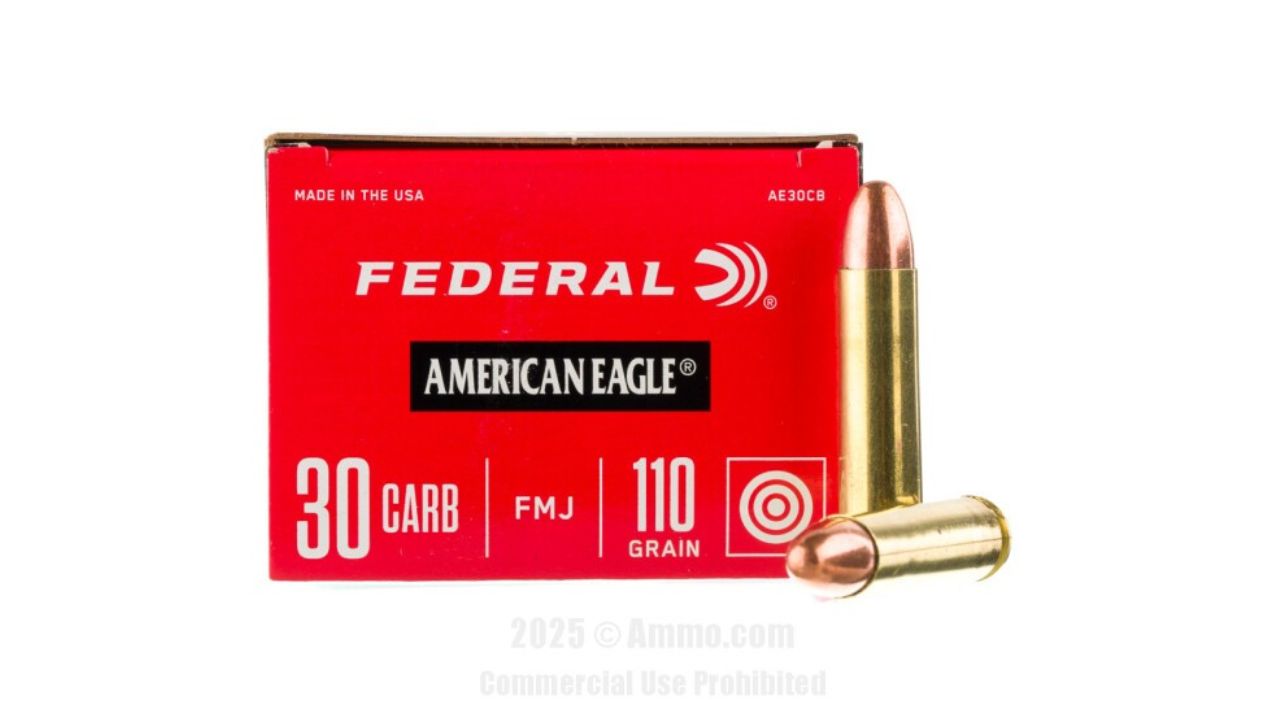
Some hunters use .30 Carbine in the woods, usually with an M1 Carbine. When it works, it works. When it doesn’t, the lack of power and penetration margin can lead to poor blood trails and long tracks.
One rough recovery and most hunters decide they want more cartridge. It’s a historically cool setup, but cool doesn’t help when you’re crawling through brush at dusk trying to find a deer.
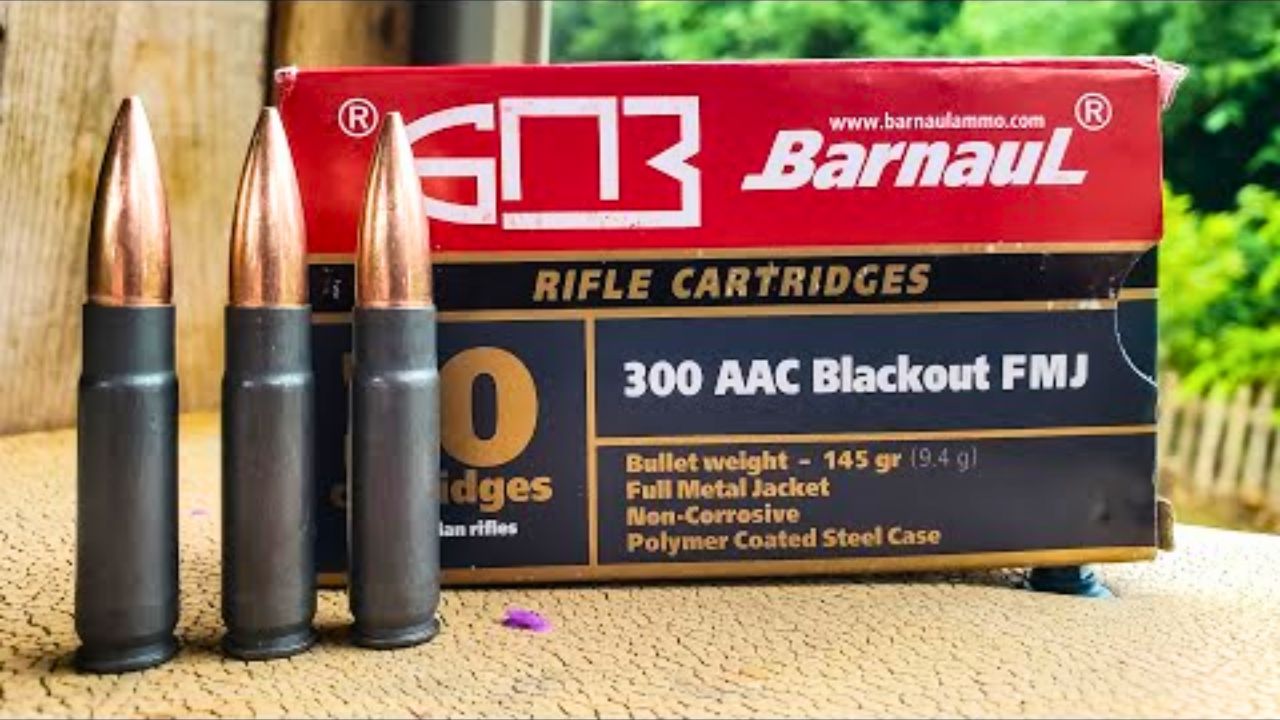
.300 AAC Blackout (supersonic loads pushed too far)

Blackout can be great inside its lane. The problem is people push it beyond its lane. When shots stretch, velocity drops, expansion can become inconsistent, and you can get a hit that doesn’t leave much trail.
A bad track with Blackout often comes from distance optimism. After that, hunters either tighten their range discipline or they switch to something that gives more margin.
7.62×39 (with inconsistent ammo)
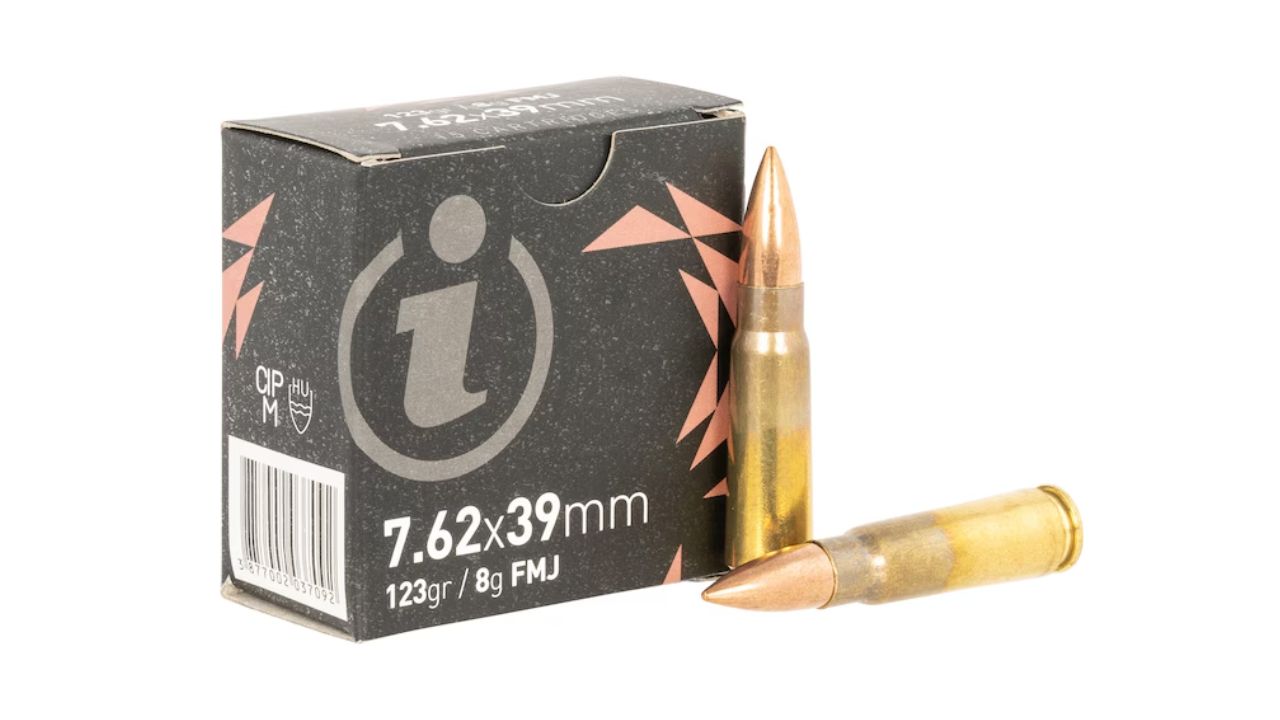
The 7.62×39 can be a solid deer round at woods ranges, but ammo variation can create unpredictable terminal results. Some loads penetrate well, some don’t. Some expand nicely, some don’t. Hunters often aren’t picking premium hunting ammo—they’re grabbing whatever’s available.
If the first deer they shoot leaves a poor trail, they blame the cartridge and quit. Most of the time, the lesson is “use real hunting ammo,” but the cartridge gets the blame anyway.
.357 Magnum (from a revolver, or stretched too far)
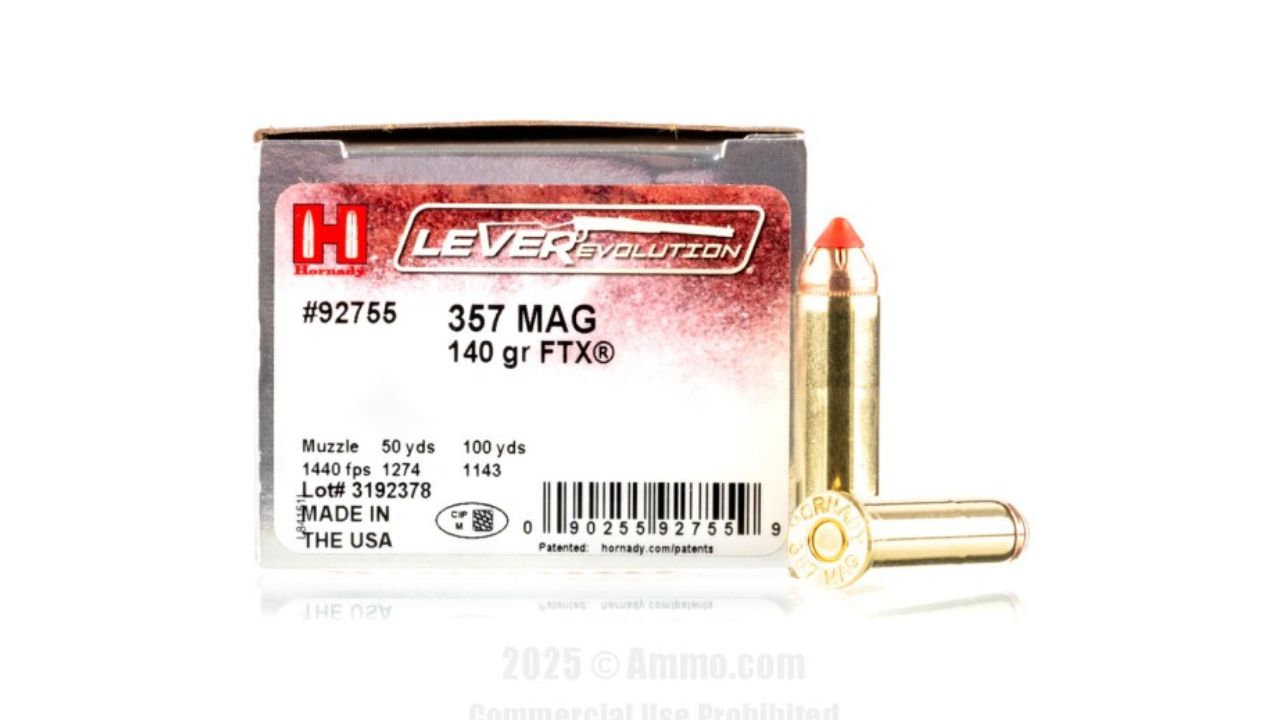
A .357 can kill deer, but it’s not a long-range deer solution. When hunters stretch it—especially from a handgun—the risk of marginal hits goes up. Marginal hits lead to tough tracking, and tough tracking makes people swear off the caliber.
In a lever gun at close range with the right loads, it can do fine. But the first bad track usually ends the “handgun deer hunting with .357 at distance” dreams.
.44 Magnum (poor shot placement with heavy recoil)

The .44 has power, but heavy recoil can cause flinching and poor hits, especially for newer handgun hunters. Poor hits lead to poor blood trails. Then the hunter blames the caliber when the real problem was recoil management and practice.
After one bad track, many hunters decide they want either a milder cartridge they can shoot better—or they move to a rifle and stop trying to make a revolver do rifle work.
.450 Bushmaster (overconfidence at distance)

The .450 Bushmaster hits hard, but it drops fast and it’s not forgiving at range if you haven’t practiced. A common bad-track story is a hunter misjudging distance, holding wrong, and making a bad hit because they treated it like a flat-shooting rifle.
After one of those, hunters either get serious about range limits or they quit the cartridge and go back to something flatter. The caliber isn’t weak—expectations and practice are usually the issue.
.350 Legend (wrong bullet or too much distance)

The .350 Legend can work very well, but bullet choice matters and distance discipline matters. Push it too far and you can get reduced expansion and less dramatic trails, especially on marginal hits.
A bad track with .350 Legend often makes people decide they want a more traditional deer cartridge—something they feel gives them more forgiveness once variables stack up.
.30-30 Winchester (stretched beyond its comfort zone)
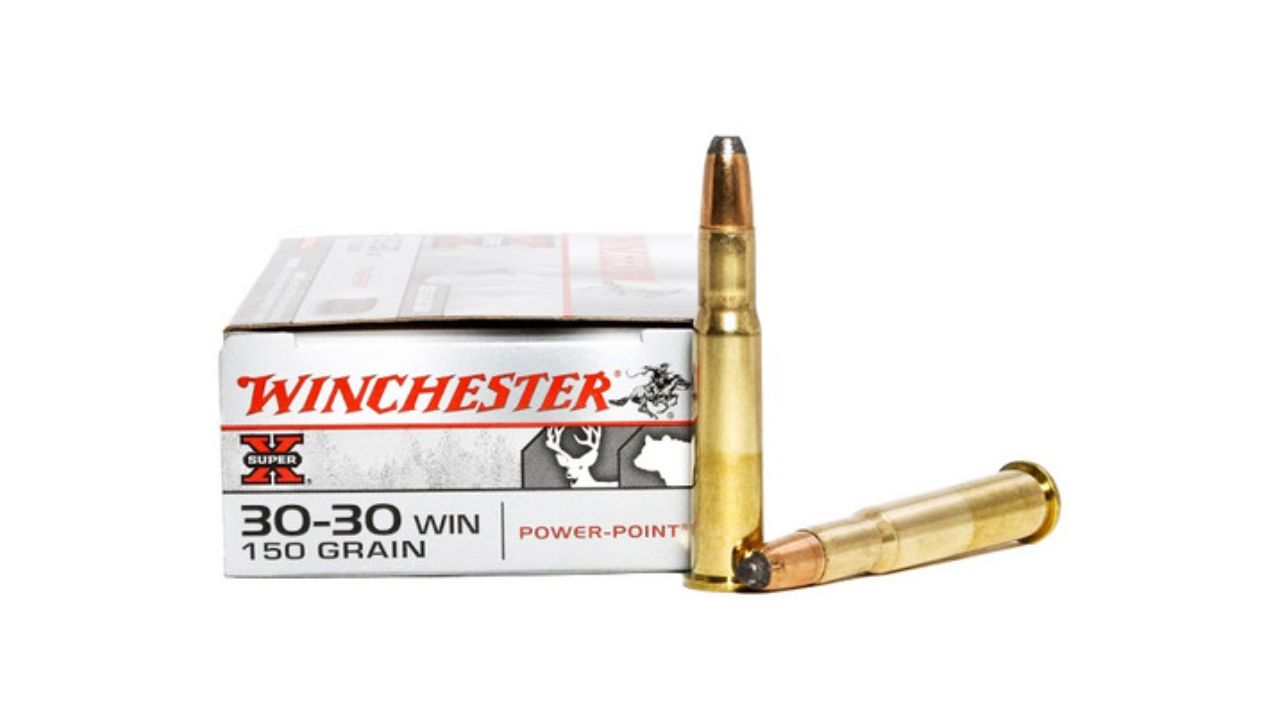
The .30-30 kills deer for a living, but when hunters stretch it across longer lanes without practicing, mistakes happen. A bad hit with a slower cartridge can lead to longer runs and thinner trails.
After a tough track, some hunters swear off .30-30 and go buy something flatter. The funny part is most of them could have solved the problem with range practice and realistic shot selection—but they remember the track, not the math.
.25-06 Remington (fragile bullets at high speed)

The .25-06 can be excellent, but with some bullet designs, high speed can create dramatic impact without deep penetration, especially on shoulder hits. That can lead to a deer that runs farther than expected and doesn’t leave the trail you want.
One bad track and hunters start saying “I don’t trust it.” Often the fix is switching bullets, not switching cartridges, but people switch cartridges anyway because it’s simpler emotionally.
6.5 Creedmoor (with poor bullet choice on bigger deer)

The Creedmoor is effective, but bullet choice still matters. Some hunters use lighter, softer bullets and then get surprised when they hit bone or take a steep angle and don’t get the penetration they expected. A long track can follow.
After one of those, some hunters bail and go to a bigger caliber. In many cases, the Creedmoor would’ve been fine with a tougher bullet. But again—bad tracks create hard opinions.
.243 Winchester (again—when used as a “do everything” cartridge)
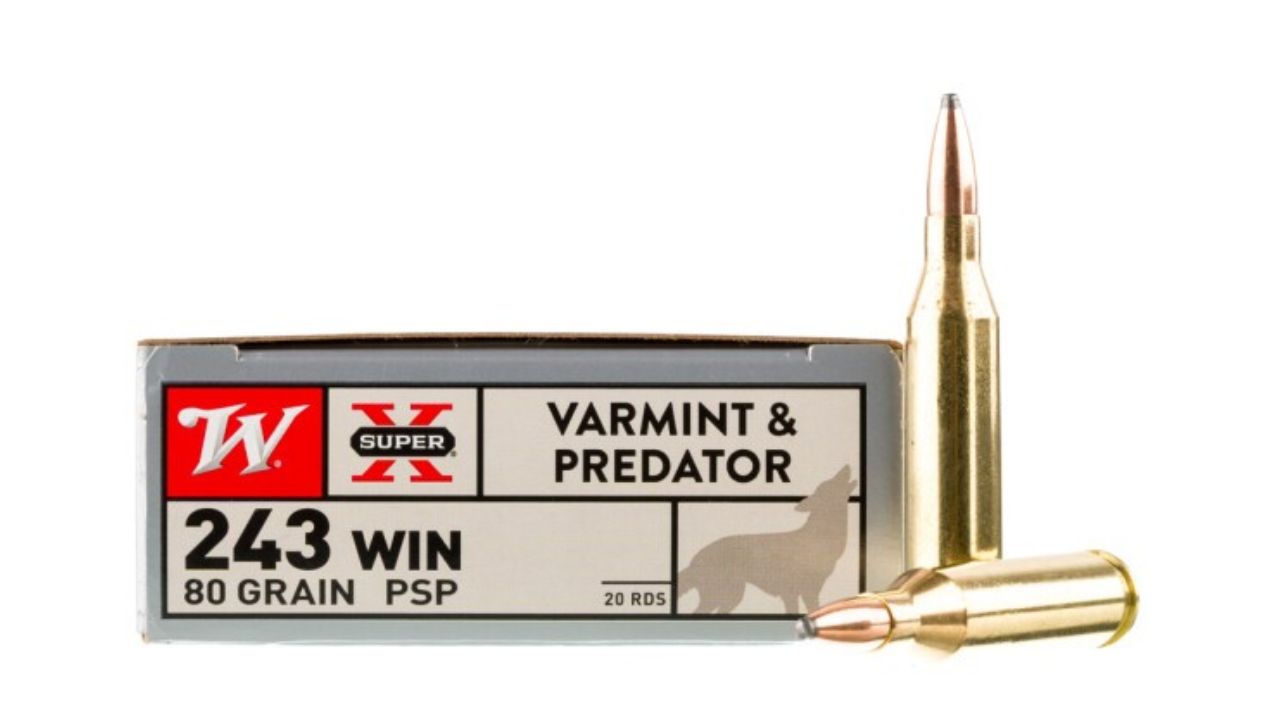
The .243 gets quit on often because people treat it like a .308. When conditions aren’t perfect, the cartridge demands better placement and better bullets. If the hunter doesn’t provide that, the recovery can get stressful.
That first bad track becomes a permanent memory. Many hunters move to .270, .308, or .30-06 simply because they want a wider margin.
20 gauge slug (in smoothbore setups)
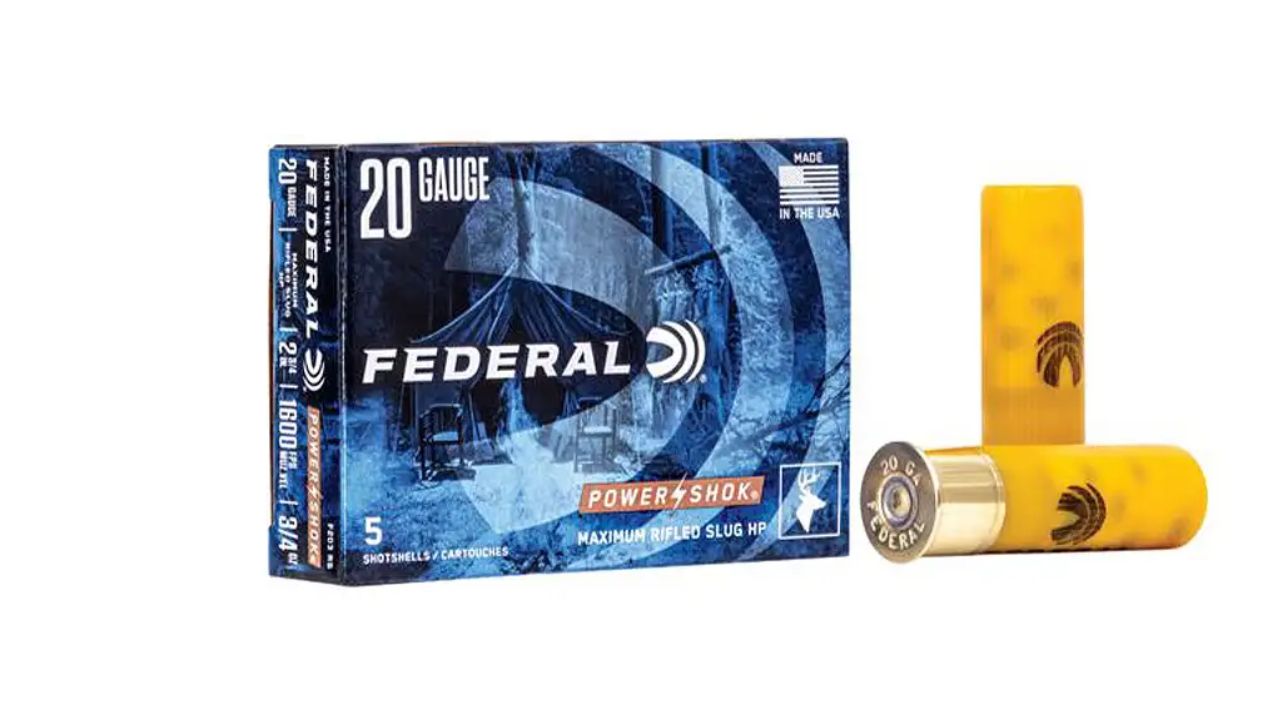
Not a “caliber,” but you’ll hear the same quitting behavior. Smoothbore slug setups can be inconsistent, and inconsistent accuracy leads to bad hits. Bad hits lead to miserable tracking. After one rough recovery, many hunters switch to a rifled barrel, sabots, or a rifle.
The issue isn’t that 20 gauge slugs can’t kill. It’s that the system can be less precise than people assume, and lack of precision creates bad trails.
Like The Avid Outdoorsman’s content? Subscribe to our newsletter so you never miss an article.
Here’s more from us: