Photo credit: Haus of Guns/YouTube
You hear it all the time—“My gun eats anything.” But not every pistol bounces back after feeding it cheap steel-case or underpowered reloads. Some get gunked up fast. Others develop nagging extraction issues, light strikes, or damage that doesn’t go away with a basic cleaning. And if you’ve run enough budget ammo through the wrong pistol, you know it can throw off cycling, reliability, and even accuracy in the long run. I’ve seen it on the range and in my own safe. These pistols tend to choke on the cheap stuff—and some never seem to run quite right again.
Taurus PT111 G2
The PT111 G2 sold well because of its price and feature set, but it never liked low-pressure or dirty steel-case ammo. After a few hundred rounds, failures to extract started stacking up. A quick cleaning helped at first, but carbon would build up in the chamber and slide, and the gun would feel sluggish.
Some owners reported long-term reliability issues even after switching back to brass. Extractor tension seemed inconsistent, and once it lost its rhythm, it rarely regained smooth function. It’s not a pistol you can run dirty or hard. Once cheap ammo gums it up, it’s a chore to get it running right again.
SCCY CPX-2

SCCY pistols were meant to be budget carry options, but they weren’t built to digest hundreds of dirty rounds. With the CPX-2, it doesn’t take much to throw the timing off. Feed ramp fouling, weak primer strikes, and extraction problems all show up fast with steel-case or poor-quality reloads.
Even after a thorough cleaning, many CPX-2s never seem to fully regain their smooth cycling. Some develop quirks—occasional failures that appear randomly, even with good ammo. If you broke it in on steel, there’s a good chance the wear patterns were set in early. And once it gets picky, there’s no going back.
Kimber Micro 9
The Micro 9 has tight tolerances and doesn’t like anything less than premium ammo. Put a couple hundred rounds of cheap stuff through it, and you’ll notice hammer follow, light primer strikes, and occasional double feeds. It’s a beautiful little 1911-style pistol, but it’s not forgiving.
Once dirty ammo runs through it, carbon seems to settle into every corner of the action. Even with a detail strip and lube, the Micro 9 can develop a persistent sluggishness. Accuracy suffers. Reliability goes out the window. It might still function at the range, but for carry or defense? It’s never the same after being gunked up.
Walther P22
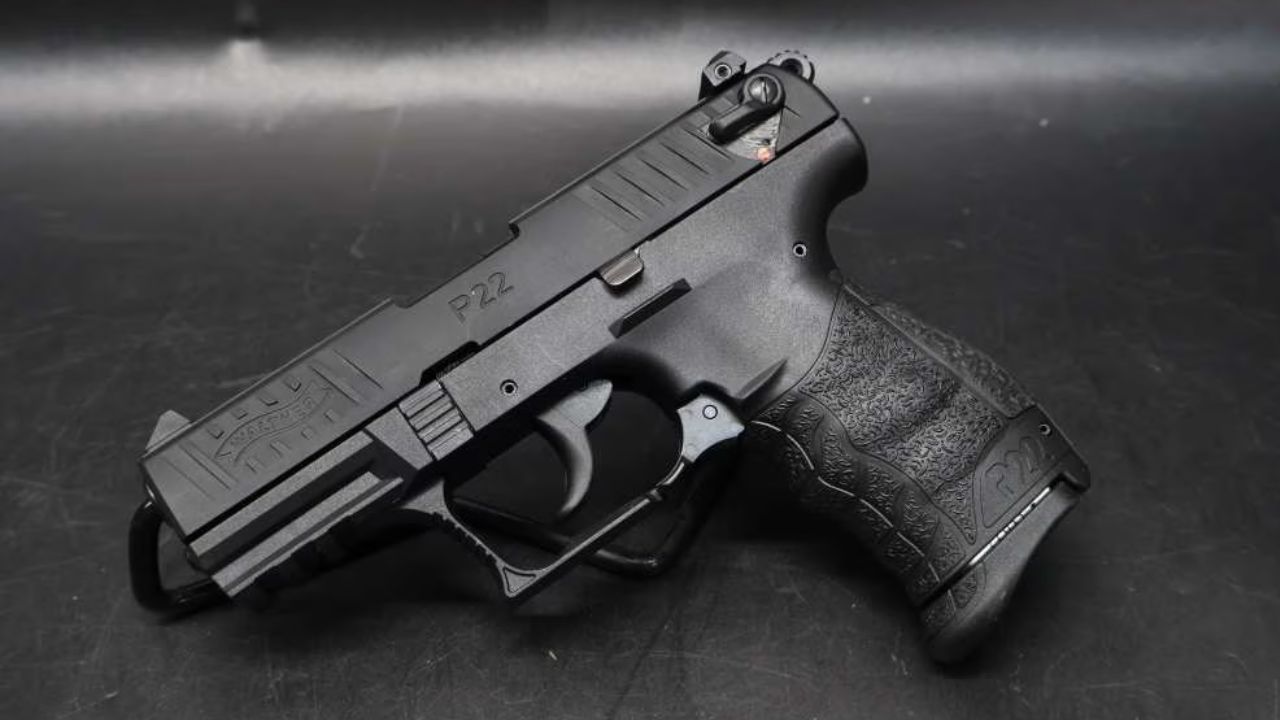
The P22 isn’t known for being reliable to begin with, and cheap rimfire only makes things worse. Dirty powder fouls the tight chamber quickly, and extraction starts to fail after as few as 50 rounds. The slide won’t go fully into battery, and you’ll get click after click instead of bang.
Even after cleaning, many shooters report that the pistol develops an ongoing sensitivity to ammo. It might run decently for a mag or two, then fail again. Once you’ve burned through enough cheap bulk packs, the finish wears oddly, tolerances shift, and the gun simply won’t trust you again.
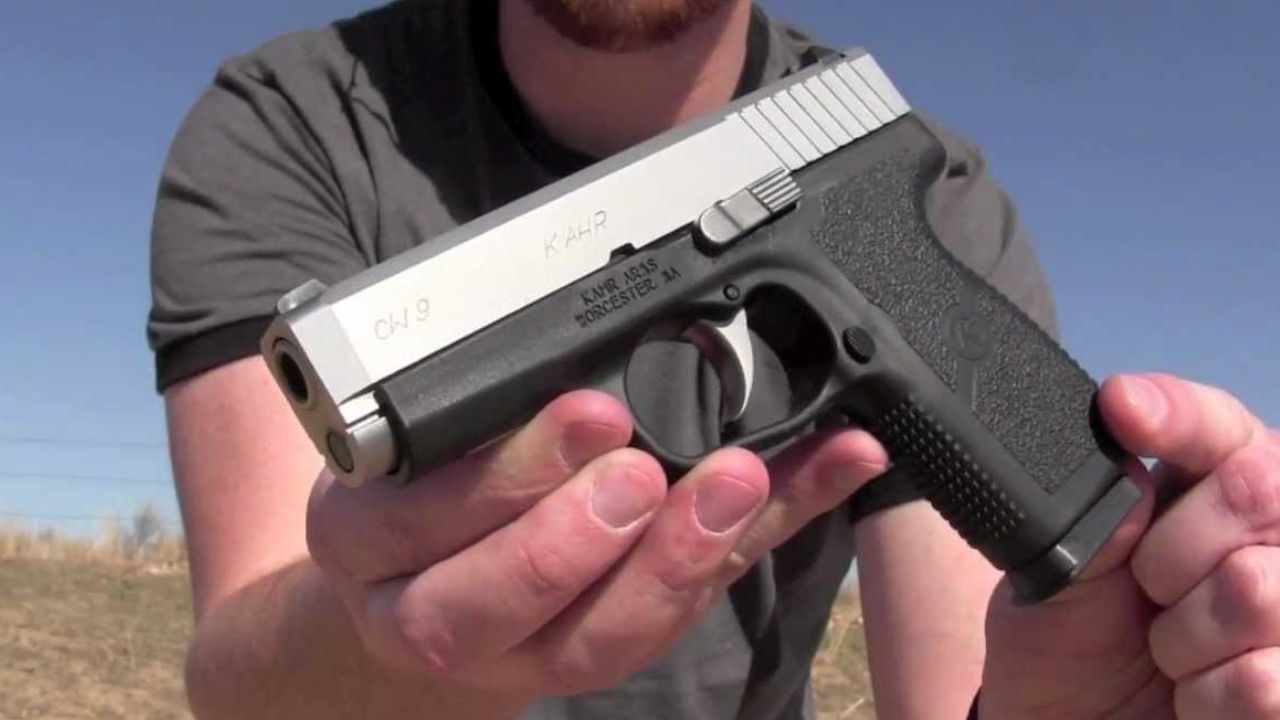
Kahr CW9
Kahr pistols have a break-in period, and when you feed them weak or inconsistent ammo early on, you can set them up for long-term problems. The CW9 in particular doesn’t respond well to steel-case or low-quality brass. Failures to feed become more common, and some pistols develop slide lock issues.
Once the feed ramp gets scarred or carbon builds up in the wrong places, the pistol may start choking even on premium loads. And because Kahr’s recoil system is sensitive to cycling speed, budget ammo can throw it off for good. Some shooters never get theirs back to reliable condition after a rough start.
Beretta Pico

The Pico is a small .380 built for concealment, but its design doesn’t lend itself to dirty or underpowered ammo. After a few boxes of budget rounds, extraction weakens, and the pistol starts failing to return to battery. The recoil spring is strong, but the rest of the gun feels like it’s fighting against itself.
Even after cleaning, the slide can feel gritty, and trigger pull may get worse. It’s not uncommon for a Pico to start showing reliability problems after shooting a couple hundred rounds of steel-case. And once it’s worn that way, getting it to run cleanly again is hit or miss.
Remington R51
The R51 had problems right out of the gate, and feeding it low-quality ammo only made things worse. The hesitation-locked action was already sensitive, and dirty powder quickly clogged up the internals. Failure to feed, failure to eject, and slide lock issues were all common complaints after range trips.
Many shooters found that even after a deep clean, the pistol still acted like it had been mistreated. Tolerances seemed to shift, and the cycling rhythm felt inconsistent. If you used steel or reloaded ammo early on, you may have locked in problems that never fully went away. It’s one of those designs that punishes you for experimenting.
Like The Avid Outdoorsman’s content? Be sure to follow us.
Here’s more from us:
The worst deer rifles money can buy
Sidearms That Belong in the Safe — Not Your Belt
*This article was developed with AI-powered tools and has been carefully reviewed by our editors.