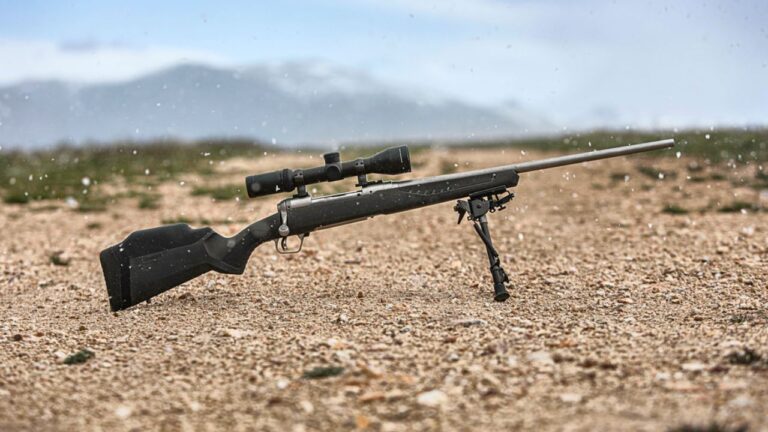
Photo credit: Lowballin outdoorz/YouTube
Some rifles get babied their whole lives and still end up finicky. The ones that earn a real place in your rack are different. They’ve ridden in scabbards, bounced behind truck seats, lived through wet seasons, dusty seasons, and that one hunt where everything went wrong. They’ve been cleaned late, cleaned fast, and sometimes not cleaned until you got home. And somehow, they still put bullets where you aim.
What keeps a hunting rifle “great” over decades isn’t magic. It’s strong, proven actions. It’s sensible tolerances that keep running when grime shows up. It’s stocks and bedding that don’t shift every time the weather changes. It’s barrels that hold accuracy long after the finish wears thin. These are rifles with track records for taking real use and still shooting like they should, as long as you do your part with maintenance and decent ammo.
Winchester Model 70

The Winchester Model 70 has stayed in the hunting conversation for a reason. A good Model 70 action feels solid, and the controlled-round-feed versions have a reputation for feeding smoothly when you work the bolt with authority. The three-position safety is also one of those features you learn to appreciate after years in the field, especially when you’re climbing, crawling, and handling a loaded rifle.
After decades of use, what you usually see is honest wear, not failure. Blued steel gets thin at the carry points. Wood stocks pick up dents. None of that keeps a Model 70 from printing tight groups if the bedding is sound and the crown hasn’t been abused. Keep screws torqued, keep the bore reasonably clean, and it’ll keep doing rifle things long after trend guns come and go.
Remington Model 700
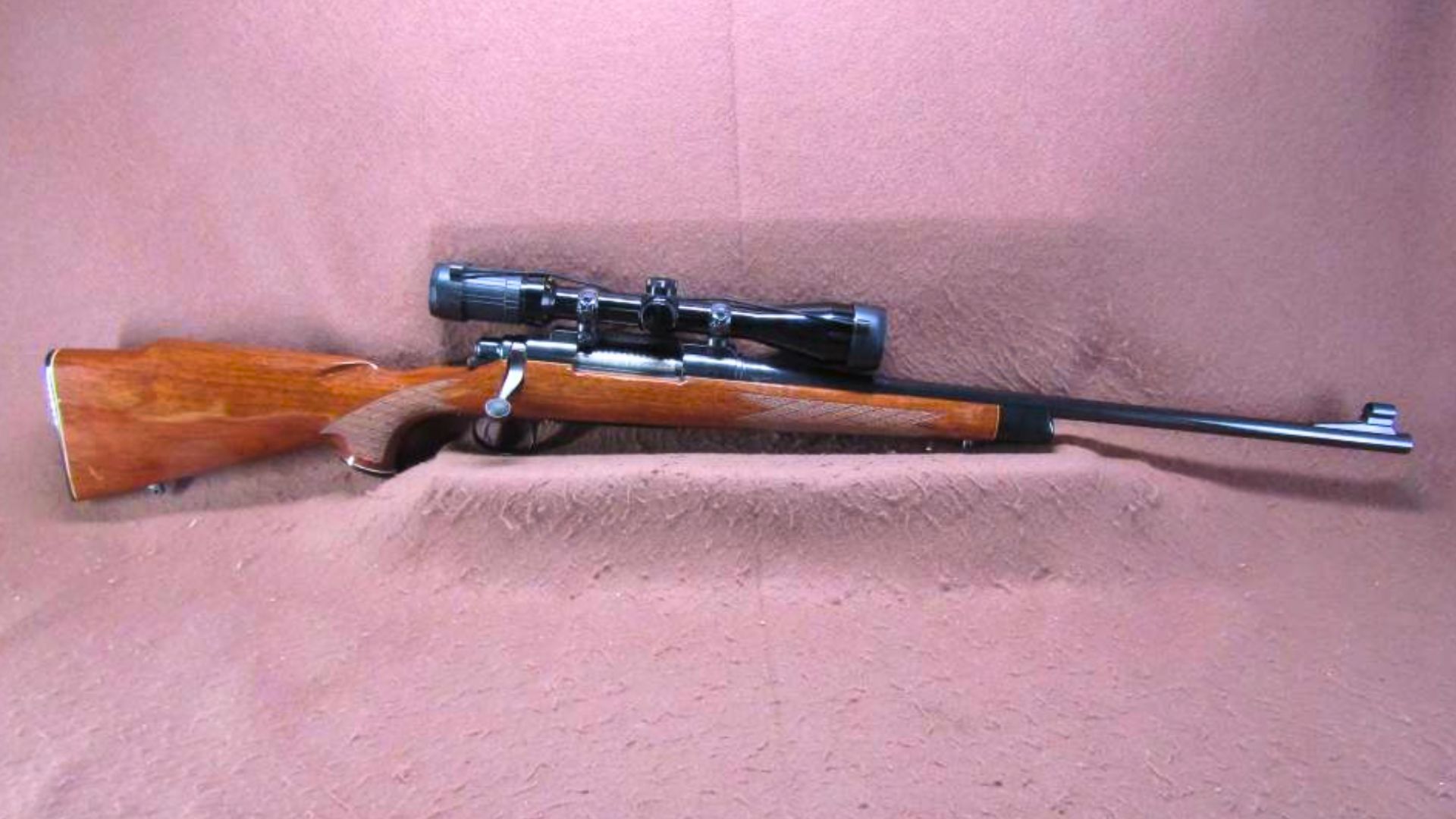
A Remington 700 that’s been carried hard often looks rougher than it shoots. That’s the charm of the design. The action is strong, the aftermarket support is endless, and a lot of these rifles have lived long lives because they’re straightforward to keep running. When you find an older 700 that’s been hunted for decades, it often still cycles smoothly and locks up the same way it did early on.
The key is paying attention to the basics. Check action screws, keep the scope mounting solid, and don’t ignore a stock that’s warping or a barrel that’s been treated like a tent stake. Plenty of “worn” 700s still shoot extremely well with a fresh recoil lug bedding job or a modern stock swap. If you like a rifle you can maintain, tune, and keep going, the 700 has earned its reputation.
Ruger M77 Mark II / Hawkeye
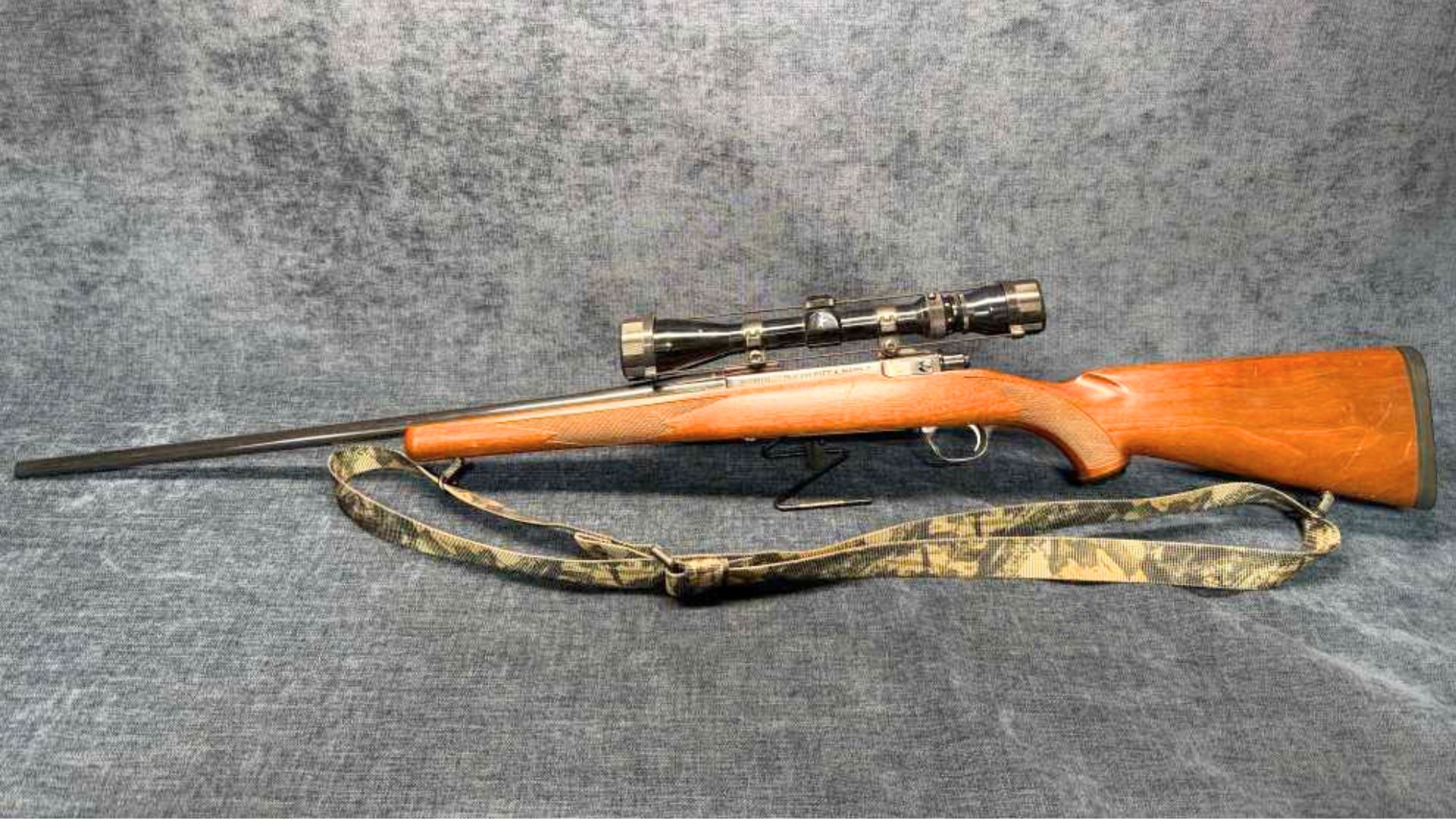
The Ruger M77 Mark II and Hawkeye are the kind of rifles you keep because they keep working. They’re built with a tough, field-first attitude, and you feel it in the way the bolt runs and the action sits in the stock. The controlled-round-feed setup, along with Ruger’s solid extractor, gives you confidence when you’re cycling fast on follow-up shots.
After years of hard carry, these rifles often show finish wear and stock scuffs, but the core stays dependable. Ruger’s actions tend to tolerate real hunting conditions well—rain, dust, pine needles, and that gritty layer that ends up on everything by day three. Keep the bore from getting neglected, keep the scope hardware tight, and the rifle won’t care that it’s been dragged through half a lifetime of seasons.
Savage 110

The Savage 110 is one of the most practical “keeps on ticking” hunting rifles out there. The action design has proven itself across decades, and a lot of older 110s are still in circulation because they’re hard to kill and easy to keep shooting. They aren’t always pretty, but they tend to be honest rifles that shoot better than their scars suggest.
What helps the 110 age well is how forgiving it can be with real-world use. You’ll see them with worn checkering, faded bluing, and stocks that look like they’ve bounced off a dozen tailgates. Then you’ll watch them stack shots with a load they like. If accuracy starts drifting, it’s often something fixable—loose action screws, tired optics, or stock pressure points. Keep it maintained, and a 110 can stay a dependable deer rifle for a very long time.
Tikka T3 / T3x

Tikka rifles earn loyalty because they keep their accuracy even when you stop treating them like safe queens. A T3 or T3x tends to have a smooth bolt, consistent trigger feel, and barrels that shoot. Over years of hunting, that consistency matters more than fancy features. You end up trusting the rifle because it keeps doing the same thing season after season.
Long-term durability comes down to care and common sense. Keep the action clean, don’t let the muzzle get beat up, and pay attention to stock fit and scope mounting. These rifles are often carried a lot because they’re easy to tote, and that’s where the wear shows up first—on the finish, the stock, and the bolt handle. None of that ruins performance when the rifle is set up right. You get a hunting tool that stays accurate long after the first “new rifle excitement” fades.
Sako 85
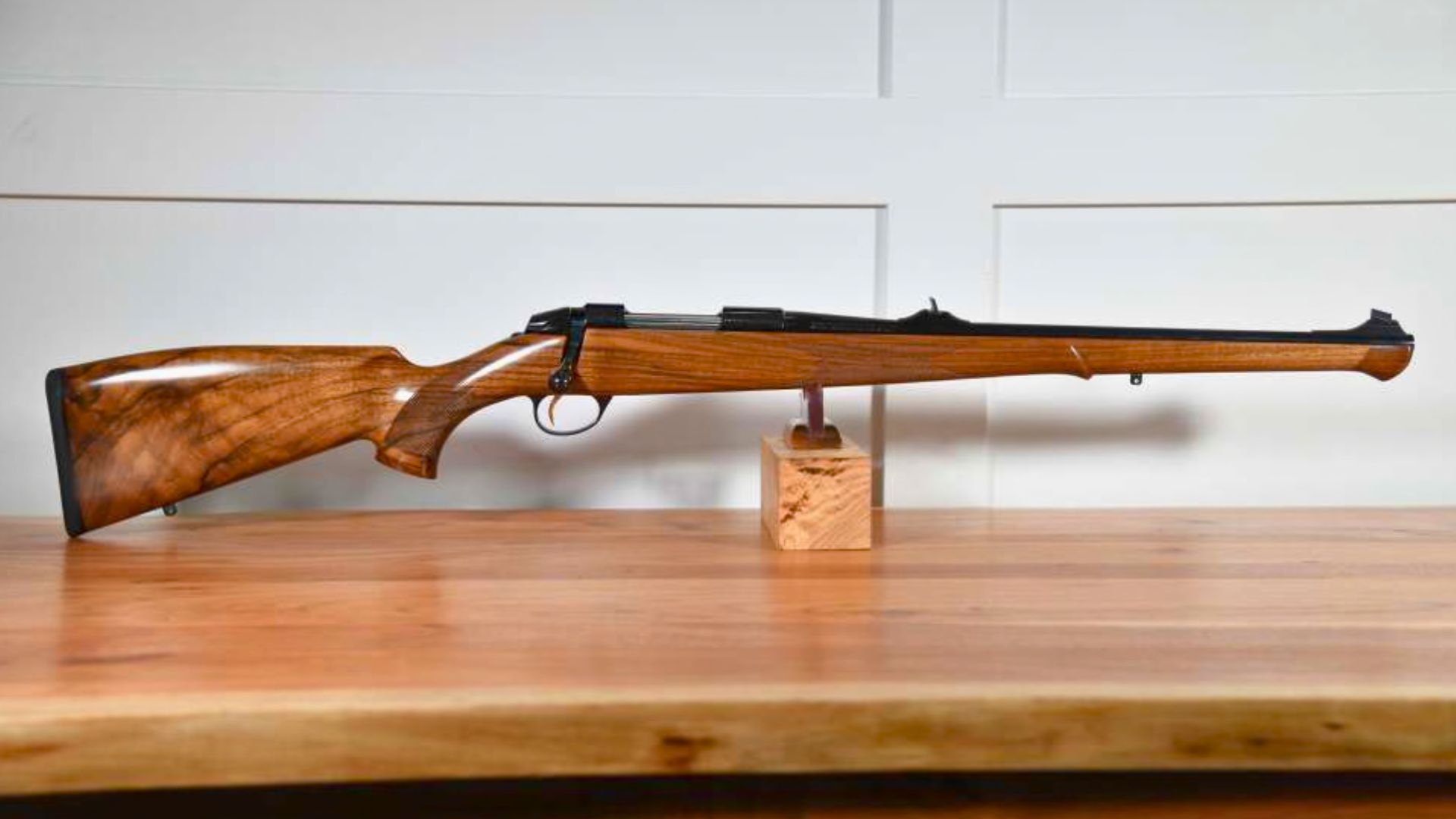
A Sako 85 is one of those rifles that can take years of use and still feel tight and refined. The action is smooth, feeding is controlled, and the whole rifle tends to have that “everything fits” feel even after it’s been hunted hard. You’re buying quality up front, but the payoff is how well it holds together when the miles start adding up.
Over decades, you’ll still see normal wear—rub marks on the stock, thinning finish where your hand rides, and small dings that tell stories. What you don’t often see is the rifle coming loose or losing its manners if it’s been cared for. Keep the bedding stable, keep metal protected, and don’t neglect the bore. A well-used Sako can keep shooting with a calm, predictable accuracy that makes you forget the rifle is old at all.
CZ 550
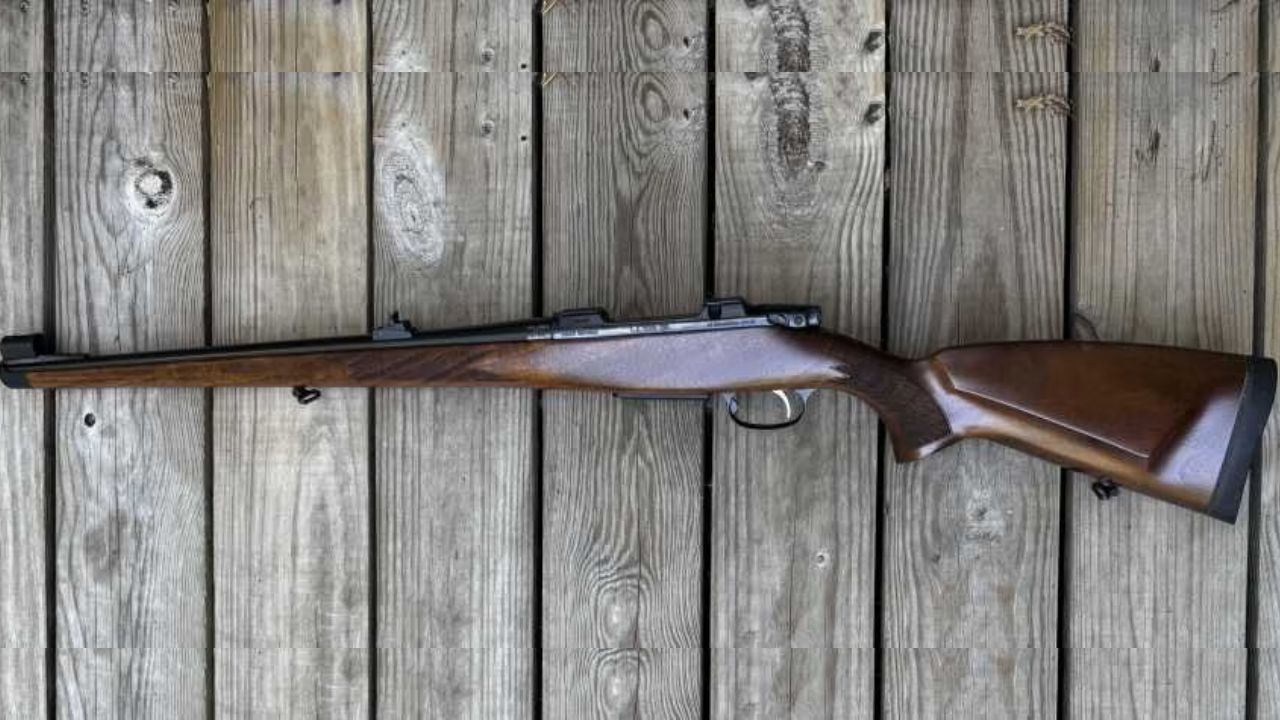
The CZ 550 built a reputation as a rugged, traditional bolt gun that can handle real hunting use. The action design is rooted in controlled-round-feed thinking, and the rifles tend to feel sturdy—like they were made to be carried through brush, leaned against trees, and used in weather you didn’t plan for. A lot of hunters also like the way they balance, especially in classic hunting chamberings.
With age, the CZ 550 usually keeps its integrity. The metal holds up, the action stays reliable, and the rifles often keep their accuracy if the stock isn’t warped and the crown is still clean. If you’ve got one that’s been hunted hard, the biggest improvements are often small: fresh springs if needed, scope mounts checked, and stock screws kept snug. Do that, and it’s the kind of rifle you can hand down without making excuses.
Weatherby Mark V
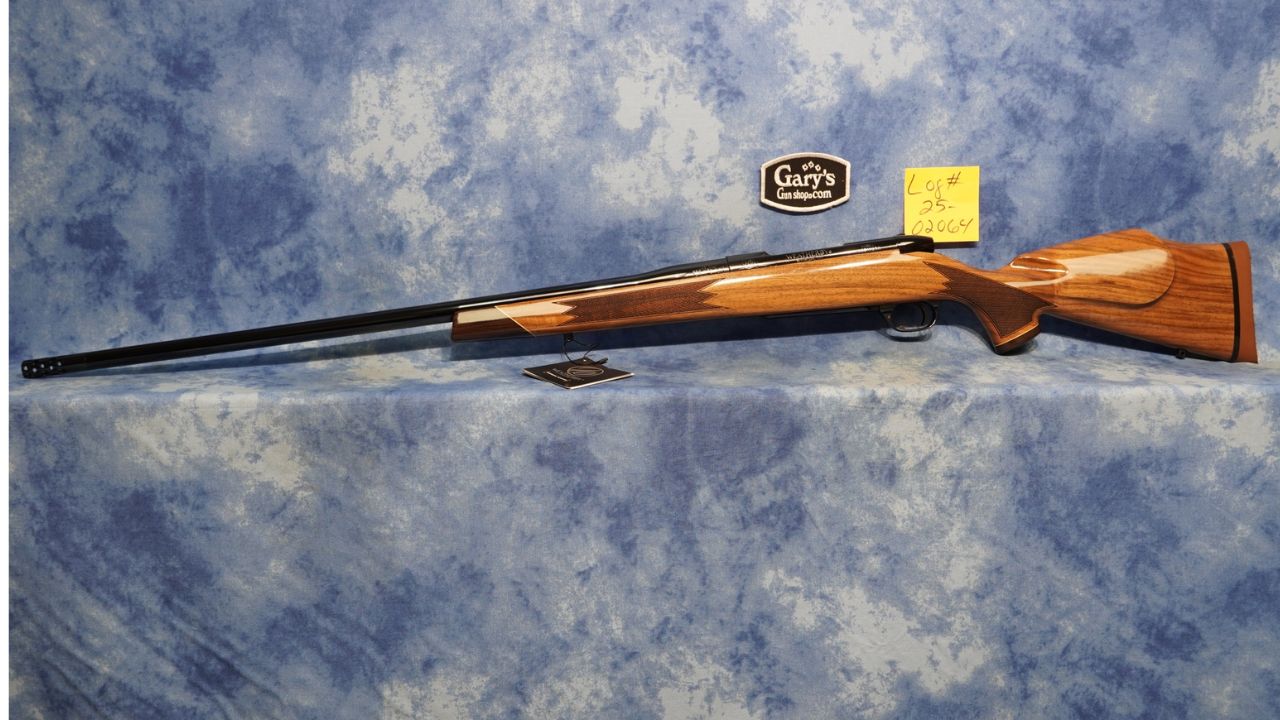
The Weatherby Mark V is built around strength and smooth cycling, and it shows once you’ve carried one for years. The action is known for being stout, and many of these rifles keep their accuracy even after they’ve seen a lot of hunting. Whether it’s a classic wood-stock rifle or a more modern synthetic setup, the core appeal stays the same: the rifle feels solid, and it shoots.
Decades of use tend to reveal what matters. Finish wear doesn’t change much. A stock can pick up scars and still hold the action steady. Where you keep a Mark V great is in the details—scope mounting, bedding stability, and keeping the bore healthy if you shoot it often. A lot of these rifles live in faster cartridges, and heat plus volume can punish barrels over time, so your shooting habits matter. Treat it like a hunting rifle, not a machine gun, and it’ll stay sharp for the long haul.
Browning A-Bolt

The Browning A-Bolt is one of those rifles that tends to stay accurate and pleasant to run, even after a long life in the field. The action is smooth, the rifles balance well, and many hunters stick with them because they shoot where you point without constant tinkering. When you’ve got decades behind one, that predictability becomes the whole point.
Hard use usually shows up as cosmetic wear and stock dents, not functional problems. Keep the bolt clean, keep the magazine system maintained, and make sure your optics and mounts are squared away. If accuracy ever starts to drift, it’s often something ordinary like loose hardware, a tired scope, or a stock pressure change from moisture exposure. When those basics are handled, the A-Bolt tends to keep performing like a rifle that never got the memo it’s supposed to “age out.”
Browning BLR

The Browning BLR is a lever gun that behaves more like a bolt rifle in the accuracy and cartridge department, and that’s why it holds up so well over time. You get fast handling, a familiar lever feel, and chamberings that make sense for deer, elk, and general North American hunting. Hunters who carry a BLR a lot tend to keep carrying it because it keeps working and it keeps hitting.
After decades, the BLR’s reliability comes down to cleanliness and not abusing the mechanism. It’s not a rifle you treat like a pry bar, and it benefits from occasional attention to the action and lubrication points. The good news is that a BLR that’s been used for years can still lock up well and shoot accurately if it hasn’t been neglected. When you want a lever gun that can live a hard hunting life without turning into a loose, rattly mess, the BLR is one of the safer bets.
Marlin 336

A Marlin 336 that’s been hunted for decades often feels like an old truck that still fires up every morning. The design is friendly to real-world use—easy to carry, easy to cycle, and accurate enough for the ranges most deer are taken. The side-eject setup also makes it easy to run a scope without weird compromises, which is part of why these rifles stayed in the woods for so many years.
Hard use tends to polish the 336 instead of ruining it. You’ll see worn bluing, smooth spots on the lever, and plenty of stock marks. As long as the bore isn’t wrecked and the action hasn’t been neglected, the rifle keeps doing its job. A little maintenance goes a long way: clean the receiver area, keep screws snug, and replace worn parts when needed. A good 336 can stay “great” even when it looks like it’s been everywhere.
Winchester Model 94

The Winchester Model 94 is one of the most carried hunting rifles in American history, and that long track record tells you something. It’s light, quick, and built around a style of hunting where shots come fast and the rifle lives in your hands more than on a bench. A well-used 94 often has decades of honest wear, and it still shoulders the same way it did when it was new.
To keep one running well, you focus on the basics. Make sure the sights are solid, keep the action reasonably clean, and don’t let rust live in the bore. These rifles aren’t built to be target rifles, but many will still shoot plenty tight for deer woods distances with ammunition they like. A 94 that’s been used hard can still feel alive, not worn out. When you want a rifle that carries easy and keeps working through real hunting life, the 94 has earned that reputation.
Remington Model 760 / 7600

The Remington 760 and 7600 pump rifles have filled freezers for generations because they handle hard use well and run fast in the woods. If you grew up around deer drives or thick timber hunting, you’ve seen a 760 that looks beat up and still cycles like it means business. The pump action gives you quick follow-ups without changing your cheek weld much, which matters when adrenaline hits.
Over decades, these rifles tend to stay good if you keep the action bars and internal parts clean. Dirt and dried oil can slow them down, and a neglected magazine can cause headaches, so you treat those areas like working parts, not decorations. When maintained, a 760 or 7600 often stays accurate enough for serious hunting, and it keeps its handling qualities even after years of being carried. It’s a very “real hunting” rifle that keeps earning its place.
Browning BAR (Safari / Mk II)

The Browning BAR hunting rifles have a reputation for being smooth-shooting, reliable semi-autos that keep performing long after the finish starts telling stories. They soak up recoil well, they handle follow-up shots naturally, and they tend to be accurate enough that you don’t feel like you’re giving up precision for speed. For hunters who spend real time in the woods, that combination holds value year after year.
Long-term success with a BAR comes from reasonable care. Semi-autos like to be kept clean where carbon builds, and they don’t appreciate being run dry or packed with grit. If you maintain the gas system and don’t ignore wear parts, many BARs will run for a very long time without drama. You’ll see plenty of old ones with rubbed bluing and scarred stocks that still shoot straight. That’s the kind of rifle you keep because it keeps earning the carry.
Ruger No. 1

The Ruger No. 1 is a single-shot that stays great because it’s built around strength, simplicity, and a design that holds up to real use. It’s the kind of rifle you can hunt with for decades and still feel proud to carry. The action is stout, the rifle balances well, and you’re forced into a deliberate style of shooting that often makes you better in the field.
Decades of use usually show up as finish wear and stock marks, not functional decline. There’s less going on mechanically than in many repeaters, and that can be a real advantage over time. Keep the bore clean, keep the scope mounts solid, and pay attention to bedding if accuracy ever shifts. A No. 1 that’s been carried hard can still shoot extremely well and feel tight. It’s a rifle that rewards good habits and doesn’t punish you for choosing something classic.
Mauser 98 Sporter (FN / Oberndorf Pattern)

A Mauser 98 sporter is the definition of a rifle that can outlive its owner when it’s built right. The controlled-round-feed action is strong, extraction is authoritative, and the design has proven itself in the worst conditions humans could invent. When that action gets turned into a hunting rifle—whether by a factory like FN or a skilled sporter build—you get something that tends to stay dependable across decades.
Hard use doesn’t scare a good Mauser. What matters is the condition of the barrel, the quality of the bedding, and whether the rifle has been maintained with basic respect. You’ll find old sporters with thin bluing and worn checkering that still feed perfectly and shoot well with the right load. The bolt lift might feel stiffer than modern rifles, but the function is confidence-inspiring. If you want a rifle that keeps its attitude after long abuse, a Mauser-based sporter is hard to beat.
Springfield 1903 Sporter
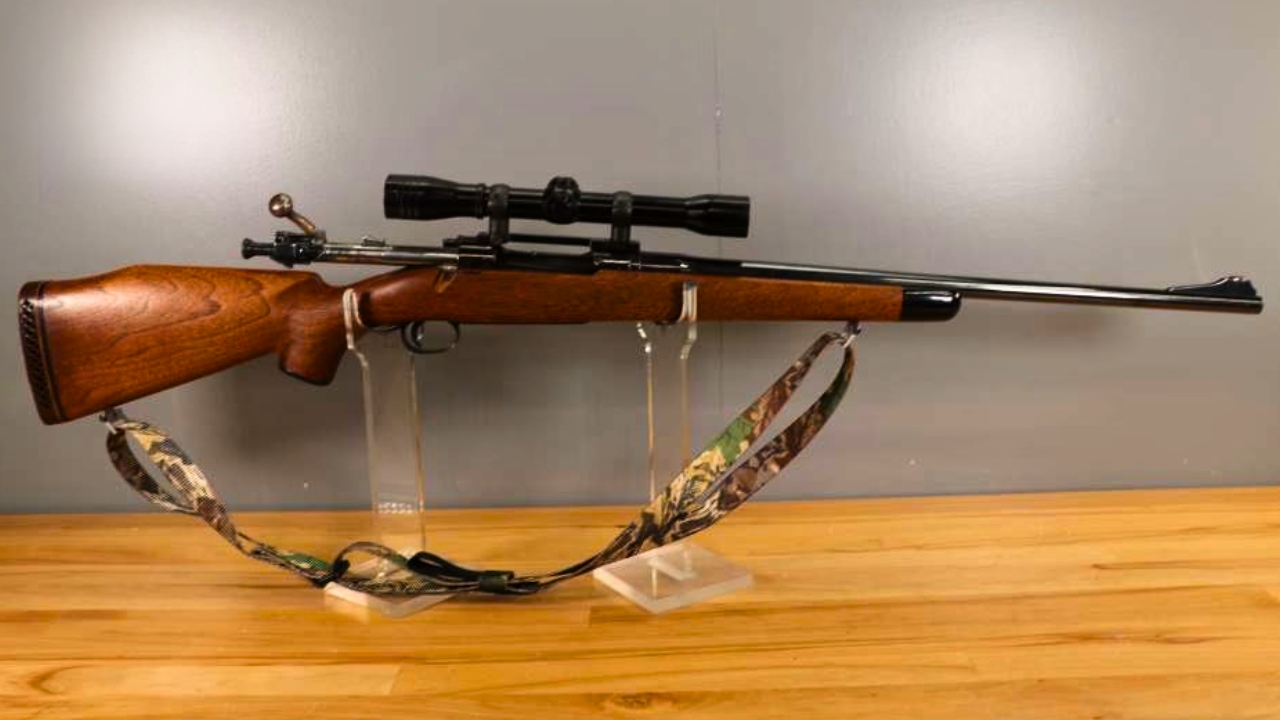
A Springfield 1903 sporter is another rifle that often stays excellent long after the years stack up. The action is strong, the steel is good, and many were turned into hunting rifles because the bones were worth building around. When you run the bolt on a well-kept 1903, it still feels like machinery designed with serious intent.
With decades of hunting use, the same rules apply: the barrel and crown matter, the bedding matters, and the optics setup matters. Plenty of 1903 sporters have lived in trucks, cabins, and deer camps for generations and still shoot with real authority. You’ll see worn finishes and stocks that show every season they’ve been through, but the rifle keeps doing the job. If you’ve ever watched an older hunter quietly drop a buck with an old 1903, you know what this category is about—use, not hype.
Ruger American (Original / Gen II Line)

The Ruger American has already proven it can take real hunting mileage without falling apart, and that’s why so many of them end up as “go-to” rifles. They get carried hard because people aren’t afraid to scratch them. They ride in trucks, get rained on, and still show up at the range printing groups that make you wonder why anyone spent twice as much.
Long-term greatness comes from the basics being right. The action is reliable, the magazines work when you keep them clean, and the stock is built for weather more than it’s built for beauty. Over time, you’ll replace cheap parts before you replace the rifle—maybe a worn recoil pad, maybe a tired scope, maybe a sling that’s seen better days. The rifle itself tends to keep doing what it was bought for: hunting. It’s a modern workhorse that’s already building the kind of track record older classics earned over decades.
Like The Avid Outdoorsman’s content? Subscribe to our newsletter so you never miss an article.
Here’s more from us: