Photo credit: Richard Watt/UK Ministry of Defence 2010, OGL 3, //Wikimedia Commons
Some handguns don’t just tolerate grime — they seem to function better once they’ve been worked hard and broken in. You see it when you’ve spent enough time on the range or around instructors who’ve run thousands of rounds through the same guns. Certain designs loosen just enough with use to cycle more smoothly under fouling, carbon, and the grit that usually slows other pistols down. These aren’t guns you baby or wipe down every magazine. They’re the ones you trust when conditions get rough, when the lube is burned off, and when you know you won’t have time to give them the kind of attention they deserve. If you’ve ever carried a handgun in weather, dust, sweat, or mud, you’ve probably learned that some platforms keep going long after their manuals say they should have been cleaned. These are the pistols that prove reliability isn’t always tied to spotless internals.
Glock 17

The Glock 17 is one of those pistols that almost seems to prefer being seasoned with carbon. Once it’s run for a while and the parts have worn into each other, it cycles smoothly even when the slide rails look dry and the chamber is less than pristine. The gun’s loose-but-functional tolerances make it forgiving of dust, sweat, lint, and grime that tend to choke tighter platforms. You can drag one through a full training day and it’ll still run without a hiccup.
As the gun gets dirtier, the consistent striker-fired system and robust extractor keep the pistol moving. The 17’s simplicity helps it thrive under fouling, and that’s why so many range officers and instructors keep one around as their workhorse. You can keep pushing rounds through it well past the point where other pistols start getting sluggish.
Glock 19
The Glock 19 shares the same DNA as the 17: generous tolerances, simple internals, and a design that doesn’t rely on pristine surfaces to keep feeding. It’s compact enough to carry but still large enough to keep carbon buildup from interfering with the recoil cycle. When it gets dirty, the slide still tracks with enough authority to stay reliable, even after hundreds of rounds without fresh lube.
You see a lot of these in classes where shooters spend all day on the line. Instructors know the 19 keeps going when conditions aren’t ideal. The barrel hood and slide interface tolerate fouling, and the gun’s striker-fired mechanism doesn’t get picky when residue builds up. By the time it’s properly grimy, the pistol feels worn-in and familiar instead of sluggish or tight.
SIG Sauer P320
The P320’s modular fire control system has proven incredibly reliable in filthy conditions, and many shooters notice it doesn’t slow down even when carbon is layered thick on the internals. The pistol’s design allows for smooth cycling without relying on tight slide-to-frame fitment, which means grit and fouling don’t stop it from returning to battery. Once the rails wear in, the gun tends to keep running even after long training sessions.
Shooters who’ve used the P320 in high-round-count classes often mention how it shrugs off grime. The extractor stays consistent, and the barrel design doesn’t choke on residue. While the gun benefits from cleaning like anything else, it’s one of the few modern pistols that stays predictable when most others start to drag.
SIG Sauer P226

Even with its alloy frame and metal-on-metal cycling, the P226 runs surprisingly well once it gets a little dirty. Many operators and instructors have noted how the pistol becomes smoother after fouling builds up, almost like the carbon acts as its own bedding compound. The looser service-grade tolerances help it cycle despite dust, carbon, or debris built up around the rails.
The gun’s large extractor and reliable locking system keep it feeding even when the chamber isn’t spotless. You’ll see P226s in places where maintenance can be inconsistent but reliability matters. Once the finish wears in and the parts settle, the gun keeps going deep into extended range days without slowing down.
HK USP
The USP is built with durability as its main priority, and that toughness translates directly into reliability when it’s filthy. The gun’s oversized internal components, polymer frame rails, and controlled-feed system make it run even when fouled heavily. Shooters often find that once it’s been broken in, the USP cycles better with grime than when freshly cleaned and bone-dry.
HK designed the USP to handle harsh environments, and it shows. Sand, carbon, and dust don’t bury it the way they do to tighter pistols. The recoil system also smooths out fouling-induced drag, keeping the slide moving with enough force to stay in the fight. Dirty or clean, it keeps hammering.
HK P30
With its refined ergonomics and reliable operating system, the P30 keeps going even when conditions get gritty. The pistol’s hammer-fired design and strong recoil spring maintain cycling under heavy carbon buildup, and many shooters find the gun becomes smoother after it’s seen some hard use. Once worn in, it shrugs off grime in a way most polymer pistols can’t match.
Field users appreciate the P30 because it doesn’t complain about dust, sweat, or lint getting into the internals. The slide rails and locking system maintain momentum even when fouled, and the extractor is robust enough to keep pulling spent cases through residue. When other pistols start dragging, the P30 stays predictable.
CZ P-07

The CZ P-07 often surprises shooters with how well it handles fouling. The internal slide rails and hammer-fired design keep the pistol consistent even when debris works its way into the frame. Once it’s broken in, the cycling actually improves under light grime, and the gun tends to stay reliable far deeper into long training sessions than most expect.
Its design gives it a natural advantage in dirty environments, with a chamber shape and extractor that still function well when residue builds. The P-07 also resists grit-induced binding better than many striker-fired pistols. If you run heavy round counts without stopping to clean, this is one of those pistols that won’t punish you for it.
CZ 75B
The 75B’s steel frame and internal slide rails might suggest it would choke when dirty, but the opposite tends to happen. Once broken in, the pistol becomes impressively smooth under fouling. The long bearing surfaces actually help distribute grime without it bunching up in one spot, keeping the slide moving reliably even deep into a long day.
Many instructors who use the 75 platform mention how it handles carbon buildup. The gun keeps feeding even when the chamber is layered with residue, and its extractor has a good track record under heavy use. You can run a 75B filthy and still trust it to stay on track.
Beretta 92FS
The Beretta 92FS is known for running well even when maintenance is neglected. The open-top slide naturally sheds carbon and debris, preventing the buildup that causes failures in pistols with fully enclosed slides. Combine that with its forgiving lockup system and the 92FS stays reliable long after cleaner environments are gone.
Shooters who train heavily appreciate how the 92 keeps cycling under fouling. Carbon doesn’t collect in the same places it does on other guns, and the gun benefits from tolerances that aren’t overly tight. Once the rails are seasoned, the pistol seems to hit its stride when it’s dirty rather than freshly scrubbed.
Smith & Wesson M&P9

The M&P9 is a duty-grade pistol built for rough conditions, and it tends to cycle reliably even when dry or heavily fouled. Once the internals are worn in, the slide maintains enough momentum to overcome carbon buildup, and the extractor maintains consistent tension under residue. It runs well in real-world conditions where moisture, sweat, and lint are unavoidable.
People who carry the M&P9 daily know it doesn’t need constant cleaning to stay trustworthy. It handles long practice sessions without getting sluggish. Even as carbon builds, it continues to feed smoothly, making it one of the few striker-fired pistols that seems to find its rhythm once it’s been used hard.
Walther PDP
The Walther PDP has tighter tolerances than some duty pistols, but its reliability under fouling comes from its well-designed recoil system and extractor. Shooters often report that once the gun is broken in, it handles carbon buildup surprisingly well. The slide geometry helps maintain consistent cycling even when the internals are dirty.
When you’ve put enough rounds through a PDP, it keeps moving even with residue on the barrel hood or chamber. The gun’s ergonomics also help you maintain a solid grip when conditions get rough. While it’s a modern pistol with a refined feel, it runs like a service gun when dirty.
FN FNX-45
The FNX-45 is built to handle high-round-count training and heavy recoil loads, so fouling doesn’t slow it down. Its large parts, strong extractor, and durable recoil system make it surprisingly tolerant of carbon and debris. Many shooters find it cycles more smoothly after it’s seen a few hundred rounds without cleaning.
The big .45 ACP chamber and feed path handle grime better than most double-stack .45s. As the gun gets dirtier, the slide still keeps enough forward momentum to stay reliable. When other .45s start to hiccup, the FNX-45 tends to keep moving without complaint.
Ruger SR9
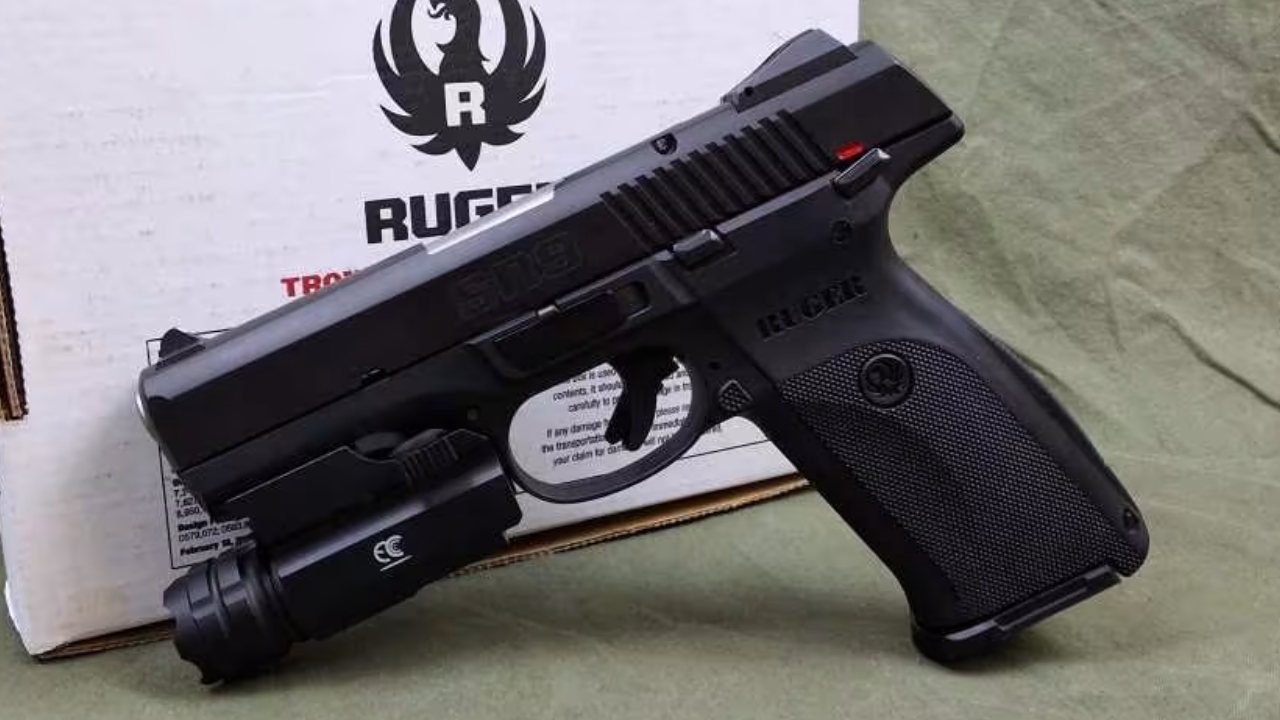
The SR9 isn’t the first gun people think of for abuse tolerance, but it holds up well under fouling. The pistol’s firing system and extractor maintain function even when the gun is dry or heavily carboned. Once broken in, the SR9 deals with residue better than its reputation suggests.
In extended range days, the SR9 keeps feeding when cleaner guns start getting sluggish. The barrel lockup handles some fouling without major issues, and the gun’s overall design keeps debris from stopping the cycle. You can let it run harder and dirtier than most people expect.
Springfield XD Service Model
The XD’s internal design and large locking surfaces make it steadier under fouling than many striker-fired guns. Once the gun has been run enough to smooth out the rails, it stays reliable even when residue collects around the chamber or backend of the slide. Its extractor also maintains solid tension despite buildup.
Shooters who’ve used XDs in extended training often talk about how they run deep into the day without cleaning. Dust and carbon don’t choke it easily, and it maintains consistent ejection and feeding long after most pistols want fresh lube.
SIG Sauer P229
The P229’s compact size and hammer-fired system allow it to keep cycling when debris builds up, and many shooters find it settles into smooth operation once it’s seen some hard use. As carbon collects, the gun still closes into battery with authority, and the locking system doesn’t rely on extremely tight tolerances.
You’ll see P229s in training programs where guns get used far more than they get cleaned. The pistol keeps feeding through fouling, and its extractor continues to function reliably despite grime. With a little wear, the P229 becomes one of those handguns that feels unstoppable even when dirty.
Like The Avid Outdoorsman’s content? Be sure to follow us.
Here’s more from us:
The worst deer rifles money can buy
Sidearms That Belong in the Safe — Not Your Belt
*This article was developed with AI-powered tools and has been carefully reviewed by our editors.