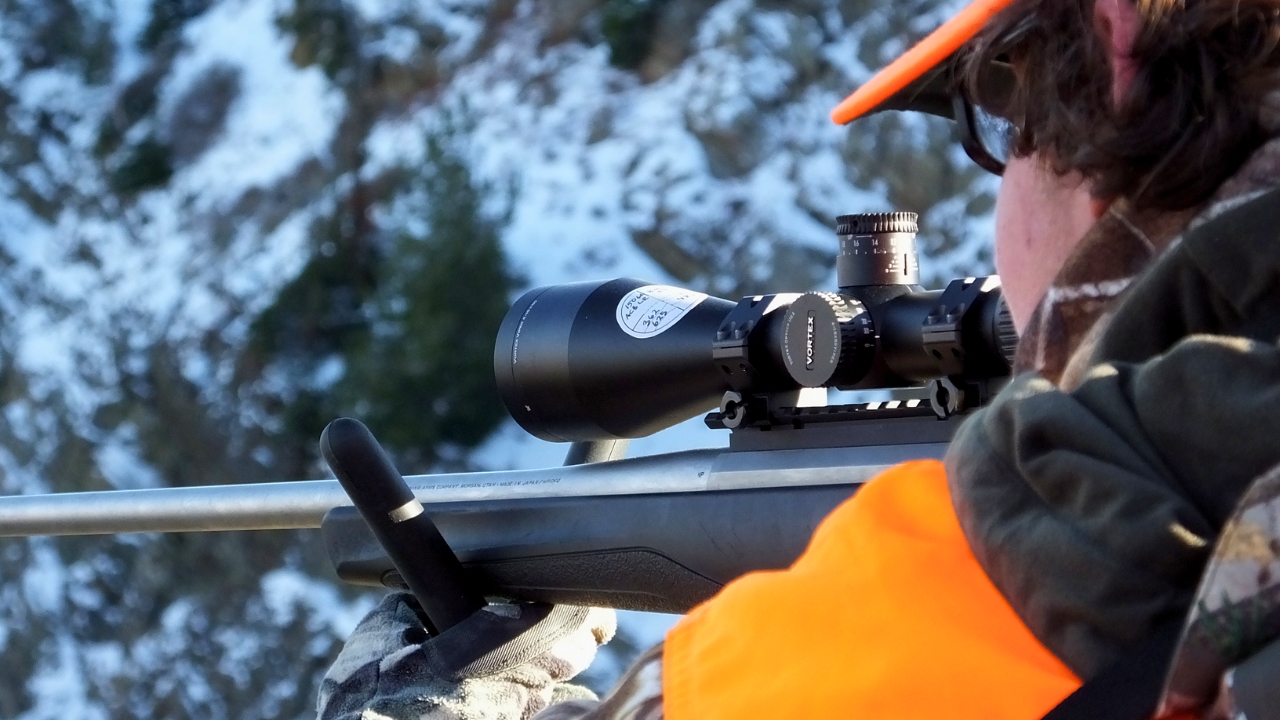
Photo credit: Browning
You’ve probably heard the same tired lines at the range or read them in a forum thread that won’t die. Stainless barrels are always more accurate. They don’t rust. They last forever. It’s tempting to take all that at face value, especially when a buddy swears by his fluted stainless rig and shows you a tight group from three years ago. But if you’ve spent enough time behind different rifles, especially in the backcountry or on a wet bench, you know reality doesn’t match the brochure. Stainless barrels have strengths, sure—but they’re not magic. Some of what gets repeated the most is flat-out wrong. If you’re serious about rifles that perform in the real world, it helps to know what stainless steel actually does—and doesn’t—bring to the table.
Stainless barrels are always more accurate
This one gets passed around like it’s gospel, but it’s only half true on a good day. Stainless barrels can be more consistent to machine and finish, which sometimes leads to tighter tolerances. But that doesn’t mean every stainless barrel is a tack driver. Plenty of carbon steel barrels outshoot them every weekend. Accuracy has more to do with how the barrel is made—button rifled, cut rifled, hand-lapped, chambered right—than the metal used. Stainless might give a good gunsmith more room to work, but it’s not a shortcut to groups you can brag about.
You’ll never have to worry about rust

Plenty of folks think “stainless” means “rustproof,” but it doesn’t. Stainless steel is more resistant to corrosion, not immune to it. Throw a wet rifle in your truck after a foggy hunt, don’t clean it for a week, and you’ll see exactly what stainless can’t handle. Worse, when stainless does rust, it can pit deeper and uglier than some carbon barrels. You still need to oil them, store them dry, and treat them like any tool you expect to trust when it counts.
Stainless barrels last forever
The myth that stainless barrels outlast everything else falls apart fast if you shoot hot and often. Stainless does offer better heat resistance in some contexts, but it also erodes faster at the throat when you run magnums or crank out strings at the range. Barrel life depends on chamber pressure, bore diameter, and your cleaning habits—not just the steel. A well-used stainless barrel can be toast in under a thousand rounds if you’re not careful, especially on hot loads.
They handle heat better than anything else

Stainless barrels don’t magically cool faster. That’s a materials myth that keeps hanging on. In fact, stainless has lower thermal conductivity than chrome-moly steel, so it retains heat longer. On a hot bench or in the prairie dogging sun, that matters. A hot barrel that holds heat also holds your group hostage, especially when it starts to walk. Stainless might be more stable under heat, sure, but it doesn’t shed it any quicker. Don’t confuse that with “running cooler.”
You never have to break them in
A lot of stainless barrels feel smoother out of the box, especially if they’ve been lapped. But that doesn’t mean you skip break-in altogether. Rough spots, tight spots, and machining chatter still show up in factory tubes—yes, even in stainless. If you want consistent cold bore shots and tighter groups over time, breaking in the barrel right still matters. And if you skip it, don’t act surprised when the groups shrink after 100 rounds. That “magic” accuracy was probably just your bore finally smoothing out.
Stainless is only for benchrest shooters

Some hunters think stainless barrels are delicate, or that they only belong on range toys with heavy stocks and high-end glass. That’s nonsense. Plenty of backcountry rifles ride stainless barrels because they stand up better to snow, rain, and neglect. You’ll see stainless in Alaska, chasing elk, and on hog guns that live in UTVs. It’s not just a benchrest thing—it’s a practical choice for rough environments. Just don’t assume that makes them perfect or that you can treat them like a shovel.
All stainless barrels are created equal
“Stainless” covers a range of alloys, and not all of them shoot or wear the same. Most rifle barrels use 416R or 410 stainless, which are easier to machine and more stable under heat. But not every manufacturer gets the heat treatment or tolerances right. One company’s 416R might shoot lights-out. Another’s might foul like crazy or split cases. Don’t buy into the myth that stainless is some kind of universal upgrade. If the maker cuts corners, the barrel’s going to show it, steel type aside.
Like The Avid Outdoorsman’s content? Be sure to follow us.
Here’s more from us:
The worst deer rifles money can buy
Sidearms That Belong in the Safe — Not Your Belt
*This article was developed with AI-powered tools and has been carefully reviewed by our editors.