Photo credit: Heavy Metal Guns/YouTube
When you’ve been shooting long enough, you’ve probably owned—or at least seen—a pistol that behaves perfectly on the kitchen table and then falls apart the moment you step onto a real range. Dry cycling feels smooth, the slide snaps cleanly, and everything looks right. But once live ammo gets involved, the flaws show up fast. Some pistols hate heat, some choke on common loads, and others reveal fit-and-timing issues you’d never notice until the gun actually has to run. These are the handguns that act reliable in the quiet of your home but prove unreliable when asked to perform.
Smith & Wesson SD9 VE

The SD9 VE often feels fine during basic handling, but once you put real rounds through it, the trigger and cycling issues show up fast. Many shooters notice light strikes, sluggish resets, or problems chambering certain ammo. At home, everything seems smooth enough—you rack it, dry fire it, and it feels like it should run.
The trouble starts during longer strings at the range. Heat exposes tolerance inconsistencies, and the trigger’s gritty break doesn’t help with follow-ups. It’s a pistol that acts ready on the bench but makes you second-guess it once the brass starts flying.
Taurus PT111 G2
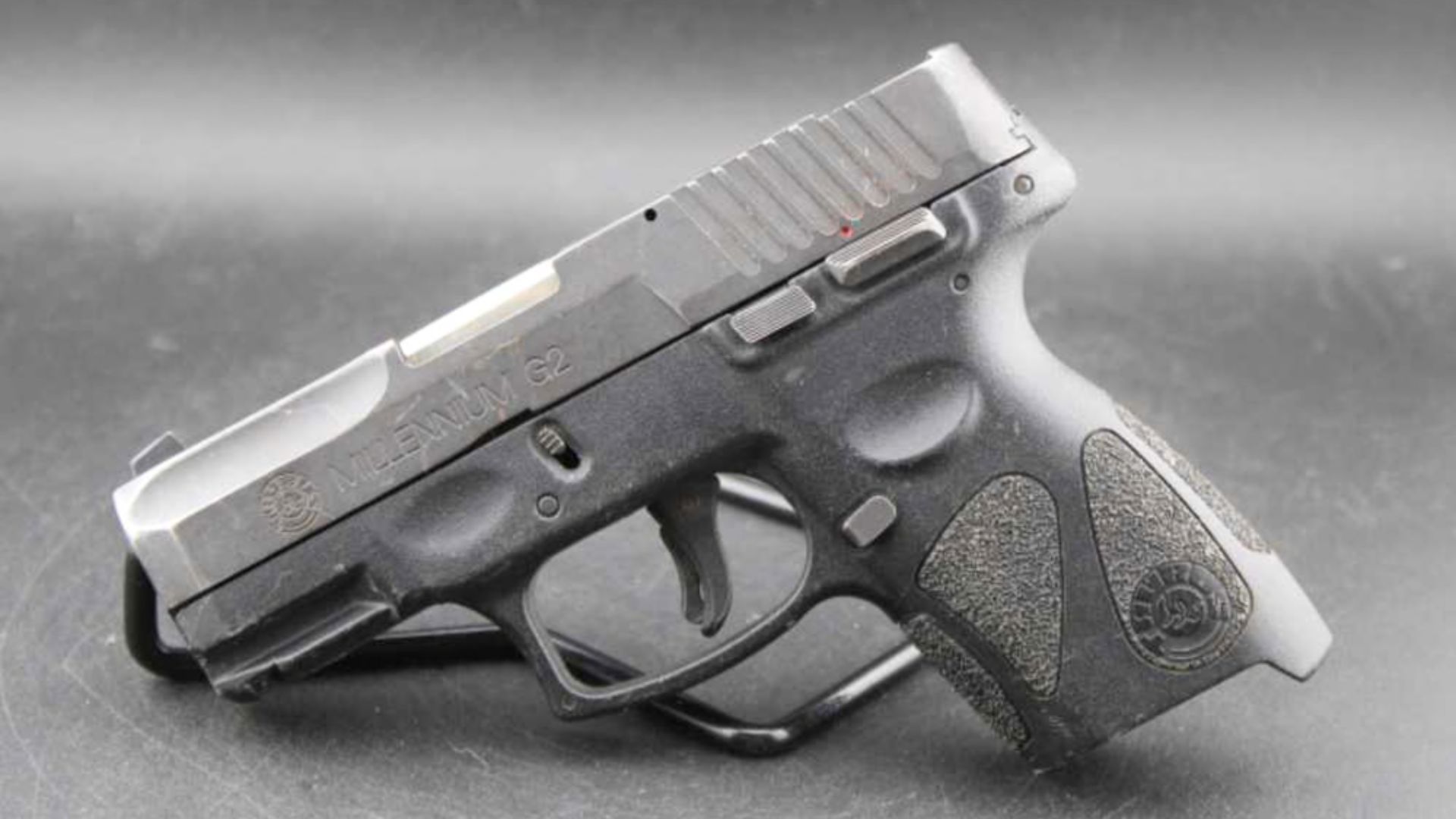
The PT111 G2 earned a reputation for being surprisingly workable, but it still struggles when pushed beyond slow, controlled shooting. At home, the slide feels fine and the trigger seems manageable. Once you bring it to the range and run mixed ammunition, failures to feed and erratic lockup start appearing.
Many shooters report that dirt, heat, and rapid firing expose issues the gun hides during light handling. It’s a pistol that looks good for the price, but when it’s time to run drills or push tempo, the reliability gap becomes clear.
Bersa Thunder 380
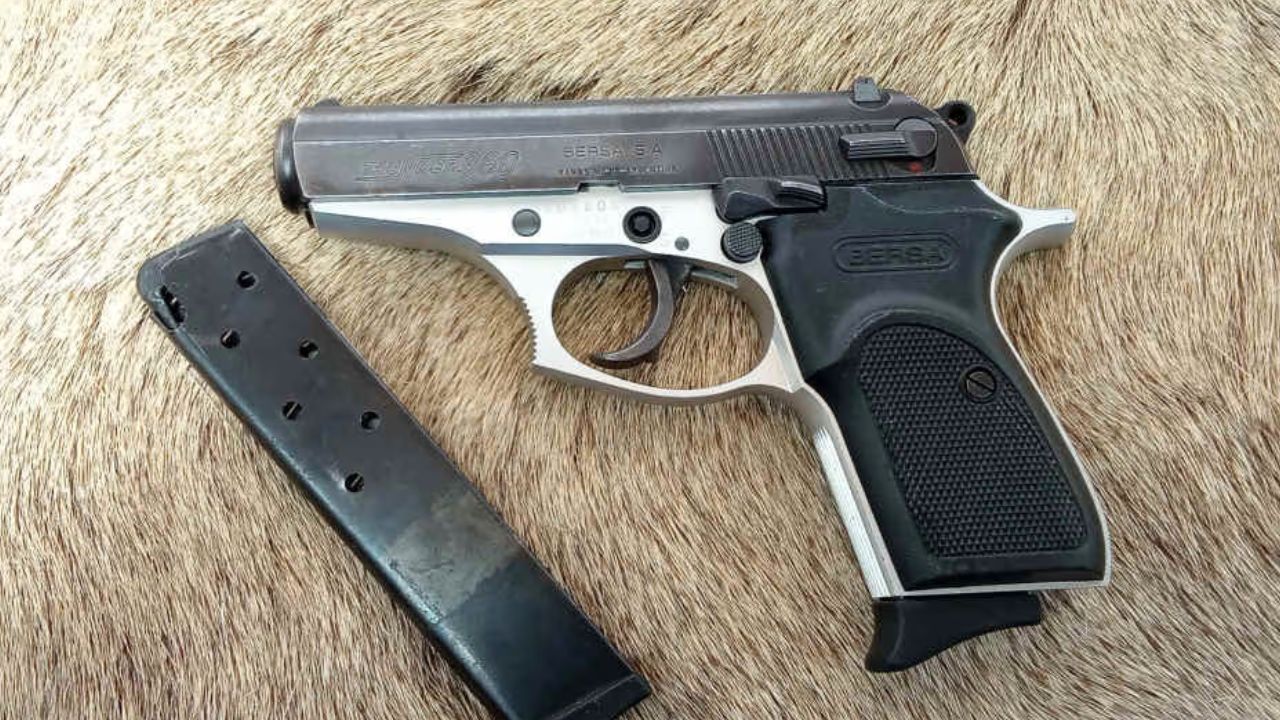
The Bersa Thunder 380 handles like a friendly little gun at home—easy slide, smooth DA pull, and solid ergonomics. But at the range, it can become picky about ammunition and lubrication. Many shooters experience failures to eject or feed after the gun warms up or becomes slightly dirty.
The simple blowback design magnifies ammo sensitivity, especially with budget .380. What feels like a dependable carry option when you’re dry-firing in the living room becomes a different story once you’re on the firing line and your hands and sights aren’t the only things heating up.
Walther CCP
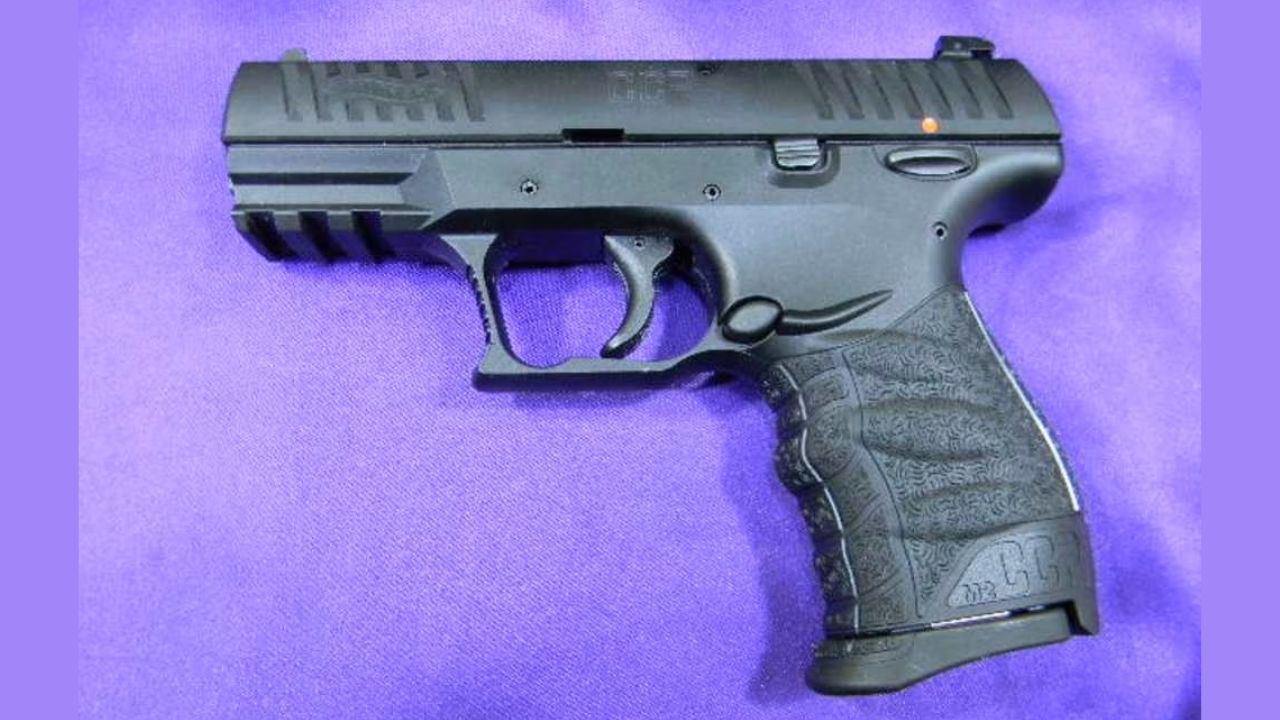
The first-gen CCP gives you the impression of a refined pistol when you rack it, handle it, and dry fire. But at the range, the gas-delayed system proves sensitive to fouling and ammunition. Many users struggle with failures to extract as soon as the gun warms up.
Field-stripping is notoriously finicky, which means most shooters don’t clean it well enough to keep it running under real use. It’s a pistol that feels modern and well-mannered at home, but real-world conditions reveal how unforgiving its design can be.
SIG Sauer Mosquito

The Mosquito looks and feels like a scaled-down SIG, and at home it gives the impression of quality. But the pistol is notoriously ammo-sensitive at the range, especially with bulk .22 LR. Failures to feed, stovepipes, and light strikes are common once you start shooting for real.
The gun often runs only with hotter loads, which defeats the purpose of owning a .22 for practice. What feels like a reliable training tool when racked and examined quietly proves far more temperamental once live fire begins.
Ruger SR22

The SR22 seems smooth and user-friendly during handling, but rapid use at the range exposes quirks. While many examples run fine, others struggle with certain lower-powered ammunition and start showing failures once the gun gets dirty.
At home, everything cycles cleanly because there’s no fouling or heat involved. On the range, you see how quickly a lightweight rimfire pistol can gum up. When performance depends heavily on ammo quality, reliability becomes inconsistent at best.
KelTec PF9
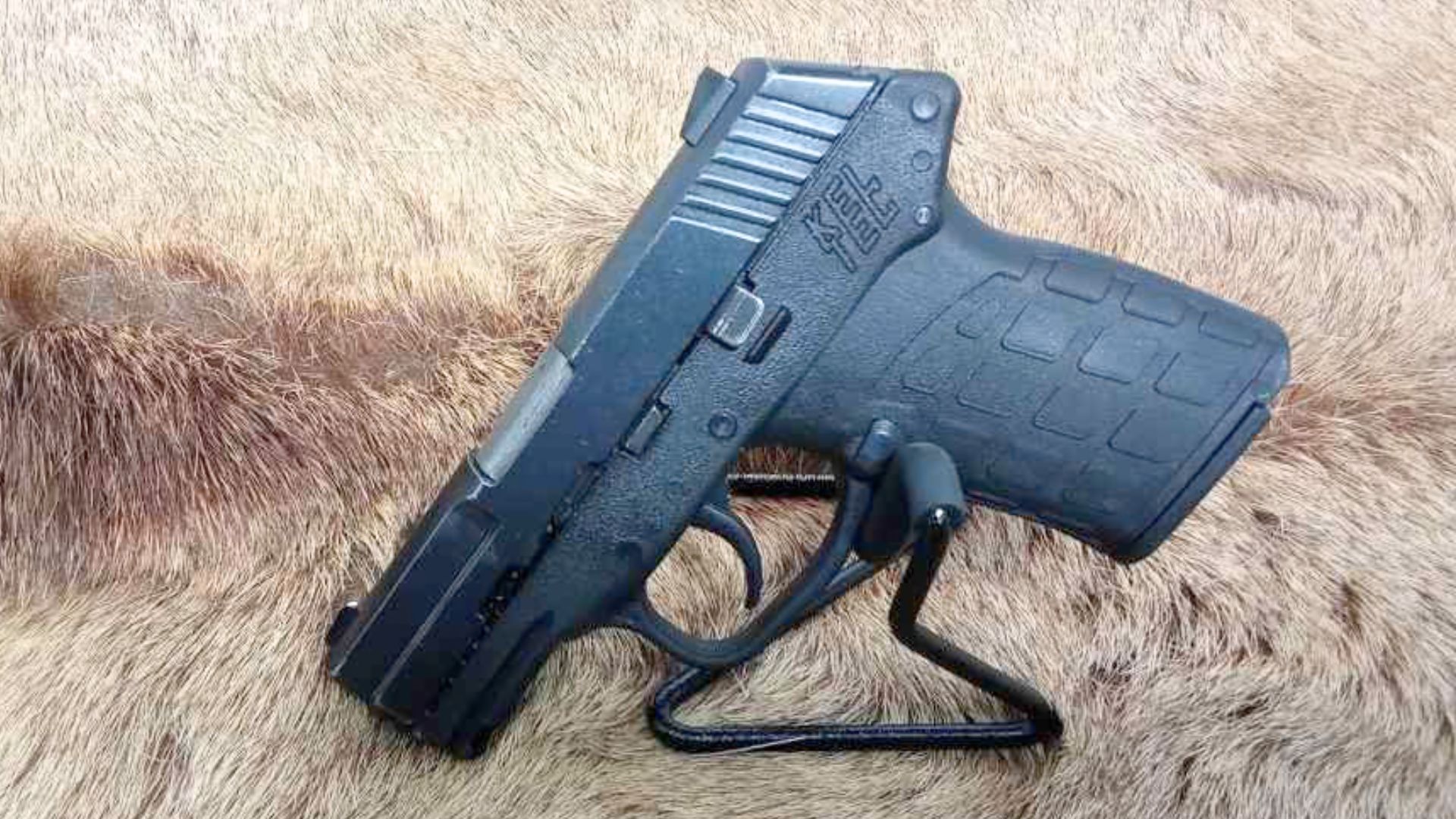
The PF9 feels like a practical, lightweight carry option when you hold it or dry-fire it. But on the range, its harsh recoil impulse and tight tolerances often lead to feeding issues, premature wear, or slide-lock malfunctions.
Shooters routinely report that once the gun heats up, it becomes harder to keep cycling smoothly. The PF9 is a perfect example of a pistol that feels fine at home but shows its limitations as soon as you run more than a magazine or two.
SCCY CPX-1

The SCCY CPX-1 handles cleanly in the hand, and its double-action trigger seems manageable during dry practice. The issues start once you run live ammo. Feed ramp geometry, magazine fit, and recoil spring tension combine into frequent failures with common 9mm loads.
It looks and feels like it should perform better than it does. But rapid fire and heat quickly show how sensitive it is to grip pressure and ammo variation. At home, it’s steady; at the range, it becomes unpredictable.
Kimber Solo

The Kimber Solo feels flawless during basic handling—tight fit, premium finish, smooth slide. But on the range, it becomes one of the most ammo-sensitive pistols ever made. Many examples only run reliably with specific, high-pressure loads.
Once you deviate from that narrow menu, failures start stacking up. It’s a pistol that lures you in with feel and appearance, then disappoints the moment you actually expect it to function outside a controlled environment.
Kahr CW380
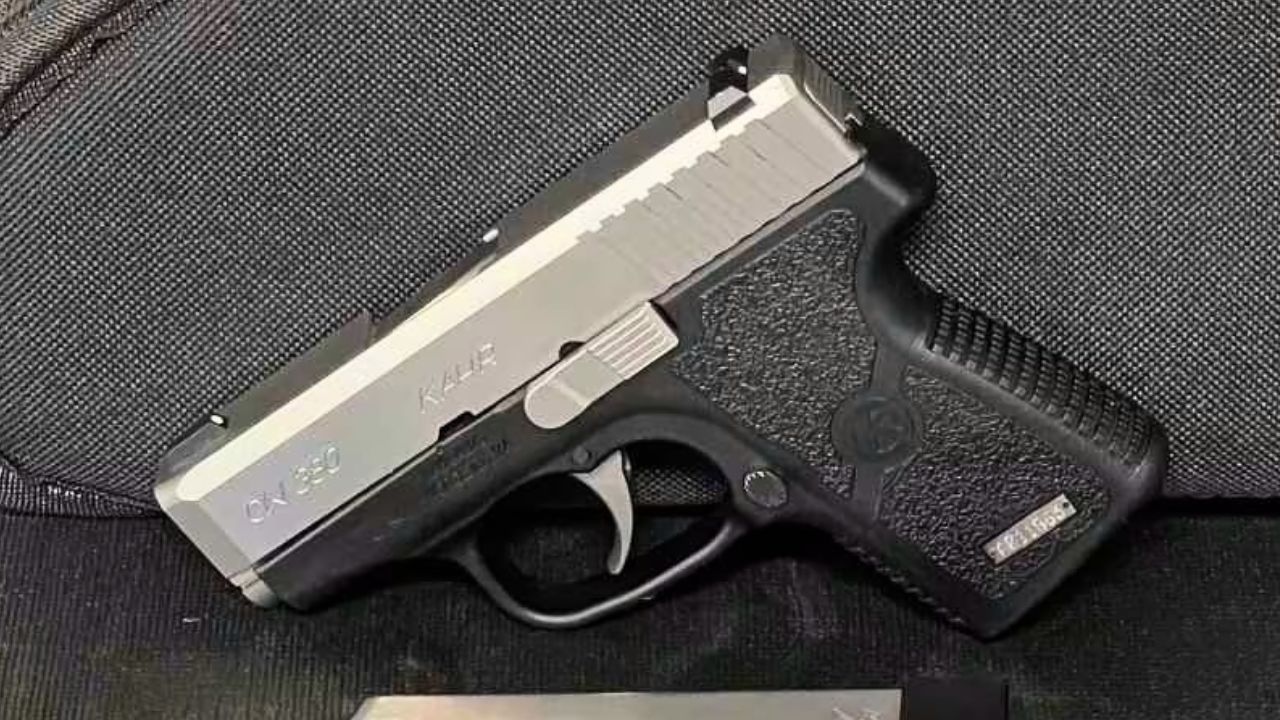
The CW380 cycles smoothly at home and feels well put together. But during real shooting, short-stroke issues and feed problems are common, especially with cheaper ammo. The tiny slide and stiff spring make it very sensitive to grip tension.
You don’t notice any of those weaknesses while dry handling. Only at the range—when recoil, heat, and hand fatigue enter the picture—do the inconsistencies show up. It’s more demanding than its calm ergonomics suggest.
Remington R51

Handling the R51 at home, you’d never guess how unpredictable it would be at the range. The Pedersen action feels slick, the trigger seems crisp enough, and the frame has a comfortable profile. But during live fire, early models suffered multiple types of malfunctions.
Heat and fouling amplified extraction and feeding problems, making the pistol difficult to run through even a full box of ammo without issues. It’s a classic case of engineering that looks promising until real-world pressures expose flaws.
Taurus Spectrum

The Spectrum looks modern and feels smooth during basic handling. Dry-fire gives you the impression of a mild-mannered pocket gun. But at the range, it tends to choke on common .380 loads and struggles to maintain consistent cycling.
Its minimalistic design makes it sensitive to ammunition differences, and the small grip can contribute to limp-wrist-related failures. What feels fluid in your hands at home often falls apart once the pistol starts heating up.
Beretta Pico
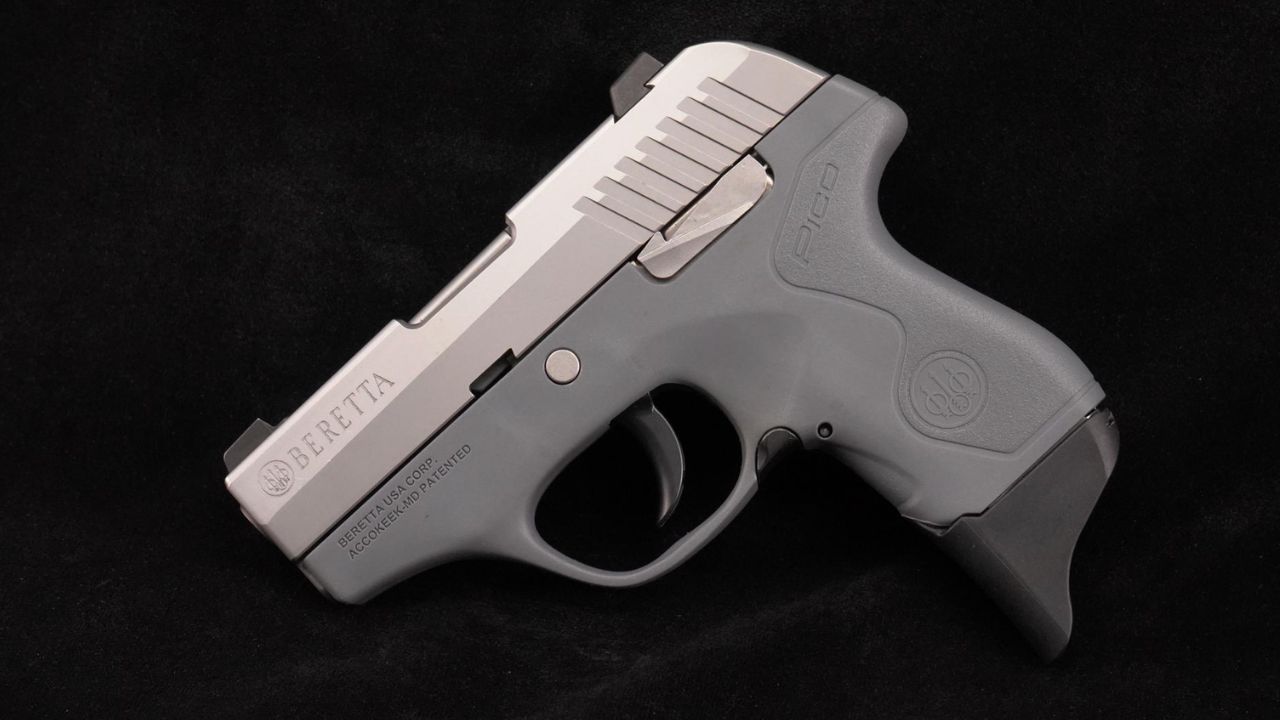
The Pico is famously snag-free and pleasant to handle, but it’s also incredibly picky about ammo. At home, you won’t see any issues—you rack it, dry fire it, and everything seems in order. But live-fire exposes the limited tolerance window.
Many shooters find that only a narrow range of loads cycle consistently. As soon as you deviate, the gun begins to struggle with feeding and extraction. It’s a range-time letdown for a pistol that looks reliable on the surface.
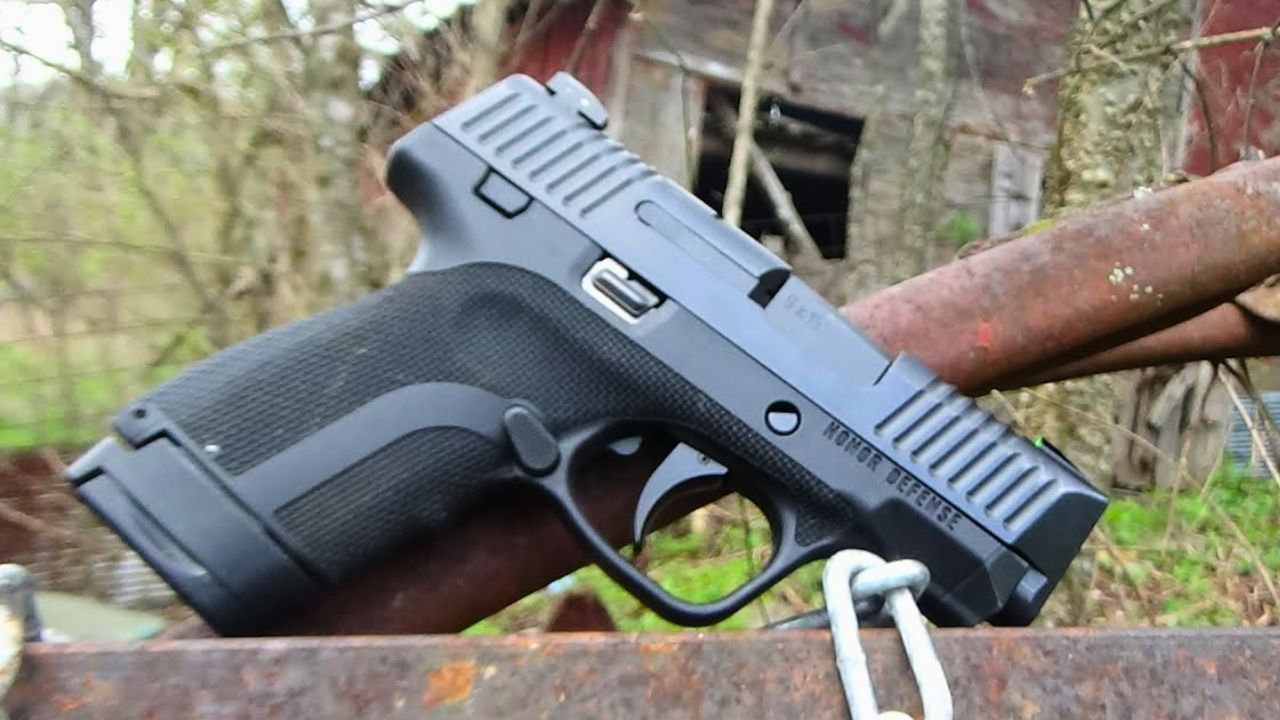
Honor Defense Honor Guard
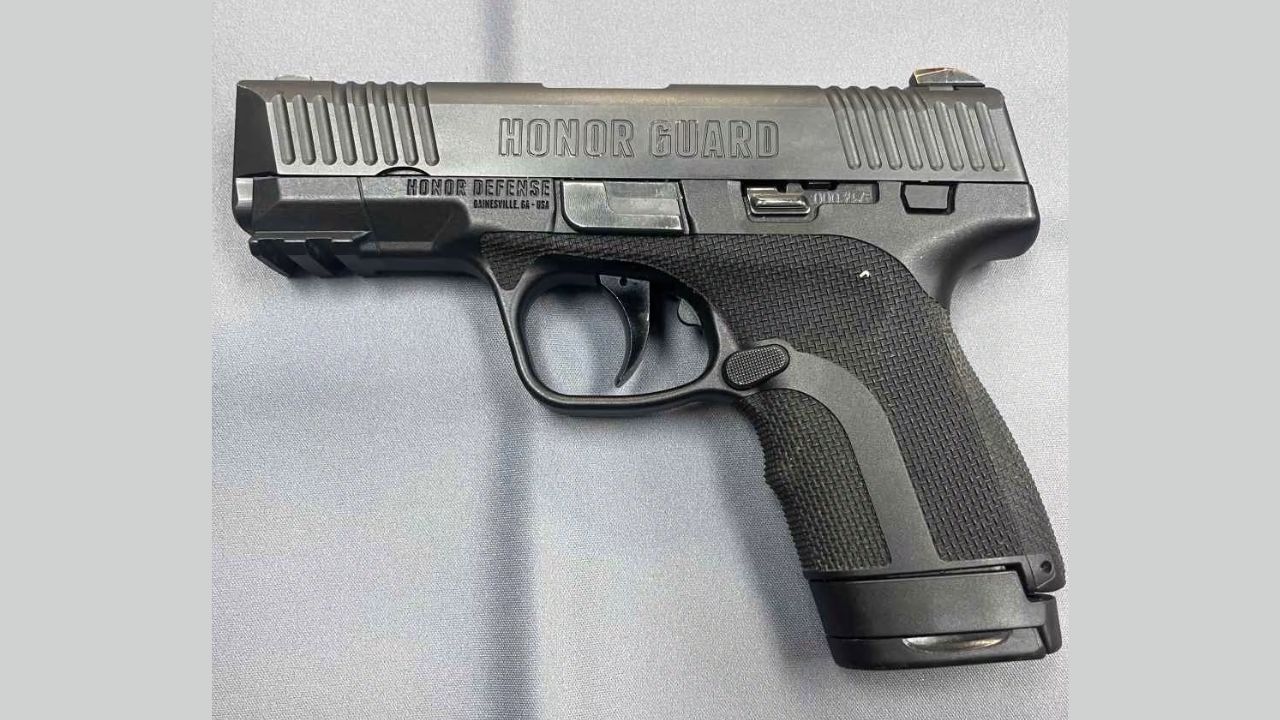
The Honor Guard feels sturdy and well-machined when you first handle it. But once you start shooting, the slide timing and recoil system can show weaknesses, especially when running lighter ammunition.
Failures aren’t uncommon, and heat often makes the gun more finicky. At home, it inspires confidence. At the range, it proves that initial impressions don’t always translate into performance once the gun actually has a job to do.
Colt Mustang Pocketlite

The Mustang Pocketlite is charming and smooth during handling, but many users struggle with inconsistent feeding during live fire. The lightweight frame amplifies the effects of small grip shifts, and certain hollow points cause nose-dive issues.
At home, none of this is visible. Everything cycles cleanly and feels controllable. But put it on the range, and the limitations of a lightweight micro-.380 show up quickly, especially once the gun starts to warm.
Like The Avid Outdoorsman’s content? Be sure to follow us.
Here’s more from us: