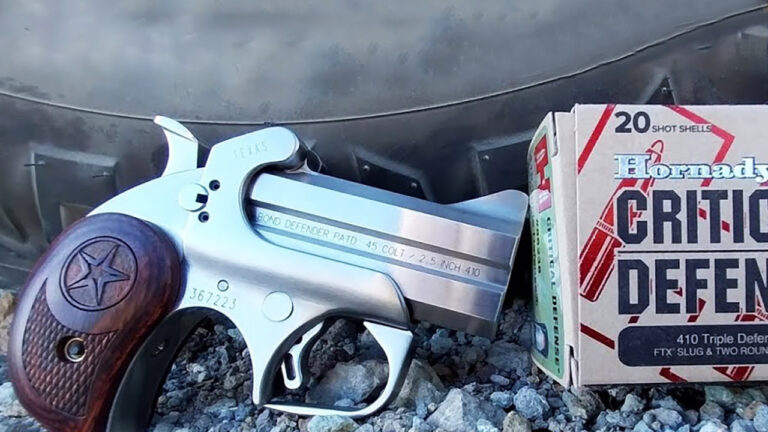
Photo credit: WHO_TEE_WHO/YouTube
When you’ve been around rifles, handloads, and ammo shortages long enough, you know there are certain calibers that drain money faster than they deliver results. Some burn through barrels, some cost absurd amounts per box, and others never perform well enough to justify the price of feeding them. You keep waiting for the payoff, thinking the next load will finally shoot the way everyone online swears it does—but it never comes. These are cartridges that make you feel like you’re funding a science project instead of filling a freezer or gaining field experience.
.338 Lapua Magnum

The .338 Lapua Magnum is a powerhouse, but most shooters never get close to the distances where it shines. You end up paying premium prices for ammo that’s hard to find, heavy to haul, and punishing during long sessions. The cartridge is accurate, but only if you’re willing to sink time and money into tuning rifles and handloads.
For most hunters, the Lapua becomes a caliber they shoot once or twice a year because each trigger pull feels like dropping cash in a bucket. The performance is real, but unless you have access to long-distance ranges, it’s money spent without much return.
.300 Weatherby Magnum

The .300 Weatherby Magnum has impressive speed, but that extra velocity comes at a serious cost. Factory ammo is expensive, and handloading often requires specific powders to keep pressures under control. Even then, barrel life tends to fade faster than many shooters expect.
While the cartridge performs well on game, you’ll spend a small fortune practicing with it. Most hunters eventually scale back because keeping the rifle dialed in costs more than they want to admit. It delivers power, but the ongoing expense makes it tough to justify for regular use.
.257 Weatherby Magnum

The .257 Weatherby Magnum is known for blistering speed, but that velocity eats barrels and ammo budgets alike. Shooting it regularly means committing to powder-heavy loads and premium bullets that aren’t cheap. The cartridge is flat-shooting, but the price of keeping it fed adds up fast.
You’ll also find that the best accuracy often comes from expensive, high-end projectiles. By the time you’re tuned in, you may realize you’ve spent more on ammo than on the rifle. It’s fun while it lasts, but your wallet takes the hardest hit.
.28 Nosler

The .28 Nosler promises standout long-range performance, but it’s one of the most expensive non-exotic cartridges to shoot consistently. Ammo prices can make you second-guess every shot, and handloads burn a surprising amount of powder per round.
Barrel life is another hidden cost. Many shooters watch accuracy fade earlier than expected, forcing rebarrels sooner than with more traditional magnums. You get speed and reach, but the bill attached to it never seems to end.
.300 Remington Ultra Magnum
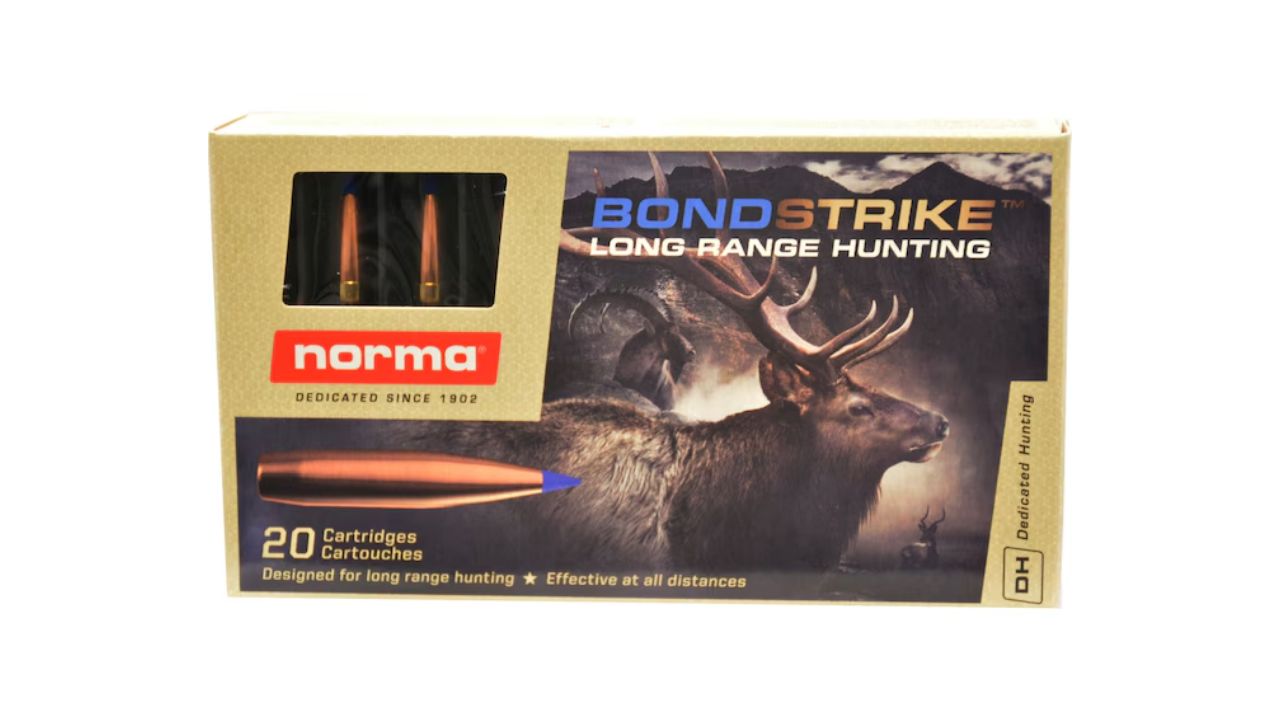
The .300 RUM delivers serious energy, but it’s one of the most powder-hungry cartridges you can load. Every shot sends money downrange, and factory ammunition prices reflect that. Many rifles require extensive tuning to get repeatable accuracy, which only adds to the cost.
While it hits hard, few hunters truly need its performance. Most spend more time trying to manage recoil and ammo costs than enjoying the rifle. It’s a caliber that asks for big investment and rarely pays it back unless you’re hunting huge game regularly.
.26 Nosler

The .26 Nosler debuted with impressive numbers, but shooters quickly learned those speeds require huge powder charges that wear barrels quickly. Factory ammo is far from affordable, and even handloaders notice how fast components disappear.
Accuracy can be excellent, but maintaining that accuracy means replacing barrels sooner than expected. Many hunters eventually shelve the rifle because keeping it tuned becomes a steady financial drain. On paper it’s impressive; in practice it’s pricey.
.375 H&H Magnum

The .375 H&H Magnum is a respected cartridge worldwide, but if you’re not actually hunting dangerous game, it becomes a costly caliber to maintain. Ammo is expensive, heavy, and not always stocked in local stores. Practicing enough to stay proficient takes commitment and cash.
It’s a cartridge with heritage, but for most shooters it becomes something they admire more than they shoot. Spending that much for minimal practical return makes it one of the easier calibers to overspend on.
.458 Lott
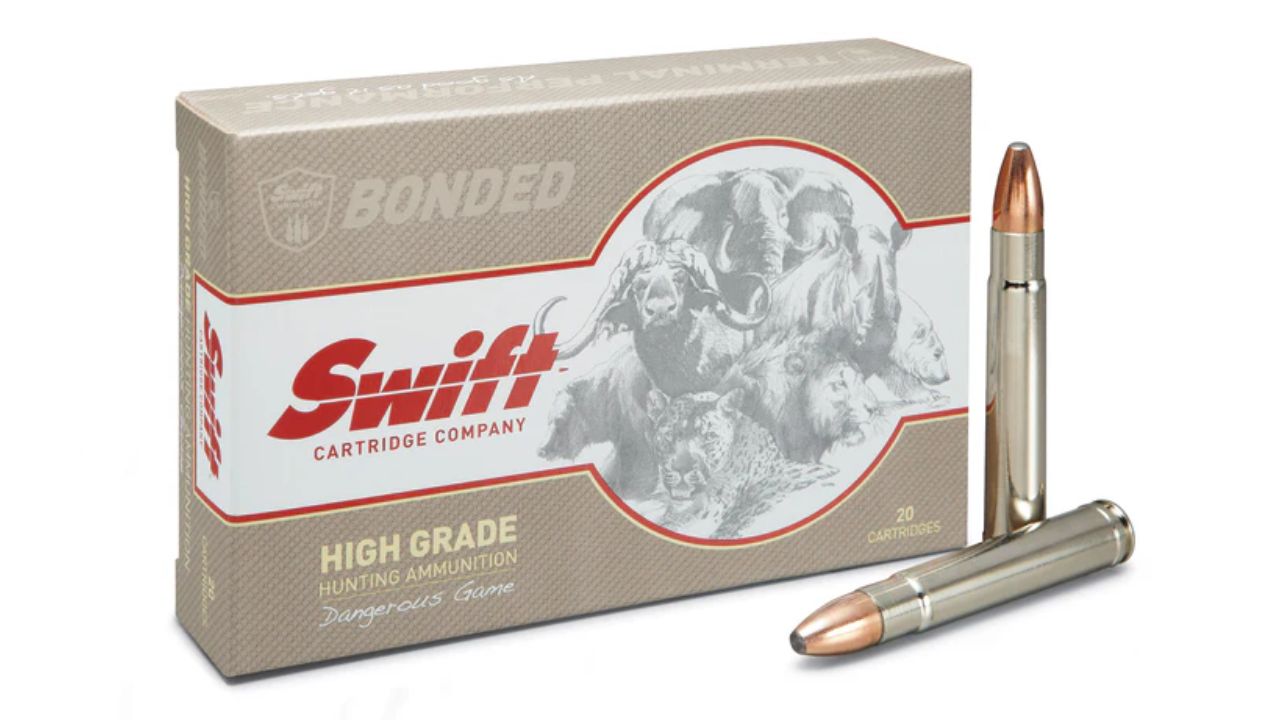
The .458 Lott offers serious stopping power, but the real cost comes in both ammo and recoil management. Factory loads are expensive, and handloading still requires pricey bullets and significant powder. Most shooters simply don’t fire it enough to justify the investment.
Unless you’re preparing for dangerous game, you’ll struggle to find real-world value for the money spent. The rifle becomes something you take out for a few rounds, then put away before your shoulder or wallet complains.
.50 Beowulf

The .50 Beowulf promises big-bore fun from an AR platform, but the ammo prices quickly surpass the novelty. With limited factory offerings and expensive components, you pay more per round than many precision calibers.
Performance on game is fine within its range, but the high cost of practice means you rarely shoot it enough to stay sharp. Many owners learn that the cartridge is more of a conversation piece than a regular-use tool.
.450 Marlin

The .450 Marlin offers big performance, but ammo availability and price make it tough to shoot consistently. Factory ammunition isn’t cheap, and some areas barely stock it at all. You often end up special-ordering boxes that cost more than you planned.
It works well on large game, but if you’re not hunting animals that require that kind of punch, the cost outweighs the benefit. Most shooters eventually find themselves relying on other calibers that offer better value.
.270 Weatherby Magnum

The .270 Weatherby Magnum splits the difference between speed and cost, but even that middle ground gets expensive fast. Factory ammo isn’t widely stocked, and the best loads often come with premium bullets that raise the price further.
Accuracy is usually good, but tuning the cartridge for consistent results isn’t cheap. By the time you’re dialed in, you may realize your budget would stretch further with a more conventional .270.
.220 Swift
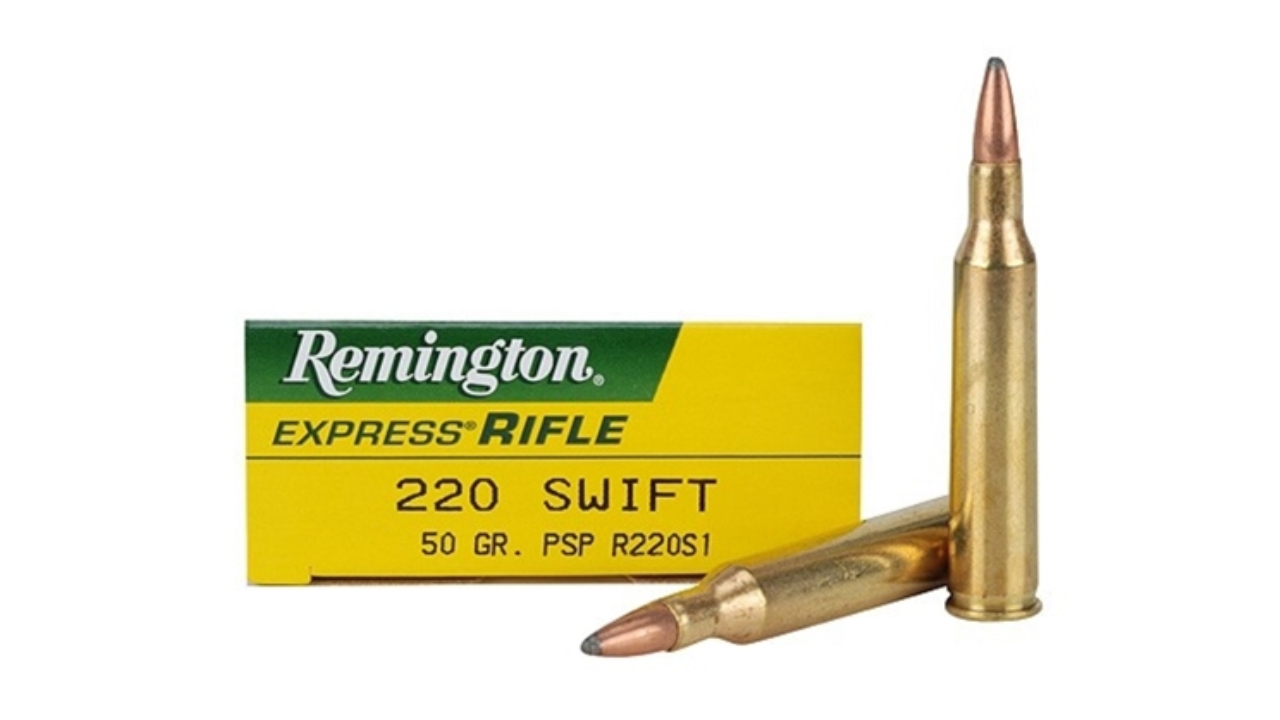
The .220 Swift is fast and fun, but it burns barrels and demands premium bullets for predictable accuracy. Even with careful handloading, you’ll see throat erosion sooner than with newer small-caliber options.
You can absolutely make it shoot, but the hidden costs pile up. Rebarreling isn’t cheap, and shooting it enough to stay consistent accelerates the wear. Many shooters eventually move to more efficient cartridges that give similar performance at a lower overall cost.
.17 Remington

The .17 Remington delivers impressive speed in a tiny package, but it burns through cleaning supplies and components quickly. Fouling builds fast, accuracy drops quickly, and keeping it shooting well takes attention and money.
Factory ammo isn’t cheap, and handloading requires meticulous work. The cartridge can be incredibly effective on small game, but many shooters give up on it once they realize how much maintenance and cash it demands.
.375 Ruger
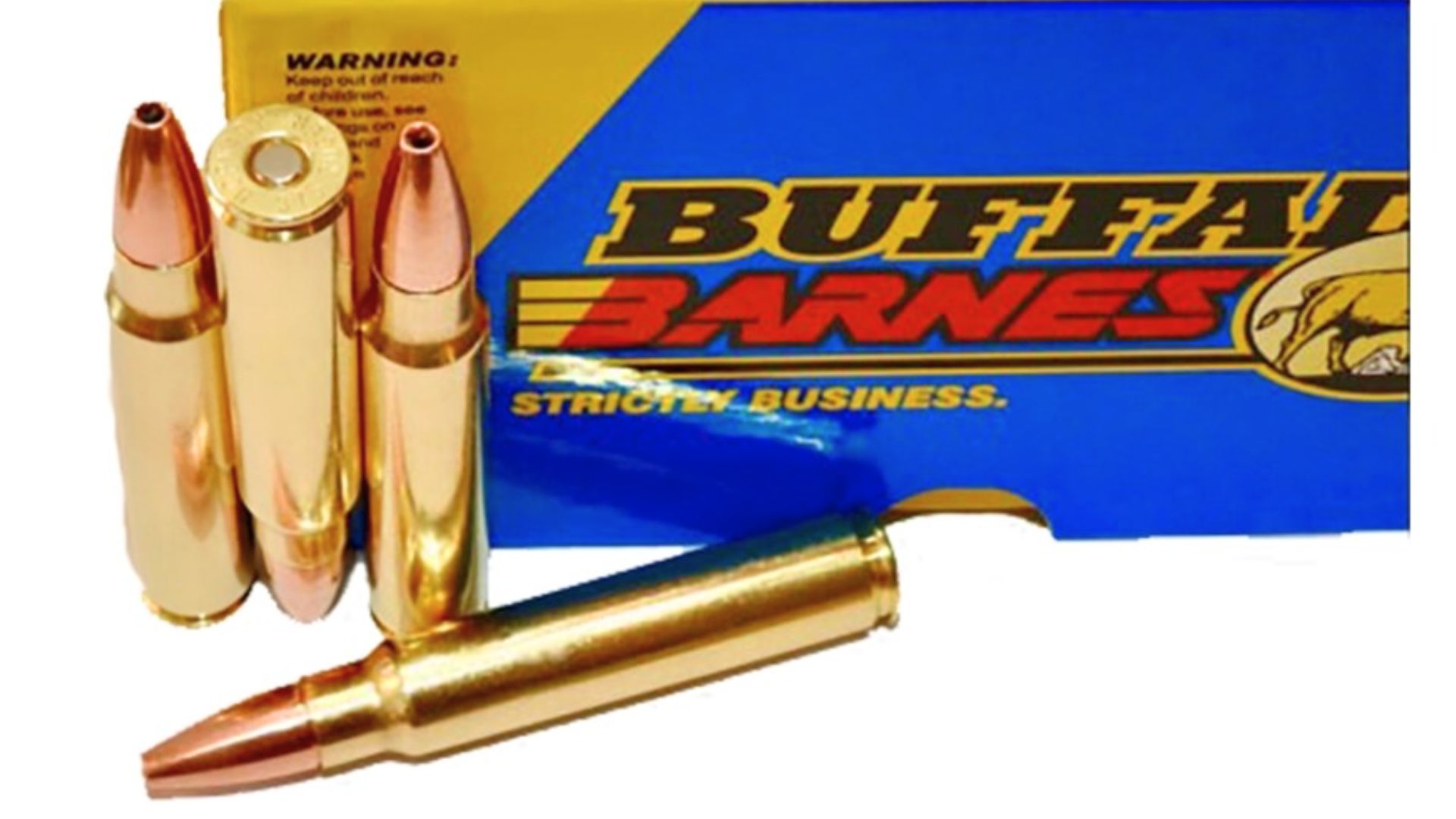
The .375 Ruger gives you modern performance, but ammo prices are steep and not always easy to find. Even handloading requires expensive components, and the cartridge’s recoil makes long practice sessions tough.
If you’re not using it for dangerous game, the cost becomes difficult to justify. Many hunters keep the rifle but cut back on shooting because each session feels like an investment.
.300 PRC

The .300 PRC offers excellent long-range capability, but it’s one of the more expensive modern cartridges to shoot consistently. Premium bullets, large powder charges, and high-end rifles all combine into a hefty ongoing cost.
The cartridge shines at distance, but very few shooters have access to ranges where they can use its full capability. Without that reach, it becomes a caliber that consumes money without providing much return.
Like The Avid Outdoorsman’s content? Subscribe to our newsletter so you never miss an article.
Here’s more from us: