Photo credit: WHO_TEE_WHO/YouTube
Some calibers are a dream on the bench and a headache in the field. You take a shot, and before you can rack another, you’re eyeballing where that case bounced. It’s worse in tall grass or snow—one squeeze of the trigger, and you’re out two bucks in brass. It’s not always about the ammo cost, either. It’s the hunt getting interrupted, the pace breaking, and the rhythm going sideways because your rifle won’t hold onto anything it spits out. This isn’t just about reloaders. It’s about keeping your focus downrange, not crawling around in the dirt like you’re searching for dropped keys.
.204 Ruger
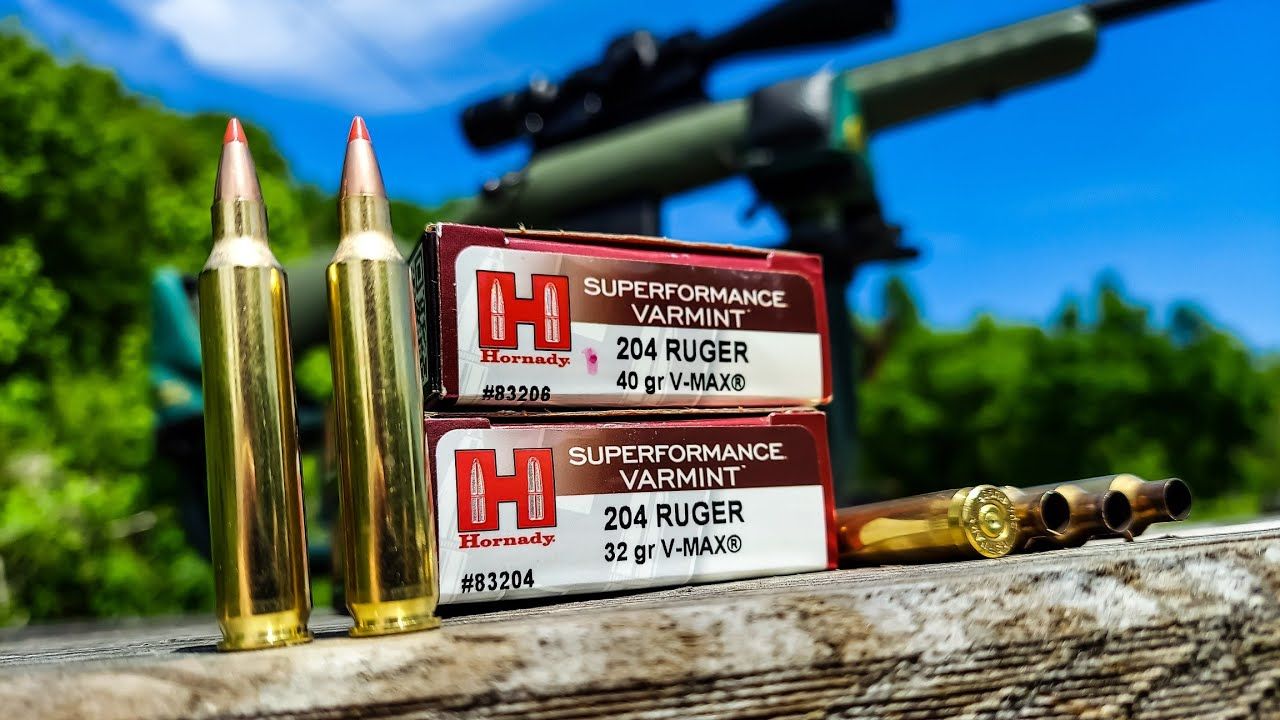
The .204 Ruger is laser-flat and fast, no doubt about that. But it’s also one of those rounds that loves to launch brass halfway to the next county. Even in bolt-actions, you’ll catch yourself watching the ejection arc instead of the target. It’s easy to lose track of brass when you’re dealing with wind or brush.
This caliber really shines on prairie dogs or coyotes from a bench, but field conditions change things. In a blind or leaning off a fence post, your focus breaks fast when your brass starts tumbling through dry leaves. It’s a reloadable round, but good luck finding more than half of it after a few shots.
5.7x28mm
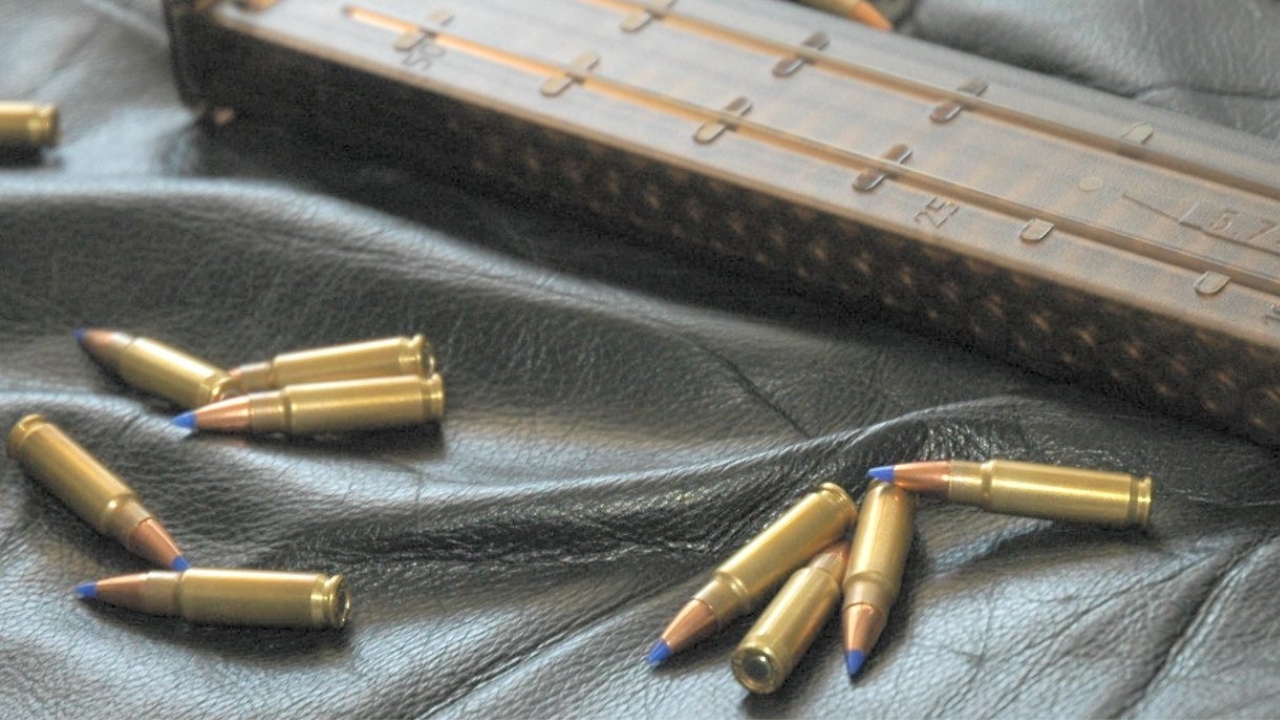
The 5.7x28mm gained traction thanks to lightweight pistols and PDW-style platforms. It’s zippy, but those tiny bottleneck cases fly fast and far. Worse, they’re small enough to vanish completely in even light cover or gravel. Blink, and they’re gone.
If you’re running something like a Ruger-57 or PS90, expect to hunt brass as much as you’re shooting. It’s a fun round for plinking or varmints, but outside clean, controlled environments, that high-velocity ejection gets frustrating real quick. You’re not getting many of those cases back unless you’re standing on concrete.
.338 Lapua Magnum
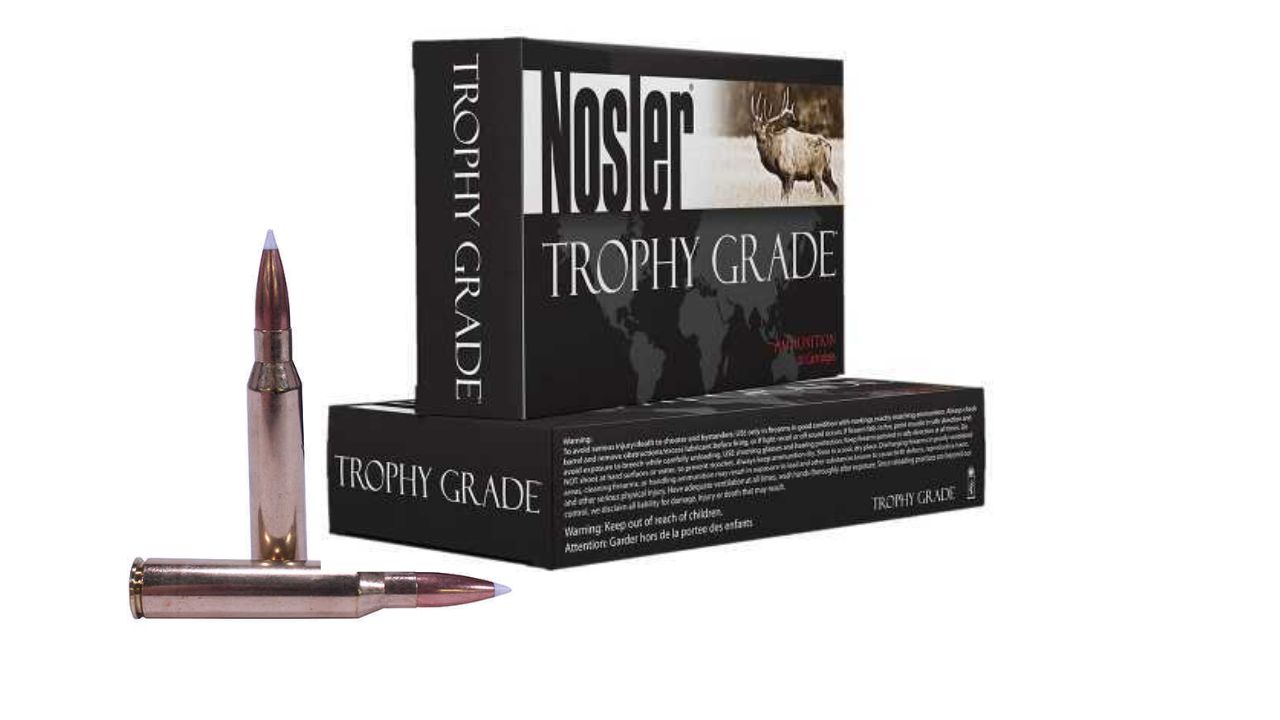
Nobody’s surprised this one throws brass like a catapult. The .338 Lapua is built for serious reach, and that kind of pressure kicks cases with authority. It’s one thing at a bench with a catch bag—it’s a different story prone in the grass at 7,000 feet.
You shoot, you spot your hit, and then you realize your brass is buried in sagebrush somewhere behind you. That wouldn’t matter if factory ammo wasn’t so expensive. Most reloaders want that brass back, but in many hunting scenarios, chasing it down can kill your momentum and your back.
7.62x39mm

If you’re running an AK or even an SKS, you already know what this round does. Brass doesn’t trickle out—it gets flung into the next zip code. These rifles weren’t designed with dainty recovery in mind. They chuck brass with gusto and very little consistency.
You might get one casing three feet to your right, and the next one ten feet behind you. For plinking? Who cares. For serious training or hunting, it gets old fast. And good luck trying to catch brass in the snow. The round itself is handy, but the brass retrieval? That’s a full-time job.
.300 Blackout (Supersonic Loads)

Subsonic .300 Blackout out of a suppressed bolt gun is tame and controlled. But go supersonic in a semi-auto, and things change. Brass starts flying with purpose, especially out of lightweight AR platforms with short barrels and aggressive gas setups.
The wide use of suppressors and adjustable gas blocks helps, but many off-the-shelf builds toss cases far and wide. If you’re running reloads or keeping count on high-end brass, good luck keeping up with it during drills or practice. You’ll spend more time on hands and knees than at the trigger.
10mm Auto

You’d think 10mm wouldn’t be that bad, but it can surprise you. Especially in pistols like the Glock 20 or 29, where the recoil impulse and slide speed work together to sling cases with zero mercy. They fly high, fast, and scatter unpredictably.
Out in the woods, you might get one to land at your feet and the next to bounce off a tree fifteen feet away. It’s a powerhouse for backwoods carry, but if you want to keep track of brass for reloading or analysis, bring a magnet or a good memory.
.280 Ackley Improved

The .280 AI is a favorite among handloaders for a reason—it’s efficient, fast, and hits hard. But those blown-out shoulders and sharp angles can make it tricky to keep brass from launching when you’re shooting off a rest or in field positions.
This round tends to run hot, and ejection energy is often high, especially in lighter rifles. You fire a shot at a distant elk and then spend ten minutes trying to figure out where the brass landed. If you’re the kind who likes to hang onto every piece, this caliber tests your patience.
.25-06 Remington

Flat-shooting and reliable, the .25-06 is a sweet spot for medium game. But most rifles chambered in it tend to have springy extractors and stiff ejectors. That combo means brass doesn’t politely roll out—it flies.
If you’re bench shooting, it’s easy enough to catch. But start climbing up into tree stands or kneeling behind brush, and those ejections turn into a treasure hunt. The brass itself isn’t too pricey, but it’s still frustrating to lose it every third shot because your rifle can’t keep things civil.
.22 TCM

The .22 TCM isn’t exactly common, but those who run it know the drill. It’s a screamer, and that velocity carries over to ejection. You’ll watch those tiny cases hit the ground and disappear like magic.
Even with a decent range mat, they bounce and roll out of reach. In low light or leaves, it’s hopeless. For reloaders, that’s a pain. And with ammo availability being spotty, losing brass means losing opportunities to load again. Fun round, but it’s not the easiest to live with in the field.
.223 WSSM
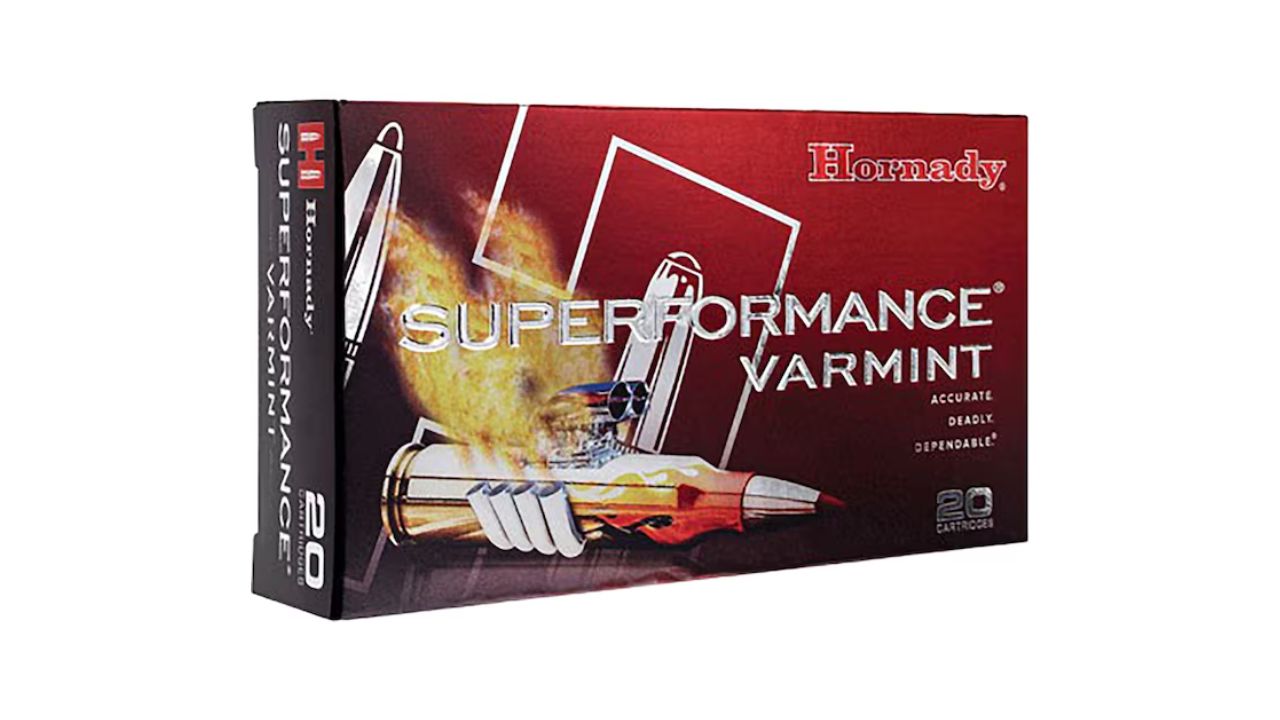
Winchester’s Super Short Mag series didn’t exactly light the world on fire, but the .223 WSSM had a niche following. What it also had was a bad habit of ejecting brass at blistering speeds. Even bolt guns running this round toss brass hard and high.
The short fat case design may help with efficiency, but recovery? Not so much. If you’re sitting on a limited stash of WSSM brass, every lost casing hurts. And chances are, you’re not finding more of it easily at your local shop. If you’re not using a catcher, you’re losing money.
.45 GAP
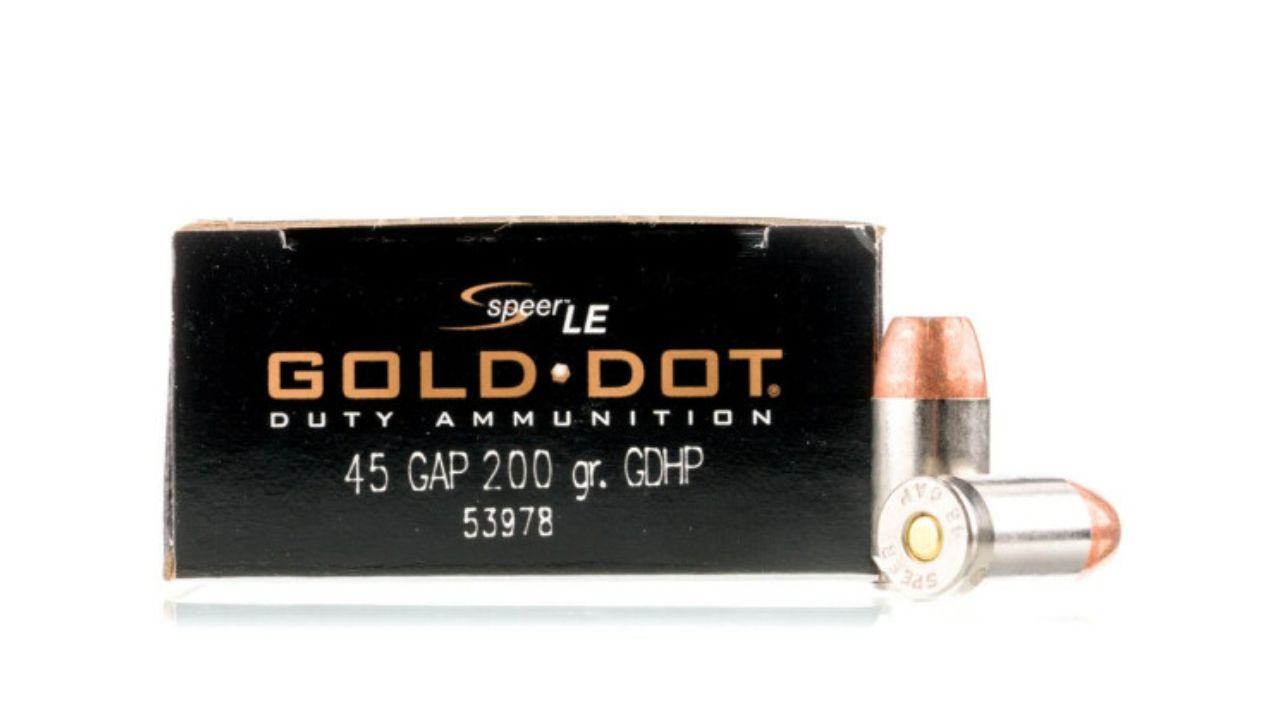
The .45 GAP tried to be the compact answer to the .45 ACP, but it never really took off. Part of the issue was ejection. The smaller case and higher pressure meant that slide speeds got a little unpredictable, especially in early Glock platforms.
Brass would bounce off walls, shooters, and anything nearby. If you weren’t watching your six, you were stepping on cases that went flying ten feet sideways. The ammo itself is harder to come by now, so for the handful of folks still running this round, every lost piece is a bigger deal.
6.5-284 Norma

A favorite for long-range hunters and F-Class shooters, the 6.5-284 Norma brings serious reach. It also brings case pressure and energy that can send brass flying with a vengeance, even from a bolt-action setup.
When you’re prone behind a pack or shooting off rocks, brass ends up in places you can’t even see. That’s a problem when your cases cost nearly as much as a whole box of cheaper factory stuff. It’s a precision cartridge, but if you’re not prepared to lose brass, it’ll drive you nuts.
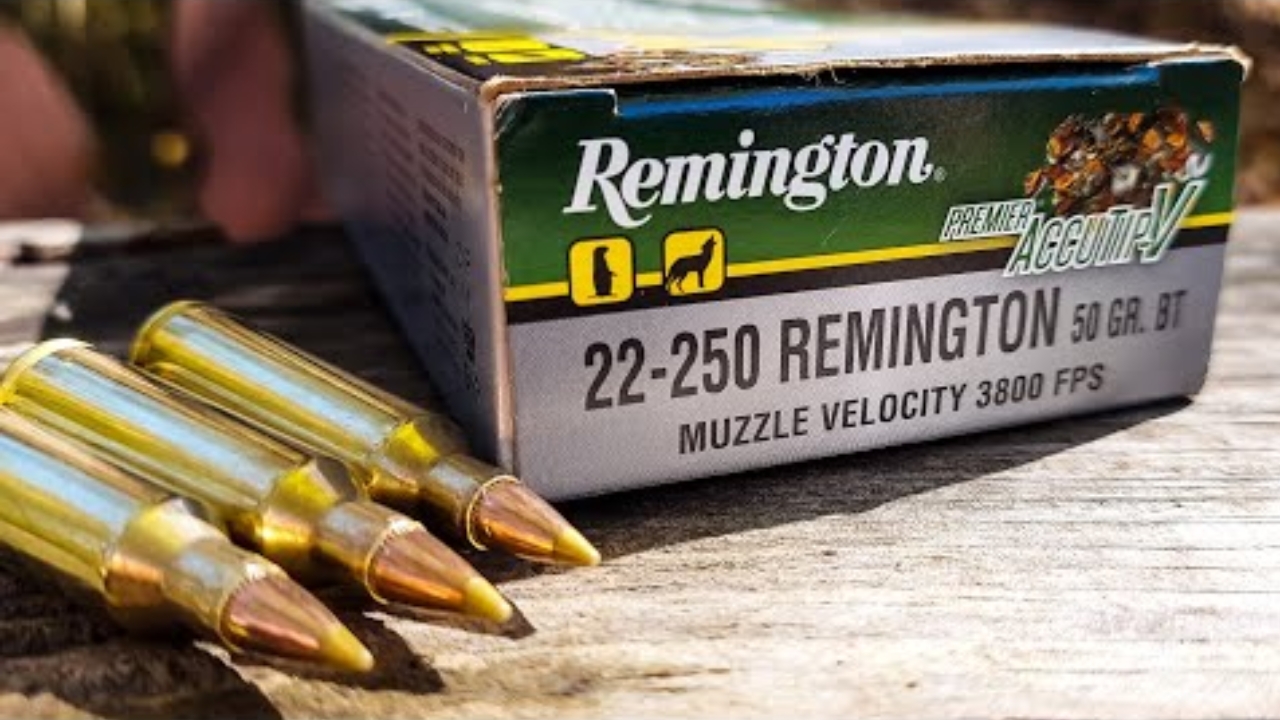
.22-250 Remington

This round has a long track record of accuracy and speed—but it also flings brass at an alarming rate. Whether it’s a factory Remington 700 or a custom rig, you can bet on lively ejection.
If you’re shooting from the bench, it’s not too bad. In the field, you’ll watch your cases bounce and disappear faster than the coyotes you’re targeting. Reloaders love the cartridge for how it performs, but hate how often the ground eats their brass. You’ll spend more time looking down than looking through the scope.
7mm Rem Mag

The 7mm Rem Mag gives you reach and power in a package hunters have trusted for decades. But it’s not exactly shy on recoil or pressure. Most factory rifles throw brass with enough force to dent your truck if you’re standing too close.
That’s fine at the range, but in the woods, it’s a headache. Fired cases don’t stay close. They bounce, roll, and vanish into moss, mud, or brush. Even if you only take a couple of shots a season, those pieces matter if you handload or care about consistency.
.300 Weatherby Magnum

Weatherby rifles are built to be fast and loud, and the .300 Weatherby Magnum fits right in. It hits hard, but it also makes brass retrieval a pain. The fluted chambers and high pressures tend to make extraction violent, and ejection isn’t far behind.
You’ll see cases fly wide and land nowhere near your shooting position. In steep country or snow, good luck getting them back. The ammo’s not cheap, and neither is reloading this caliber. That makes every lost piece more than an inconvenience—it’s a hit to your wallet.
.243 Winchester

The .243 is mild in recoil but sneaky in how it tosses its brass. Many rifles in this caliber run hot and light, with minimal bolt mass and tight extractors. That means casings tend to pop out with a surprising amount of spring.
You may not think about it much until you’re crawling around in a hayfield trying to find what used to be half your reload supply. It’s a great round for young hunters and predators, but it’s one of those calibers that quietly empties your brass bin if you’re not paying attention.
Like The Avid Outdoorsman’s content? Be sure to follow us.
Here’s more from us:
The worst deer rifles money can buy
Sidearms That Belong in the Safe — Not Your Belt
*This article was developed with AI-powered tools and has been carefully reviewed by our editors.