Photo credit: Jarhead6/YouTube
A handgun can be perfect for carry and still be a lousy training tool. The smallest carry guns are built to disappear, not to be shot for 200 rounds at a time. The reality is simple: short grips, light weight, fast slide speed, and small controls turn every mistake into pain and every long session into fatigue. After 50–100 rounds, your hands get tired, your grip gets sloppy, and your groups start lying to you because you’re managing discomfort, not sights and trigger.
Here are 15 handguns that commonly feel “too small” once you try to do real practice with them.
Ruger LCP (original)
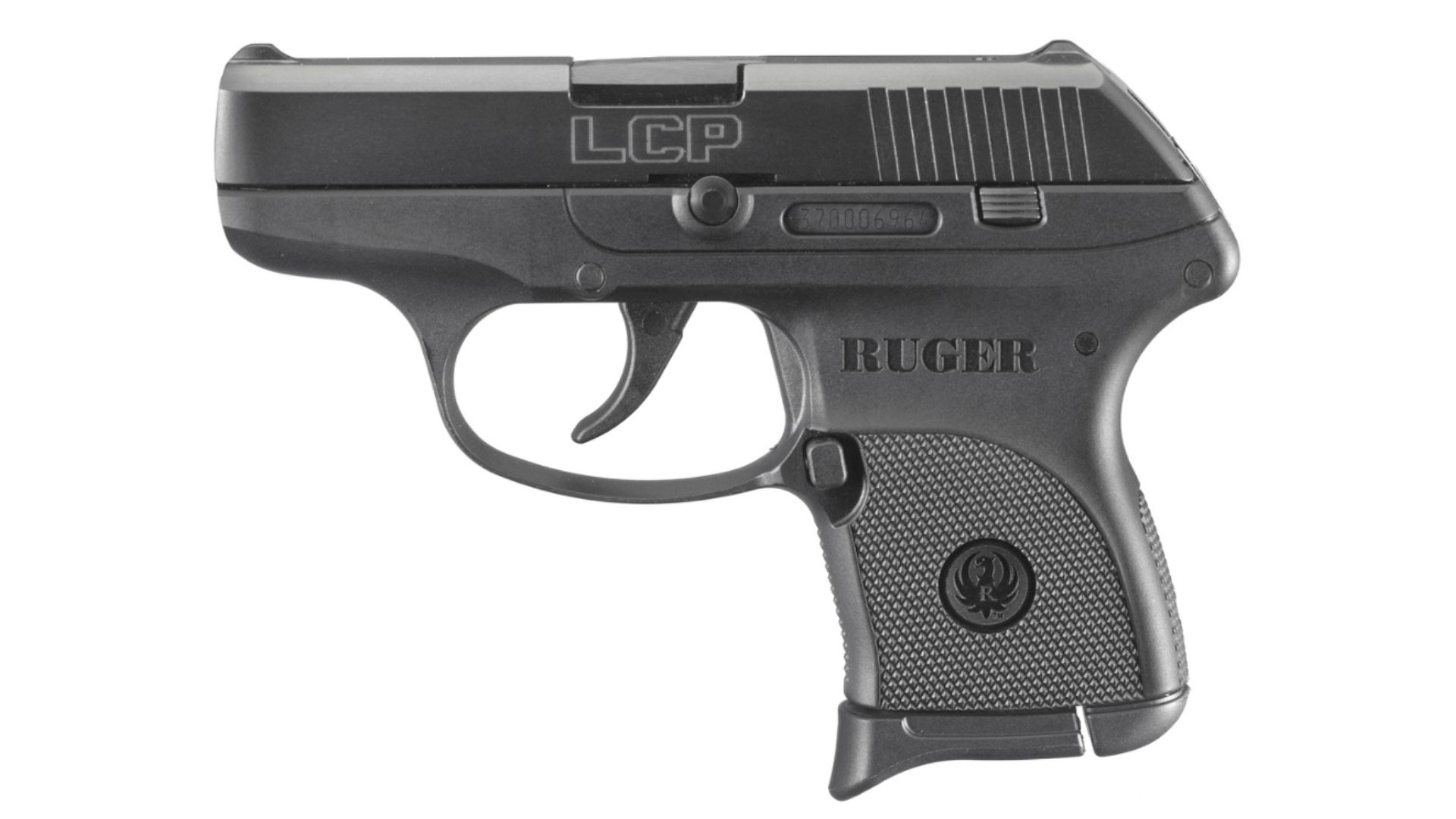
The original LCP is a classic pocket .380, and it carries like nothing. Practice with it for real and you quickly learn why most people don’t. Tiny grip, tiny sights, sharp recoil impulse for its size, and controls that are not built for speed. You can be competent with it, but long sessions get uncomfortable fast.
That discomfort matters because discomfort changes behavior. You stop gripping correctly, you start anticipating recoil, and your reps stop being honest training. The LCP does its carry job well. It’s just not built to be your “shoot all day” pistol.
Ruger LCP Max

The Max gives you more capacity and better sights, but it still lives in tiny-gun land. The grip is still short, the gun is still light, and long practice sessions still wear on hands. You can get good with it, but most people notice fatigue sooner than they do with a slightly larger micro 9mm.
Where it shows up is speed work. The gun will run, but your grip and trigger control get less consistent as your hand gets tired. If you carry one, it’s smart to practice in short, focused blocks and then do most of your volume with a larger pistol that lets you build skill without beating you up.
Kel-Tec P-32
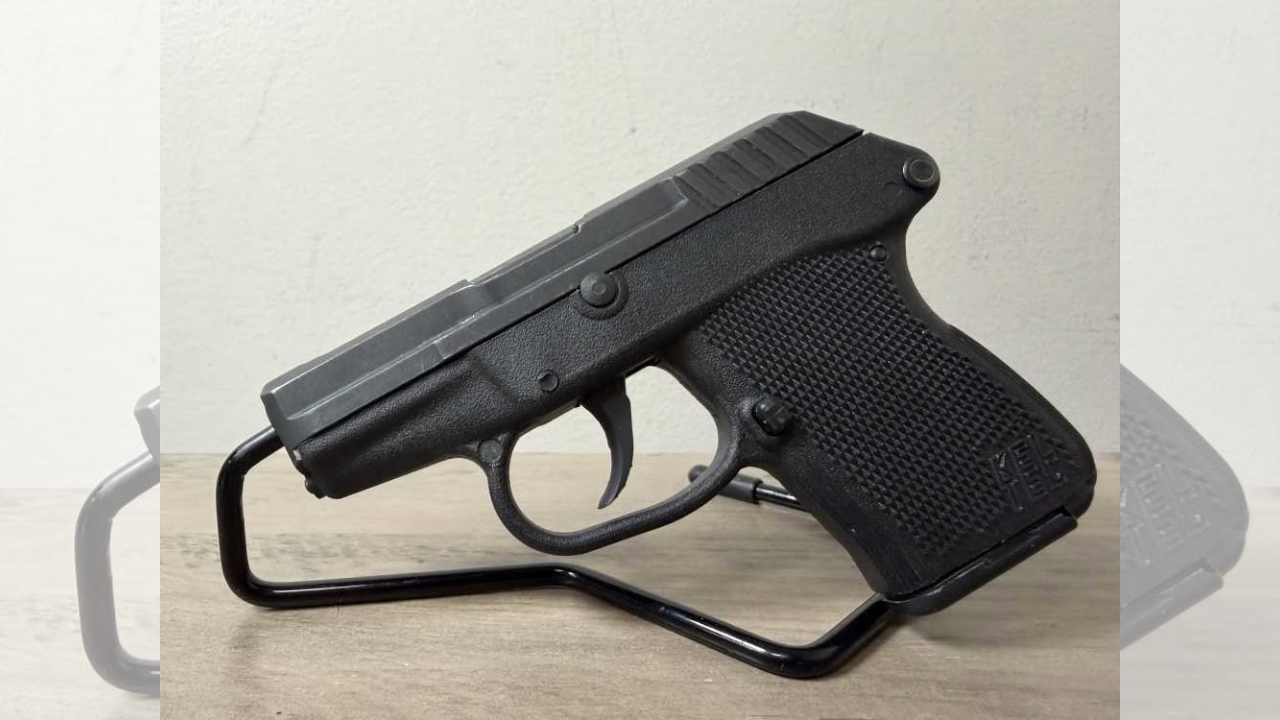
The P-32 is easy to carry, and it can be relatively soft for its size, but it still feels too small for extended practice because there’s just not much to hold onto. Your grip shifts, your trigger press gets inconsistent, and your hand starts doing weird things because it’s trying to control a tiny frame.
It’s a great “always” gun for some people. It’s just not a fun “train hard” pistol. If you try to do serious reps with it, you’ll understand why many shooters carry tiny guns but train with bigger ones.
Seecamp LWS .32
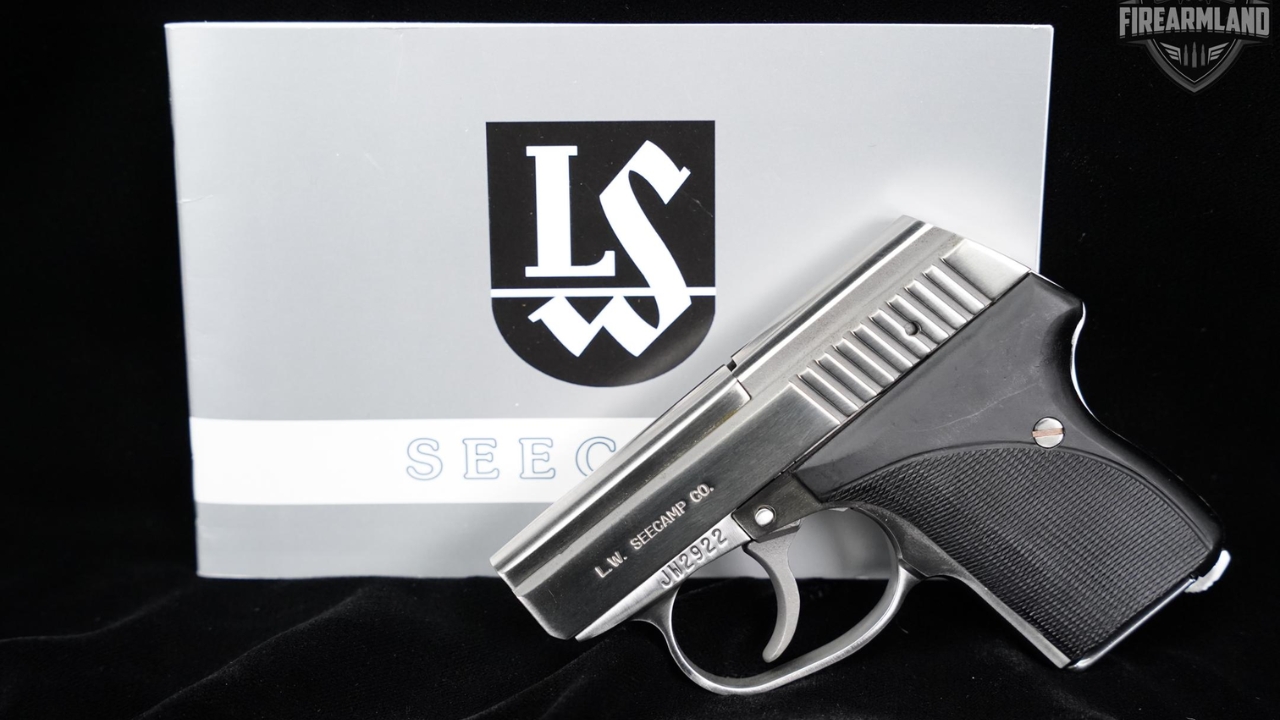
Seecamps are deep concealment tools, not practice pistols. They’re tiny, the grip is minimal, and doing real volume with one is mostly a novelty. The gun can be effective at close range, but it’s not built for comfortable extended sessions. You’ll feel it in your hands quickly, and the tiny controls make manipulation practice feel more awkward than productive.
If you carry a Seecamp, the smart move is to keep training realistic: draw, a few accurate shots, reload practice as appropriate, and stop before your hands start lying to you. It’s not the gun you pick for “200 rounds of fundamentals.”
Beretta Pico

The Pico hides well and carries easily. Practice volume is where it feels too small. The grip is narrow, the contact area is small, and recoil feels sharper than people expect for .380. After a while, the gun starts feeling like it’s beating on the same spots in your hand. That turns real training into “I’m just trying to finish this box.”
That’s why many Pico owners don’t shoot them often. Which is the danger. If it’s your carry gun, you need enough practice to stay honest. Just don’t expect it to feel like a compact 9mm trainer.
Diamondback DB380

DB380s are small and light, and that makes them easy to carry and harder to practice with for volume. Controls are small, grip is short, and recoil can feel sharp. Even when the gun runs, it’s not the kind of pistol most shooters want to do long sessions with. You’ll start getting fatigue and your grip will shift, especially if your hands are larger.
The result is inconsistent reps. You’ll think you’re practicing fundamentals, but you’re actually adapting to discomfort. That’s why most people do better training volume with a slightly larger pistol and then confirming competence with the tiny carry gun.
Glock 42
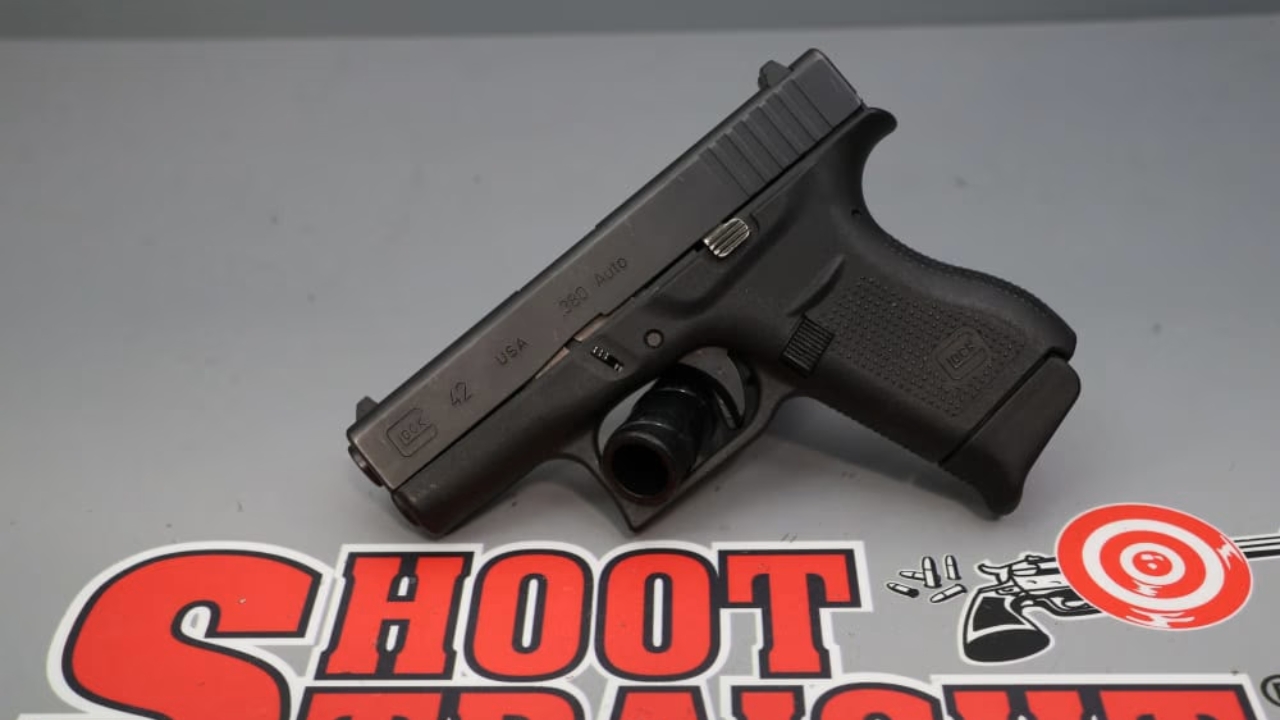
The Glock 42 is one of the more shootable tiny .380s, but it can still feel too small for “real practice” if you have larger hands. The grip is short, and after a while you’ll notice your hand position creeping and your trigger press getting sloppy because you’re trying to keep control on a small frame. It’s more comfortable than many pocket guns, but it’s still a pocket-sized platform.
If you carry a 42, it’s a good idea to run a few mags every session for familiarity, then do most of your training on something bigger. That approach keeps you sharp without letting the tiny gun dictate your skill ceiling.
Glock 43

The 43 is a slim 9mm that carries well, but many shooters still find it too small for long training sessions. The grip is short, and that short grip means your control is limited and your hand takes more of the recoil. After enough rounds, you’ll feel fatigue and you’ll see it on target. It’s not because you “can’t shoot.” It’s because the gun is small and honest.
This is why you see people move to slightly larger compacts for training and still carry the 43 when concealment matters most. The 43 can be a great carry gun. It’s just not the most forgiving platform for high-volume practice.
SIG Sauer P365 (standard grip)

The P365 is shootable for its size, but it can still feel too small for longer sessions depending on your hand size and grip style. The grip is short, and if you’re doing speed work, the gun can start moving in your hands as fatigue sets in. That movement turns into inconsistent support-hand pressure, which turns into inconsistent hits.
The good news is the P365 ecosystem lets you add a little grip length easily. Many shooters find that tiny bit of extra purchase is the difference between “fine for carry” and “I can actually train with this.” If it feels too small, don’t ignore it—fit matters.
Springfield Hellcat (standard grip)

Hellcats are capable, but the standard grip can still feel too small for extended practice. You can shoot it fast and well for a while, then your hands start getting tired and you’ll notice the gun feels “livelier” as your grip strength fades. That’s when your groups start opening and your follow-up speed drops.
It’s not a knock on the gun. It’s the reality of compact carry pistols. If you want to practice seriously, add grip length (baseplate extensions) and do most of your high-volume reps with something a bit bigger so your fundamentals stay clean.
S&W M&P Shield .40
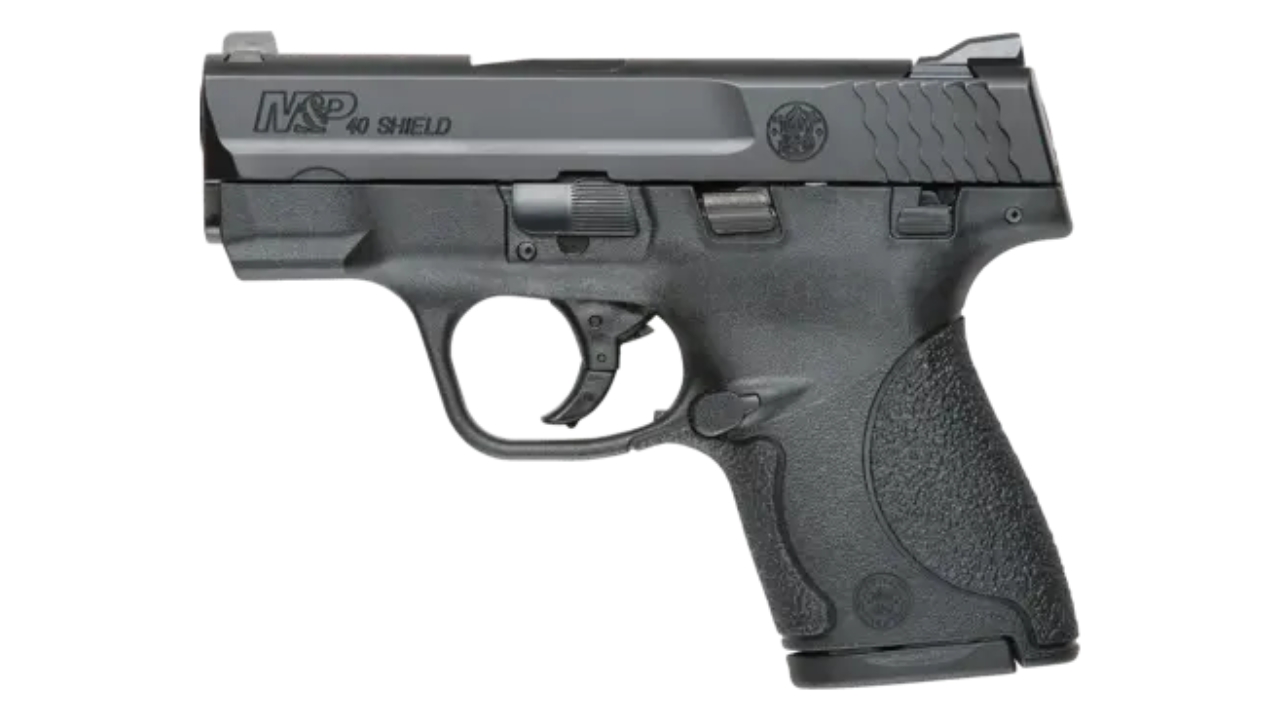
A Shield in .40 is a classic “carry sized, practice punishing” setup. Even if the gun runs fine, recoil is sharper and fatigue shows up faster. Short grip + .40 impulse means your hands will feel it, and your shooting will show it as you get tired. That can make practice feel like work in the bad way.
A lot of people buy it because they want .40 power in a slim package. Then they don’t practice much because it’s not enjoyable. If you carry it, you need a plan: short, focused sessions that build skill without turning every trip into a beatdown.
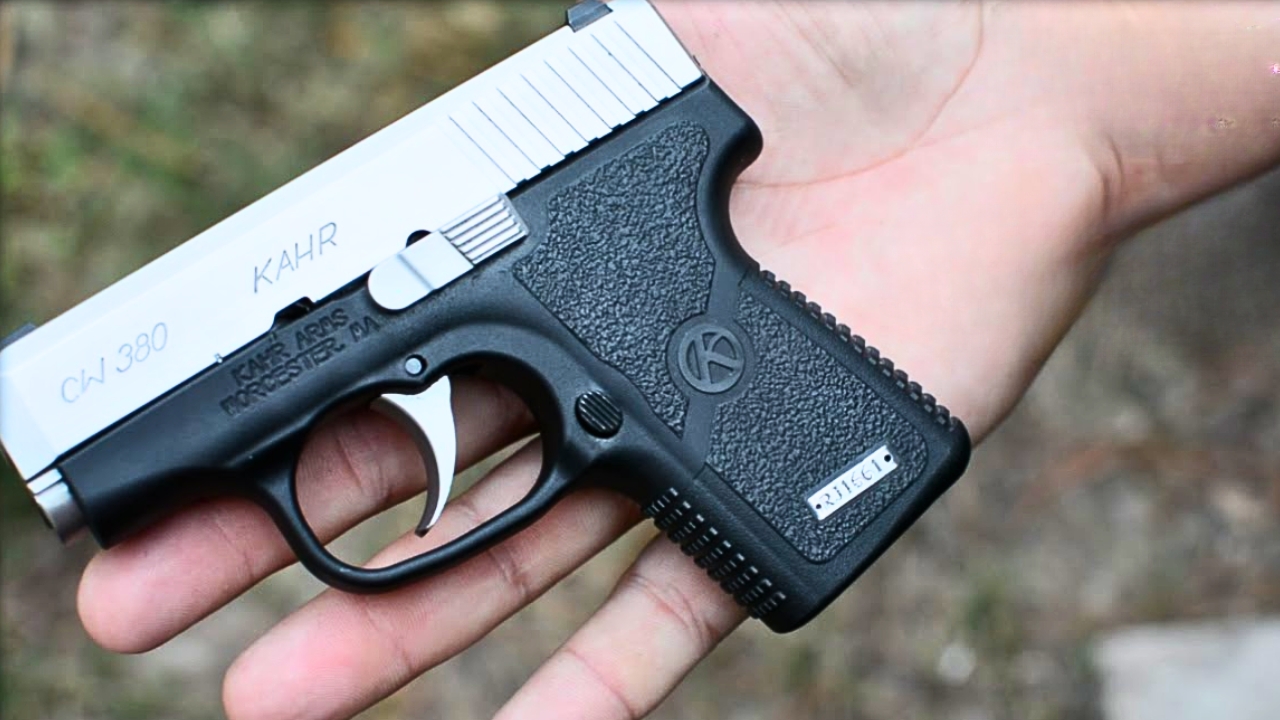
Kahr CW380

The CW380 is tiny and slim, which is great for carry. It also feels like a “few mags and I’m done” gun for many shooters. The grip is minimal, recoil is sharper than you expect, and the sights/controls are not designed for high-speed, high-volume work. After a short session, your grip gets sloppy and your results stop being consistent.
This is a pistol that can fill a deep-carry role. Just don’t pretend it’s going to be your primary trainer. It’s better to be honest: train most of your volume on a larger gun, then confirm competence on the CW380.
Kimber Micro 9

Micro 9s carry great and look great, but they can feel too small for real volume because the grip is short and recoil can be sharp. Many shooters find they’re fine for a couple mags and then the gun starts chewing their hand or making them flinch. That’s the danger zone—when discomfort starts affecting your shooting mechanics.
If you carry one, pay attention to how your shooting changes after 50 rounds. If it starts falling apart, that’s not you being weak. That’s the platform telling you it’s not built for long practice sessions without real effort and good grip fit.
Walther PPS M2 (for bigger hands)

The PPS M2 is slim and shootable, but for some shooters—especially with the flush magazine—it can still feel too small for extended practice. The grip length matters more than people think. If your pinky is floating and your hand is cramped, fatigue shows up faster and the gun feels snappier than it should.
With the extended mag, most people do better. But the point stands: slim carry guns can be great and still not be the best “train all day” option. Fit is everything. If the gun feels too small, fix the grip length before you assume you just need more reps.
NAA Guardian .380

The Guardian is a deep-carry tool that feels too small for most people to practice with in volume. It’s heavy for its size but still has a tiny grip, and that combo can create pressure points that get uncomfortable fast. Controls are small, manipulation is not “modern easy,” and long sessions feel more like endurance than training.
If you carry one, keep practice realistic and focused. You don’t need 300 rounds through it every month. But you do need enough repetitions to know exactly how it behaves in your hands—and to make sure you can run it without pain forcing bad habits.
Taurus TCP .380

The TCP is small, light, and easy to carry. It’s also a pistol that many shooters find too small for extended practice because recoil feels sharp and the grip gives you little leverage. After a while, you’ll notice your grip slipping and your trigger press getting rough. That’s when your groups start lying.
If it’s your carry gun, don’t avoid practice—just structure it smarter. Short, focused sessions and lots of dry work can keep you competent without turning every range trip into a sore-handed grind.
Like The Avid Outdoorsman’s content? Be sure to follow us.
Here’s more from us: