Photo credit: WHO_TEE_WHO/YouTube
This is mostly an industry-and-internet problem, not a dead-animal problem. A cartridge gets hot, somebody drops a new “better” version, YouTube declares the old one dead, and suddenly guys act like the caliber in their safe stopped working. In real hunting and real shooting, “obsolete” usually means ammo availability shifts, new rifles get chambered in the new thing, and marketing changes the conversation. The deer/steel doesn’t care.
.30-06 Springfield
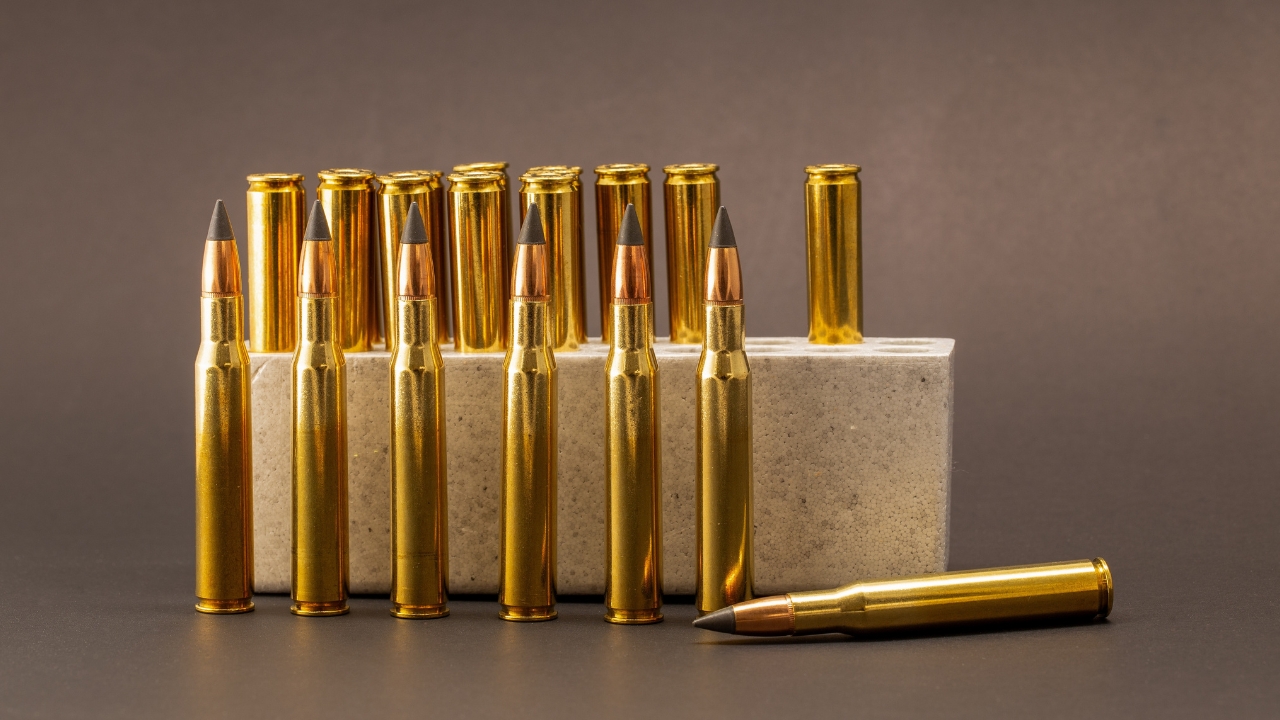
Every few years, the internet rediscovers that .30-06 isn’t the flattest or the newest and starts calling it dated. Then hunting season happens and it keeps doing what it’s done forever. The only reason it gets labeled “obsolete” is because it’s the baseline, and new cartridges need something to “beat” in headlines.
Ammo and rifle availability are still strong, and it’s one of the safest long-term chambers out there. But marketing can’t make money telling you “keep what you have.” So the .30-06 gets talked down like it’s ancient, even though it’s still a top-tier practical cartridge.
.270 Winchester

The .270 gets called obsolete any time a new 6.5 or 7mm drops. Then the next fall, it fills freezers like normal. What actually happens is the .270 isn’t trendy, and it doesn’t have the “new hotness” vibe. That makes it an easy target for people who want to sound current.
In reality, the .270 is still easy to find, easy to load for, and it performs exactly how it always has. The “obsolete” label is mostly internet noise. If you’re already set up with a .270, you’re not behind.
7mm-08 Remington
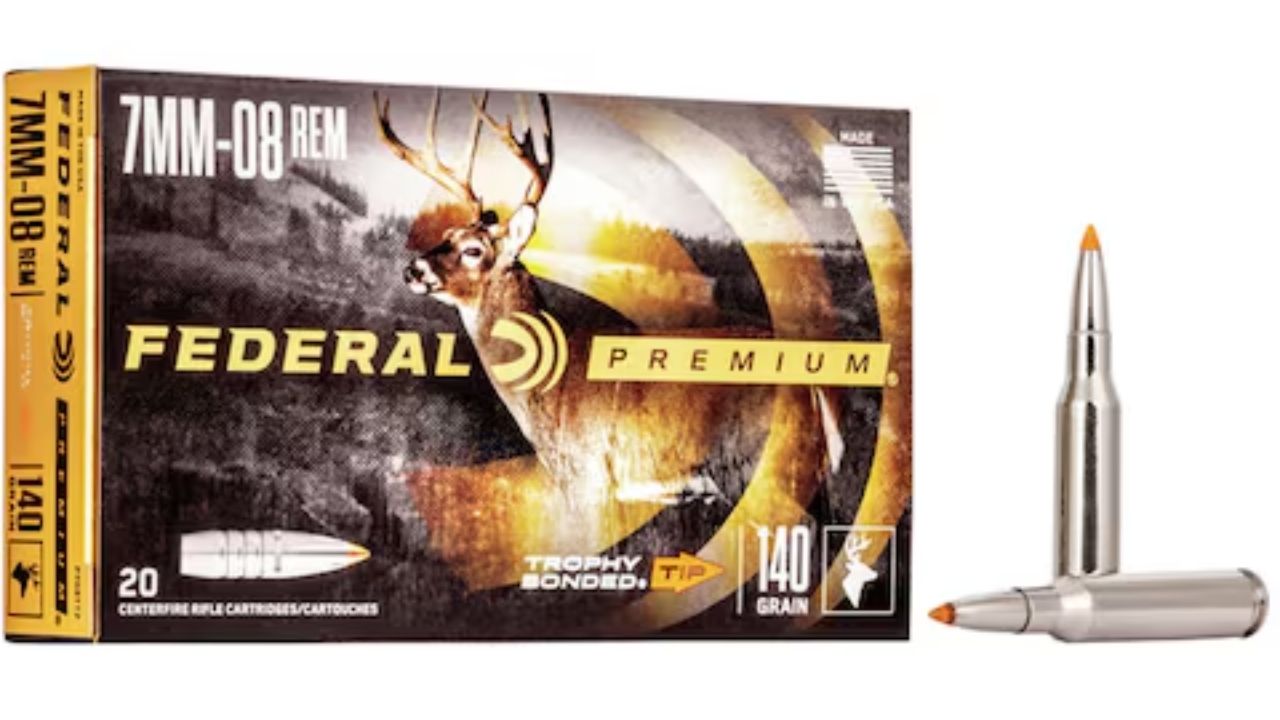
7mm-08 gets shoved aside every time Creedmoor talk spikes. It’s not because 7mm-08 stopped working. It’s because fewer new rifles get marketed in it, and the “conversation” moved on. But for hunting and for shooters who want mild recoil and solid performance, 7mm-08 is still a killer choice.
Where it feels “obsolete” is shelf space. If your local store stocks less of it, it looks like it’s fading. But in terms of real capability, it’s still extremely relevant and efficient.
.243 Winchester

.243 gets called obsolete because people act like it’s either “too small” or “replaced by 6mm Creed.” The reality is .243 is still everywhere, still easy to feed, and still deadly on deer with the right bullets. What changes is the hype cycle. When a new 6mm gets introduced, the internet starts talking like .243 should vanish.
It won’t. Too many rifles are out there, and too many hunters know exactly what it does. The “obsolete” label is mostly marketing and forum momentum.
6.5×55 Swedish

The Swede gets called obsolete whenever Creedmoor gets loud, and that’s funny because the Swede has been doing the “high sectional density, deep penetration” thing for a long time. It just doesn’t have modern branding behind it in most American gun shops. So people act like it’s gone.
In reality, it’s still a great cartridge, and it has a loyal following. The only “obsolete” issue is mainstream availability in certain stores. Capability-wise, it’s still very much alive.
6.8 SPC

6.8 SPC gets declared dead every time another AR cartridge gets traction. First it was Grendel vs. SPC debates, then newer rounds got attention, and the internet decided it was done. But for short-to-mid range hunting out of an AR, 6.8 SPC still works well and has real-world track record.
Where it feels obsolete is new rifle/chamber support. Not many companies push it hard anymore. But if you already own one and you have mags/ammo, it’s still a practical setup.
.224 Valkyrie

Valkyrie had a big wave, then reality hit: ammo variability, barrel performance differences, and a market that moved on quickly. It gets labeled “obsolete” because the hype didn’t stabilize into a huge installed base. Now it lives in that weird zone where some shooters love it and everyone else assumes it died.
It didn’t die. It just stopped being “the thing.” When the internet stops talking about something, they call it obsolete—even if it still does what it was designed to do.
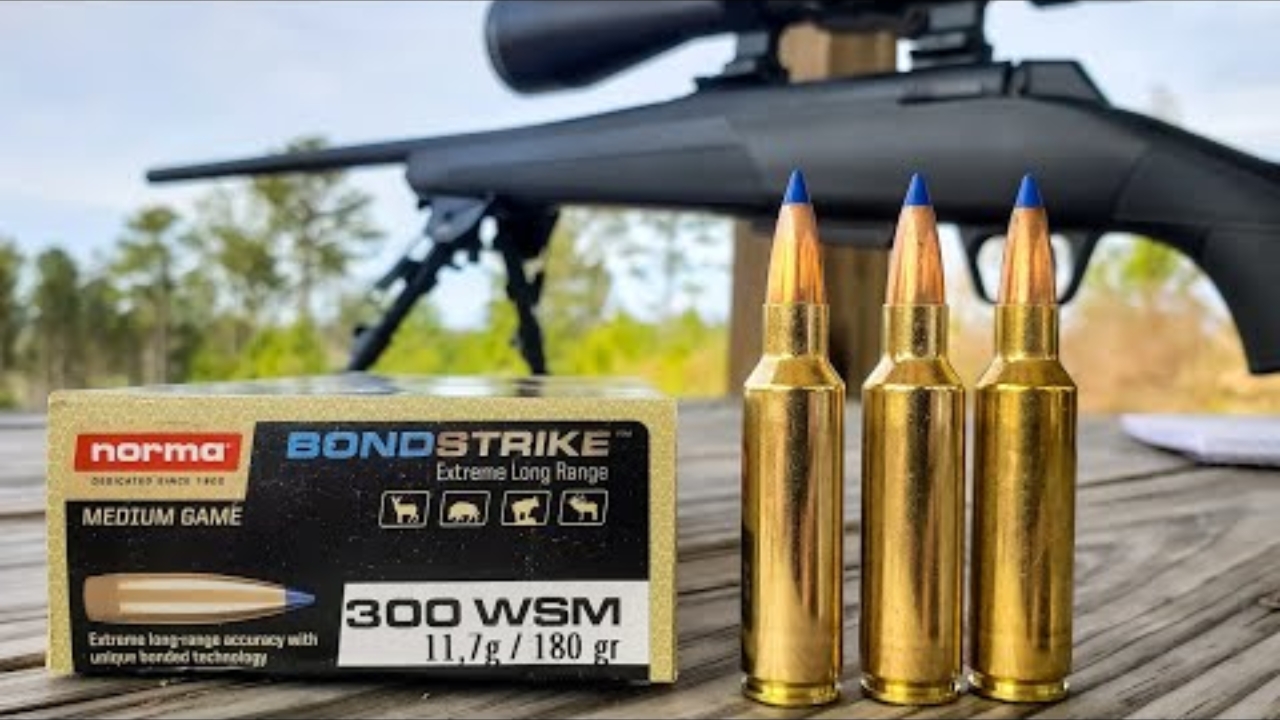
.300 WSM

.300 WSM gets called obsolete anytime PRC talk spikes or whenever people decide they only want long, heavy bullets. The truth is .300 WSM is still a very capable hunting cartridge. The “obsolete” label usually comes from rifle makers shifting chamber offerings, not from the round failing at anything.
If you’ve got a good .300 WSM rifle, you’re set. The only pain point can be ammo selection in some areas compared to .300 Win Mag. But that’s availability, not usefulness.
.325 WSM

This is one of the most “declared dead” rounds because it never became mainstream. Every five years someone rediscovers it, calls it underrated, then ammo availability reality hits again. It’s capable. It just doesn’t have the market support that keeps a caliber on every shelf.
For owners, it can be fantastic if you reload. For non-reloaders, it’s the classic “why can’t I find ammo when I need it” cartridge. That’s what people mean when they say obsolete—even if performance is fine.
.280 Remington

.280 Rem gets labeled obsolete because it’s the quiet middle child between .270 and 7mm Rem Mag, and now it has to deal with the 7mm PRC hype wave too. But .280 is a great cartridge. It just never got the marketing push it deserved.
It also got partially replaced in conversation by .280 Ackley Improved, which is basically the same story but with modern branding. The funny part is .280 isn’t obsolete—it just got rebranded and resold to a new generation.
.280 Ackley Improved

This one gets the “obsolete” talk in a different way: people hype it hard, then the industry shifts attention to the next thing. Five minutes later, guys are saying “AI is dead, PRC is the future.” It’s the same cycle. New rifle chamberings and marketing drive the talk, not field performance.
.280 AI is still excellent. The only risk is long-term ammo shelf space if manufacturers chase the next trend. If you reload, you never care. If you don’t reload, you just want to make sure the round you pick has legs on store shelves.
7mm Remington Magnum

Every few years someone declares 7mm Rem Mag obsolete because a new 7mm exists. First it was “short mags,” now it’s PRC. The reality is 7mm Rem Mag is still common, effective, and widely supported. It’s one of the hardest cartridges to truly “kill” because too many rifles and too much ammo are out there.
What changes is what new rifles get chambered in. That affects perception. But if you’re judging by real-world results and ammo availability, 7mm Rem Mag is not going anywhere.
.45 GAP

This is a true “market obsolete” example. It’s not because it’s incapable. It’s because adoption wasn’t wide enough to keep it thriving long term. That’s the difference between internet-obsolete and actually-obsolete. When fewer people own it and fewer companies support it, shelves get thin.
If you own it and you have ammo, you’re fine. But it’s a textbook example of how a cartridge can become a pain because the market moved on. Capability isn’t the issue—support is.
.41 Magnum

.41 Mag is a great round that gets treated like it’s invisible. Every few years it gets the “obsolete” talk because .44 Mag dominates the conversation and 10mm steals some of the “woods pistol” attention. But .41 still does exactly what it’s supposed to do.
The “obsolete” problem is availability and hype, not performance. If you reload, it’s a non-issue. If you don’t reload, you’ll notice fewer factory options compared to .44. That’s what fuels the “obsolete” chatter.
.40 S&W

.40 is the poster child for “declared dead, still everywhere.” The market shifted back toward 9mm for duty use, and suddenly people talk like .40 vanished. It didn’t. It’s still common, still effective, and there are millions of guns out there. What changed is new gun releases and the cultural conversation.
The funny part is .40 being “obsolete” actually makes it attractive for buyers—cheap used guns, decent ammo availability, and plenty of proven options. Obsolete in headlines doesn’t mean obsolete in reality.
Like The Avid Outdoorsman’s content? Be sure to follow us.
Here’s more from us: