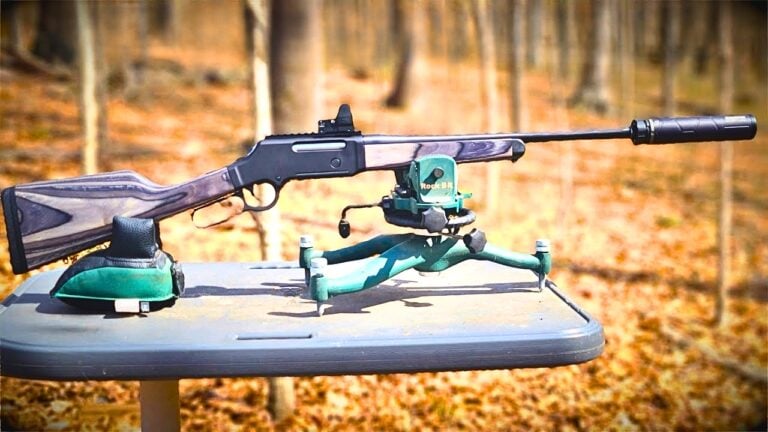
Photo credit: Savage Arms
When you spend enough time around outfitters, one thing becomes clear fast: guides remember the rifles that cause headaches. They see rifles in every condition, from dust-choked to soaking wet, and they’re there for the moment when a hunter pulls the trigger and the bullet lands nowhere near where it should’ve. Those misses don’t always come from nerves or rushing the shot. Plenty of rifles bring their own problems to the field, and guides learn which ones wander, shift, or stack variables that make clean hits tougher than they should be.
These are the rifles that get whispered about around campfires—the ones guides quietly hope you didn’t pack. When a rifle can’t hold zero, stacks recoil awkwardly, or offers controls that fail under pressure, it turns an easy opportunity into a long tracking job.
Thompson/Center Dimension
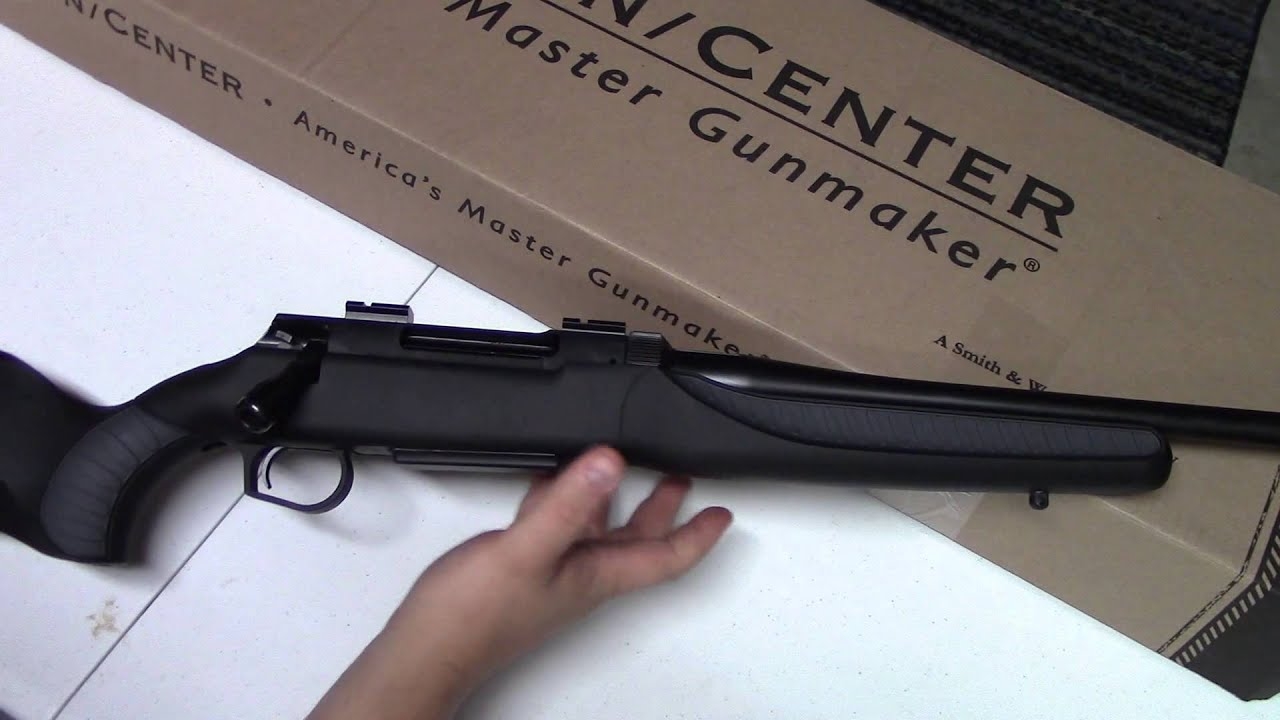
The Thompson/Center Dimension tried to be a modular, switch-barrel answer for hunters who wanted flexibility. The idea looked slick, but in the field the system introduced far too many variables. Guides noticed that rifles wouldn’t always return to zero after swapping barrels, even when shooters followed the instructions carefully. Temperature swings or small bumps during travel could add tiny shifts that showed up as misses at 150 yards.
The stock also had noticeable flex, especially when hunters loaded bipods or leaned into shooting sticks. That movement created inconsistent pressure on the barrel channel, shifting impact left or right from one shot to the next. In camp, guides saw hunters chasing zero instead of focusing on the shot they needed to make.
Mossberg ATR

The Mossberg ATR handled light and carried well, but its accuracy consistency wasn’t something guides celebrated. Many early models had bedding that loosened easily, causing the action to shift slightly under recoil or rough travel. Those small shifts mattered when hunters lined up marginal-angle shots at dawn.
The thin, whippy barrel heated quickly and walked shots as it warmed. Hunters often sighted in with a cold barrel, then took a second or third shot on an animal with a tube already warming from a couple quick checks. Guides blamed plenty of clean misses on rifles that shot differently depending on how fast you pulled the trigger.
Marlin XL7

The Marlin XL7 earned praise for affordability and shootability, but its zero retention wasn’t always reliable during multi-day hunts. The synthetic stocks were known for being overly flexible, especially around the fore-end. Guides watched hunters rest them on blind rails or pack frames, only to see point of impact shift unpredictably.
Humidity swings on long hunts also played a role. Bedding tension changed subtly as weather moved from dry to wet, and the rifle’s groups reflected those changes. In the hands of a careful range shooter it performed fine, but out in the field—bouncing in the truck and leaning in the corner of tents—it struggled to stay dialed.
Winchester Model 70 Featherweight (Certain Lightweight Barrels)
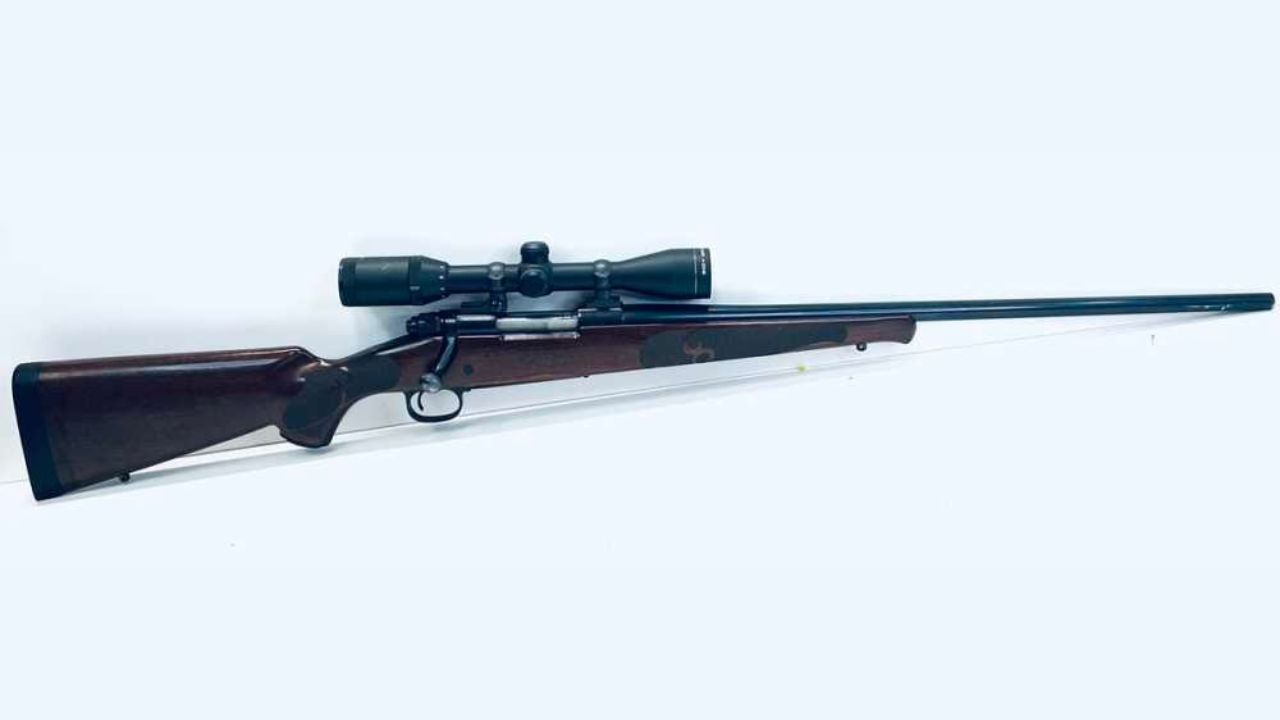
The Featherweight is iconic, and plenty of them shoot great. But the ultralight barrels on some chamberings were notoriously finicky. Guides saw hunters fire one or two careful sight-in shots that printed well, only to miss clean once adrenaline kicked in and shot cadence sped up. The skinny barrel walked dramatically as heat built.
Combine that with wood stocks that moved in wet conditions—especially older units—and you had rifles that changed impact between morning and afternoon. Guides appreciated the classic feel, but they eventually learned to watch closely when someone unpacked a Featherweight with a pencil barrel.
Remington Model Seven (Synthetic)

Short, handy, and great for tight country, the Model Seven should’ve been a guide favorite. But the synthetic-stocked versions came with issues. The fore-end flexed enough to contact the barrel under pressure, especially when hunters pushed forward on shooting sticks or rested the gun unevenly.
That contact showed up as unexplained fliers at moderate ranges. Guides heard the same story repeatedly: “It shot fine at home.” Once you added cold-bore drift and a lightweight profile that warmed up fast, the rifle became a gamble on longer shots. Many reliable kills turned into frustrating tracking jobs.
Savage Axis (First Generation)

The original Savage Axis made a splash with its price, not its consistency. Guides often saw new hunters show up with one mounted with budget optics and expect clean results. The challenge came from the stock, which flexed heavily under even mild pressure. A tight sling wrap or a rest against a tree could shift point of impact noticeably.
The lack of an adjustable trigger didn’t help. Hunters struggled to break shots cleanly, and flinches or jerks magnified the rifle’s inherent inconsistency. For guides watching from behind, many misses were a familiar pattern they’d seen all season.
Browning A-Bolt Micro Hunter

The A-Bolt line has fans, but the Micro Hunter version—especially in light calibers—caused problems for guides. Its compact, lightweight design translated into snappier recoil, and many shooters had trouble managing it under pressure. Combine that with short barrels that changed impact as they heated, and you had a rifle that printed differently from shot to shot.
Guides noticed misses where the hunter swore the crosshairs were steady, but the rifle simply punished poor follow-through too severely. It’s accurate in the right hands, but in camp the Micro Hunter earned a reputation for amplifying small mistakes into big misses.
Weatherby Vanguard Synthetic

The Vanguard action is solid, but the early synthetic stocks didn’t support it as well as they should have. Fore-end flex and inconsistent bedding pressure were common complaints from guides who watched hunters struggle with mid-range shots.
When rifles were rested on pack frames or blind edges, the stock deformation often changed barrel harmonics enough to shift groups several inches. That wasn’t something most hunters noticed on a clean bench rest, but in the real world—cold, wet, and tired—it led to unexplained misses.
H&R Ultra Rifle

The H&R Ultra Rifle looked dependable on paper, but break-action designs add complexity most hunters never consider. Guides saw plenty of point-of-impact shifts caused by the hinge system settling differently between shots. Even a small amount of debris or field grit could alter lockup tension.
Those inconsistencies showed up most often on longer shots, where even a slight change in barrel angle was enough to send a bullet wide. When hunters missed cleanly on calm animals, the rifle—not the shooter—was the common denominator.
Remington 770
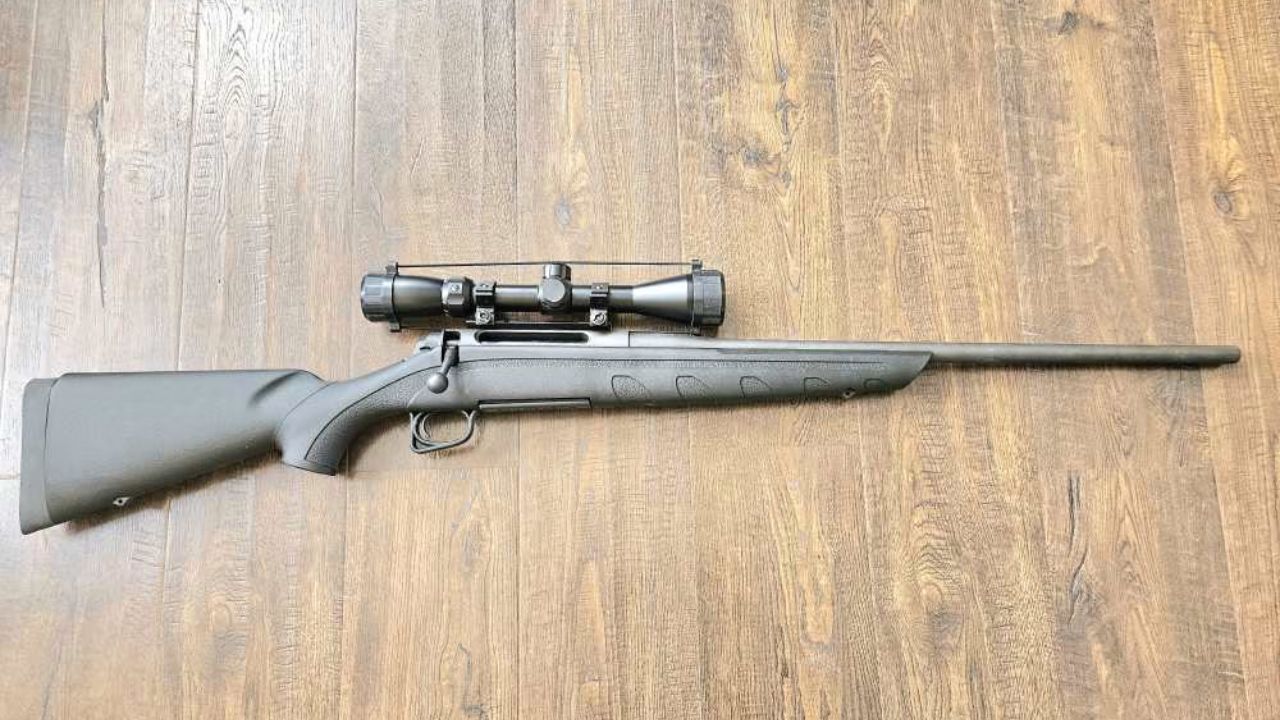
The Remington 770 might be one of the most frequently blamed rifles in guide camps. The factory scope mounts loosened easily, the action bedding was inconsistent, and the stock flexed enough to change impact with minor pressure.
Guides saw hunters chase zero constantly, tweaking knobs every morning only to find new problems by afternoon. Even when everything was torqued correctly, cold-bore shots landed in unpredictable places. For a budget rifle meant to “just work,” it often did the opposite in the field.
Ruger American Ranch (Early 5.56/300 BLK Models)

The American Ranch has been improved, but the early runs—especially in the smaller calibers—were known to throw unpredictable flyers. The short barrels heated fast, and point of impact moved as they warmed.
Guides also noticed shooters resting the small fore-end on pack straps or blind sills, causing flex that made the rifle shoot left or right. The combination of light weight, thin barrel, and soft stock didn’t always play well during real hunts, especially with suppressed setups.
Stevens 334
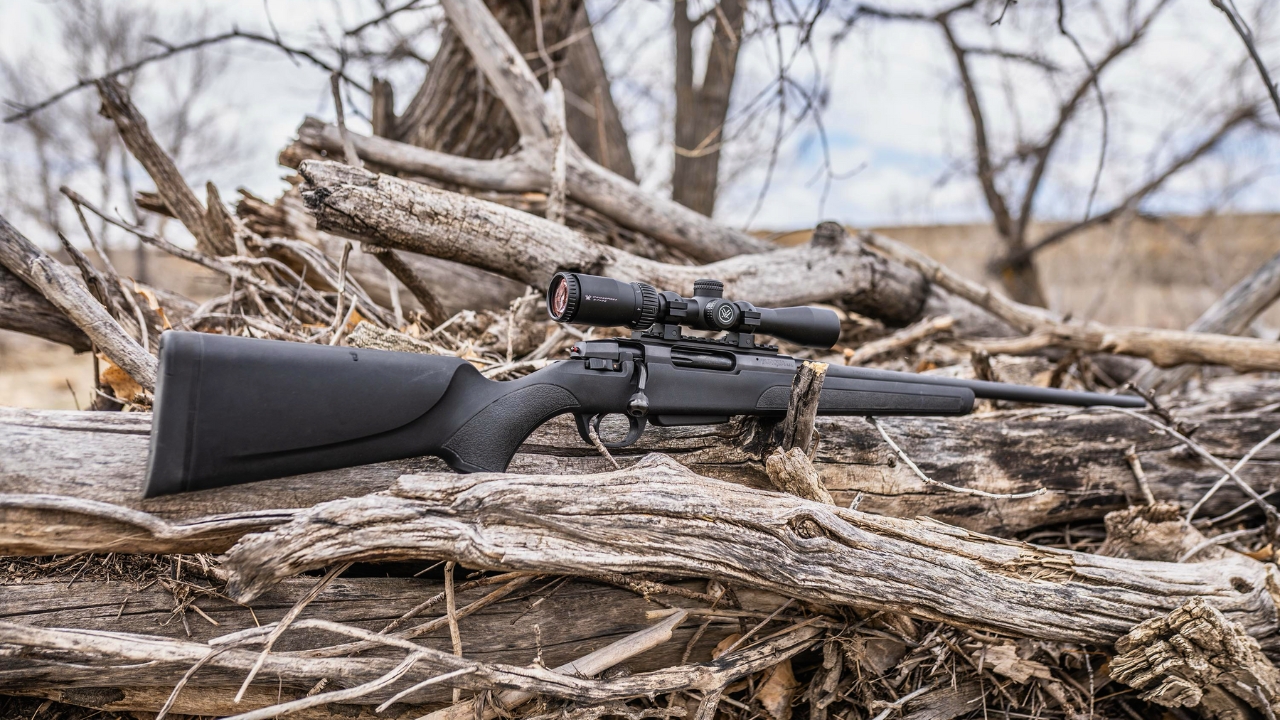
The Stevens 334 is another rifle guides learned to approach carefully. While accurate under ideal conditions, its bedding system didn’t always hold up to multi-day hunts. Humidity changes, rough trails, and truck rides caused the action to shift within the stock just enough to affect longer shots.
Hunters often thought their optics were failing, but guides recognized a familiar pattern. Once the bedding loosened slightly, groups spread out and point of impact drifted. It wasn’t catastrophic—just inconsistent enough to lose confidence.
Mossberg Patriot Bantam

The Patriot Bantam is lightweight and handy, but those same traits made it difficult for many hunters to control. Recoil felt sharper than expected in mid-caliber chamberings, and that jump made follow-through inconsistent.
Guides also noticed significant stock flex, especially on cold mornings. When the fore-end twisted, it changed the pressure on the barrel channel, shifting groups left or right. Hunters would swear they held steady, but the rifle simply didn’t return consistent results once field variables came into play.
Tikka T3 Lite (Ultralight Barrel Wander)
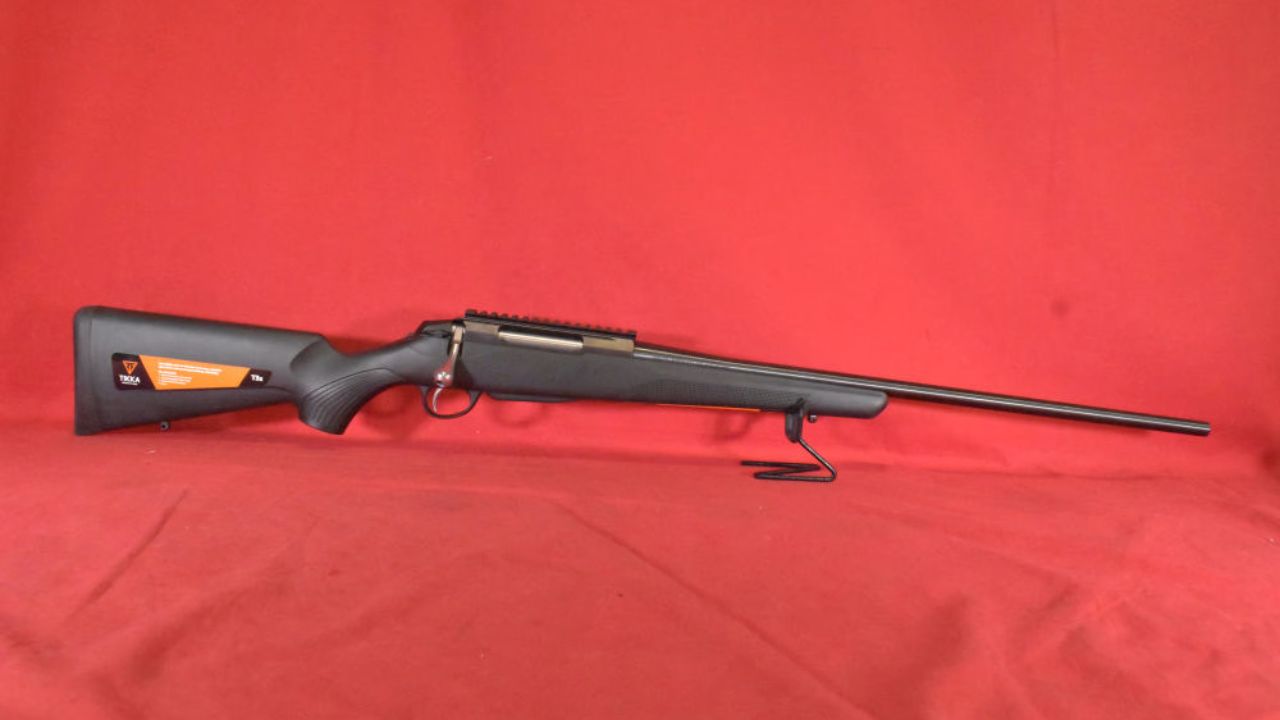
Tikka makes excellent rifles, but the T3 Lite’s pencil barrels drew some criticism from guides who watched misses unfold. The barrels heated quickly and walked shots as they warmed. Hunters often sighted in with three quick shots, then took a cold-bore shot in the field that landed in a completely different spot.
Lightweight rifles also magnify poor shooting habits, and many hunters weren’t steady enough behind them. Guides didn’t blame the action—the Tikka is sound—but the configuration made consistent hits much harder than expected in real hunting conditions.
Like The Avid Outdoorsman’s content? Be sure to follow us.
Here’s more from us:
The worst deer rifles money can buy
Sidearms That Belong in the Safe — Not Your Belt
*This article was developed with AI-powered tools and has been carefully reviewed by our editors.