Photo credit: Range365/YouTube
A pistol that doesn’t point naturally can throw everything off—especially under stress. Grip angle might not sound like a big deal, but once you start comparing platforms, you’ll feel it fast. Some designs just don’t line up with how most folks instinctively aim. Whether you’re used to 1911s or striker-fired frames, these are the pistols that tend to fight your muscle memory.
Glock 17
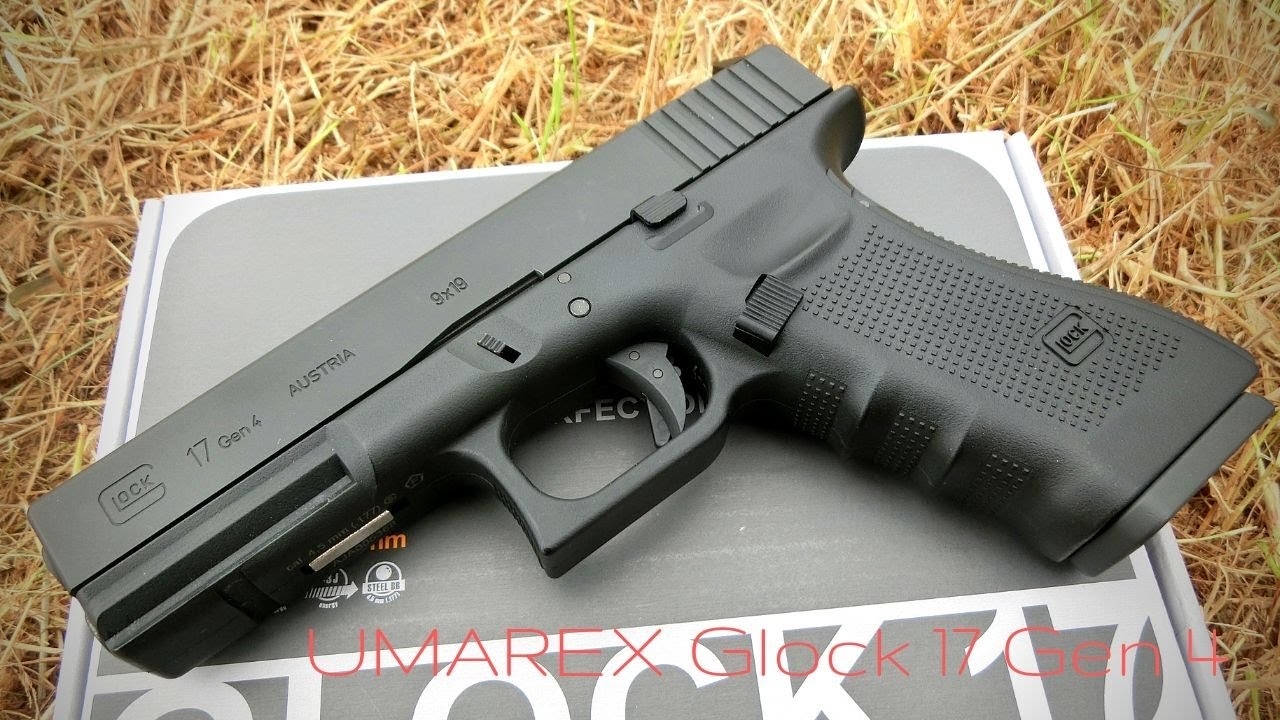
The Glock 17’s grip angle is a common complaint, especially for folks coming from 1911s. It has a steeper angle that pushes the muzzle upward when aiming naturally.
Unless you’ve trained a lot with it, it can take some work to get your sights aligned quickly. Some shooters just never quite adjust to the feel.
Ruger Mark IV

This rimfire classic points more like a Luger than a modern defensive pistol. It’s fun to shoot, but don’t expect it to match your carry gun’s grip angle.
For target work it’s fine, but switching back and forth between this and most centerfire pistols can be a little jarring if muscle memory matters to you.
H&K VP70

This early polymer pistol had a grip angle that just felt awkward to most hands. It doesn’t point naturally, and the stiff trigger doesn’t help matters either.
It’s more of a collector’s item now, but if you do handle one, don’t be surprised when your first few shots land lower than you expect.
Steyr M9-A1

It’s got some fans, but the grip angle and high bore axis can make this one tricky to shoot instinctively. The triangle sights are also a love-it-or-hate-it deal.
If your hands are used to something like a Glock or a Smith & Wesson M&P, this one might take some time to get dialed in.
Luger P08
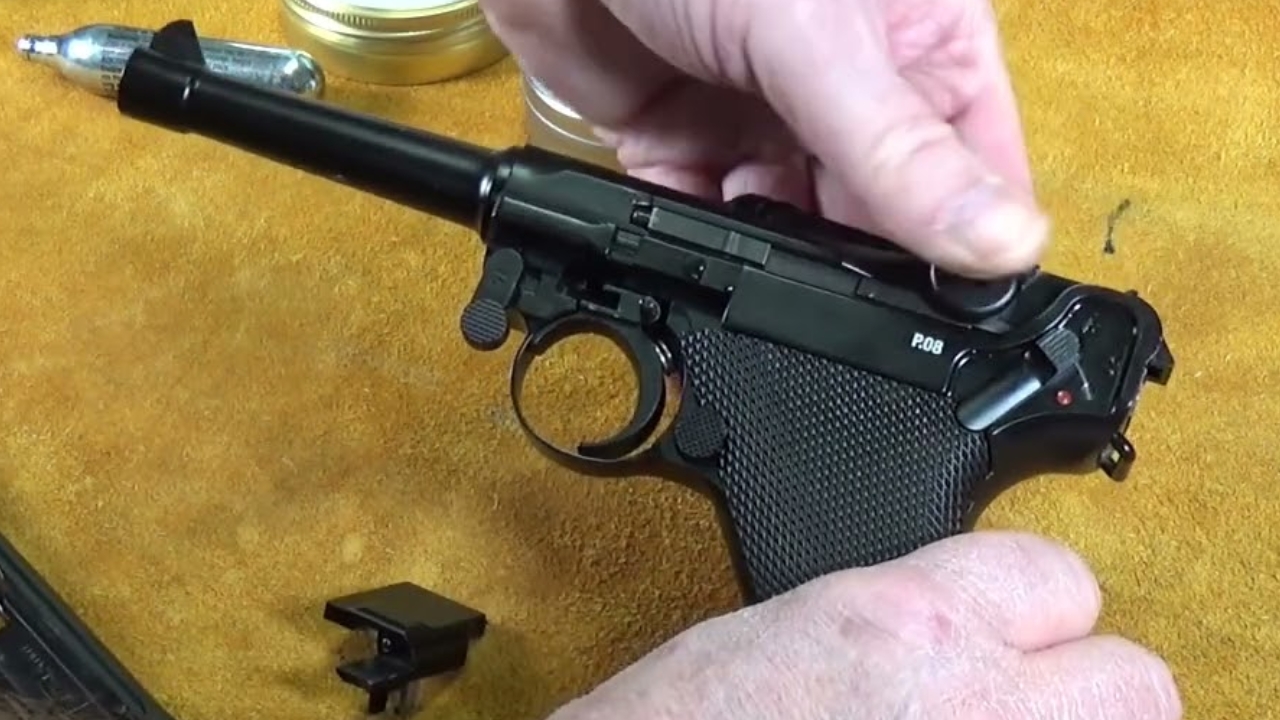
This classic German pistol is known for its extreme grip angle. It was never designed for modern shooting stances, and it shows.
It’s cool from a historical standpoint, but if you’re used to defensive handguns, it’s going to feel strange. Natural aiming takes a backseat to nostalgia here.
Springfield XD

The XD series has a slightly steeper grip angle than most striker-fired pistols. It’s not extreme, but enough that some shooters notice it in fast draws.
If your shooting background includes 1911s or Glocks, this might not point where your brain expects. Training helps—but it doesn’t feel universal.
FN FiveseveN

This high-capacity pistol has a unique feel all around, including a grip that doesn’t always play nice with natural pointing. The shape is tall, long, and not very ergonomic.
It’s accurate and light, but it’s not uncommon to hear shooters say they have to “relearn” their grip to shoot it well.
Beretta 92FS

While it’s a classic, the grip angle and wide frame of the 92FS can feel off for smaller hands. It doesn’t always point naturally, especially for newer shooters.
It works well with practice, but instinctive shooters often find themselves adjusting more than they’d like to with this model.
Walther P38

The P38 has a grip angle similar to the Luger it replaced, and it still feels odd by modern standards. The ergonomics aren’t intuitive for fast pointing.
As with many older military pistols, it was built for durability—not instinctive handling. It’s collectible, but not exactly user-friendly in a hurry.
Desert Eagle

This massive handgun feels more like holding a brick than a pistol. Its grip angle, combined with its size, makes fast, natural aiming nearly impossible for most.
If you’re pulling this out for fun at the range, that’s fine. Just don’t expect it to feel like an extension of your arm—it’s more like a handheld cannon.
*This article was developed with AI-powered tools and has been carefully reviewed by our editors.