Photo credit: Savage Arms
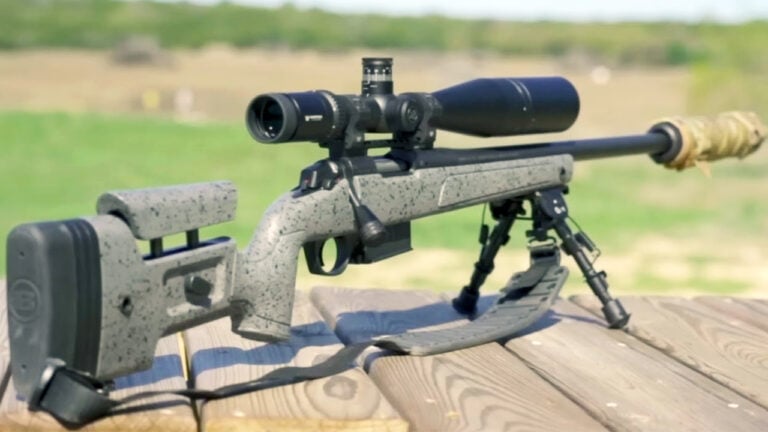
A rifle does not have to cost premium money to survive hard use in bad weather, rough trucks, muddy boots, and the kind of hunts where gear gets knocked around instead of babied. A lot of lower- and mid-priced rifles now come with the same practical features hunters actually need: synthetic stocks, weather-resistant finishes, pillar bedding, threaded muzzles, and adjustable triggers. Current factory offerings back that up. Ruger’s American Gen II uses Cerakote and a splatter-textured stock, Savage’s Axis 2 and Trail Hunter lines lean on practical synthetic and Hogue stocks, and Weatherby still pushes a sub-MOA guarantee on the Vanguard line.
That matters because field abuse is rarely glamorous. It is rain, brush, grit, truck racks, fence crossings, and long days where a rifle gets used like a tool. The rifles below keep earning respect because they are built around that reality. They may not all be cheap, but they tend to hold up better than their price tier makes people expect.
Ruger American Rifle Generation II

The Ruger American Gen II is one of the clearest examples of a rifle built to take real use without pretending to be delicate. Ruger says the standard Gen II models use a durable Gun Metal Gray Cerakote barreled action and a dark gray splatter-textured stock meant to give you excellent grip and control in the field. That is exactly the kind of setup you want when rain, mud, and cold hands are part of the day.
What makes it age well in rough use is that Ruger did not stop at the finish. The barrel is cold hammer-forged, the rifle uses a three-position tang safety, and the stock is built around practical handling instead of looks. It is still a value rifle at heart, but it carries itself like one that was built with actual hunting abuse in mind.
Savage Axis 2

The Savage Axis 2 keeps getting recommended because it does the basic hard-use job better than many rifles in its class. Savage describes it as the next generation of the Axis, built around improved ergonomics and functionality, and the line still leans on the company’s AccuTrigger. That matters because a field rifle that is easy to shoot well and easy to carry tends to stay useful even when conditions are rough.
What helps the Axis 2 hold up is that it stays practical. The synthetic stock is meant for actual hunting use, and Savage even calls out the added ability to run both a sling and bipod on some versions. It is not trying to impress you with luxury touches. It is trying to keep working when the weather turns and the rifle gets treated like a tool.
Mossberg Patriot Synthetic

The Mossberg Patriot Synthetic is the sort of rifle people underestimate because the price and styling make it look more basic than it really is. Mossberg flatly markets the Patriot as a value-rich bolt-action rifle, and the company says it is built on value and success in the field. That tells you exactly what lane it lives in: practical hunting use, not safe-queen ownership.
That is why it fits this topic so well. A synthetic-stock Patriot is the kind of rifle you can drag through a season without feeling like every scratch is a personal insult. It is made to be used, and the whole package leans toward affordable function. When a rifle starts from that mindset, it usually handles everyday field wear better than people expect from the sticker.
Winchester XPR

The Winchester XPR is one of those rifles that tends to get overshadowed by older Winchester names, but it is a very practical hard-use hunting rifle. Winchester describes the XPR as a reliable and accurate bolt-action rifle for hunters, and even the Stealth versions are built as high-performance models with protective finishes and suppressor-ready features. That is a smart foundation for a rifle expected to live outdoors.
What makes the XPR easier to respect over time is that it is built around straightforward field function. It is not trying to be fancy. It is trying to be the rifle you throw in the truck, carry through brush, and wipe down at the end of a wet day. Rifles like that tend to hold up well because their whole design starts with practical use instead of showroom charm.
Weatherby Vanguard Synthetic

The Vanguard Synthetic earns a place here because it gives you a more substantial rifle than many hunters expect at its price point. Weatherby still backs the Vanguard line with a sub-MOA guarantee and pairs that with a cold hammer-forged barrel. On the Synthetic trim, the company also highlights a robust adjustable two-stage trigger. That is a serious list of fundamentals for a rifle meant to hunt hard instead of only look good in a rack.
That kind of build tends to age well in the field. The Vanguard is not the lightest rifle in the world, but that extra substance is part of why people trust it. It feels like a working hunting rifle, and the combination of a synthetic stock, strong action design, and Weatherby’s accuracy focus gives it a lot of staying power when seasons get rough.
Remington Model 783 Synthetic
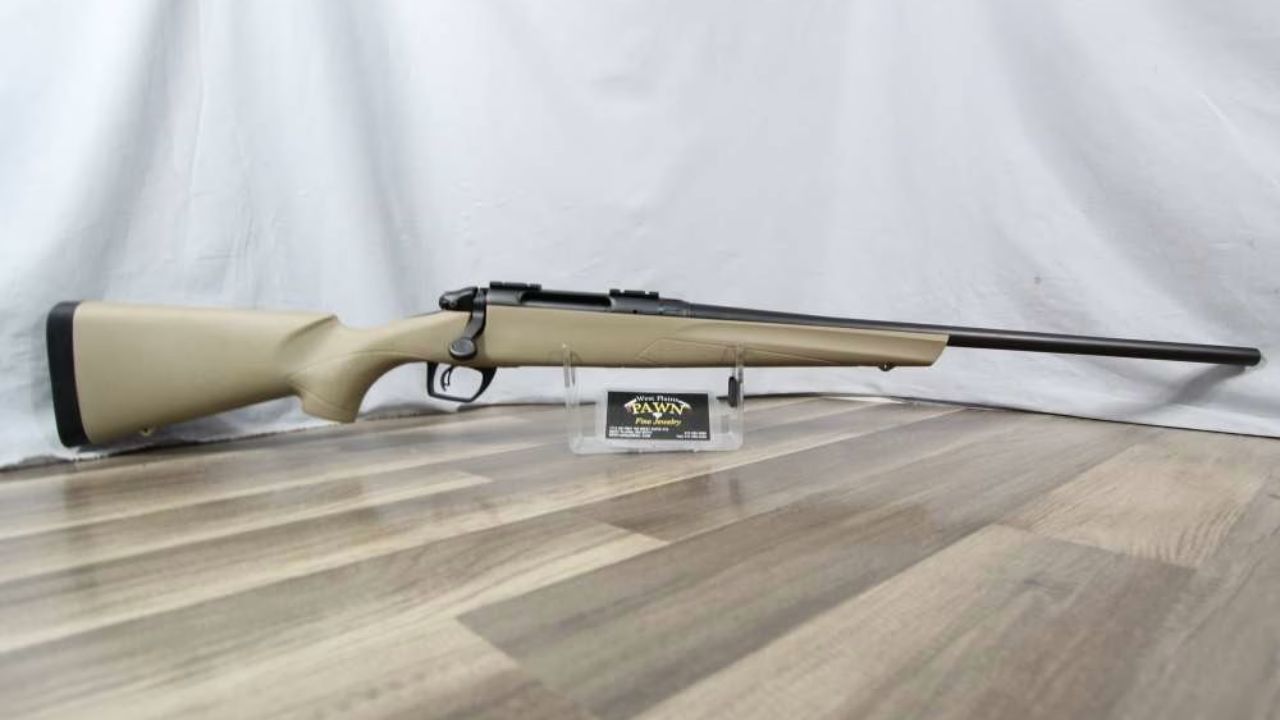
The Remington 783 Synthetic is a budget rifle that makes more sense after it has been used hard than it does sitting under fluorescent lights at the counter. RemArms lists the 783 with an adjustable CrossFire trigger, a pillar-bedded stock, included scope mounts, and a detachable steel magazine. Those are the kinds of features that help a rifle hold zero, take knocks, and keep being practical through real hunting use.
What helps the 783 survive field abuse is that it was built around value without skipping the basic structure. Pillar bedding matters, and so does a steel magazine in a rifle meant for repeated use. It is not a prestige rifle, but it does not need to be. It is the kind of gun that often ends up earning more respect after a few ugly seasons than it gets on day one.
Howa 1500 Hogue Rifle

The Howa 1500 Hogue Rifle is a good example of a rifle that feels built for weather and hard handling instead of delicate range life. Howa says the Hogue version uses a pillar-bedded OverMolded stock for fit, function, and accuracy, and specifically describes it as durable, synthetic, and dependable. That overmolded exterior is exactly the sort of thing that makes a rifle easier to live with when the stock is constantly hitting packs, brush, and truck interiors.
What gives it staying power is the underlying Howa 1500 action. The rifle has a long-earned reputation for solid construction, and pairing it with a grippy Hogue stock makes it even more practical in rain and cold. It is a working rifle in the best sense. You do not have to baby it, and that is a big reason shooters tend to trust them once the rifle has seen some miles.
Howa Mini Action

The Howa Mini Action deserves more credit than it usually gets because it brings a lot of serious rifle features into a smaller, efficient package. Howa highlights a pillar-bedded synthetic stock, a forged lightened one-piece bolt, a machined receiver, an M16-style extractor/ejector, and exacting headspace specs. That is not a flimsy budget-gun feature list. That is a rifle built with a real eye toward dependable use.
What makes it especially good in rough conditions is the way the design stays compact and practical without feeling cheap. A smaller action can mean less bulk to haul, but the rifle still keeps the kind of bedding, extraction, and bolt design you want in a field rifle. When a gun is built this deliberately, it tends to outwork its price bracket over time.
CVA Cascade

The CVA Cascade has built a reputation quickly because it gives you the kind of real-world hunting features people actually use. Current retail listings for the Cascade Cerakote note a 4140 carbon-steel barrel finished to resist harsh hunting elements, plus a threaded muzzle. That is the sort of practical setup that matters when a rifle lives outdoors instead of in a padded case.
What makes the Cascade fit here is that it does not act like an entry-level rifle that needs excuses made for it. CVA’s own retail channels position it as a classic hunting rifle, and the combination of Cerakote, synthetic furniture, and modern bolt-gun features makes it easier to trust in foul weather than many people expect from the price tier. It is built to be used, and it wears that well.
Tikka T3x Lite

The Tikka T3x Lite is not the cheapest rifle on this list, but it still belongs because it often handles hard use like a rifle that should cost more. Sako says the T3x Lite combines high performance with lightweight ease, and specifically notes that the synthetic stock is easy to care for while the rifle offers out-of-the-box accuracy. That is a very useful mix when you are carrying a rifle through bad weather instead of only admiring it at the bench.
The reason shooters trust the T3x Lite in rough field conditions is that it stays simple and well executed. The stock is synthetic, the overall package is light enough to carry all day, and the rifle is built around practical hunting use. It is not a bargain-basement rifle, but it often feels tougher and more polished than its price suggests once the hunt gets messy.
Bergara B-14 Hunter

The Bergara B-14 Hunter earns respect because it gives you a sturdier-feeling rifle than many people expect once they hear “affordable Bergara.” Bergara says the B-14 Hunter uses a molded synthetic stock made of glass-fiber-reinforced polymer and calls the line a way to bring Bergara barrel accuracy to serious big-game hunters at a price that remains approachable. That kind of phrasing matters because it tells you the rifle was built to work first.
A glass-fiber-reinforced synthetic stock is the kind of thing that pays off in the field. The B-14 Hunter is still a hunting rifle, not a showpiece, and it wears bumps, weather, and general abuse better than a lot of prettier rifles do. When a rifle gives you that kind of material choice and a serious accuracy reputation without going full premium, it tends to outperform its price tag fast.
Ruger Scout Rifle

The Ruger Scout Rifle is more specialized than a plain deer rifle, but it absolutely belongs here because it was built around rugged use from the start. Ruger notes that the laminate-stock versions use durable laminated wood that remains stable in weather and temperature extremes, and the rifle also uses a Mauser-type controlled-round-feed extractor with a fixed blade ejector. That is exactly the kind of hard-use hardware experienced shooters pay attention to.
What makes the Scout hold up so well is that every part of it feels like it was meant to be carried, knocked around, and run under less-than-perfect conditions. It is compact, purpose-driven, and mechanically serious in a way many similarly priced rifles are not. The rifle has a practical toughness that becomes more obvious the worse the conditions get.
Savage 110 Trail Hunter

The Savage 110 Trail Hunter was built specifically for this kind of conversation. Savage says the rifle uses a Tungsten Cerakoted barreled action and a Hogue OverMolded stock in OD Green, along with a threaded barrel and detachable magazine. That is not subtle. It is a field-rifle feature list put together by people who clearly expect weather, grime, and hard handling to be part of the job.
That is why it handles abuse so well for the money. The Hogue stock gives you real grip in bad conditions, and the Cerakote finish is there because plain blue steel gets old fast in wet country. A rifle like this does not need to be pretty. It needs to keep working when things get ugly, and the Trail Hunter was obviously built with that in mind.
Savage 110 Trail Hunter Lite

The 110 Trail Hunter Lite takes that same basic idea and trims it into a lighter rifle without giving up the field-focused build. Savage says it stands up to the elements, again pairing a Hogue overmolded stock with a Cerakote ceramic-coated barreled action. The company specifically calls out the stock’s full-coverage rubber overmold as a way to give the user a superior hold in all conditions. That is exactly the kind of detail that matters after a wet, cold day in rough country.
What makes this rifle impressive is that it stays lighter while still carrying the same “use it hard” attitude. A lot of lightweight rifles feel like they gave something up to lose ounces. This one still feels built around practical abuse. When a lighter hunting rifle keeps that much grip and weather resistance, it tends to earn more trust than its price alone would predict.
CZ 600 Alpha

The CZ 600 Alpha is one of the less flashy rifles in this group, but that is part of why it makes sense here. CZ says the 600 Alpha uses a symmetrical, fiber-reinforced polymer stock, while the 600 series as a whole is built around a bolt design intended to ensure user-controlled feed in all shooting positions and even under demanding conditions. That is a strong statement about real-world reliability, not showroom appeal.
A fiber-reinforced stock and a controlled-feed design are exactly the kinds of things that help a rifle keep running when it gets treated hard. The 600 Alpha may not get the same chatter as some other synthetic hunting rifles, but on paper it has the kind of practical construction that usually pays off after a few tough seasons. That is where value rifles often prove themselves.
Stevens 334 Synthetic

The Stevens 334 Synthetic is a rifle many people overlook because the name and price make them assume “basic” before they look any closer. Savage says the 334 is built for demanding hunts, and the company specifically points to a crisp trigger, 60-degree bolt lift, and a free-floating button-rifled barrel for consistent accuracy. That is a more serious build than many people expect from a rifle in this lane.
What makes the 334 interesting is that outside reviews have landed in the same place. Field & Stream called it a solidly made, reliable rifle ideal for a new hunter or anyone on a tight budget, while American Hunter described it as a robust, all-purpose hunting rifle. That is exactly the kind of reputation a rifle earns when it survives real use better than the sticker suggests.
Like The Avid Outdoorsman’s content? Subscribe to our newsletter so you never miss an article.
Here’s more from us: