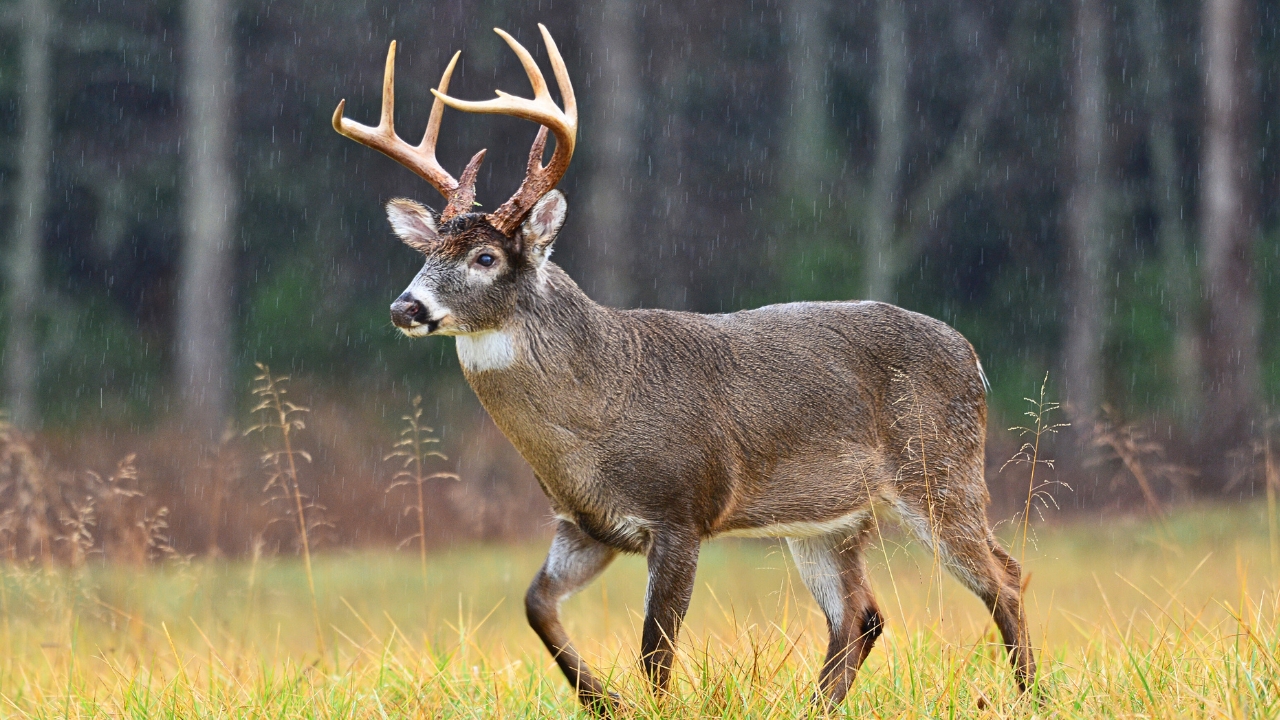
Photo credit: Paul Winterman/Shutterstock.com
Calibers can look good on a box chart and still fail you when it matters. You’ve probably watched a deer soak up a hit from a cartridge that should’ve anchored it, only to run farther than it ever should have. That’s usually a sign of poor penetration, erratic expansion, or velocity that drops off too fast in the real world. Hunters tend to learn these lessons the hard way, especially when a round behaves differently in the field than it does at the range.
When a caliber creates more wounded deer than clean kills, it usually comes down to inconsistent bullet performance or a narrow window of ideal shot placement. You need a round that pushes deep, carries enough energy past the muzzle, and gives you a margin for error in the woods. These cartridges struggle with those basics and leave far too many hunters tracking longer than they should.
.22 Hornet

The .22 Hornet has been around for nearly a century, but its shortcomings on deer are the same today as they were decades ago. You’re working with a light bullet at modest speed, and that combination rarely gives you the penetration needed for heart or lung shots from anything but perfect broadside angles. In brushier terrain or uneven lighting, that lack of margin becomes a real problem.
Even with modern loads, the Hornet simply can’t be counted on to break shoulder bones or push through the vitals from tougher angles. Hunters who try it often end up with long blood trails and deer that run far too long before going down. It’s a fun cartridge for small game, but it doesn’t deliver consistent, humane kills on deer-sized animals.
.17 HMR
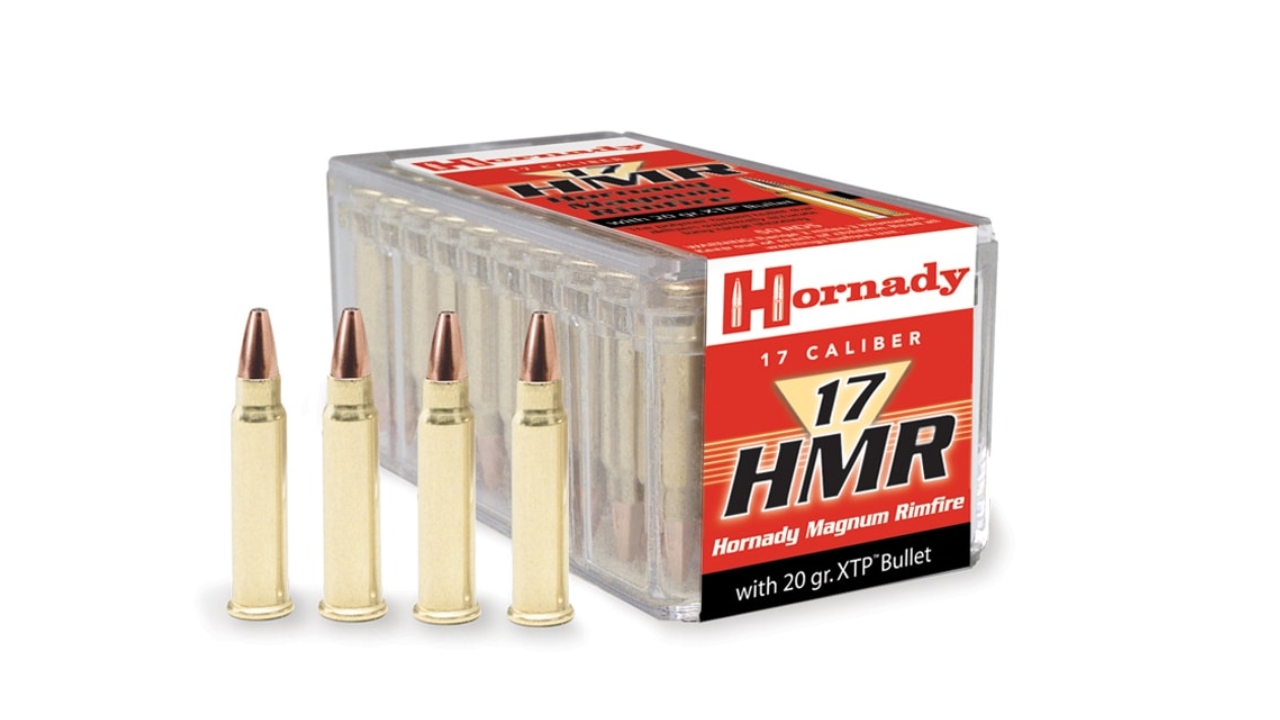
The .17 HMR is accurate, flat-shooting, and a blast for varmints, but it’s completely outmatched on deer. The tiny, lightweight bullets expand violently on impact, which works fine on prairie dogs and raccoons. On a whitetail, that explosive energy dumps too early and fails to drive into the vitals with enough force to cause quick incapacitation.
If you’ve ever seen a .17 HMR attempt to punch through hide and muscle on a deer, you know how quickly it loses steam. There’s simply no reliable penetration, especially if the shot isn’t picture-perfect. Many wounded deer have been lost to this round when hunters try to stretch it into roles it was never designed for.
.218 Bee
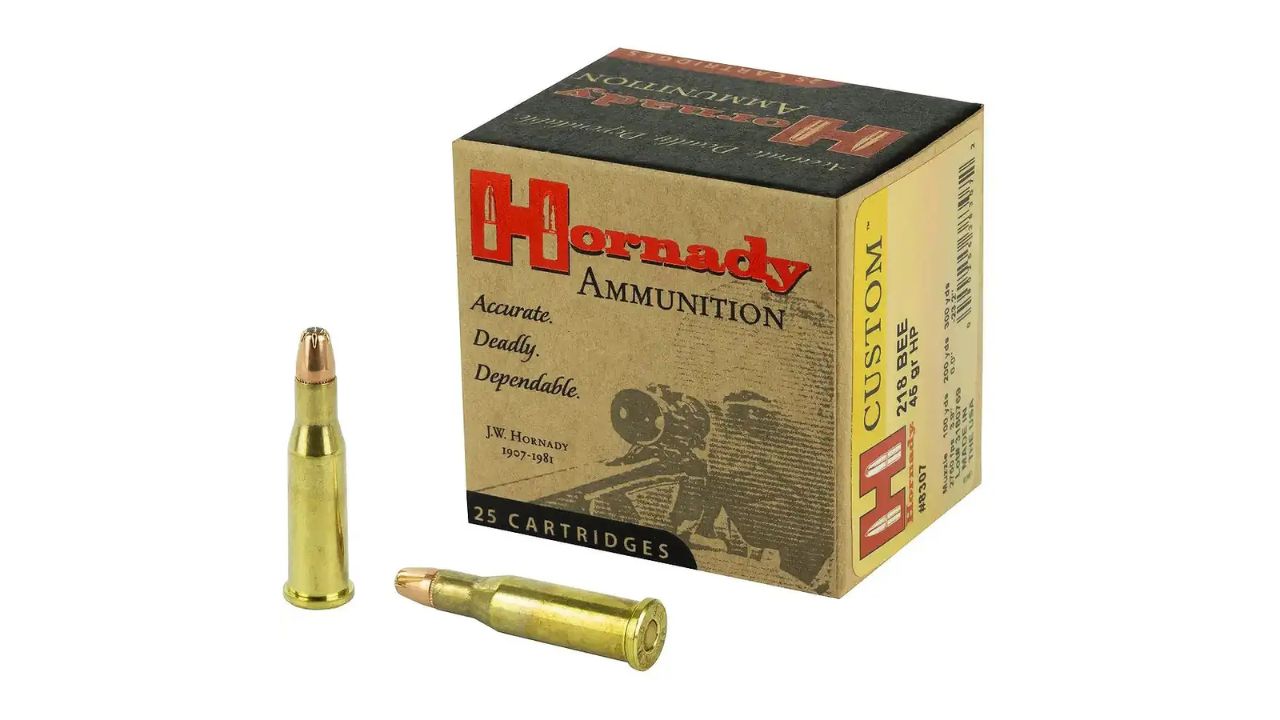
The .218 Bee earned a loyal following among small-game hunters, but it has a long history of underperforming on deer. Its biggest issue is the same one that plagues other small .22 calibers — bullets that lack the sectional density and weight to reach the vitals consistently. Even with soft-point designs, expansion often outpaces penetration.
This cartridge also bleeds energy quickly as distance increases. Shots that seem reasonable on paper often lack the punch they need when you see what the bullet actually does inside an animal. The Bee is great for varmints, but on deer it’s known more for long tracking jobs than quick recoveries.
.25-20 Winchester

The .25-20 Winchester is charming in an old-school way, but its performance on deer has always been marginal at best. It throws a lightweight bullet at velocities that barely make modern standards for humane kills. Penetration is shallow, and expansion can be unpredictable depending on the load and distance.
Many hunters who gave the .25-20 a chance learned quickly that it doesn’t create enough tissue damage to anchor deer reliably. Even perfect-heart shots sometimes result in animals running further than expected. It’s fine for small game and nostalgic lever-gun fun, but calling it a deer cartridge stretches the truth.
.30 Carbine

The .30 Carbine has a loyal fan base thanks to the M1 Carbine’s military history, but its track record on deer is mixed at best. Soft-point loads help, yet the round still struggles with penetration on quartering angles. The bullets often deform too early, especially at close range, where velocity spikes.
While it can work inside 50 yards with ideal placement, that narrow window leaves too much room for error. Many hunters end up following sparse blood trails or losing deer entirely when shots don’t land perfectly. The nostalgia factor is huge, but the performance curve is too shallow for consistent deer results.
5.7x28mm

The 5.7x28mm is fast, sleek, and appealing on paper, but its performance on deer doesn’t line up with its marketing. Designed for lightweight, armor-piercing projectiles, it simply doesn’t carry enough mass or momentum to guarantee penetration through muscle and bone on a whitetail. Shots that look clean often turn into long tracking jobs.
Even expanding bullets struggle to open reliably at hunting distances. And because the wound channel is narrow, it doesn’t create the kind of trauma that leads to quick drops. It’s a cool cartridge for personal-defense carbines, but it falls short in the woods.
.22 WMR
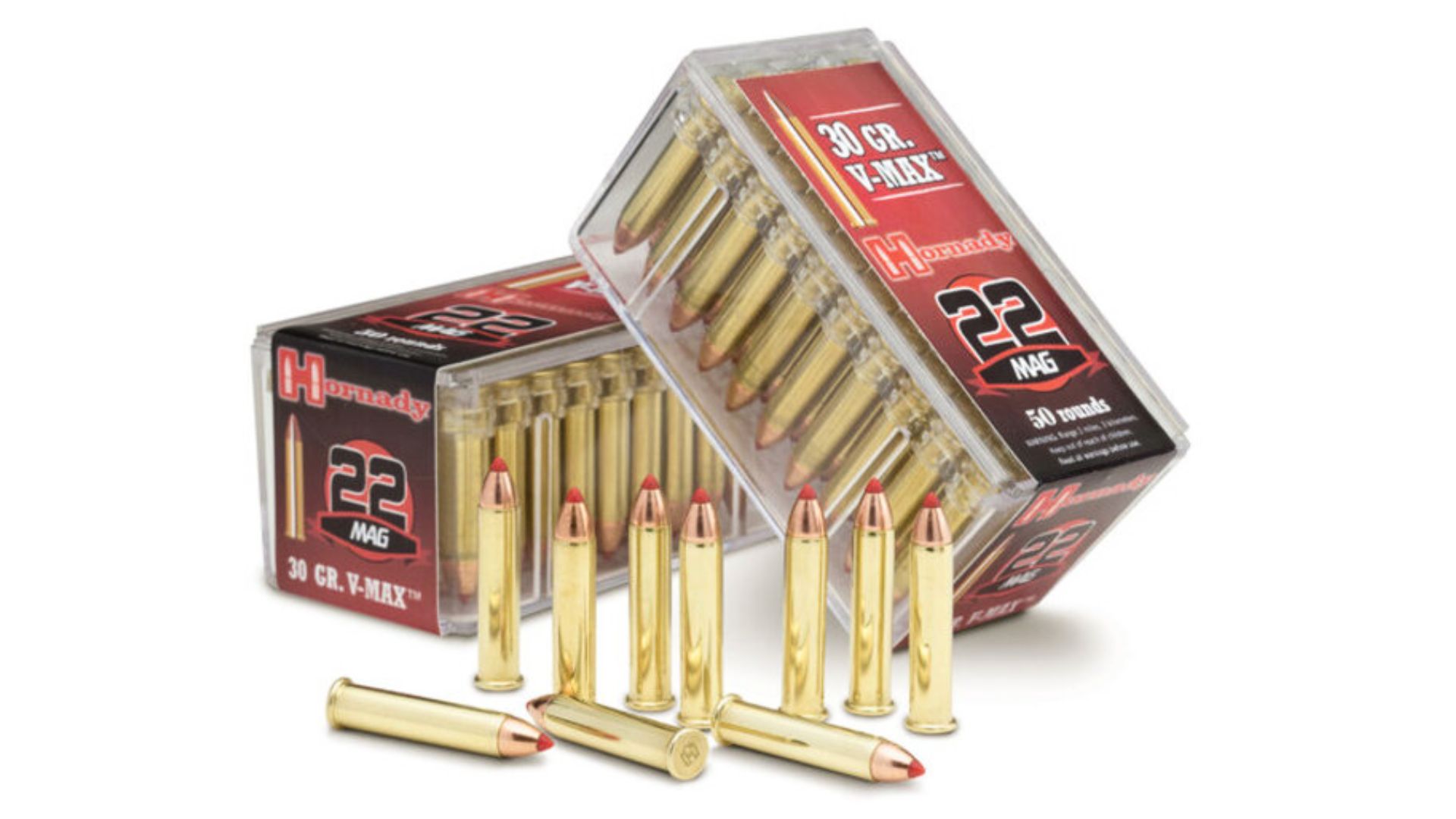
The .22 Magnum offers better performance than .22 LR, but not enough to make it a dependable deer-hunting round. Most bullets in this caliber fragment quickly, which limits penetration to small-game depths. Even the heavier loads fail to break through a shoulder or create a wide wound channel through the lungs.
Hunters often try the .22 WMR because of its low recoil and cost, but that comes with trade-offs that show up in the field. A deer hit with this round can run an unpredictable distance, leaving minimal blood to follow. It’s simply not strong enough to guarantee humane results.
.256 Winchester Magnum
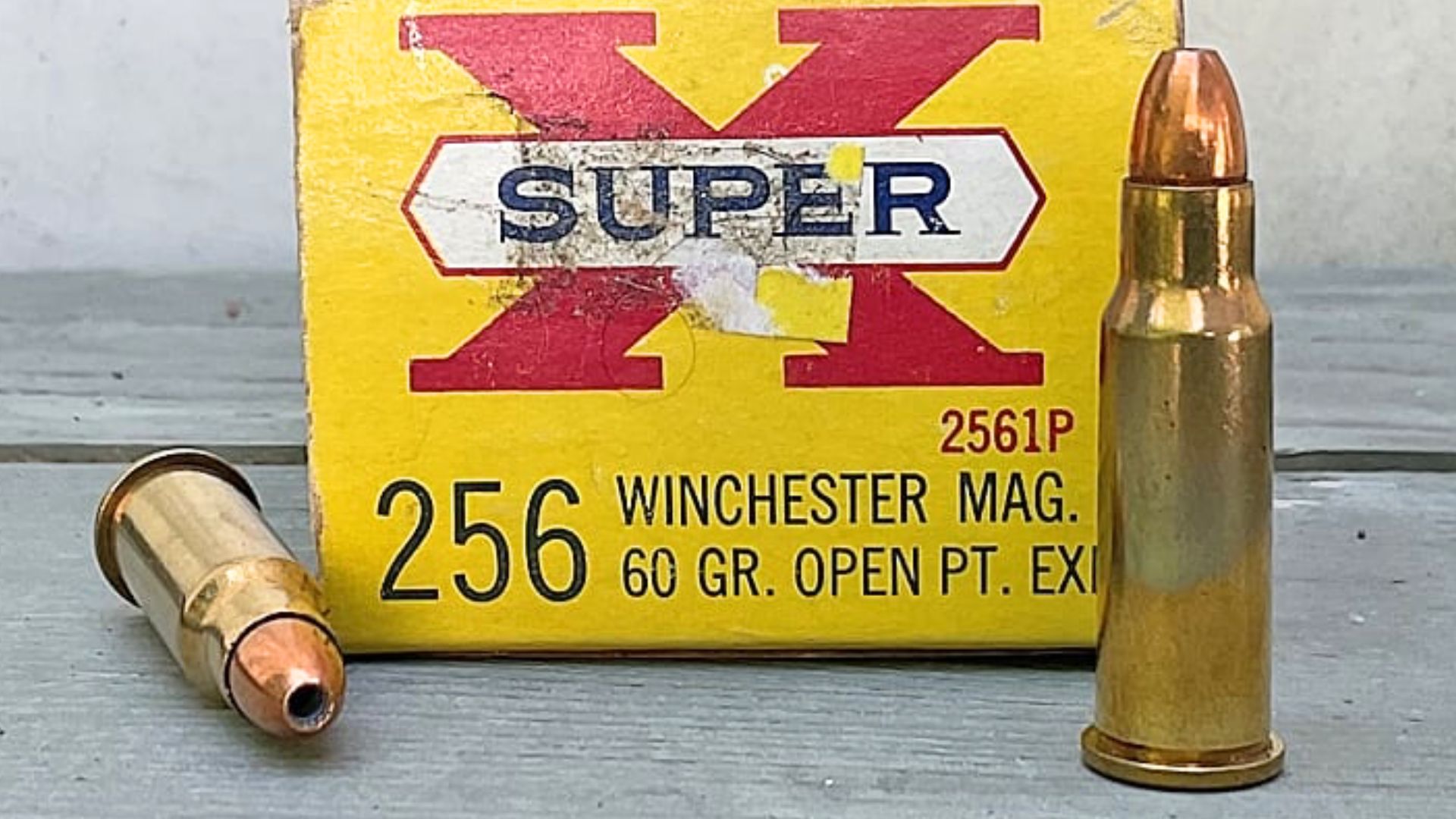
The .256 Winchester Magnum had potential on paper, but in real-world field use it’s too light and too dependent on perfect shot placement. Its slim, fast-moving bullets expand fast but rarely drive deep. That leads to unpredictable wound paths and minimal internal damage on deer-sized animals.
The round also drops its velocity quicker than many expect, which only worsens penetration issues as distance increases. Hunters who experimented with it years ago often moved on after seeing how often deer ran far after being hit. Cool cartridge — unreliable performance.
.32-20 Winchester
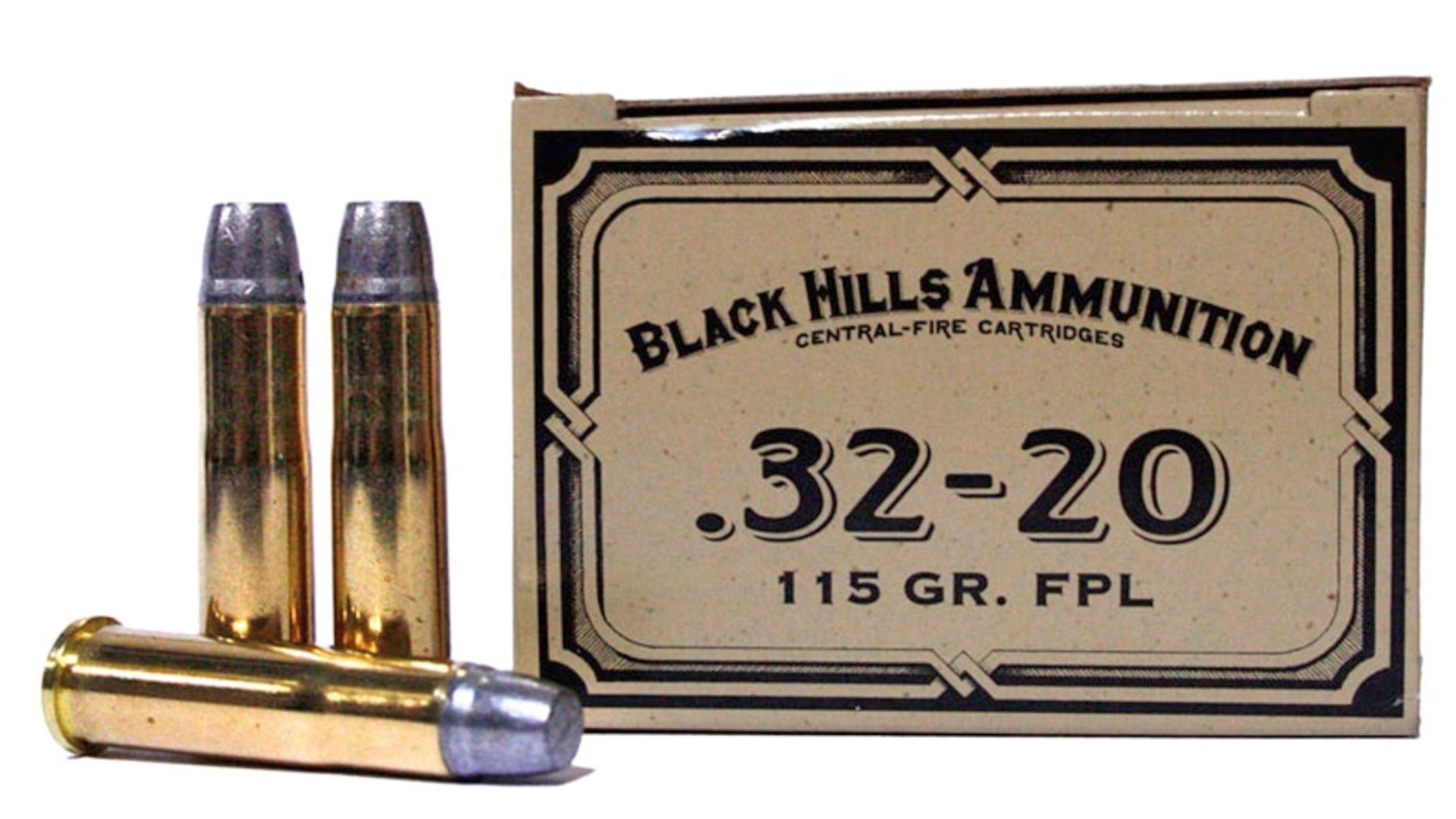
The .32-20 sits in an uncomfortable middle ground where it’s no longer ideal for small game yet still too weak for deer. Its slow-moving bullets don’t cause enough trauma to put deer down quickly, especially when rib angles or slight quartering shots come into play. Many hunters underestimate how much power it actually lacks.
Even with modern hollowpoints, you don’t get the kind of expansion that builds a reliable blood trail. And because the bullet often stays intact without mushrooming, internal damage is limited. It’s a fun plinker but a poor choice for deer in any realistic scenario.
.222 Remington
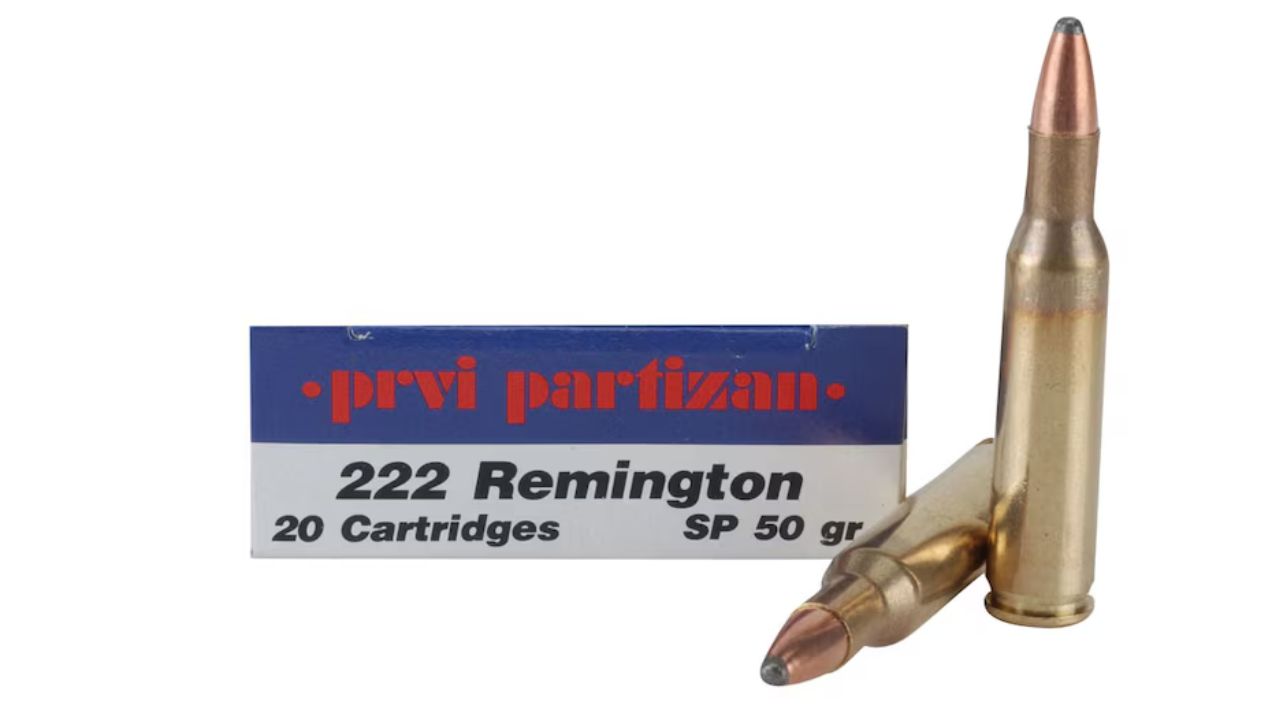
The .222 Remington is accurate and pleasant to shoot, but its ultra-light bullets don’t offer enough penetration on deer. Many of the common loads were designed for varmints, which means rapid expansion and shallow wound channels. That’s a recipe for long recovery jobs when shot placement isn’t perfect.
While some hunters have used it successfully with premium bullets, its margin for error is razor thin. The small bores simply fail to reach both lungs consistently if they hit bone or thick tissue on the way in. Great predator round — poor deer round.
.17 WSM

The .17 Winchester Super Magnum offers blistering speed but very little terminal punch. Its bullets are tiny, fragile, and designed to explode on impact with small animals. On a deer, that explosive effect happens before the bullet ever reaches anything vital.
Hunters who’ve mistakenly tried the .17 WSM on deer often describe minimal penetration and almost no blood trail. The hit might look perfect in the moment, but the cartridge lacks the mass and momentum necessary to make those hits count. It’s excellent for varmints — not for deer.
.22 LR (when misused)
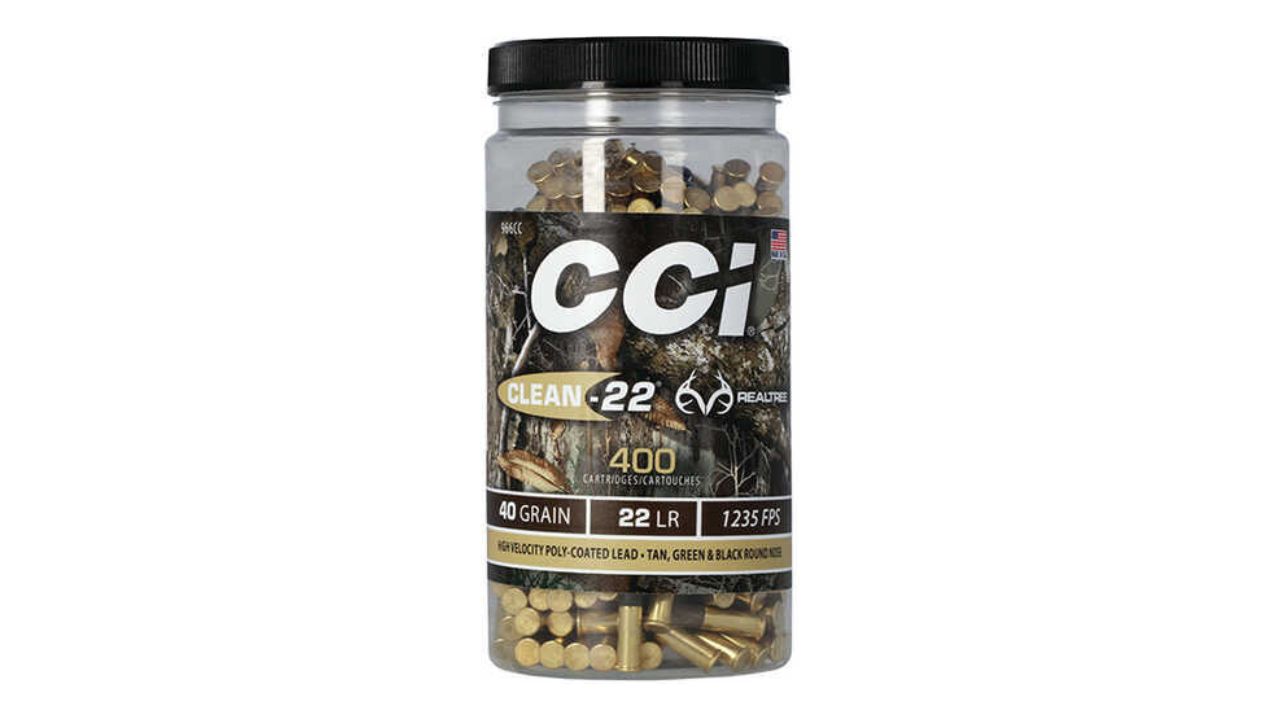
While every hunter knows the .22 LR isn’t a deer cartridge, it makes this list because some still attempt it. The round lacks the power to reach vitals reliably, especially from common impact angles. Its bullets deform unpredictably and rarely create a wound channel wide enough for quick, humane kills.
Deer hit with a .22 LR often run extreme distances, sometimes without leaving much traceable blood. Even perfect shots result in delayed recoveries. It’s one of the most misapplied calibers in deer hunting, and using it is inconsistent at best and irresponsible at worst.
.204 Ruger (with varmint bullets)

The .204 Ruger is an outstanding predator round, but with varmint bullets it fails miserably on deer. The tiny projectiles explode too early, leaving almost no penetration. Hunters who’ve tried it often describe shallow entry wounds and little to no blood trail.
While there are tougher bullets on the market now, most .204 loads still aren’t designed for big game. If you pick the wrong one — and most people do — the performance is unreliable. It’s a perfect example of a cartridge that shines on coyotes but falls apart on deer.
.221 Fireball
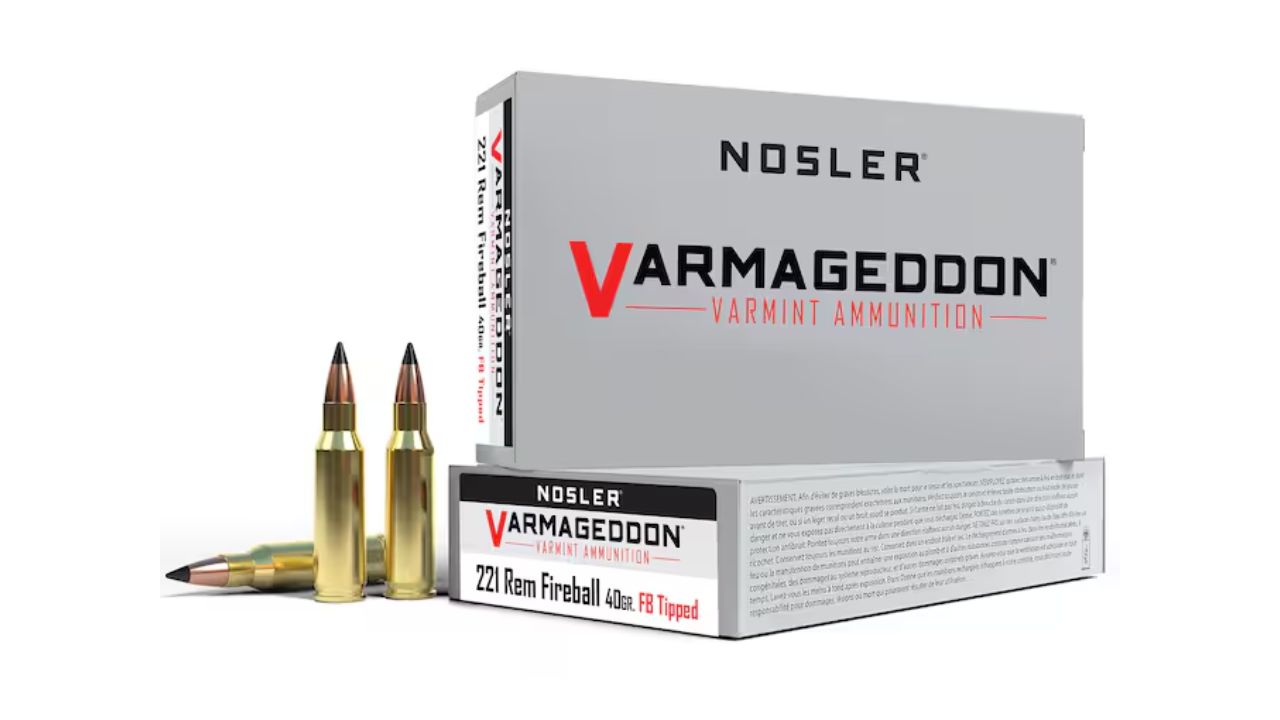
The .221 Fireball carries plenty of nostalgia, but its performance on deer mirrors the issues seen with .222 and other small varmint rounds. Light bullets and shallow penetration make it a poor choice for consistent, ethical kills. You simply don’t get the trauma needed to anchor a whitetail quickly.
Even handloads struggle to push deep enough for quartering shots or through thicker bone. Hunters often report deer running far despite well-placed hits. It’s accurate and fun to shoot, but it doesn’t deliver what you need in real hunting conditions.
Like The Avid Outdoorsman’s content? Subscribe to our newsletter so you never miss an article.
Here’s more from us: