Photo credit: Benchmade
Some pocket knives are built to impress you when they are brand new. Others are built to keep working after the finish is scratched, the clip is bent, the edge has been sharpened dozens of times, and the pivot has spent years collecting pocket lint and dirt. Those are the knives that earn real loyalty.
Durability is not just about using the thickest blade possible. A long-lasting pocket knife needs a strong lock, solid hardware, dependable heat treatment, and a design that can be cleaned and maintained without turning into a project. The best ones also have enough blade life that repeated sharpening does not quickly ruin the geometry. These 20 pocket knives have the kind of construction that makes wearing one out surprisingly difficult.
Cold Steel American Lawman

The American Lawman has built its reputation around Cold Steel’s Tri-Ad lock, which is one of the strongest lockback-style systems found on production folders. The knife has a relatively straightforward shape, a full-size handle, and enough blade stock to handle real work without turning into an oversized novelty. The G-10 scales also hold up extremely well to years of sweat, dirt, and daily carry.
What makes the Lawman especially hard to kill is that there is not much on it that feels delicate. The lock engages solidly, the pivot is stout, and the handle gives you a secure grip even when the knife is dirty. It may eventually look terrible from use, but mechanically these knives tend to keep going long after prettier folders start feeling loose.
Spyderco Paramilitary 2

The Paramilitary 2 has become one of the most widely used serious folding knives for a reason. Spyderco’s Compression Lock keeps your fingers out of the blade path during closing while also giving the knife excellent strength for ordinary folding-knife use. The full-flat-ground blade cuts efficiently, and the large opening hole eliminates springs or complicated mechanisms that might eventually become troublesome.
The PM2 also benefits from enormous parts and aftermarket support. Screws, clips, scales, and other components are easy to replace if years of use finally damage something. More importantly, the basic knife rarely needs much beyond cleaning, lubrication, and sharpening. It is the kind of folder that can look absolutely worn out while still functioning almost exactly like it did when new.
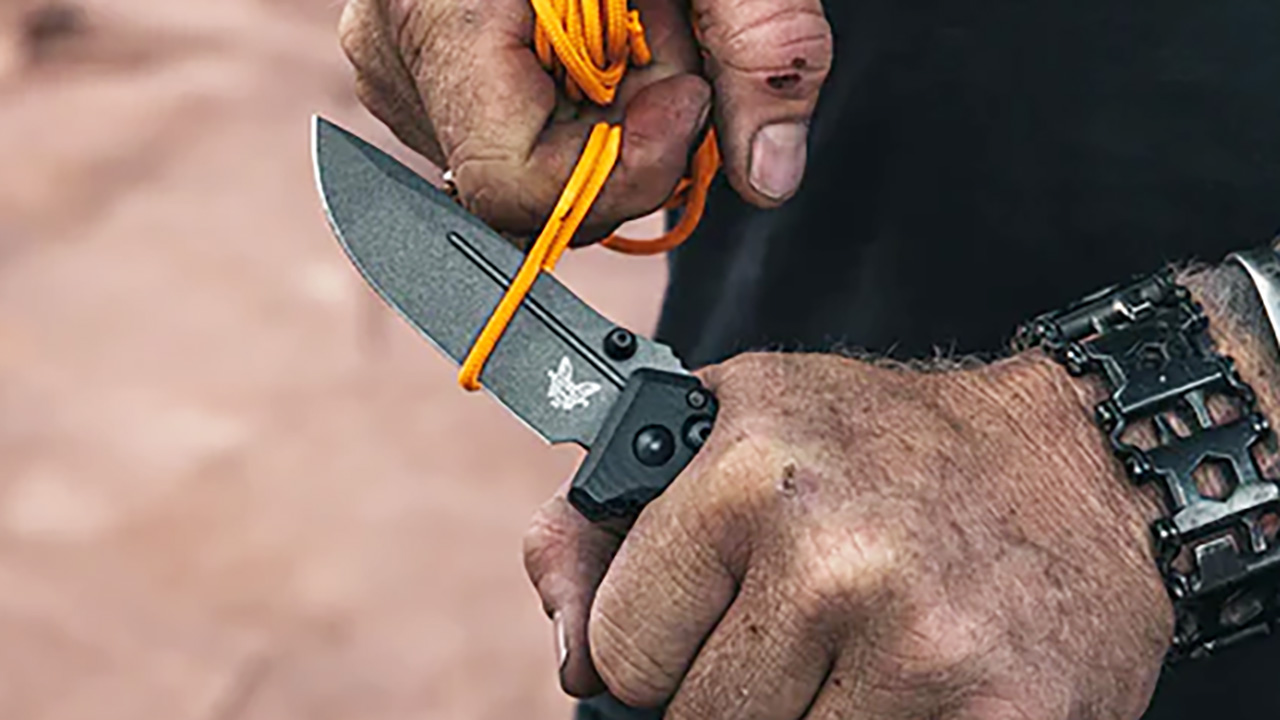
Benchmade Adamas

The Adamas was designed around durability rather than minimum pocket weight. It has a thick blade, large handle, substantial liners, and one of Benchmade’s more robust applications of the AXIS-style lock. It feels like a folding knife built for people who normally prefer fixed blades.
That extra material gives the knife a lot of long-term strength. The blade has enough thickness to tolerate years of sharpening, and the handle hardware is far more substantial than what you find on lightweight EDC folders. It is heavy, but that is part of the deal. If your priority is a knife that can spend years being carried around tools, equipment, and rough work, the Adamas is difficult to overwhelm.
Buck 110 Folding Hunter
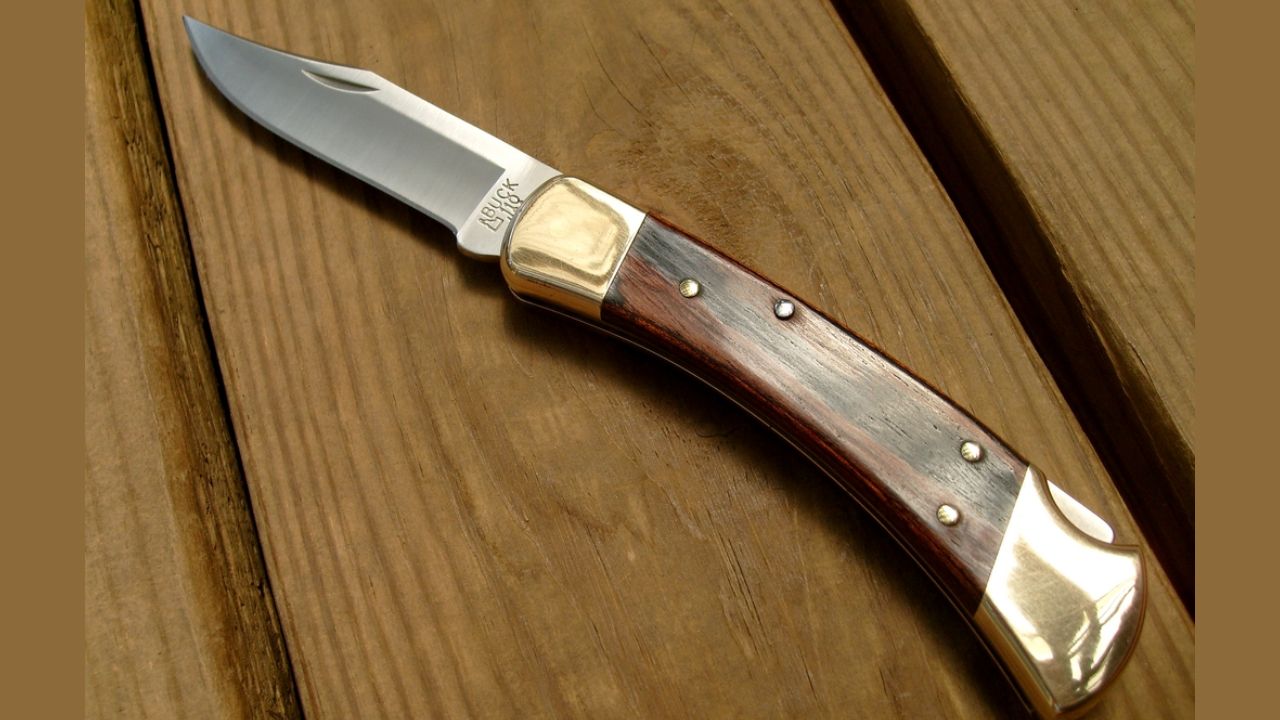
The Buck 110 has been proving itself for decades, and longevity is one of the main reasons it is still relevant. The brass bolsters, solid handle construction, and traditional back lock create a knife that feels more like a small piece of machinery than a lightweight modern folder.
One of the biggest strengths of the 110 is that it was never designed to be disposable. The blade can be sharpened repeatedly, the lock is extremely straightforward, and the knife has very little unnecessary complexity. Plenty of old examples are still being carried after decades of hunting and general use. It is heavier than modern pocket knives, but there are very few folding designs with a longer real-world durability record.
Spyderco Manix 2
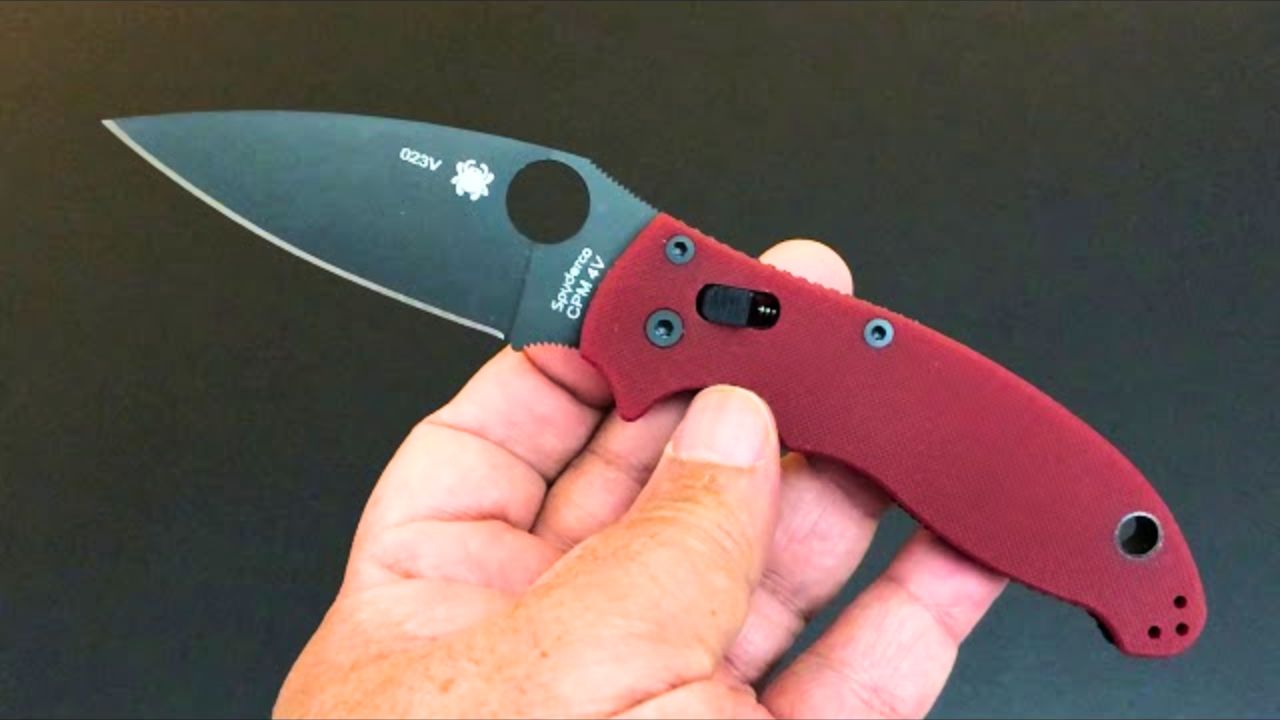
The Manix 2 is one of Spyderco’s more overbuilt everyday folders. Its Ball Bearing Lock provides strong engagement, while the broad handle gives you excellent control during harder cutting. The knife also has a robust pivot and a thick enough blade to survive much more abuse than the lightweight appearance of some versions might suggest.
The design is particularly good for dirty work because the lock is mechanically simple and the large opening hole remains easy to use even with gloves. G-10 versions feel especially durable because the scales and liners create a very rigid handle. The Manix may collect scratches and wear marks quickly, but that cosmetic damage usually has little effect on how the knife functions.
Zero Tolerance 0562

The ZT 0562 is one of those folders that feels almost overbuilt the moment you pick it up. The titanium frame lock, thick blade, large pivot, and substantial handle construction give it the sort of solidity usually associated with much more expensive custom knives.
It is also built around hardware that tolerates repeated use well. The flipper action remains smooth when maintained, and the frame lock has plenty of material behind it. The knife is not especially light, but someone buying a 0562 probably is not looking for the lightest option anyway. It is a hard-use folder that can spend years in a pocket without beginning to feel flimsy.
Cold Steel Recon 1
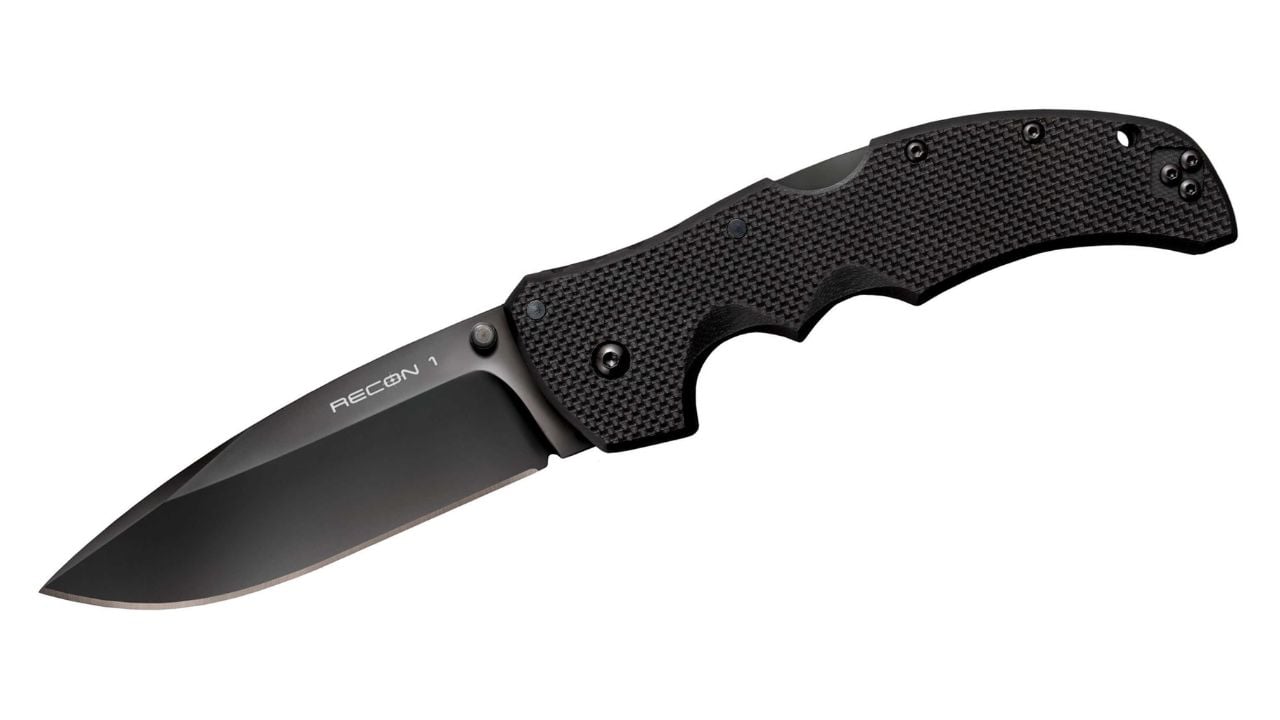
The Recon 1 is another knife that gets much of its durability from the Tri-Ad lock. The design is large enough for serious work but still thin enough to carry reasonably well for its size. Aggressive handle texturing also gives you a secure grip when conditions get wet or dirty.
The lock takes a lot of the stress that might otherwise damage a conventional liner lock. That makes the Recon 1 especially appealing to people who tend to be rough on folding knives. You may eventually wear down the coating or smooth out sections of the handle texture, but the basic lock and blade system is exceptionally difficult to wear out through normal cutting use.
Benchmade Griptilian

The Griptilian may not look as indestructible as some tactical folders, but it has one of the longest track records among modern everyday-carry knives. The AXIS lock distributes load well, the handles tolerate moisture and abuse, and the overall design has very few weak points.
Another strength is that the Griptilian has been produced in huge numbers. Replacement clips, screws, and other small parts are easy to find, which makes it easier to keep an older knife going instead of replacing the whole thing. Plenty of well-used Griptilians have years of blade wear and scratched handles while still locking up securely and opening smoothly.
Ontario RAT 1
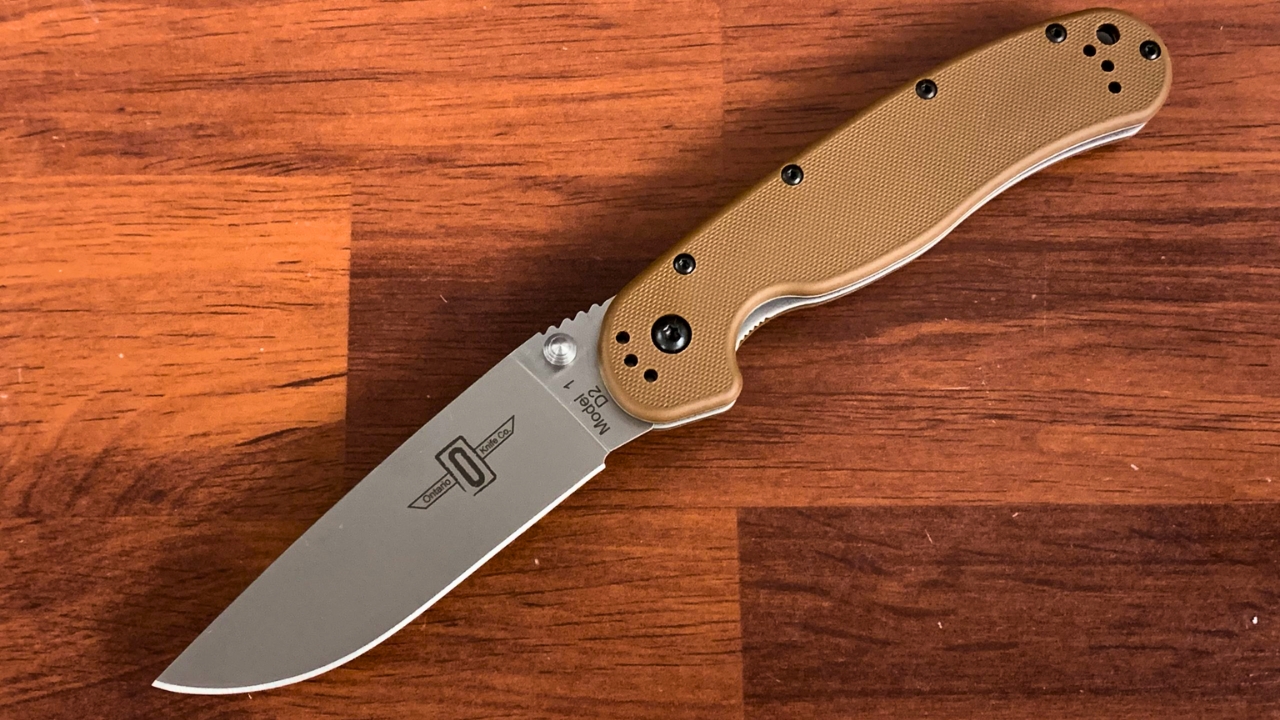
The RAT 1 became famous partly because it costs far less than a knife this durable feels like it should. The design is straightforward: large blade, comfortable handle, liner lock, and conventional thumb-stud opening.
There is nothing exotic to break. The pivot is simple to clean, the liners provide plenty of rigidity, and the handle shape works well even after years of use. The RAT 1 is not the strongest folder ever made, but it survives an impressive amount of ordinary work because it avoids delicate components. For a knife that gets tossed into trucks, toolboxes, and work pants, it is surprisingly hard to retire.
Buck 112 Ranger

The 112 Ranger takes much of what makes the 110 so durable and puts it into a slightly smaller package. You still get the traditional back lock, substantial metal bolsters, and thick enough blade stock to survive years of sharpening.
That smaller size makes it easier to carry while preserving the old-school construction that gives Buck folders their longevity. The knife may develop scratches, patina, and handle wear, but those changes are usually cosmetic. Mechanically, a good 112 can remain tight and useful for decades. It is one of those knives that often gets handed down rather than thrown away.
Spyderco Native 5

The Native 5 is a simpler knife than many modern tactical folders, and that simplicity helps its long-term durability. The back lock is proven, the handle is compact but secure, and the blade shape leaves enough steel behind the edge to tolerate repeated sharpening.
Lightweight versions are particularly resistant to corrosion and everyday neglect, while G-10 versions feel more rigid and substantial. There is no assisted-opening spring or complicated bearing system to worry about. Clean it, sharpen it, and keep using it. The Native 5 can spend years as an everyday work knife without requiring much attention.
Hogue Ritter RSK MK1-G2

The Ritter RSK is built around a very practical hard-use formula: strong crossbar-style lock, contoured G-10 handle, useful blade shape, and enough edge length for serious daily work. It feels substantial without becoming excessively heavy.
The lock engages securely, the pivot is sturdy, and the handle construction gives the knife a very solid feel under pressure. The blade also has enough material to survive repeated sharpening without immediately becoming narrow or awkward. It is the kind of knife that may eventually look beaten up but still feels mechanically trustworthy.
Cold Steel Code 4

The Code 4 gives you Tri-Ad lock strength in a much thinner, more pocket-friendly package than many other Cold Steel folders. The aluminum handles keep it relatively slim while still feeling rigid, and the blade is substantial enough for hard use.
What makes the Code 4 impressive is how little there is to wear out. The lock is extremely strong, the handle does not flex much, and the pivot system is straightforward. Aluminum scales will collect scratches, but that has almost no effect on function. If you want a knife that carries flatter than a Recon 1 but still has serious durability, the Code 4 is an excellent choice.
Kershaw Blur
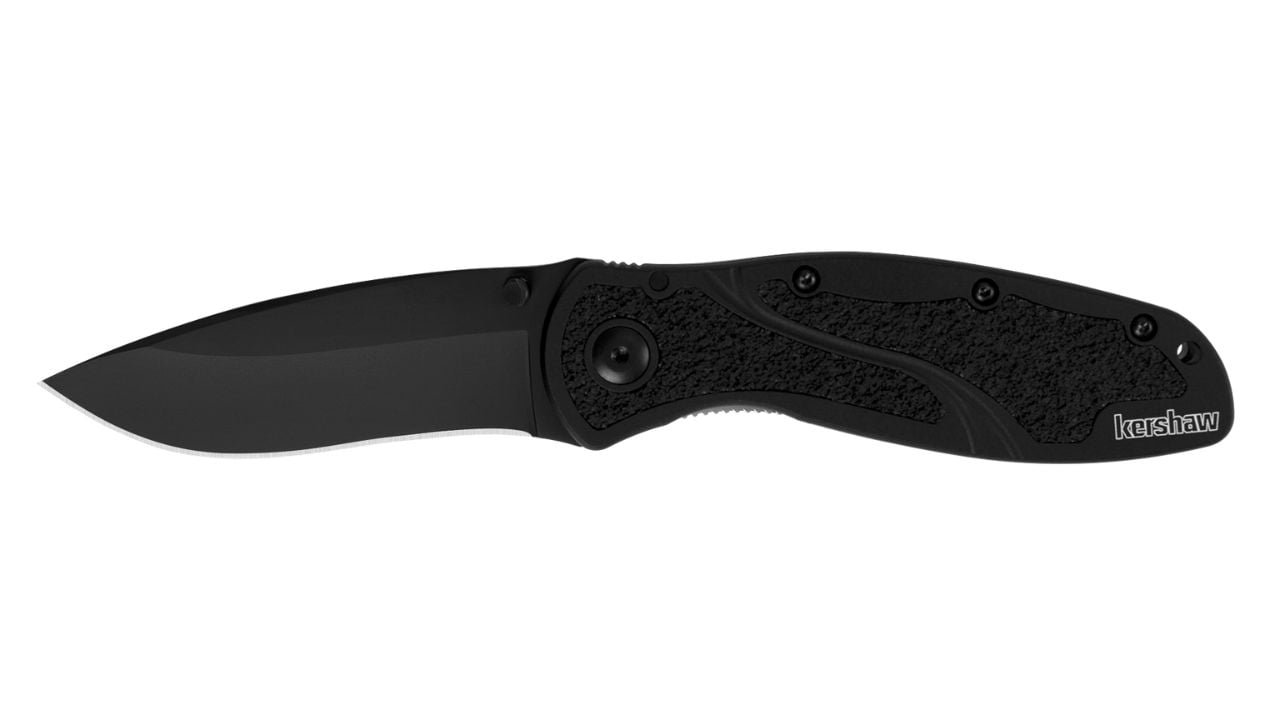
The Blur has been around long enough to prove that an assisted-opening knife can still have real staying power. The aluminum handle, steel liners, sturdy blade, and simple liner lock give it a solid foundation even before the assisted mechanism is considered.
The textured inserts provide a secure grip, and the knife has enough size to handle utility work without feeling oversized. The torsion bar may eventually need attention after extremely heavy use, but the knife itself remains fully serviceable and repairable. Many Blurs stay in rotation for years because the basic construction is far tougher than the price suggests.
Victorinox Pioneer X

The Pioneer X takes the traditional Swiss Army concept and puts it into a much tougher aluminum-scaled package. The Alox handles resist cracking and swelling, while the stainless tools hold up well to moisture and everyday neglect.
There is also very little mechanically complicated about the knife. Slipjoint springs may eventually show wear after decades, but under normal use these tools tend to last an extremely long time. The scissors, awl, screwdrivers, and blade make it useful for far more than cutting. It is one of the few pocket knives that can spend decades being used regularly without ever feeling obsolete.
Leatherman Free K2
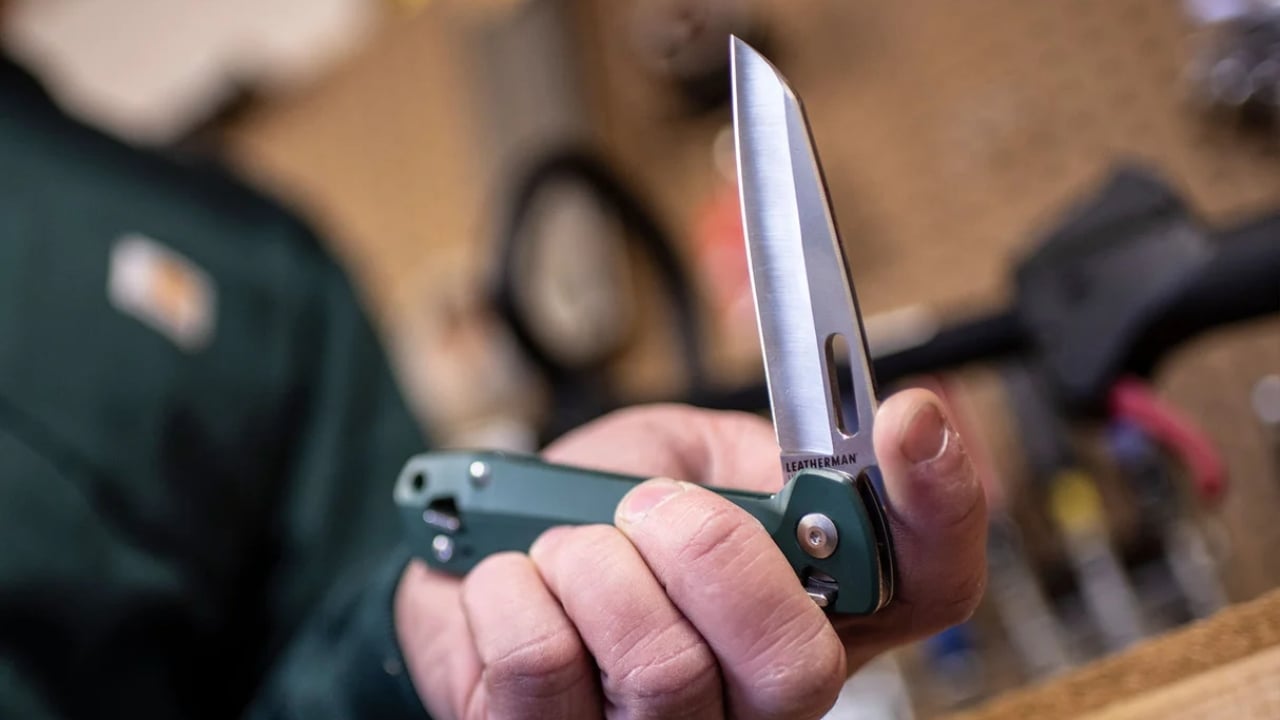
The Free K2 combines a full-size folding blade with a handful of utility tools in a body that feels more substantial than most traditional pocket knives. The aluminum scales and steel frame give it excellent rigidity, and the magnetic Free architecture keeps operation smooth without relying on tiny thumbnail openings.
The blade itself is large enough for normal EDC cutting, while the extra tools make the knife useful in situations where a conventional folder would require you to reach for something else. The construction is dense and tough, and there is very little flex under normal use. It feels built more like a compact multitool than a lightweight pocket knife.
Emerson CQC-7

The CQC-7 has earned a reputation as a hard-use folder because the design is intentionally straightforward and substantial. Thick G-10 scales, sturdy liners, a simple liner lock, and a robust blade leave very little that can fail under ordinary cutting use.
It is not refined in the same way as a bearing-driven flipper, but refinement is not the point. The knife is meant to open, cut, lock, and keep doing it. The Wave feature adds another opening option without requiring complicated internal parts. Even heavily worn CQC-7s often remain mechanically sound long after the finish and handles show serious use.
Spyderco Shaman
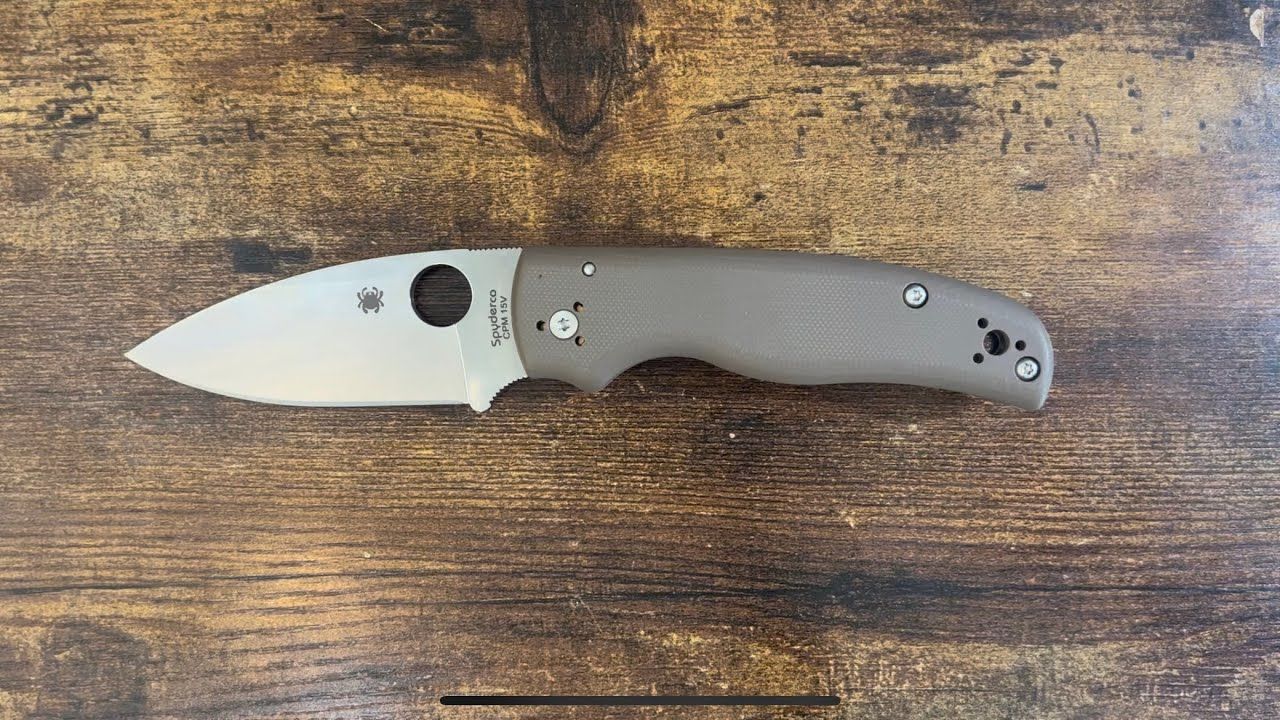
The Shaman feels like a heavier-duty version of the classic Spyderco formula. It has a thick blade, contoured handle, strong Compression Lock, and a substantial pivot area that gives the whole knife a very solid feel.
Despite the thickness, the blade still cuts well because Spyderco keeps the grind practical. The handle also spreads pressure across the hand during harder work, which makes the knife easier to use for extended periods. It is heavier than a PM2, but it is also noticeably more substantial. For someone who wants a folder that can take years of rough use without becoming loose and flimsy, the Shaman is hard to beat.
Demko AD20.5

The AD20.5 gained much of its reputation from Demko’s Shark Lock, which combines strong lockup with very easy one-handed operation. The mechanism keeps the user’s fingers away from the blade path and feels extremely secure once engaged.
The knife also has a broad handle, sturdy pivot, and blade shapes that leave enough material for long-term use. The Shark Lock may be the headline feature, but the rest of the knife is built to match it. It is tough enough for serious everyday work without carrying like an oversized tactical folder. That balance makes it especially appealing as a long-term EDC.
CRKT M16-14SFG
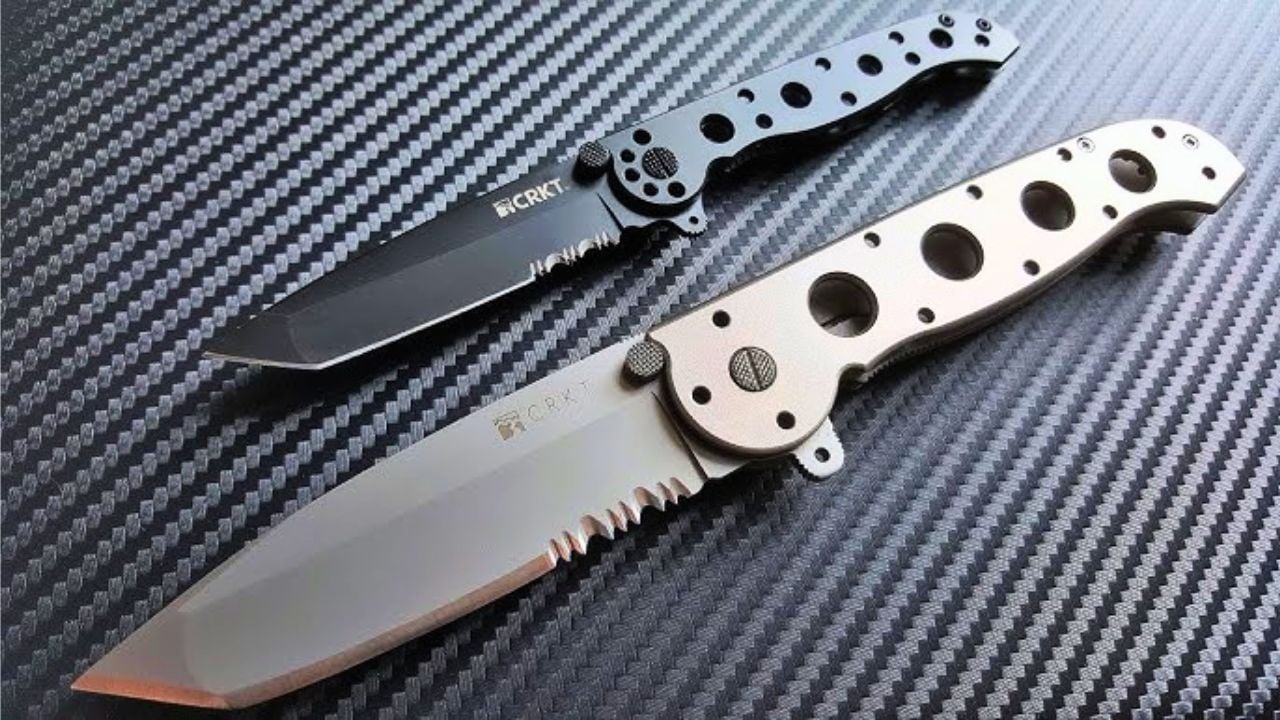
The M16-14SFG is a big, heavy CRKT folder built around strength rather than refinement. The aluminum handle, large blade, dual flippers, and secondary lock system give it an almost industrial feel in the hand.
It is heavier than most people need for normal pocket carry, but that extra construction makes the knife difficult to wear out through regular utility work. The blade has plenty of material for repeated sharpening, and the lock system adds another layer of security. It may not be elegant, but as a rough-use pocket knife it can survive years of treatment that would make lighter folders feel tired.
Like The Avid Outdoorsman’s content? Subscribe to our newsletter so you never miss an article.
Here’s more from us: